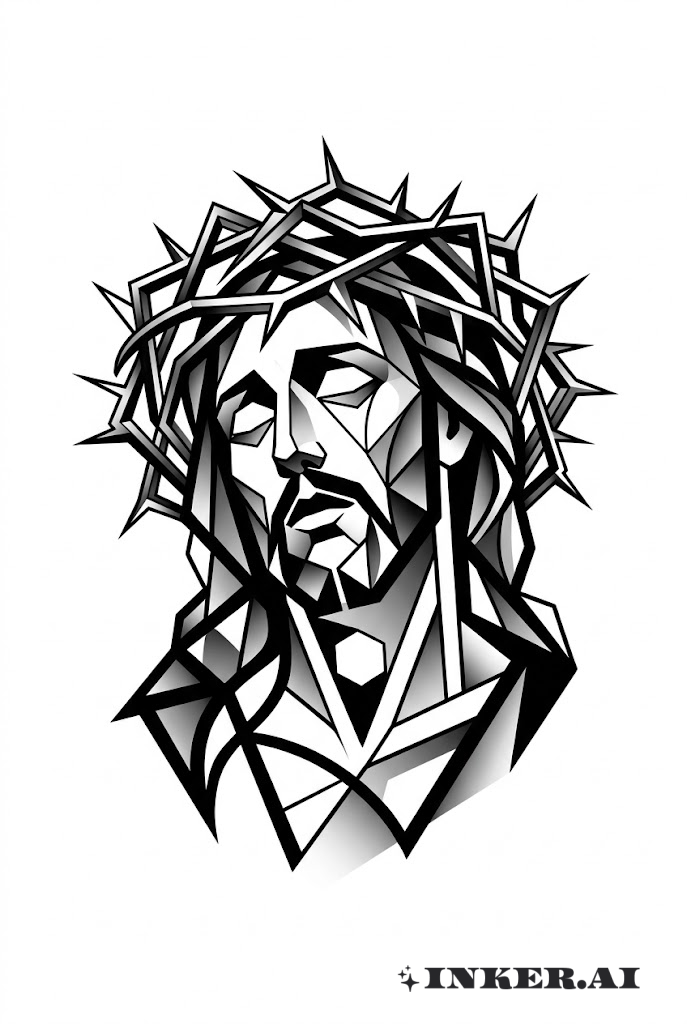
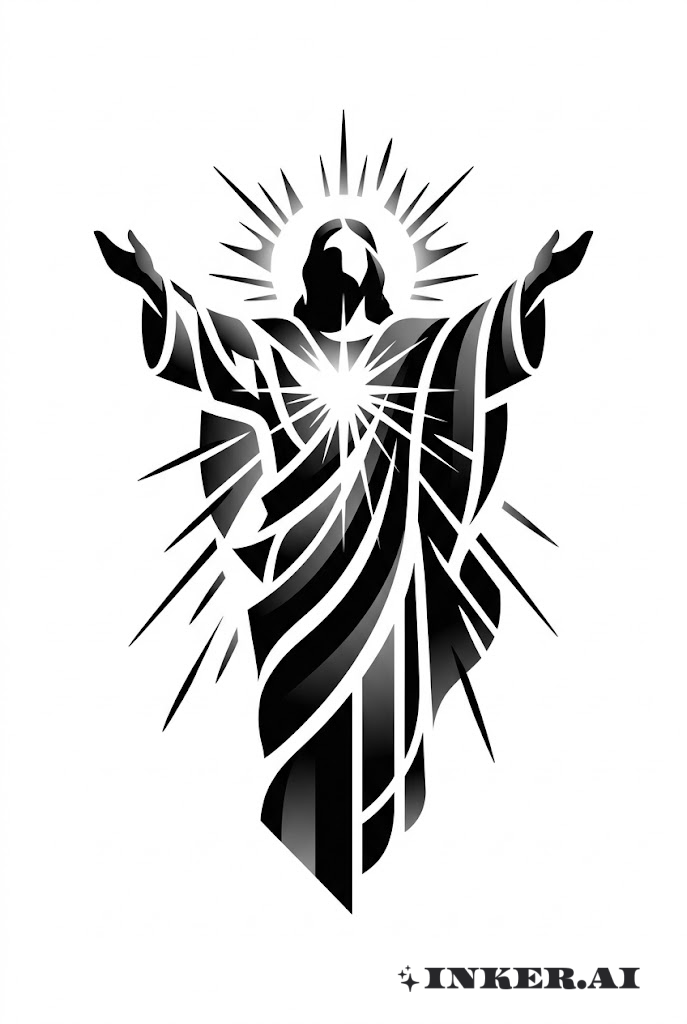
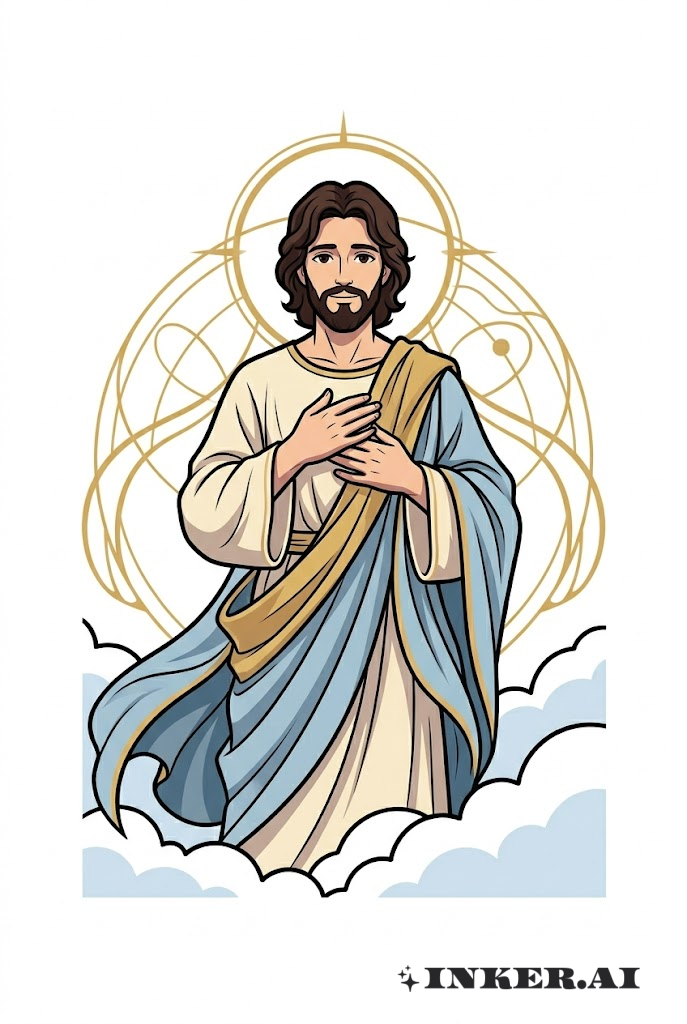
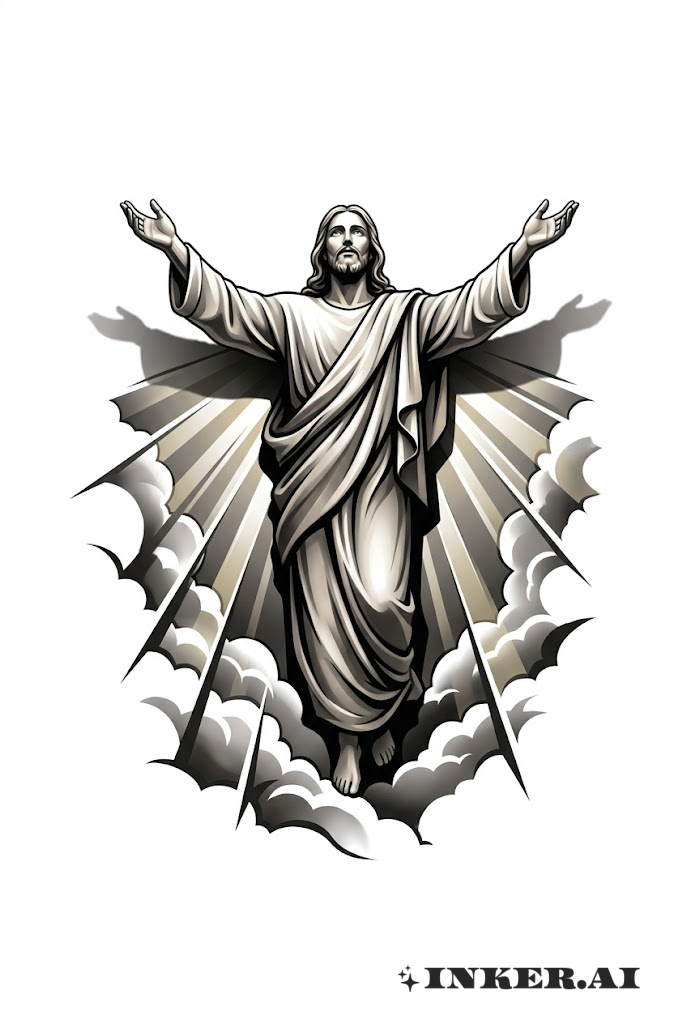
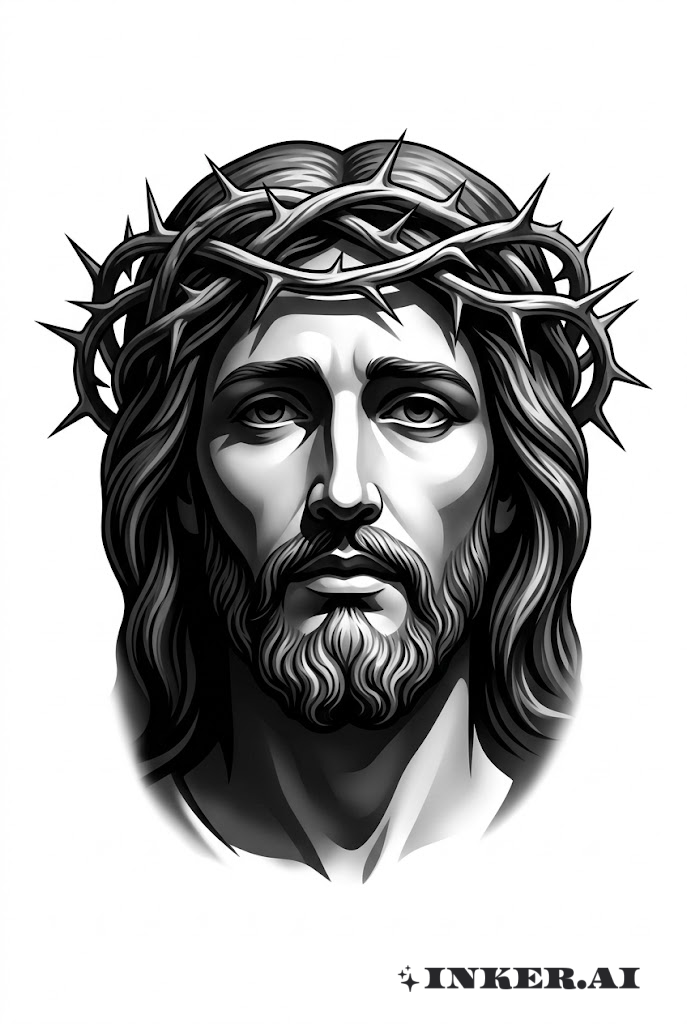
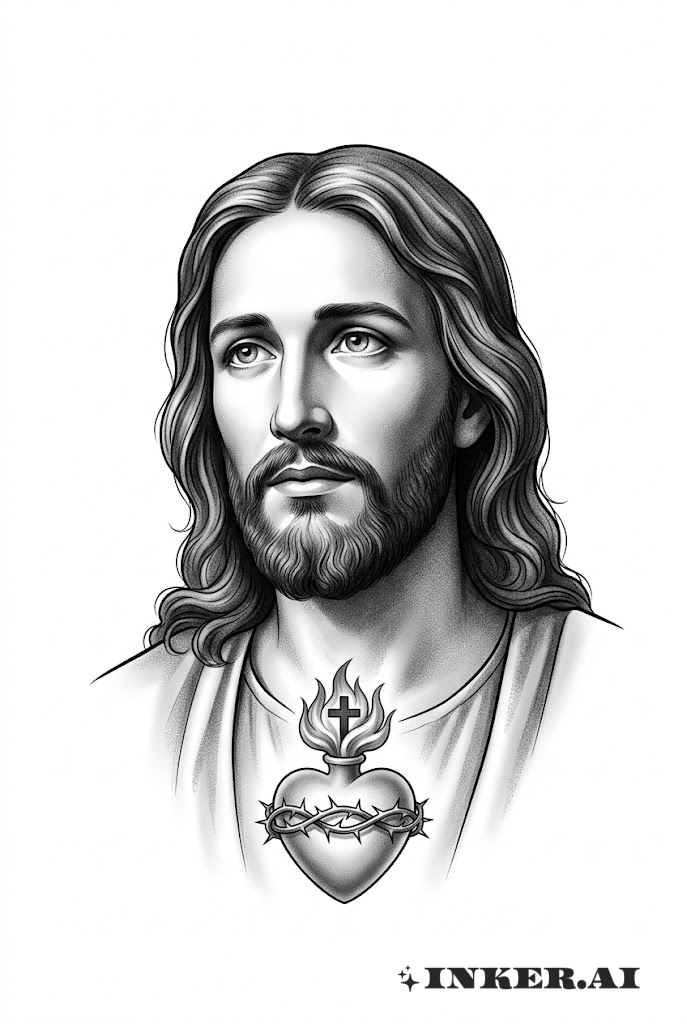
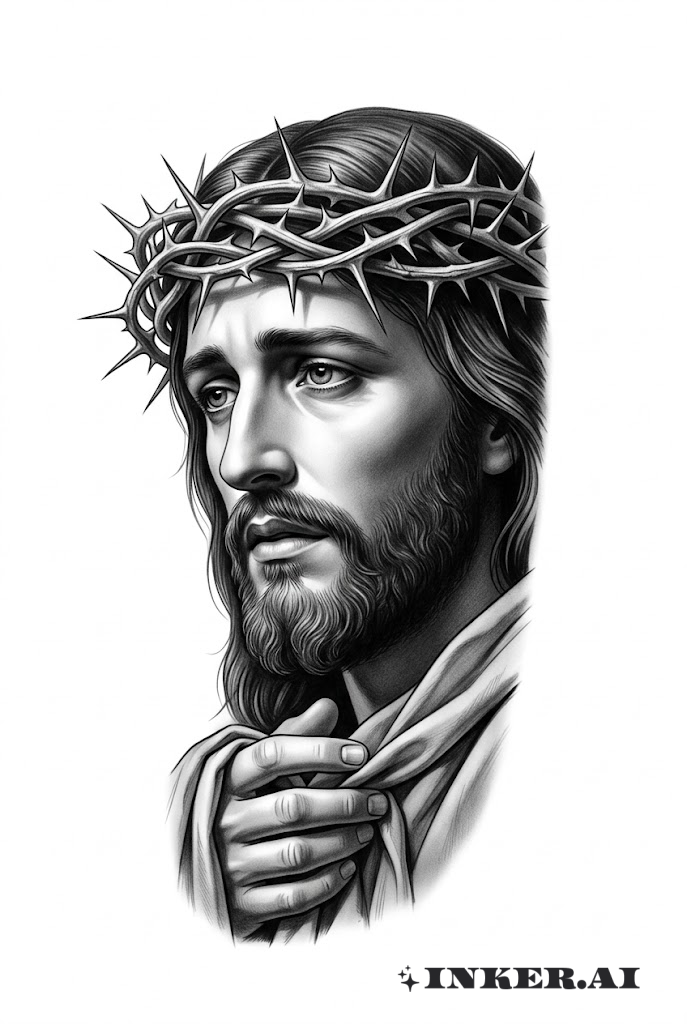
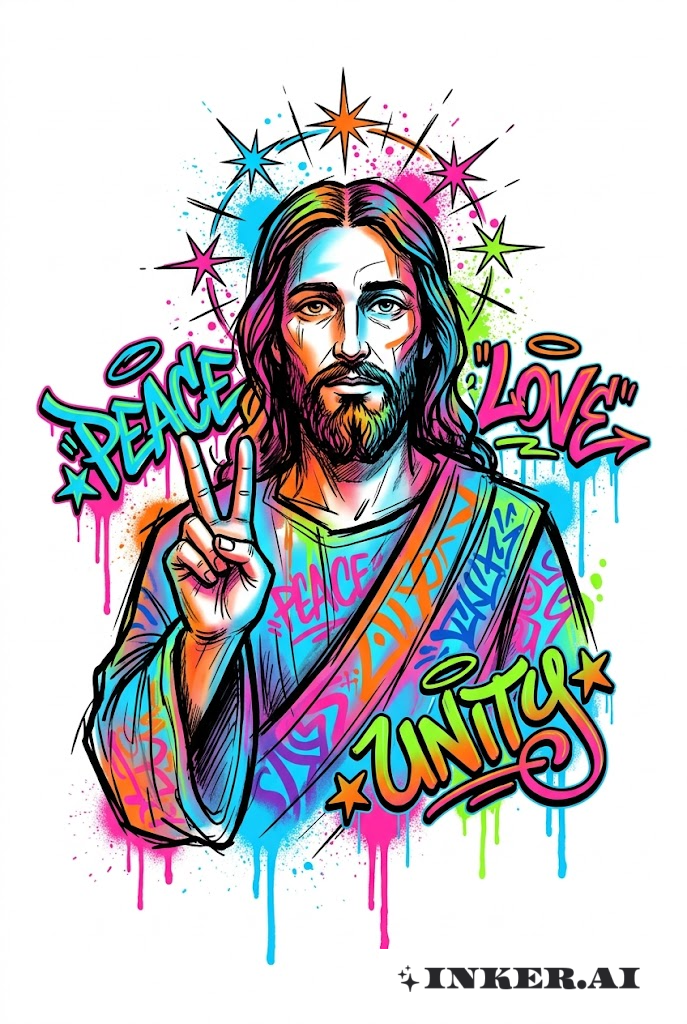
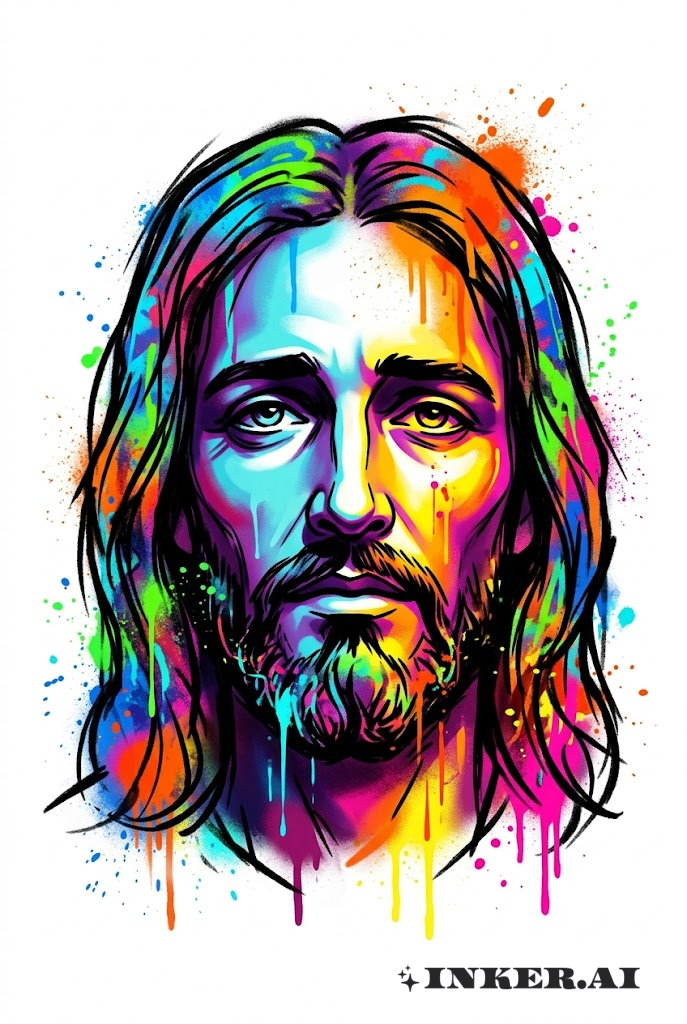
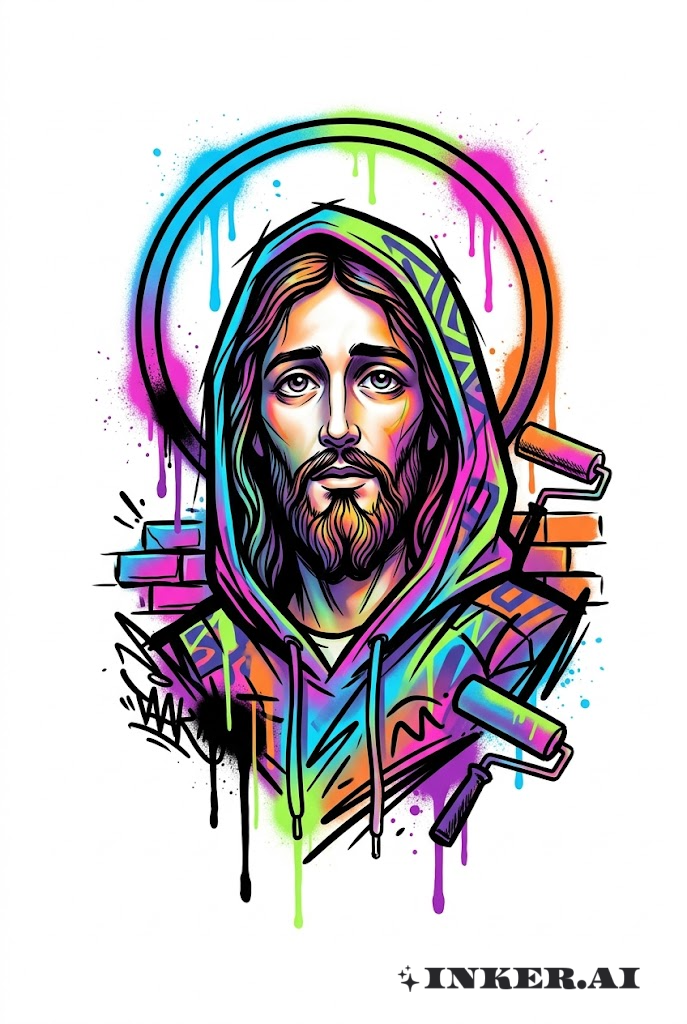
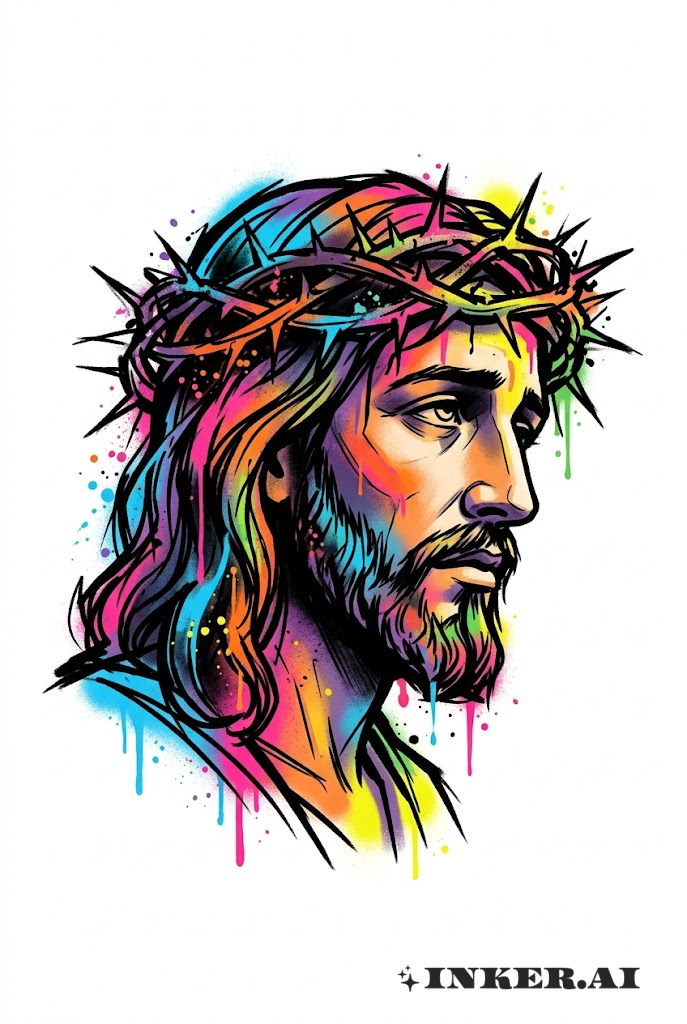
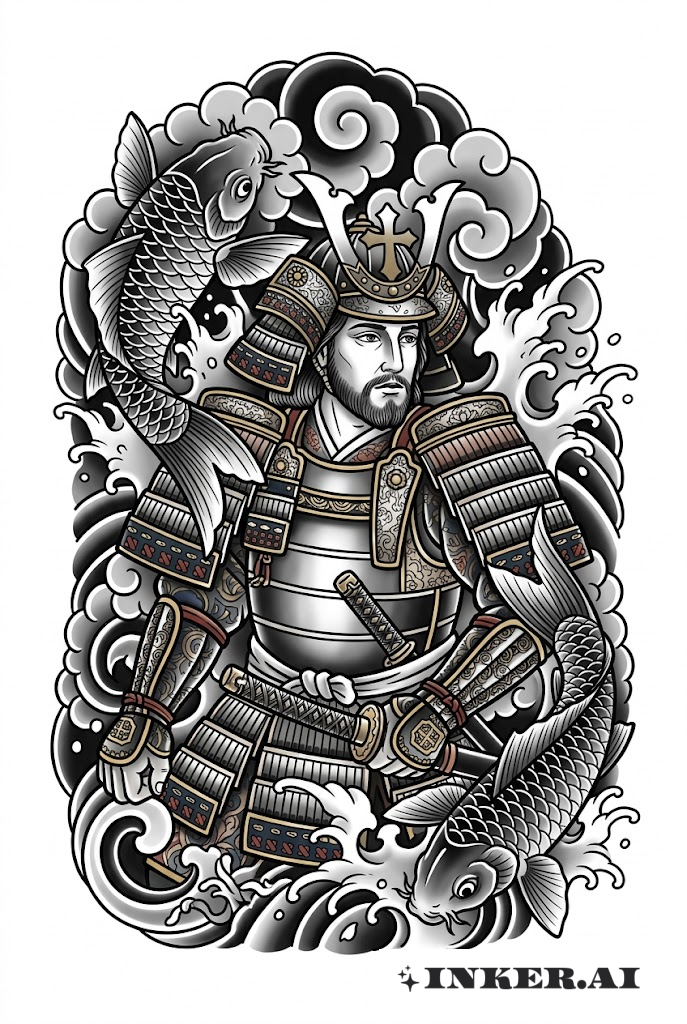
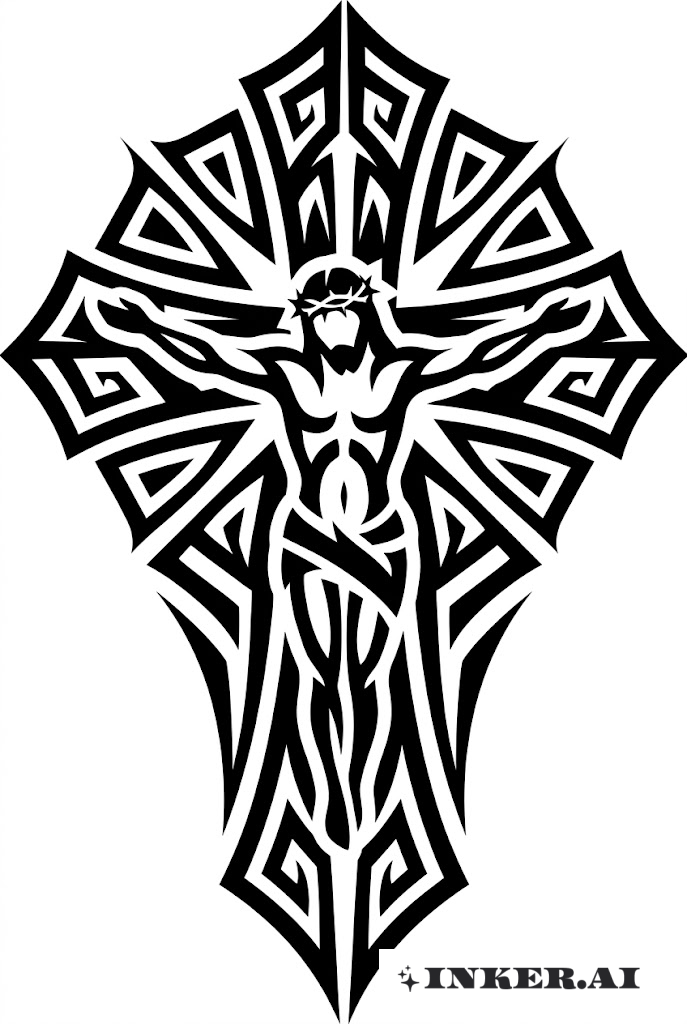
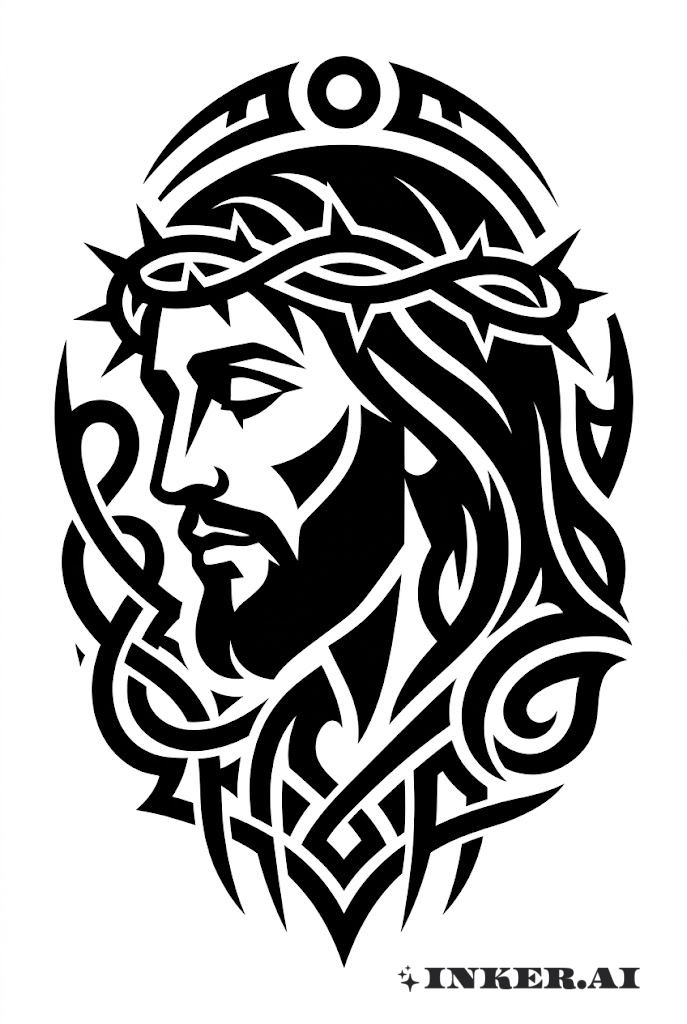
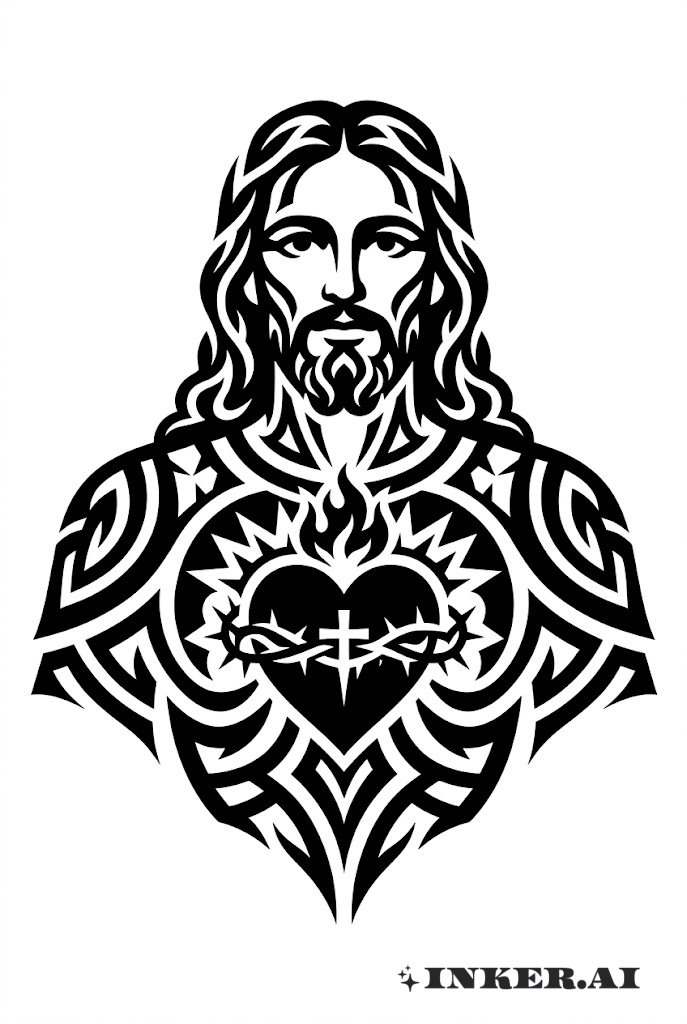
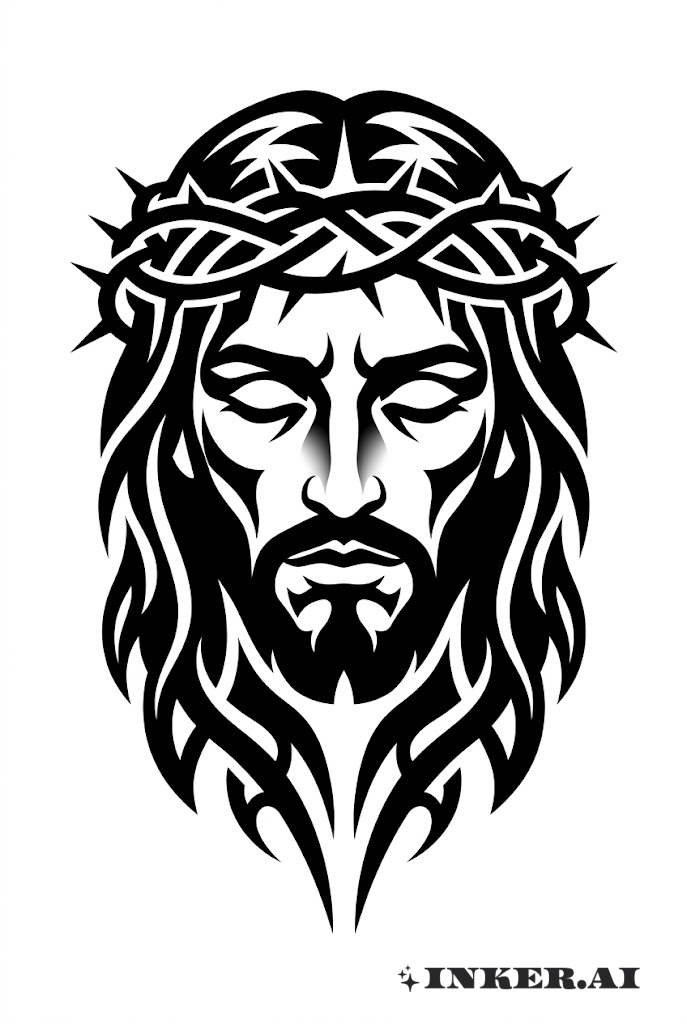
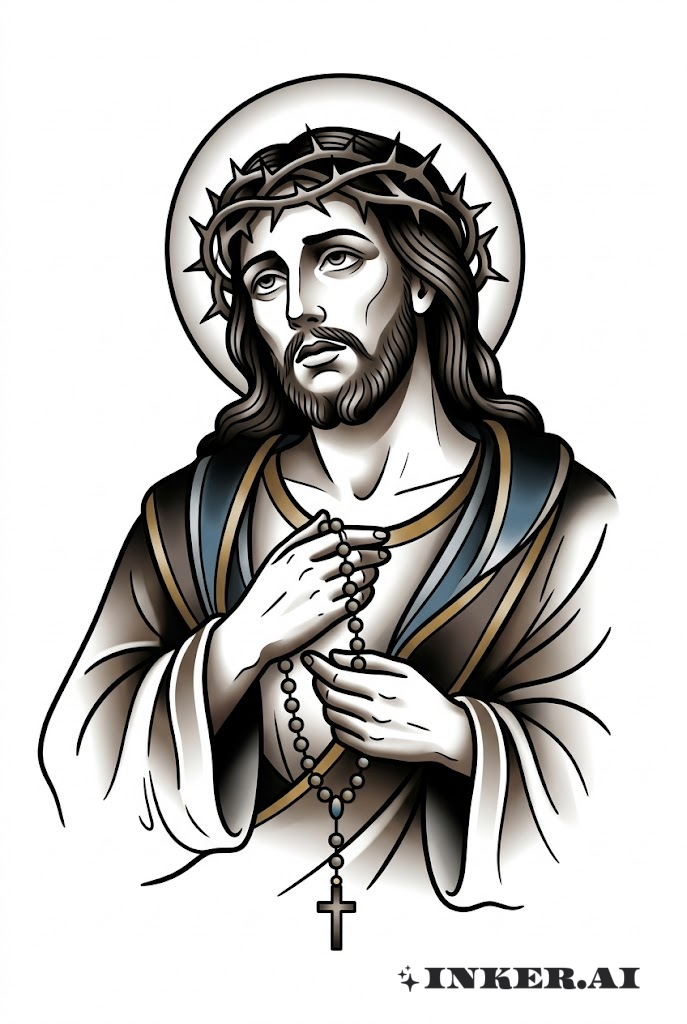
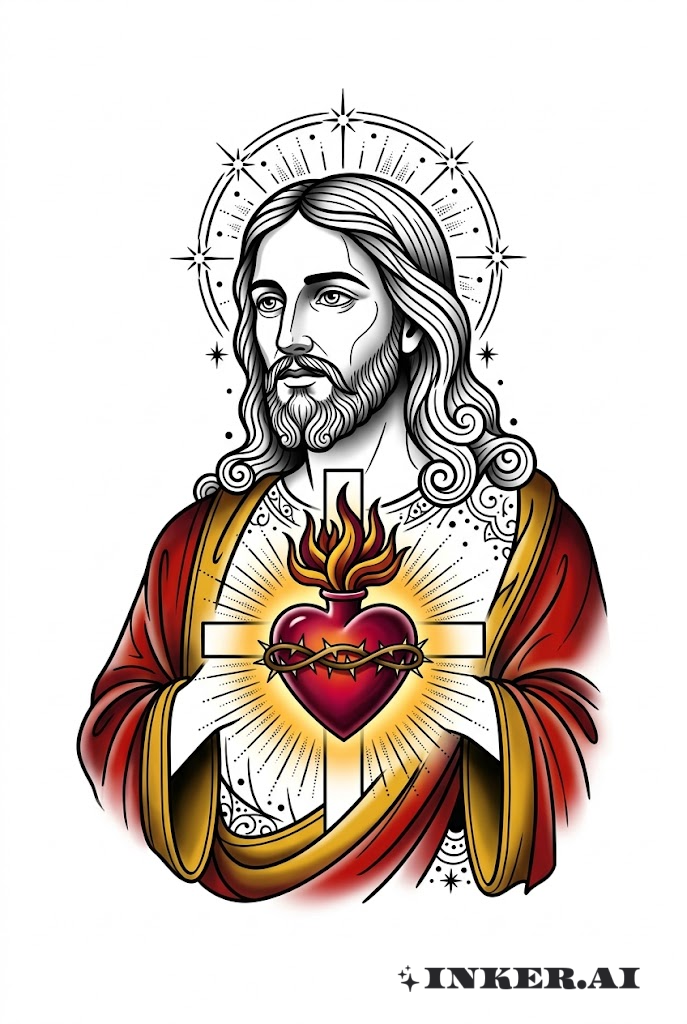
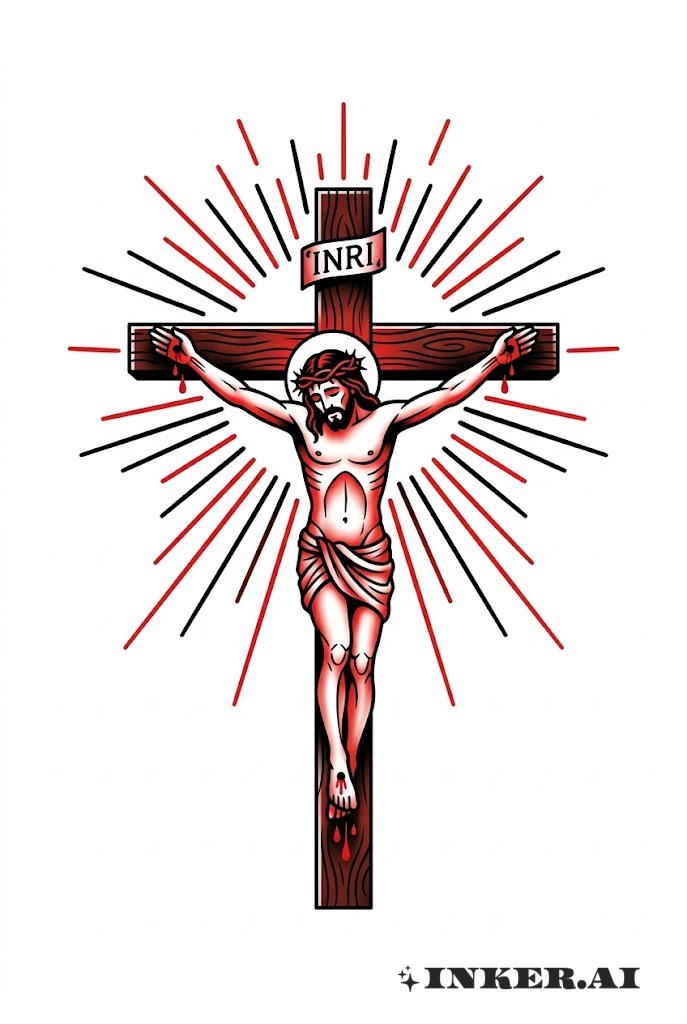
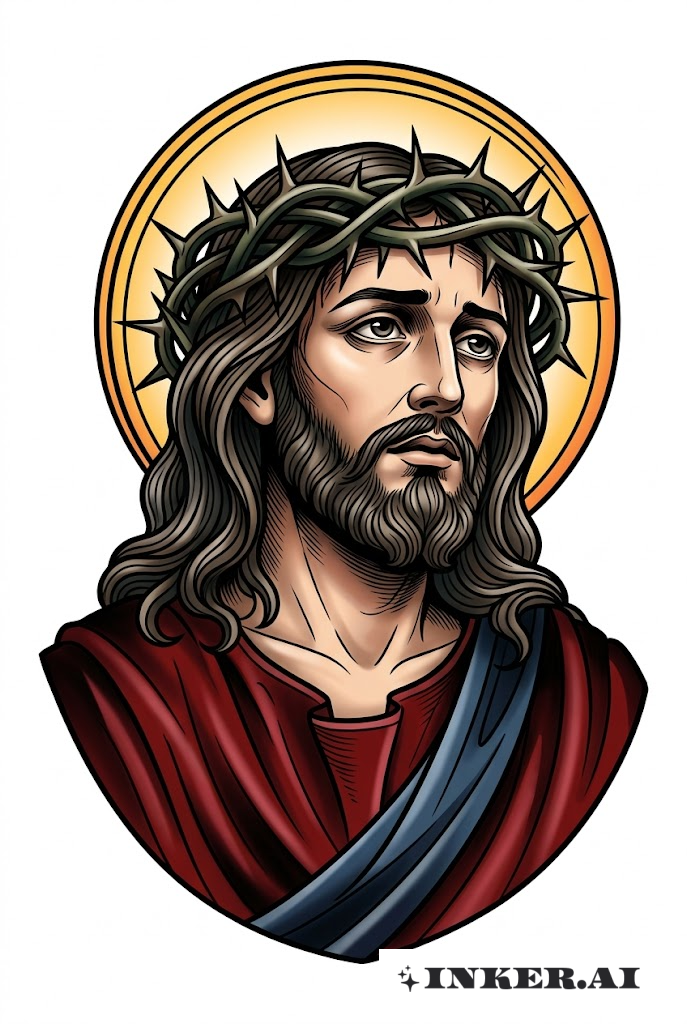
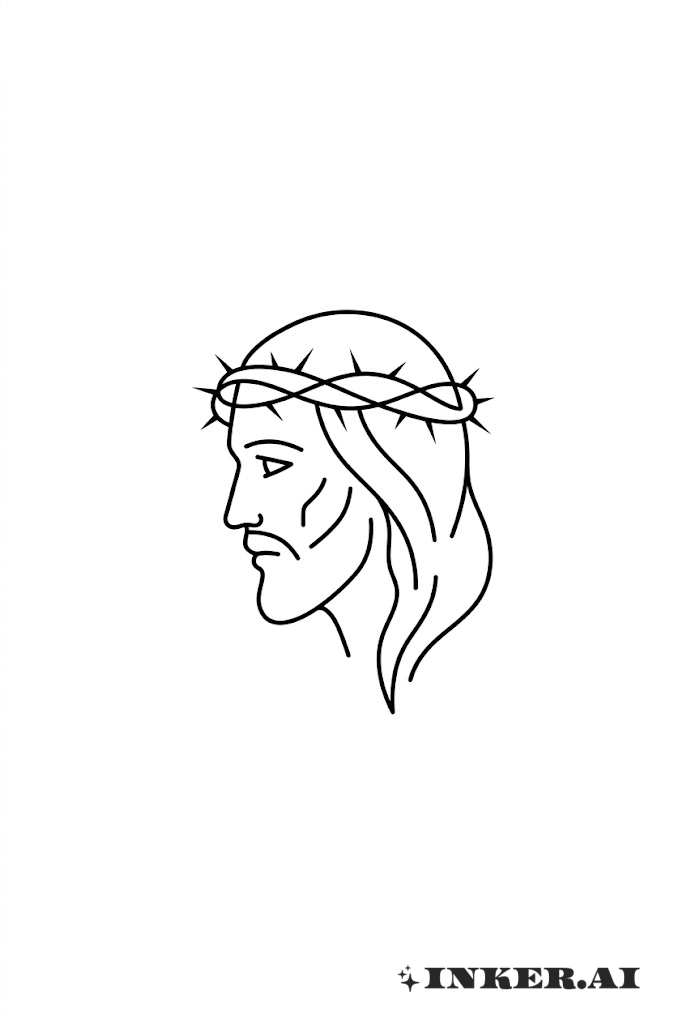
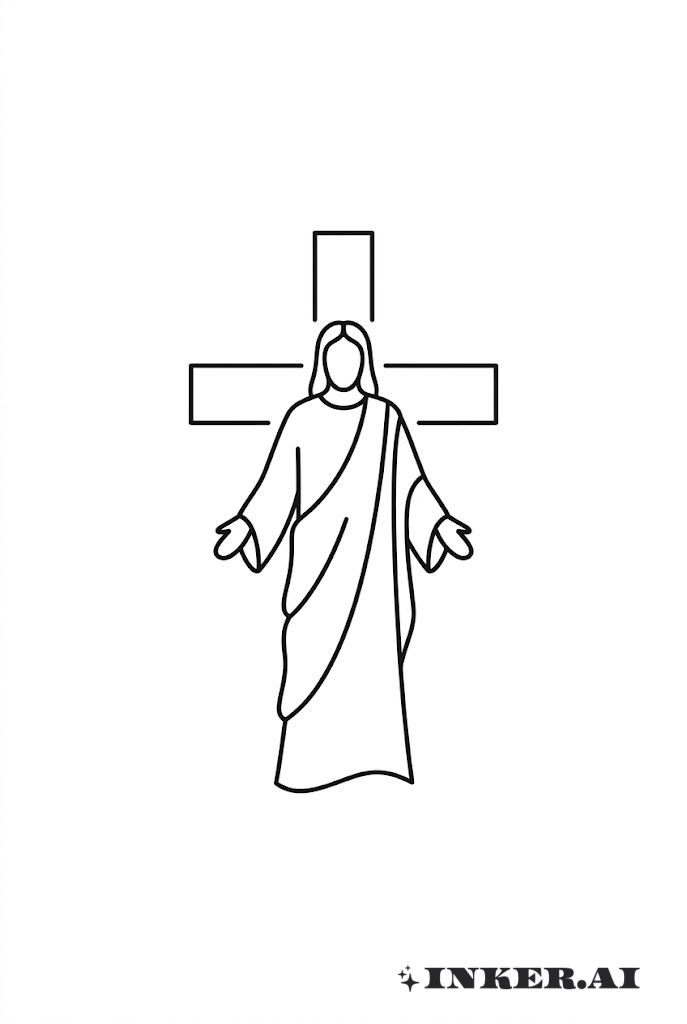
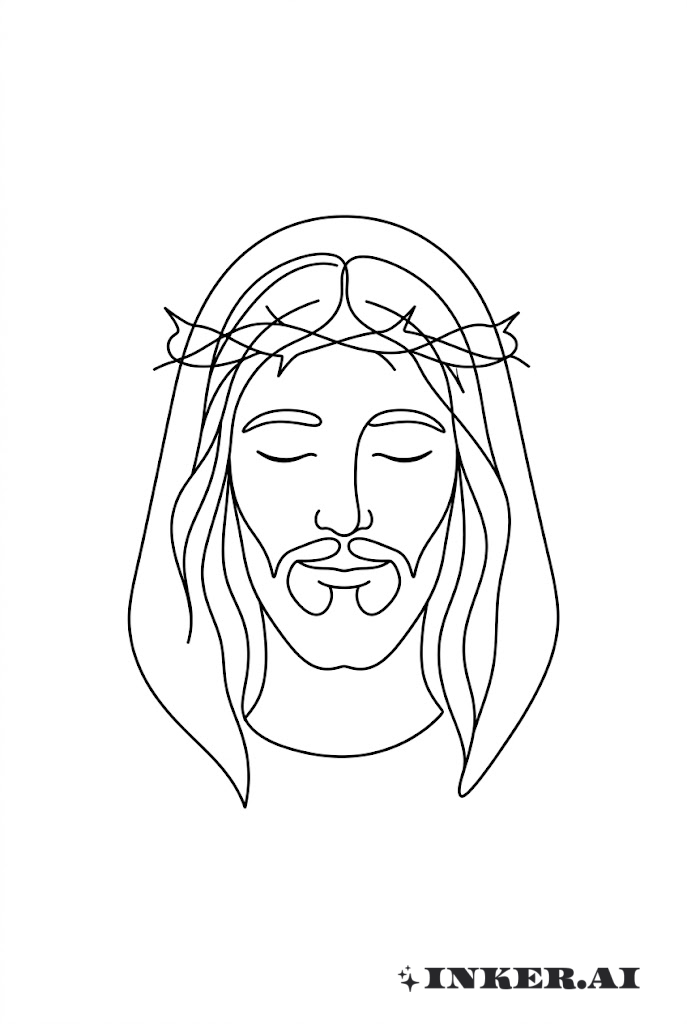
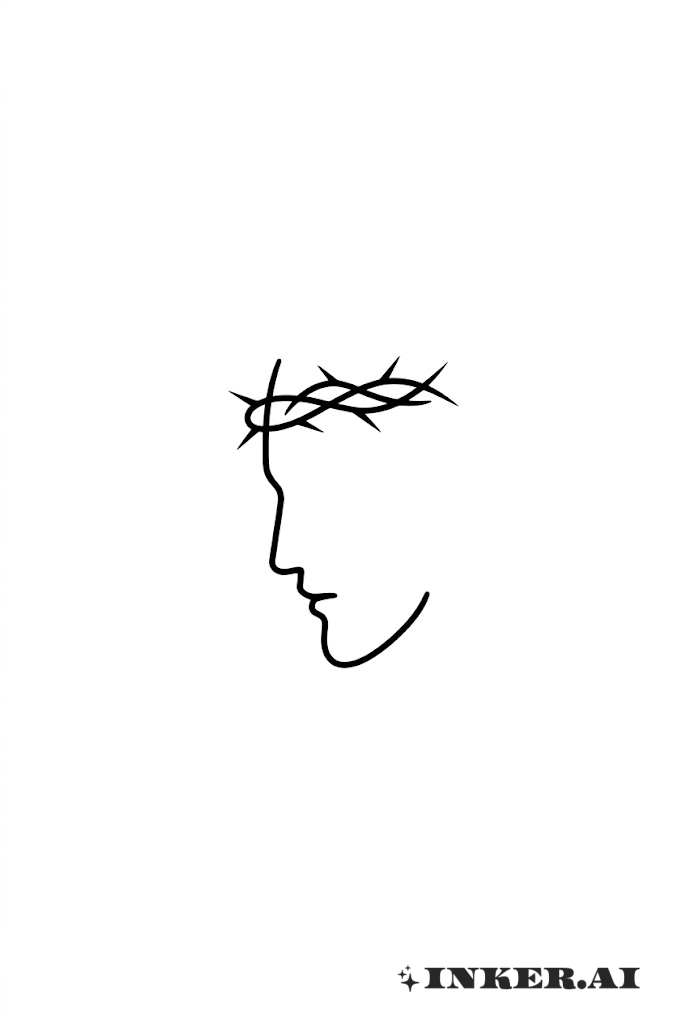
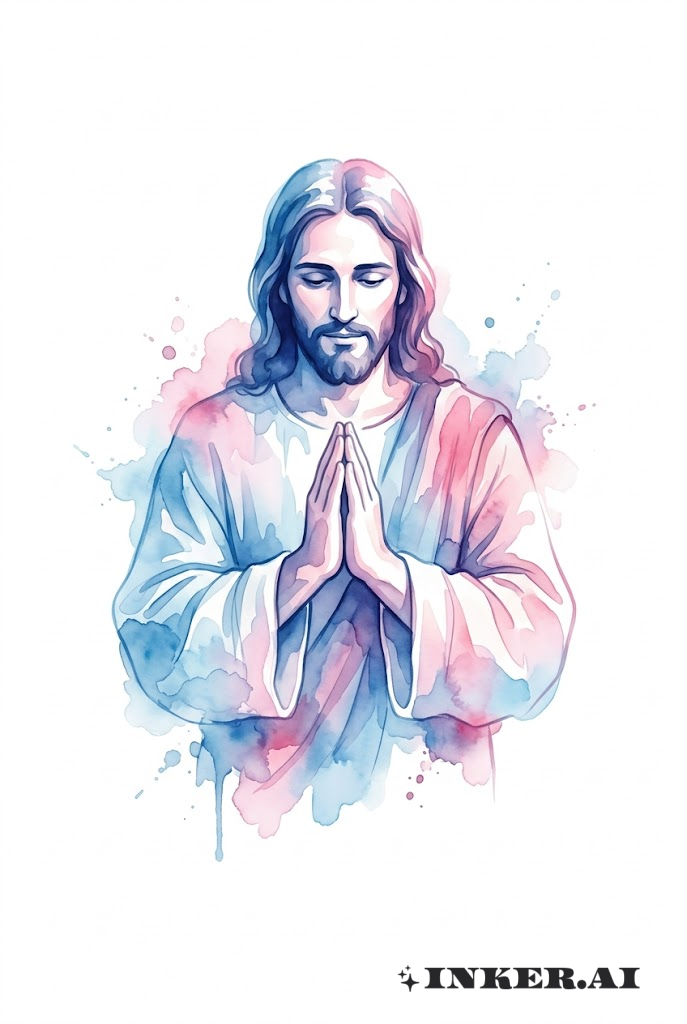
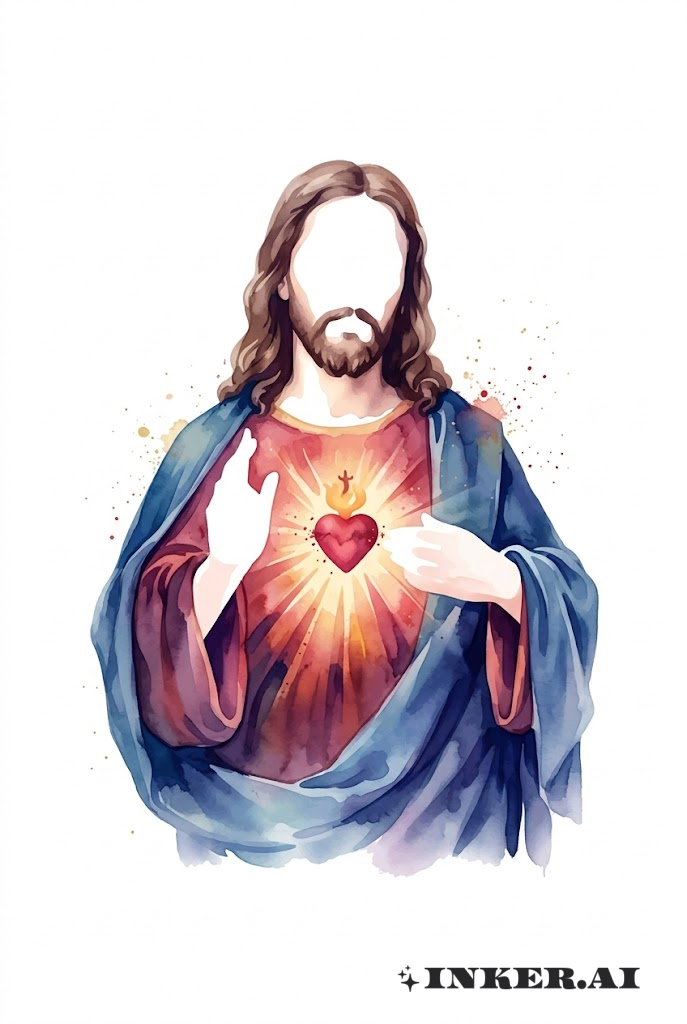
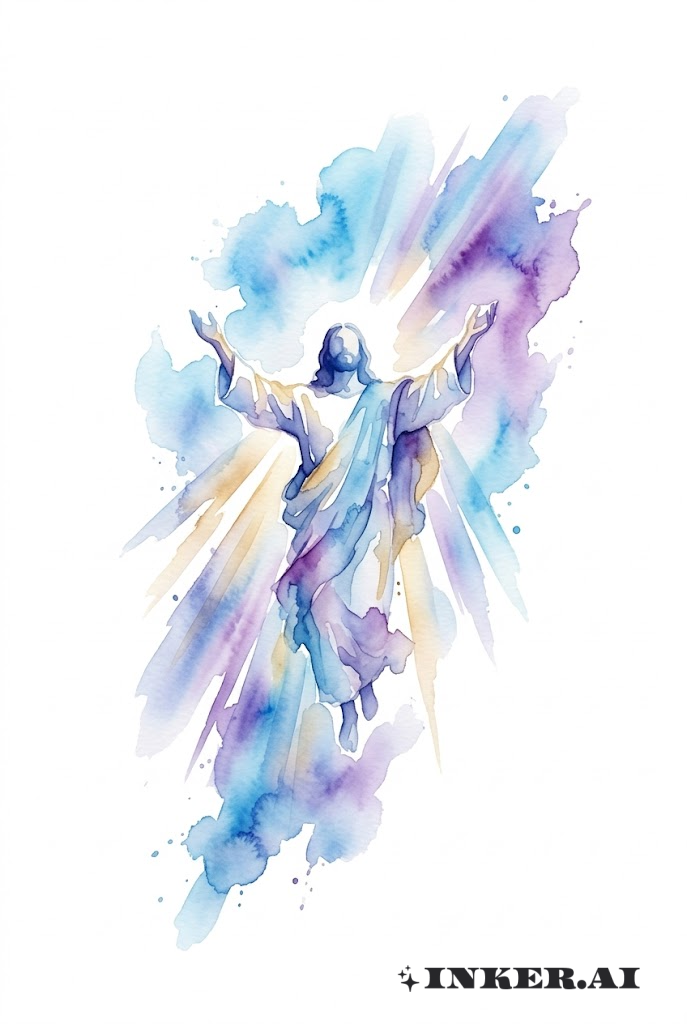
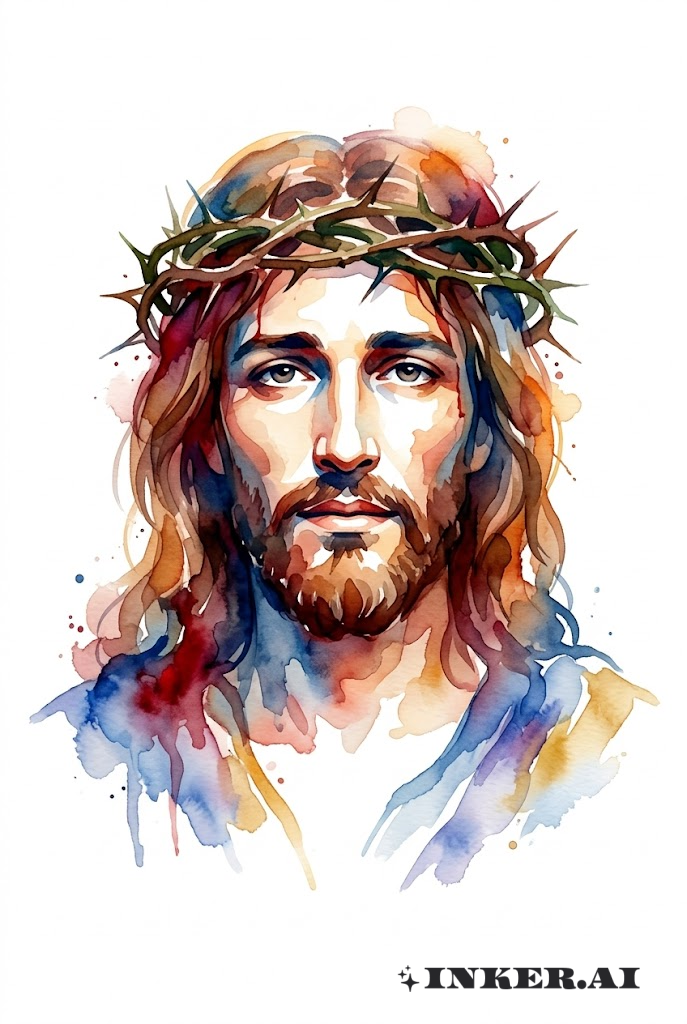
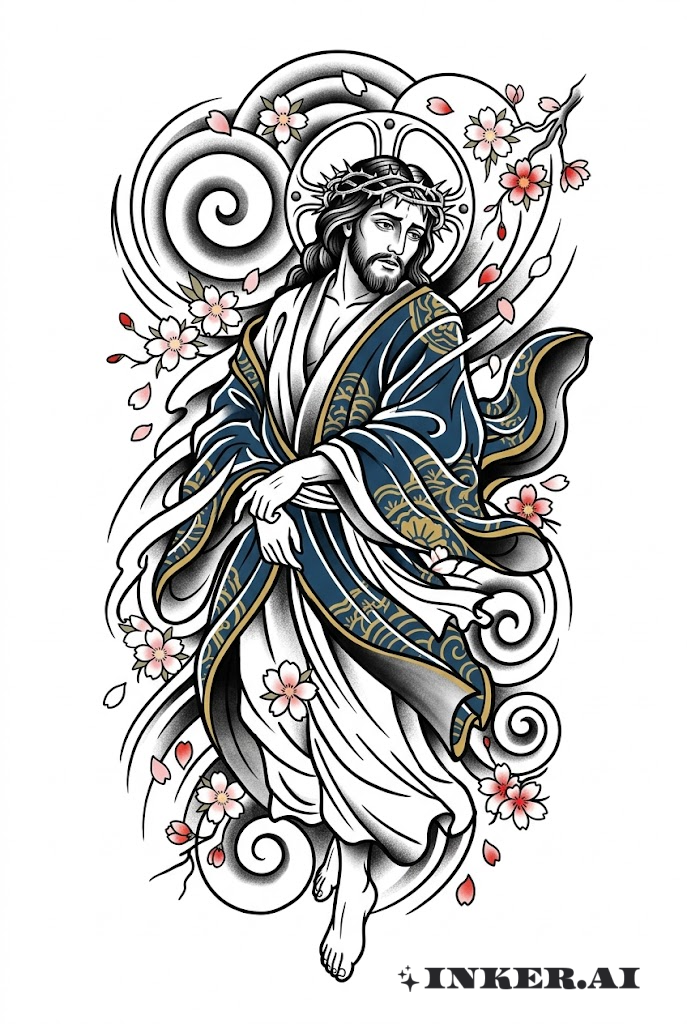
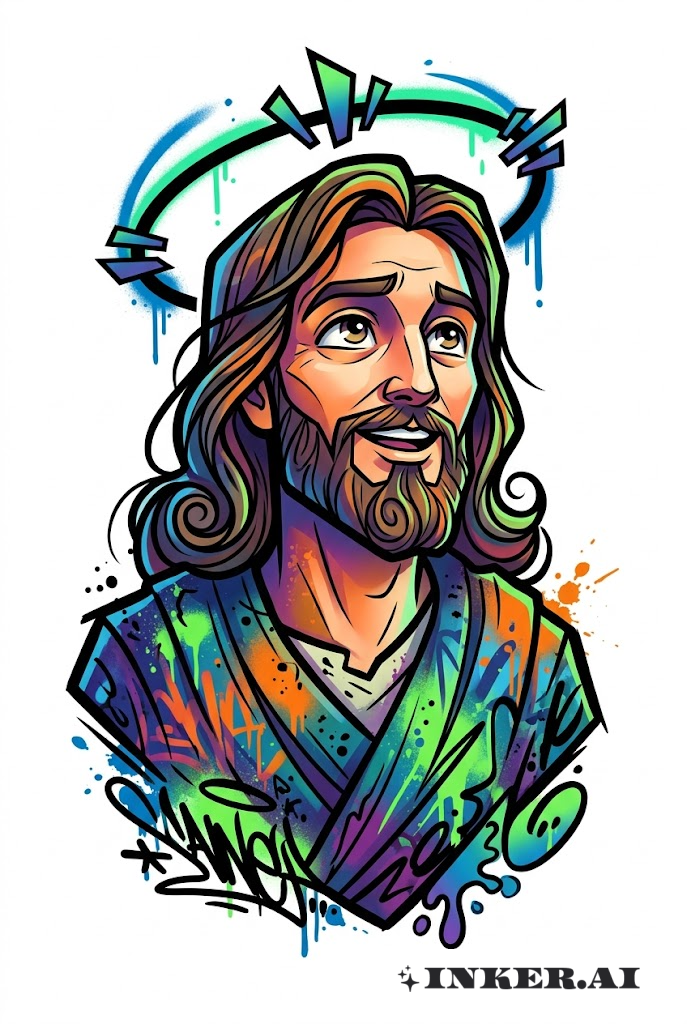
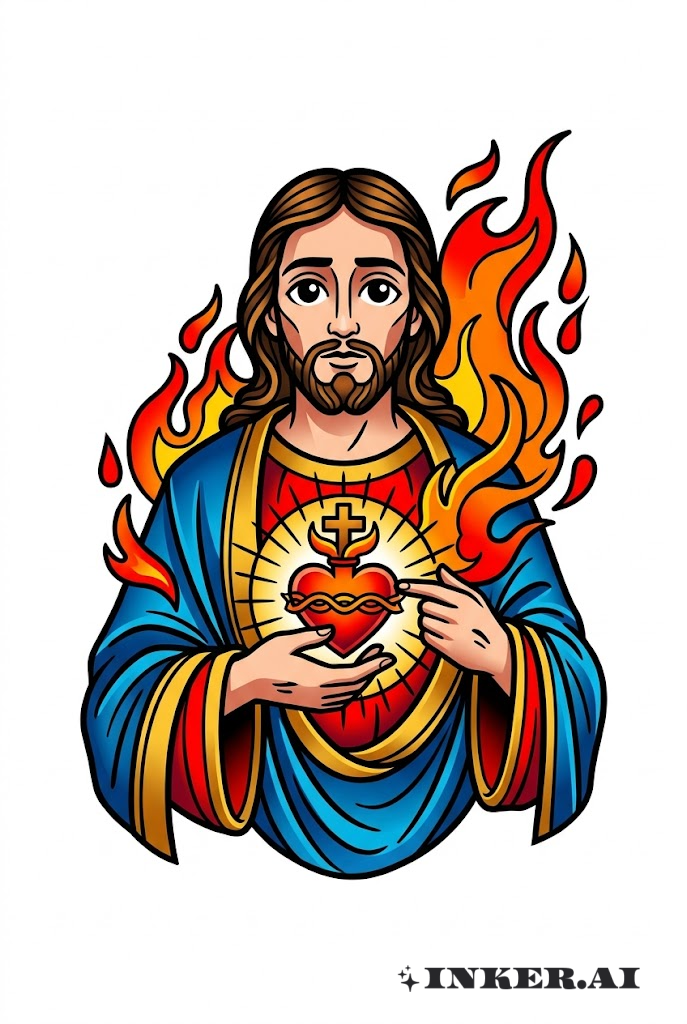
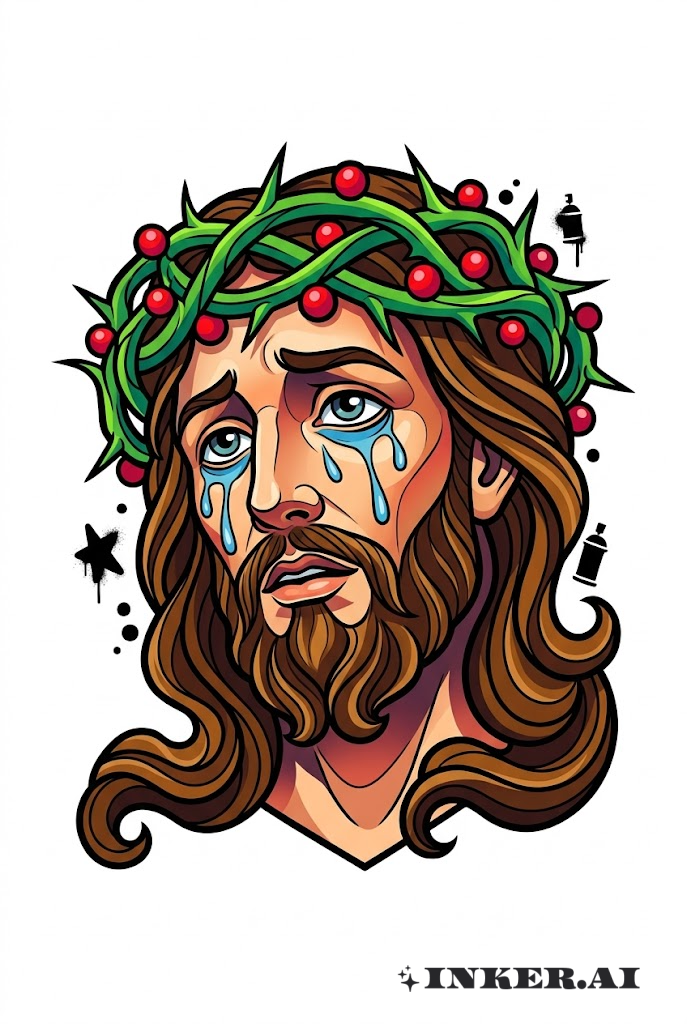
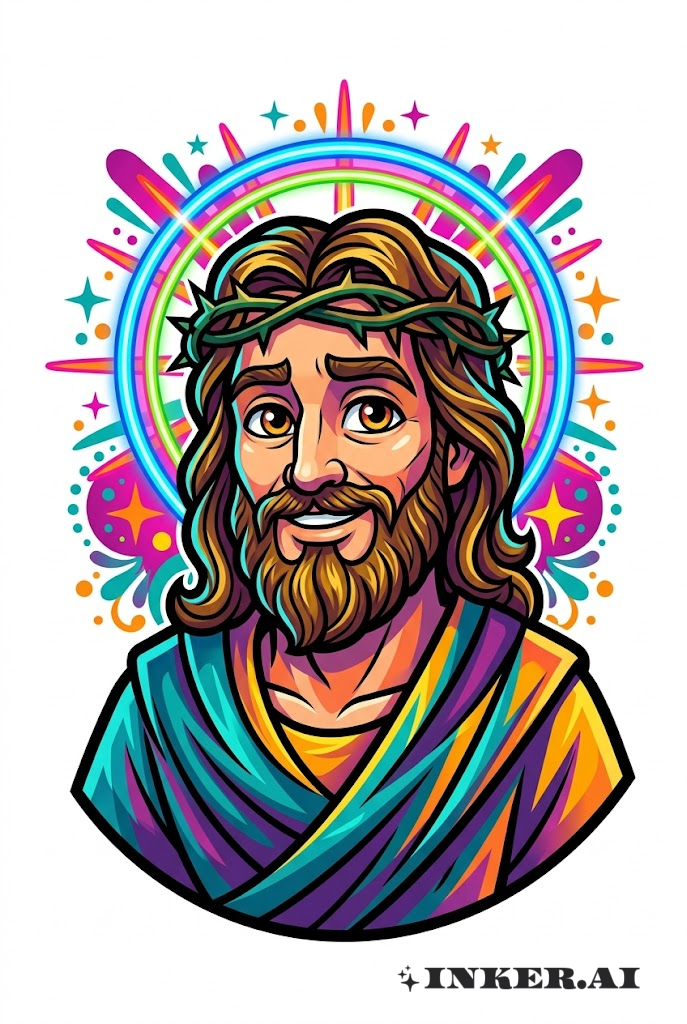
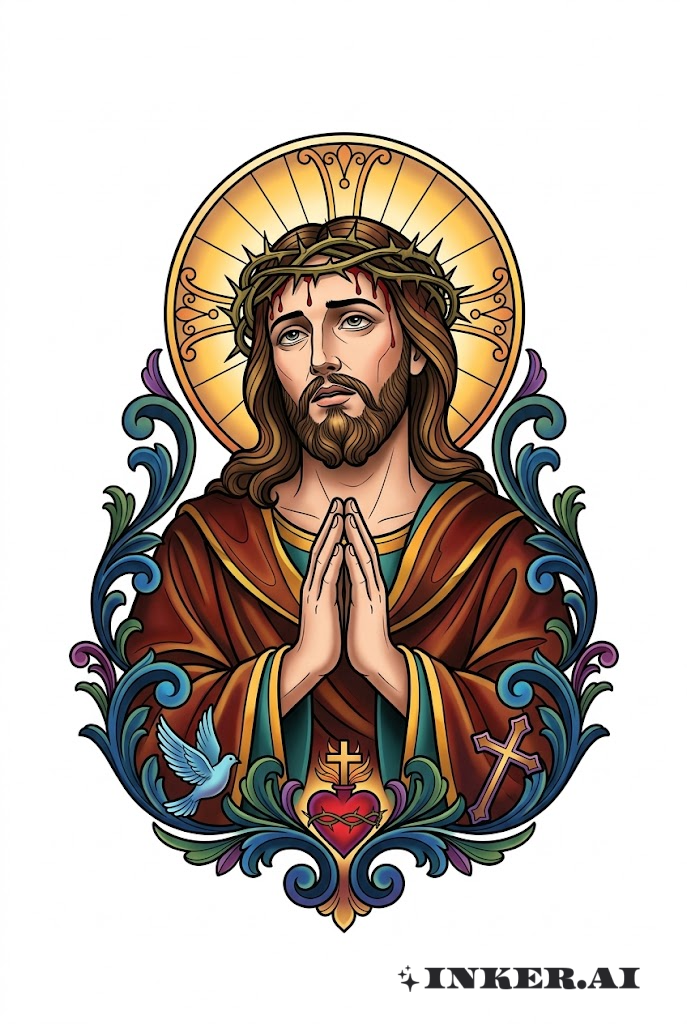
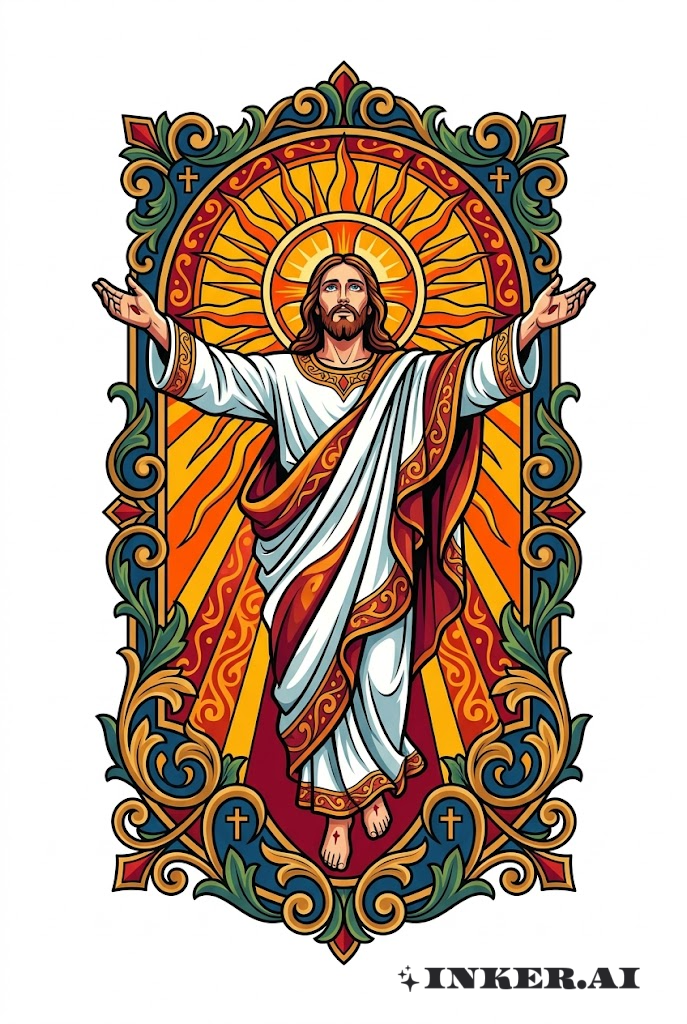
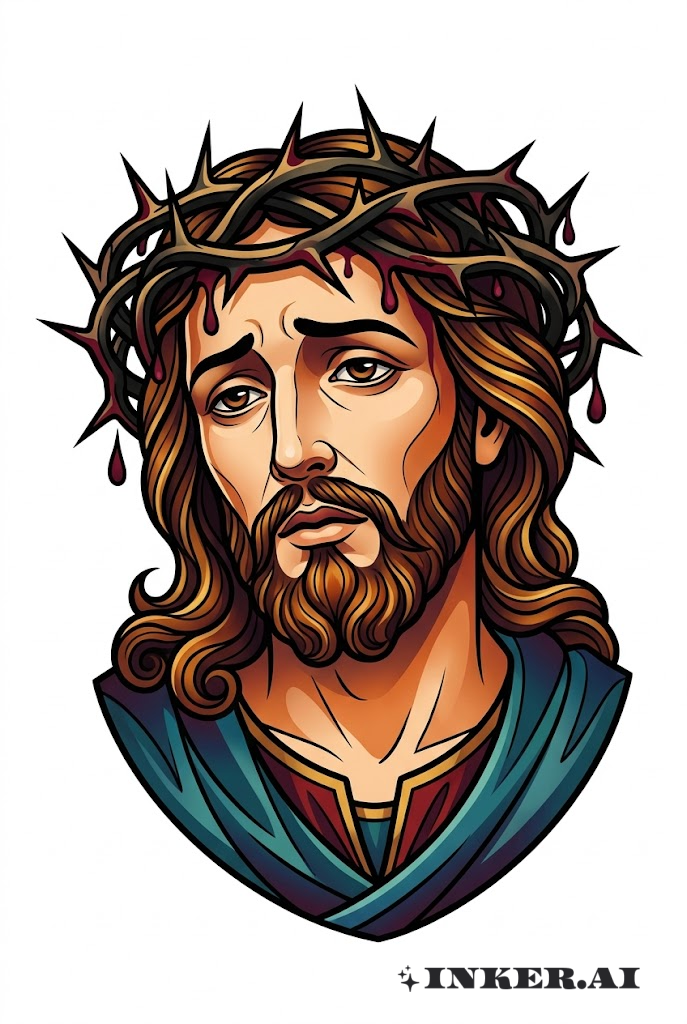
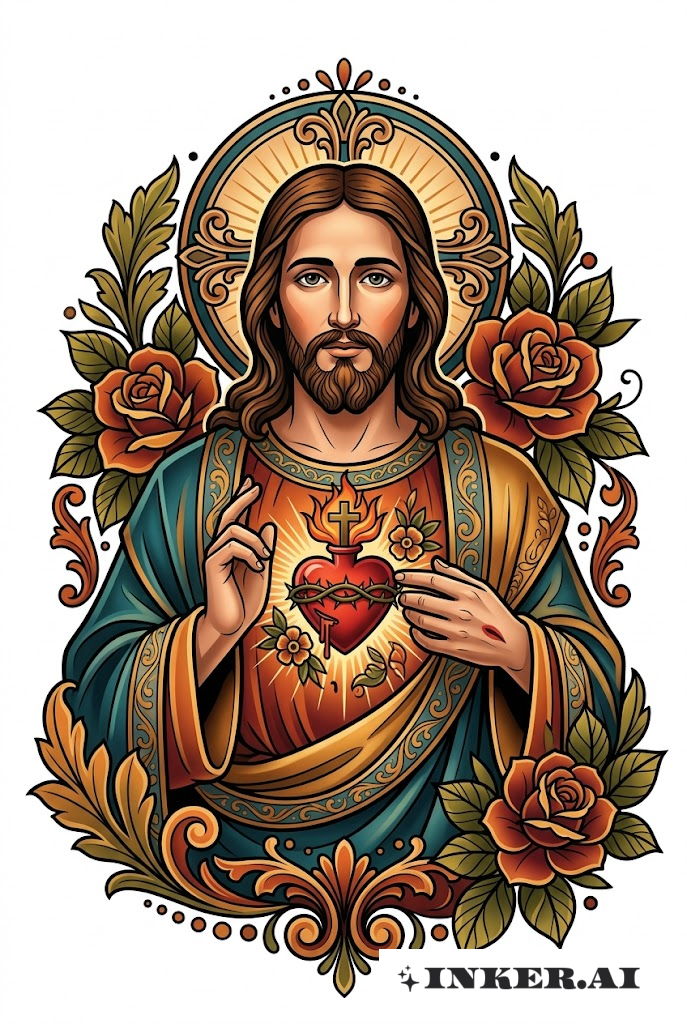
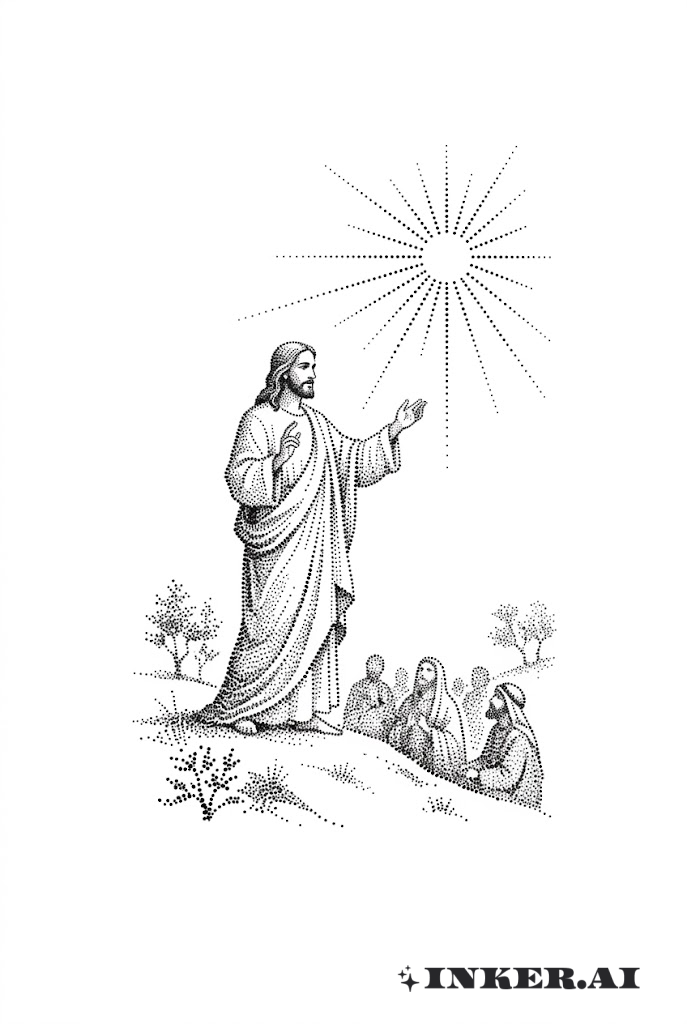
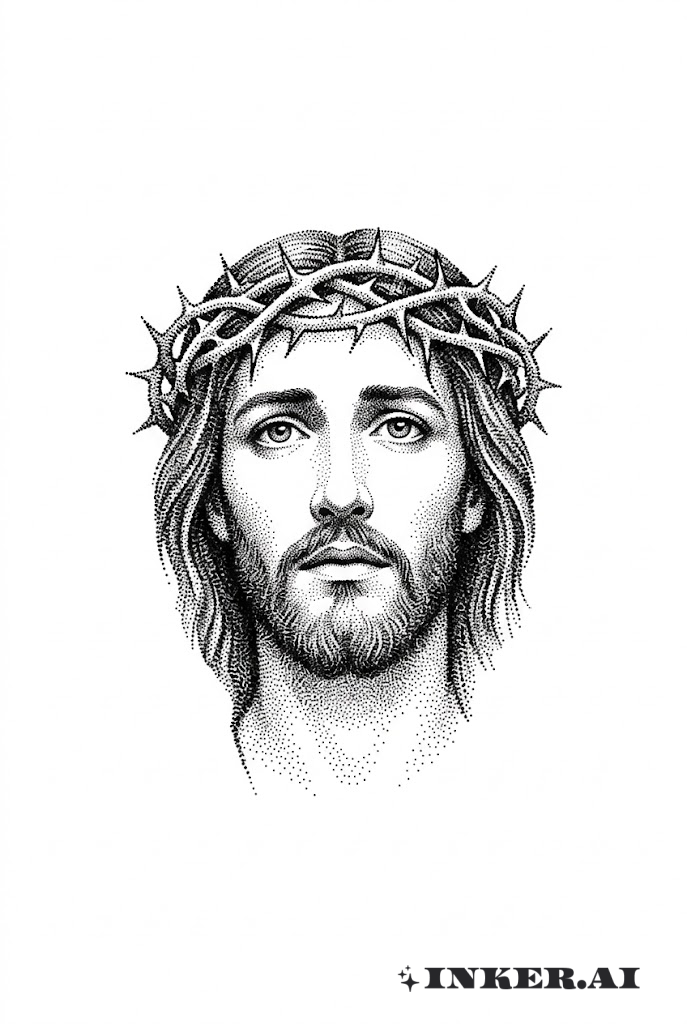
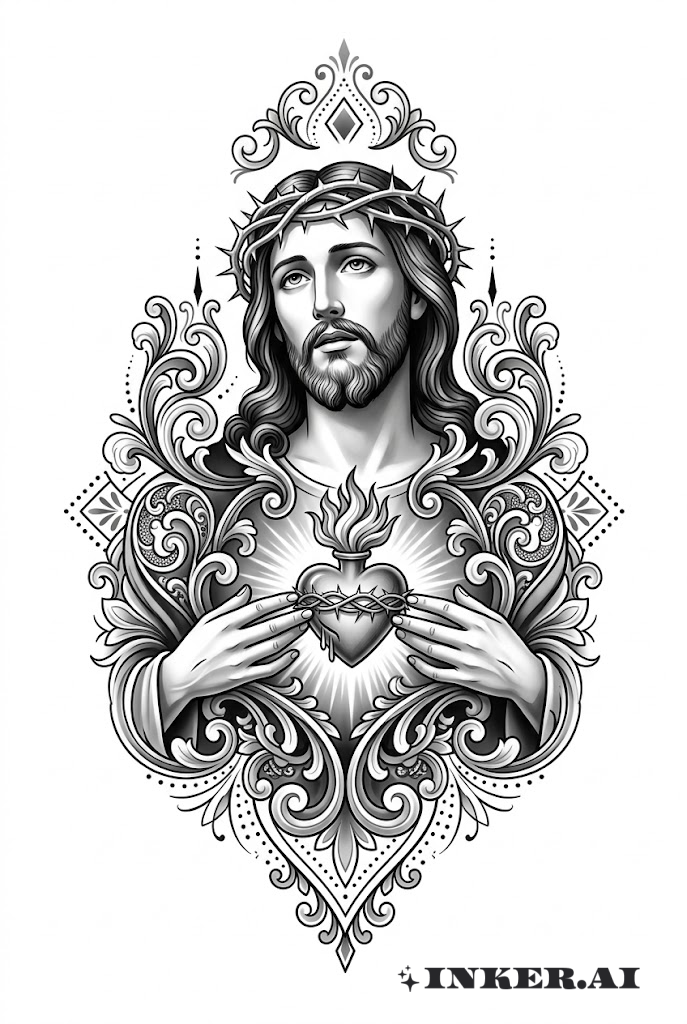
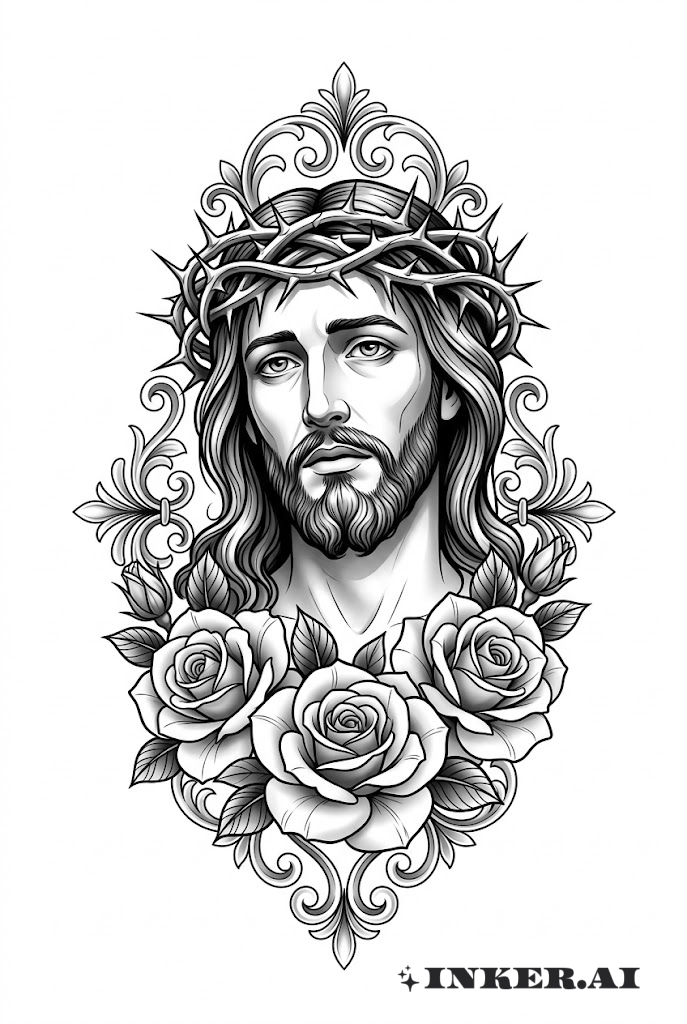
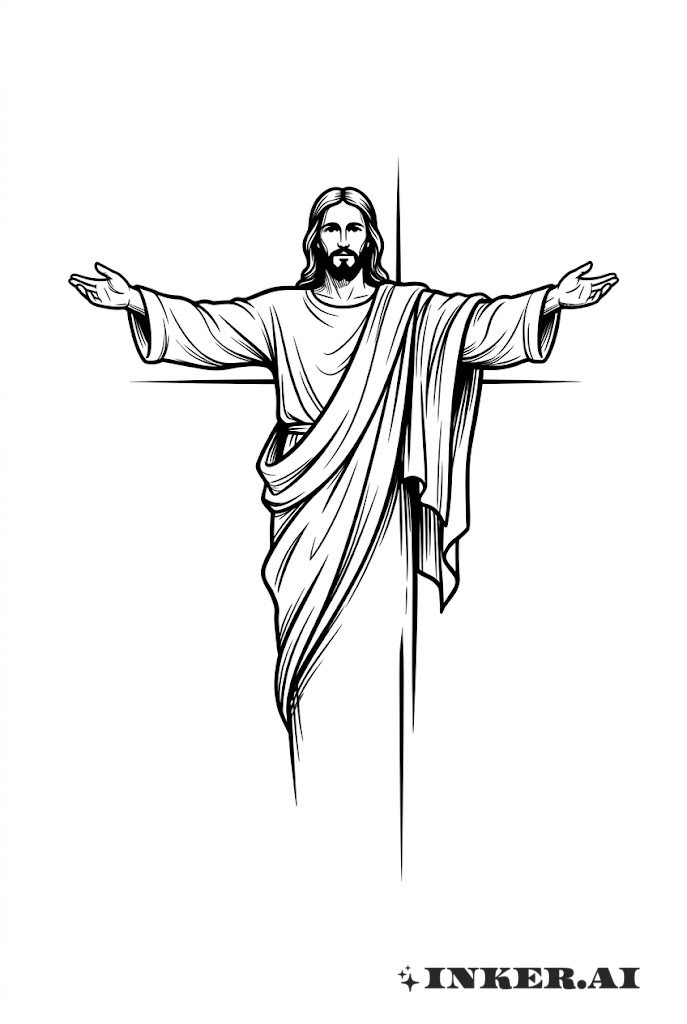
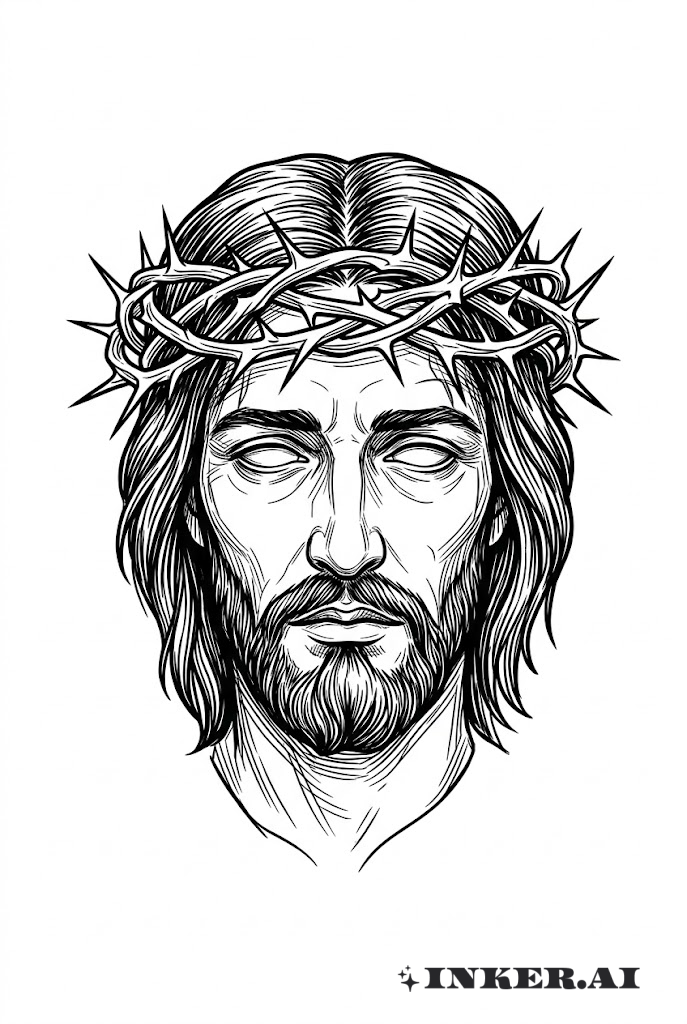
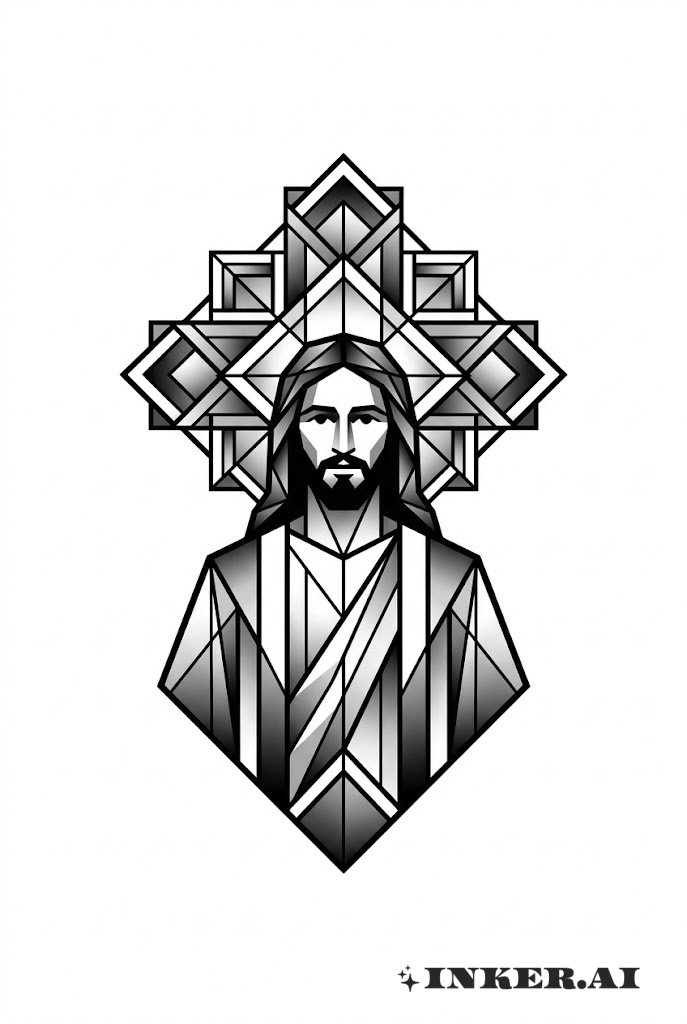
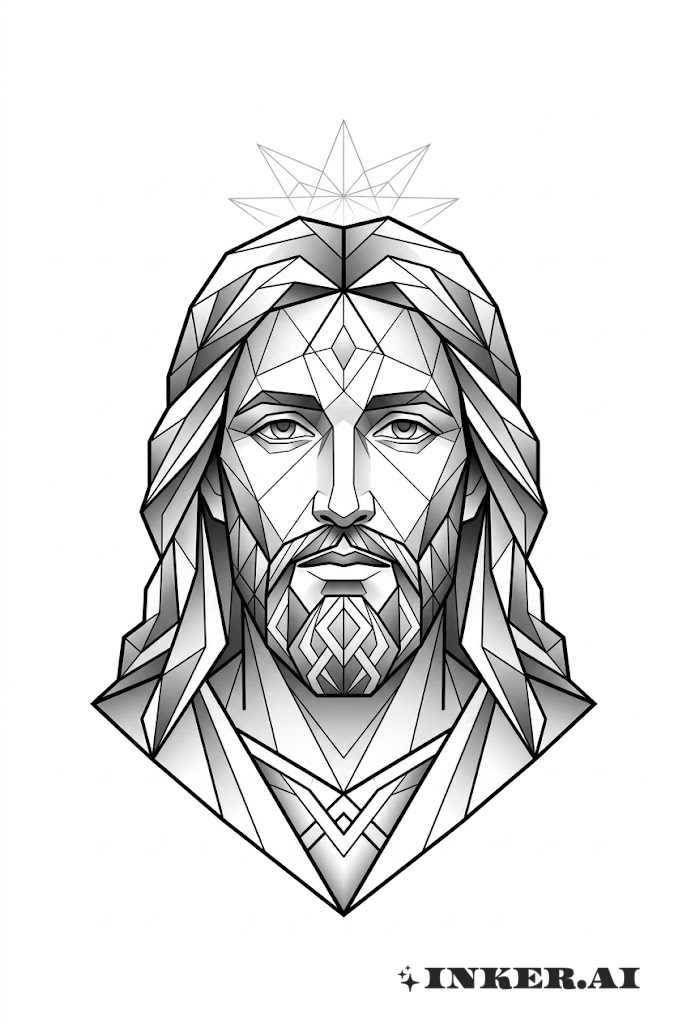
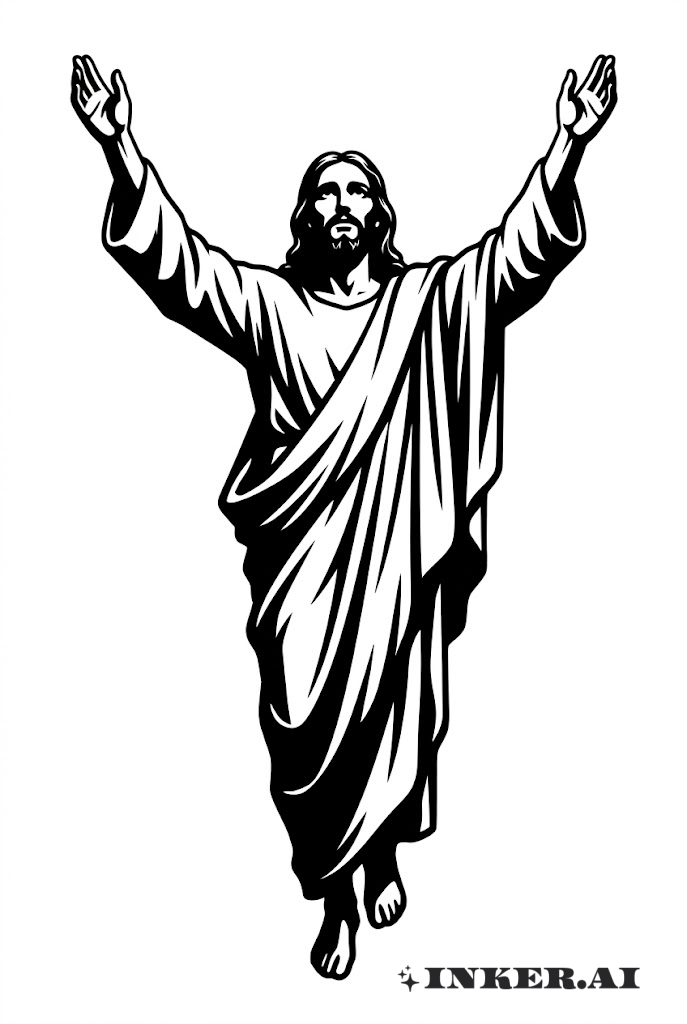
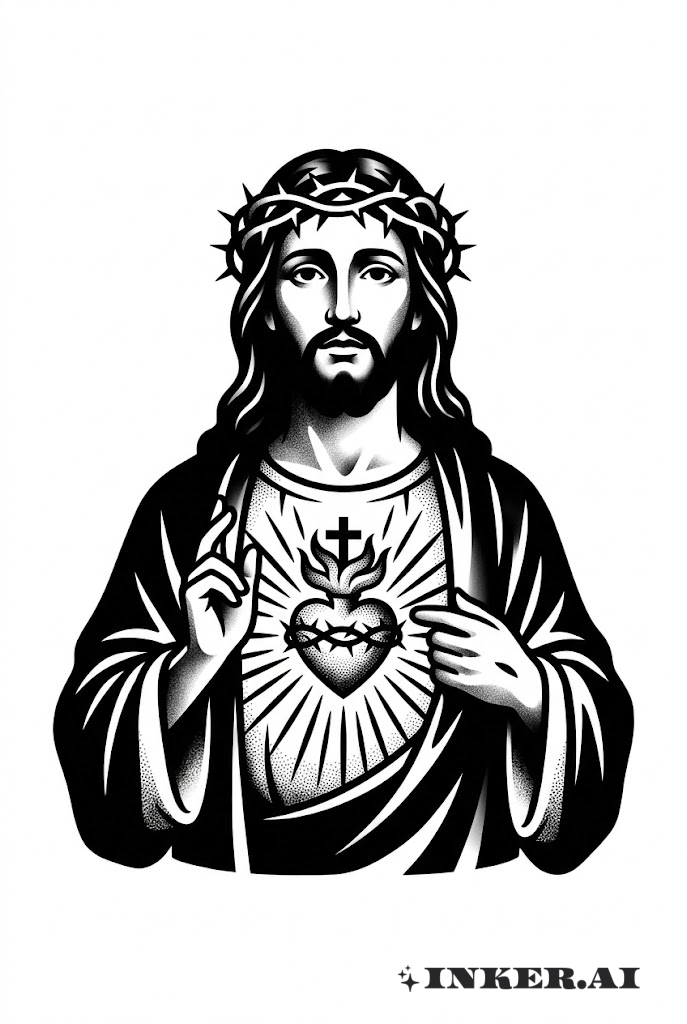
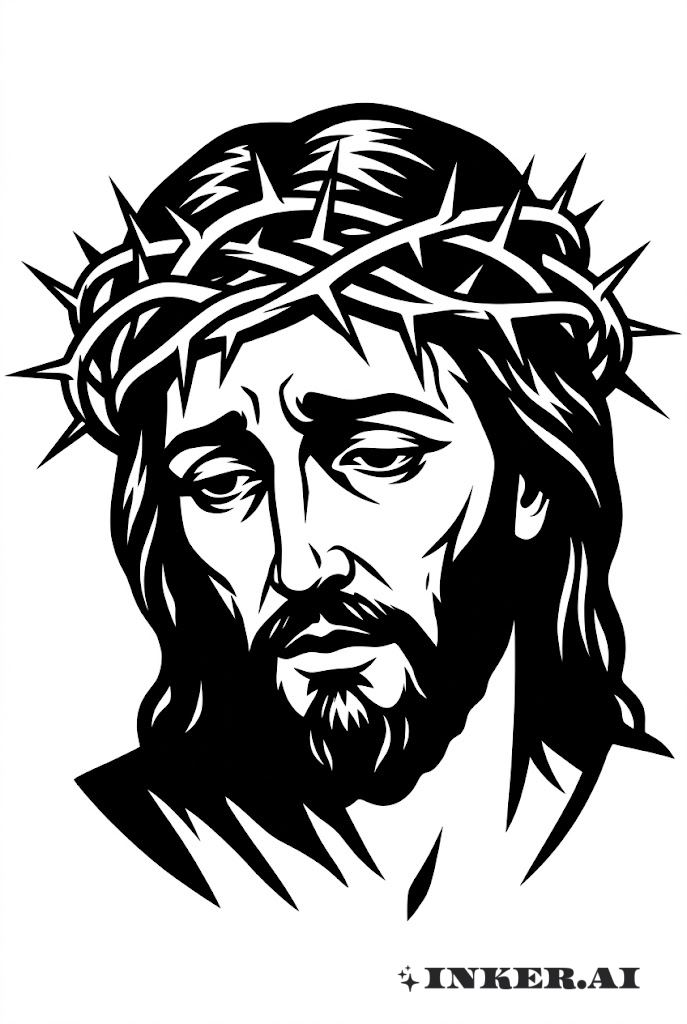
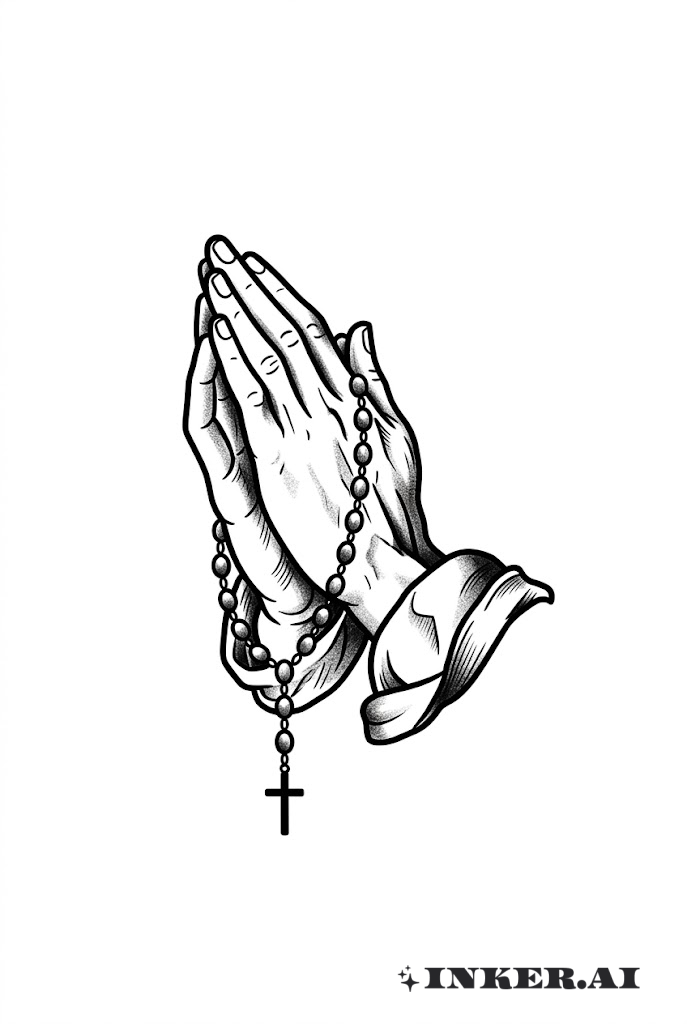
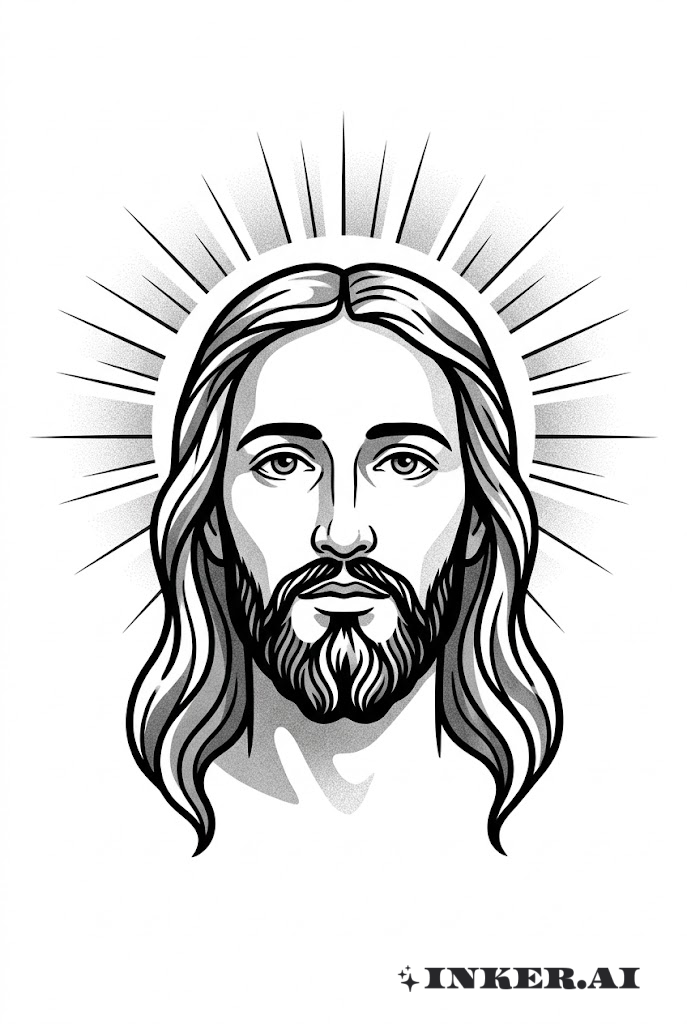
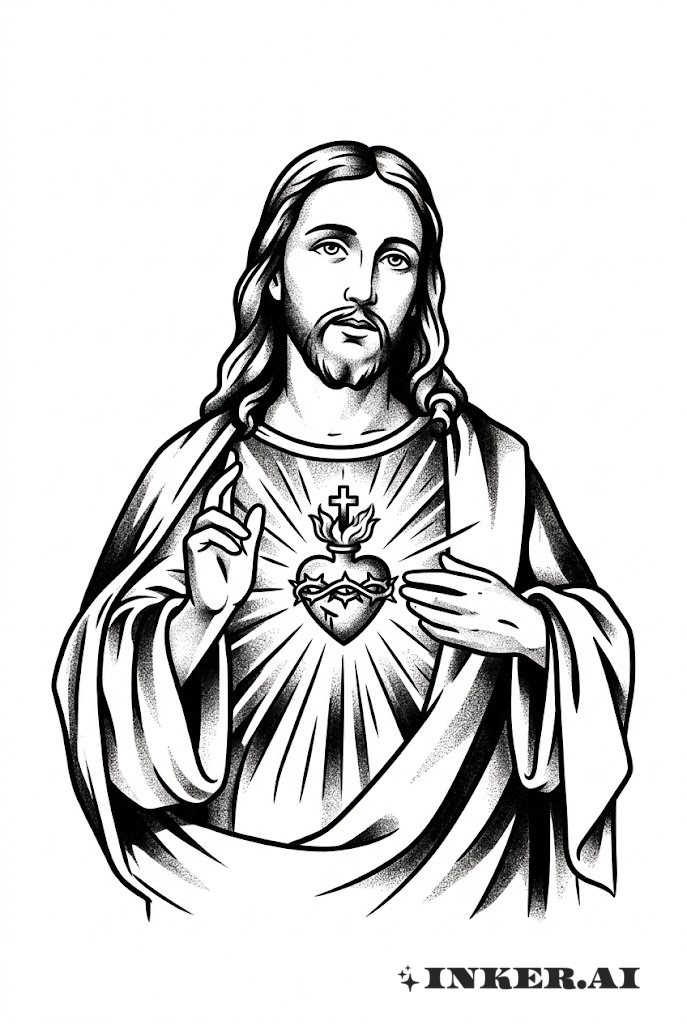
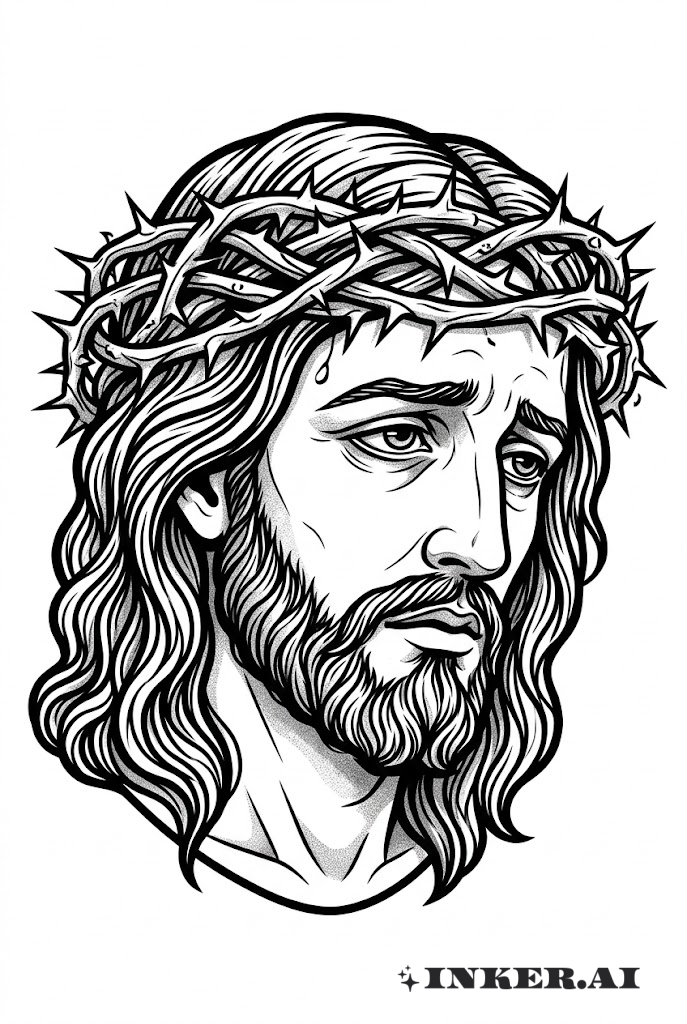
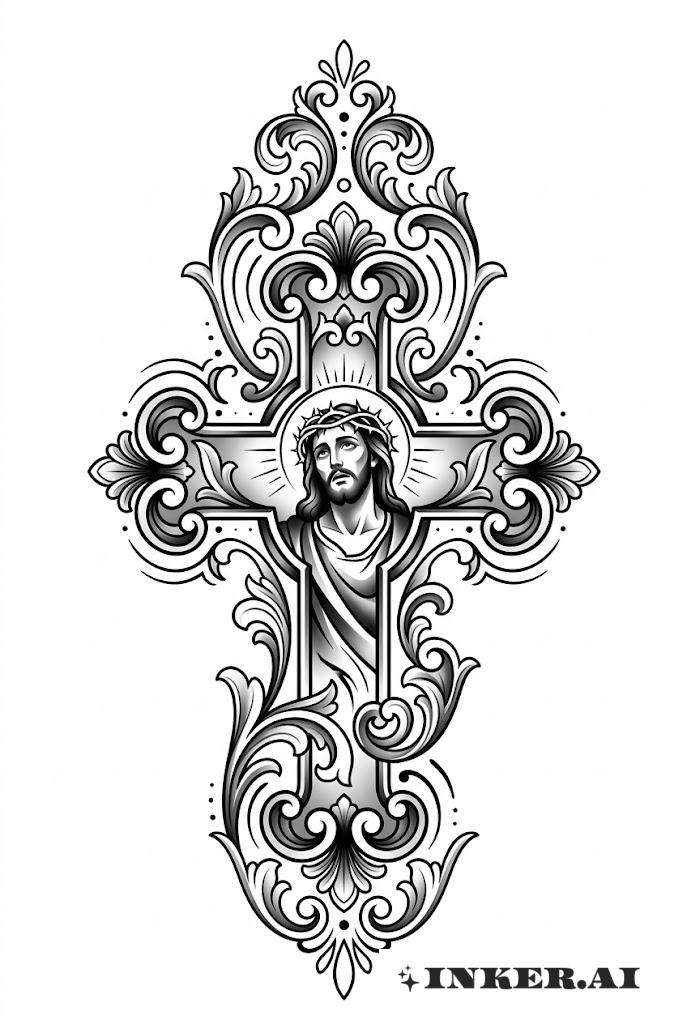
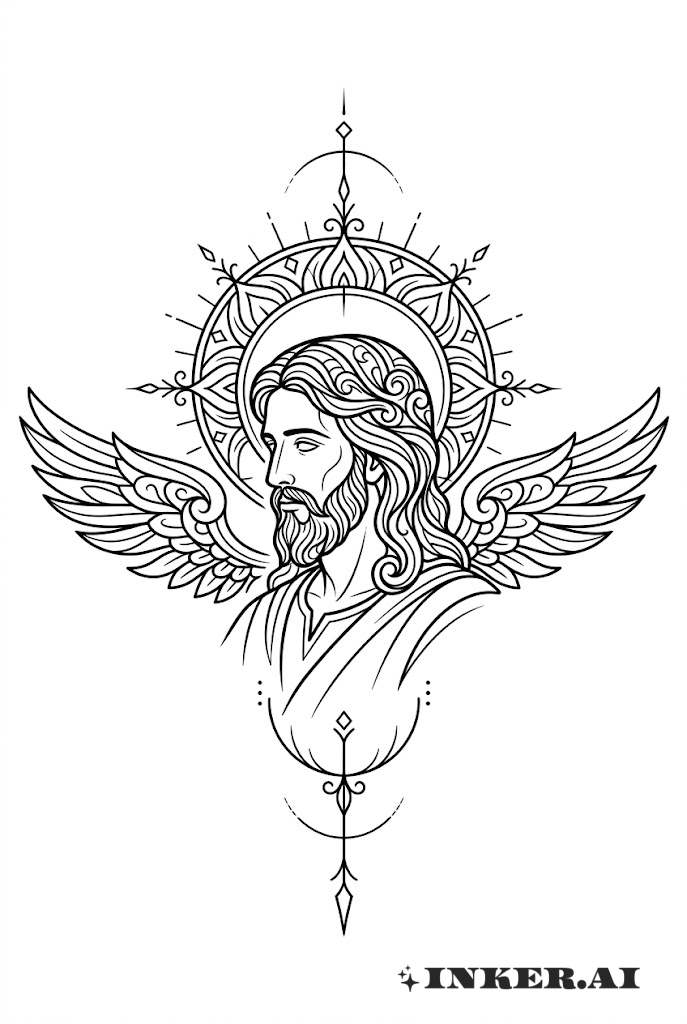
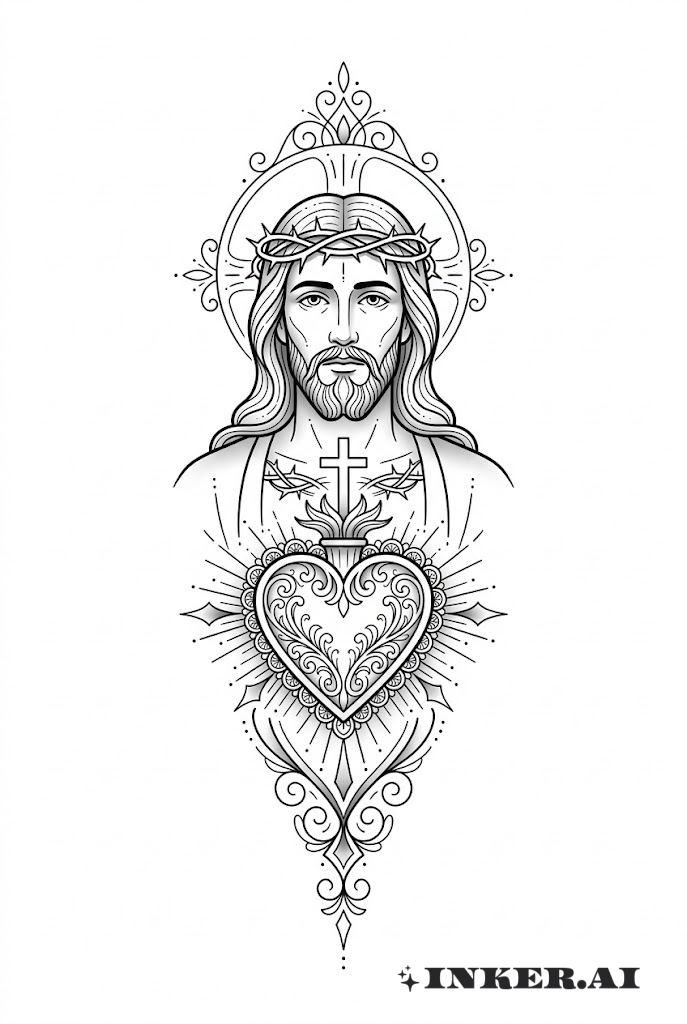
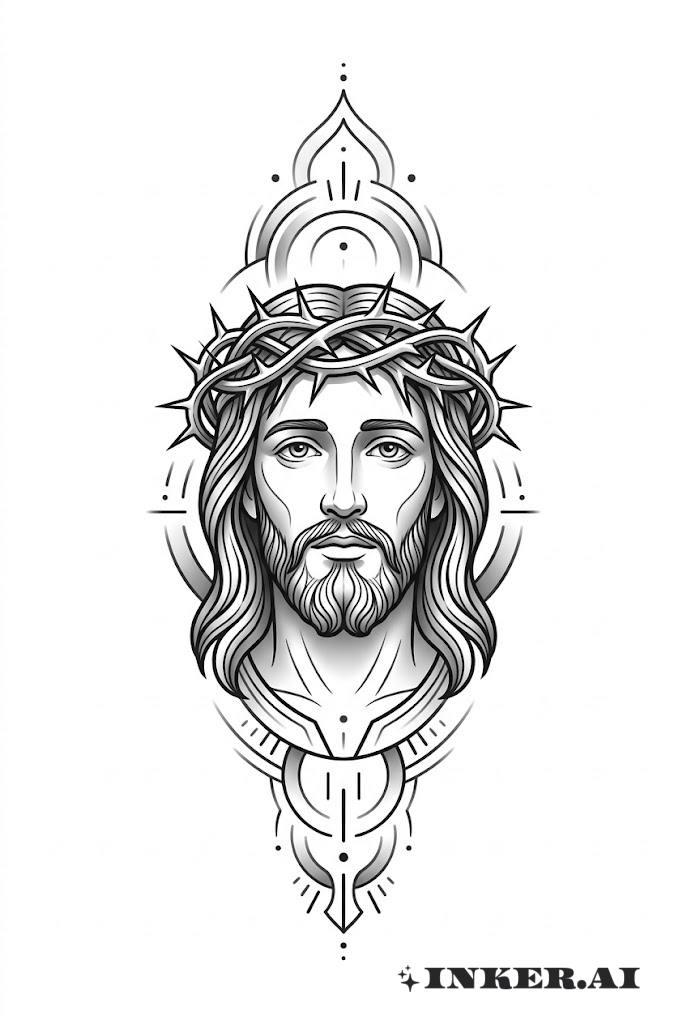
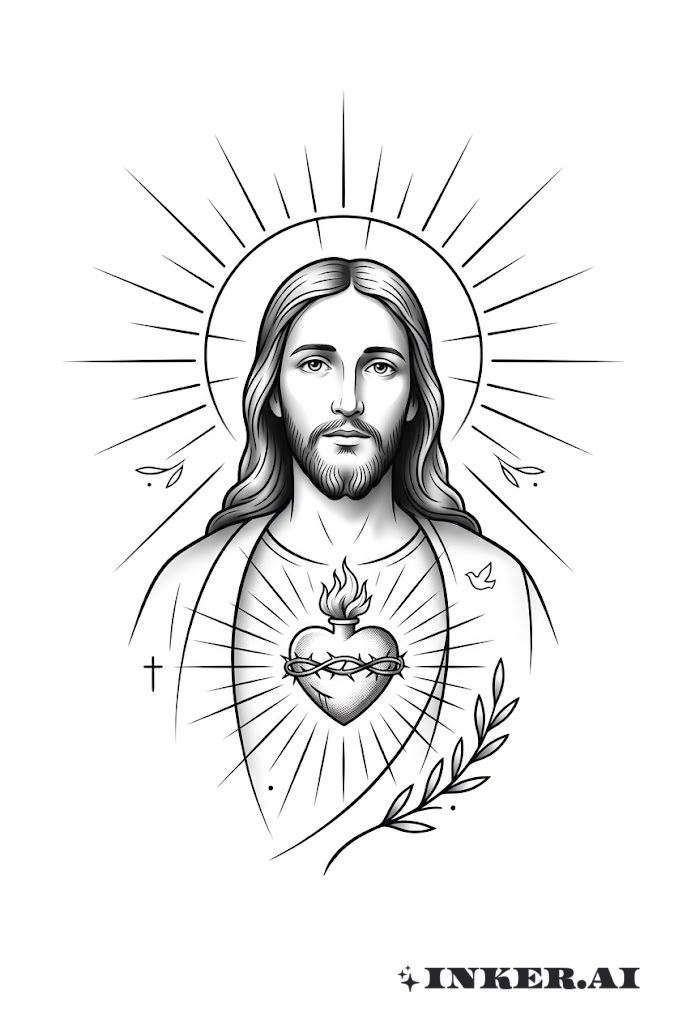
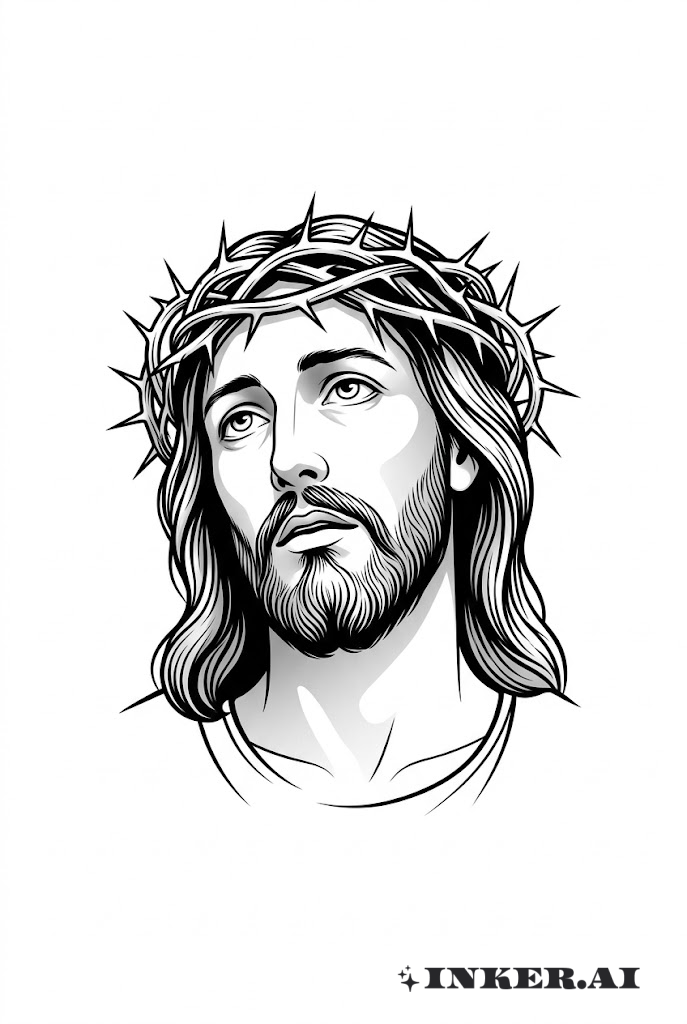
Jesus tattoos draw from centuries of Christian art, devotional imagery, and religious iconography. Early depictions appeared in mosaics, paintings, illuminated manuscripts, and church sculpture, where artists used familiar symbols to communicate sacrifice, mercy, resurrection, and divine love. In the United States, religious tattoos became especially visible through military, prison, biker, and American Traditional tattoo cultures, where crosses, praying hands, portraits, and scripture carried ideas of protection and conviction. Over time, artists expanded the visual language with realistic portraiture, neo-traditional color, fine-line work, and abstract interpretations. Modern Jesus tattoo ideas may reference classical Renaissance compositions, Mexican Catholic folk art, Gothic lettering, or personal memorial imagery while still preserving the central spiritual meaning. Today, the design can be highly traditional or distinctly contemporary, depending on the wearer’s relationship with faith. Respectful consultation is important because small changes in expression, symbolism, and cultural references can significantly alter the tone of the finished piece.