Cultural Meaning Of Traditional Jesus on the Cross Tattoo Design
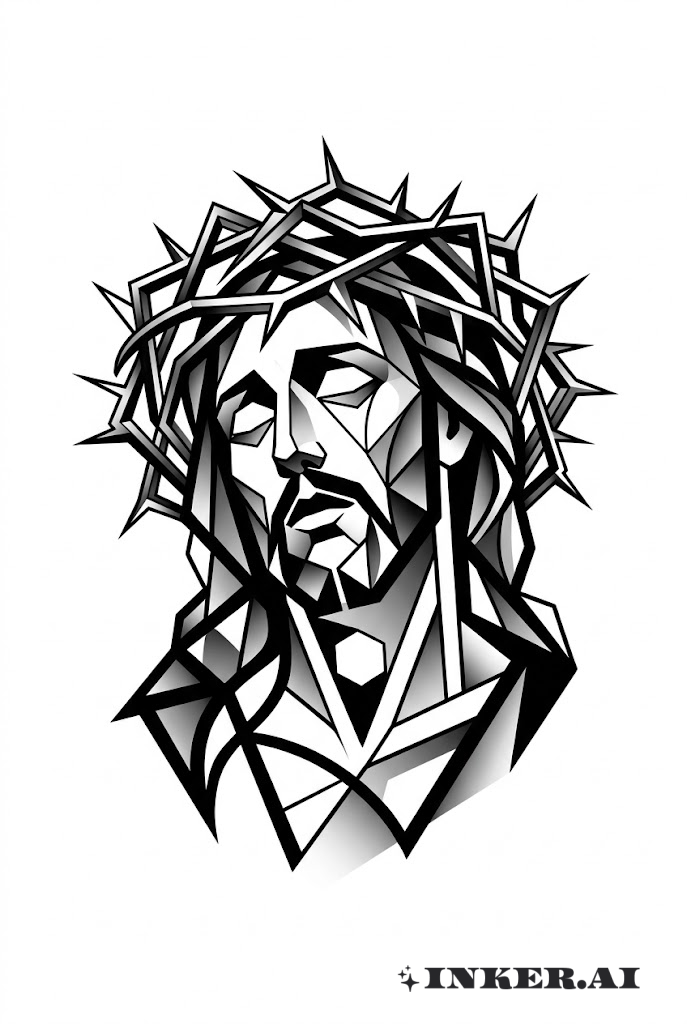
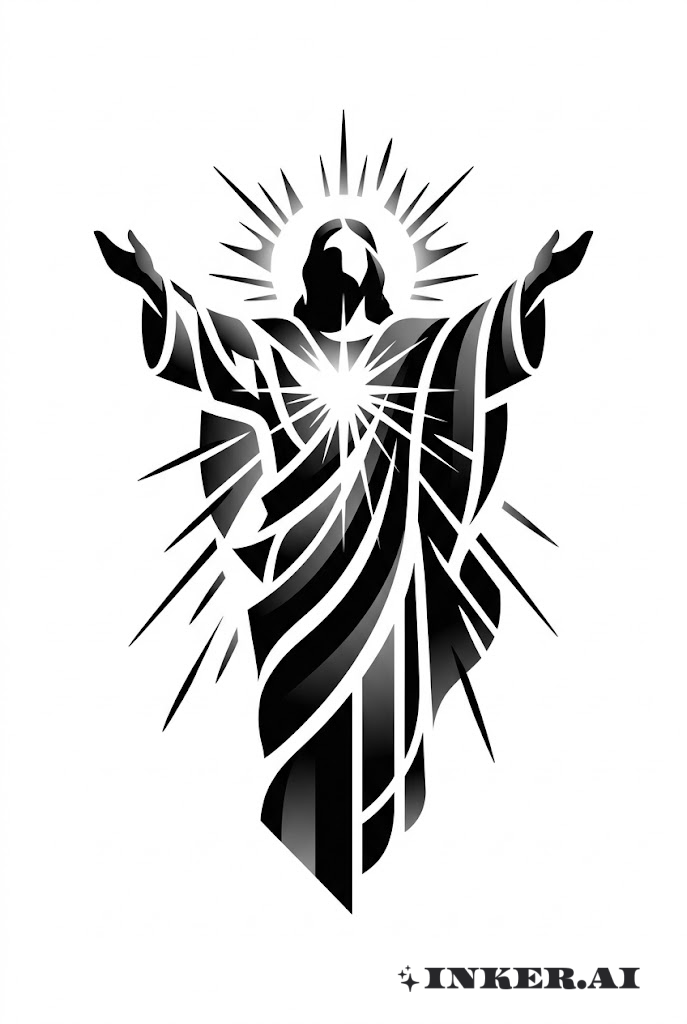
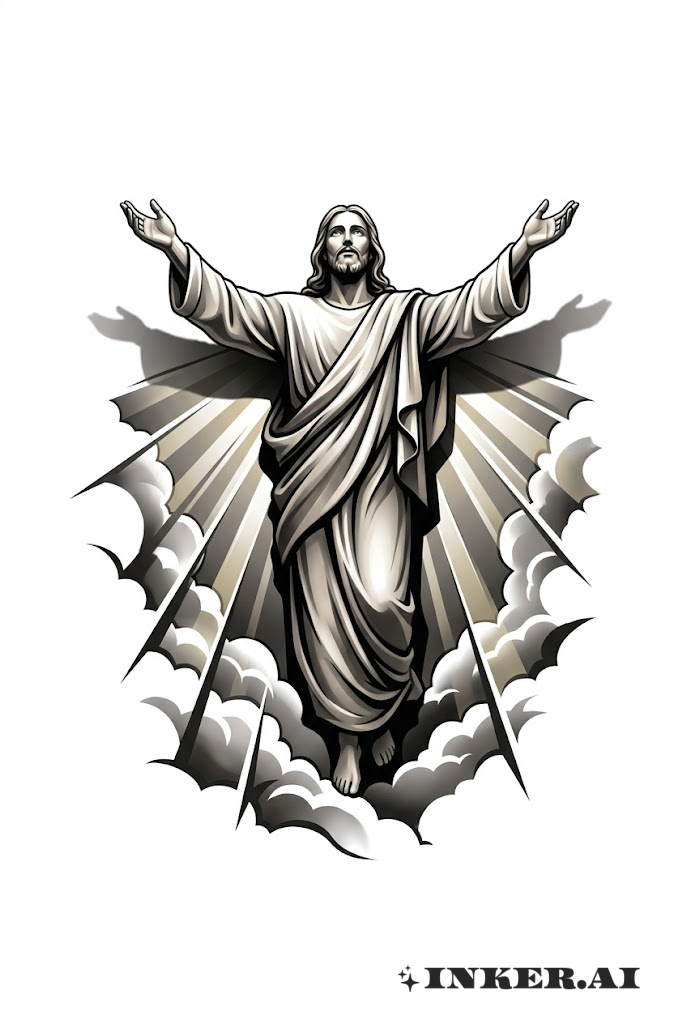
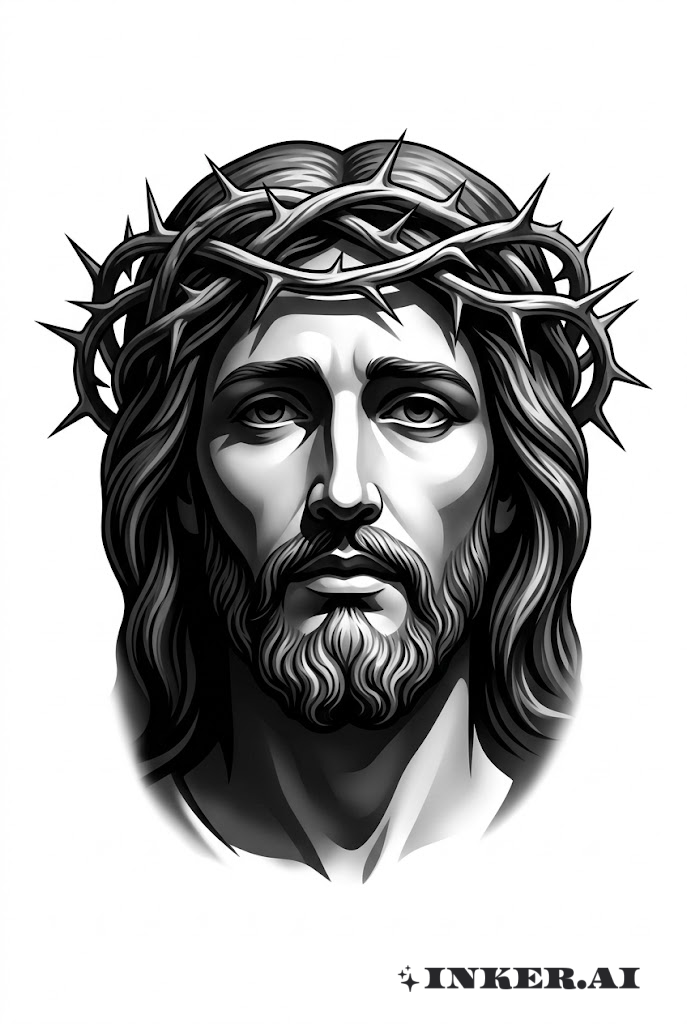
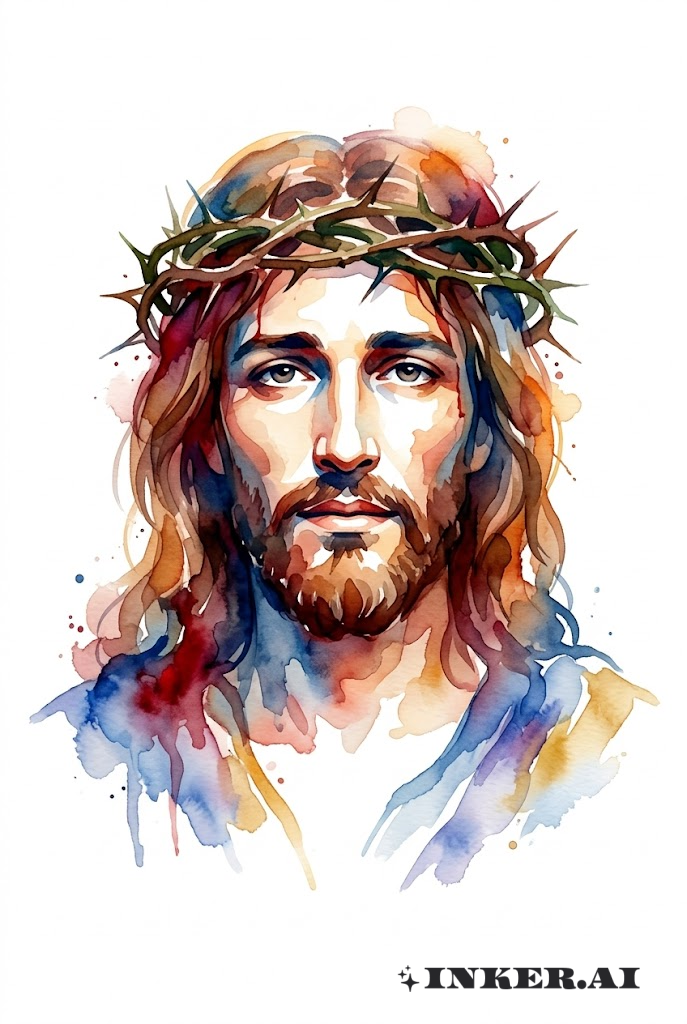
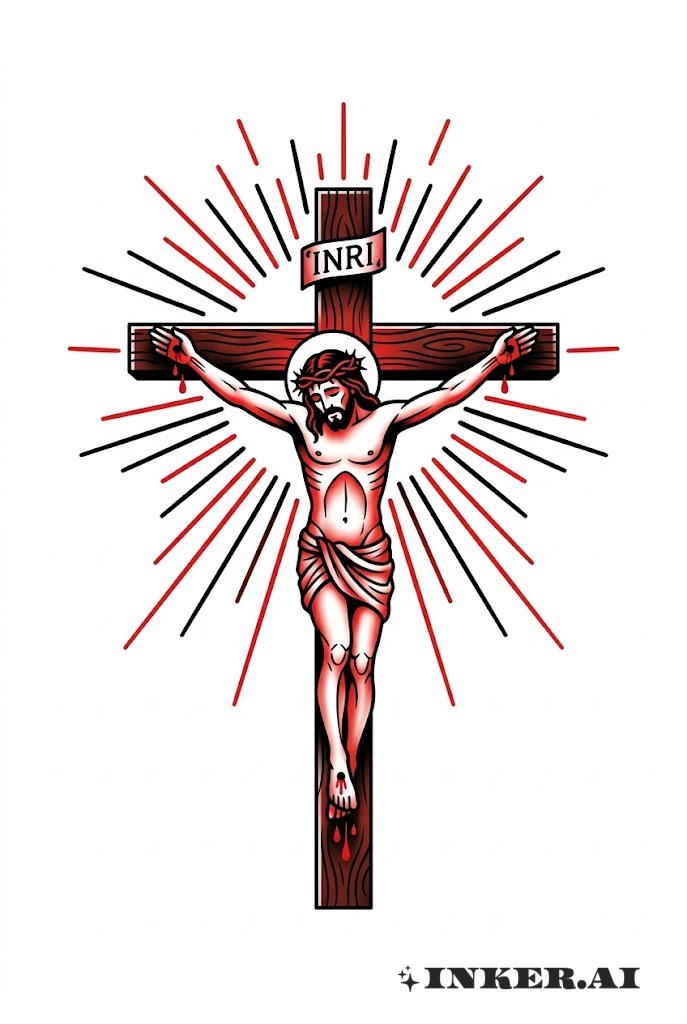
The crucified figure conveys themes of sacrifice, redemption, and steadfast faith. Nails and the crown of thorns speak to suffering and endurance, while the wooden cross acts as a universal emblem of spiritual surrender and hope. Floral motifs and rays soften the harshness of the scene, suggesting resurrection and consolation alongside grief. In cultures where faith is worn visibly, this kind of imagery can mark personal transformation, memorialize loved ones, or signal a public declaration of belief. Rendered in a Traditional tattoo style, the iconography bridges religious narrative and classic tattoo heritage, making it approachable across generations. For those seeking faith-based work, Jesus tattoo ideas like this provide a direct visual shorthand for devotion, protection, and the idea that pain can yield meaning.
Design Inspiration Of Traditional Jesus on the Cross Tattoo Design
The design draws on early Western religious prints and sailor-era tattoo motifs, blending devotional portraiture with the graphic economy of old-school tattoos. Inspiration comes from woodcut illustrations and enamel icons—stripped down to essential shapes and bold marks so the image reads clearly on skin. The goal is a piece that feels timeless: emotionally resonant, immediately legible, and capable of aging gracefully with the wearer.