Cultural Meaning Of The Grim Reaper's Fallen Angel Tattoo Design
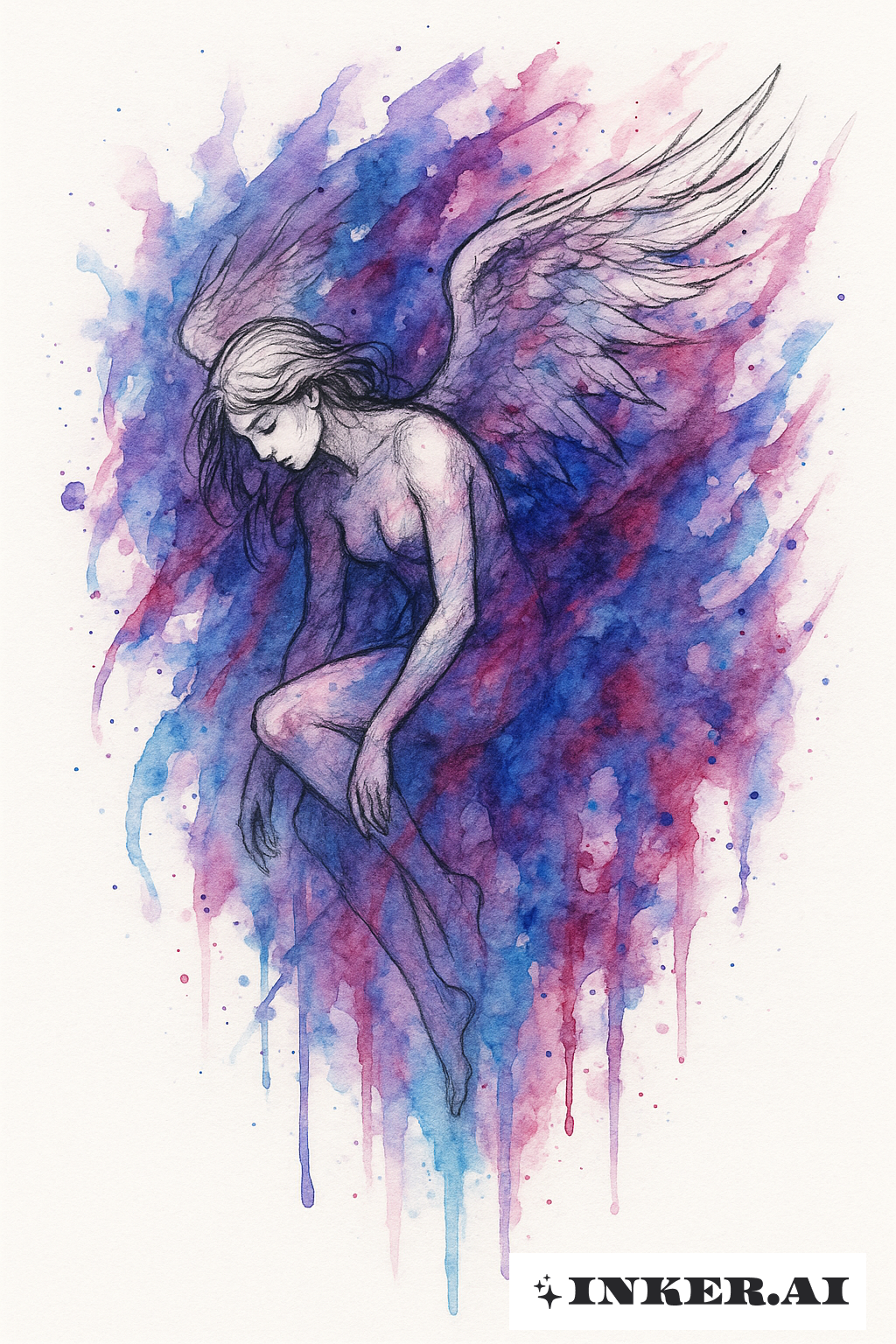
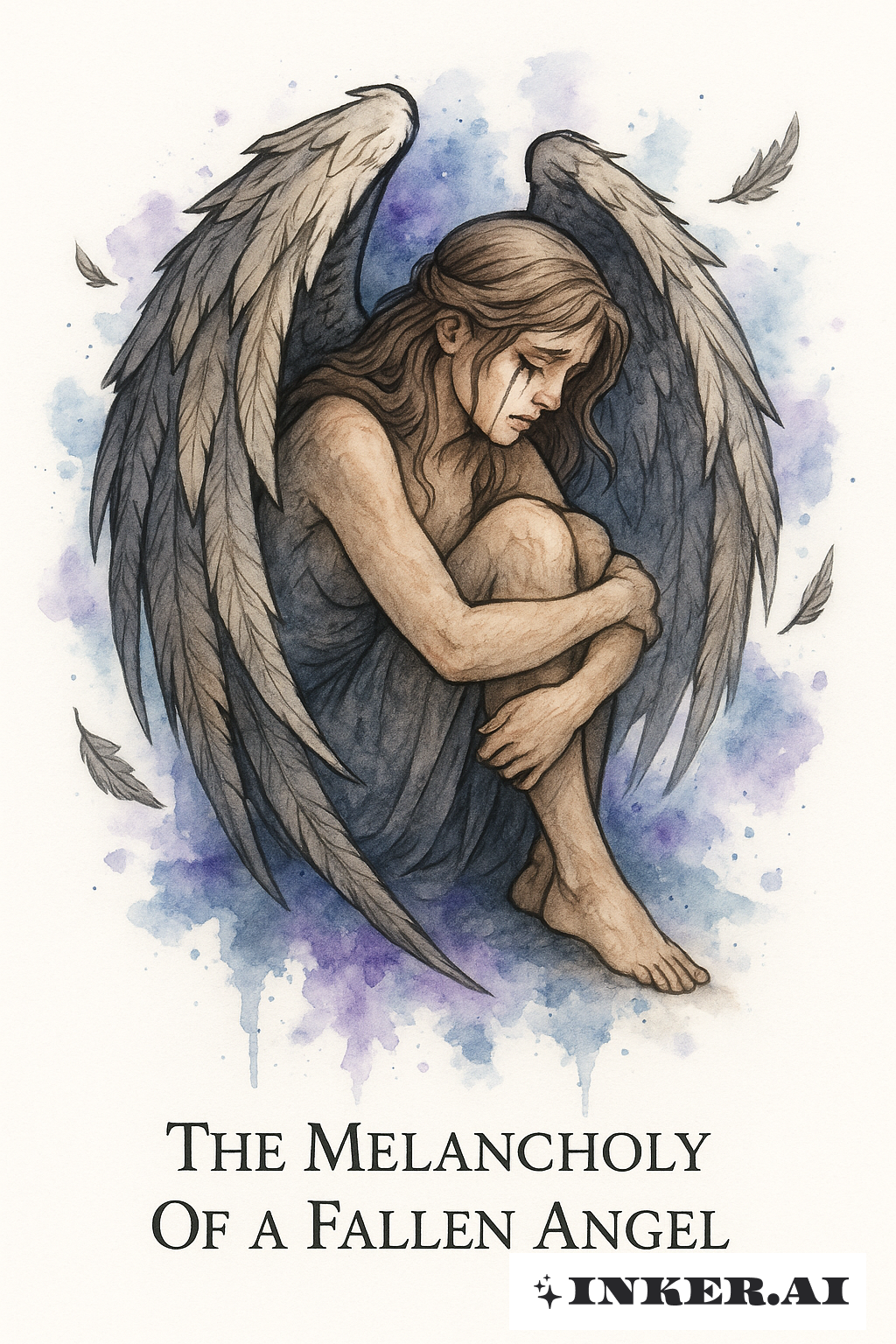
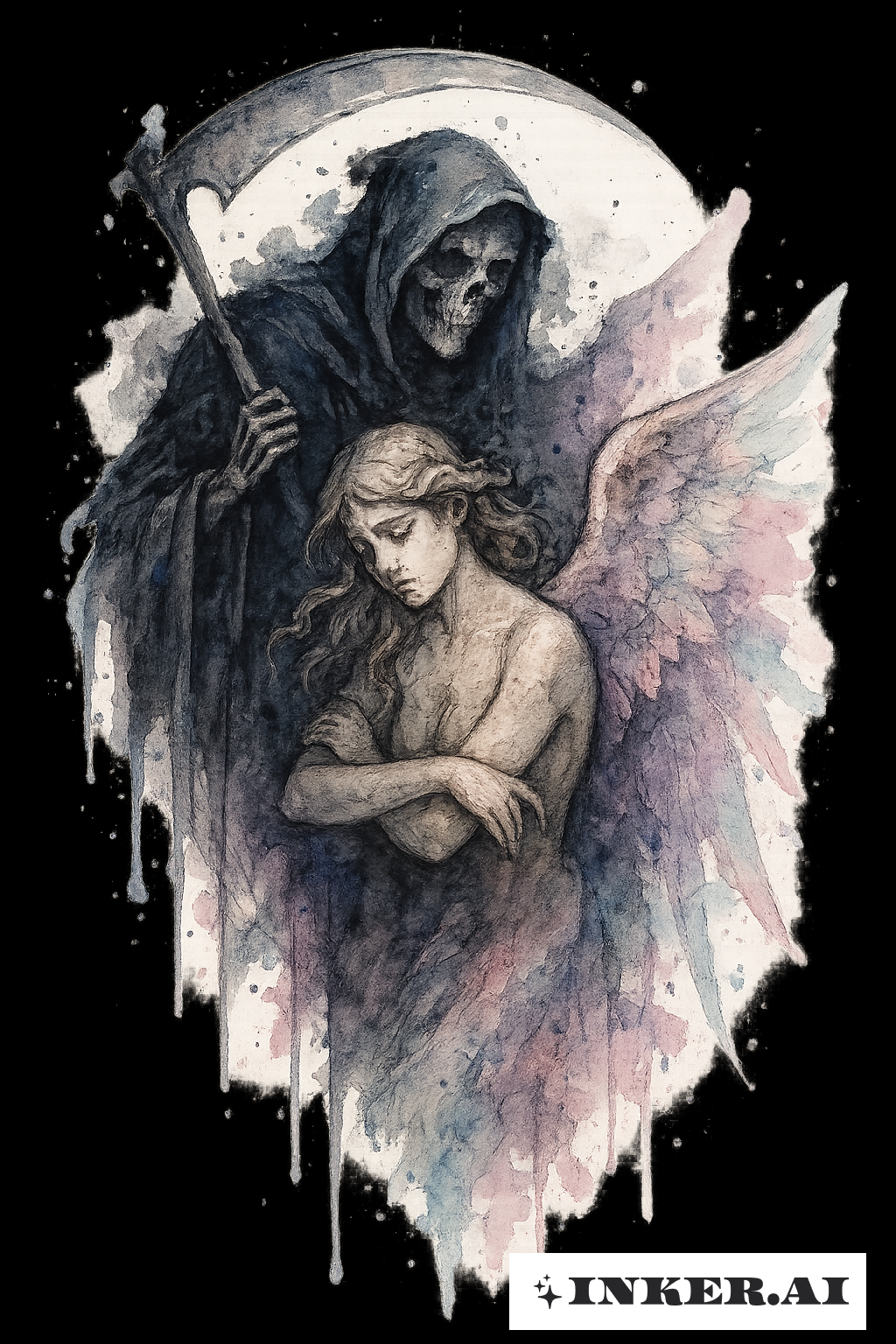
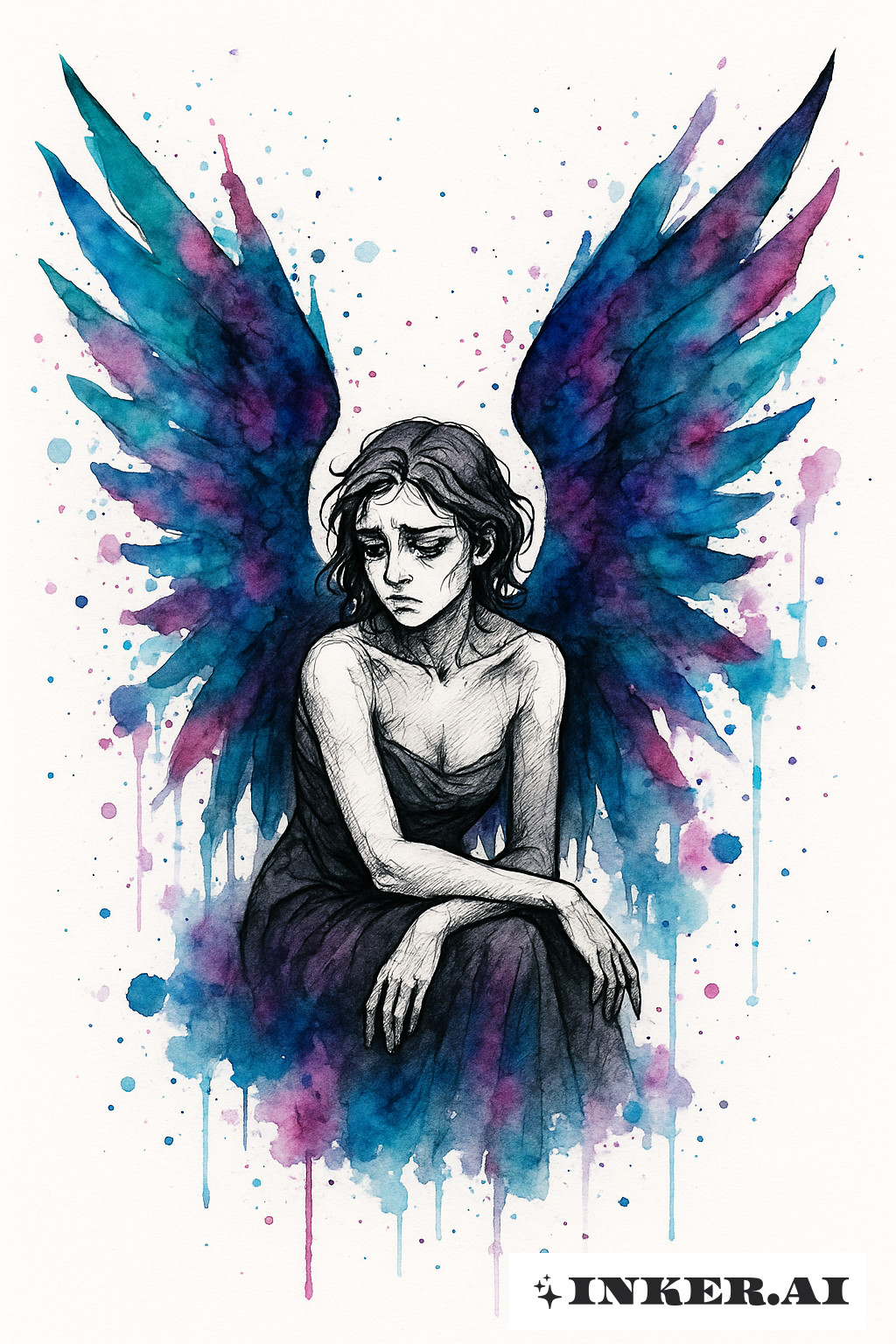
The grim reaper traditionally represents mortality, transition, and the unavoidable passage of time. Paired with dark angel wings, the figure suggests a soul caught between opposing forces: grace and ruin, protection and judgment, redemption and loss. The skull can symbolize the equality of death, reminding the viewer that status and identity ultimately fade. The scythe adds another layer of meaning, often associated with harvest, endings, and the cutting away of an old chapter. In American Traditional tattoo style, these ideas are expressed through bold shapes and direct visual storytelling, giving the symbolism a strong, enduring presence. As Fallen Angel tattoo ideas, this image can represent rebellion, exile, inner conflict, or surviving a personal downfall without losing one’s strength. The shadowed hood may suggest mystery and the parts of the self that remain hidden, while the wings preserve a connection to hope, spirituality, or a former sense of innocence. Together, the elements create a powerful emblem for anyone who has faced darkness, accepted change, and continued forward with defiance and resilience.
Design Inspiration Of The Grim Reaper's Fallen Angel Tattoo Design
The concept draws inspiration from classic memento mori imagery, Gothic fantasy, and traditional depictions of angels in conflict. It contrasts the delicate symbolism of wings with the stark finality of a skull and scythe, creating tension between beauty and decay. The dramatic hood, sweeping blade, and layered feathers are arranged like a vintage tattoo flash composition, while the deep shadows give the character a theatrical, almost storybook presence. The design is inspired by themes of exile, transformation, and finding strength in a damaged or divided identity.