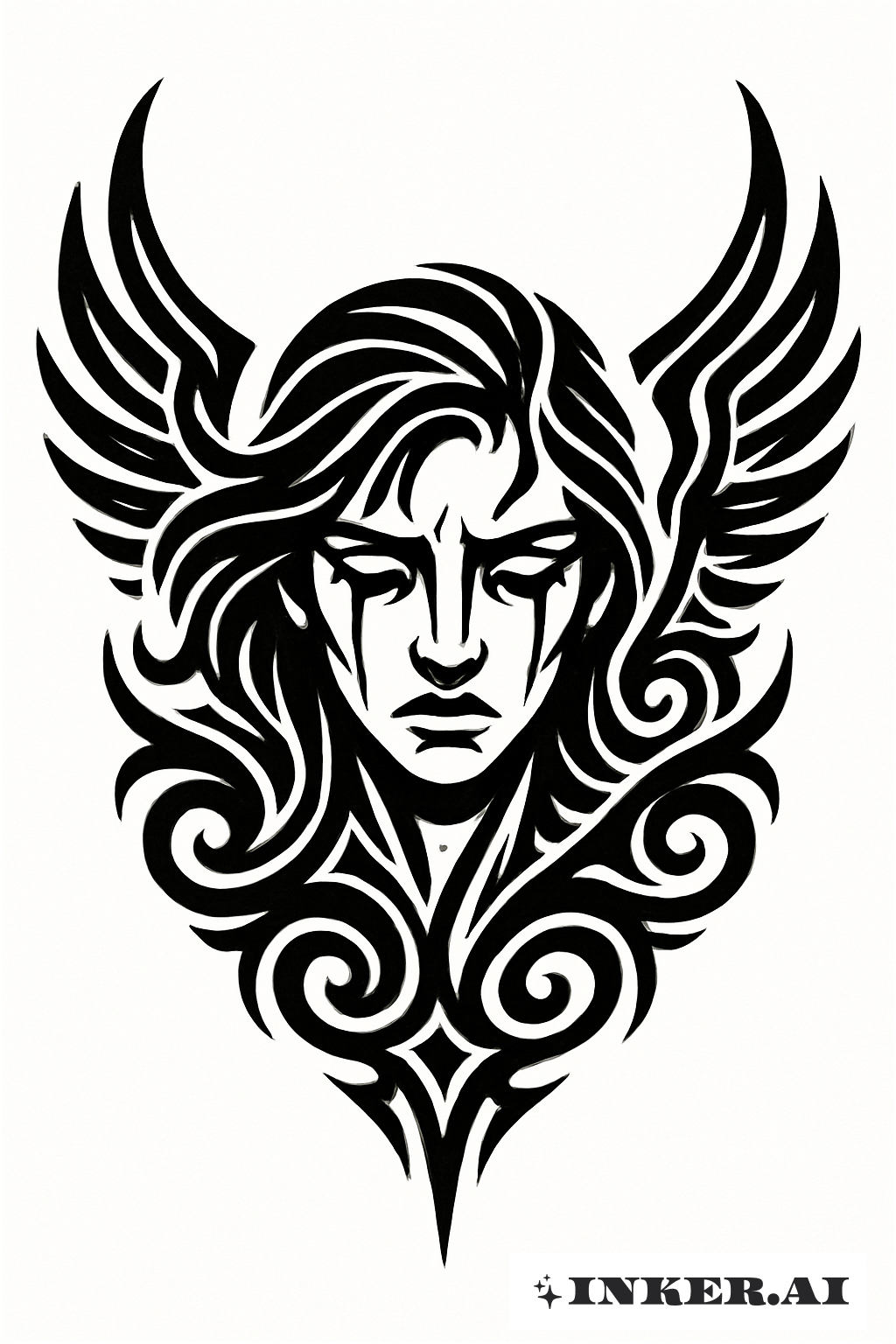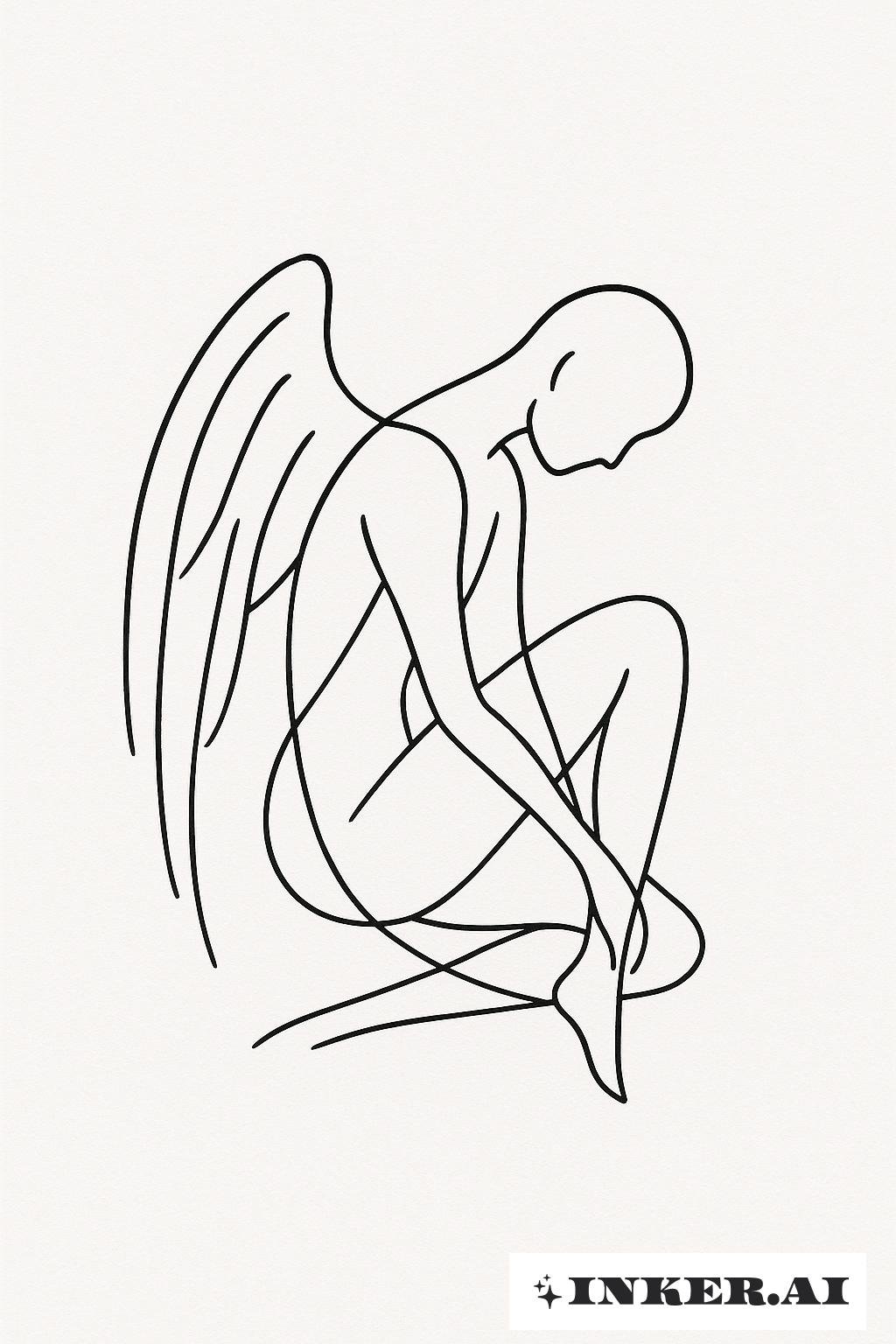
Cultural Meaning Of Fallen Angel's Abstract Linear Form Tattoo Design
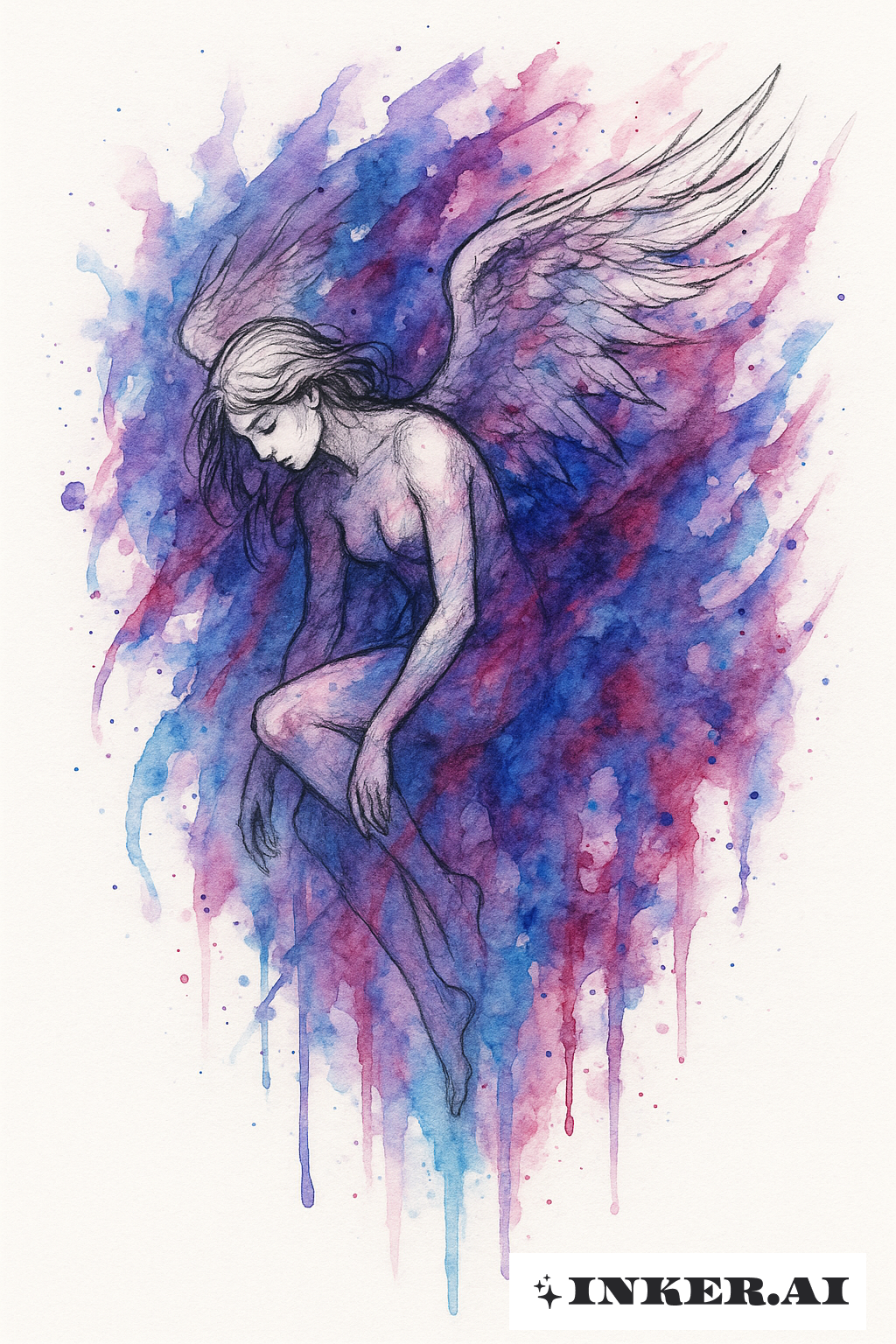
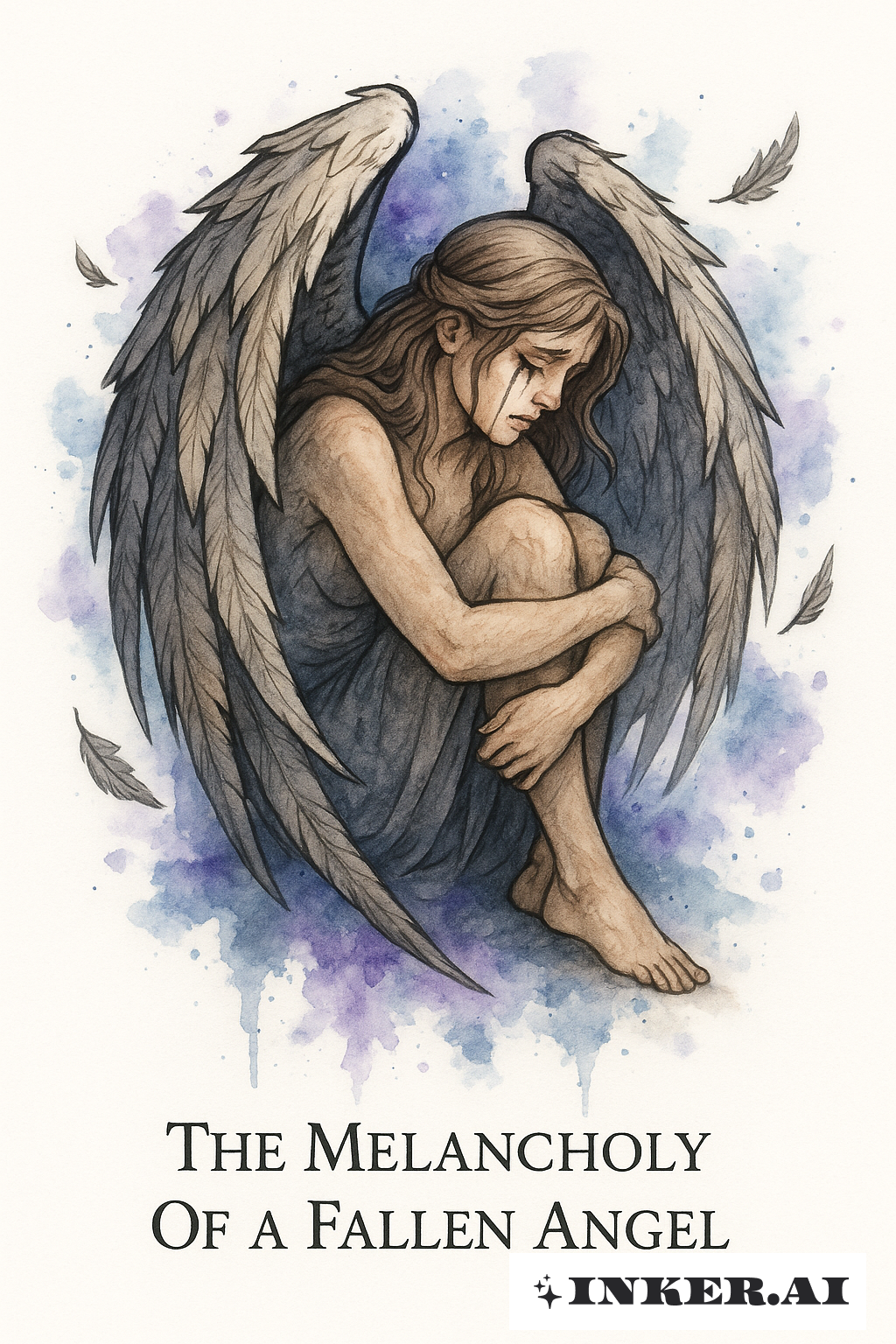
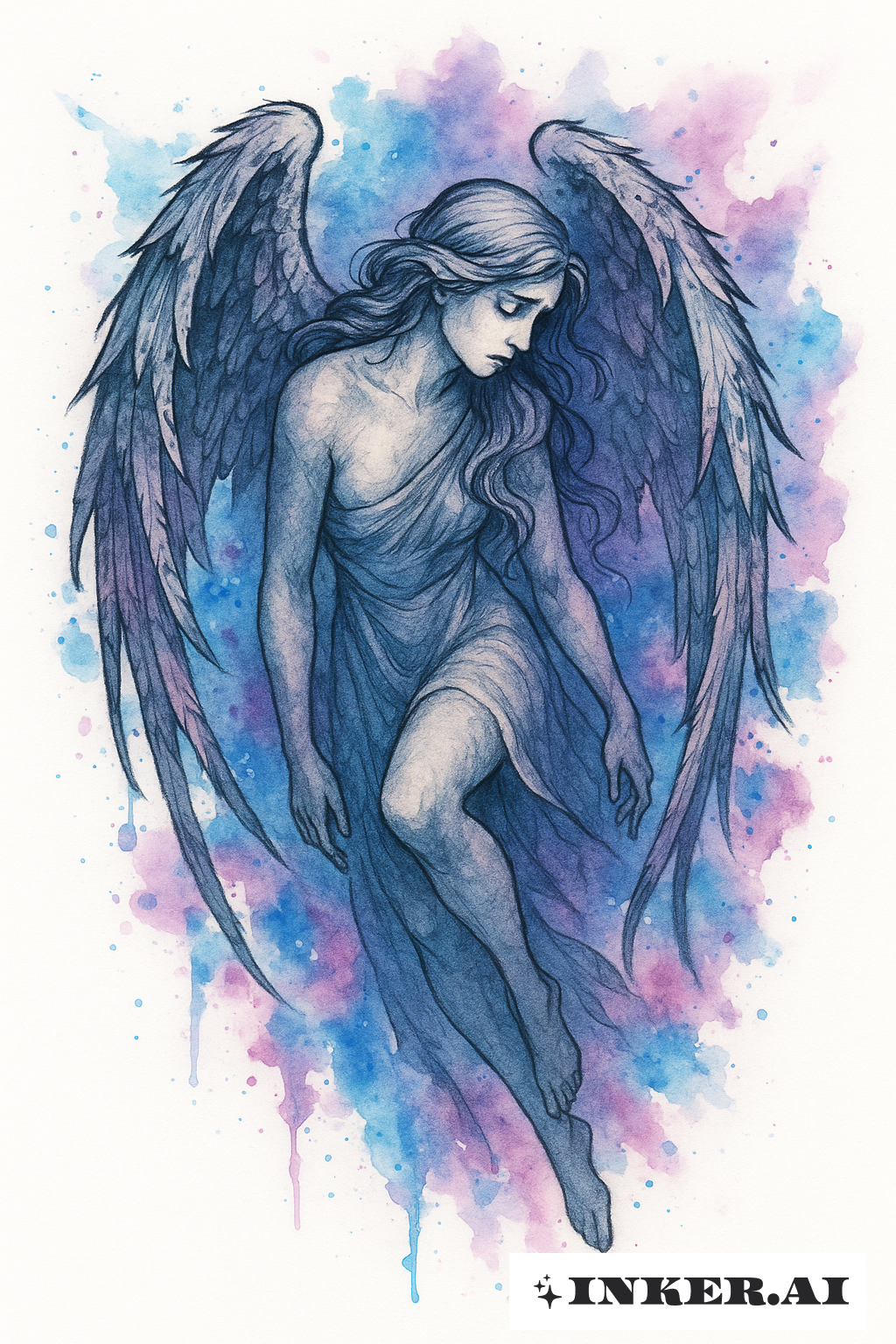
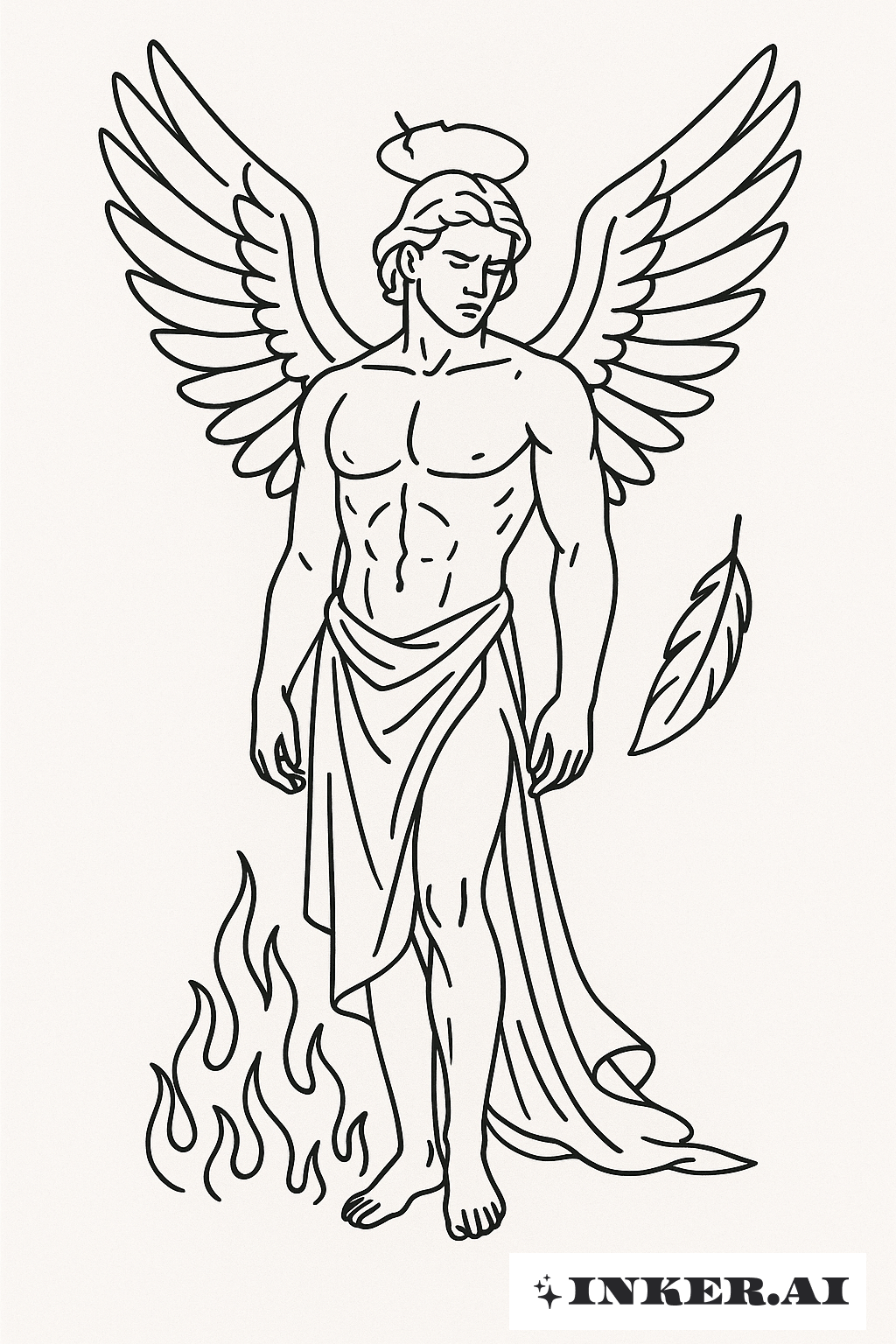
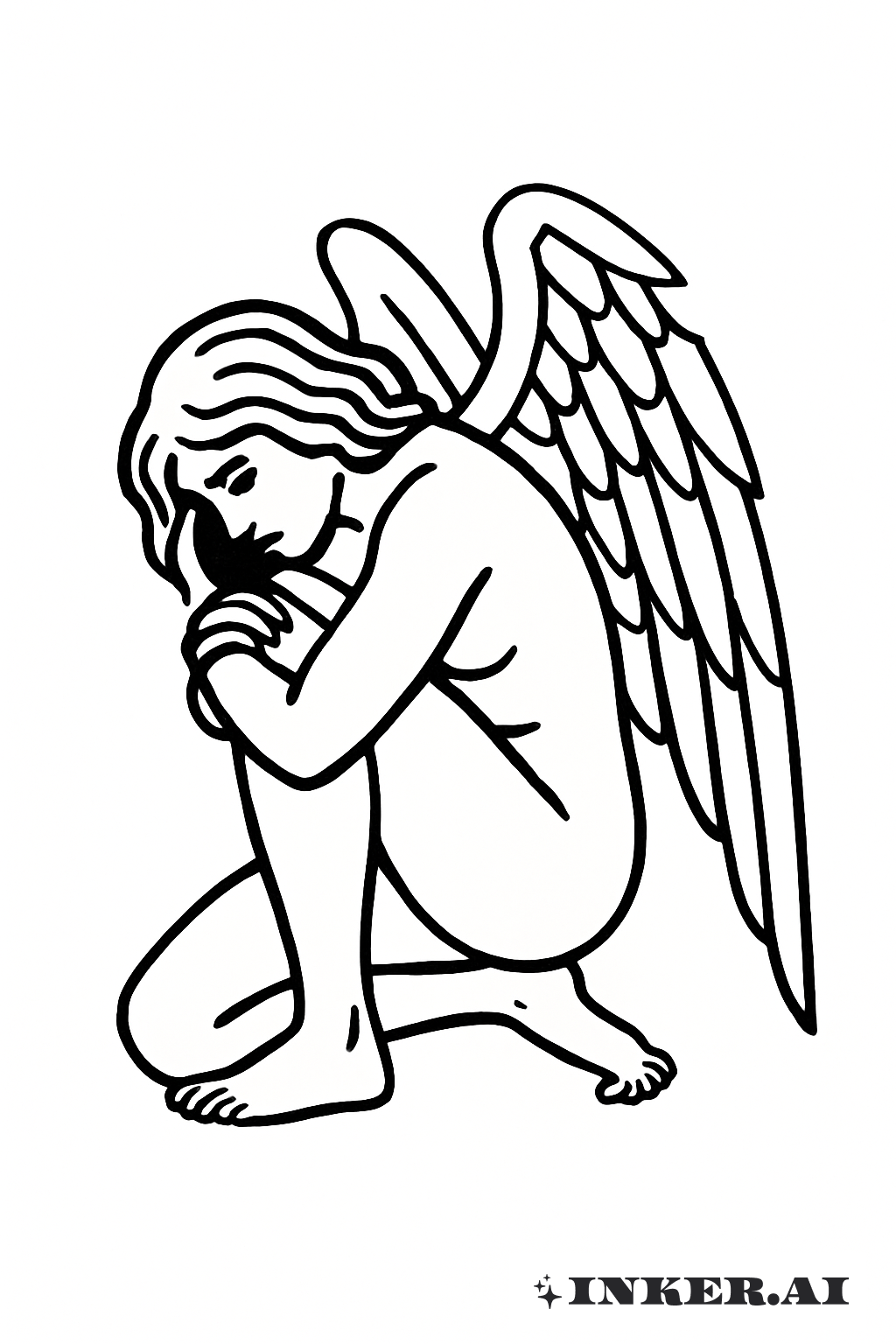
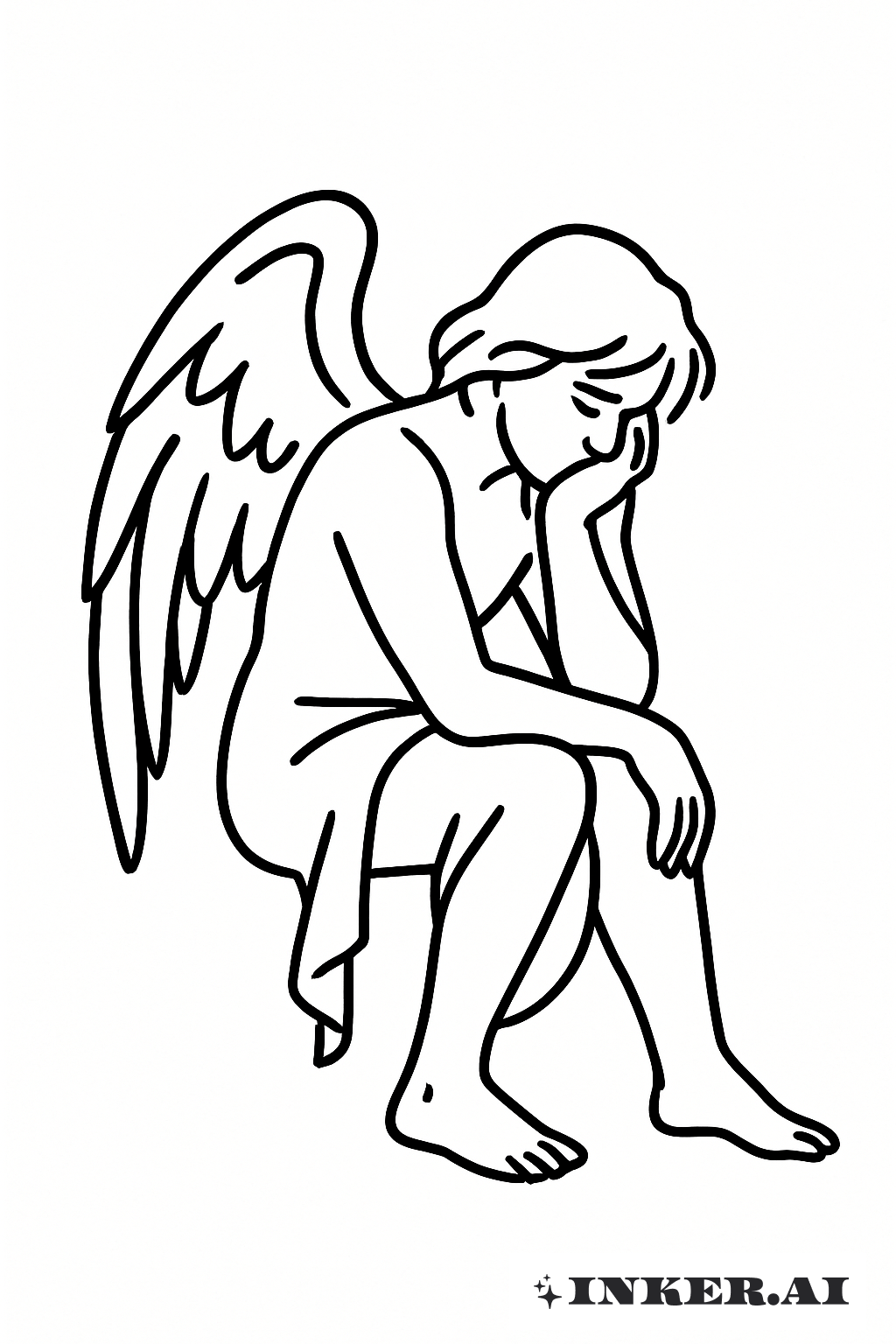
At its core this image explores themes of loss, vulnerability, and the beauty found in imperfection. The fallen figure, reduced to spare lines, evokes a being that has let go of grandeur but retains dignity; the broken or trailing winglines suggest both descent and the possibility of quiet resilience. Stylized reduction turns narrative into emotion, allowing viewers to project personal meanings—regret, redemption, rebellion, or the quiet acceptance of change. The sparse execution also reflects modern values: choosing restraint over excess, clarity over ornament. In a cultural context that often idolizes triumph, this pared-back emblem offers a counterpoint—honoring vulnerability and the complexity of moral stories without preaching. By combining a stripped-back aesthetic with archetypal content, the work aligns with contemporary preferences for symbolic tattoos that can be both intimate and universally legible. The piece specifically positions itself among other reflective options by nodding to classic iconography while remaining entirely contemporary: Fallen Angel tattoo ideas become personal talismans rather than literal portraits.
Design Inspiration Of Fallen Angel's Abstract Linear Form Tattoo Design
The concept grew from a desire to reconcile classical mythology with modern visual economy: how to convey a dramatic, emotional subject using as little as possible. Influences include single-line drawing, minimal sculpture, and Japanese ink painting—approaches that rely on suggestion and empty space. The artist focused on rhythm and pause, letting each stroke imply motion or emotion. Rather than ornate wings or detailed anatomy, the priority was a confident, expressive mark that feels both ancient and of-the-moment, suitable for someone who wants symbolism without spectacle.