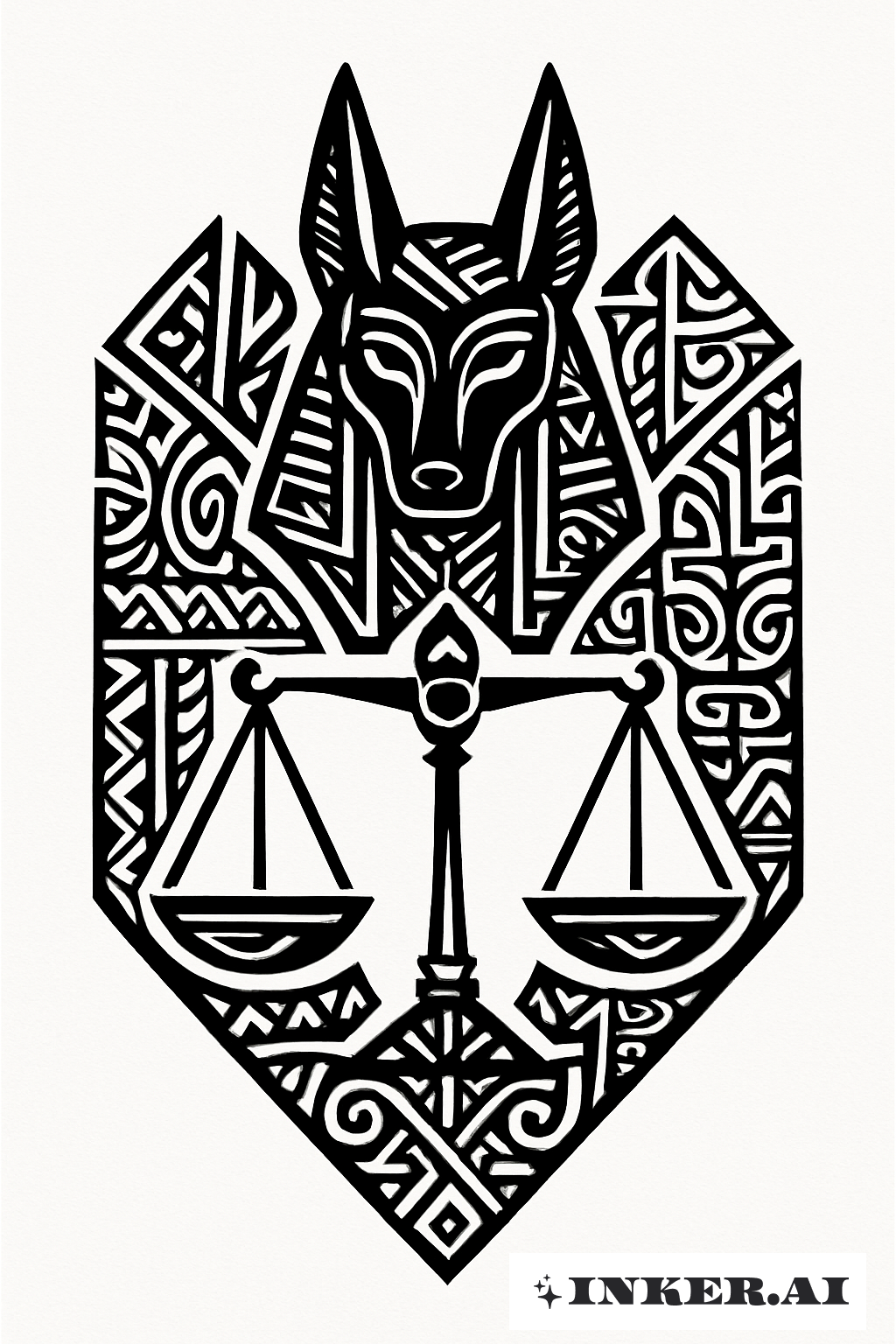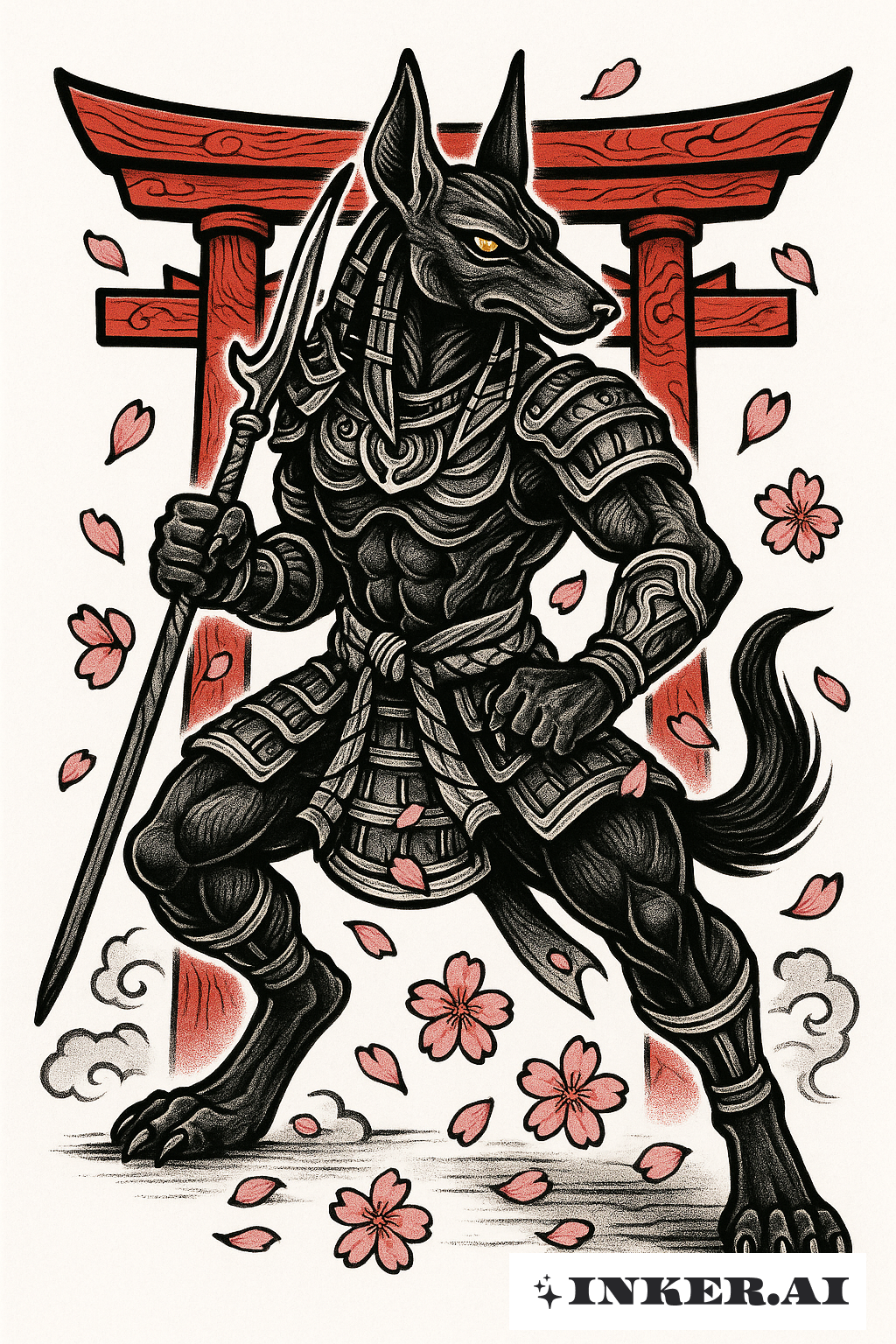
Cultural Meaning Of Anubis Guarding A Torii Gate With Cherry Blossoms Tattoo Design
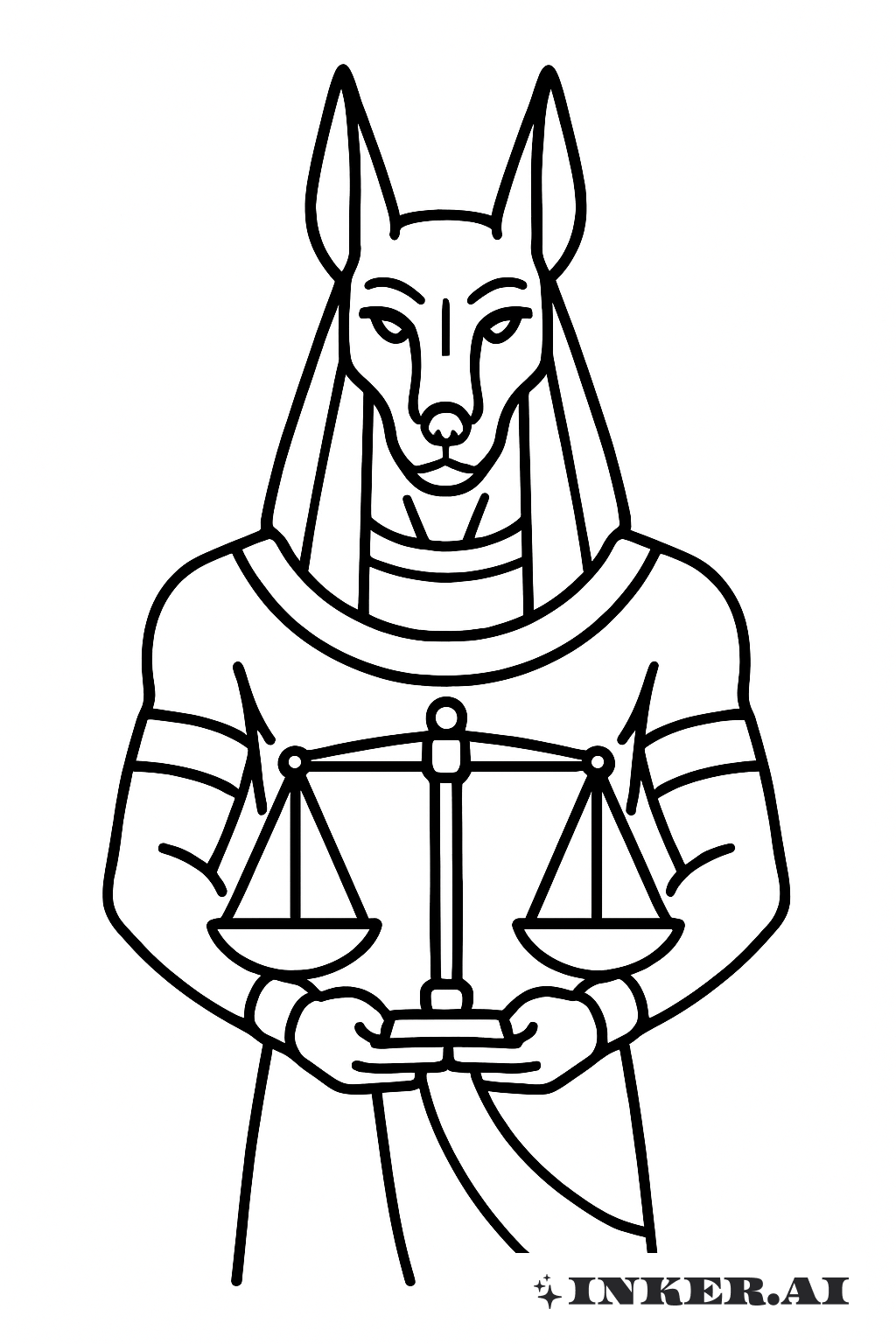
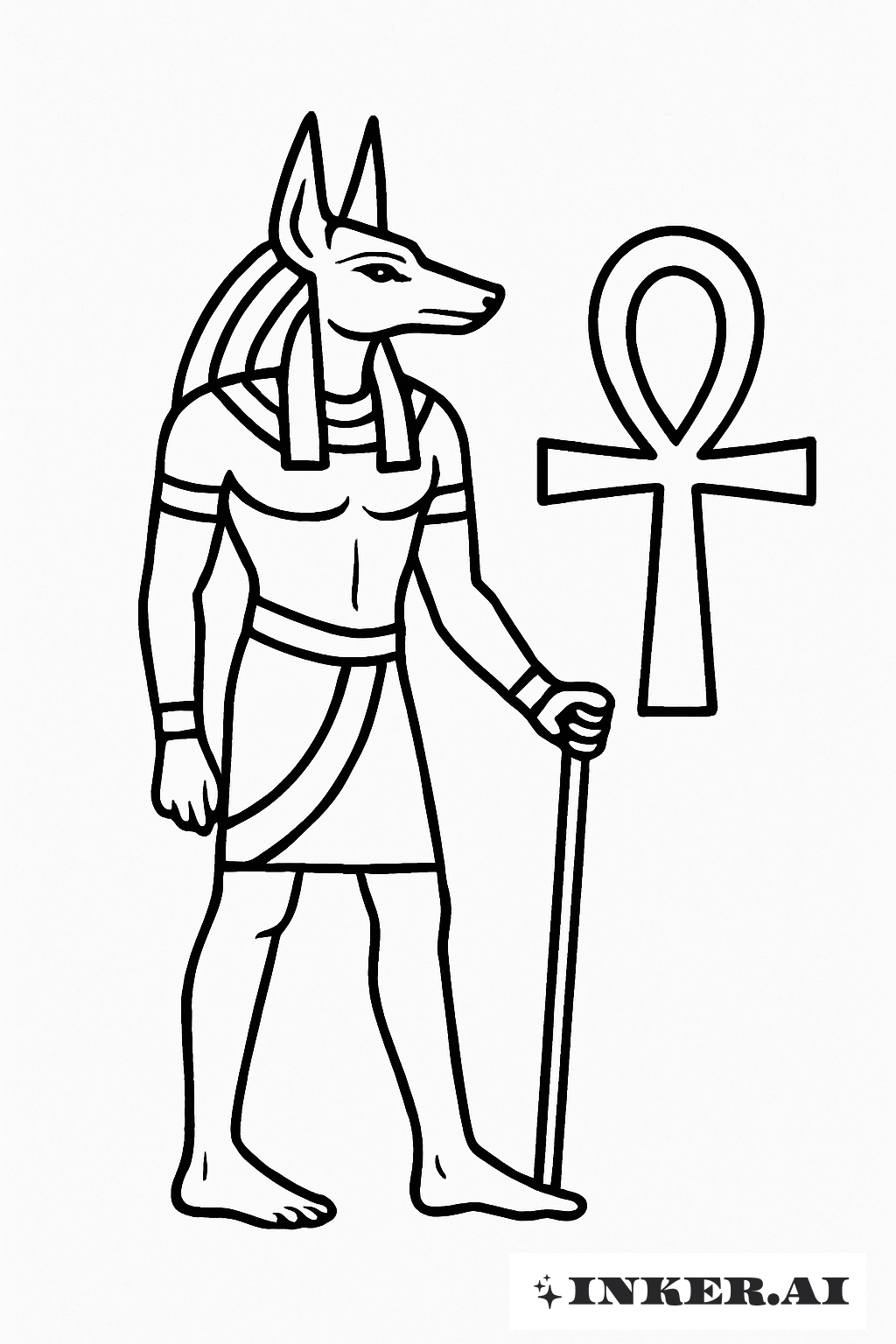
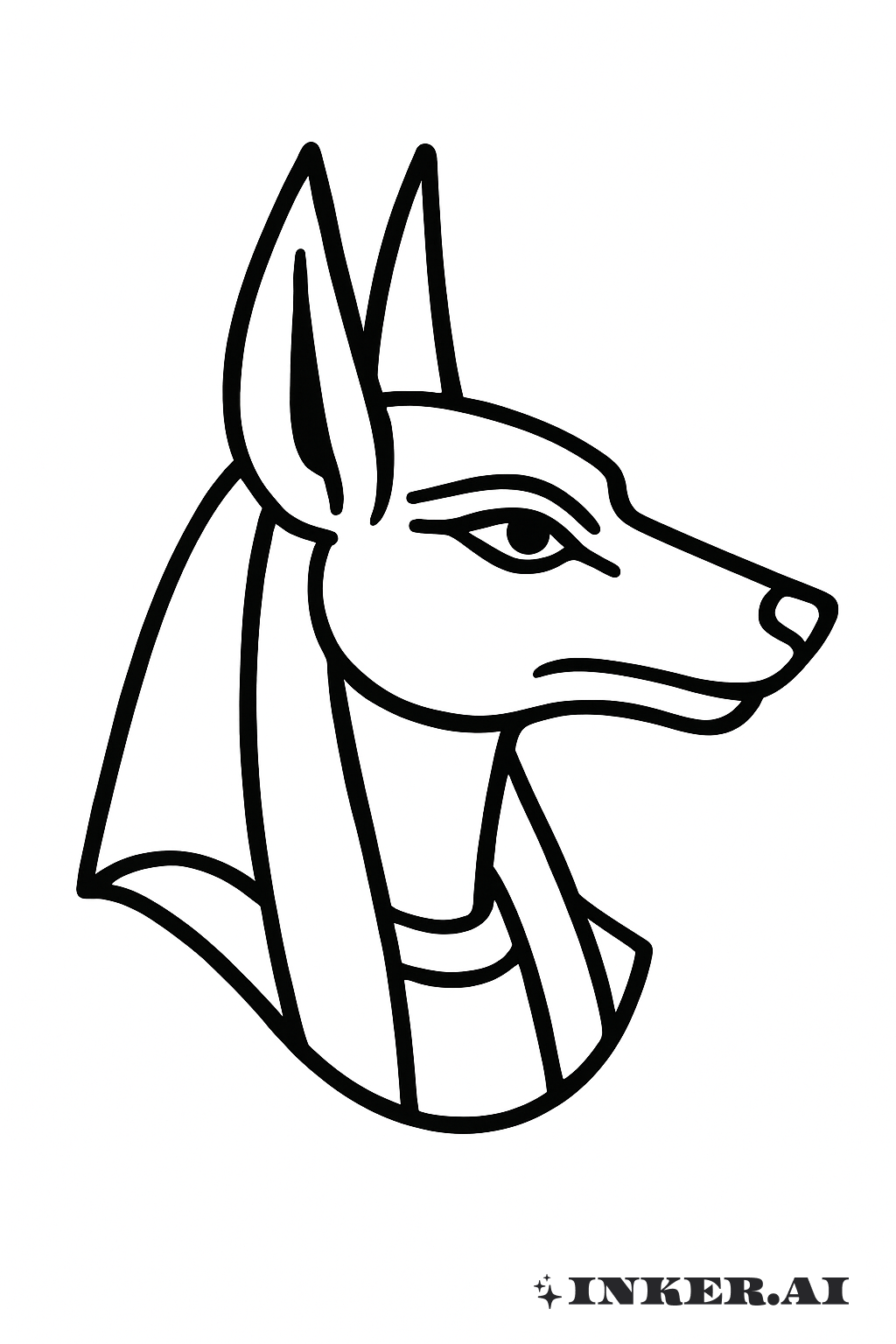
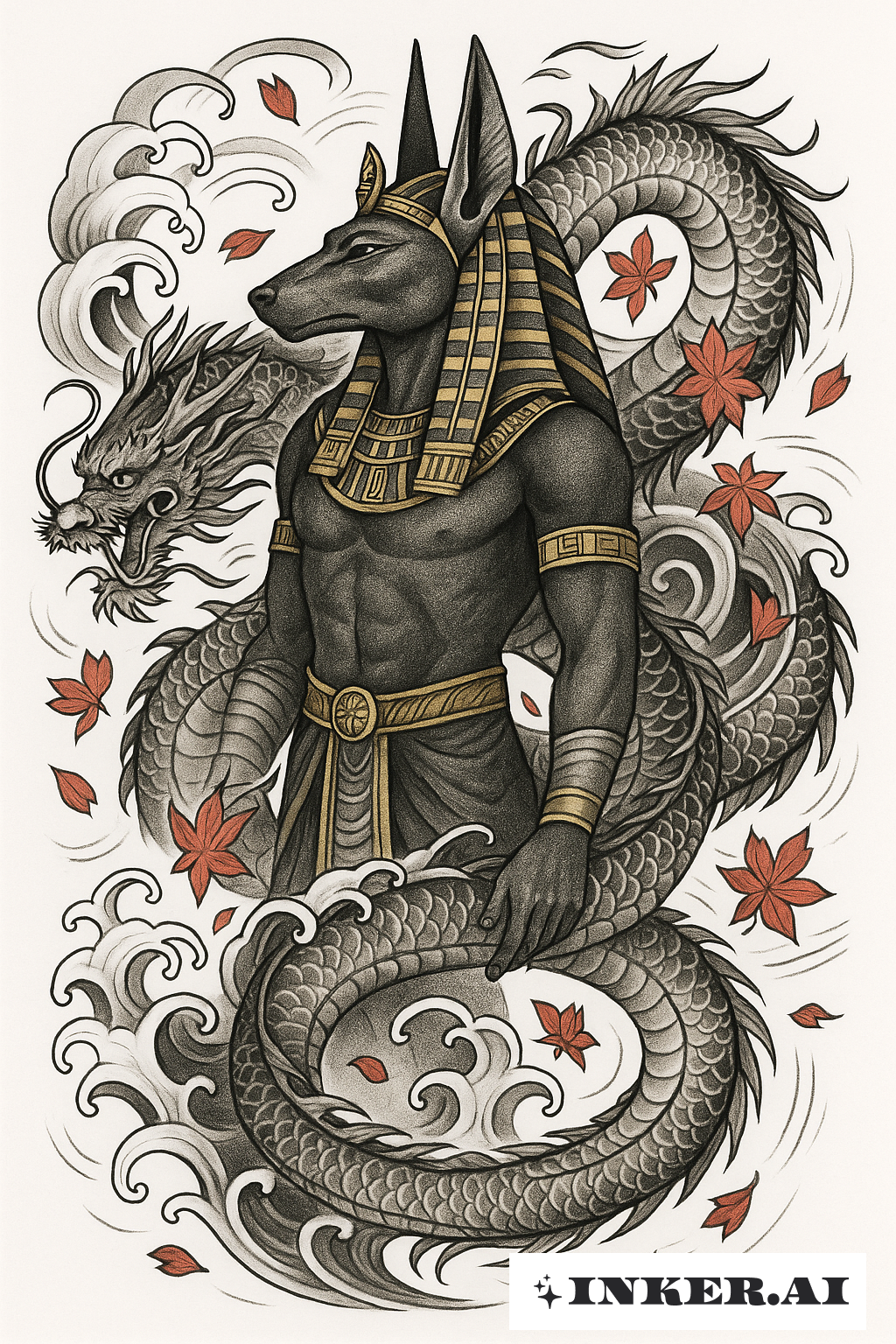
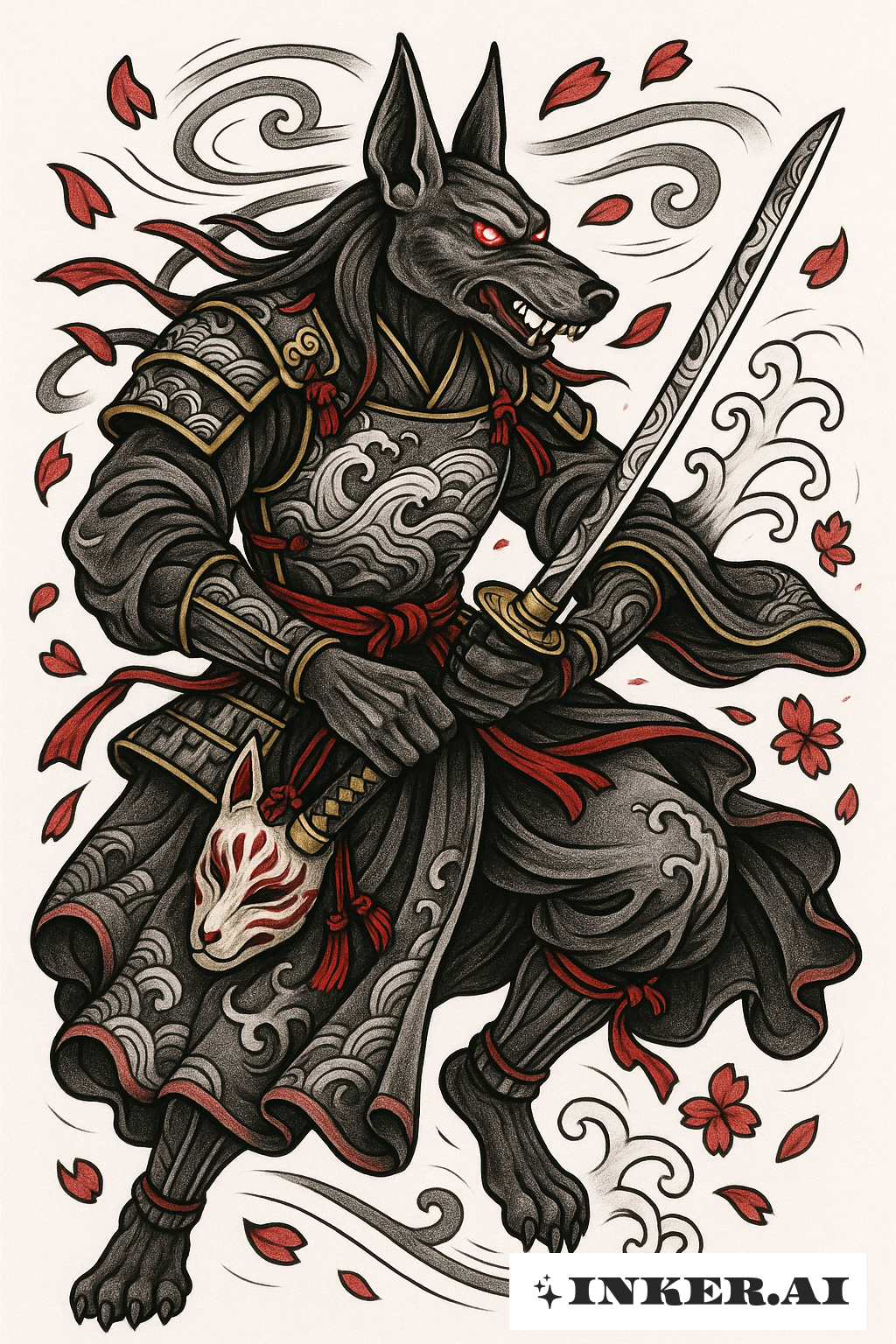
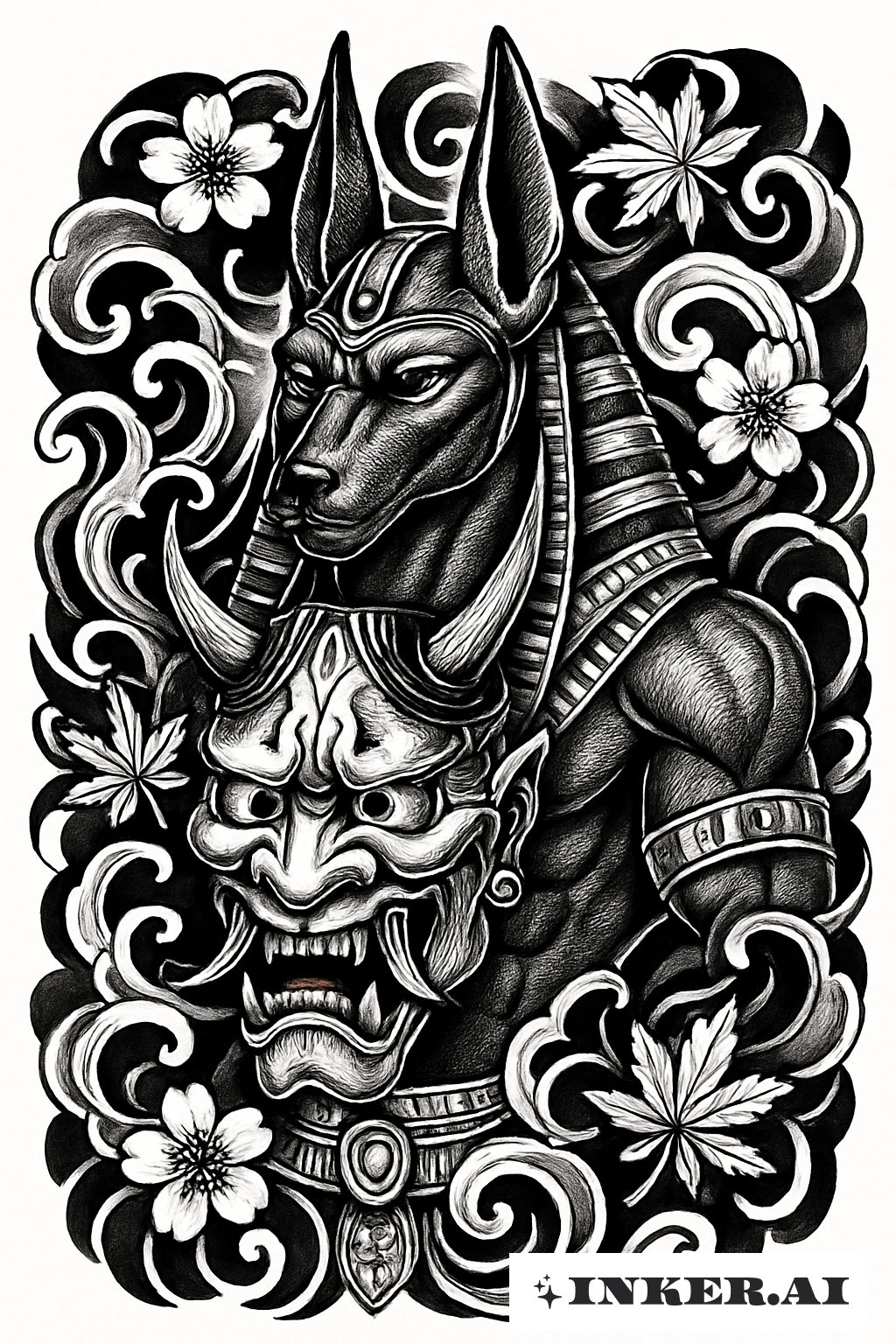
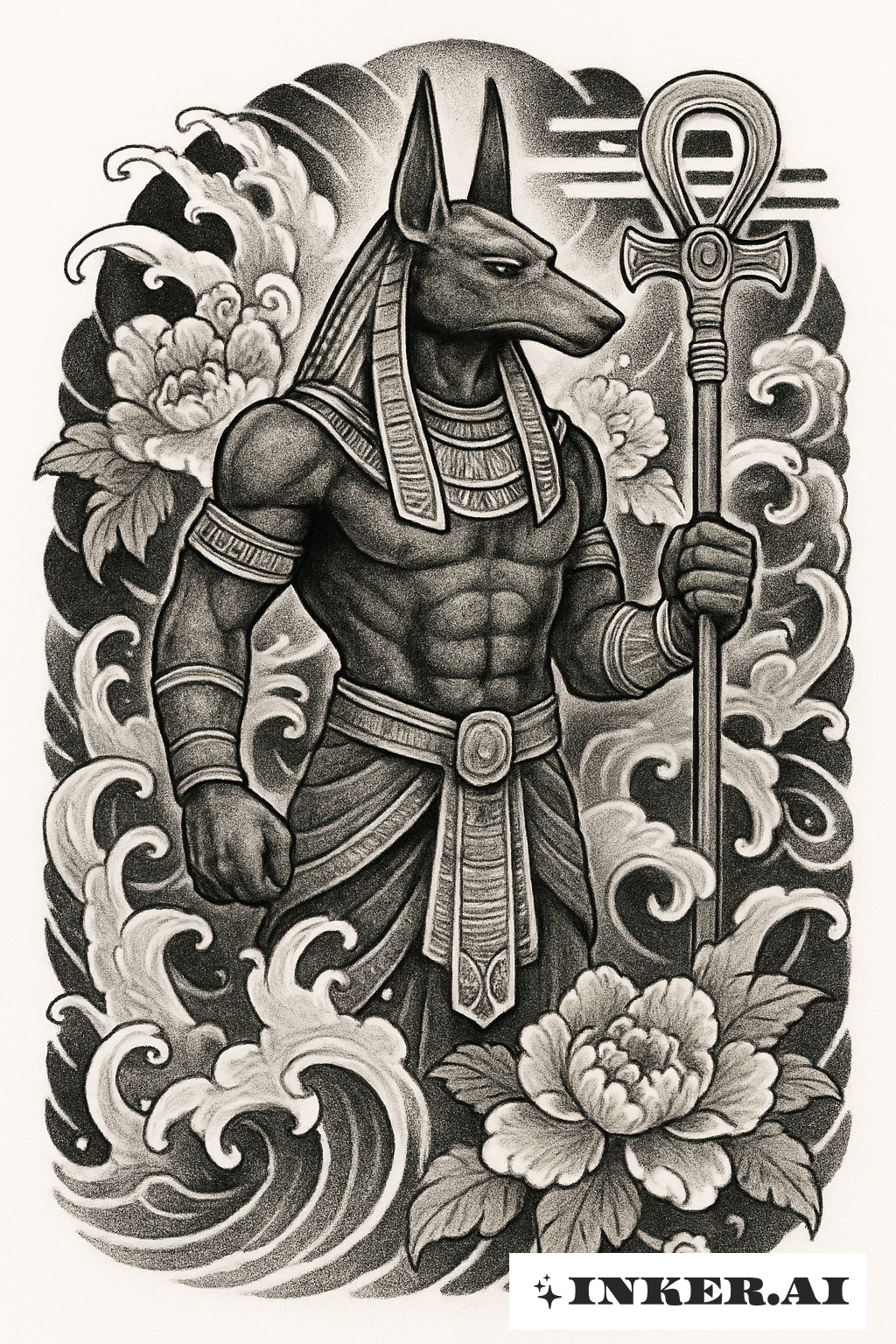
The imagery fuses Egyptian and Shinto motifs to form a layered narrative about thresholds and protection. Anubis traditionally serves as a guide and guardian of the dead; placed before a torii, he becomes the sentinel of a crossing between worlds. The torii gate itself signals transition, while the falling cherry blossoms echo themes of transience, renewal, and the beauty inherent in impermanence. Together, these elements suggest a guarded passage—both an ending and a transformation—inviting reflection on mortality, honor, and continuity. Executed with compositional clarity, the work uses symbolic contrast to convey resilience and grace. Presented as a Japanese tattoo style, it also functions practically as a template for adaptation, with clear Anubis tattoo ideas for clients wishing to blend cultural symbolism into a single, meaningful emblem.
Design Inspiration Of Anubis Guarding A Torii Gate With Cherry Blossoms Tattoo Design
The creative impetus came from wanting to bridge two distinct visual languages through shared ideas of guardianship and passage. Classical Egyptian statuary inspired the rigid, ceremonial pose and decorative collar, while traditional Japanese prints informed the torii, petal movement, and compositional flow. The aim was to combine strong silhouettes for immediate recognition with delicate linework for facial detail and floral texture. Color choices—deep blacks and greys punctuated by crimson and soft pink—were selected to honor both traditions while maintaining modern visual impact. The result is a contemplative fusion that feels timeless yet contemporary.