Cultural Meaning Of Anubis And A Dragon In A Classic Japanese Composition Tattoo Design
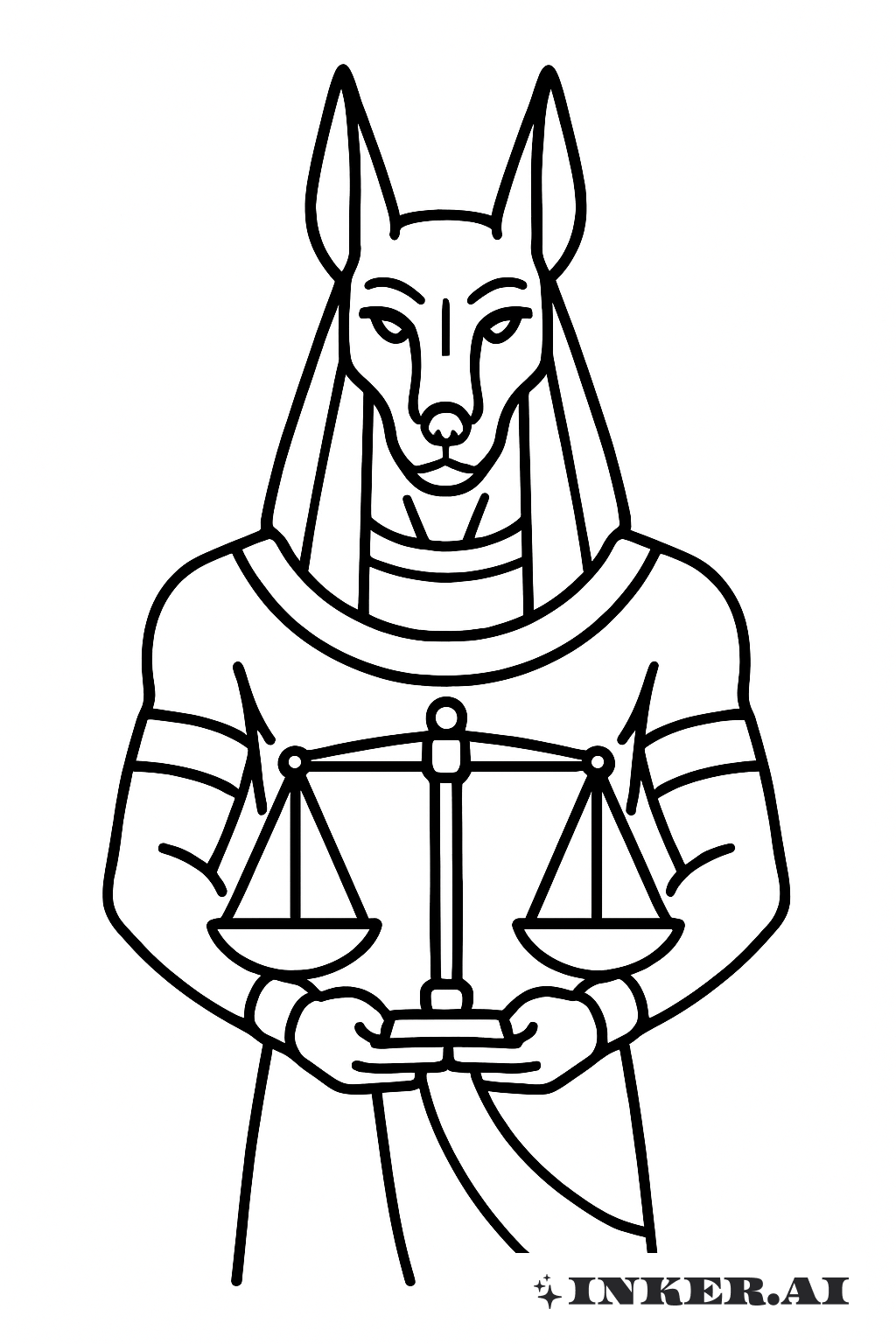
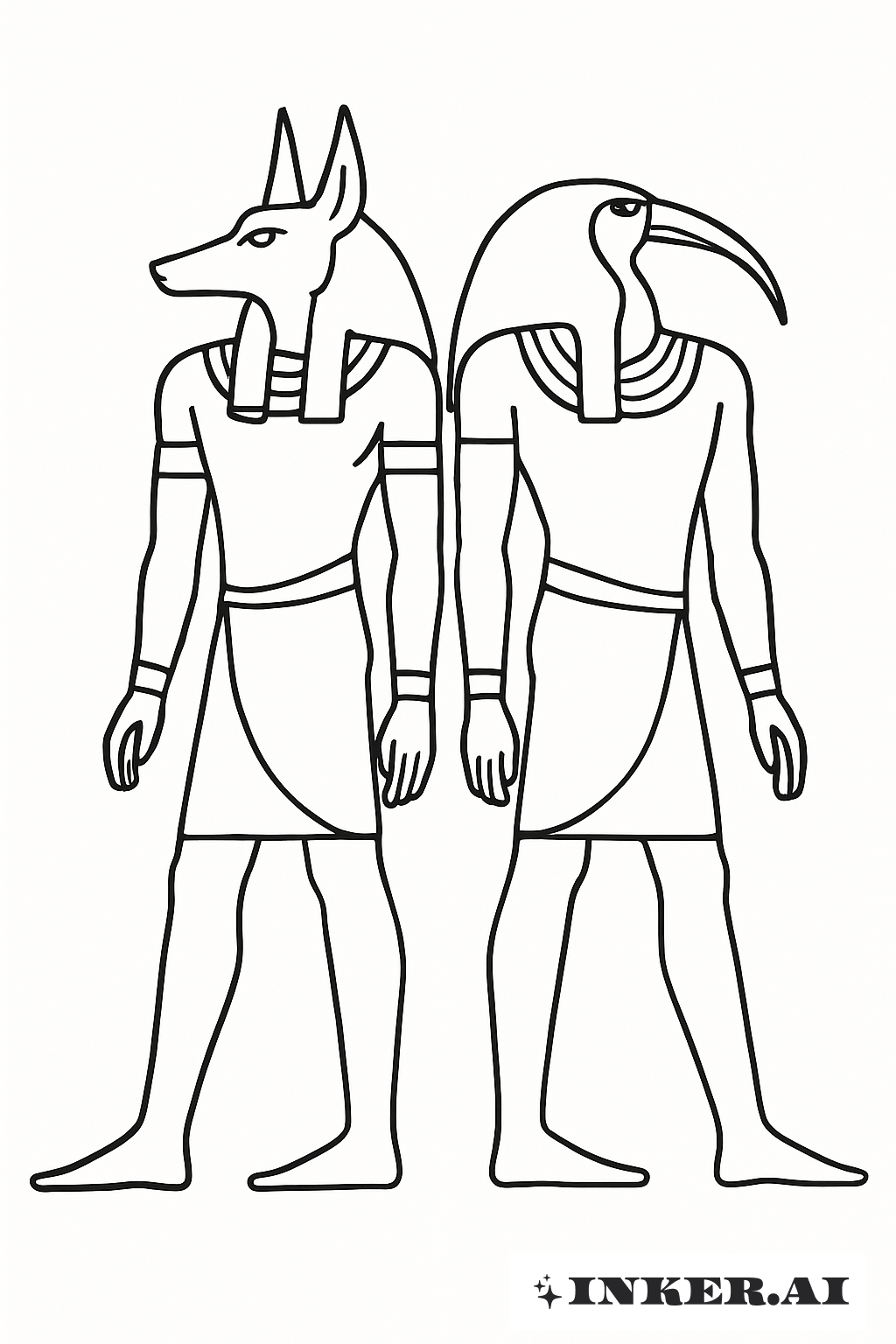
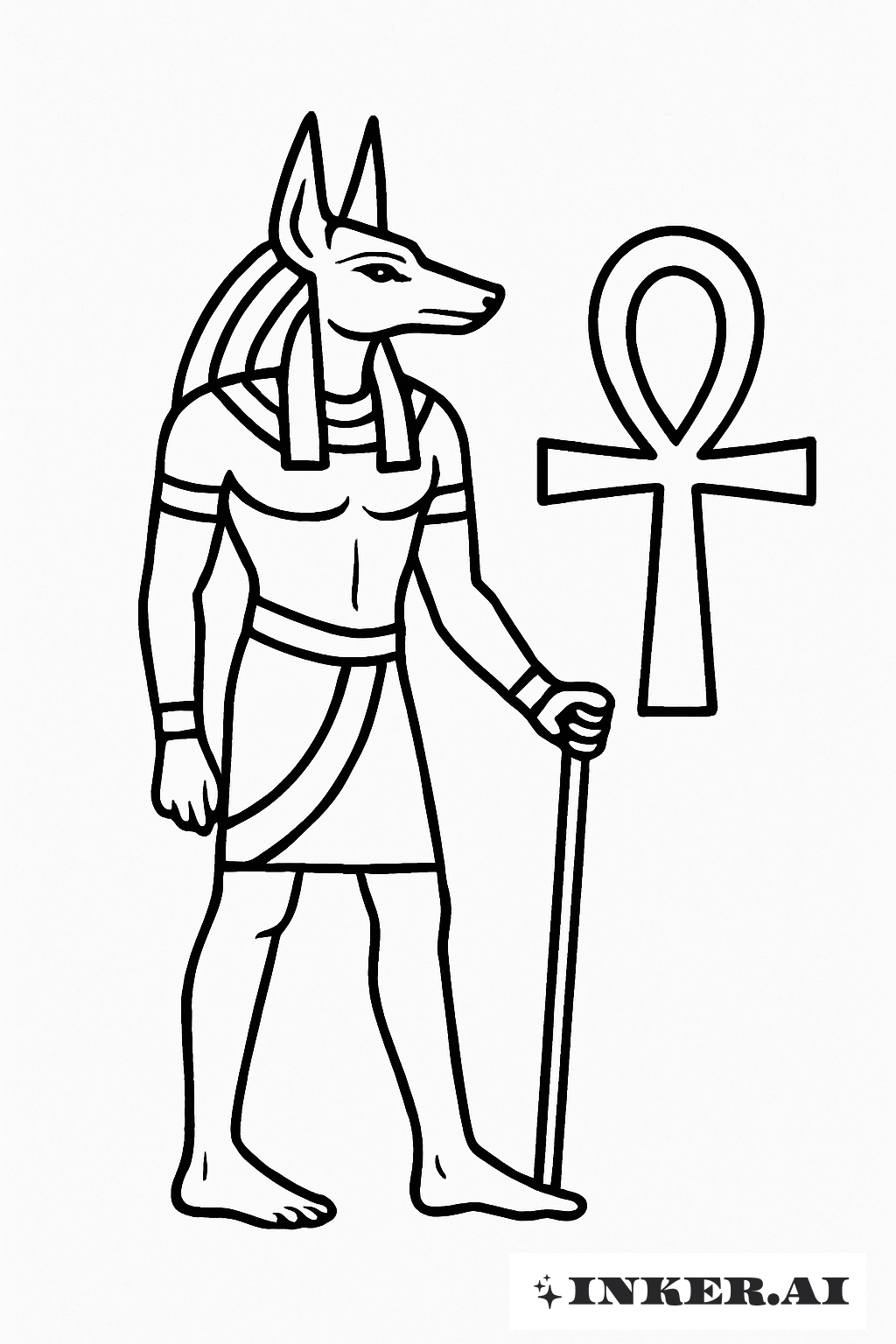
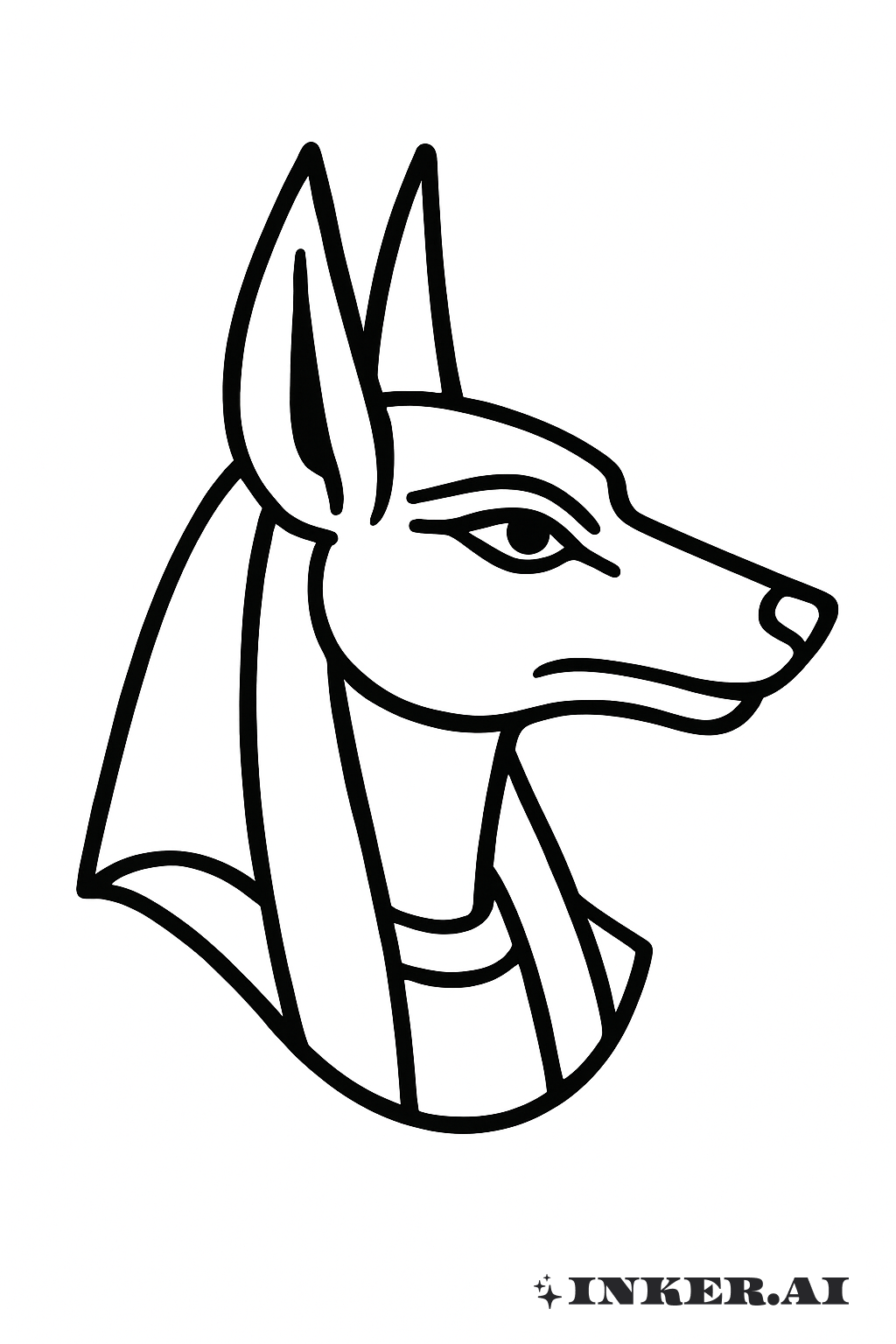
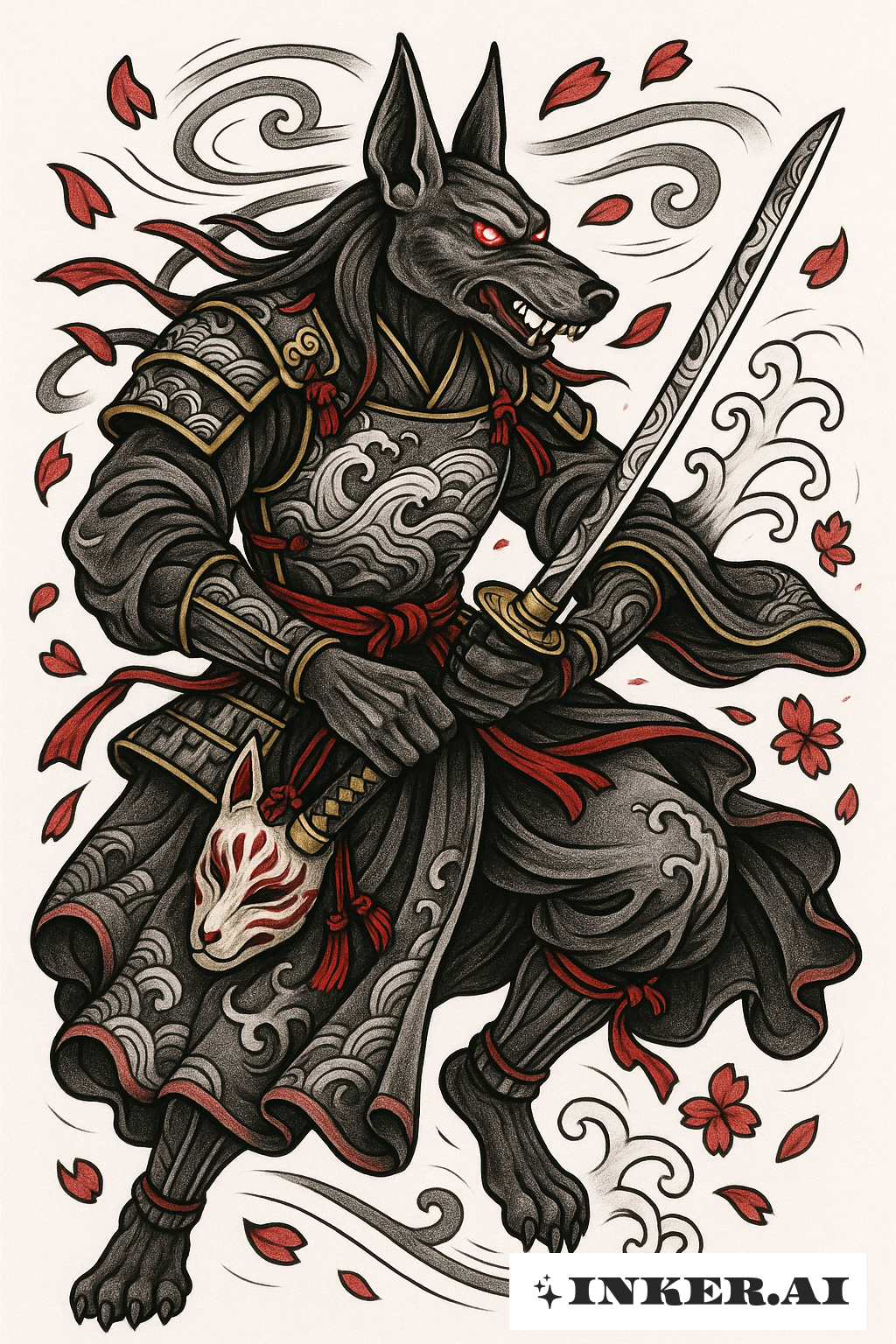
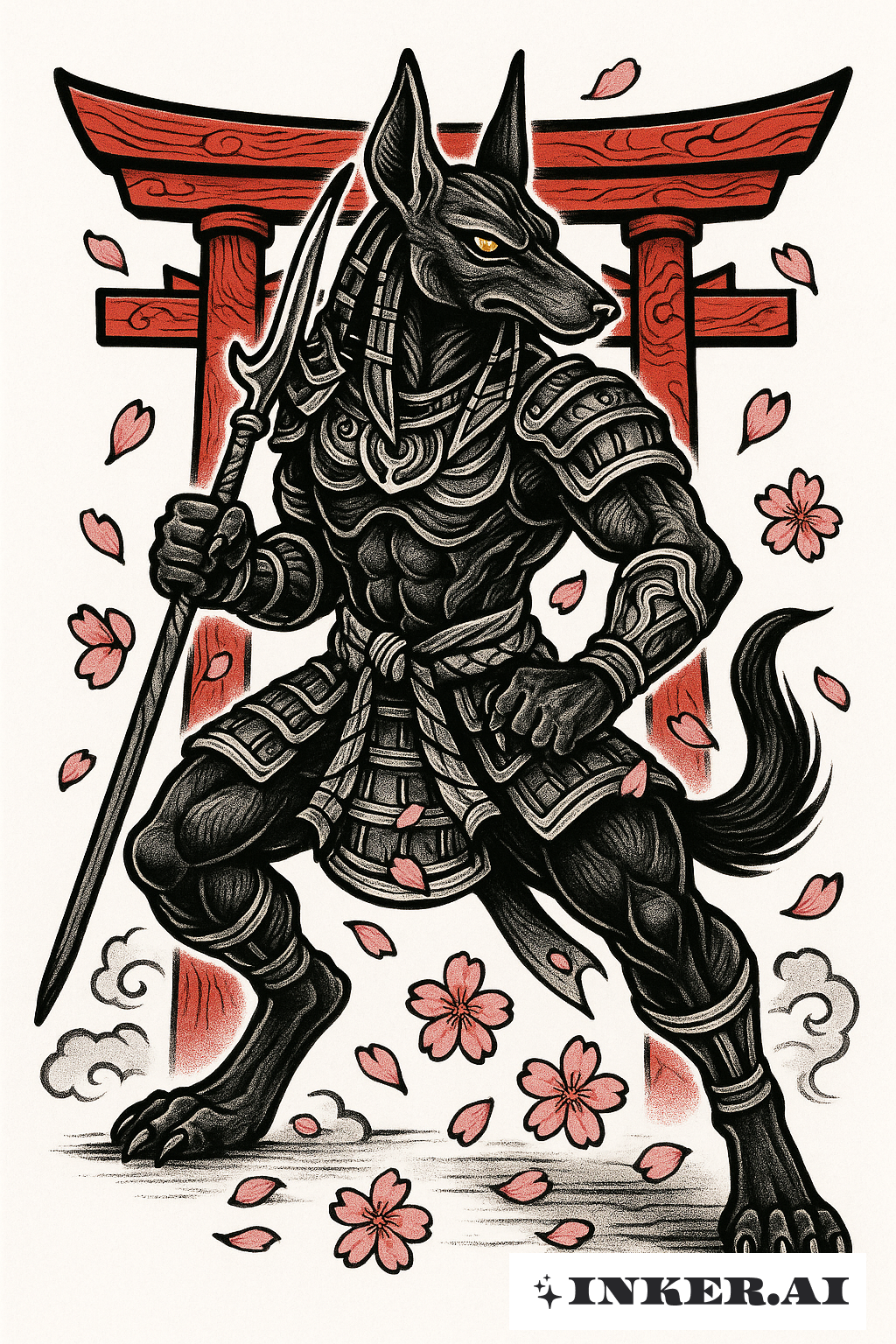
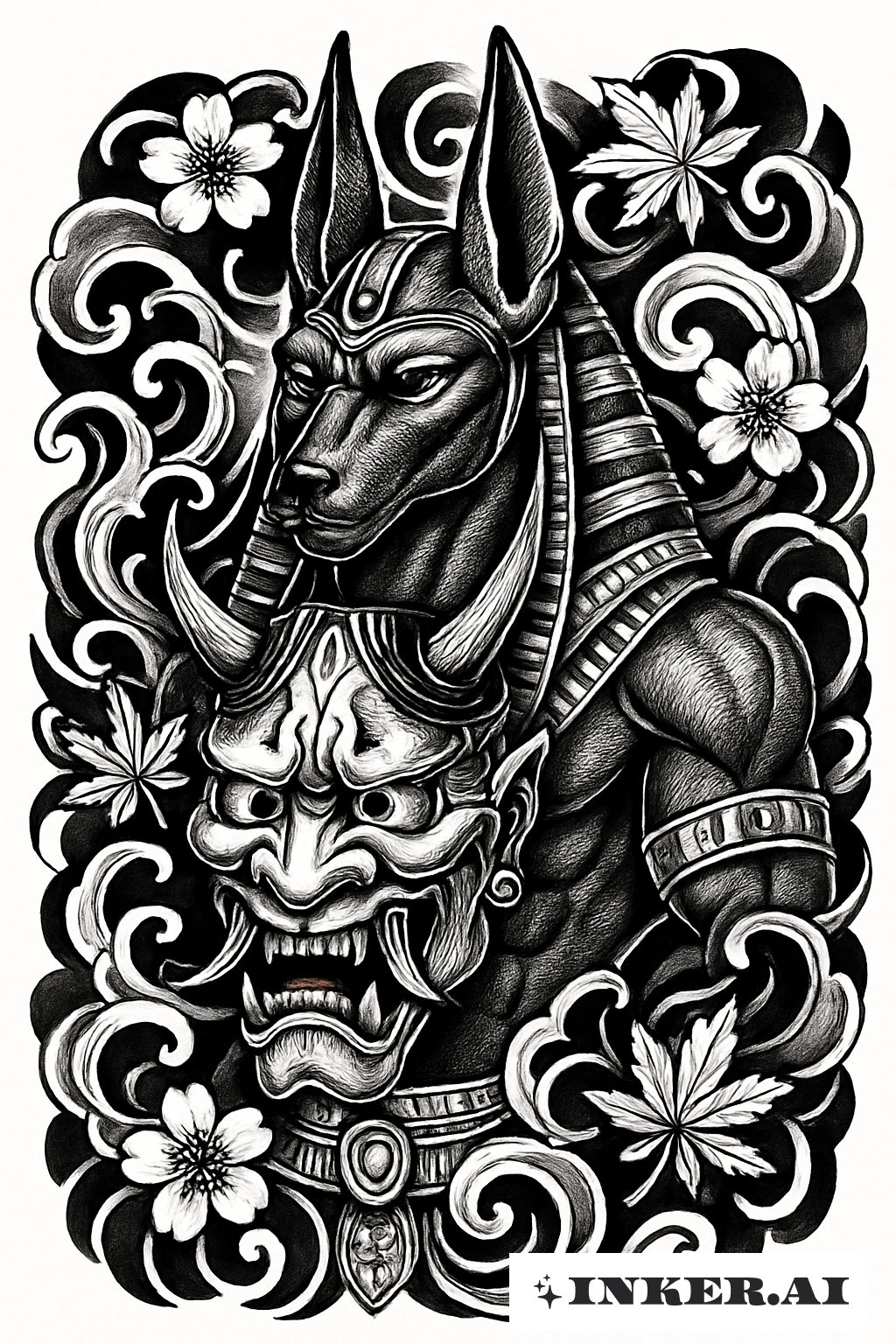
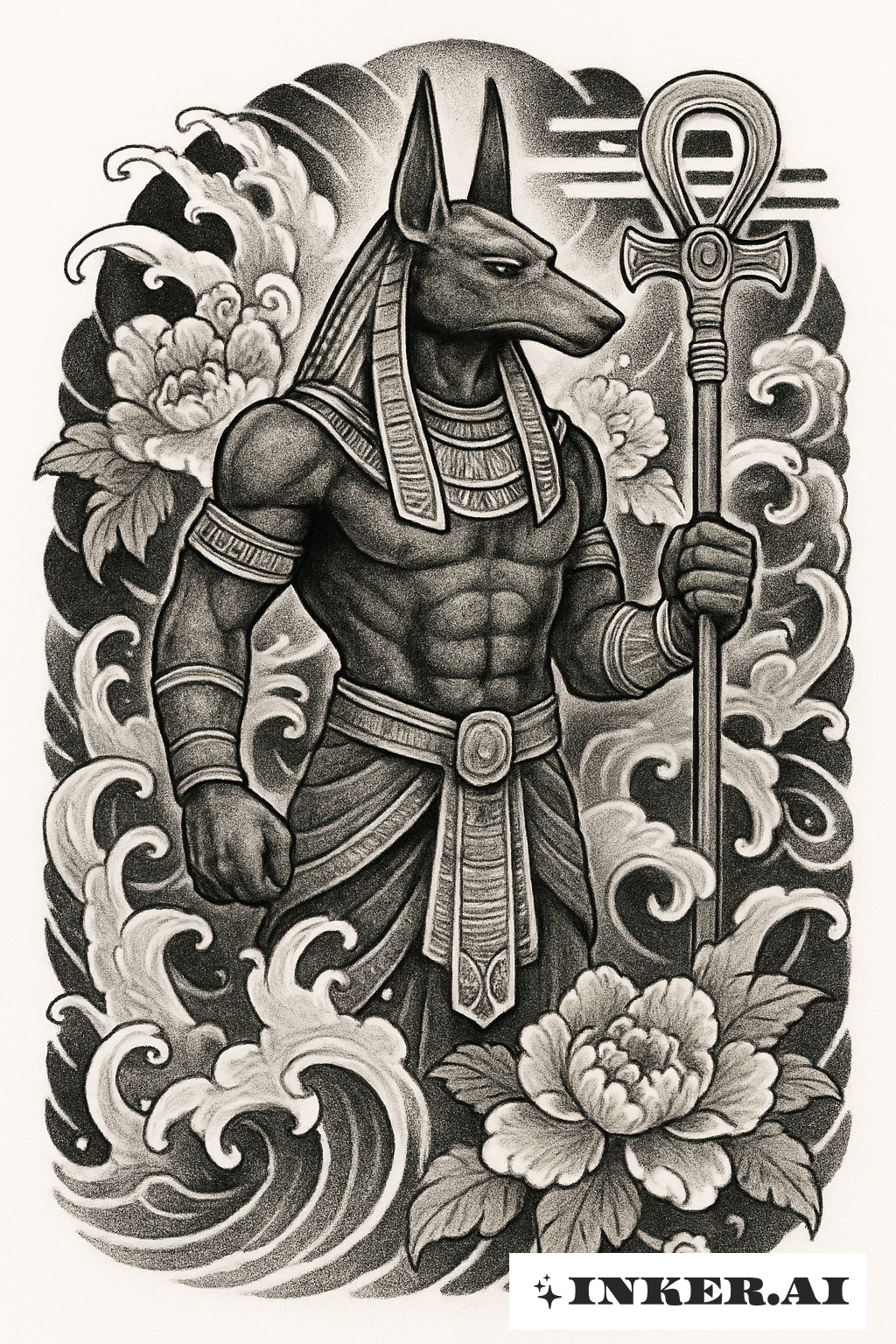
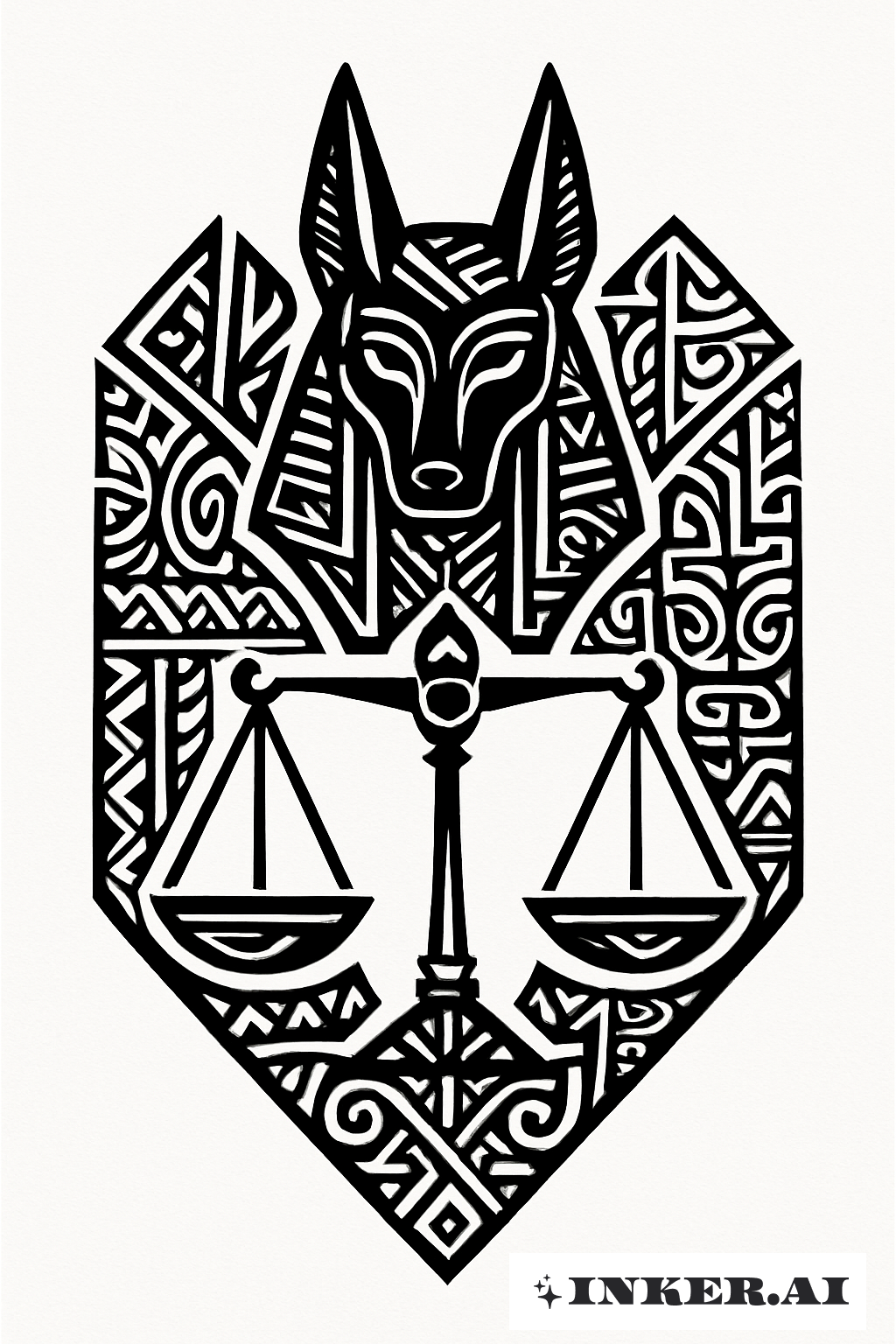
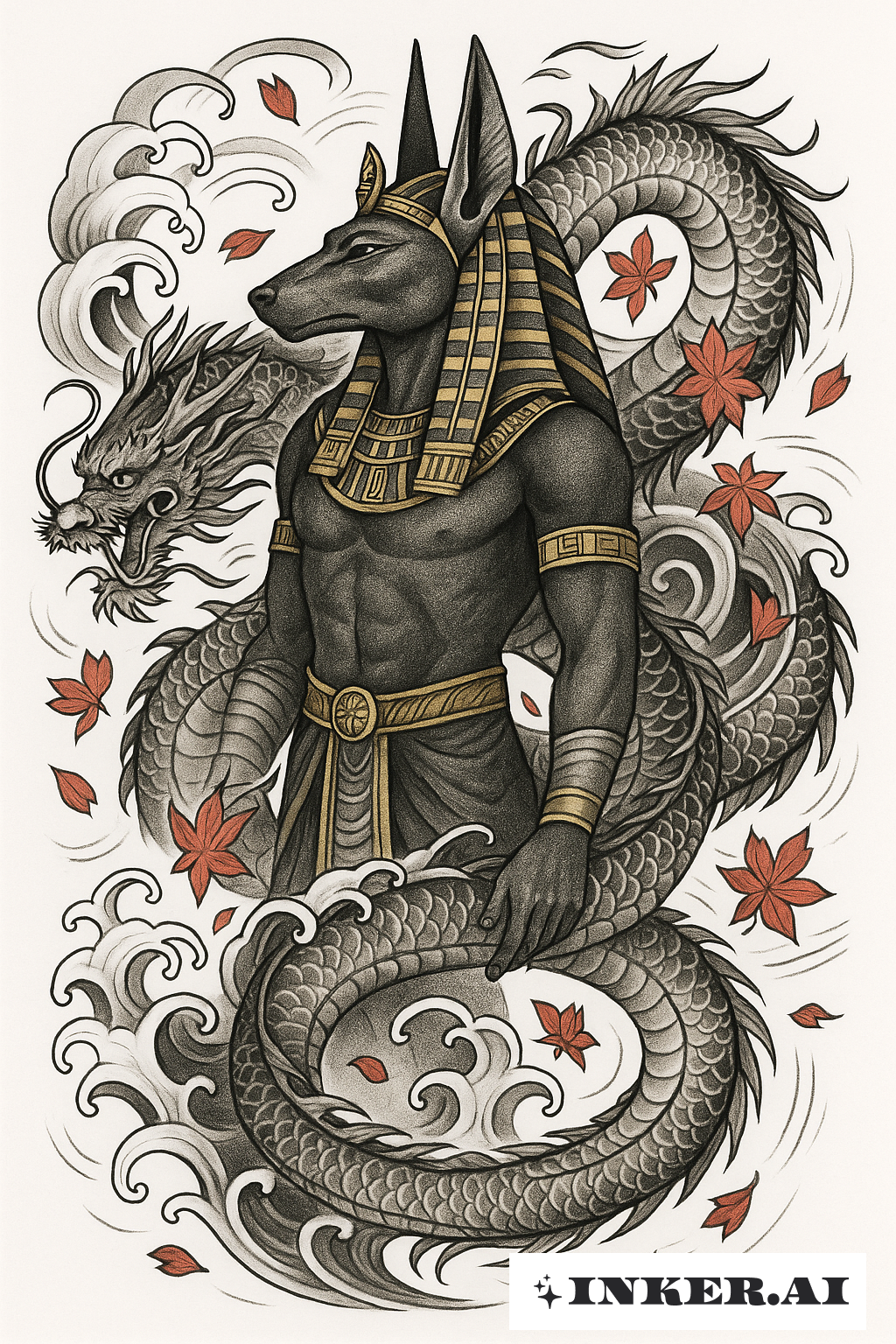
Visually marrying an Egyptian guardian with an East Asian mythic creature creates a layered set of meanings rooted in protection, transition, and elemental power. The Anubis figure evokes judgment, safe passage, and the guardianship of souls; placed opposite a dragon, a longstanding emblem of strength, water, and cosmic balance in East Asian traditions, the tattoo proposes a dialogue between mortality and vitality. The interlacing forms suggest the interdependence of opposing forces—order and chaos, land and sea, the seen and the unseen—while the flowing background motifs reinforce motion and transformation. Rendered through a Japanese tattoo style lens, the scene emphasizes rhythm, negative space, and disciplined linework, allowing symbolic motifs to read clearly from a distance and reveal detail on close inspection. As a set of Anubis tattoo ideas, the design invites personal interpretation: some wearers will emphasize the protective aspects, others the journey motif, and some will focus on the aesthetic fusion of two cultural languages to signal reverence for myth and a desire for guardian energy.
Design Inspiration Of Anubis And A Dragon In A Classic Japanese Composition Tattoo Design
The piece draws inspiration from classical woodblock composition, Egyptian funerary iconography, and contemporary tattoo storytelling. The artist imagined Anubis not as a static relic but as a living guardian within a cinematic scene, set against a dragon whose movement suggests tides and storms. Combining disciplined Japanese compositional rules—clear silhouette, repeating patterns, and dynamic negative space—with the iconic posture and symbolism of Anubis produces a design that feels both timeless and immediately wearable. The result honors both source traditions while aiming for a bold, narrative-driven tattoo that functions on body contours as much as on paper.