Cultural Meaning Of The Scales Of Anubis In A Polynesian Tribal Form Tattoo Design
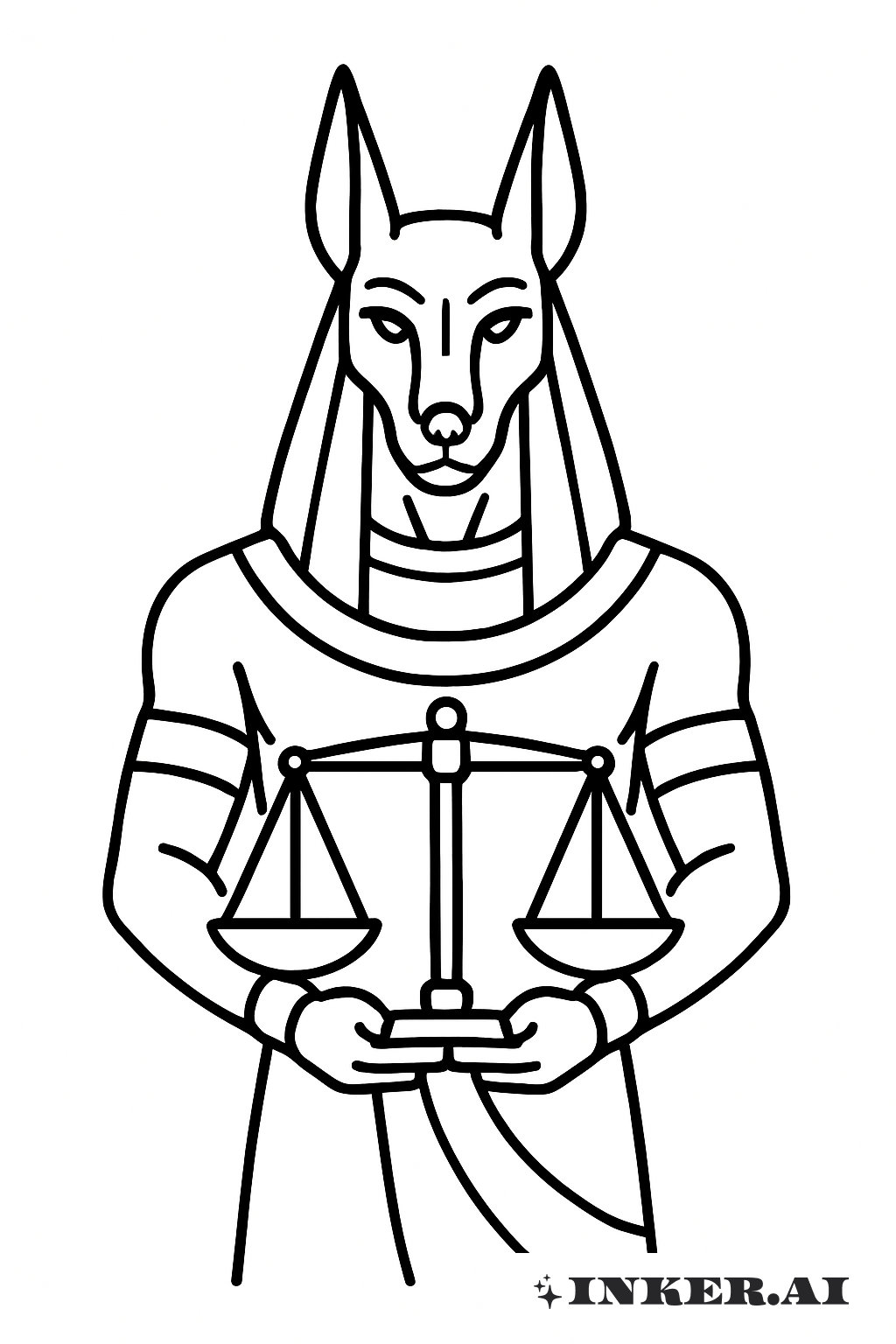
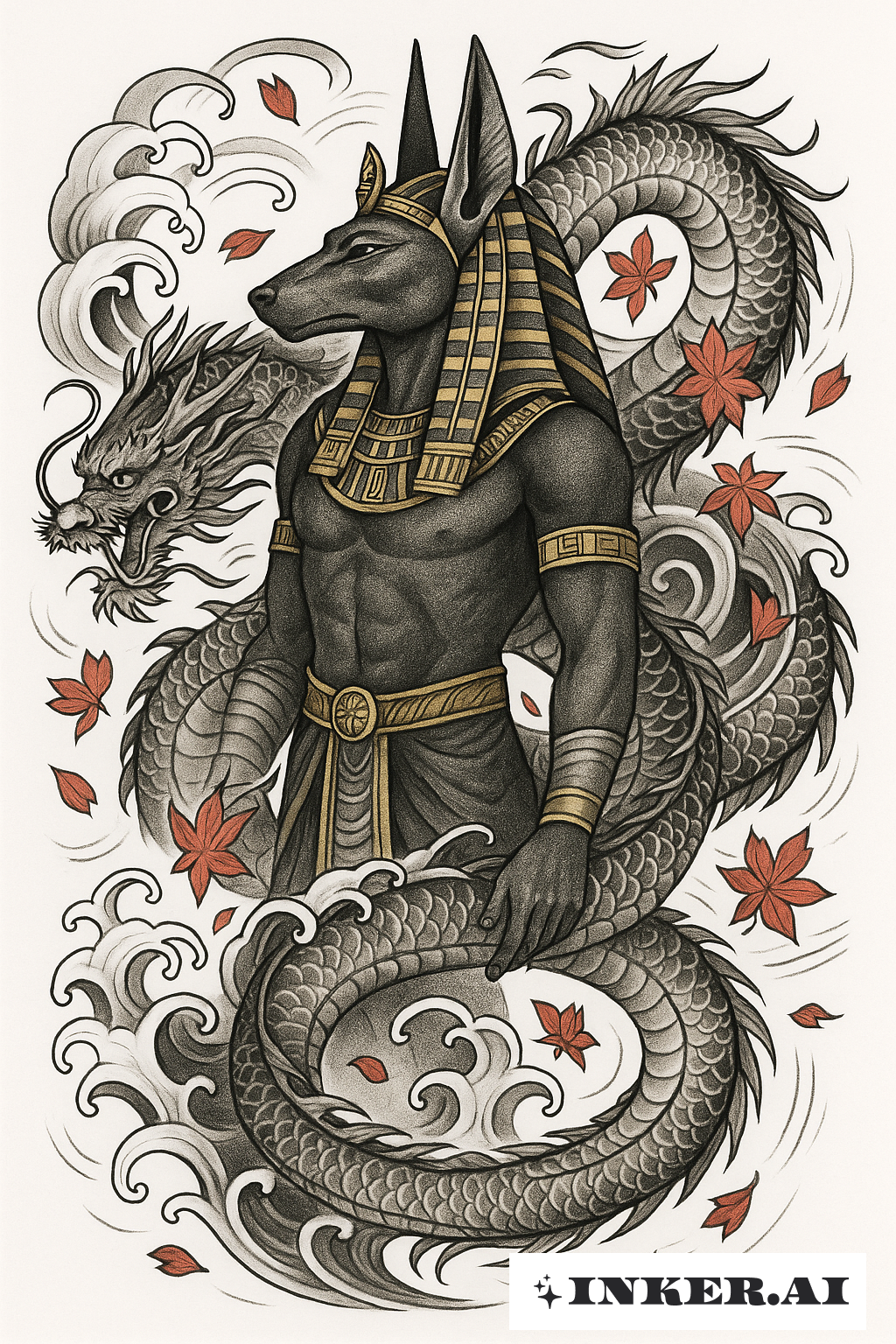
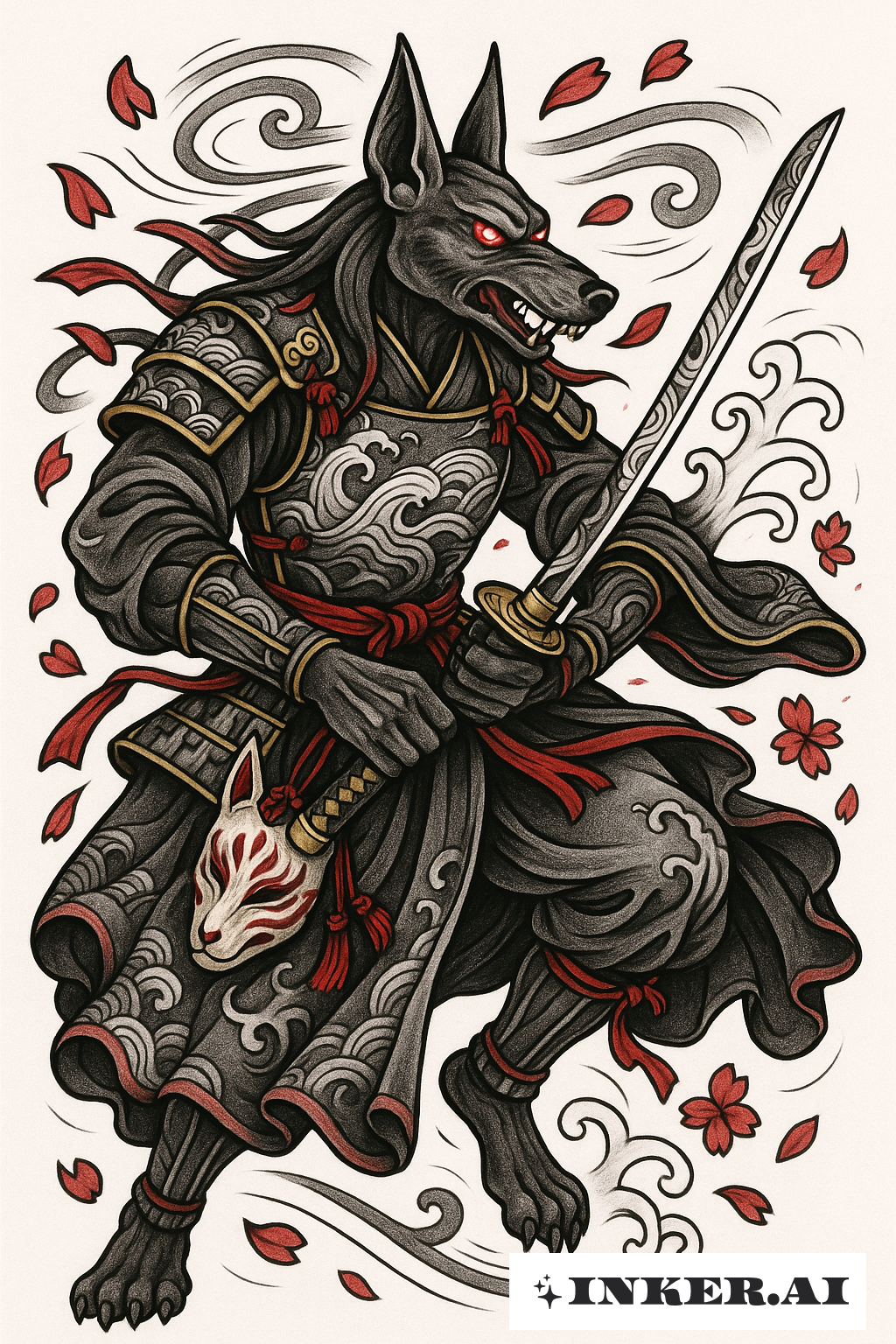
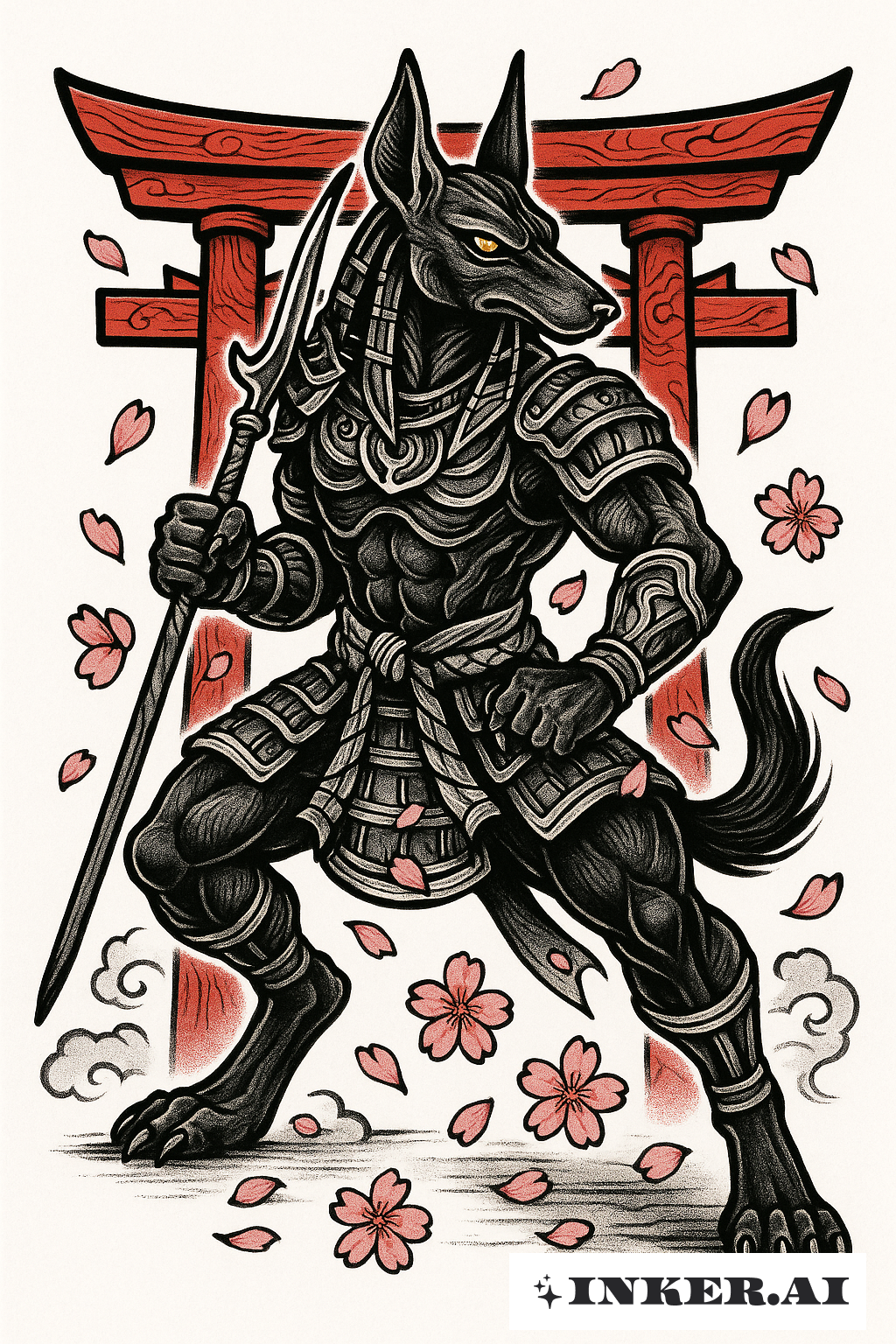
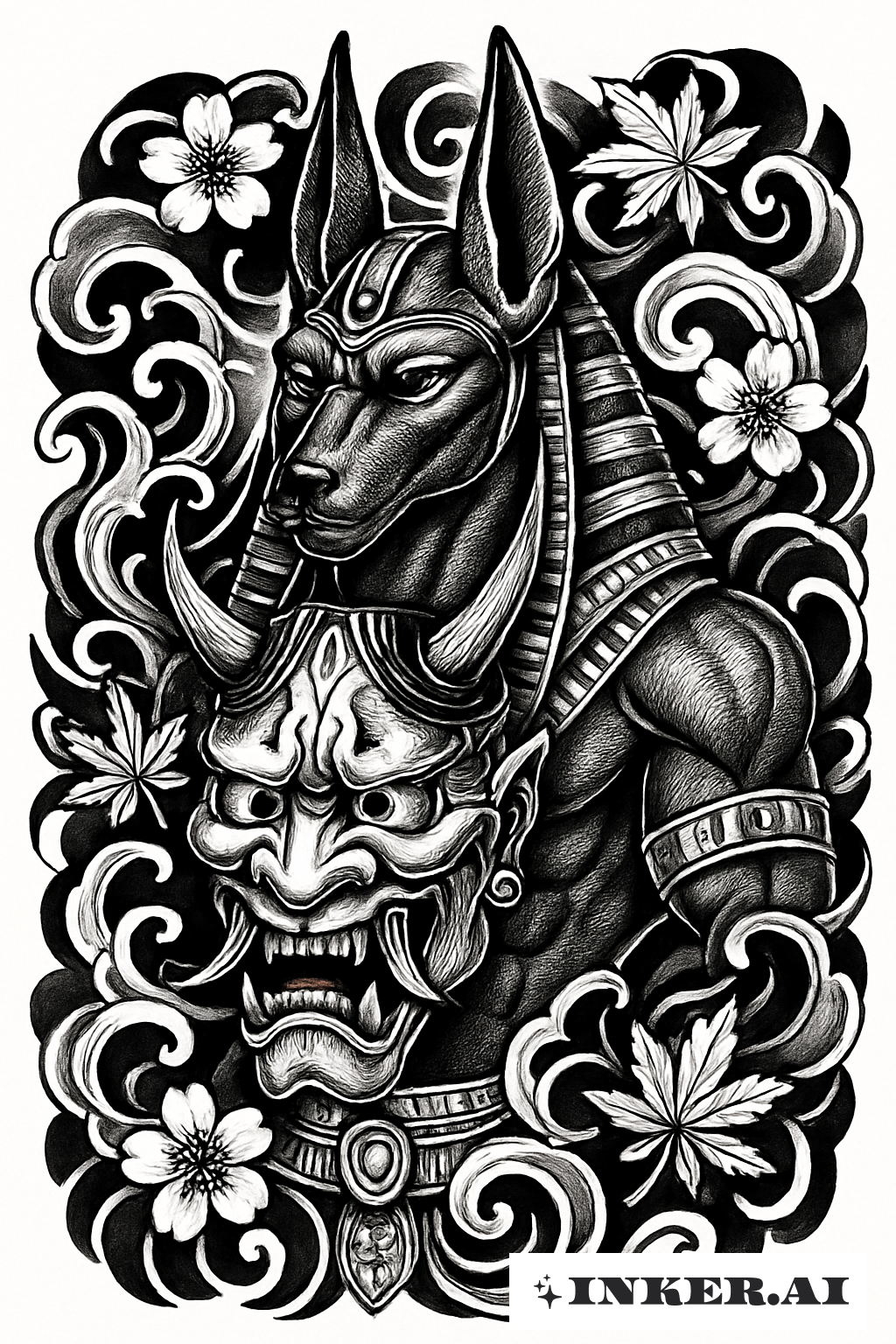
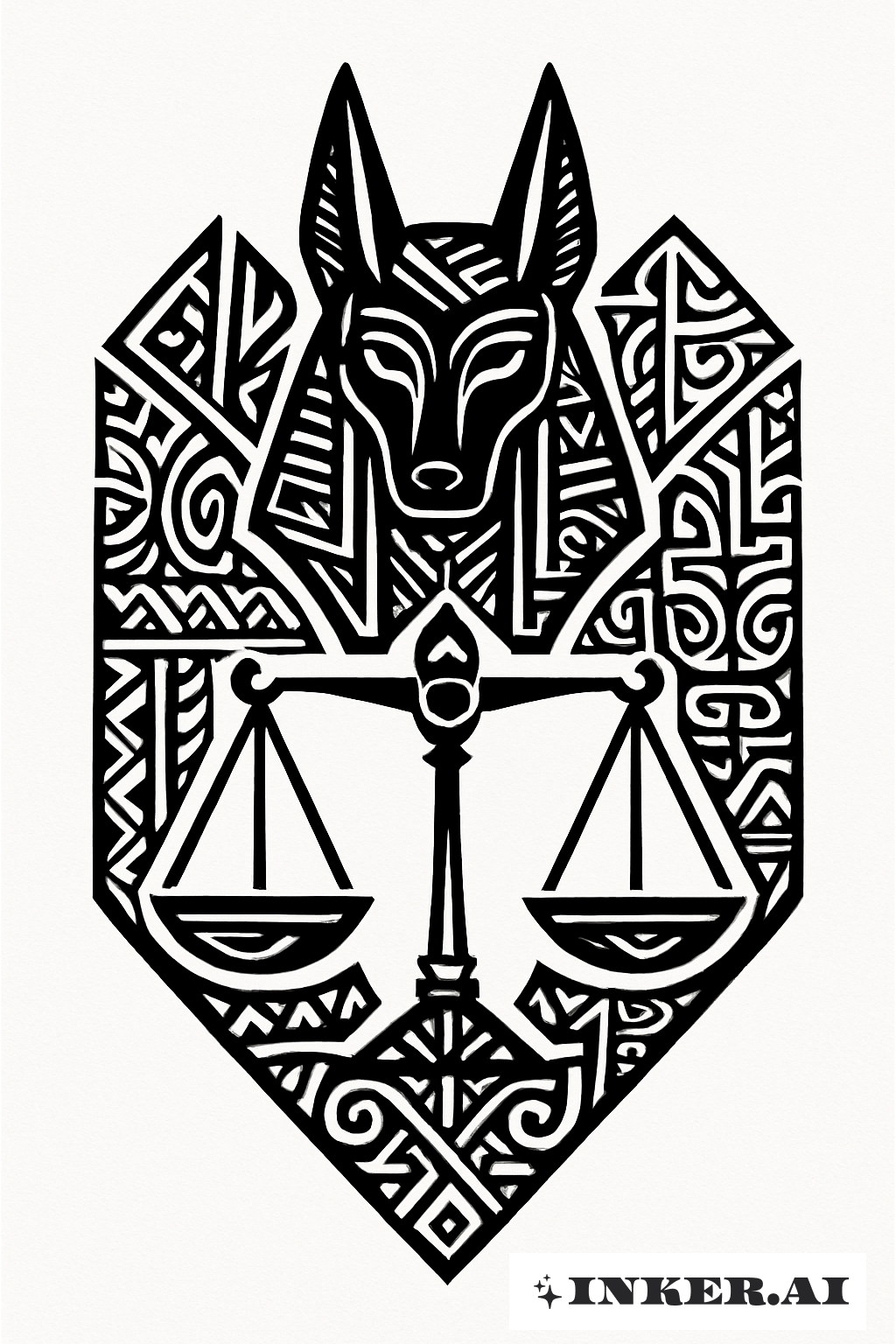
The guardian and scales represent judgment, balance, protection, and the passage between the earthly world and the unknown. In ancient Egyptian belief, the jackal-headed deity was associated with burial rites and guidance, making this imagery meaningful for someone reflecting on mortality, transformation, or spiritual guardianship. The balanced pans suggest fairness and accountability, while the upright central figure conveys steadiness in the face of difficult choices. The symmetrical arrangement reinforces harmony, suggesting that strength comes from maintaining equilibrium between opposing forces. Bold black geometry gives the piece a sense of permanence and authority, while repeated curves and pointed forms can symbolize continuity, ancestry, and life’s interconnected cycles. As a Tribal tattoo style, the design communicates through simplified silhouettes and deliberate pattern rather than naturalistic detail, allowing its message to remain immediate and powerful. Those exploring Anubis tattoo ideas may connect with its themes of inner discipline, protection of loved ones, respect for the past, and courage during personal change. The composition can also serve as a memorial concept, honoring someone who remains a guiding presence beyond the visible world.
Design Inspiration Of The Scales Of Anubis In A Polynesian Tribal Form Tattoo Design
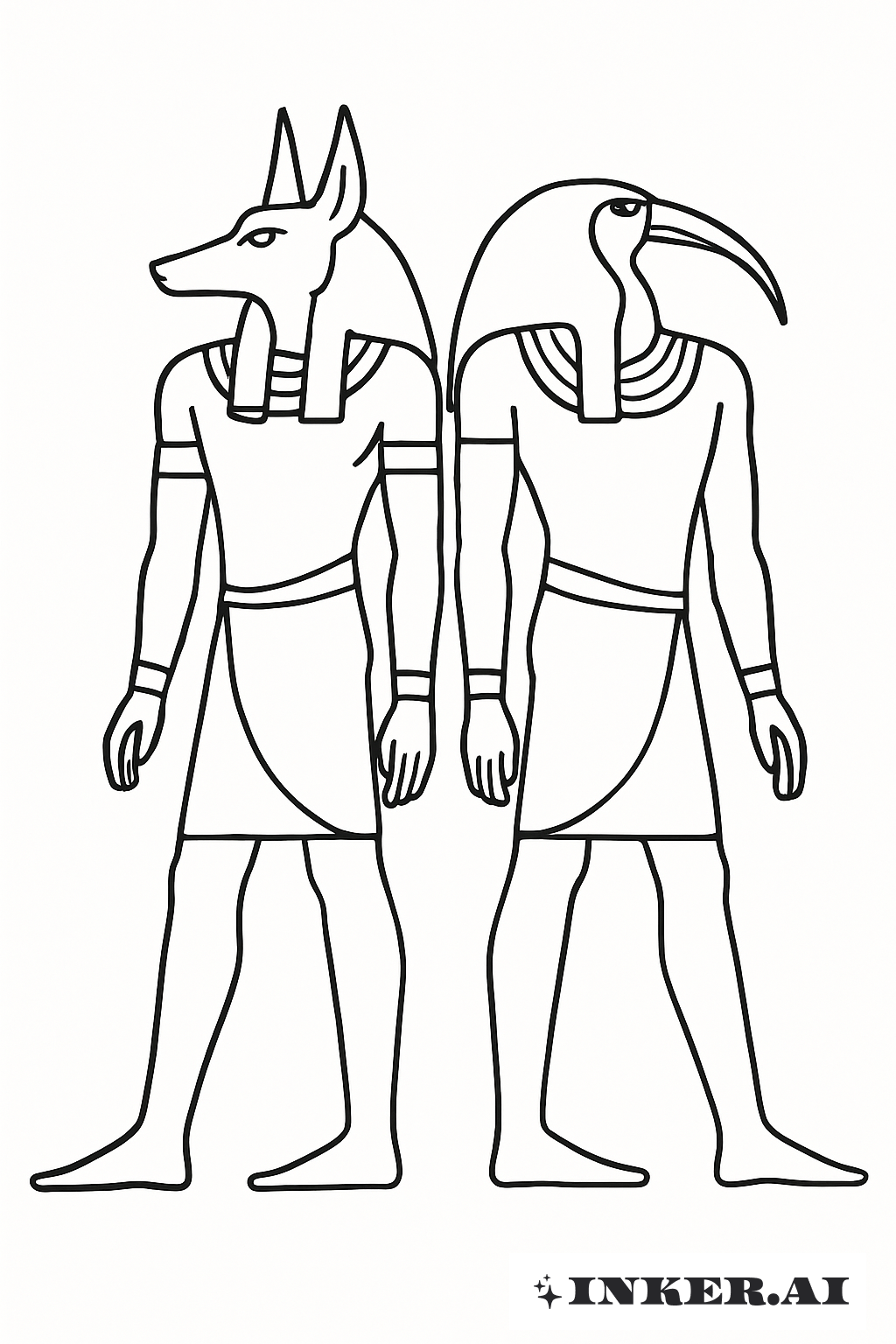
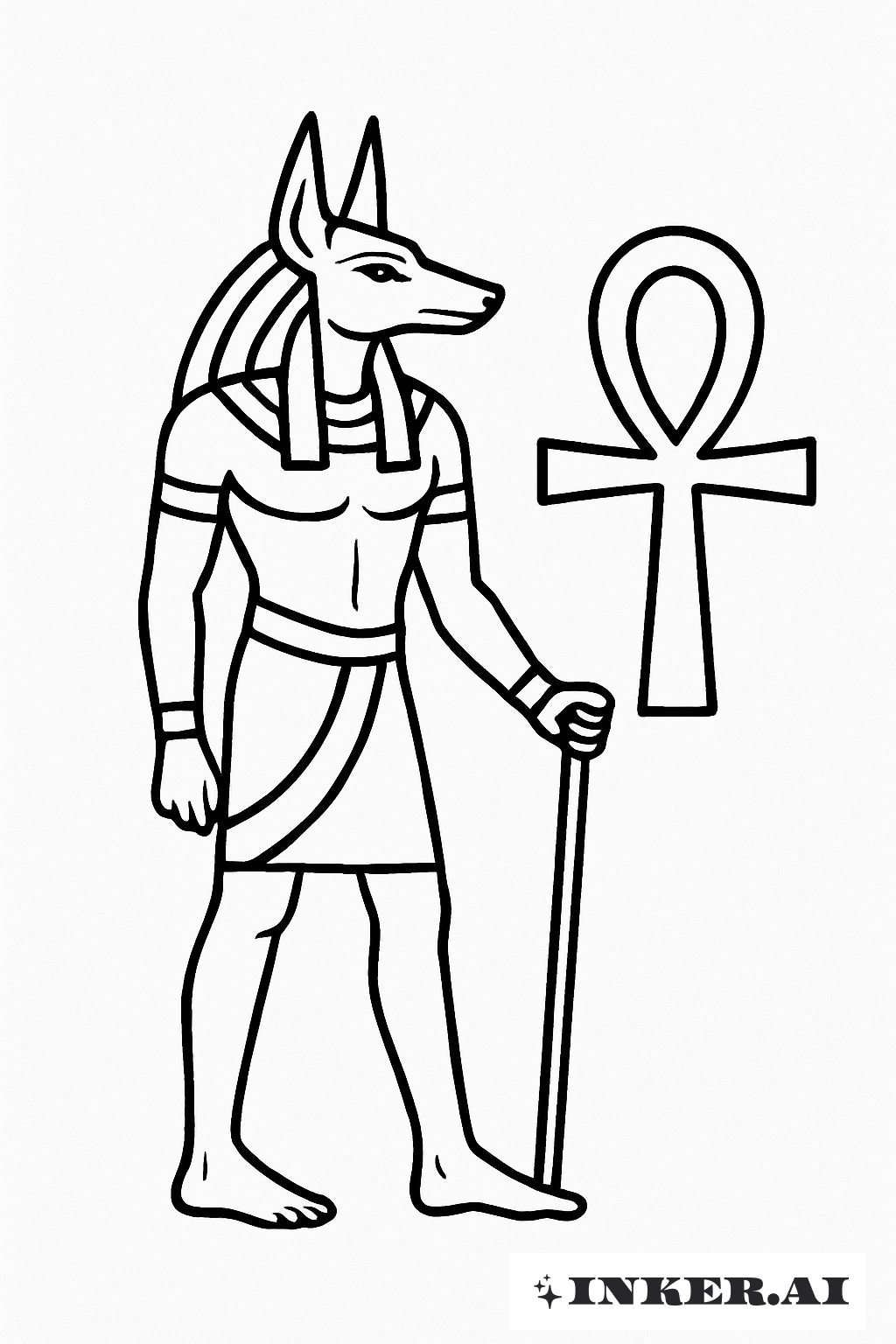
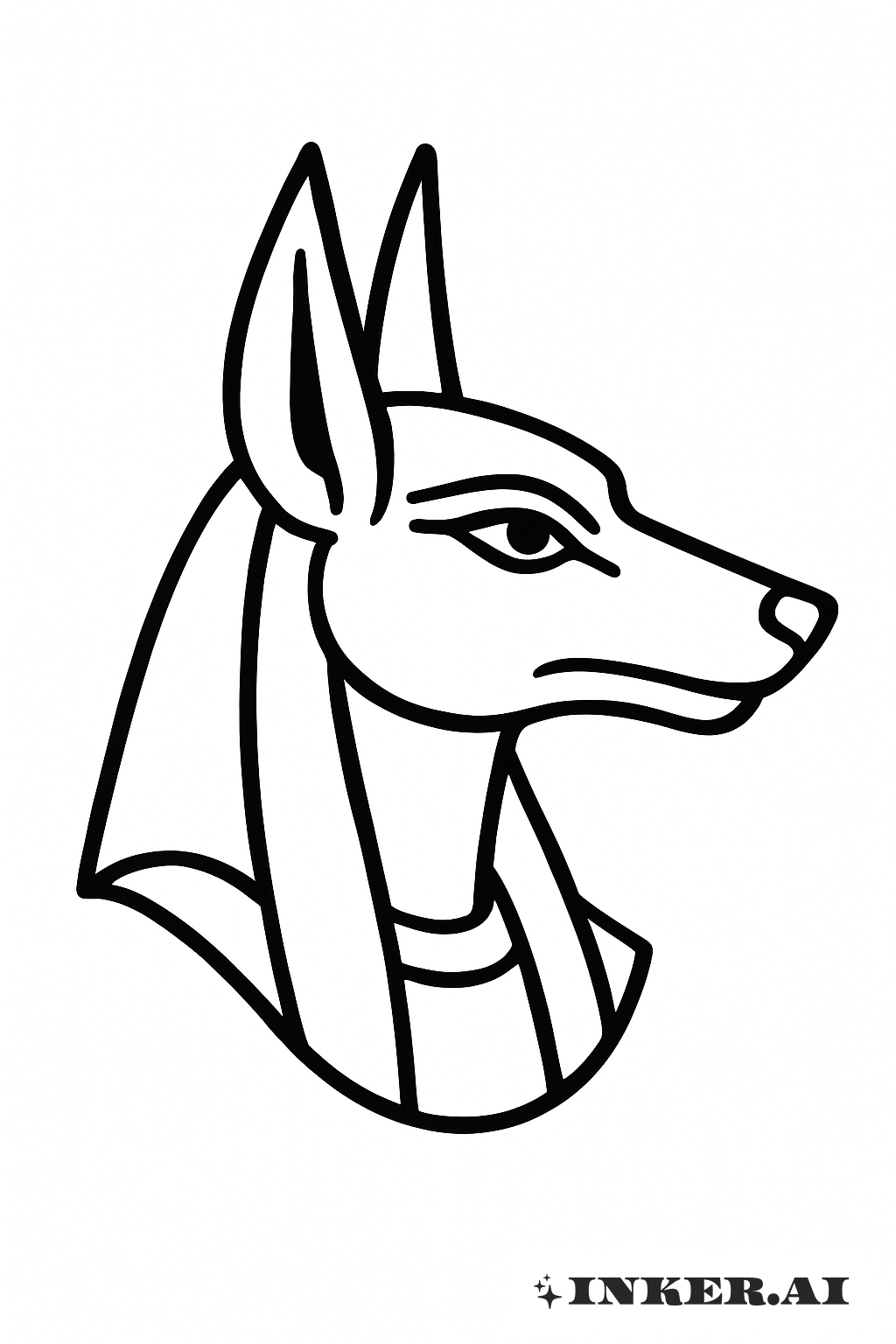
The concept draws from the solemn visual language of ancient guardians and the disciplined rhythm of Polynesian-inspired ornament. Its creative focus is the meeting of two symbolic systems: a watchful jackal-headed figure representing passage and protection, and the measured scales representing balance. Strong silhouettes, repeated curves, and carefully spaced negative areas transform those ideas into a graphic composition that feels both ceremonial and contemporary.