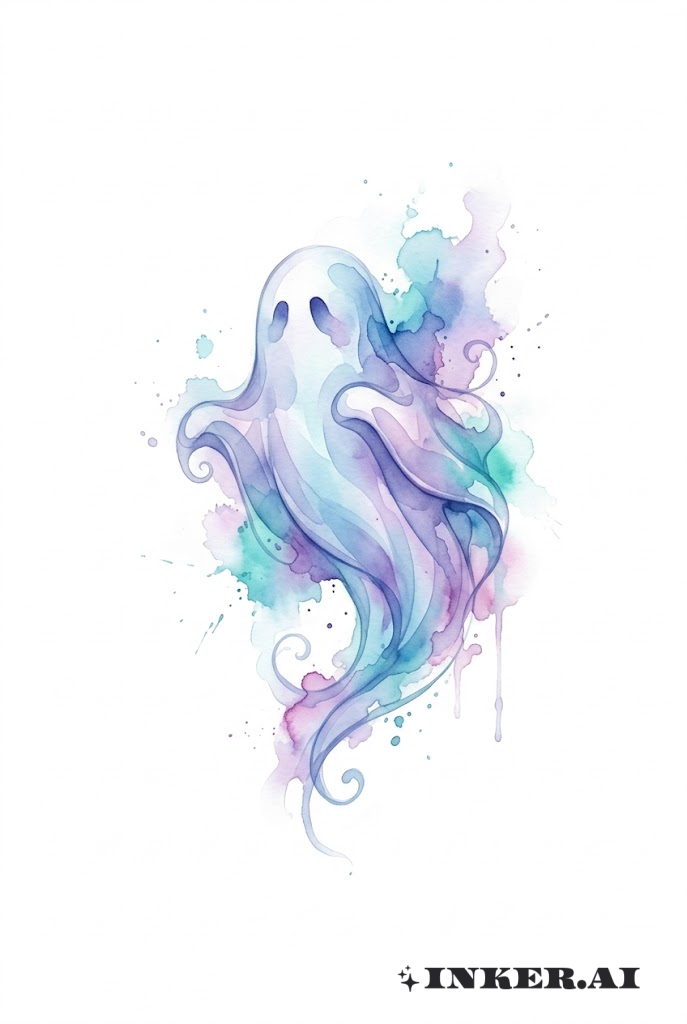
Cultural Meaning Of Ghost in Traditional Kimono Tattoo Design
A ghost wearing a traditional kimono can represent the boundary between the visible world and the spirit realm. The kimono connects the figure to Japanese cultural imagery, while its flowing shape suggests memory, impermanence, and a presence that cannot be fully held onto. The pale face may symbolize unresolved emotion, a lingering soul, or the quiet persistence of the past. Long dark hair and deep shadows intensify the mysterious mood, reflecting themes of grief, secrecy, transformation, and inner strength. Rather than portraying fear alone, the image can express respect for ancestors and the belief that emotions continue beyond physical life. In a Japanese tattoo style composition, ornamental clothing and controlled linework give the supernatural subject dignity and visual balance. This Ghost tattoo ideas design may appeal to someone who feels connected to folklore, gothic art, spiritual symbolism, or the concept of carrying personal history forward. The tattoo can also serve as a reminder that beauty and darkness often coexist, with the elegant kimono softening the macabre subject and creating a more contemplative interpretation of the spirit figure.
Design Inspiration Of Ghost in Traditional Kimono Tattoo Design
The concept draws inspiration from Japanese ghost stories, traditional theatrical imagery, and the graceful structure of historical kimono. The contrast between a delicate, dignified figure and an unsettling supernatural presence creates the tattoo’s central tension. Flowing sleeves, layered fabric, dark hair, and pale skin provide strong visual rhythm, while the vertical composition echoes the stillness of a suspended spirit. The design is intended to feel haunting yet elegant, blending folkloric atmosphere with refined tattoo craftsmanship.