Cultural Meaning Of The Eye of Horus with Peonies and Wind Bars Tattoo Design
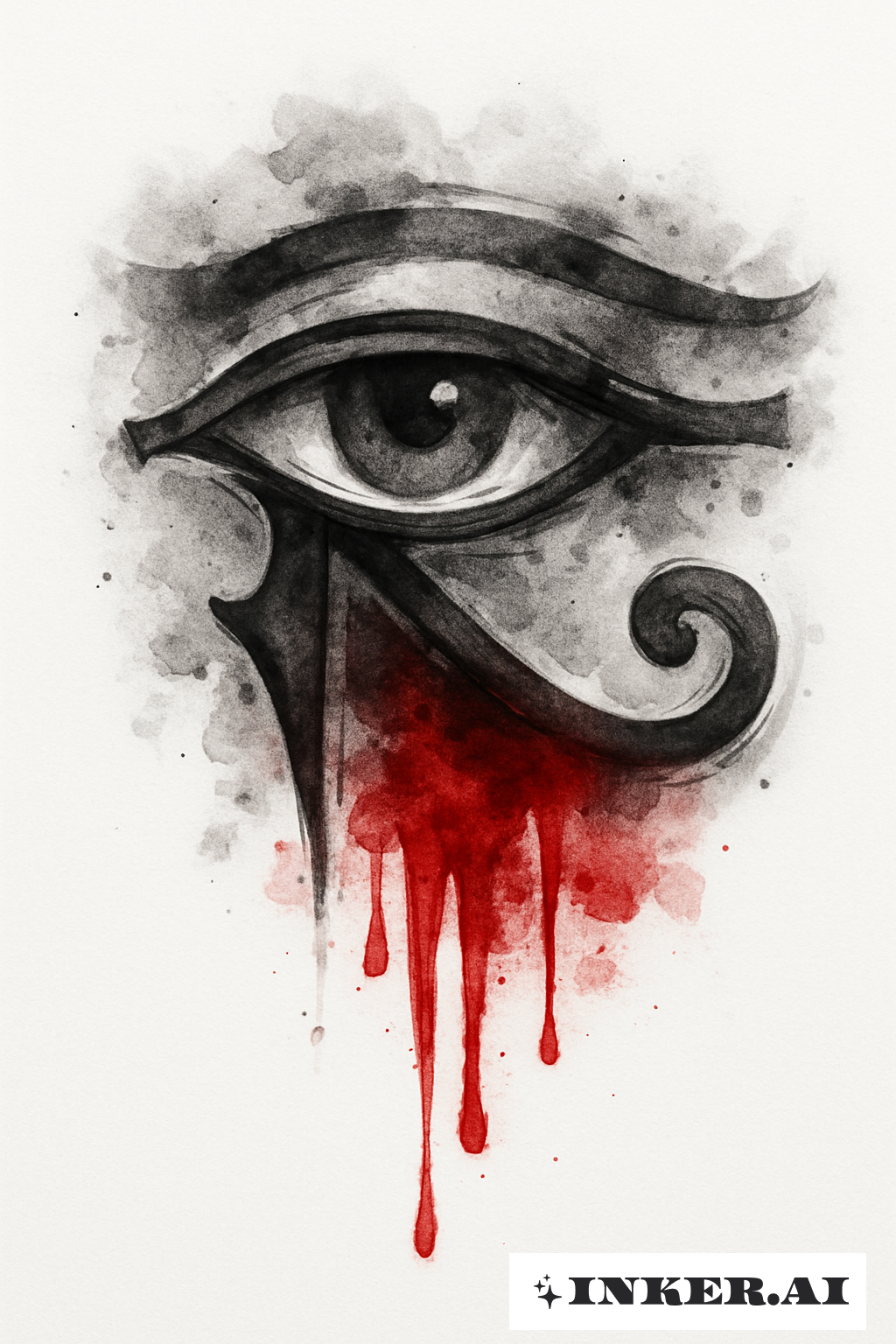
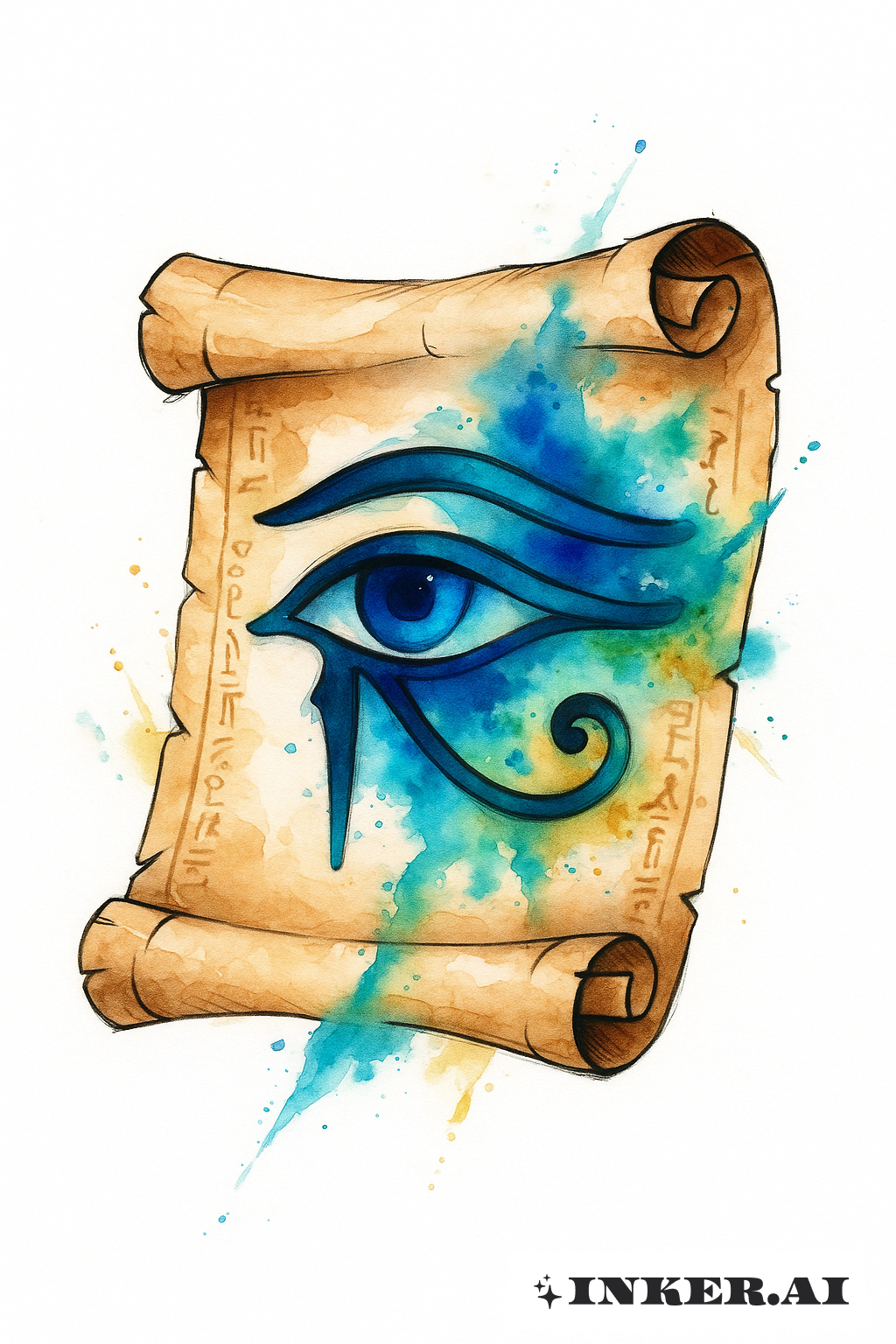
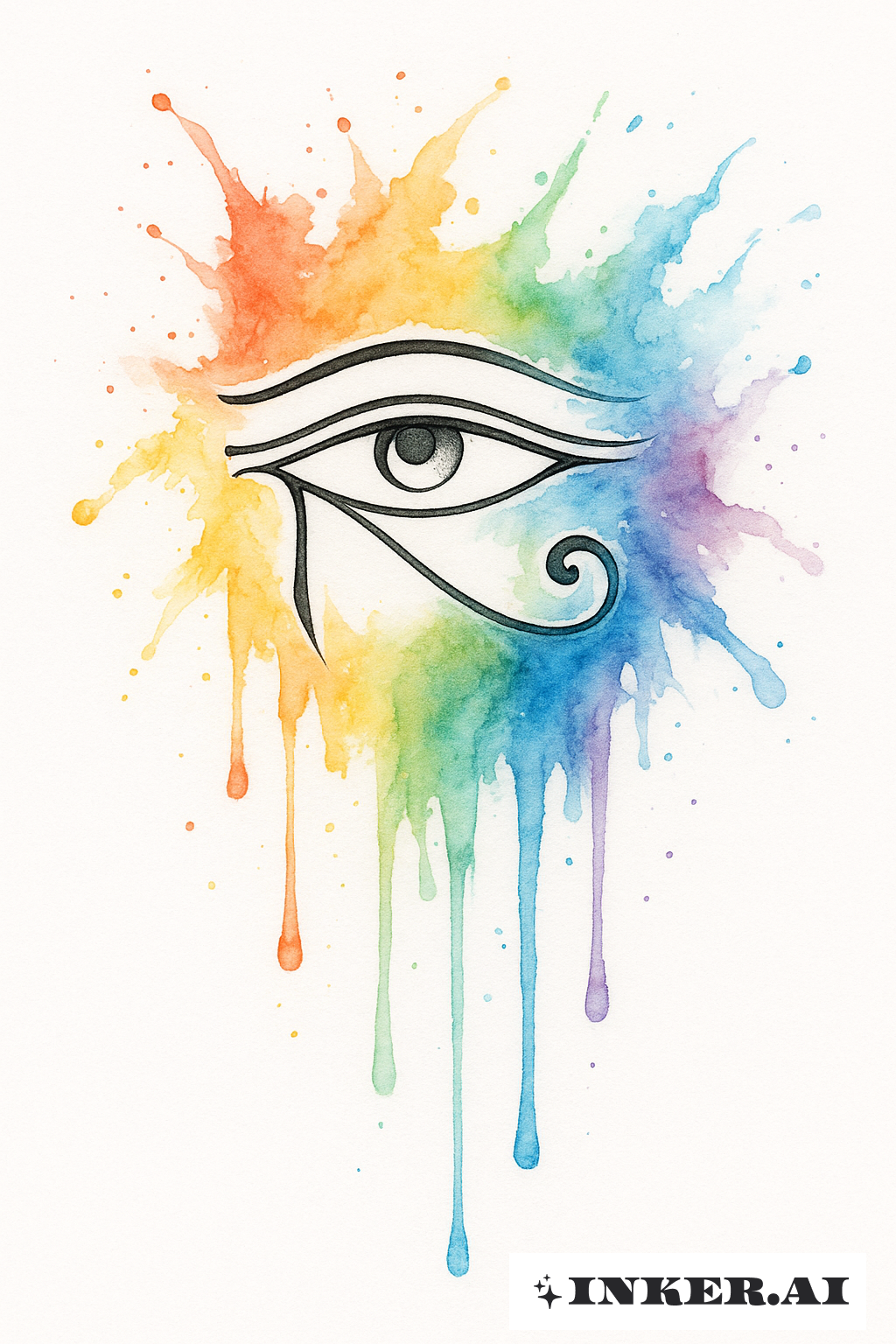
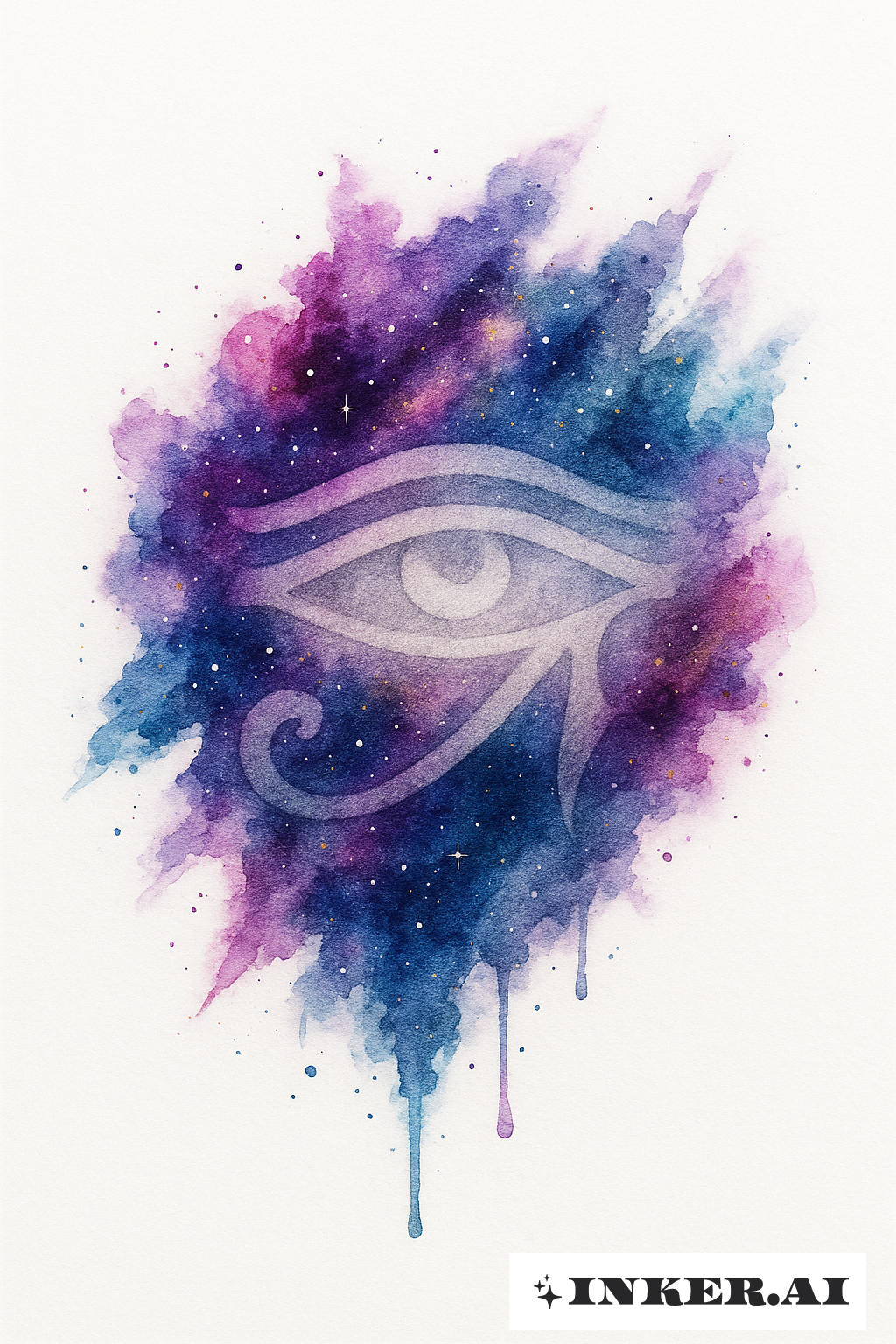
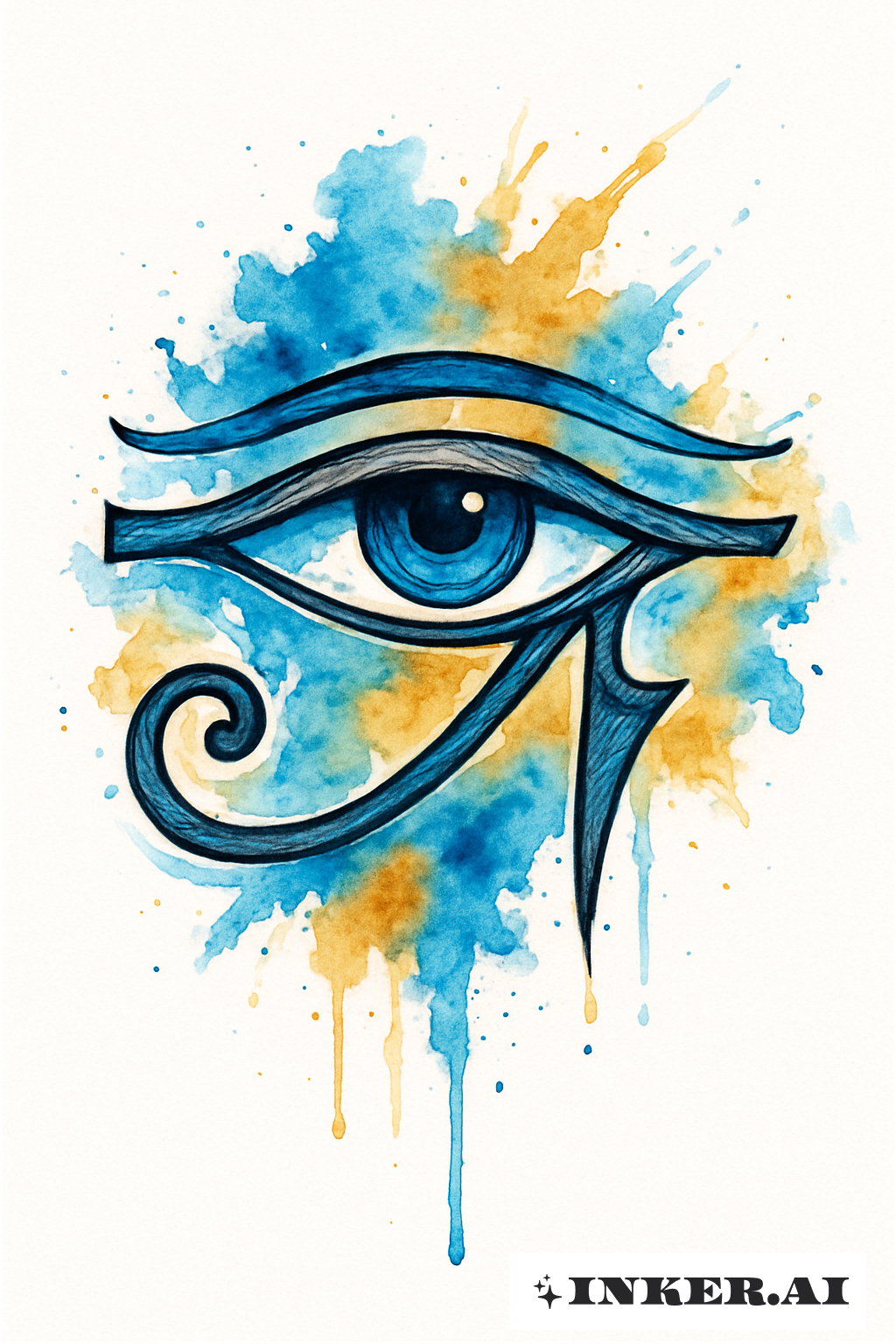
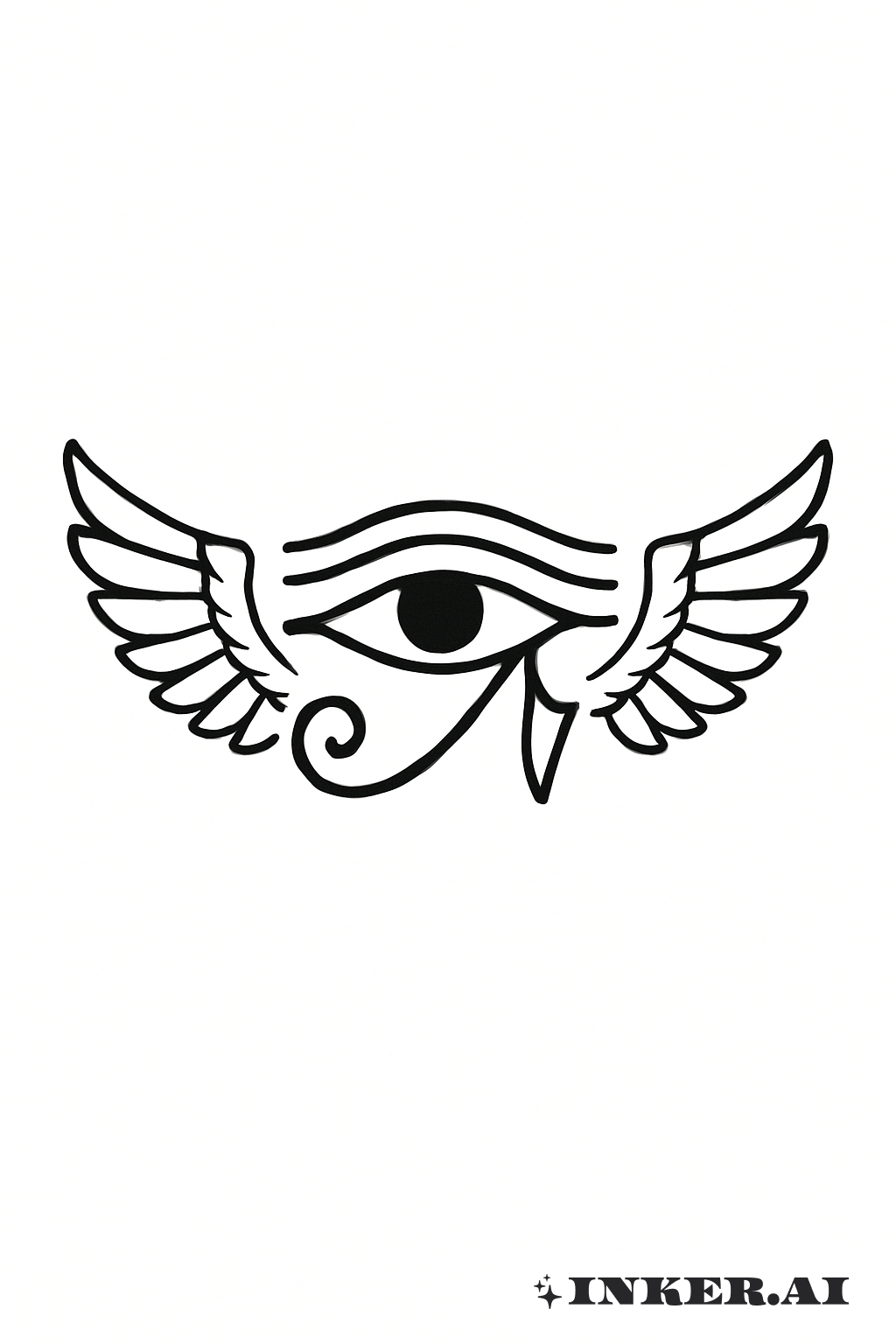
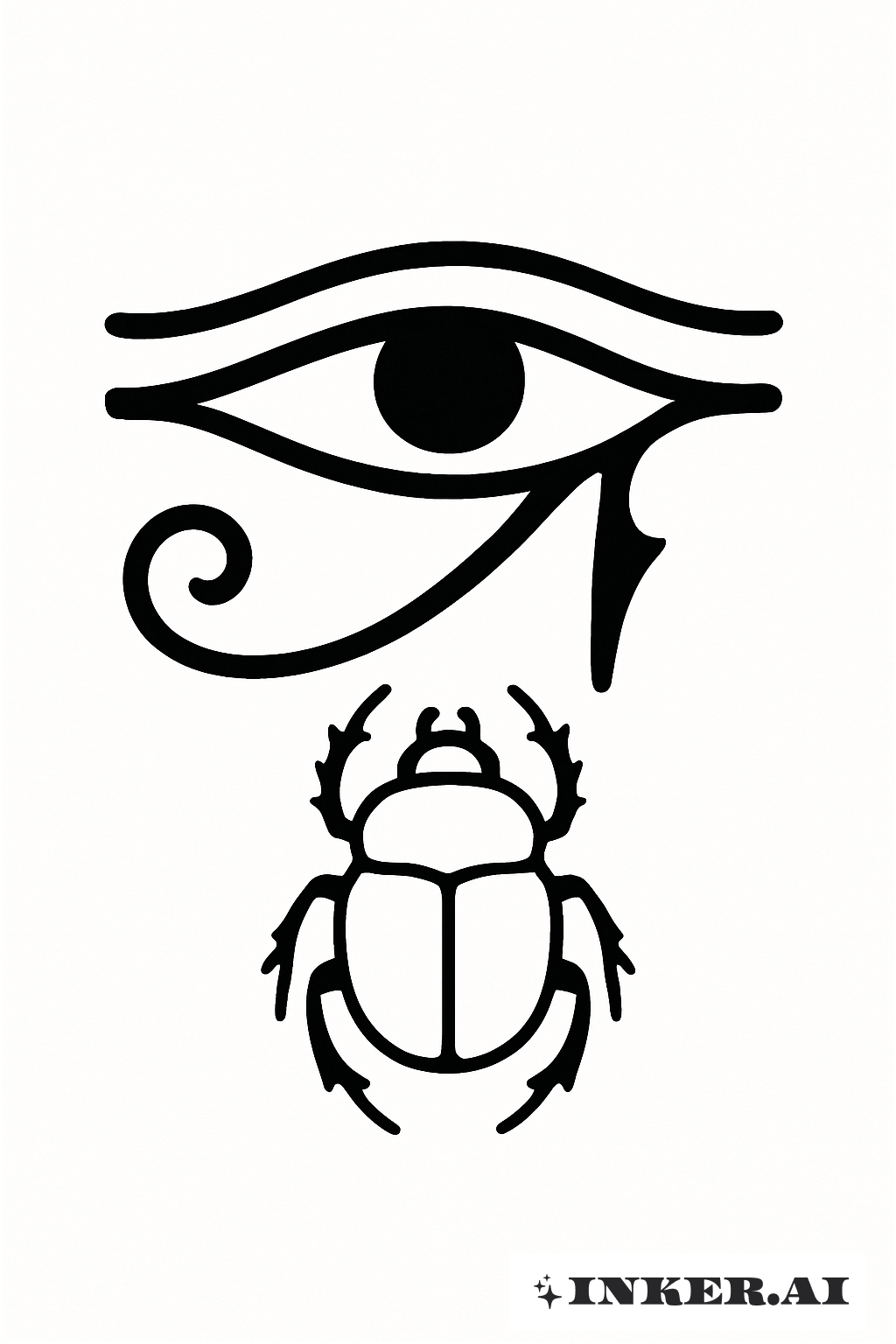
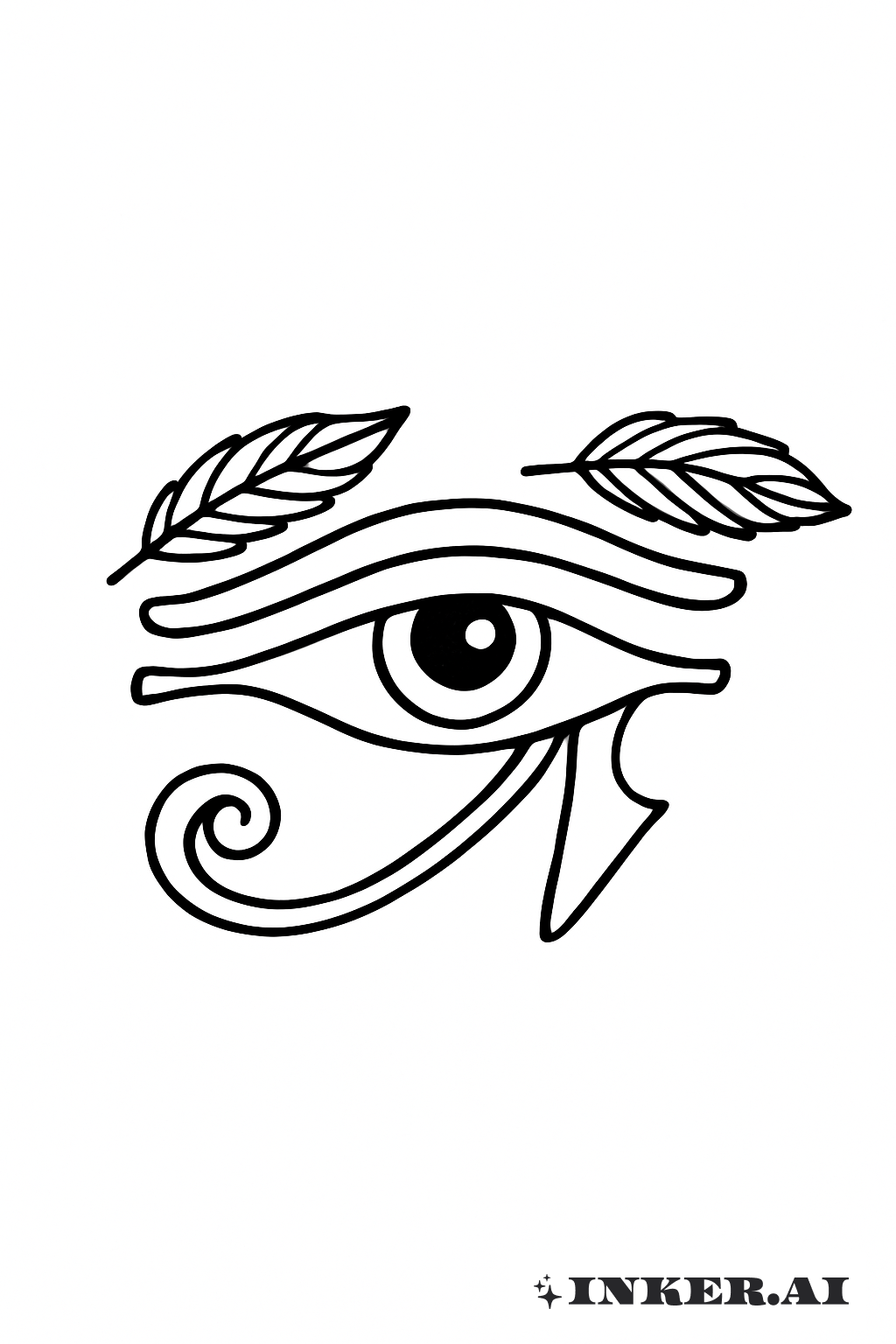
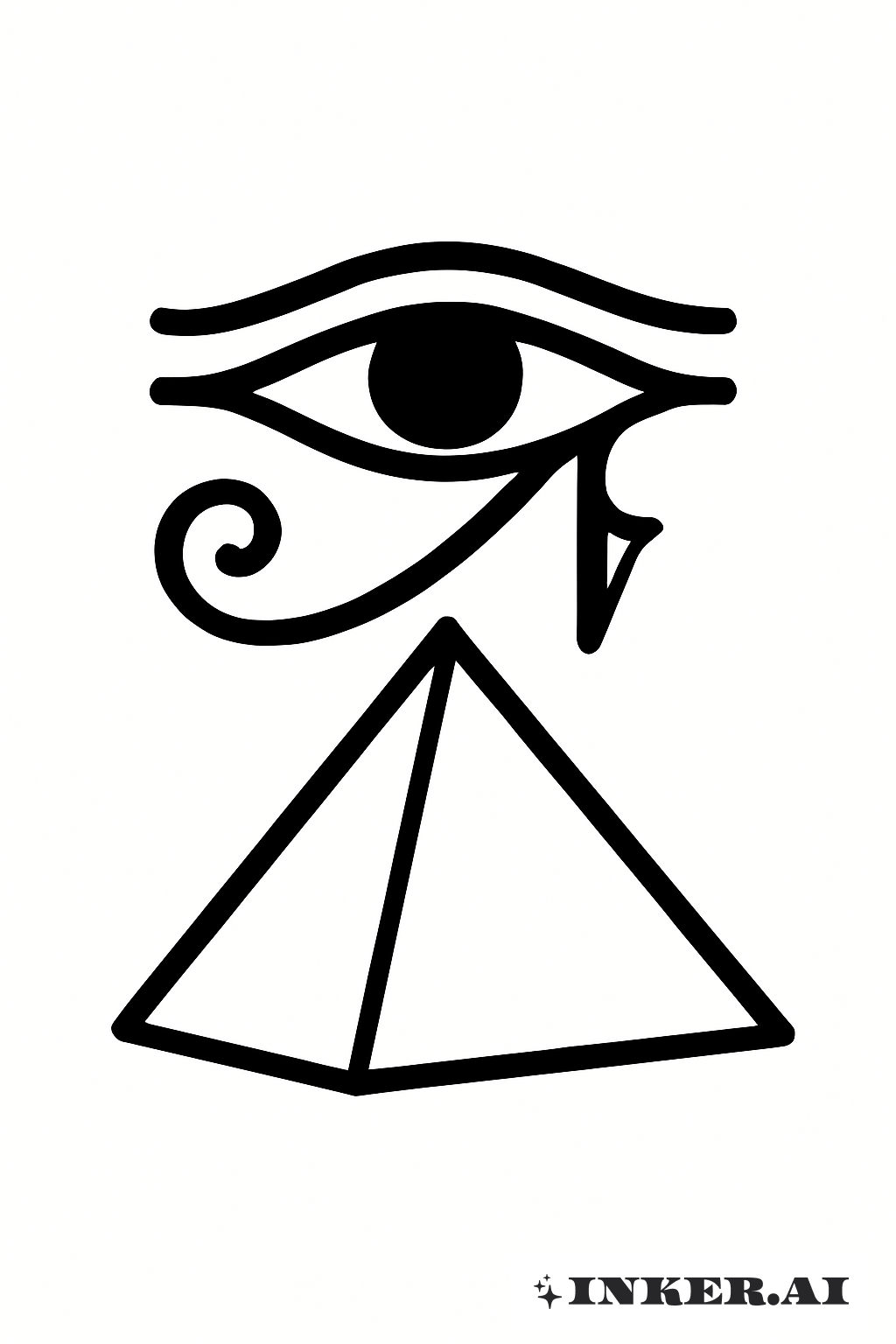
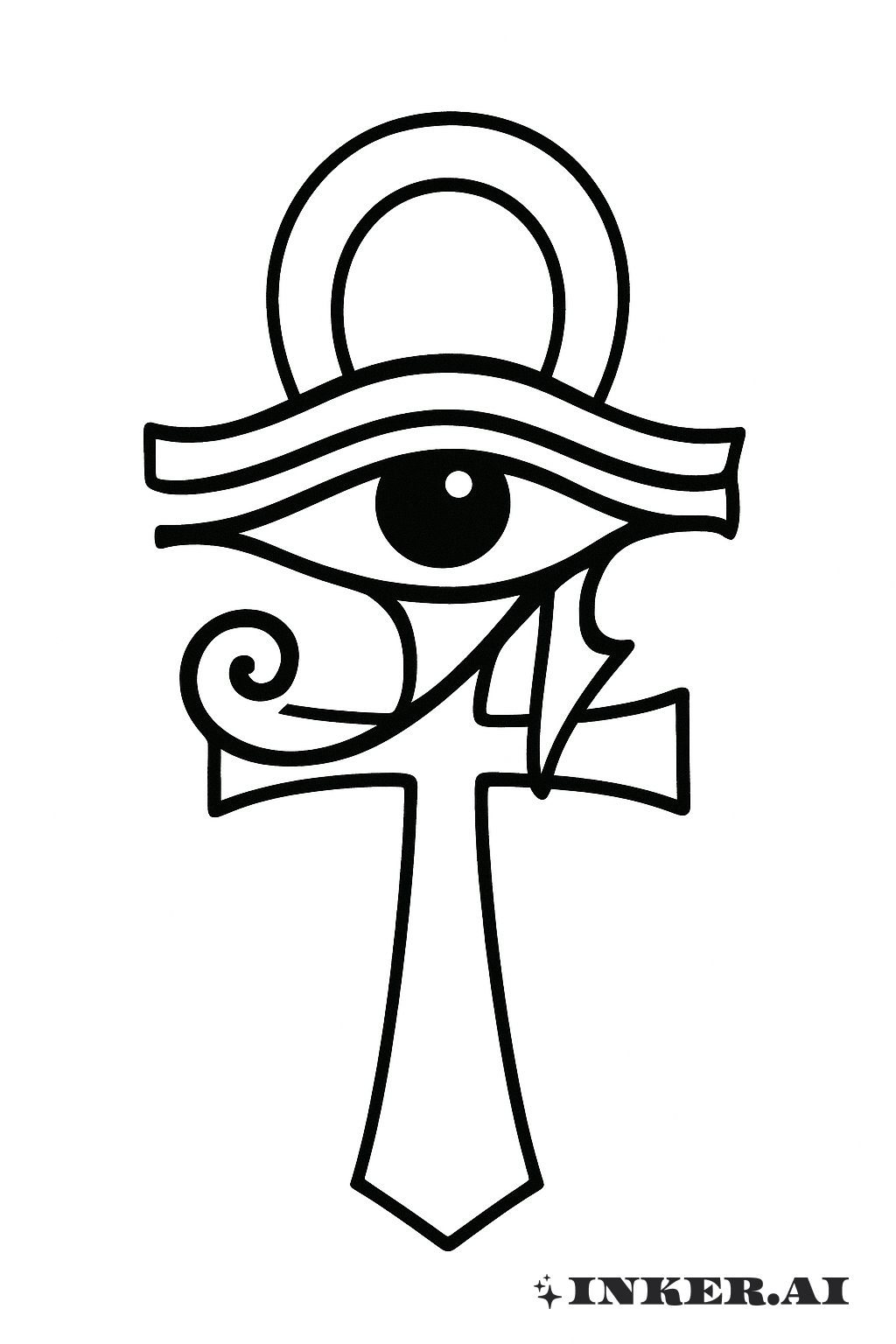
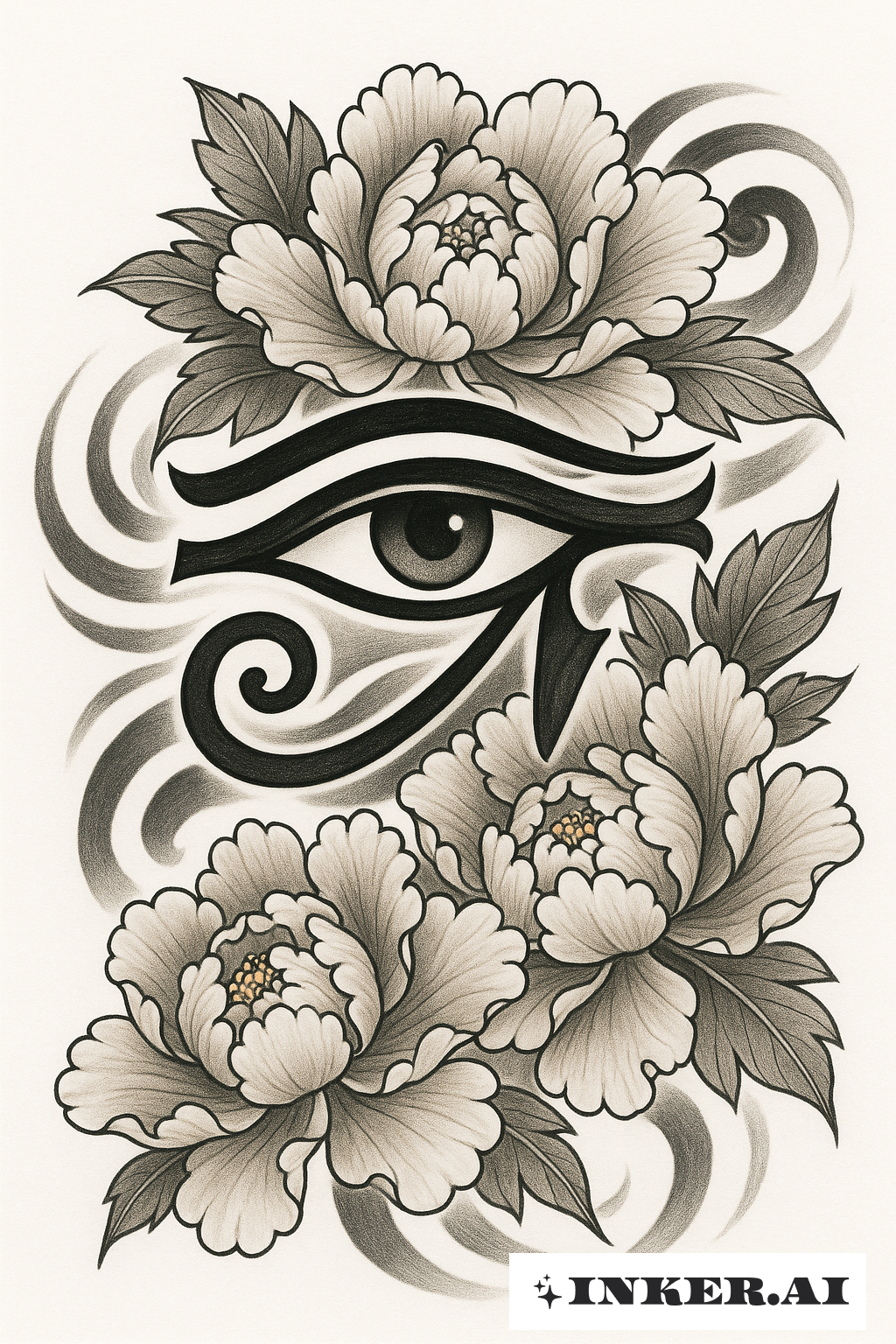
The Eye of Horus is widely associated with protection, healing, restoration, insight, and watchfulness. In ancient Egyptian tradition, it represented the restored eye of Horus and became a powerful emblem of safety and wholeness. The peonies introduce a different but complementary message: prosperity, beauty, confidence, honor, and the ability to flourish through change. Their full blooms can suggest abundance and the rewards of patience, while the surrounding leaves connect the design to growth and renewal. Wind bars are a classic visual device for expressing motion, atmosphere, and the unseen forces that shape life. Together, these elements create a tattoo about guarded strength, clear vision, resilience, and flourishing with purpose. In a Japanese tattoo style composition, the flowing bars and botanical forms give the ancient emblem a dynamic, ornamental setting rather than treating it as an isolated icon. These Eye of Horus tattoo ideas may appeal to someone who wants a protective symbol balanced by softness, vitality, and a strong appreciation for traditional tattoo storytelling.
Design Inspiration Of The Eye of Horus with Peonies and Wind Bars Tattoo Design
The design draws inspiration from the meeting of ancient Egyptian iconography and Japanese ornamental composition. Its central eye provides a focused, recognizable anchor, while peonies and wind bars transform the symbol into a flowing botanical scene. The contrast between precise geometry and generous floral curves creates visual tension, allowing the tattoo to feel both powerful and elegant. Layered petals, sweeping motion, and bold blackwork give the piece a timeless illustrative quality.