Cultural Meaning Of Papyrus Scroll with a Washed Eye of Horus Tattoo Design
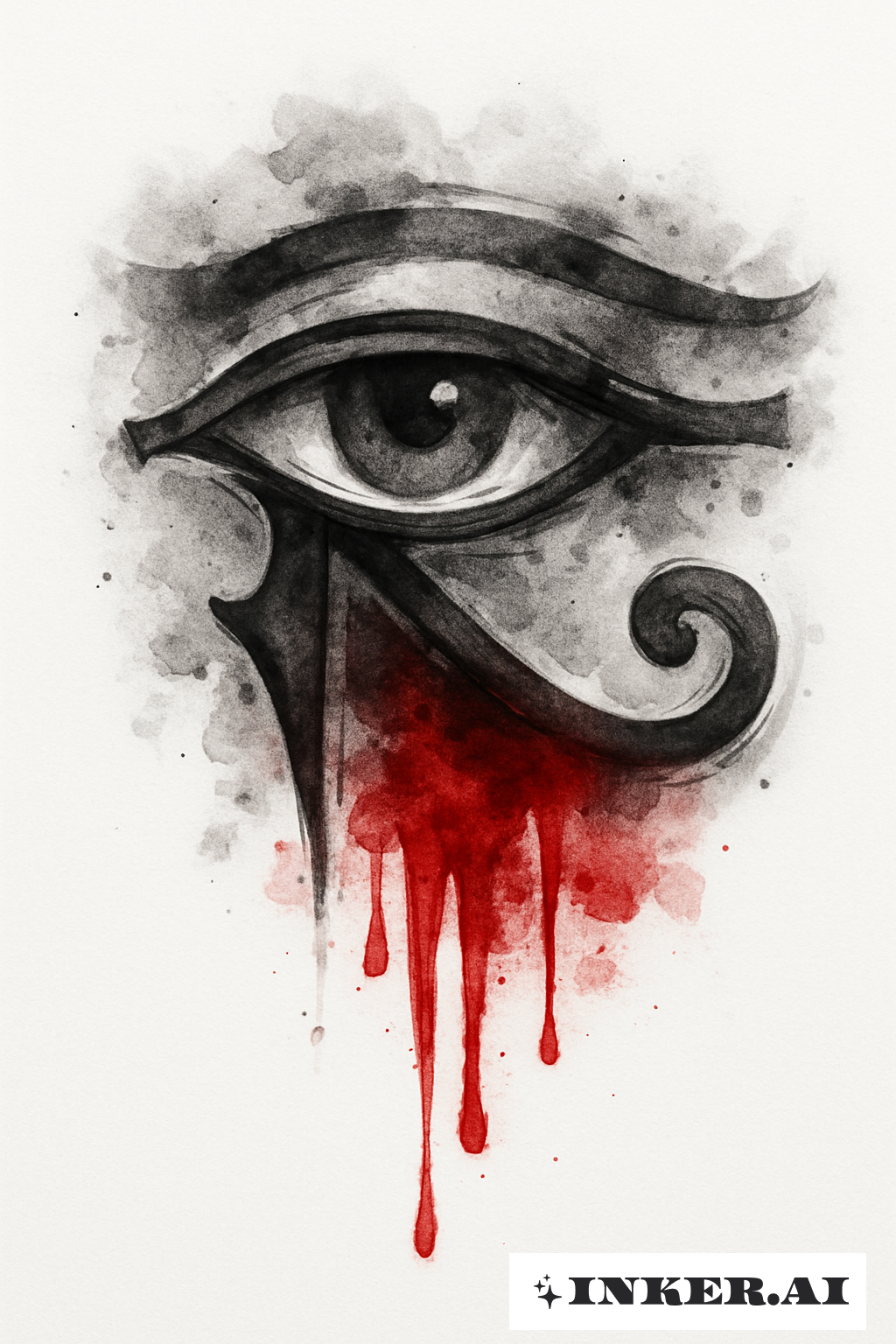
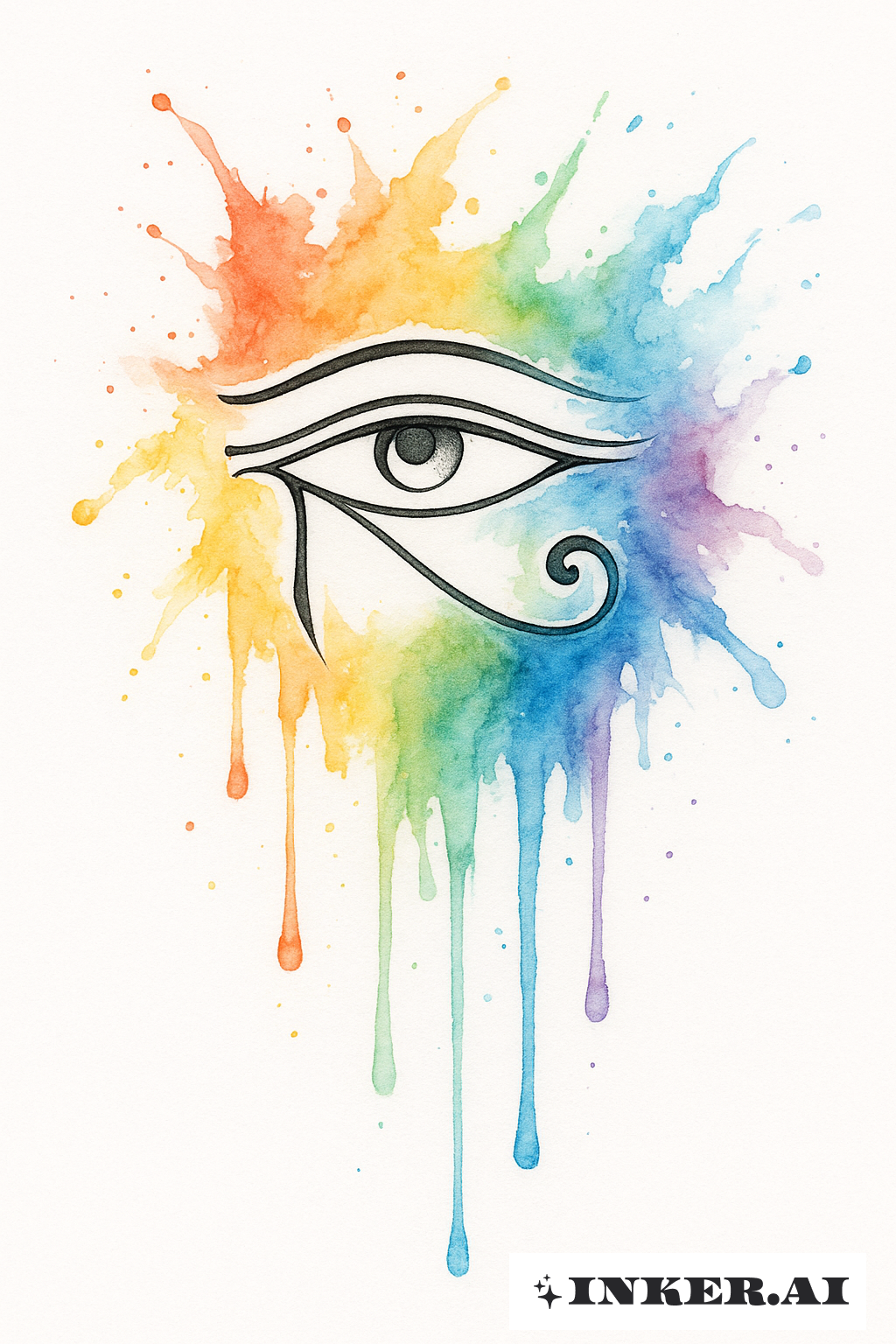
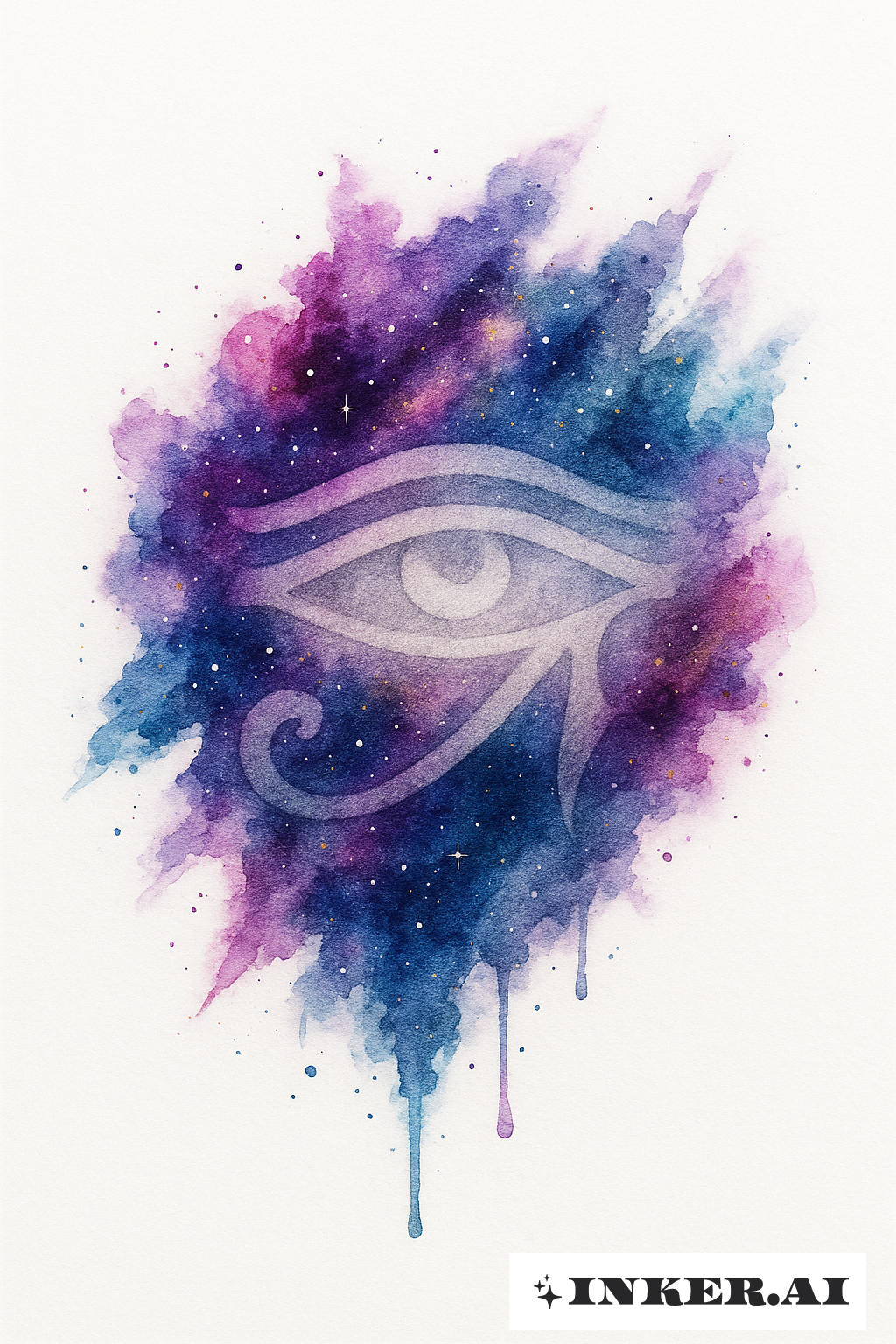
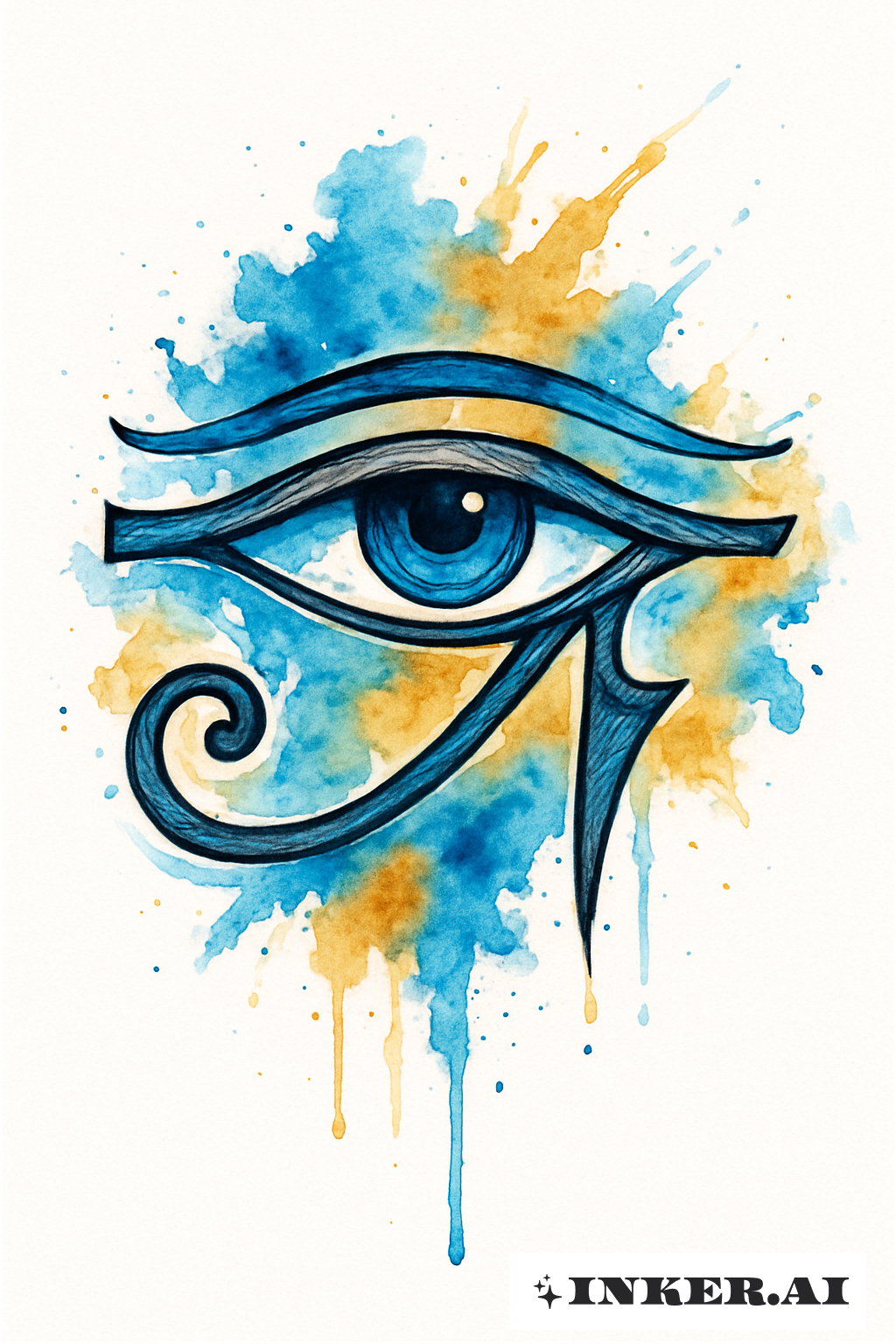
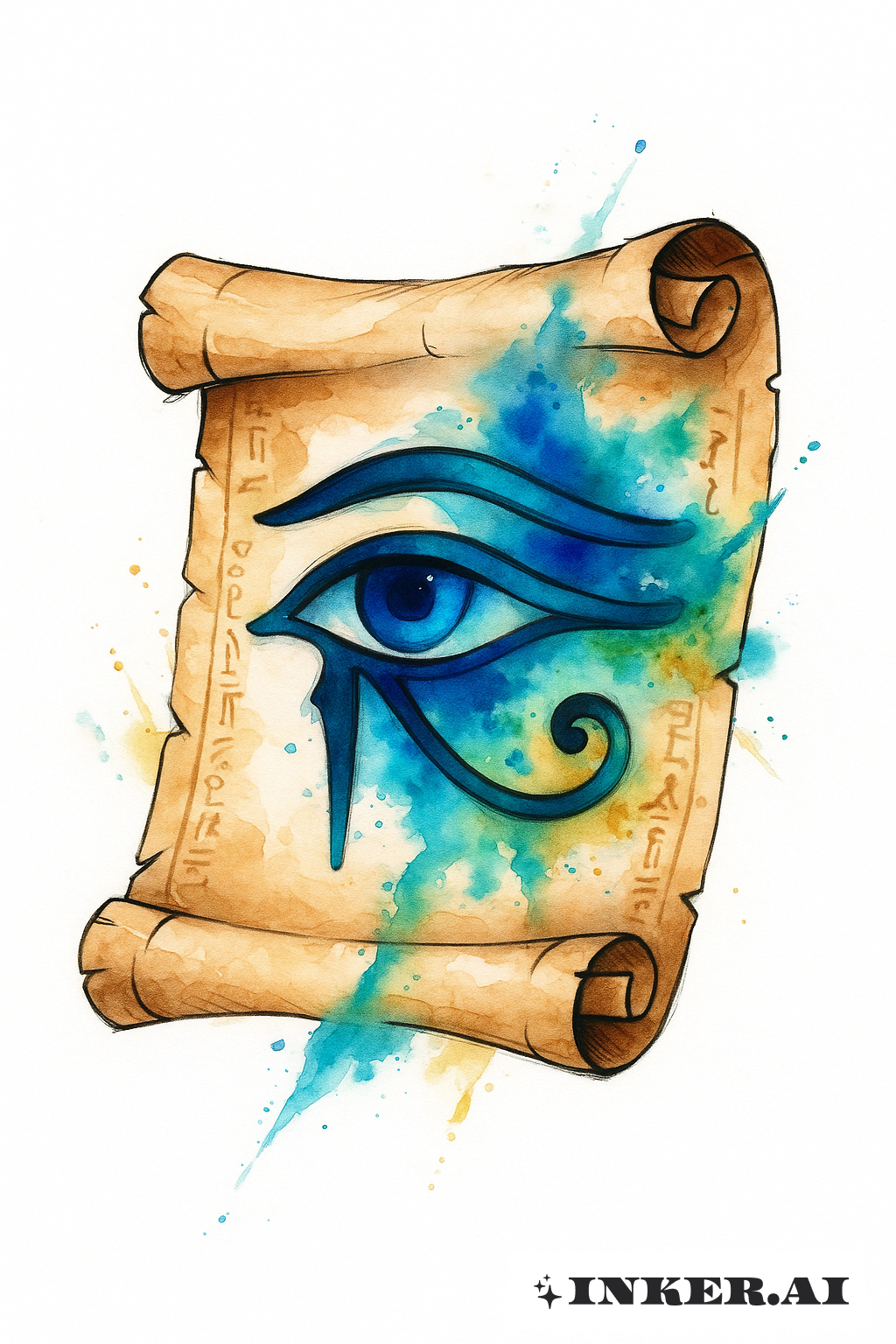
The imagery pairs two layers of meaning: the papyrus scroll evokes recordkeeping, memory and the passage of history, while the stylized eye stands for protection, healing and restored sight in ancient Egyptian lore. Rendered as if painted on fragile paper, the motif suggests preservation—how stories and safeguards survive through fragile mediums. The washed pigments imply weather and time, reinforcing themes of endurance and the slow erosion and recovery of knowledge. Worn edges and faded color can symbolize resilience and the beauty of imperfection, while the central eye reads as a talismanic presence guarding the wearer. Artists often choose the motif to mark personal recoveries, vowed protection, or a connection to antiquity; this mix of intimate narrative and public symbol makes the tattoo both decorative and deeply meaningful. Executed with a painterly approach, the design draws on Watercolor tattoo style to soften the iconography, and it can be adapted from bold, graphic renderings to more diffuse, atmospheric pieces—perfect for those exploring Eye of Horus tattoo ideas with a subtler, contemporary twist.
Design Inspiration Of Papyrus Scroll with a Washed Eye of Horus Tattoo Design
The concept grew from a desire to unite antiquity with modern painterly expression: a relic-like papyrus as canvas and an ancient protective eye reimagined in flowing washes. The artist balanced archival texture—fibers, cracks, and burnished tones—with spontaneous watercolor gestures to suggest age, movement and weathering. Color choices lean toward muted teals, indigos and warm browns to echo mineral pigments and natural dyes. The result is a tattoo that reads like a discovered fragment: historical, intimate and suggestive rather than literal, inviting viewers to imagine the story behind the mark.