Cultural Meaning Of A Samurai Helmet Bearing The Brand Of Sacrifice Tattoo Design
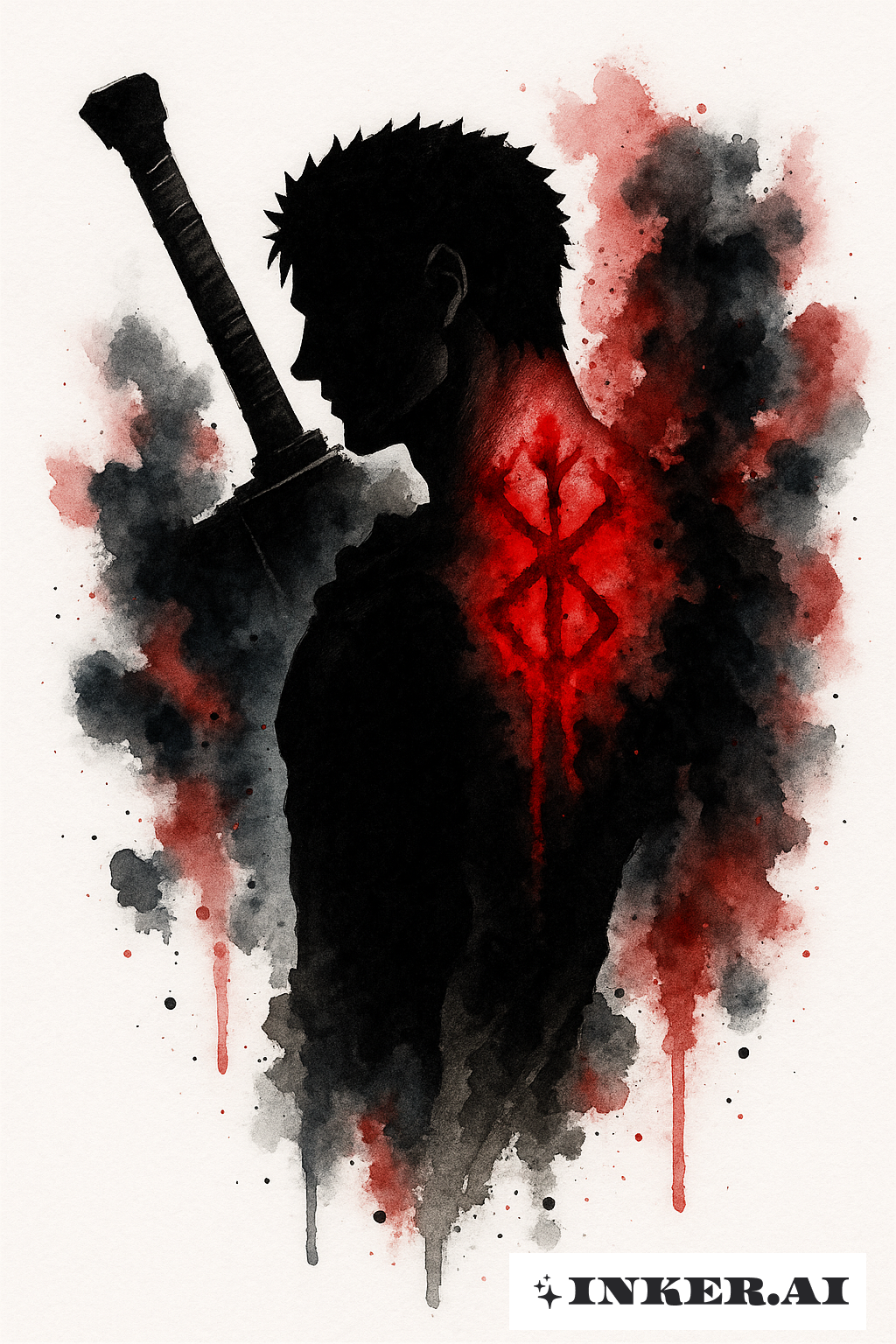
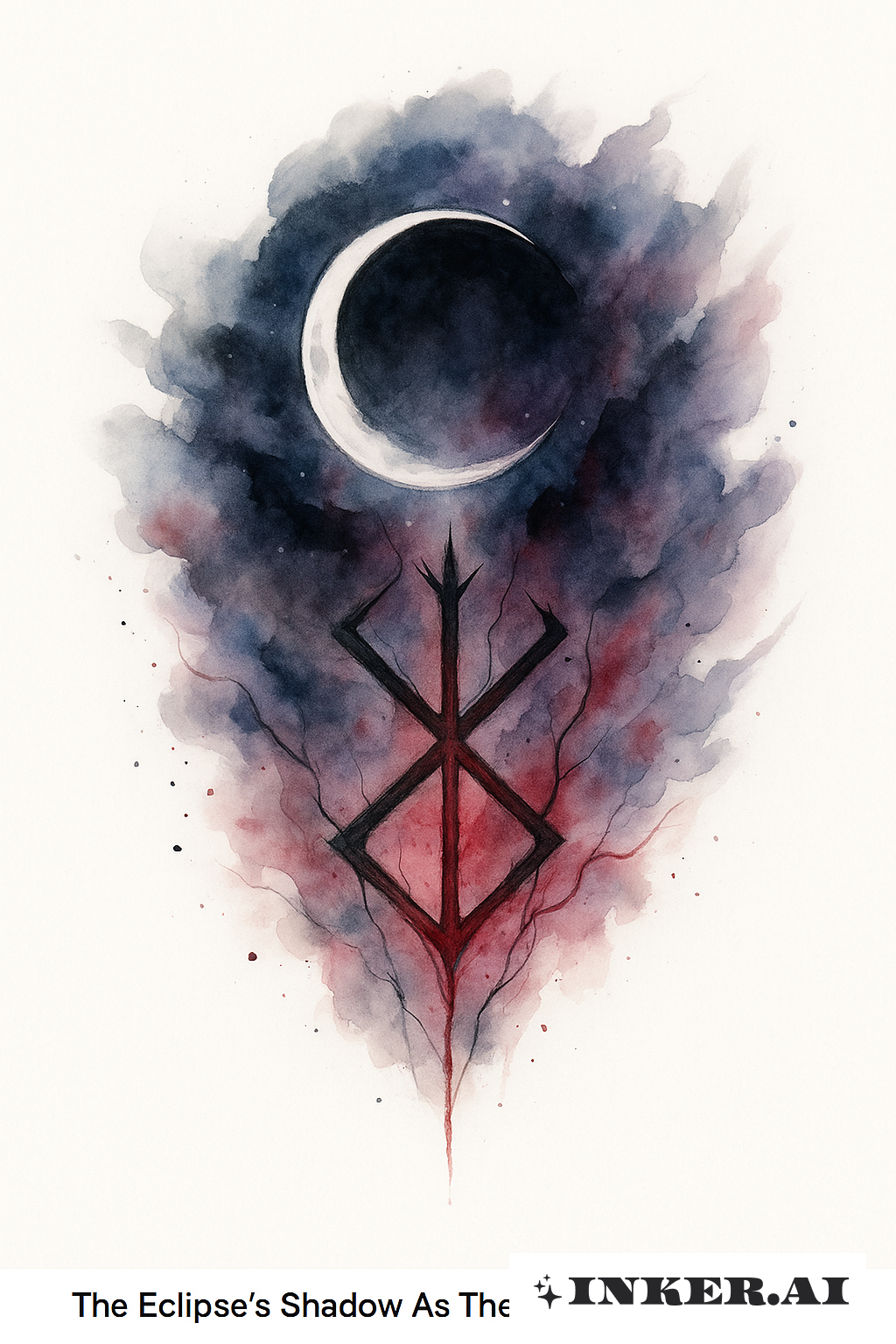
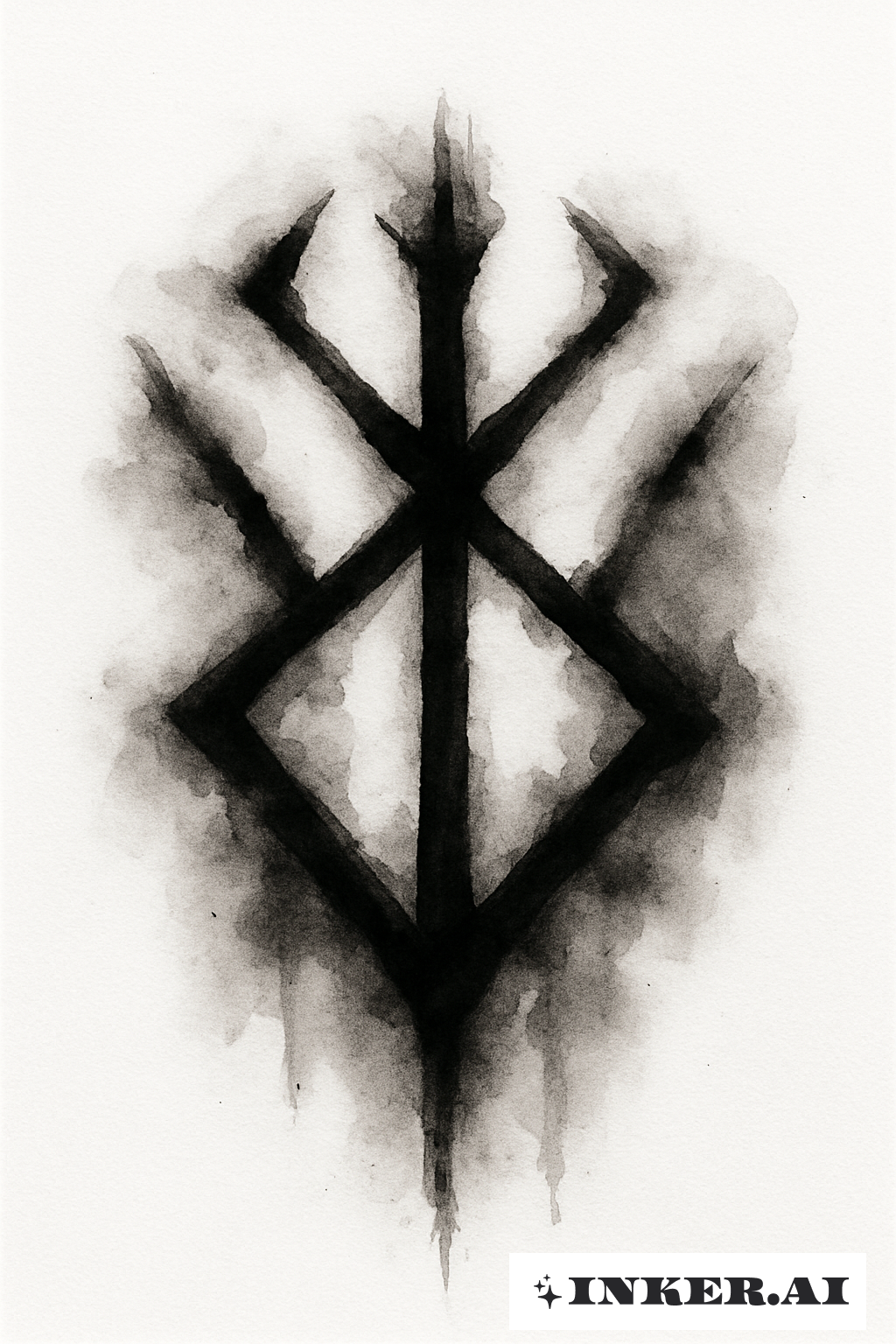
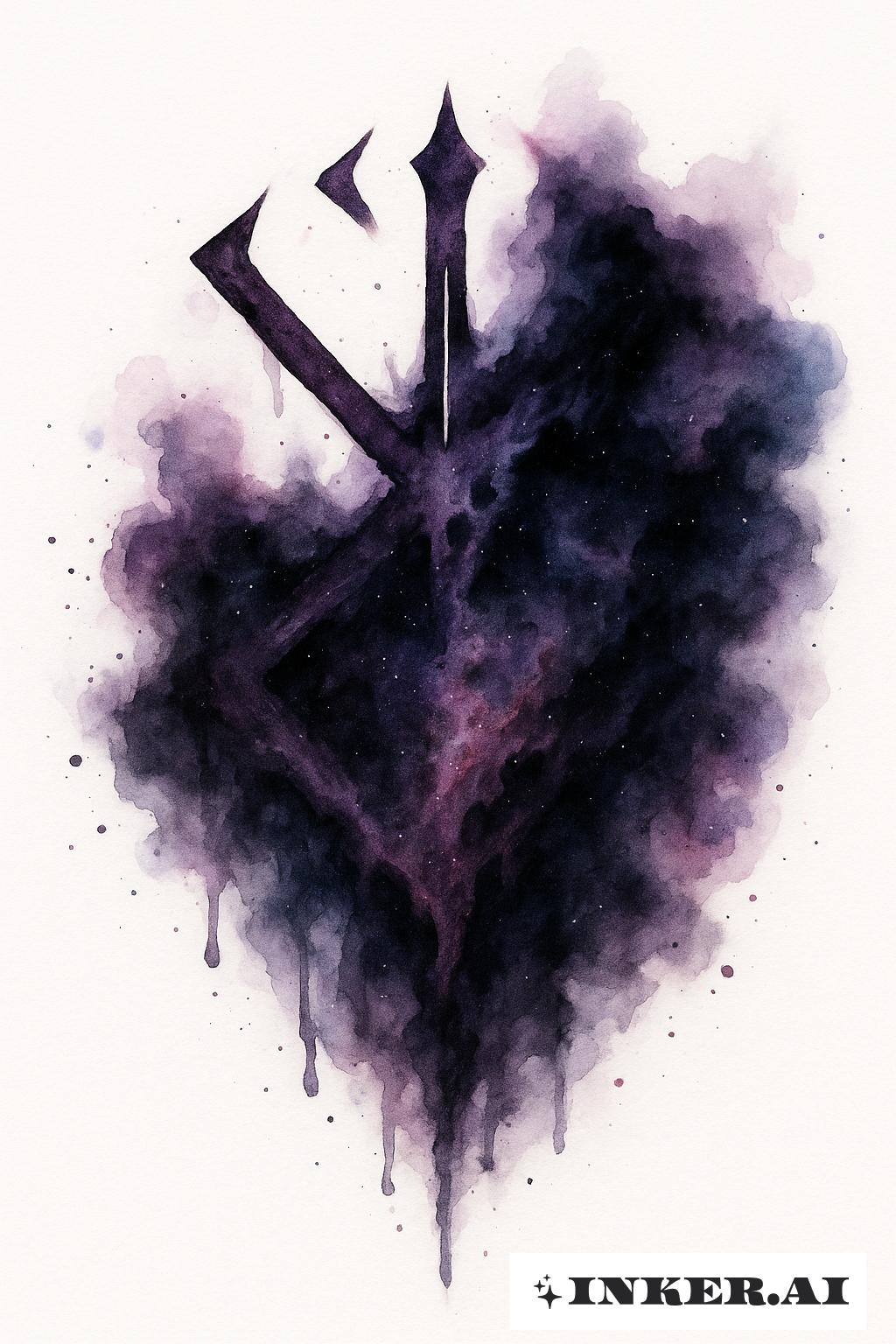
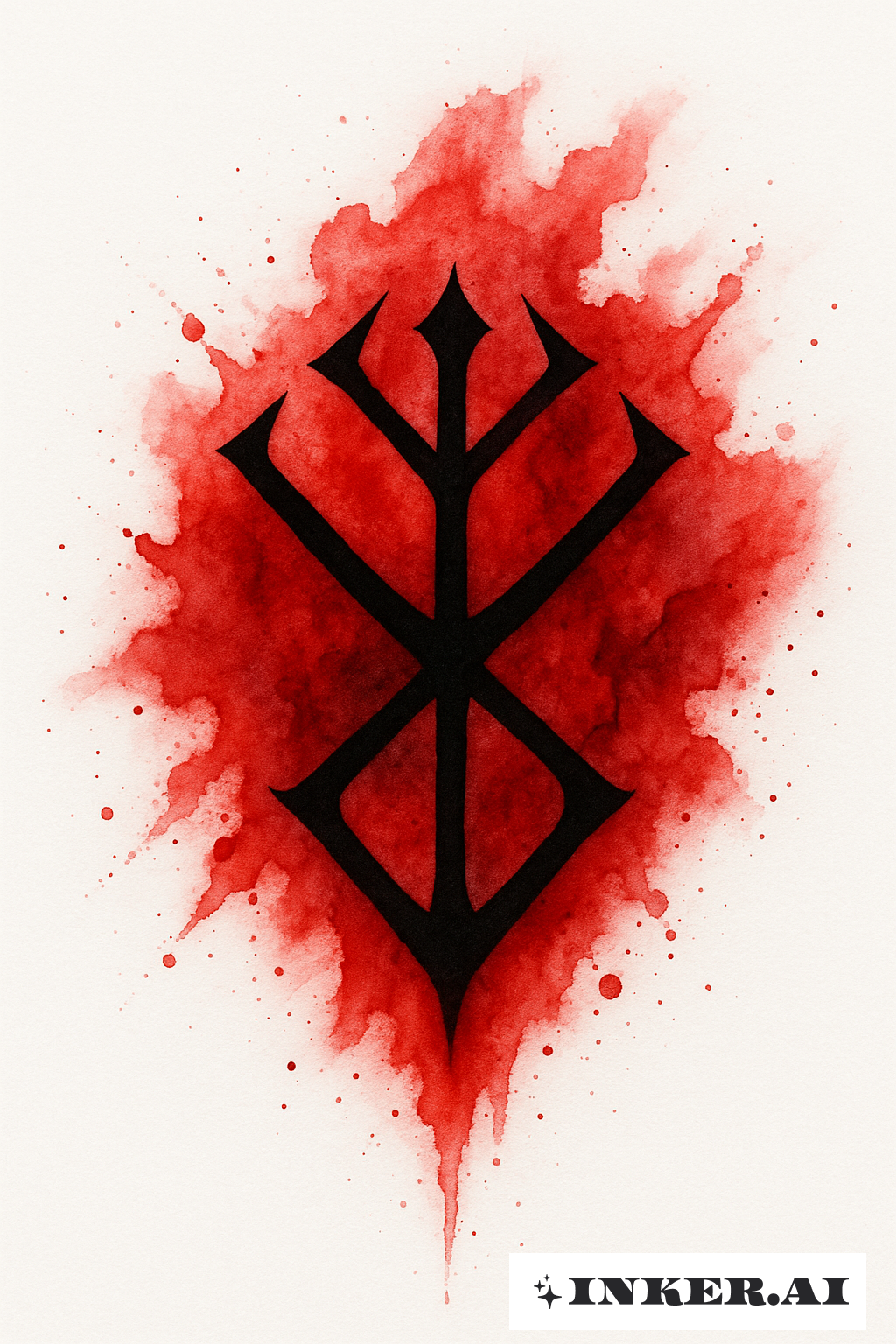
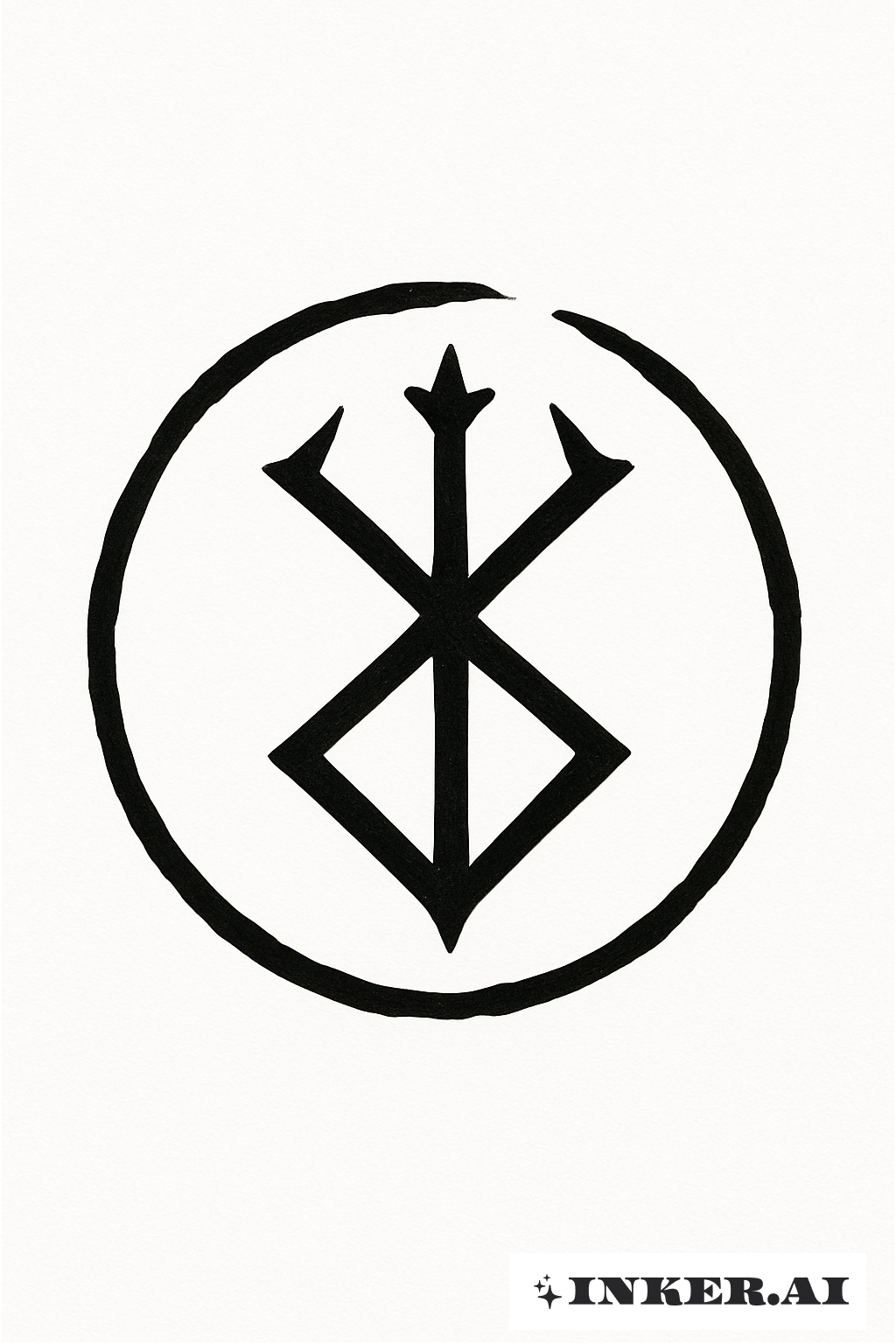
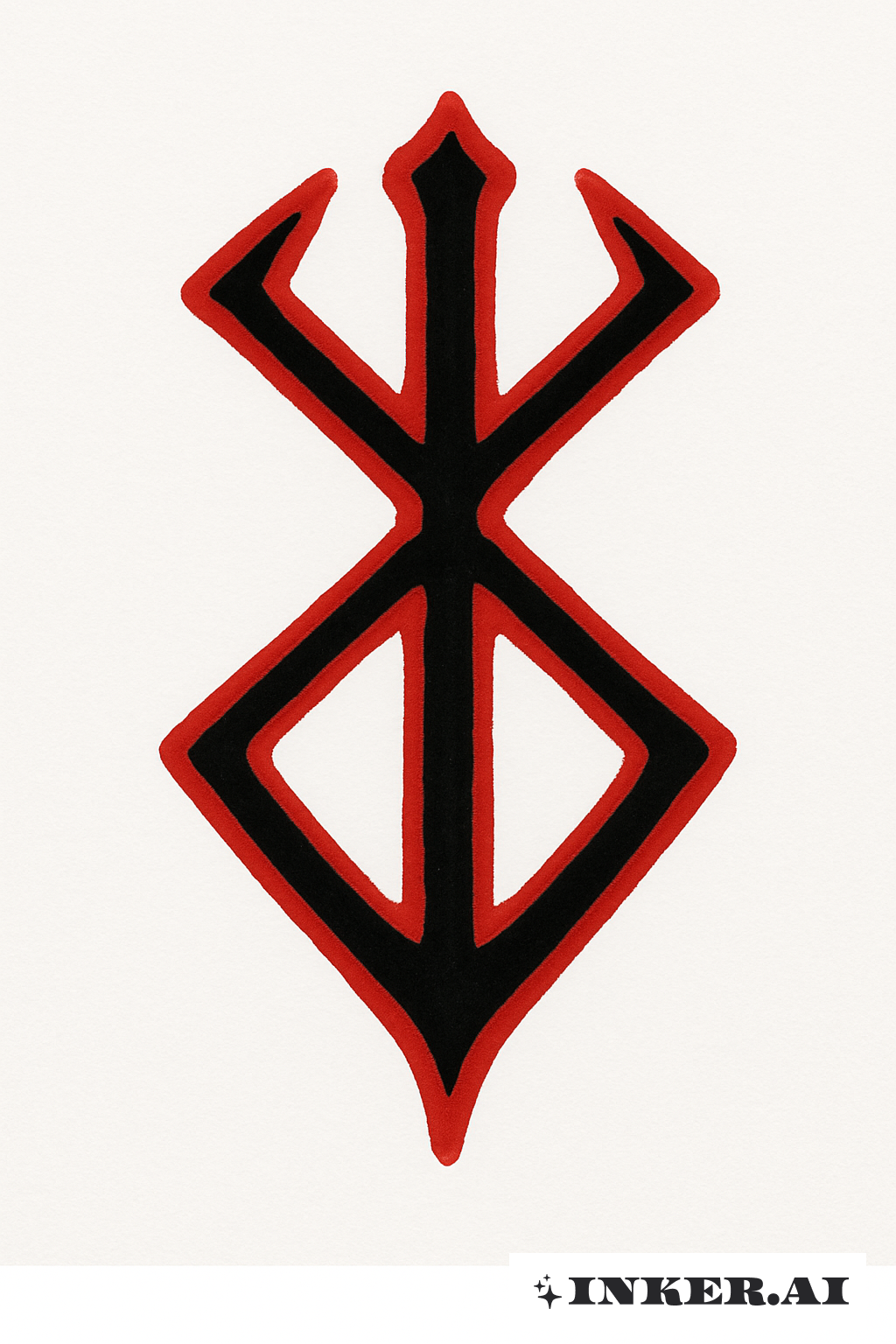
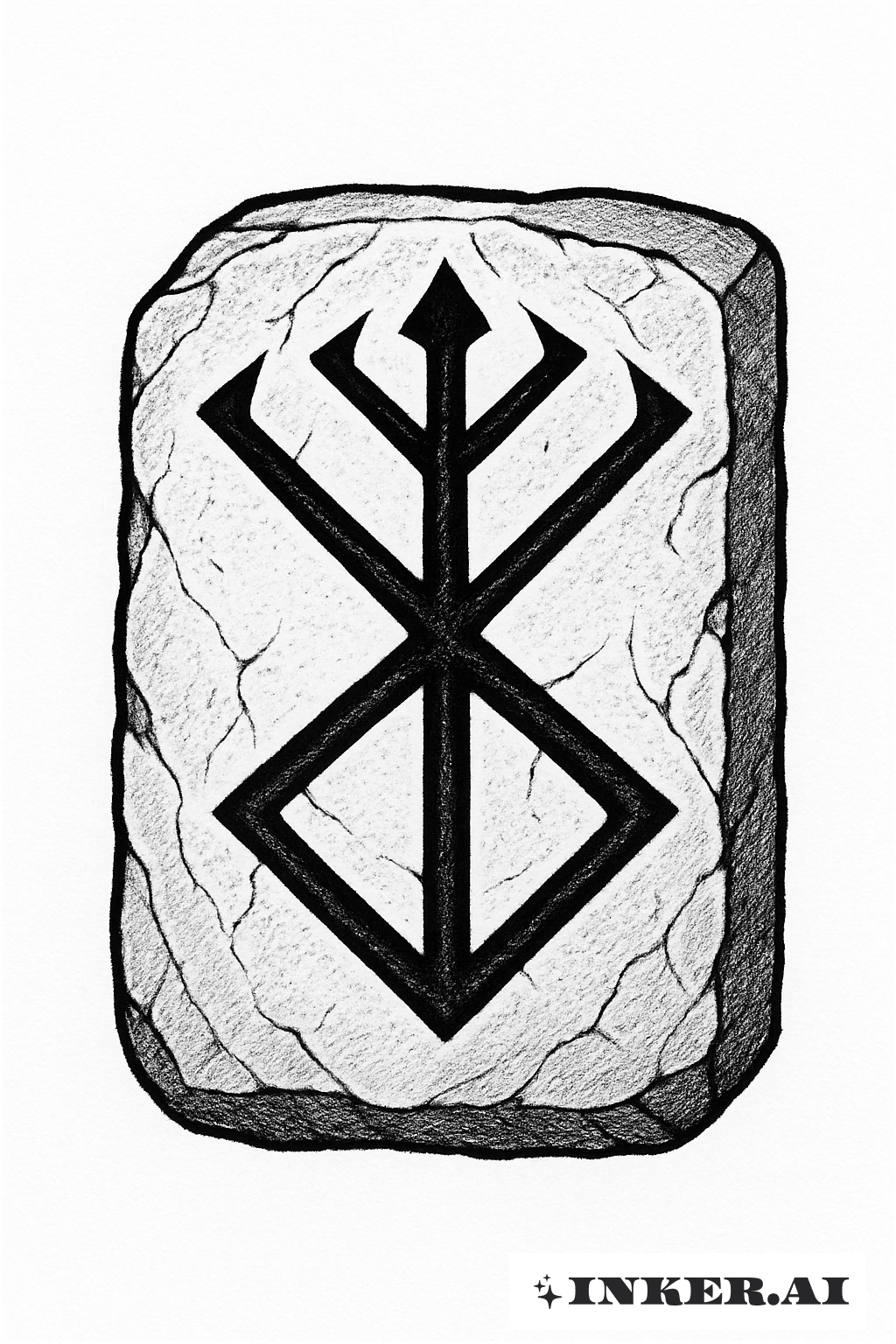
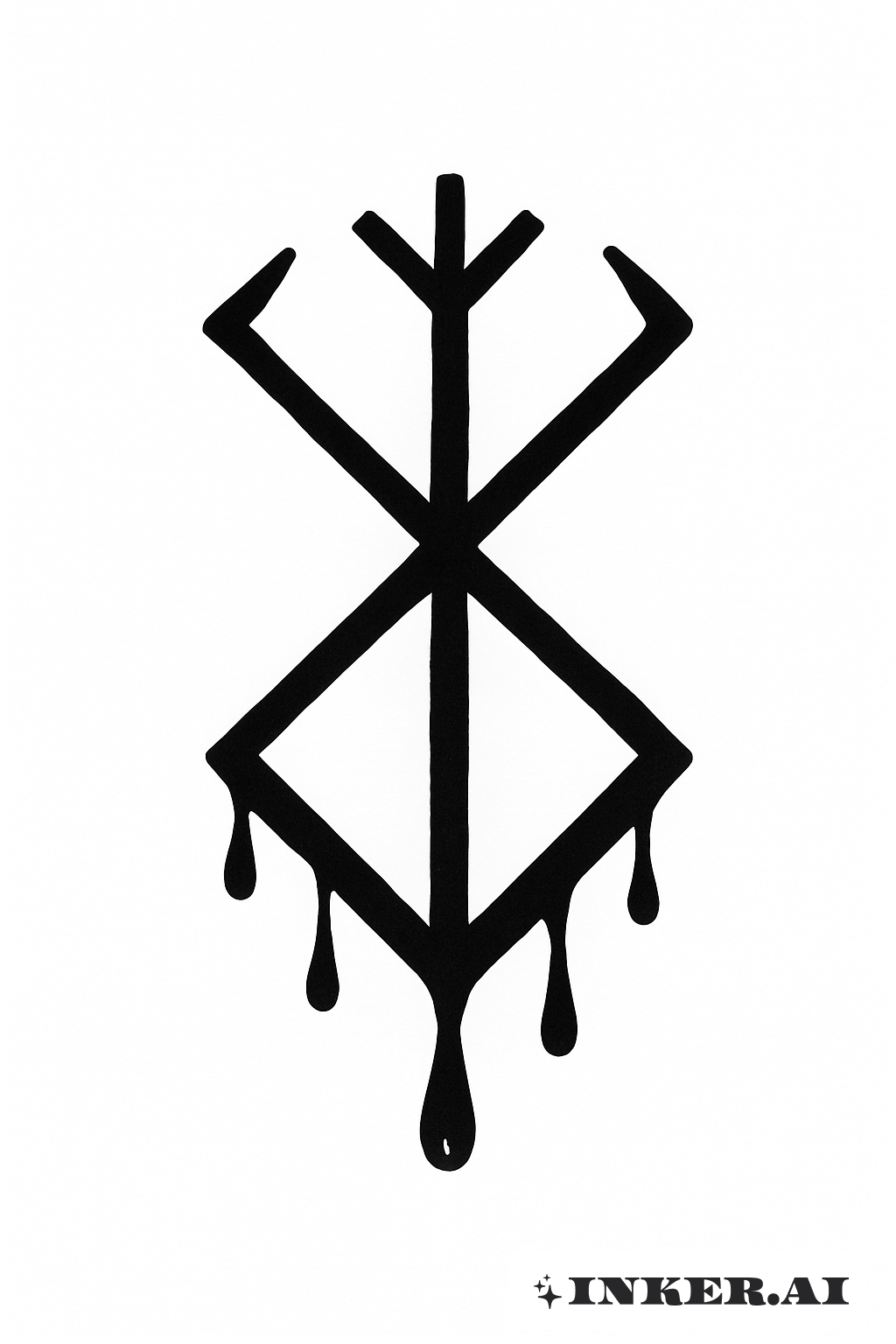
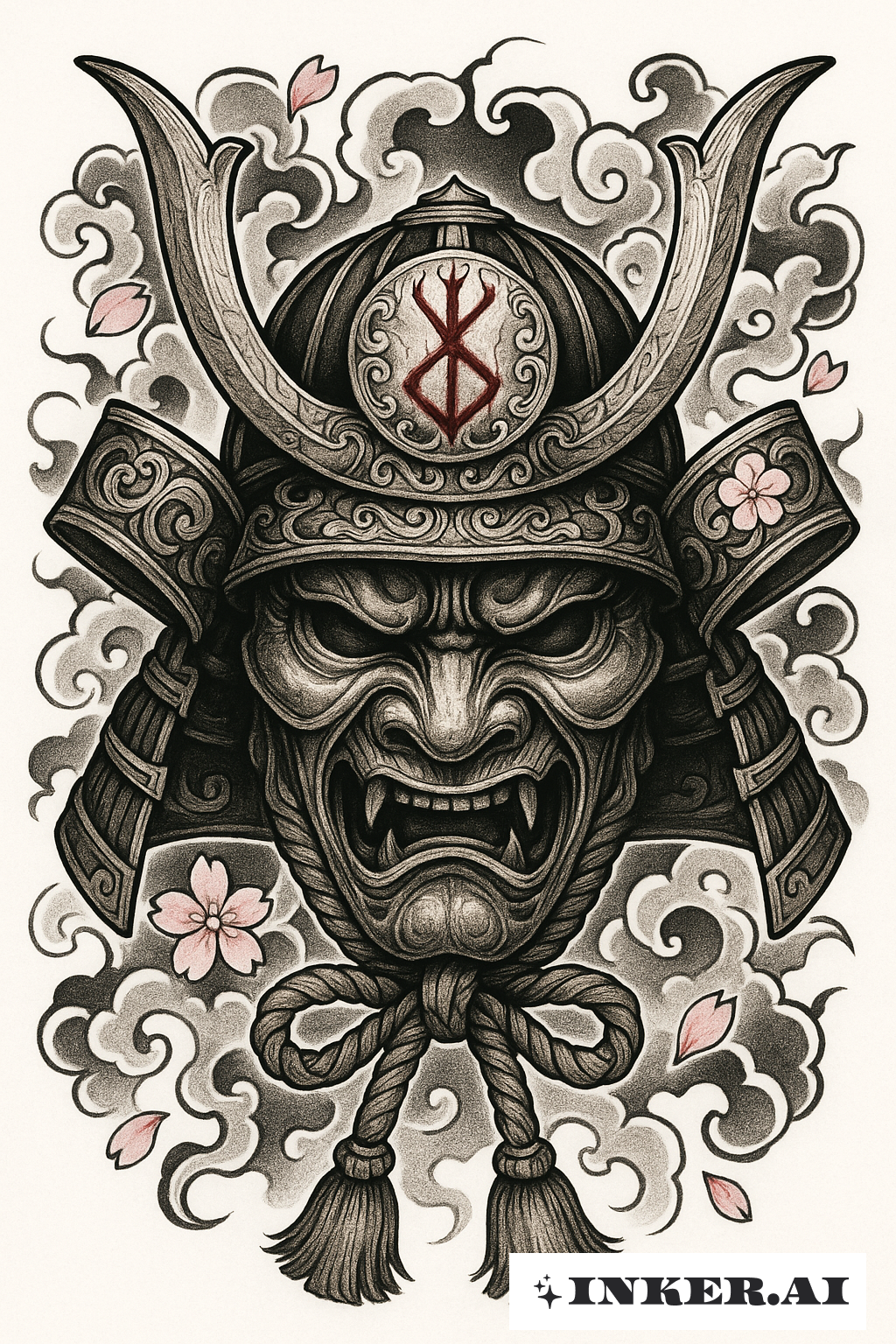
Visually, the helmet speaks to honor worn as burden: protective iron scarred by conflict and carrying a permanent mark that changes its meaning. The branded sigil evokes a charged destiny—an indelible sign of sacrifice that both stains and sanctifies the warrior’s identity. In cultural terms, the samurai’s armor represents duty, discipline, and the readiness to face mortality; adding a burned emblem layers in themes of fate, penance, and chosen suffering. Dark tonal contrasts and restrained color echo traditional Japanese tattoo style, where simplicity of motif often amplifies narrative weight. Placing the image on the body invites reflection on resilience and consequence, transforming armor into a personal totem that acknowledges past trials. As a motif for those drawn to mythic storytelling, it functions as a marker of commitment: a visible reminder that some vows leave permanent traces.
Design Inspiration Of A Samurai Helmet Bearing The Brand Of Sacrifice Tattoo Design
The design fuses historic armor study with dark fantasy sensibilities. Inspiration came from museum sketches of kabuto silhouettes, combined with the raw texture of burned metal and the visual economy of sumi ink. The goal was to balance intricate surface detail—rivets, lacing, and crest ornament—with bold, graphic areas so the piece reads clearly from a distance and still rewards close viewing. Artistically, the helmet serves as a stage for emotional storytelling: scars and branding become shorthand for a life shaped by sacrifice.