Cultural Meaning Of A Yakuza's Whispering Hannya Mask Tattoo Design
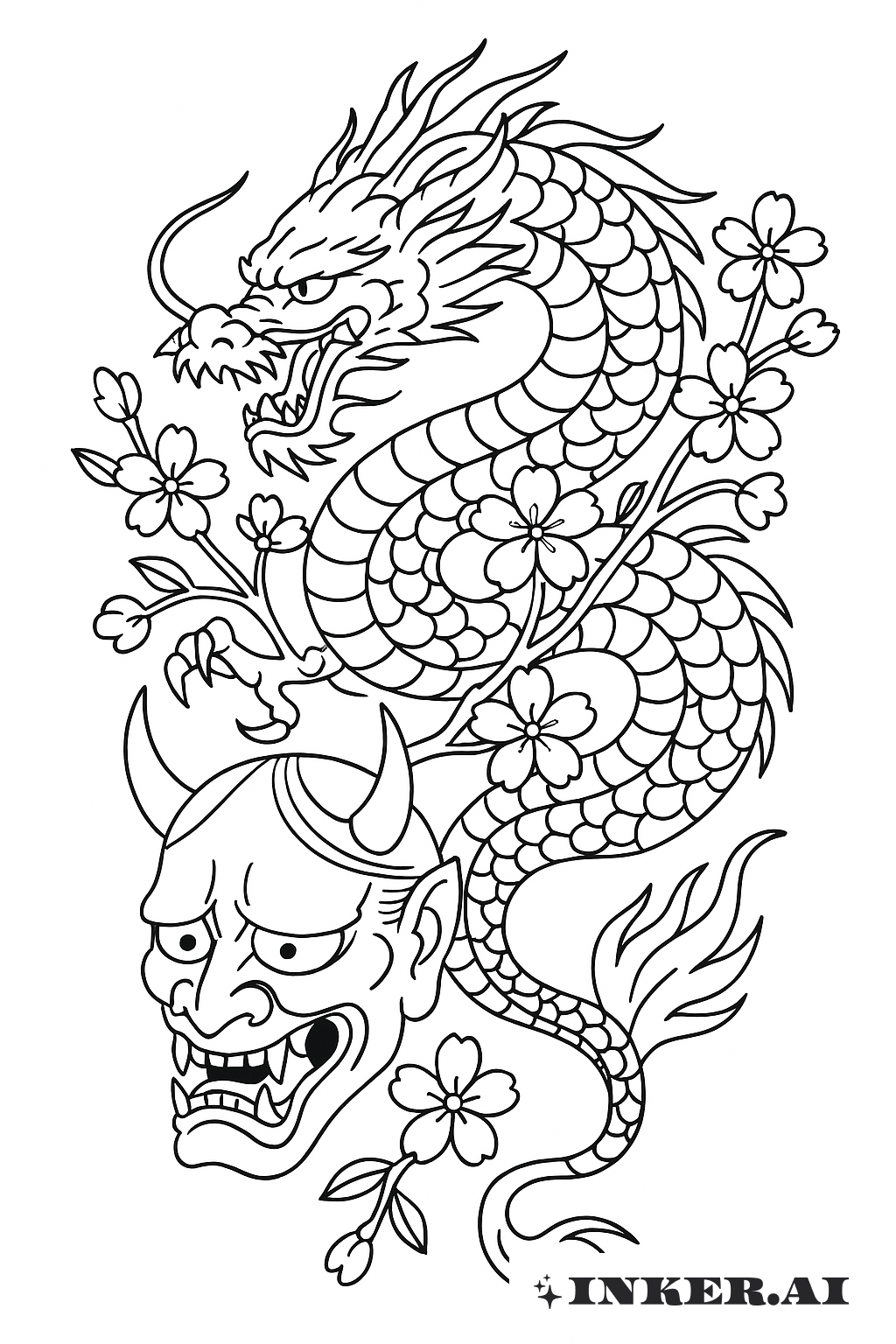
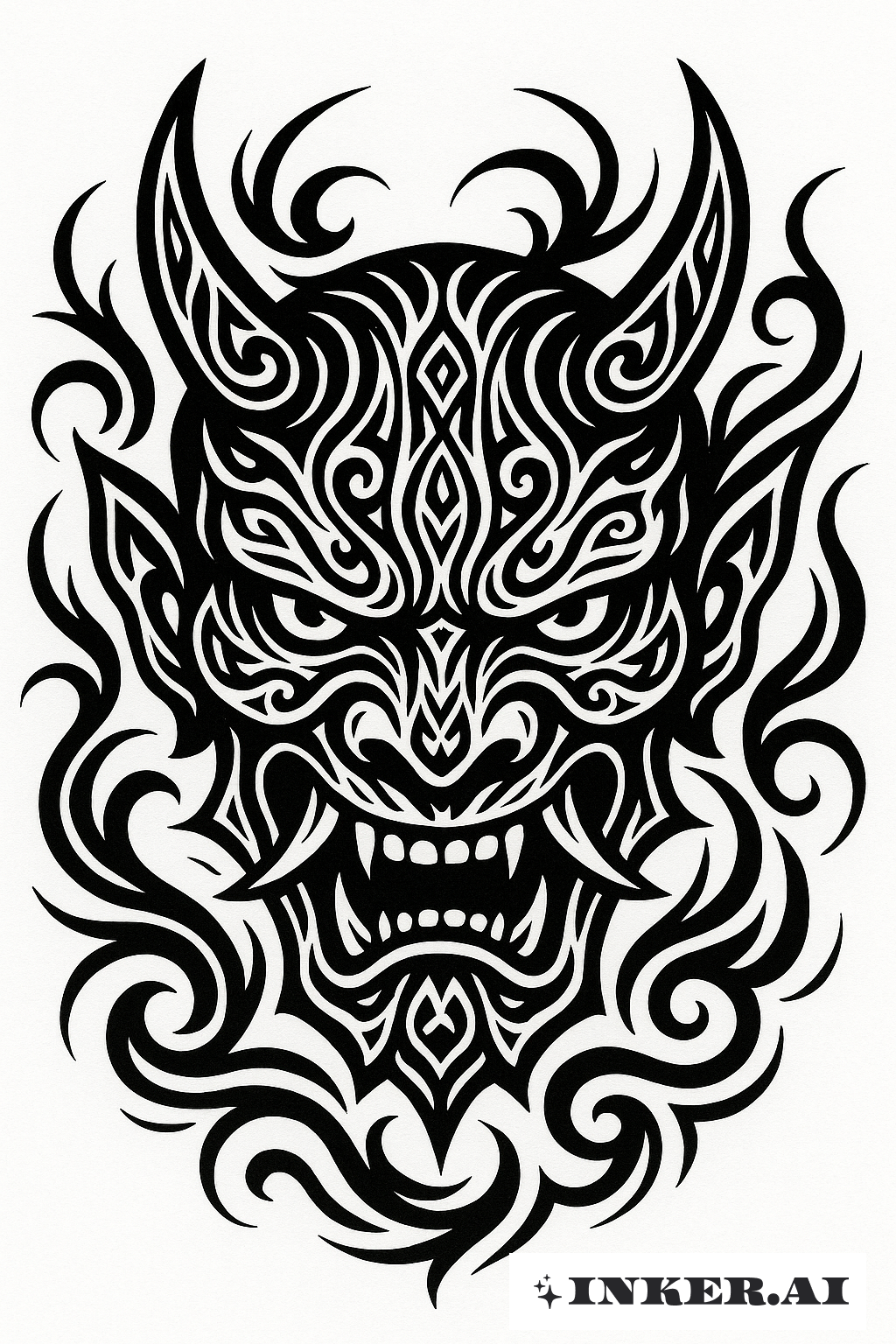
The Hannya mask traditionally represents a woman transformed by jealousy, grief, and consuming passion. Its horns and fangs suggest rage, while the anguished eyes retain traces of sorrow and humanity. The mask is therefore not simply an emblem of evil; it reflects emotional conflict, the consequences of obsession, and the pain hidden beneath an intimidating exterior. In a Yakuza-inspired context, the image can also suggest loyalty, secrecy, danger, resilience, and the strict personal code associated with underworld mythology. It may appeal to someone who has endured betrayal, mastered powerful emotions, or learned to protect vulnerability behind a formidable appearance. The idea of a whispering mask adds another layer, implying concealed thoughts, unspoken warnings, and truths that remain beneath the surface. Rendered as Fine line tattoo style, the delicate execution contrasts with the fierce subject, emphasizing restraint and inner control rather than brute force. Among Yakuza tattoo ideas, this Hannya design stands out as a symbol of duality: fear and sadness, strength and fragility, punishment and self-awareness existing within one unforgettable face.
Design Inspiration Of A Yakuza's Whispering Hannya Mask Tattoo Design
The concept draws from traditional Japanese Noh theater, where the Hannya mask changes emotionally through shifts in light and angle. Its inspiration blends theatrical drama with the quiet tension of whispered secrets, using sharp horns, expressive eyes, and elegant linework to suggest a hidden story. The restrained composition transforms a fierce face into a thoughtful study of emotion, identity, and controlled power.