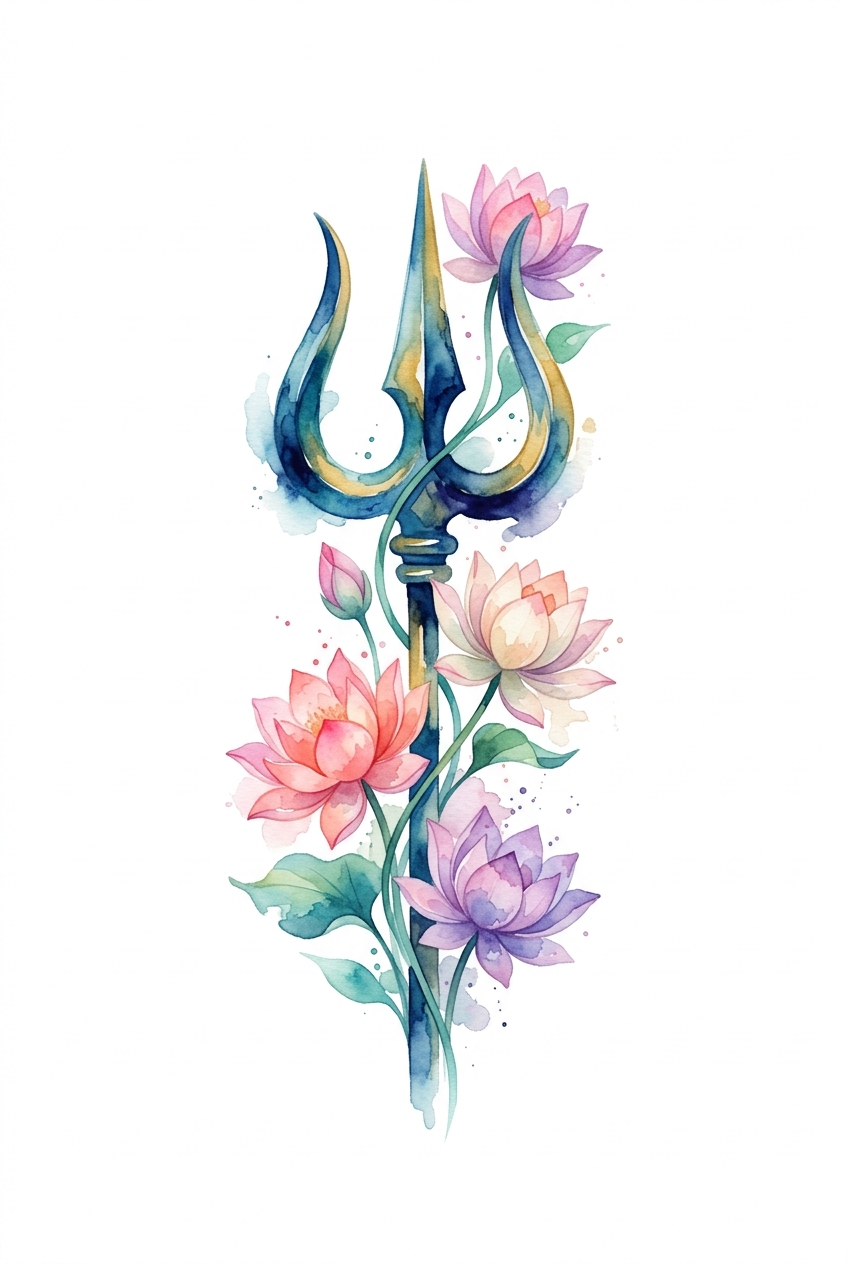
Cultural Meaning Of Trishul Tribal Knotwork Tattoo Design
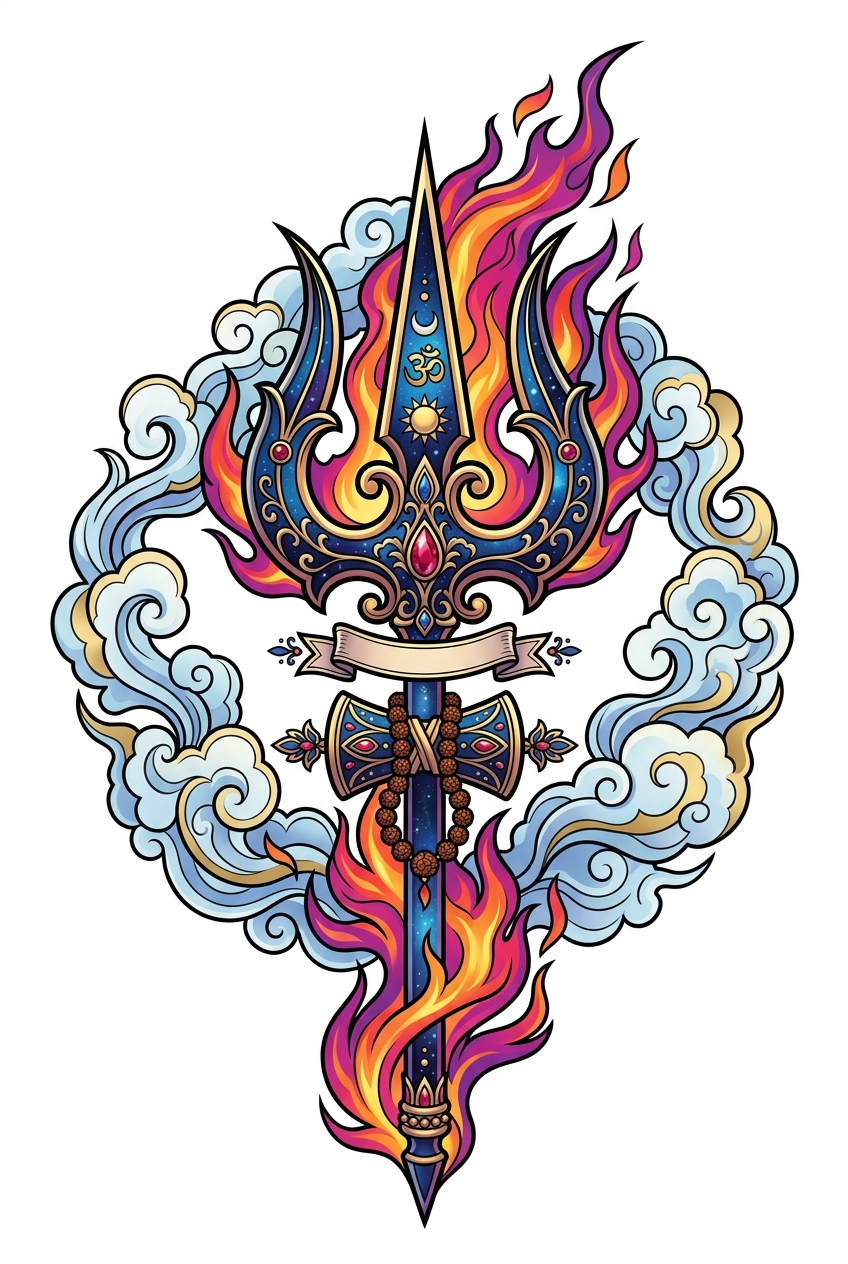
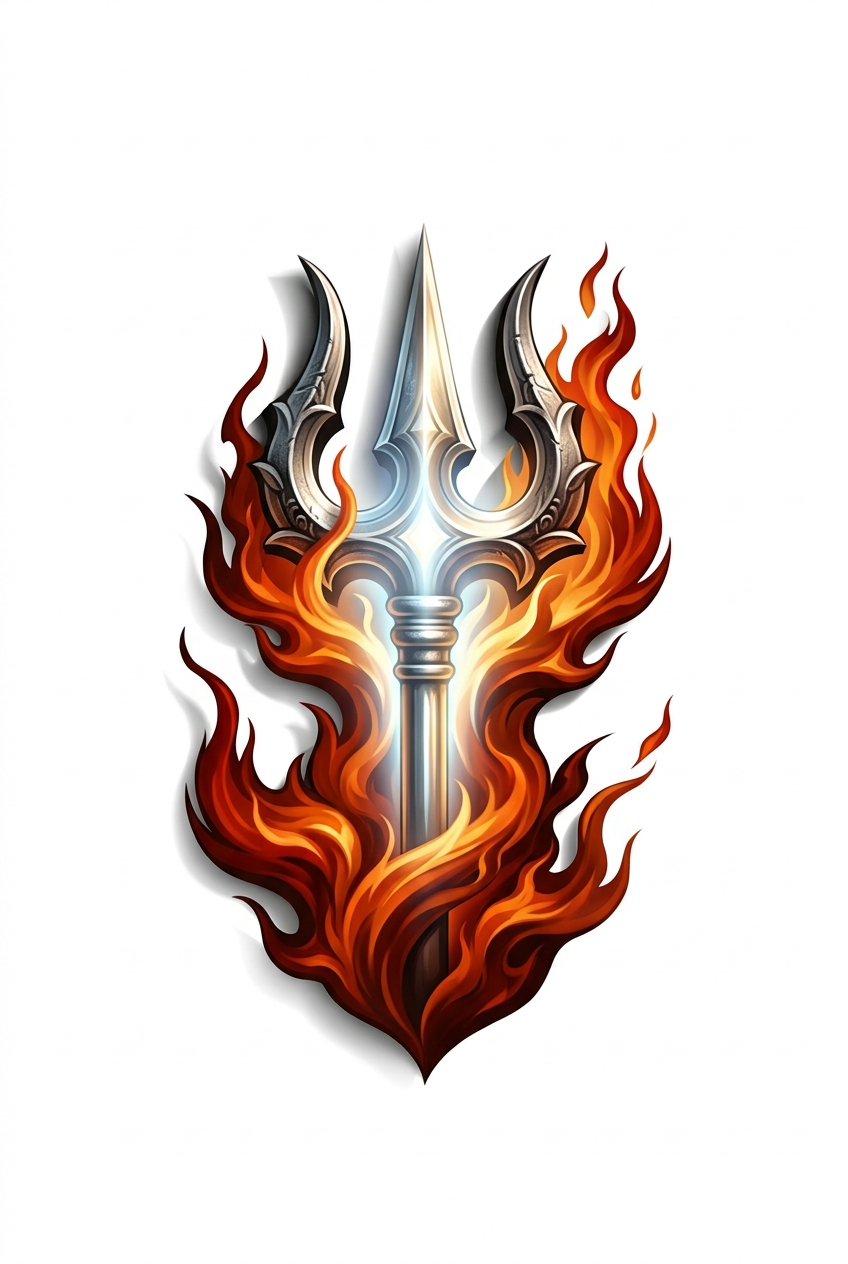
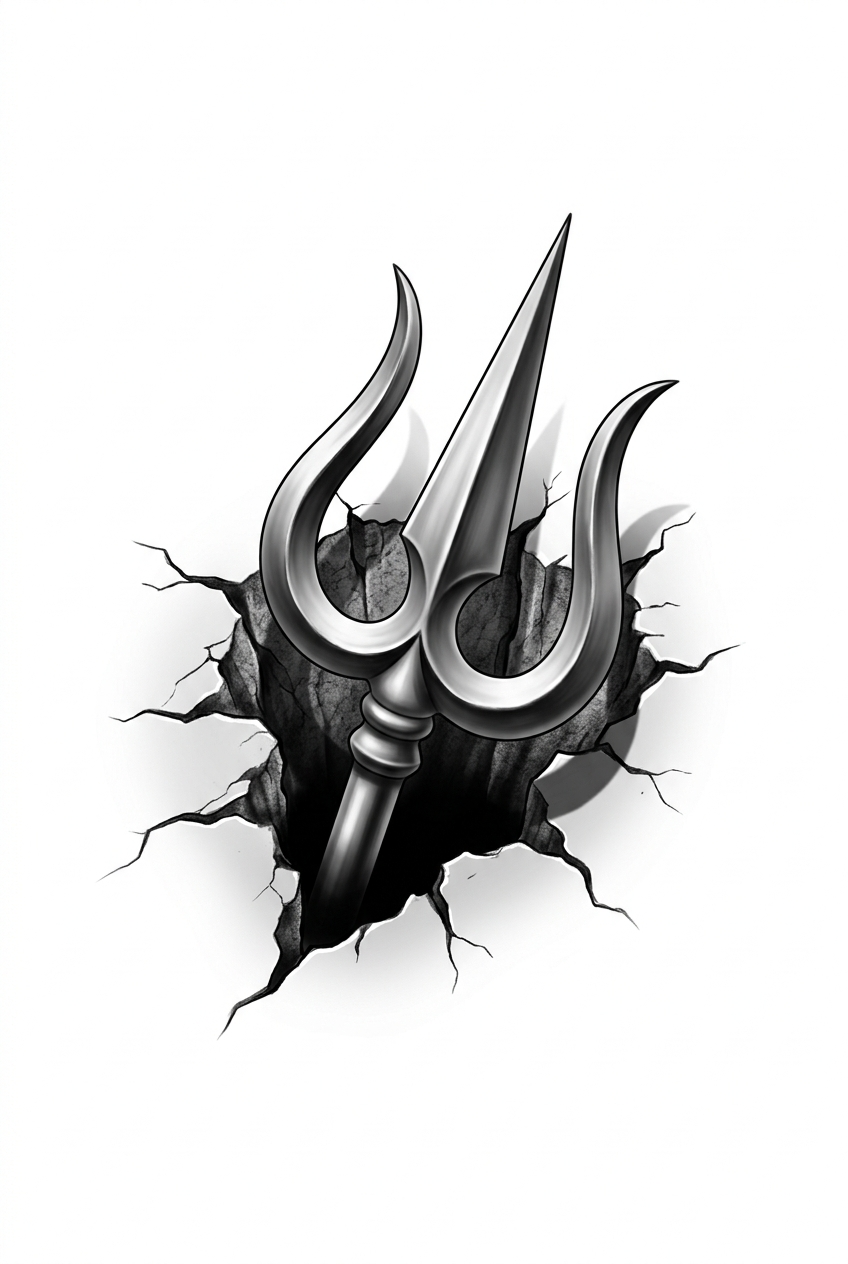
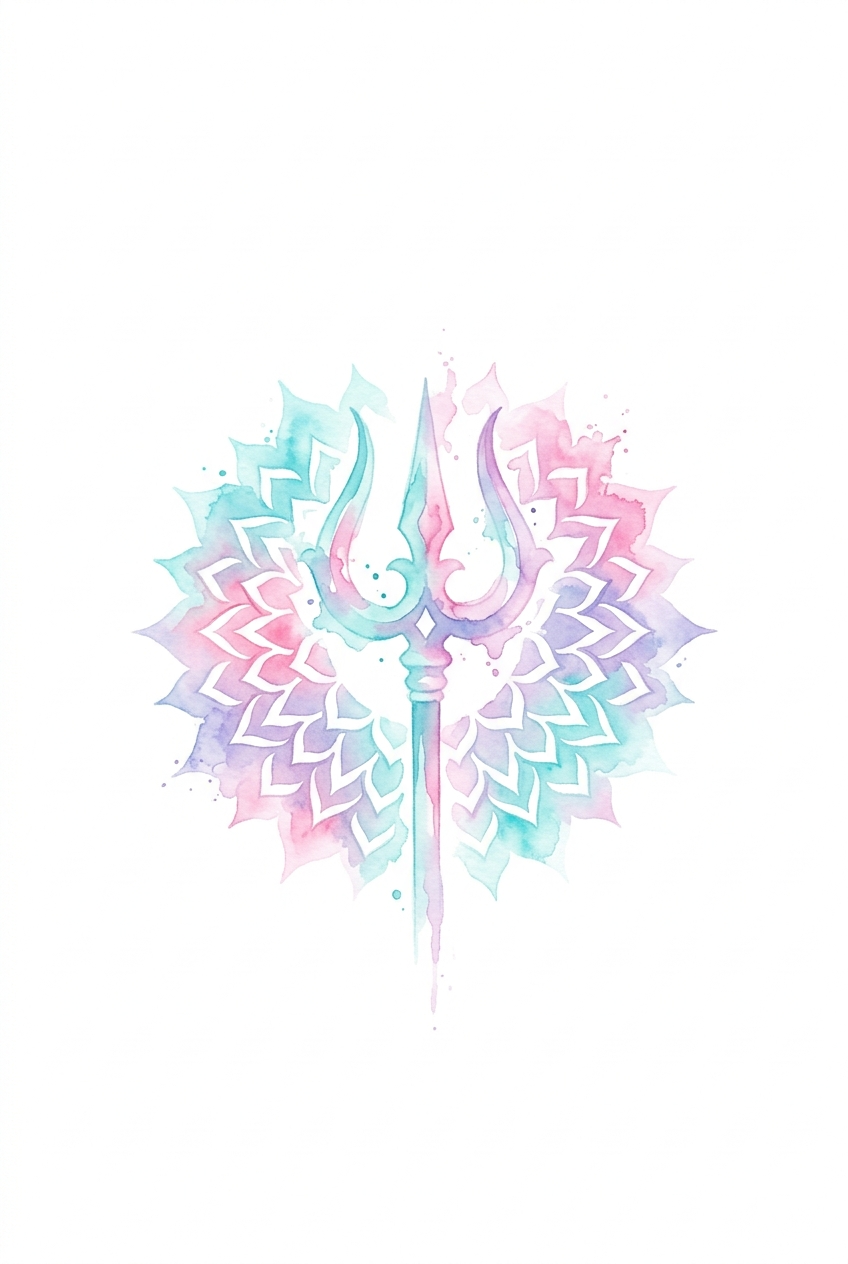
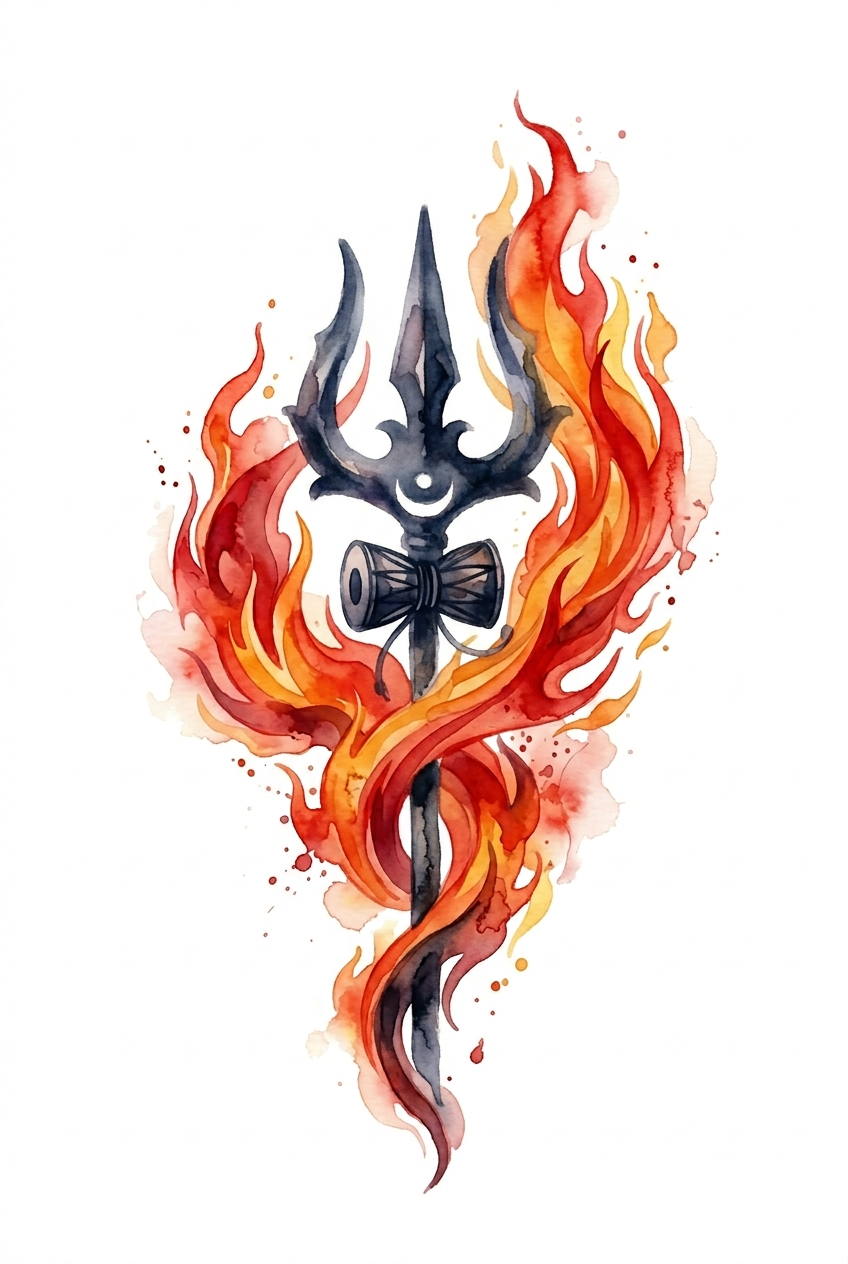
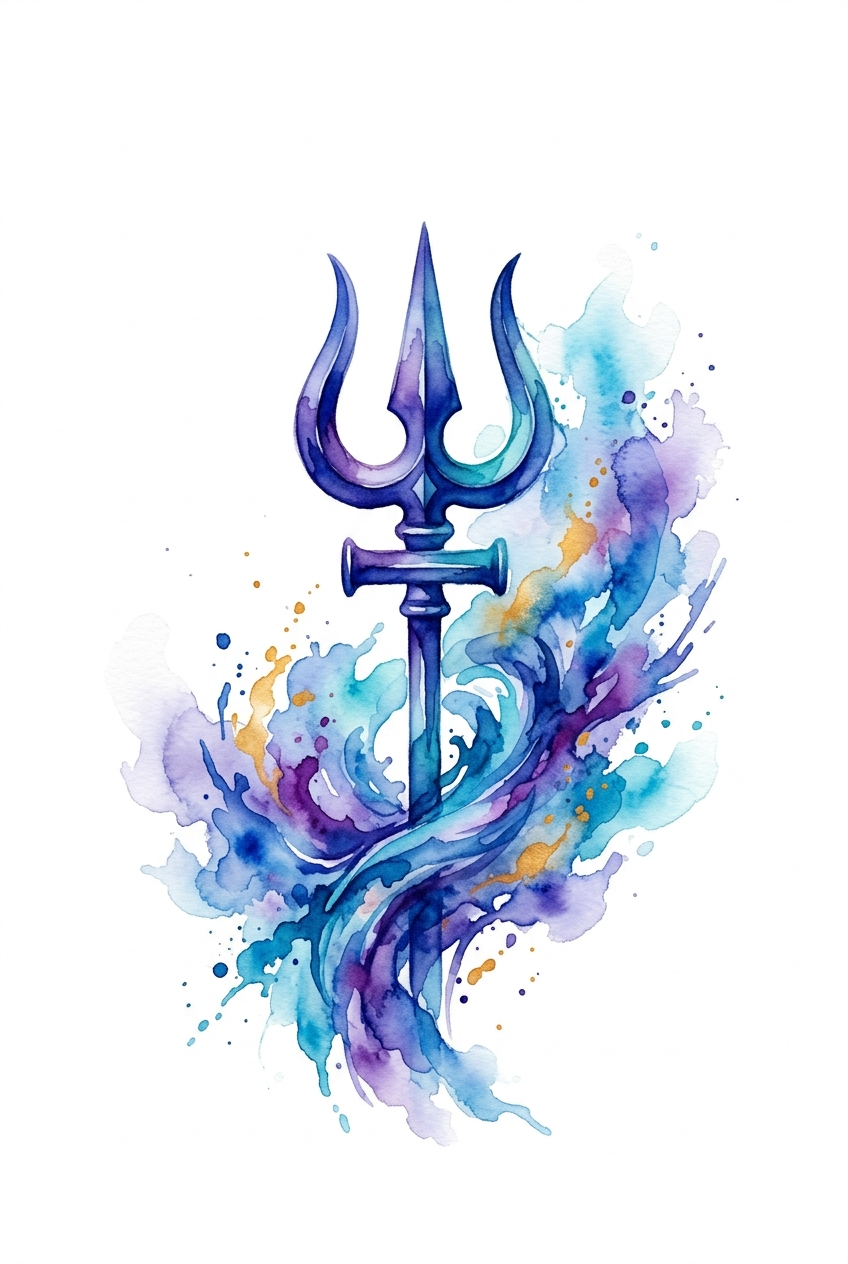
The trishul is traditionally associated with Shiva and is often understood as a symbol of divine power, protection, transformation, and the balance of opposing forces. Its three prongs may represent multiple sacred triads, including creation, preservation, and destruction, or the overcoming of physical, mental, and spiritual obstacles. Encircling the emblem with knotwork adds another layer of meaning. The continuous, interwoven lines can suggest eternity, interconnectedness, resilience, and the repeated cycles of life. Because the knot has no obvious beginning or end, it can also express an ongoing commitment to personal growth and inner discipline. The symmetrical arrangement communicates stability, while the sharp points introduce courage, focus, and the ability to cut through confusion. In this Tribal tattoo style, simplified shapes and dense black lines give the symbolism a direct, enduring quality rather than a delicate or illustrative feel. For those exploring Trishul tattoo ideas, the design can represent spiritual grounding, protection through change, or a personal connection to strength and renewal. Meaning ultimately depends on the wearer’s beliefs and relationship with the symbol.
Design Inspiration Of Trishul Tribal Knotwork Tattoo Design
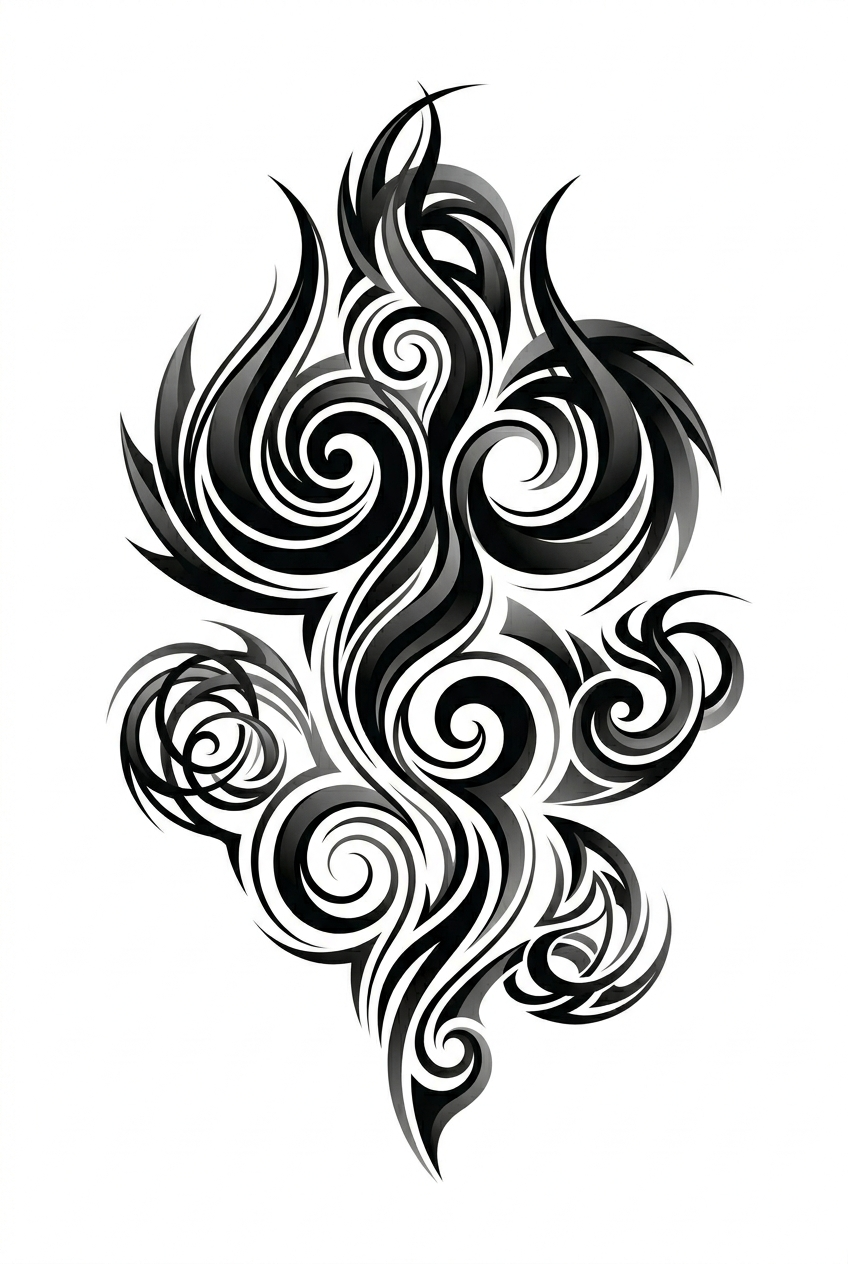
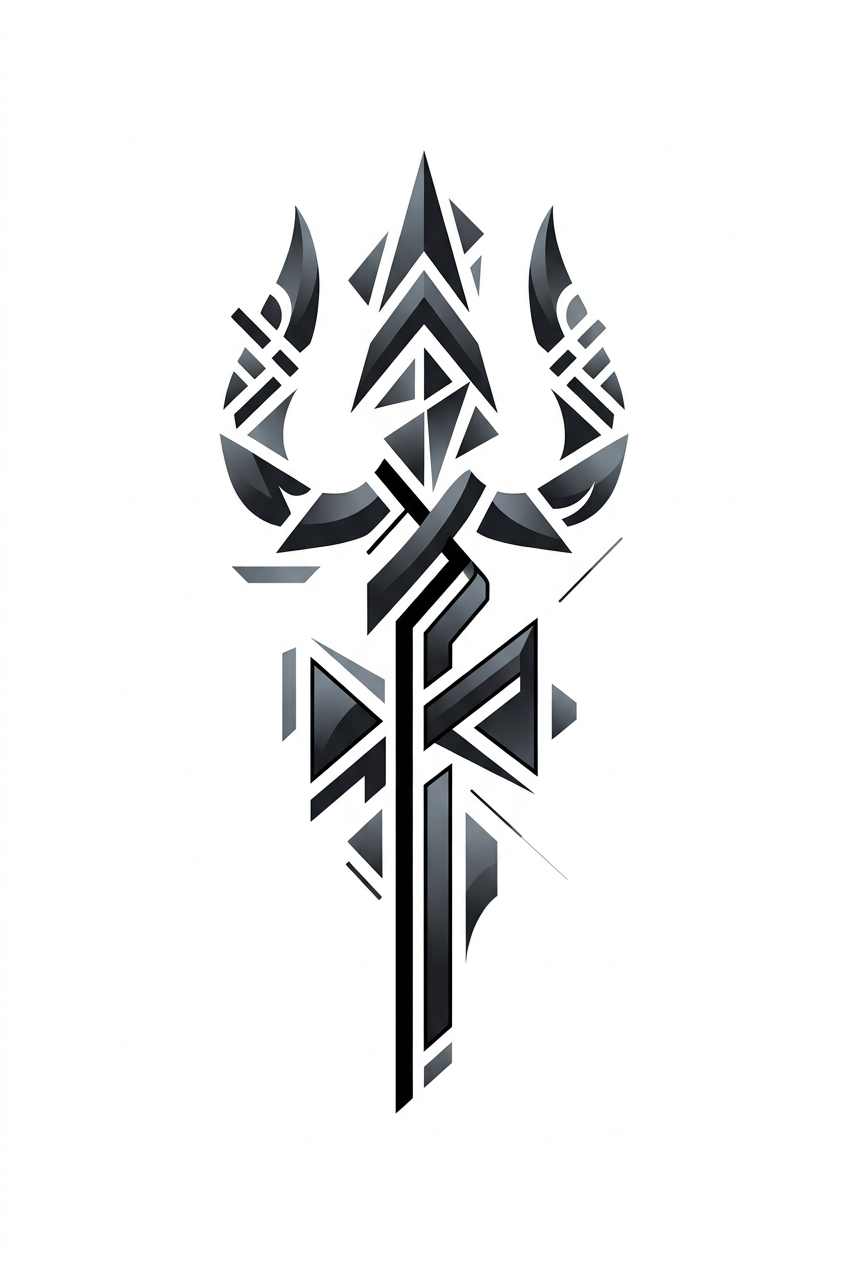
The concept draws from the visual authority of the trishul and the rhythmic structure of traditional knotwork. The design transforms the sacred three-pronged form into a compact emblem surrounded by flowing, interlocking shapes. Its inspiration comes from the contrast between sharp points and rounded curves, creating tension between force and continuity. Bold blackwork keeps the composition immediate and memorable, while symmetry gives the piece a ceremonial, almost architectural presence. The result is a graphic tattoo that feels both ancient in its visual language and adaptable to contemporary body art.