Cultural Meaning Of Trishul Sacred Geometry Linework Tattoo Design
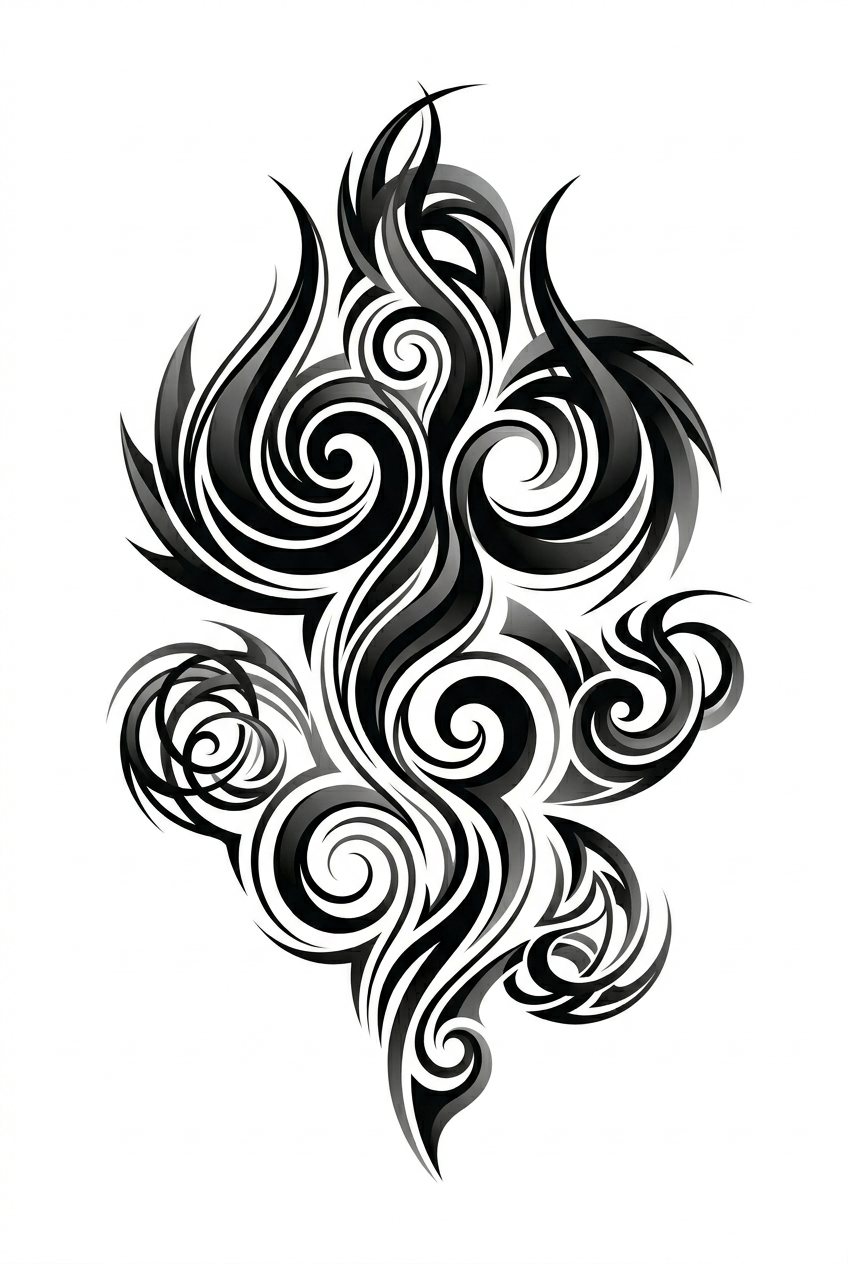
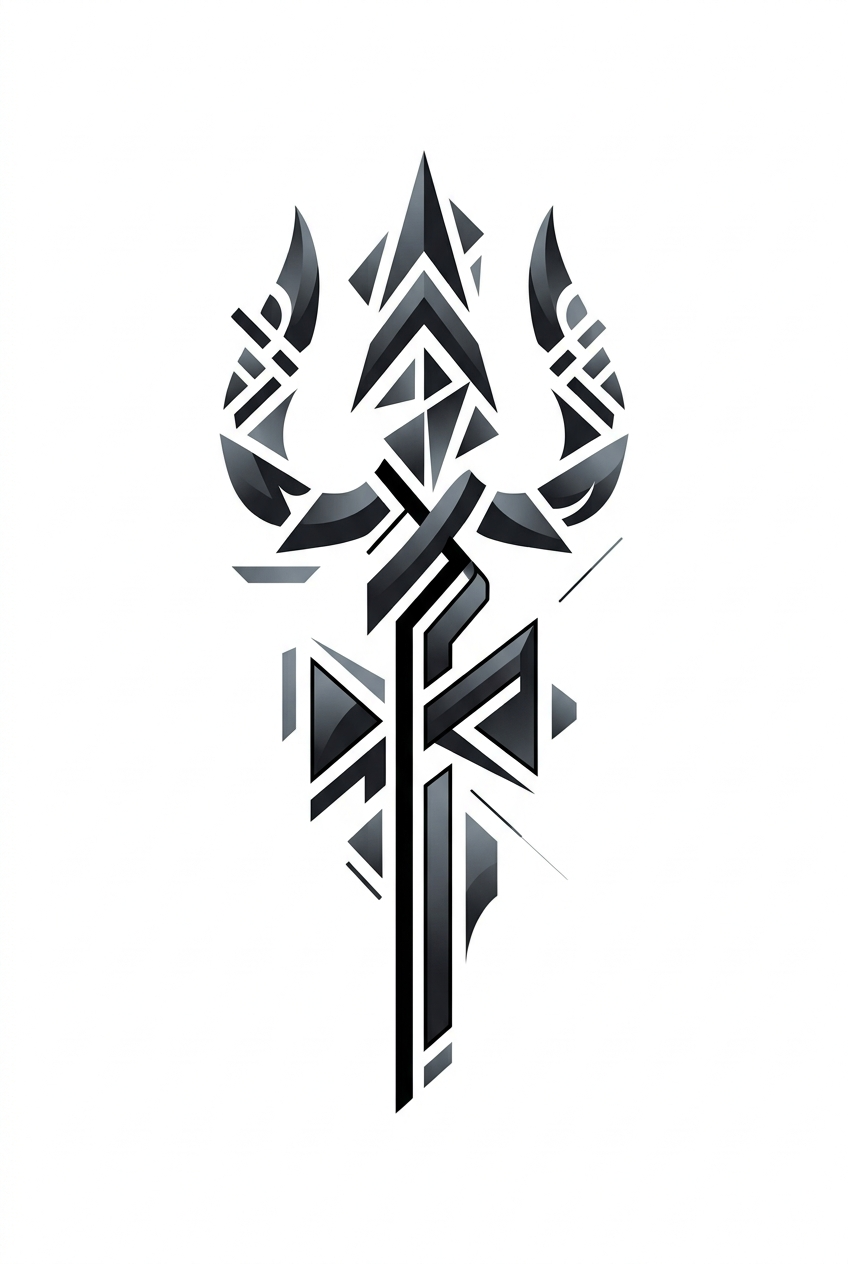
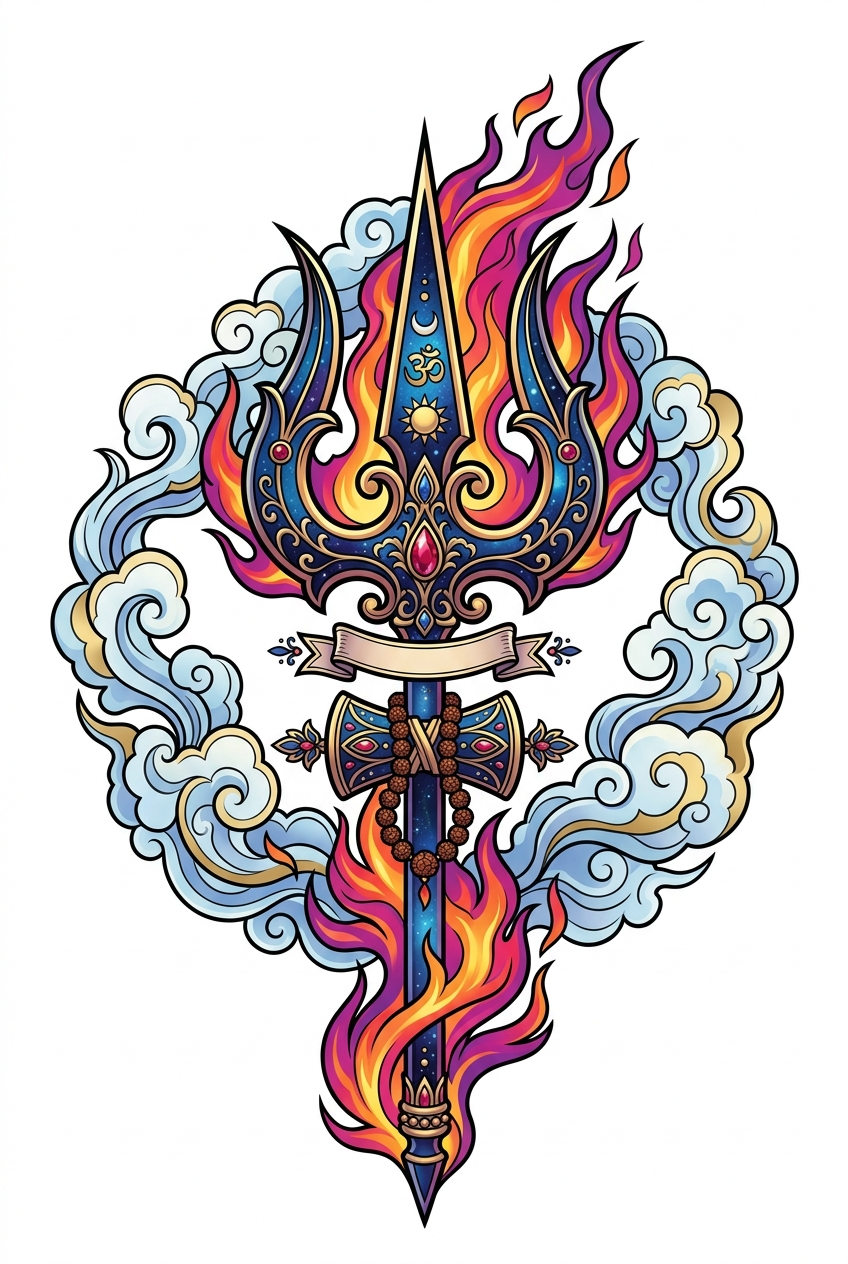
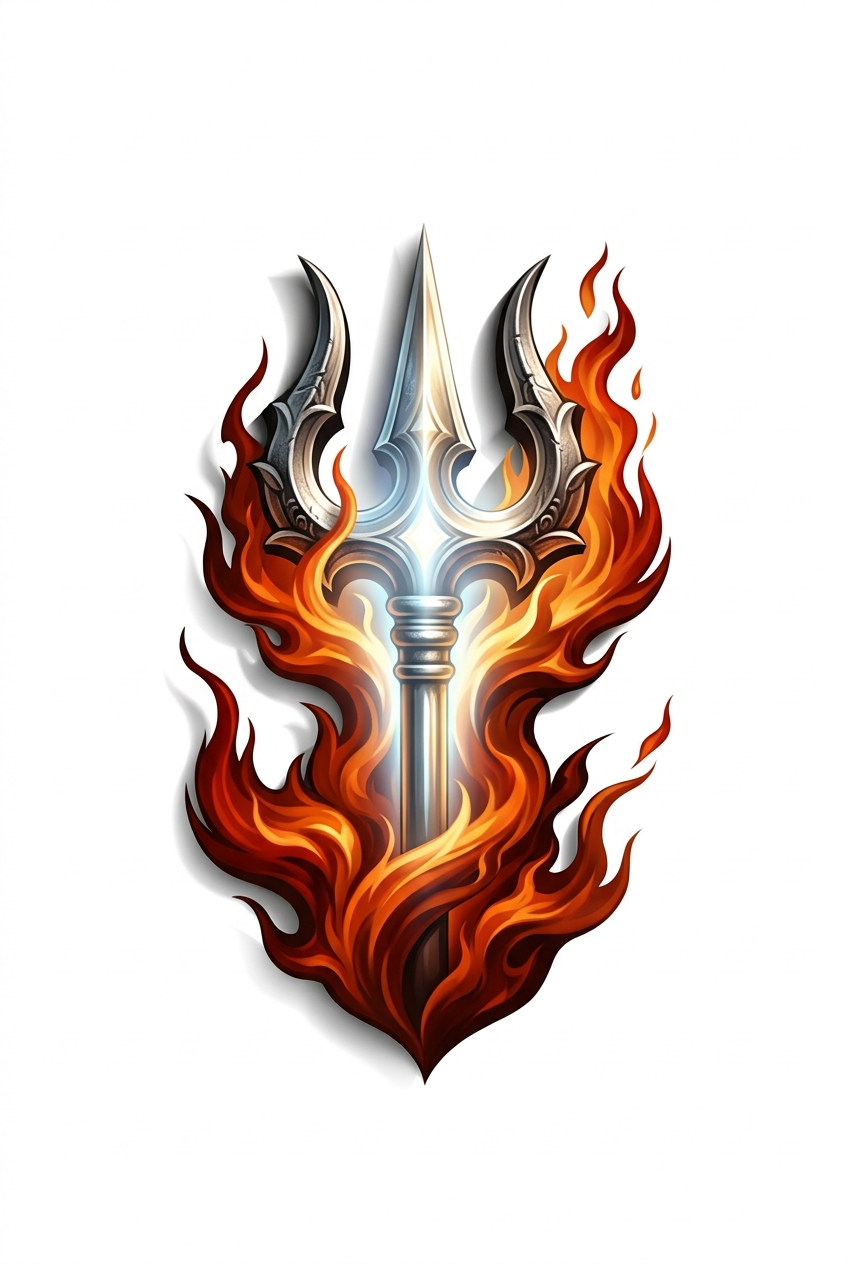
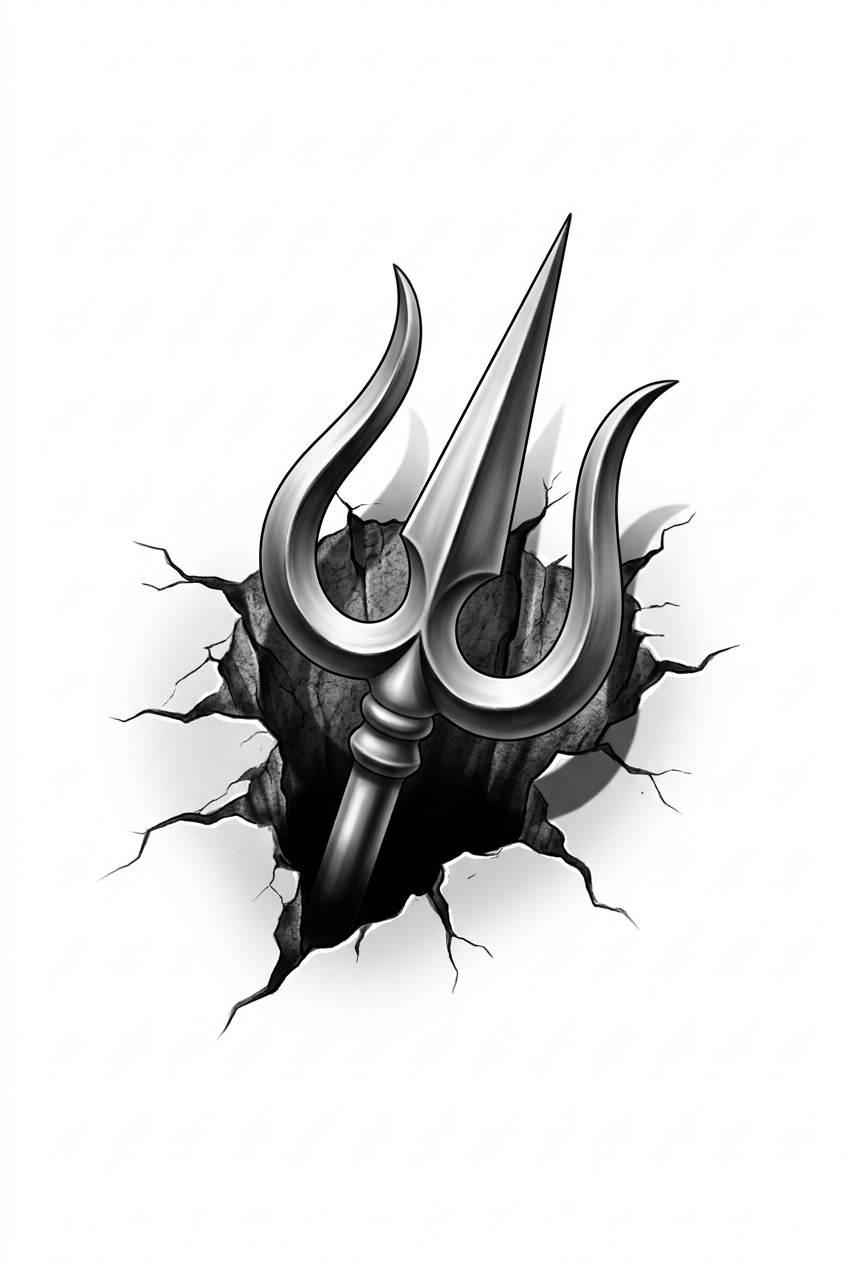
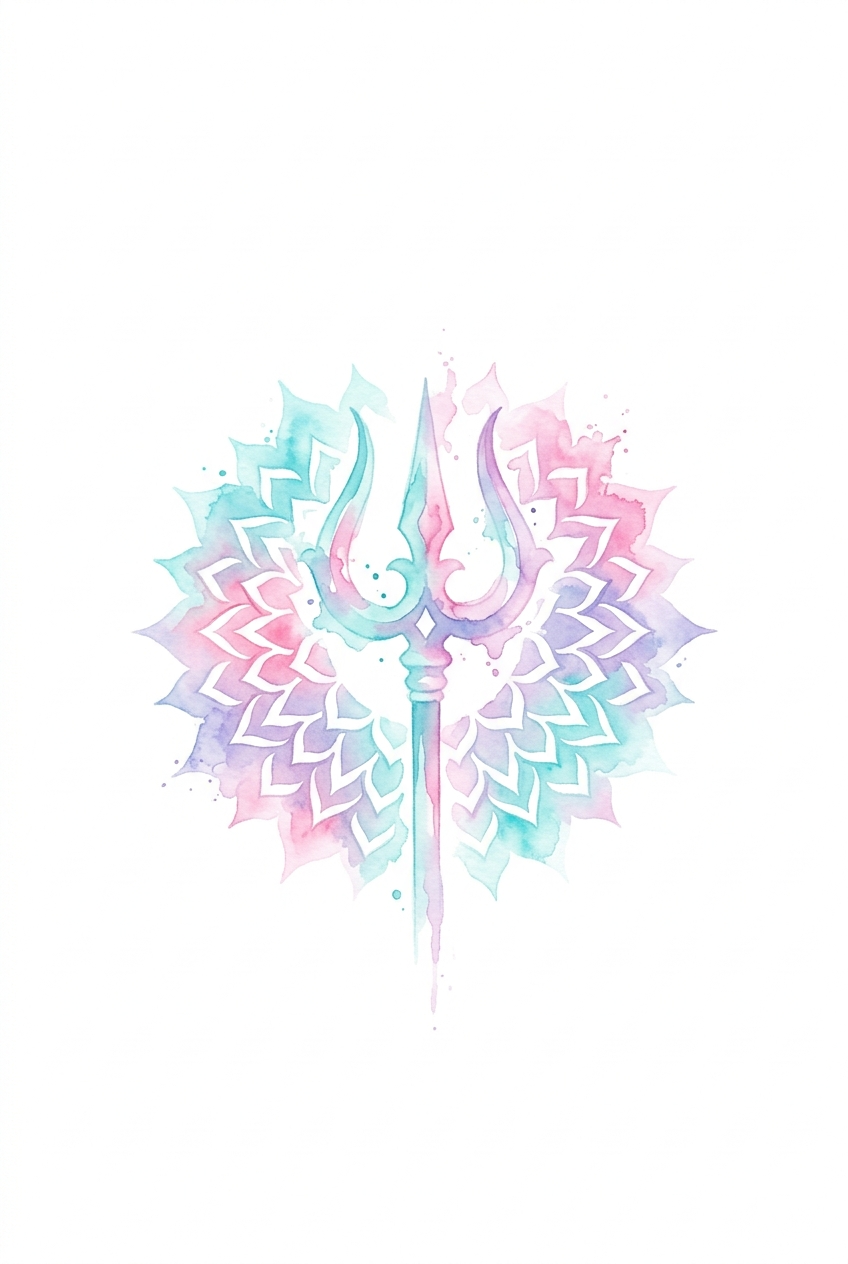
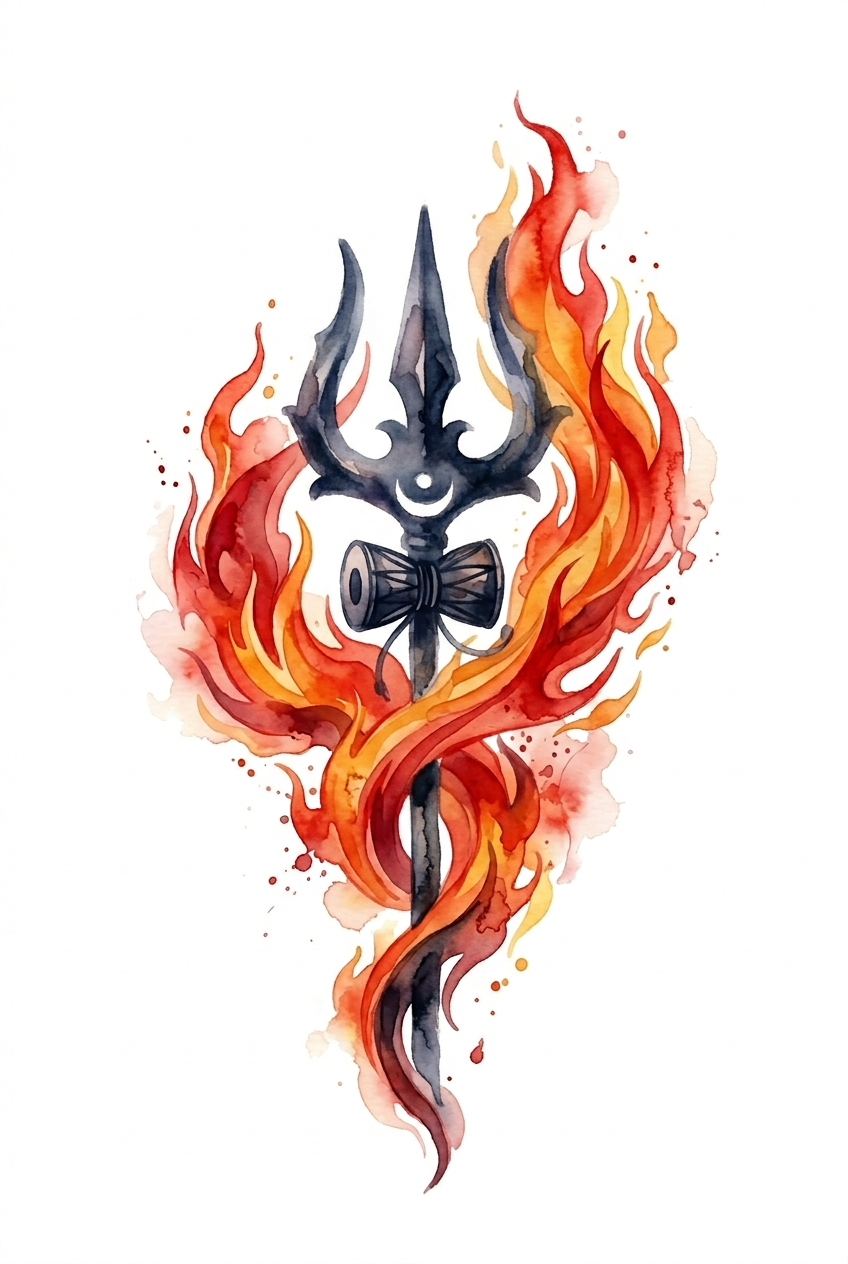
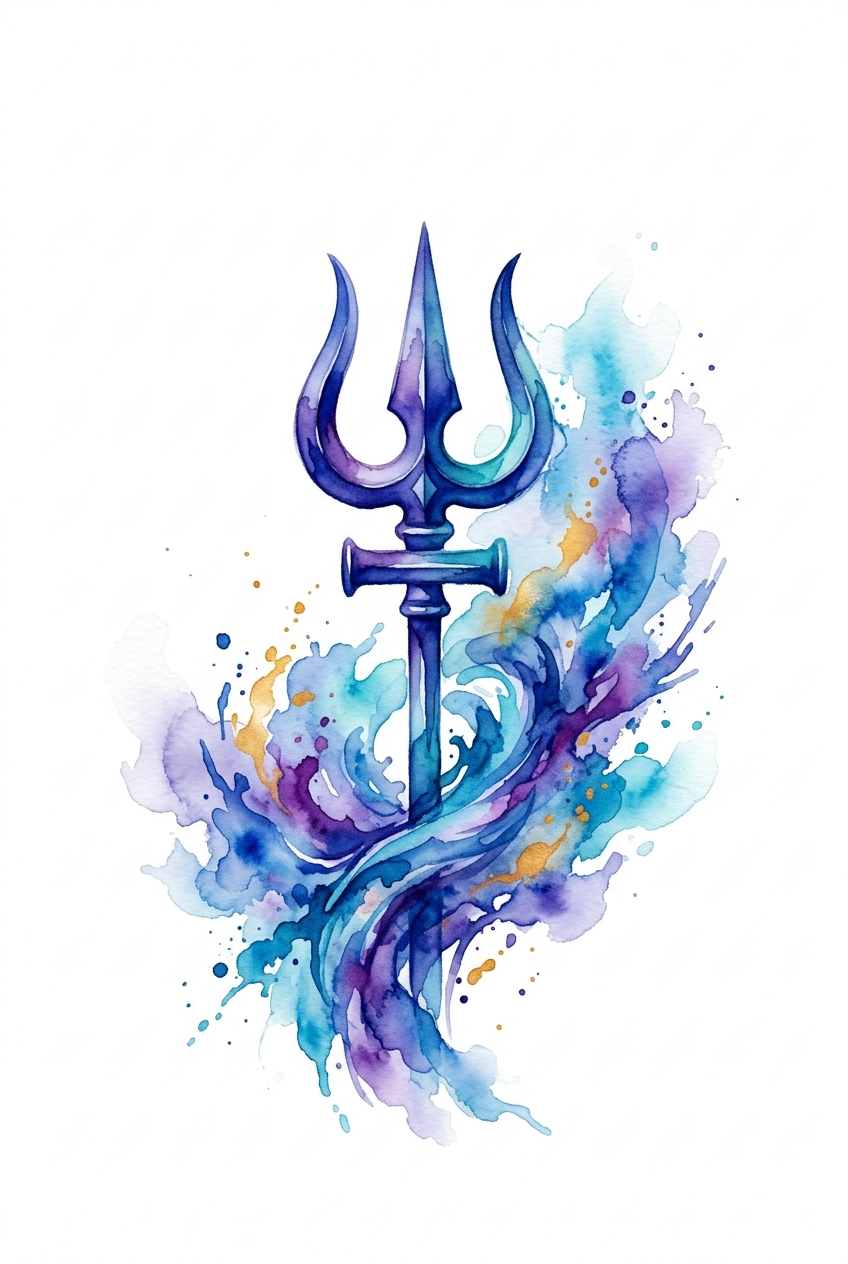
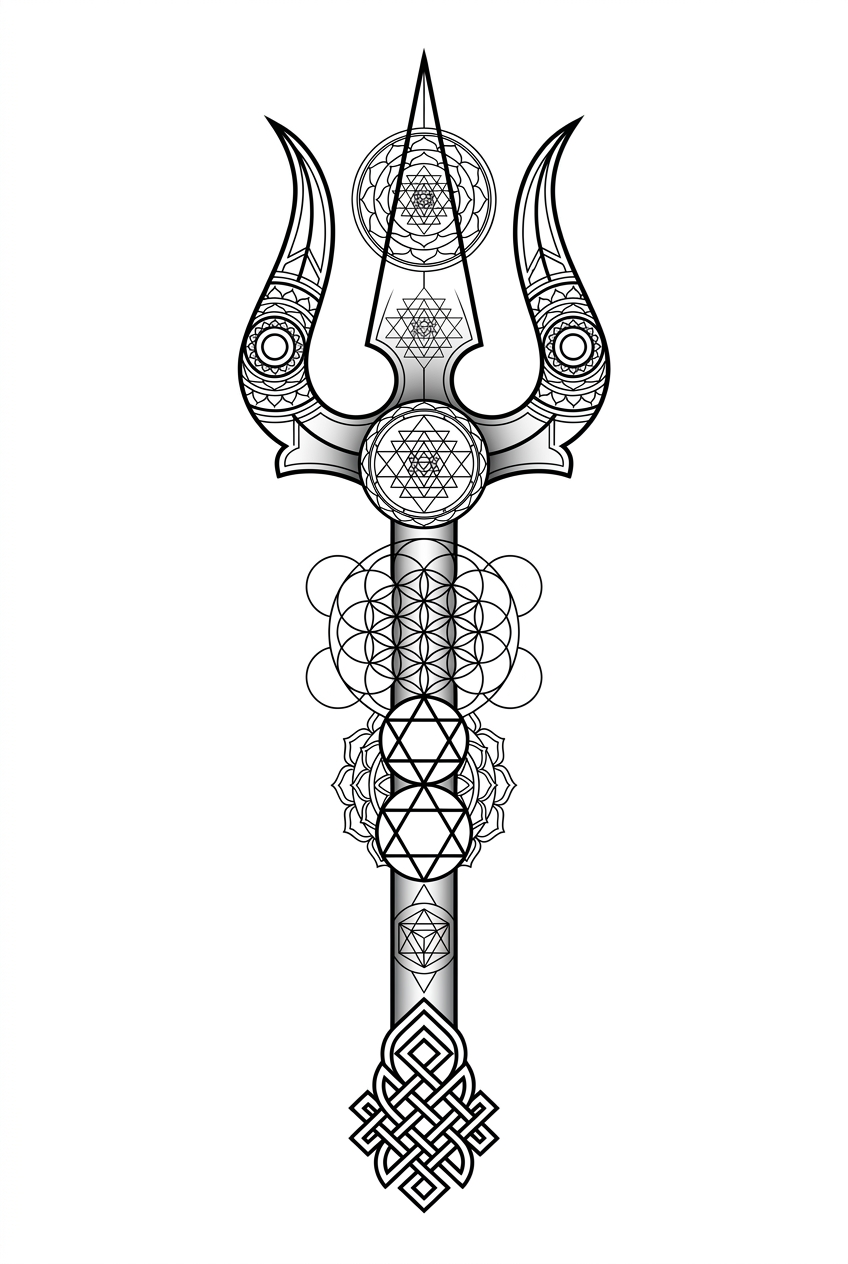
At its heart the design fuses the power of the trident with the order of sacred geometry to convey protection, balance, and spiritual alignment. The central trident stands for authority over the threefold aspects of existence—creation, preservation, and transformation—while the surrounding mandala patterns speak to cosmic harmony and the interdependence of all parts. Repeating geometric forms emphasize cycles and continuity, suggesting a path toward inner equilibrium and disciplined growth. The disciplined linear approach reinforces clarity of intent: precise lines and measured symmetry imply control, focus, and the cutting away of distraction. For many wearers this arrangement functions as a talismanic statement, a compact visual philosophy that reminds them to act with purpose while remaining connected to larger, timeless patterns. The piece intentionally uses Linework tattoo style to highlight structure and form, and it can serve as a template among popular Trishul tattoo ideas for those who want sacred symbolism presented with calculated elegance and modern restraint.
Design Inspiration Of Trishul Sacred Geometry Linework Tattoo Design
The tattoo draws inspiration from traditional iconography and contemporary graphic design—melding ancient religious symbolism with the geometric language of modern ornament. Artists looked to temple carvings and yantra patterns for proportional systems, then distilled those motifs into a pared-back, architectural composition. Emphasis on symmetry, repetition, and negative space reflects meditative disciplines and minimalist sensibilities, while dotwork and tapered lines give the piece a tactile, handcrafted quality. The result is a contemplative emblem that honors legacy forms while speaking in a clear, contemporary visual voice.