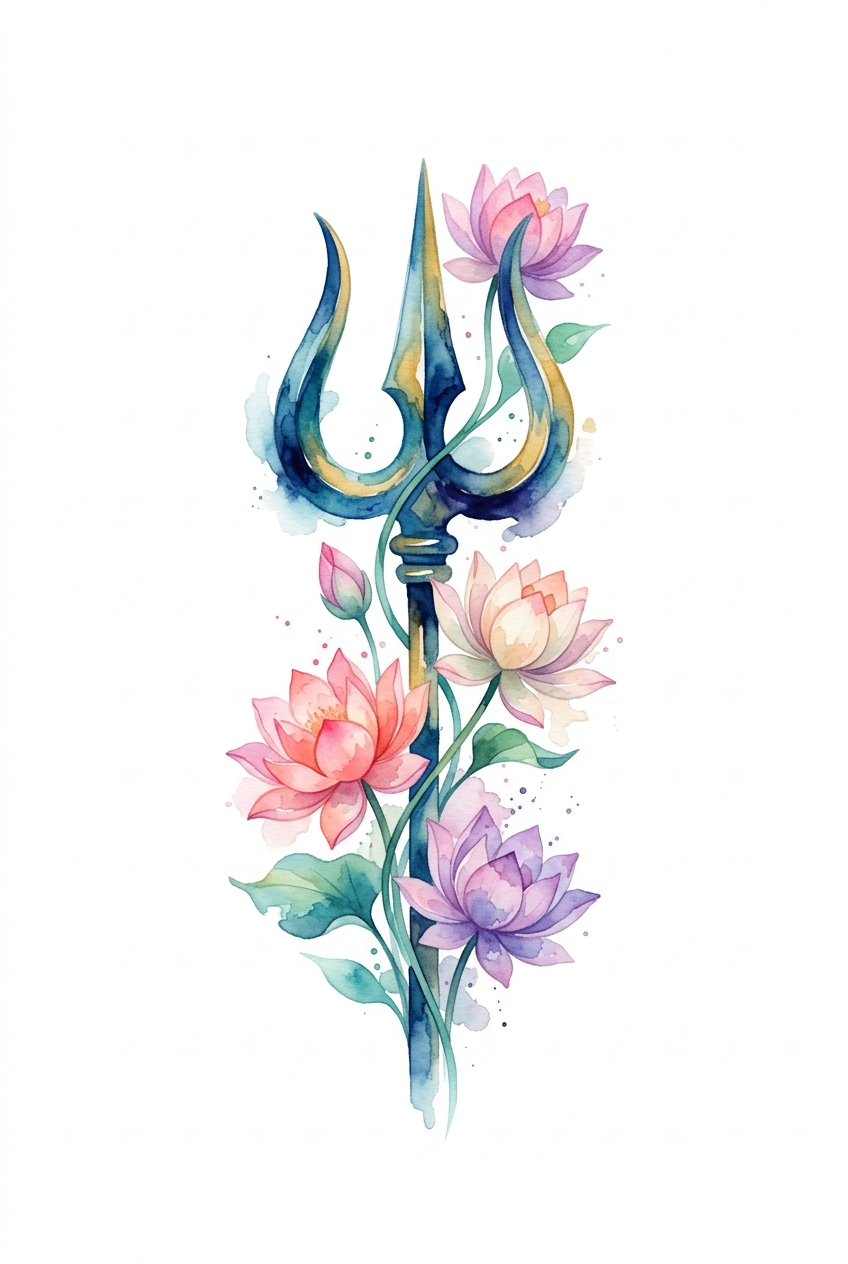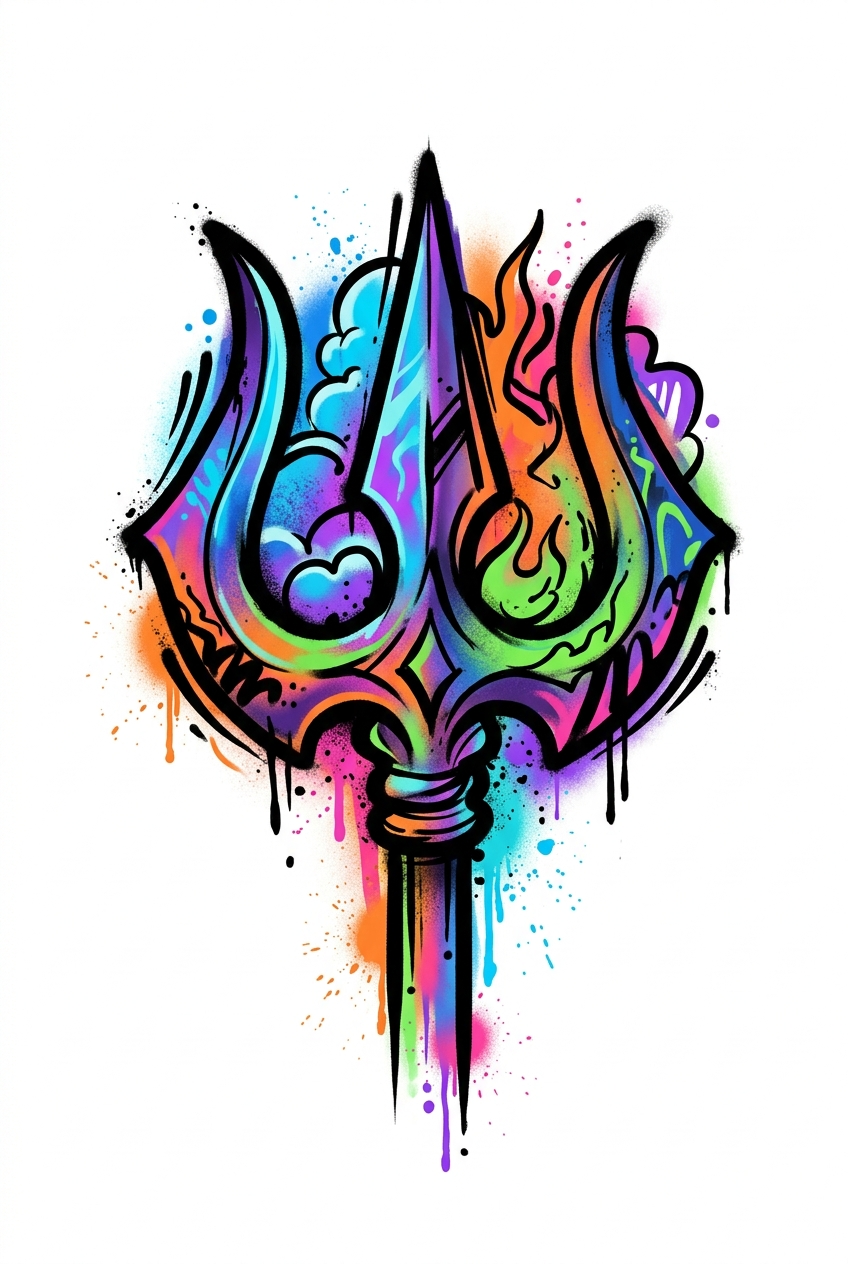
Cultural Meaning Of Trishul Graffiti Urban Clash Tattoo Design
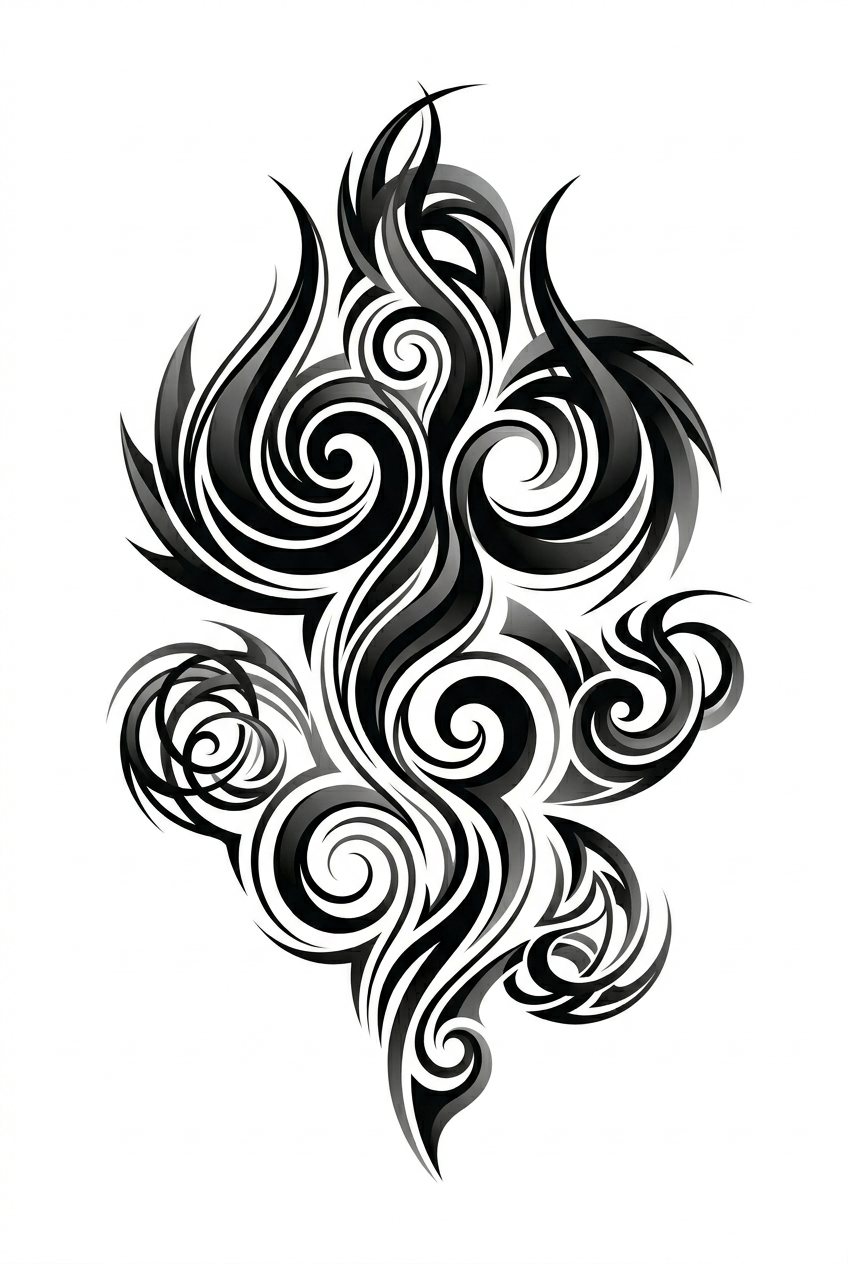
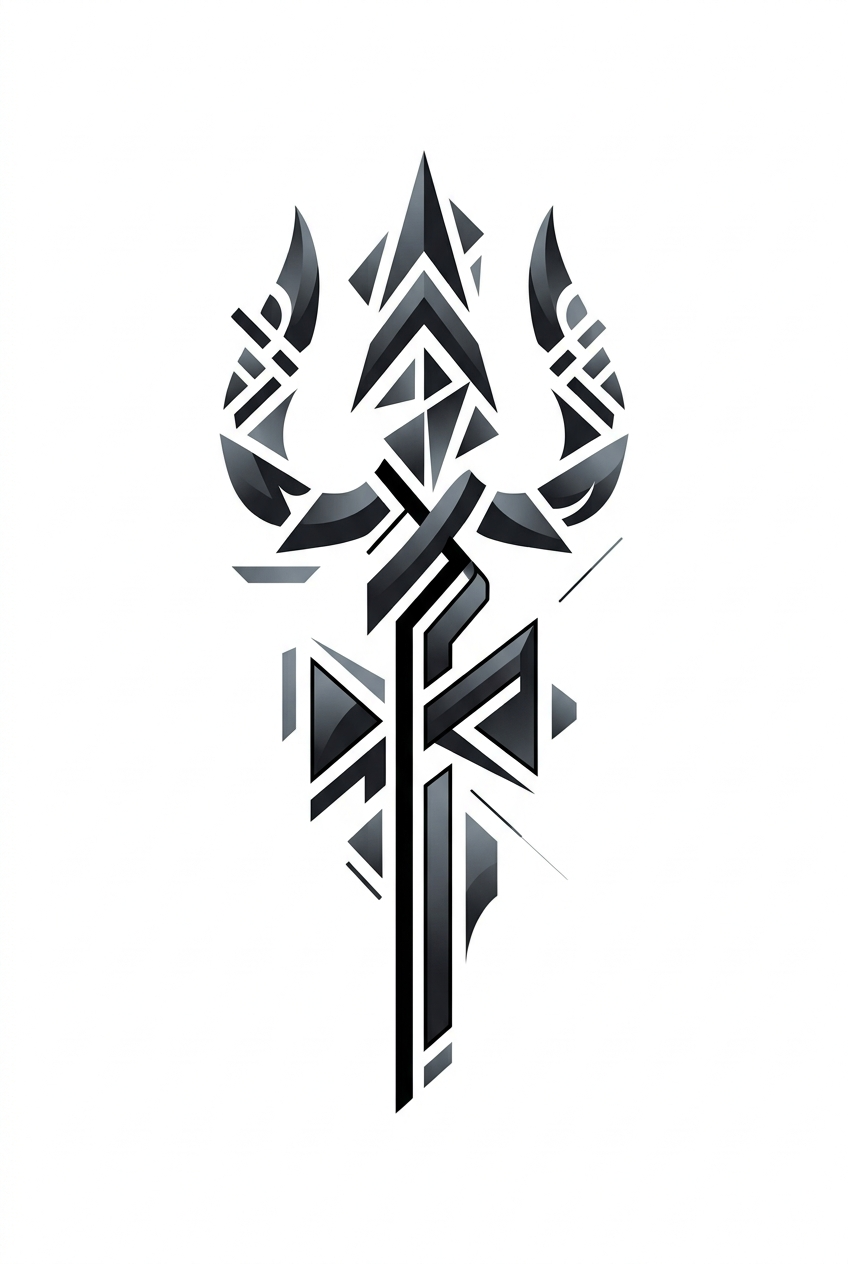
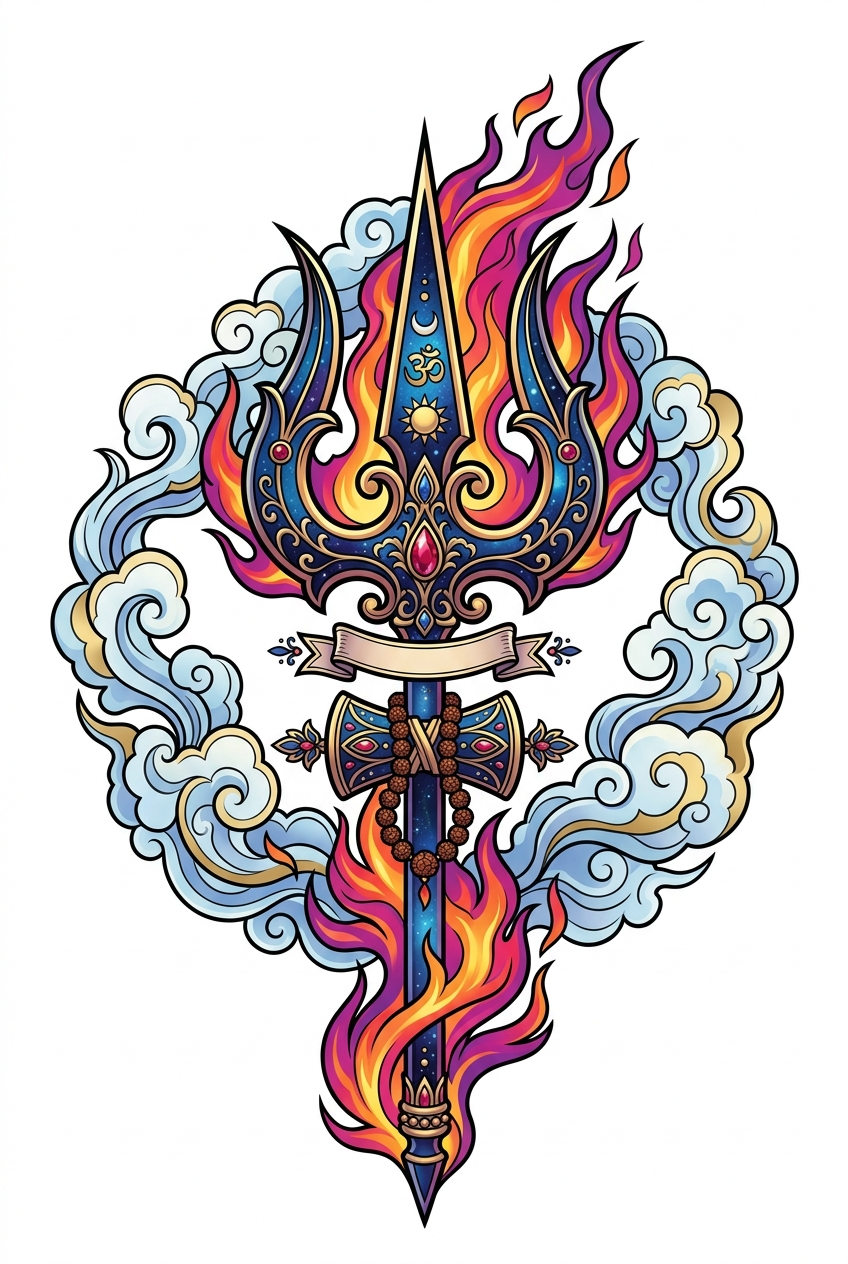
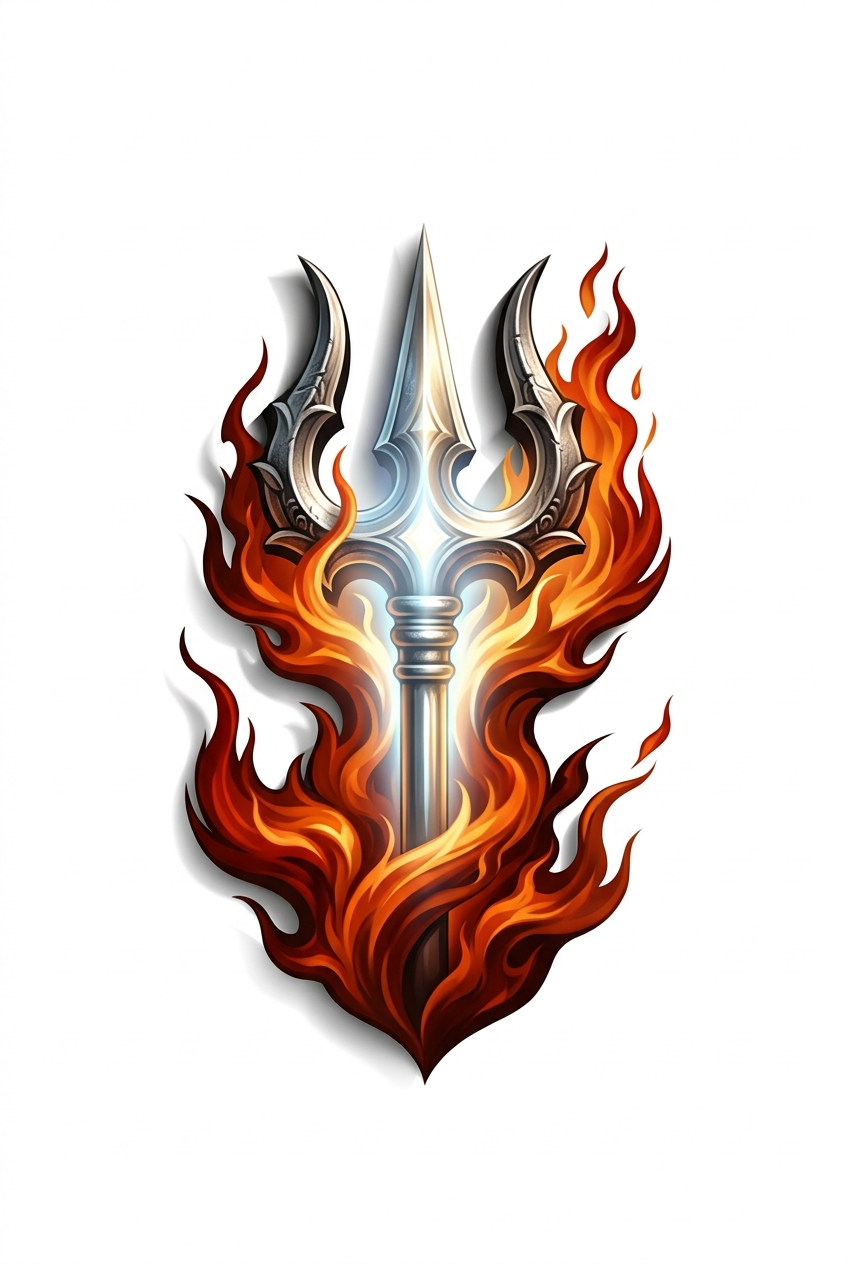
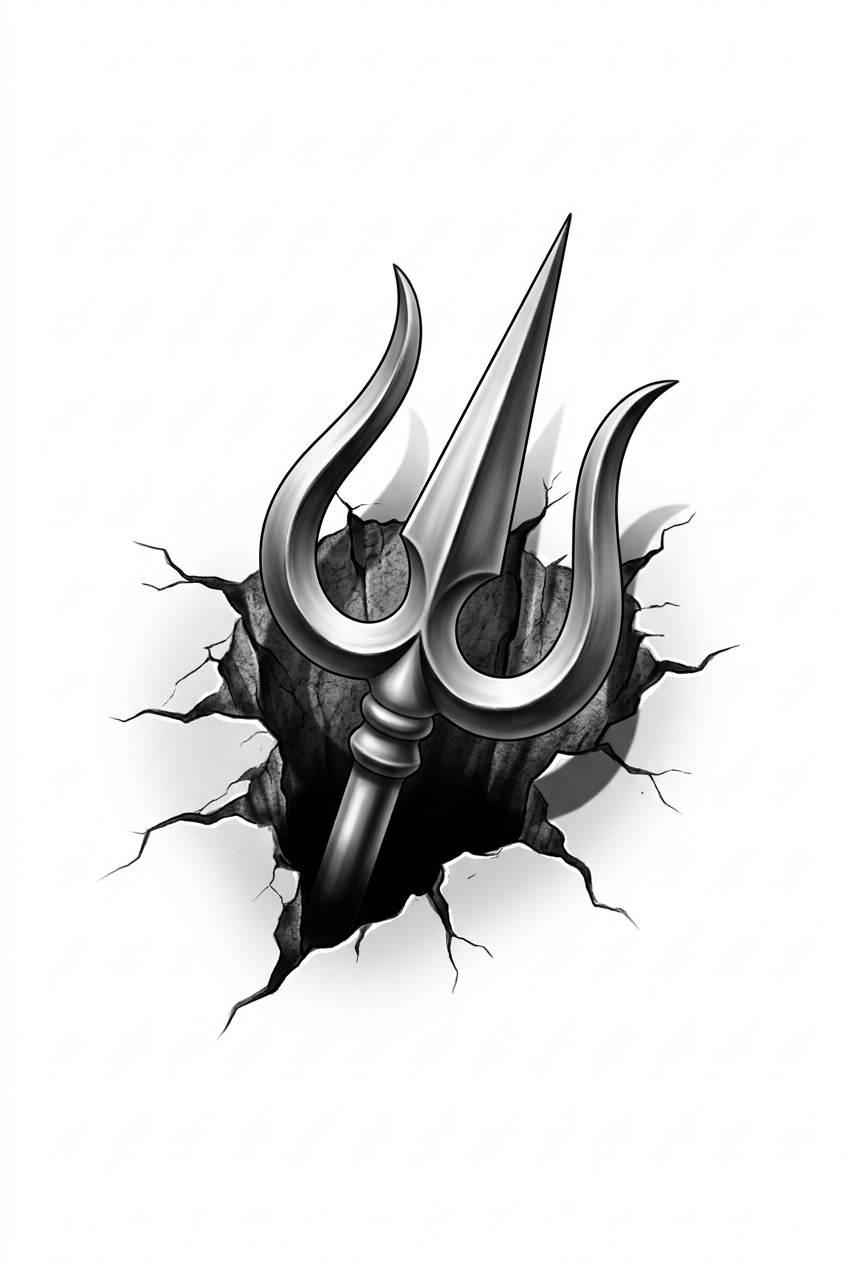
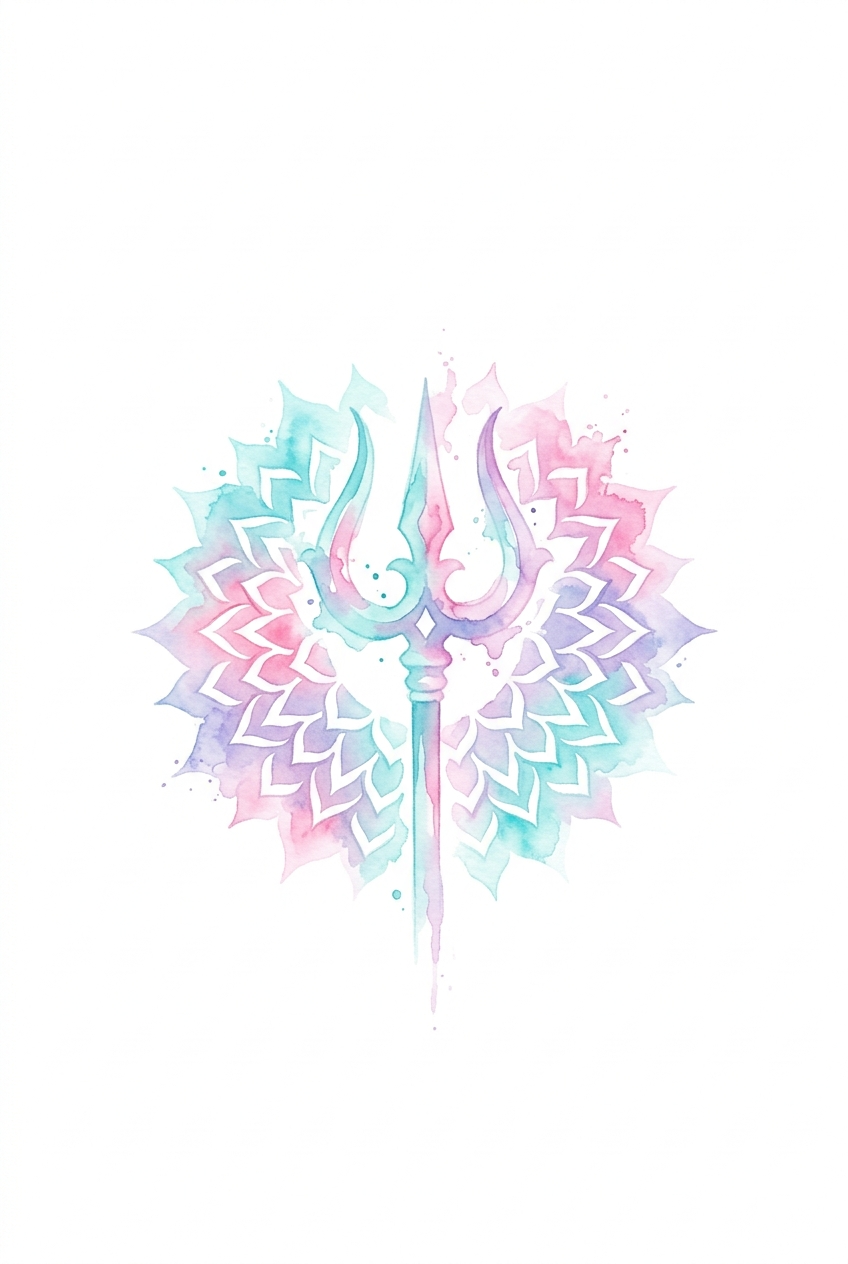
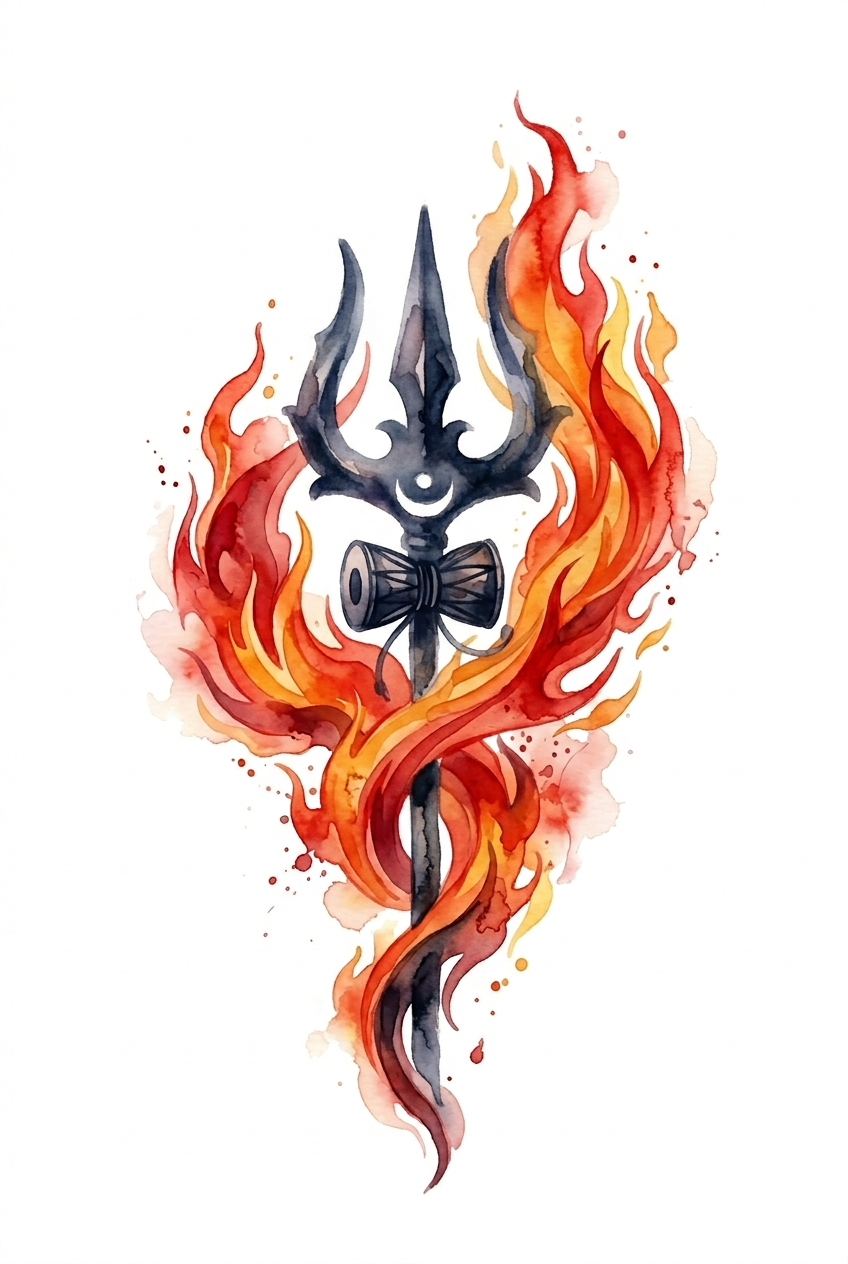
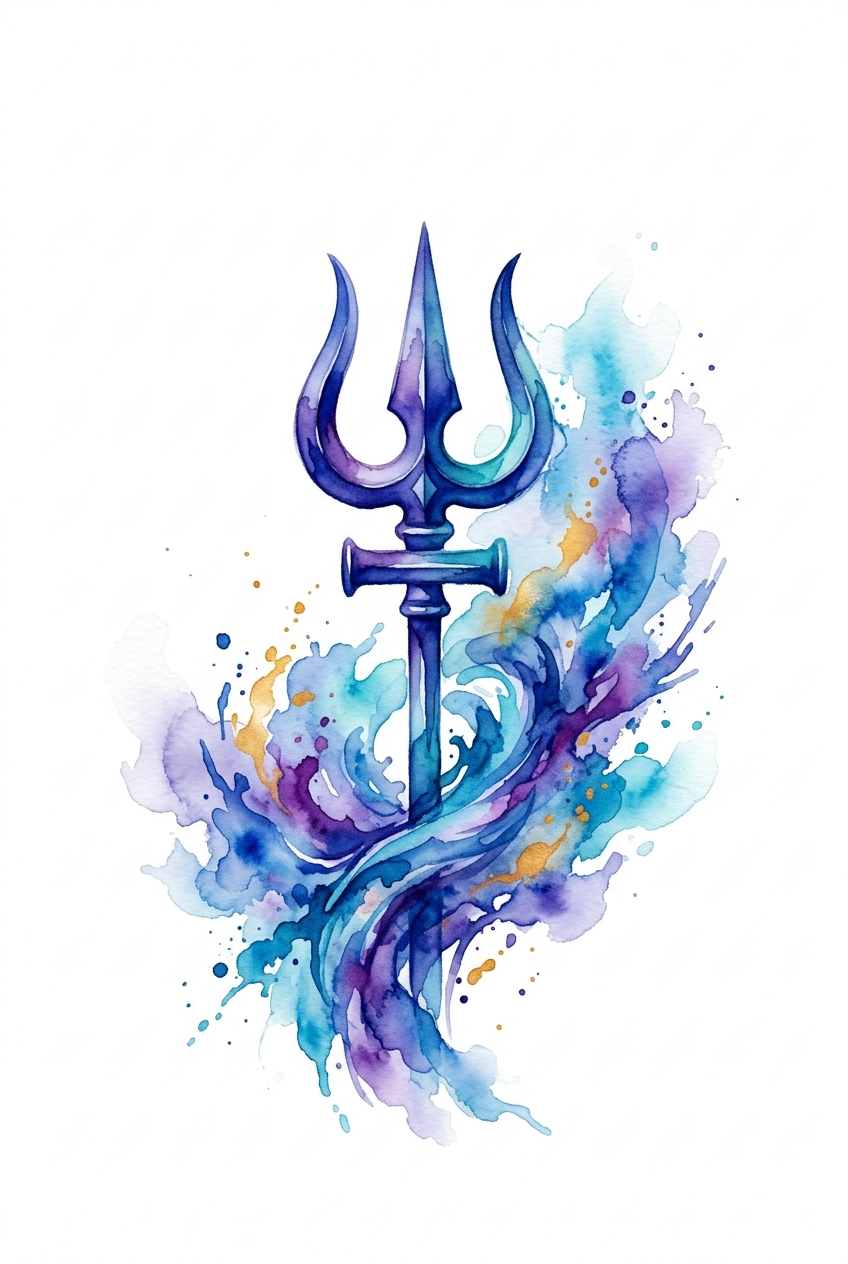
At its core the trident is a compact emblem of protection, authority and spiritual power; this rendition heightens those meanings by placing the symbol in an urban context. The three prongs continue to suggest balance and cosmic functions, while the battered, painted surfaces speak to resilience and adaptation—sacred tradition meeting everyday life. Rendered with street-level motifs and rebellious brushwork, the mark becomes both a devotion and a personal banner, signaling inner strength in noisy environments. The collision of iconography and spray paint reframes ritual significance as actively lived rather than only venerated, making the wearer’s connection to heritage visible and contemporary. By using gritty textures and layered tags, the design honors lineage while asserting an individual story: survival, defiance and renewal. Executed through a bold palette and stark contrasts, the tattoo reads as a talisman and a statement piece, inviting conversation about belief, identity and place. This approach shows how Graffiti tattoo style can broaden the cultural vocabulary of sacred emblems, while mindful placement and craftsmanship preserve the Trishul tattoo ideas’ reverence.
Design Inspiration Of Trishul Graffiti Urban Clash Tattoo Design
The concept draws from the tension between temple iconography and urban expression—ancient symbolism rendered with the urgency of street art. Inspiration comes from painted walls, stencil portraits and neon-lit alleyways, paired with classical sculpture lines to keep the trident recognizable and meaningful. The goal is to celebrate continuity: a sacred object that adapts, wears the city’s marks and still points upward. Color choices and distressed textures were chosen to suggest weather, time and storytelling, while bold outlines ensure the motif remains a clear, wearable symbol.