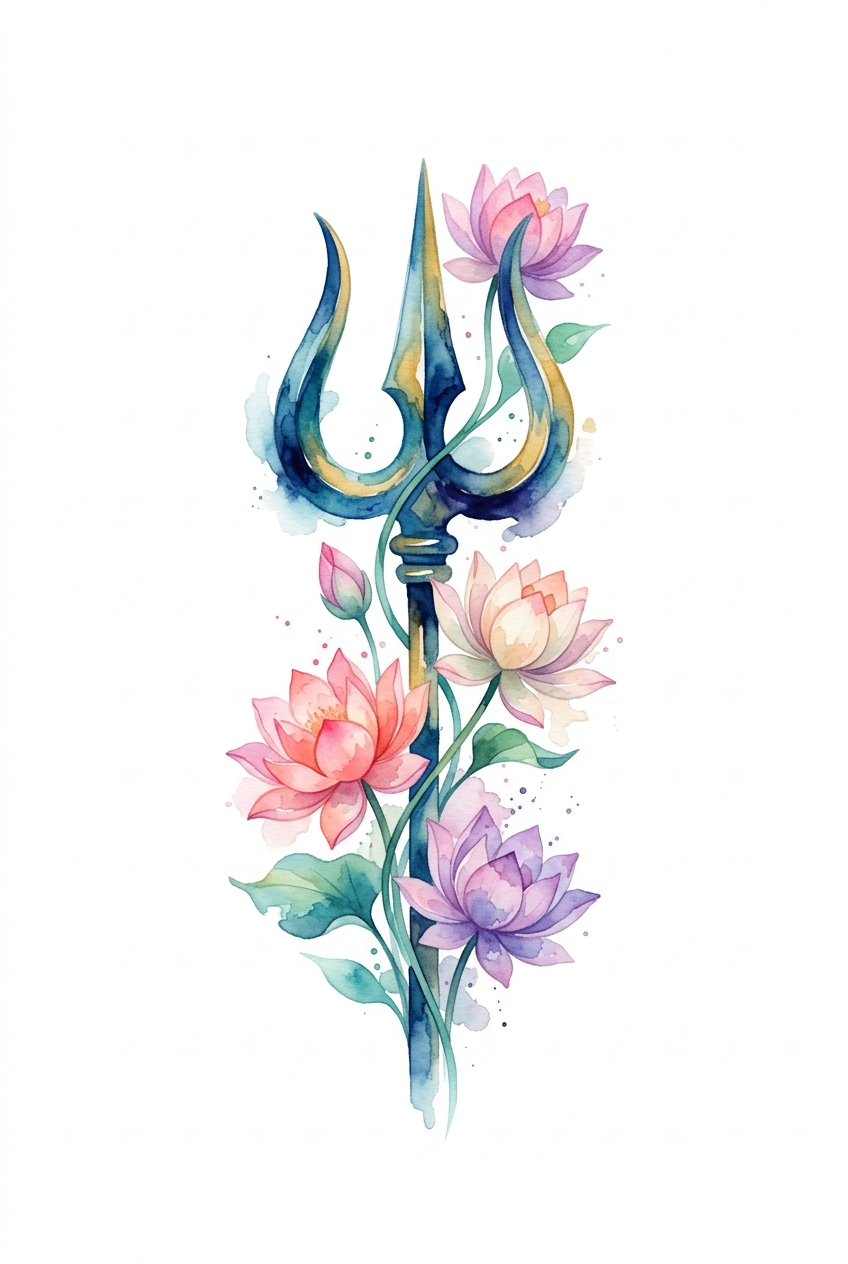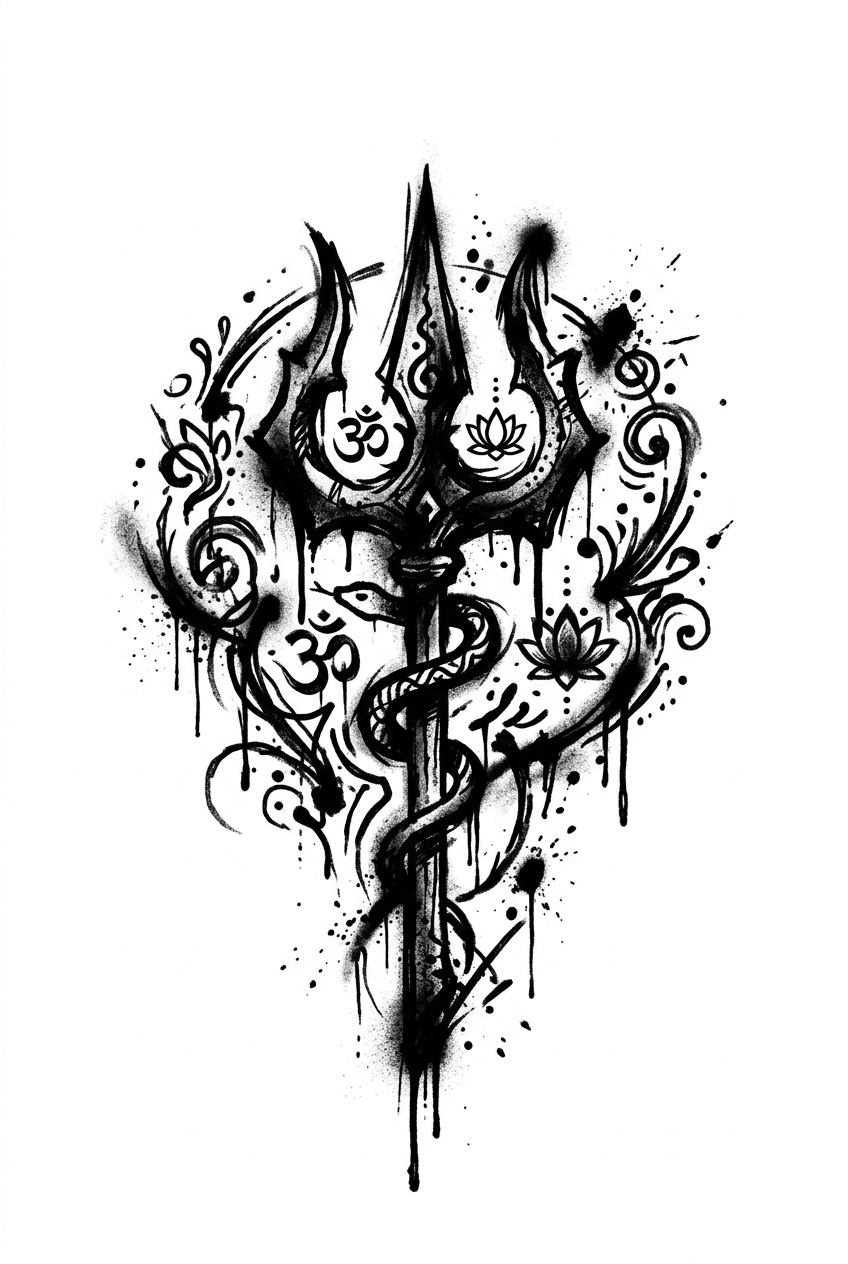
Cultural Meaning Of Trishul Graffiti Sacred Symbol Tattoo Design
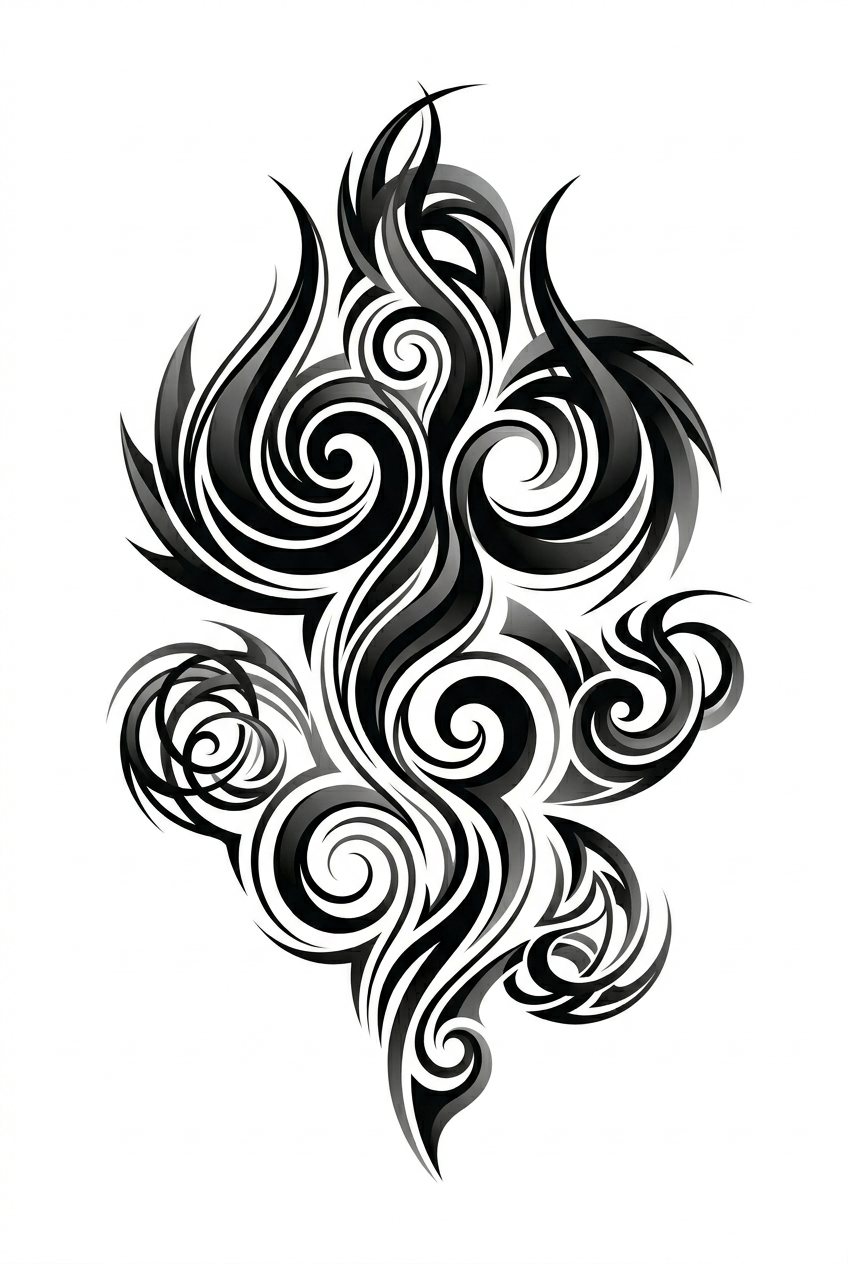
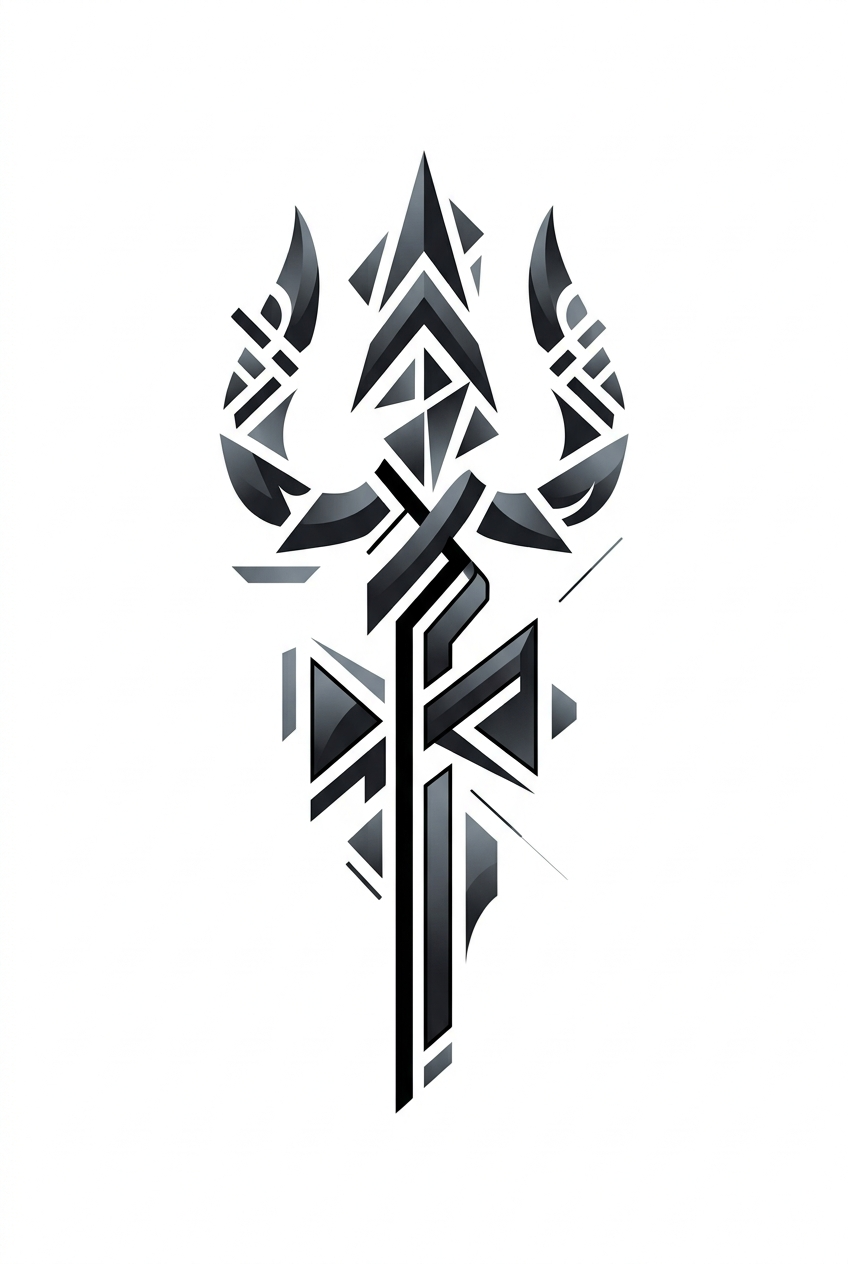
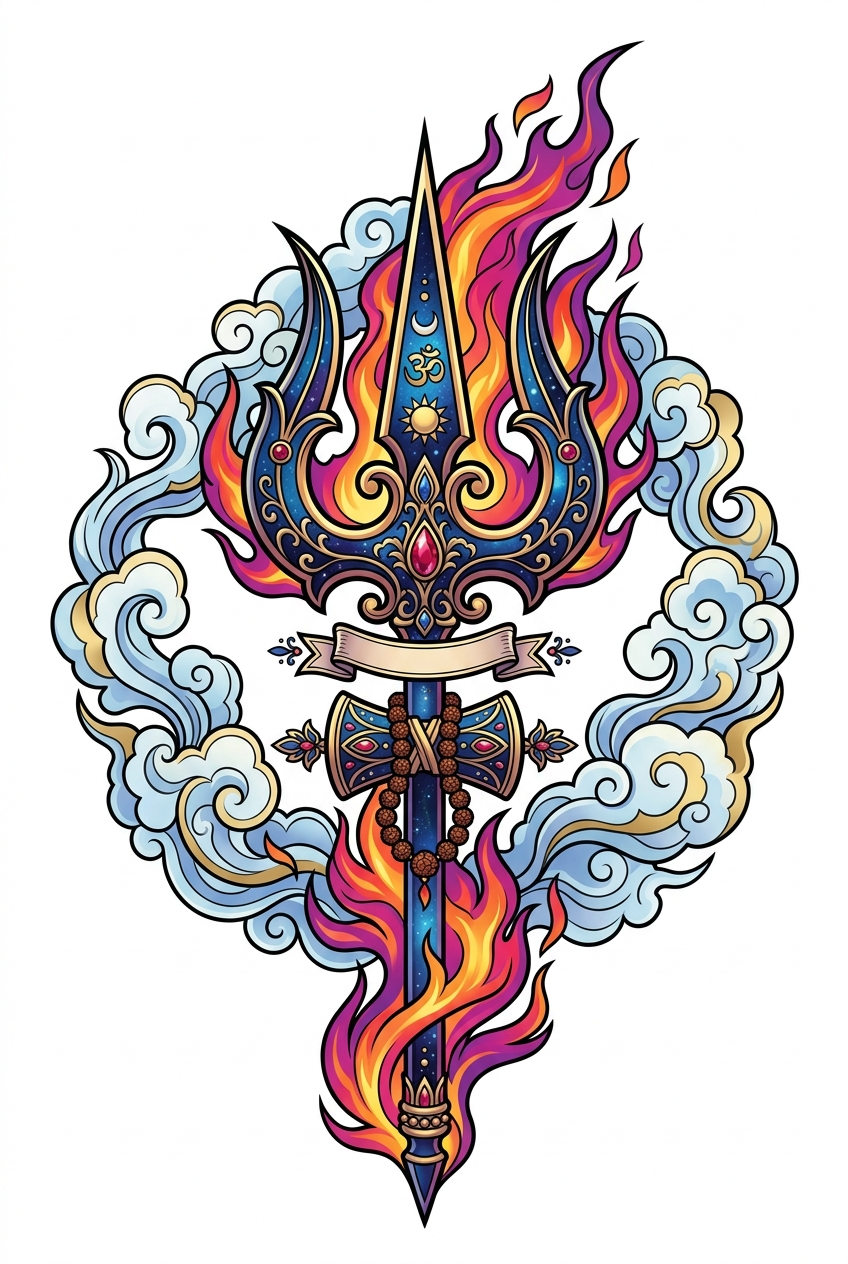
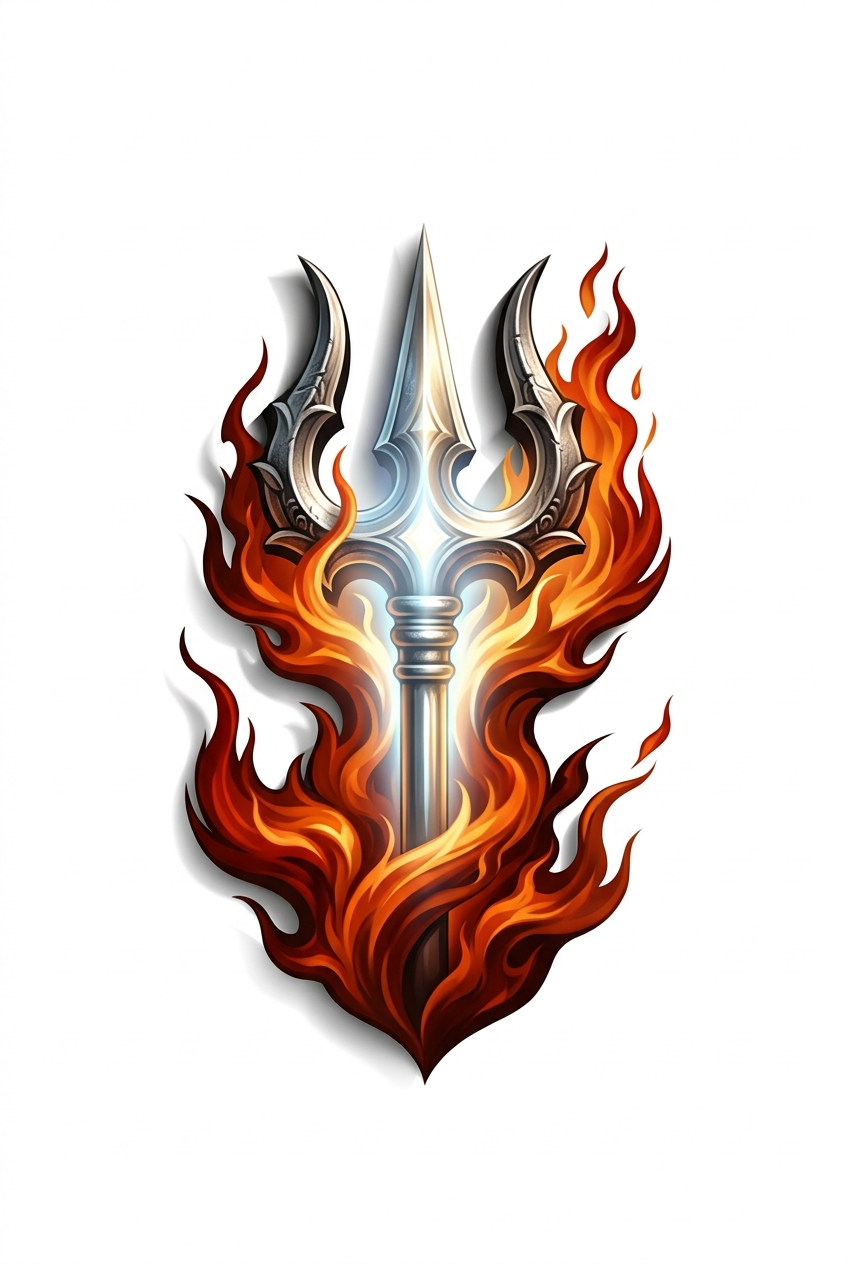
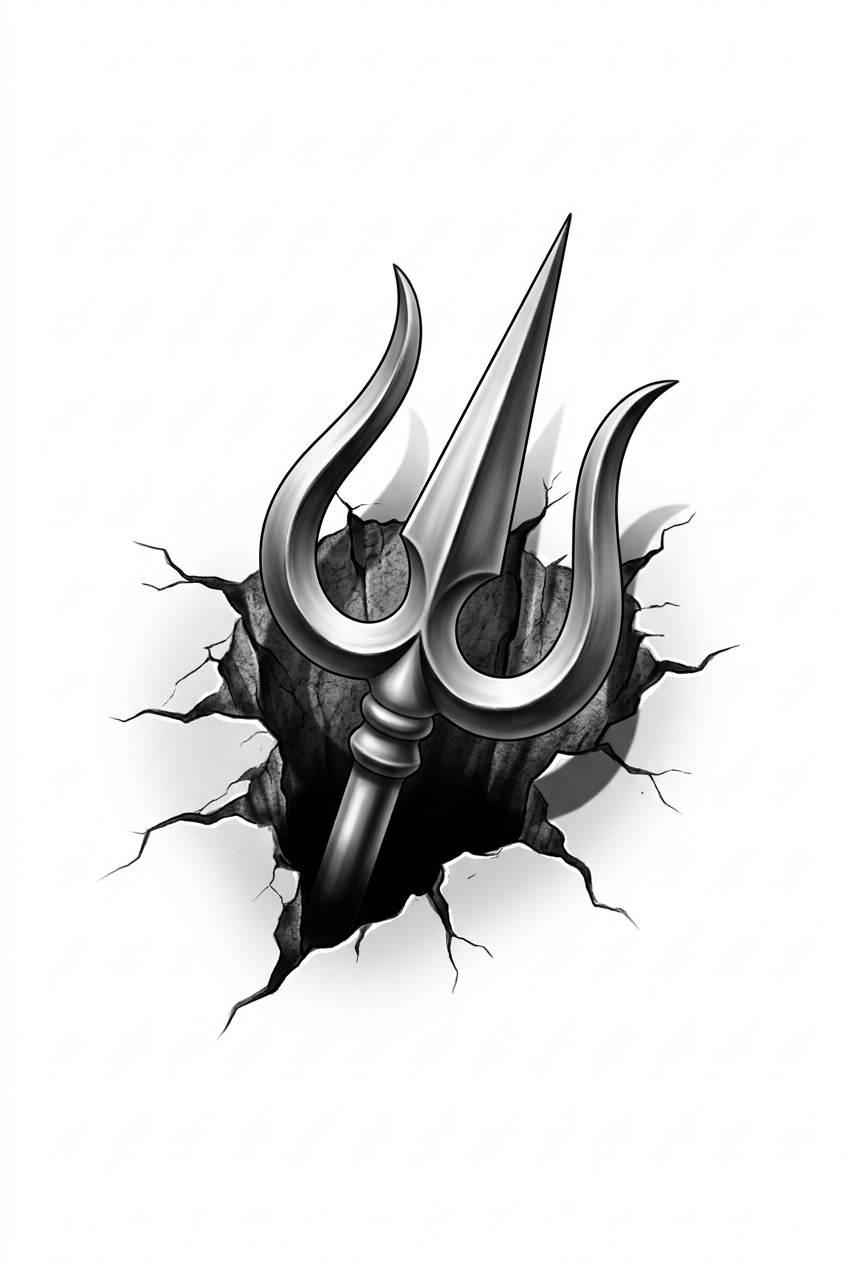
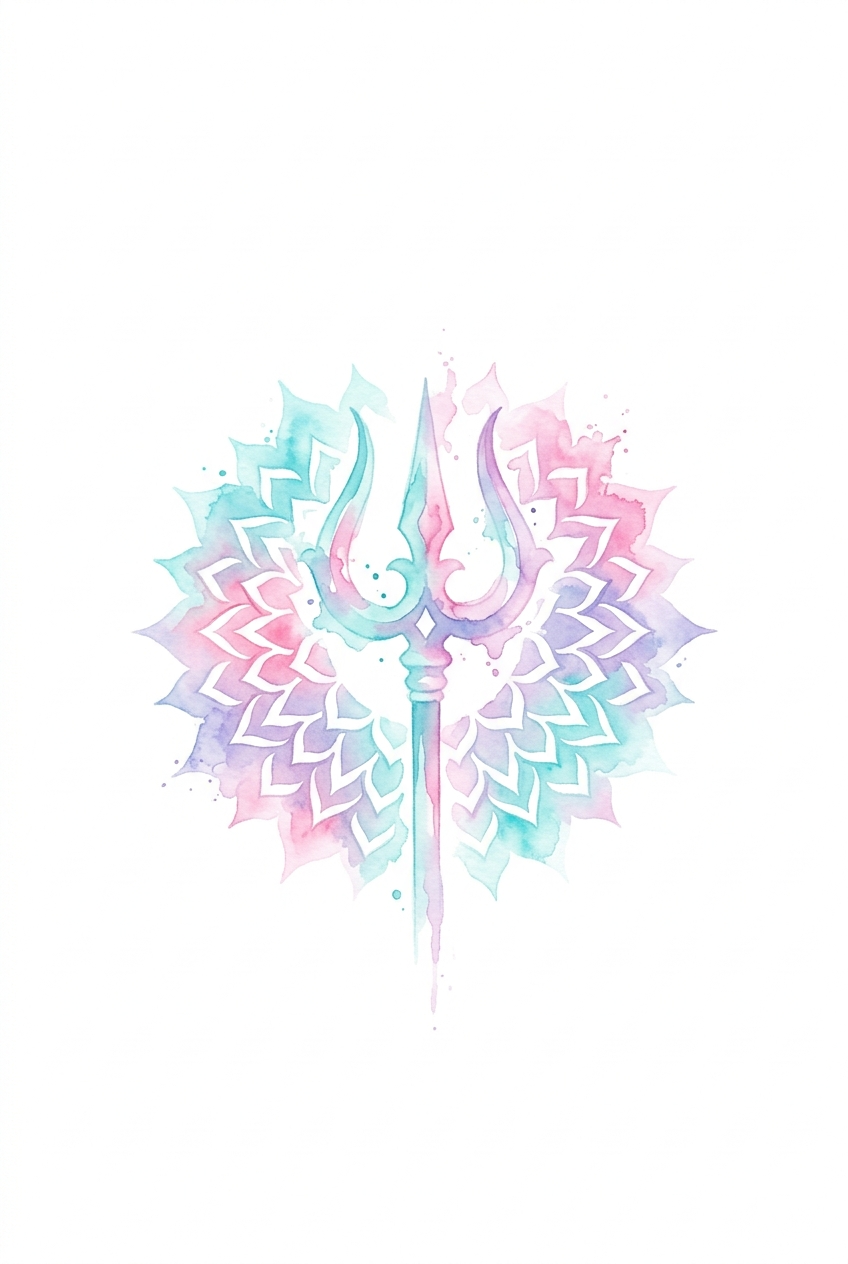
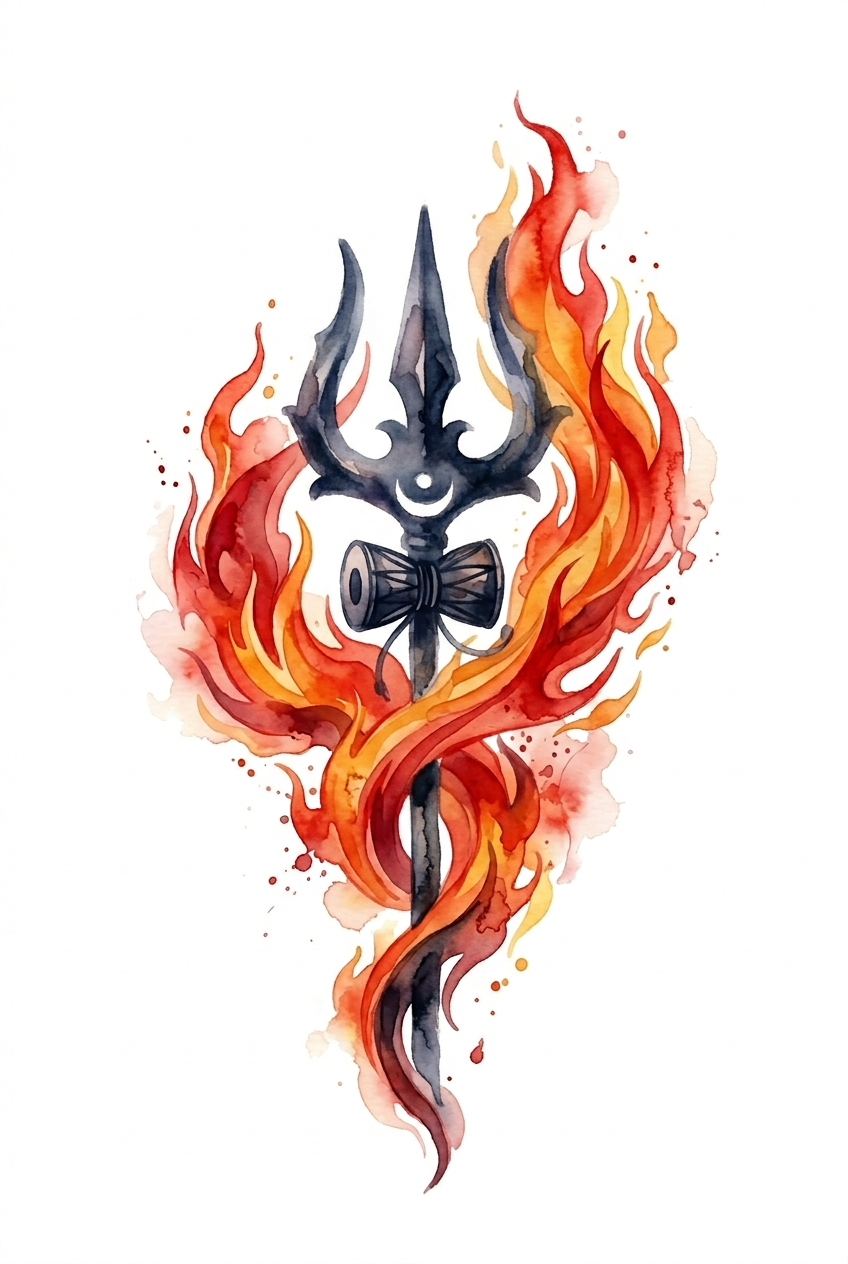
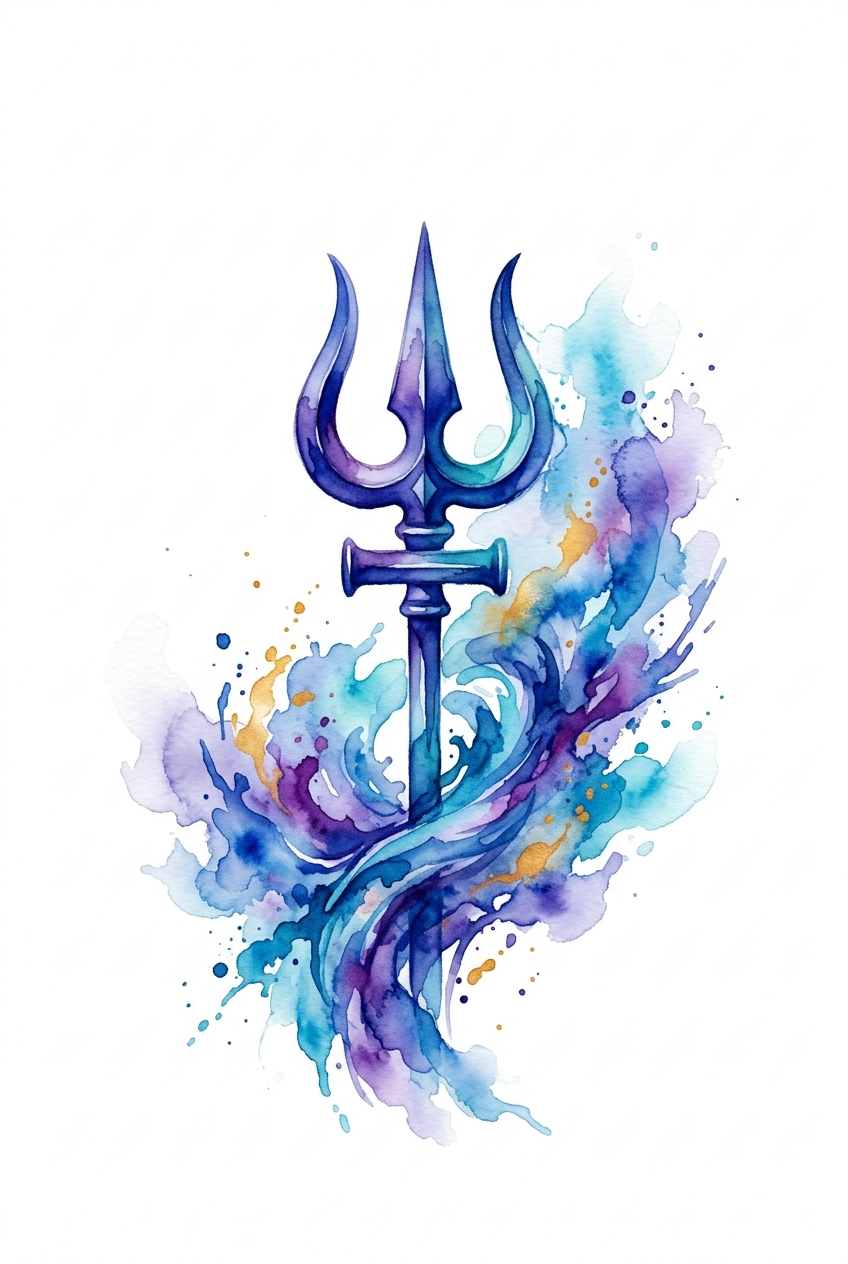
This image fuses ancient meaning with urban expression, transforming the trident into a symbol that speaks to both tradition and the modern city. The three prongs retain their core associations—power, balance, and protection—while the rough, sprayed textures evoke resilience and public voice. By presenting the emblem in a Graffiti tattoo style, the design suggests reclamation and visibility: sacred imagery made present in everyday spaces. The layered paint, drips, and tags imply a story of passage and time, as if generations of devotion and dissent have left their marks on the same wall. Colors and contrasts here do more than decorate; they highlight dualities—creation and destruction, outer toughness and inner serenity—that the trident historically represents. For those seeking contemporary sacred motifs, this approach offers clear Trishul tattoo ideas that honor mythology while adapting its language to a modern, expressive context.
Design Inspiration Of Trishul Graffiti Sacred Symbol Tattoo Design
The concept grew from a desire to marry ritual iconography with the immediacy of street art. Inspired by temple carvings and the raw textures of urban murals, the artist translated carved metal into spray-painted strokes, keeping the emblem’s silhouette intact while introducing contemporary color and motion. The result is a hybrid piece that celebrates continuity—ancient form rendered through the vocabulary of present-day visual rebellion.