Cultural Meaning Of The Girl With The Dragon In Swirling Japanese Clouds Tattoo Design
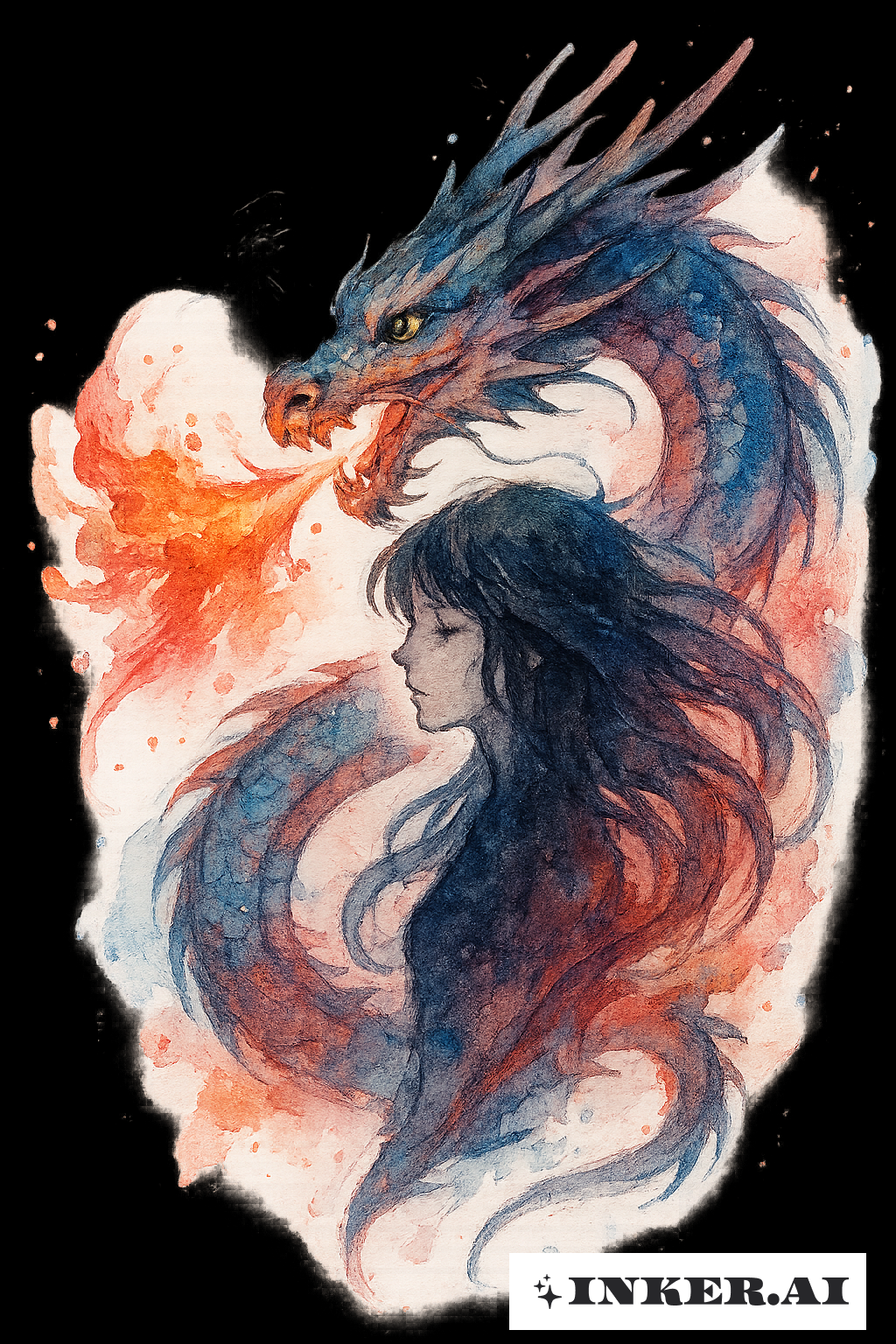
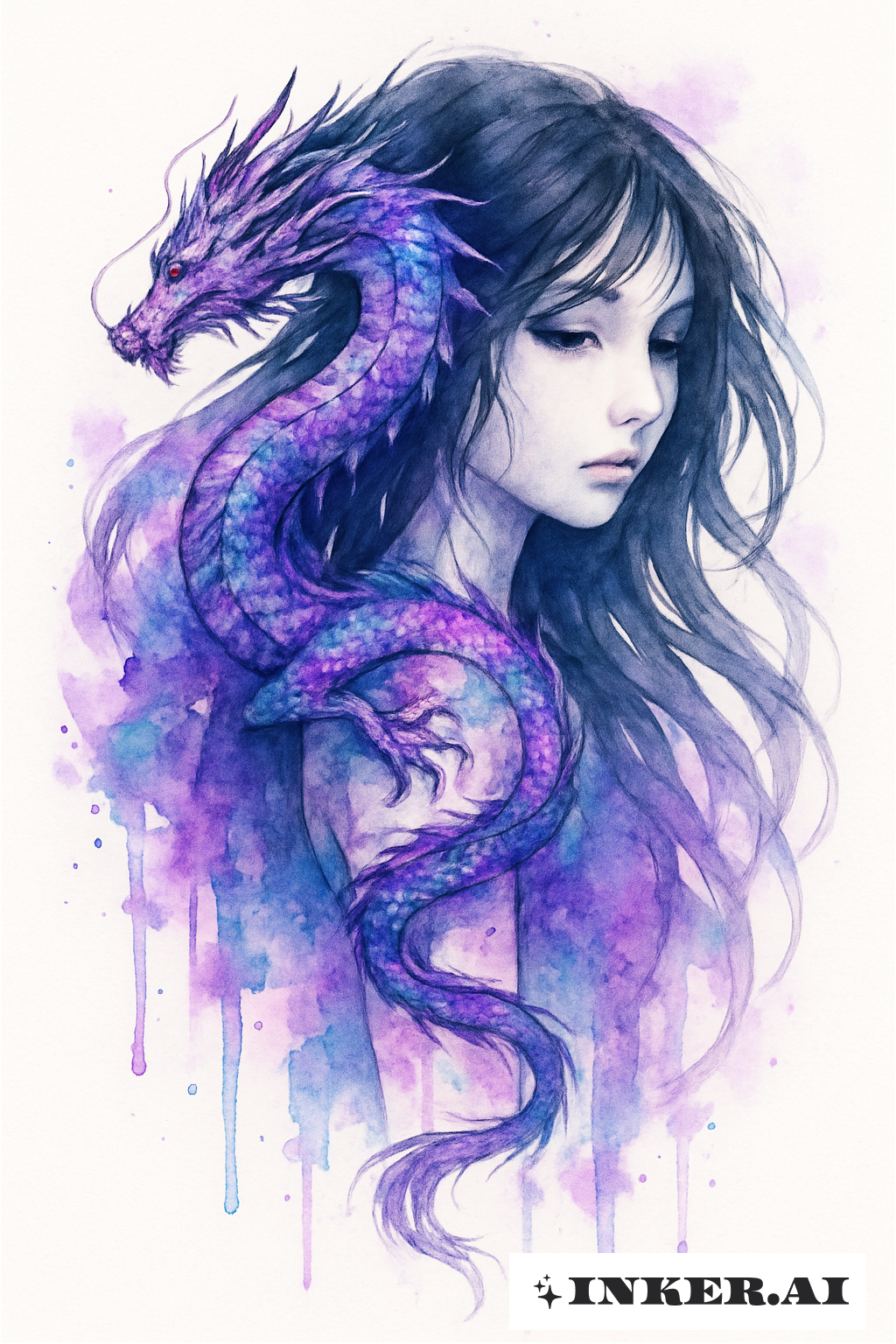
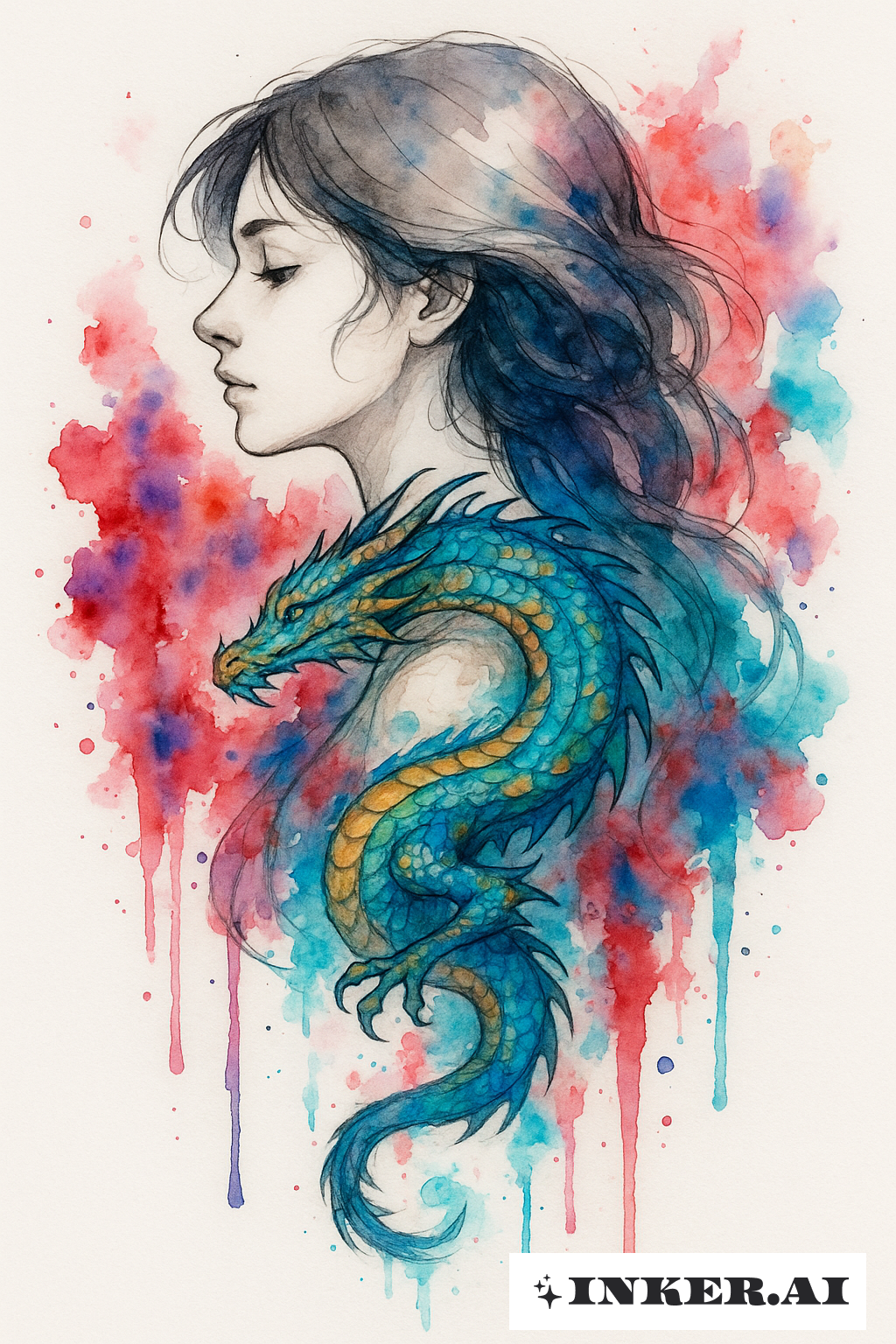
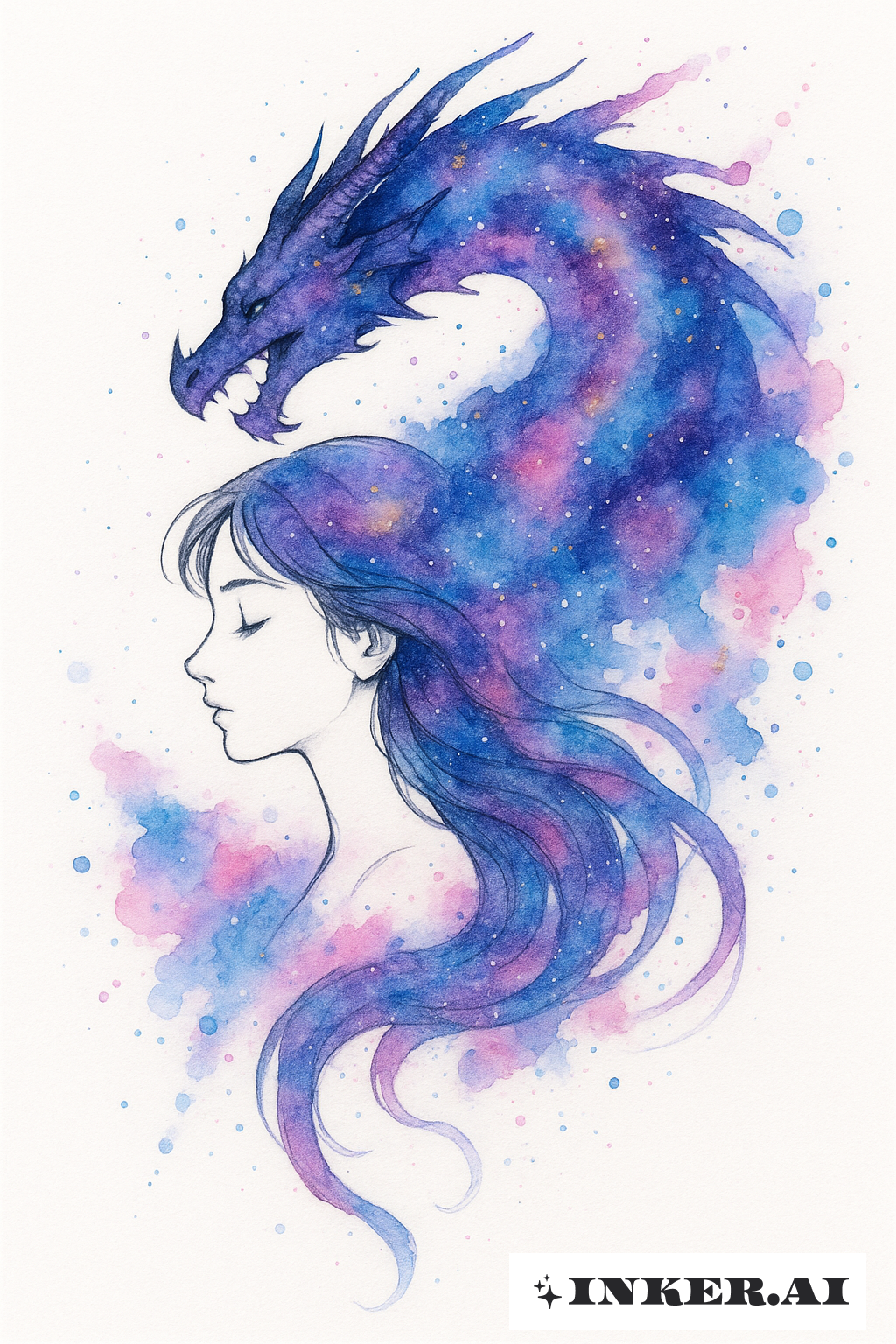
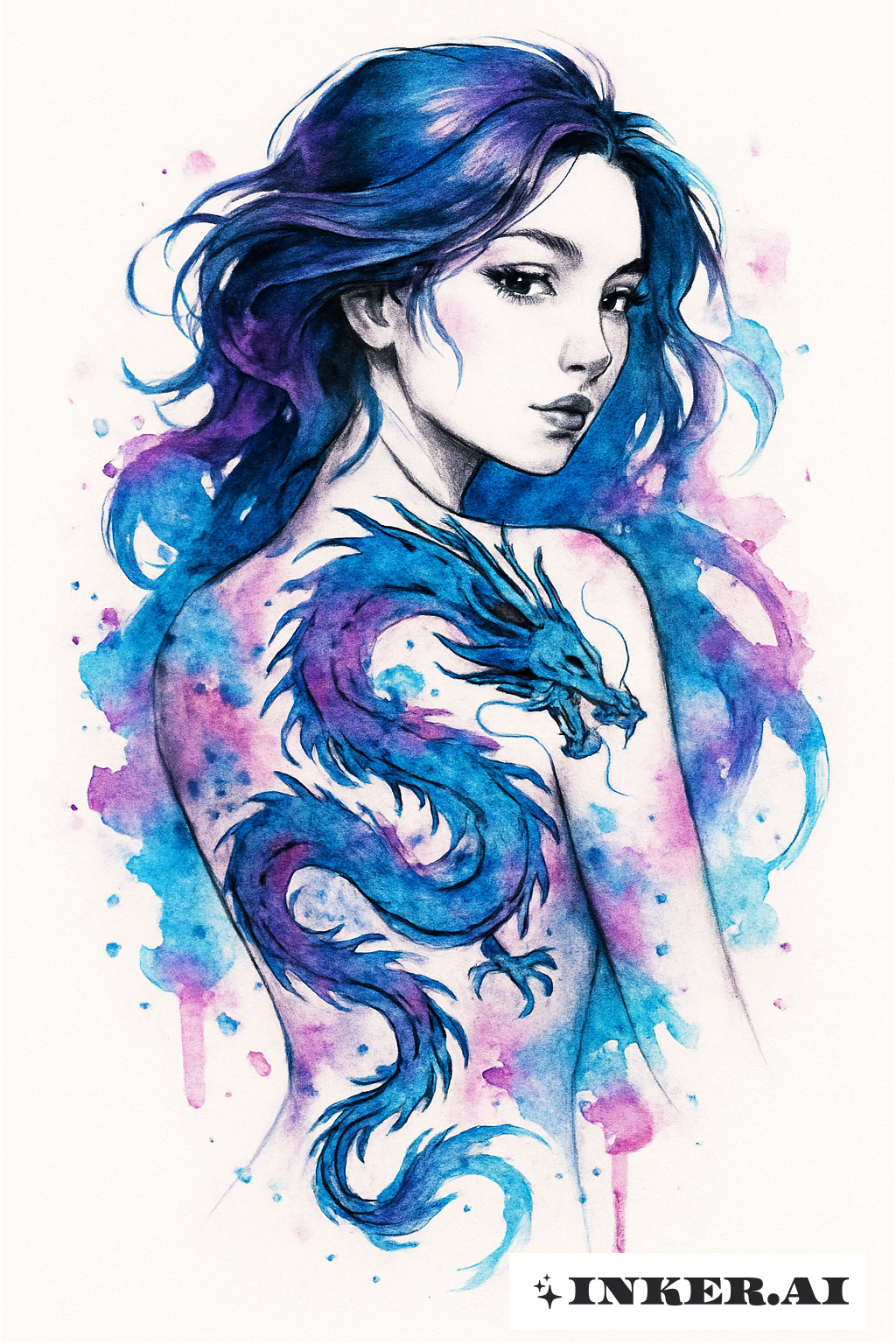
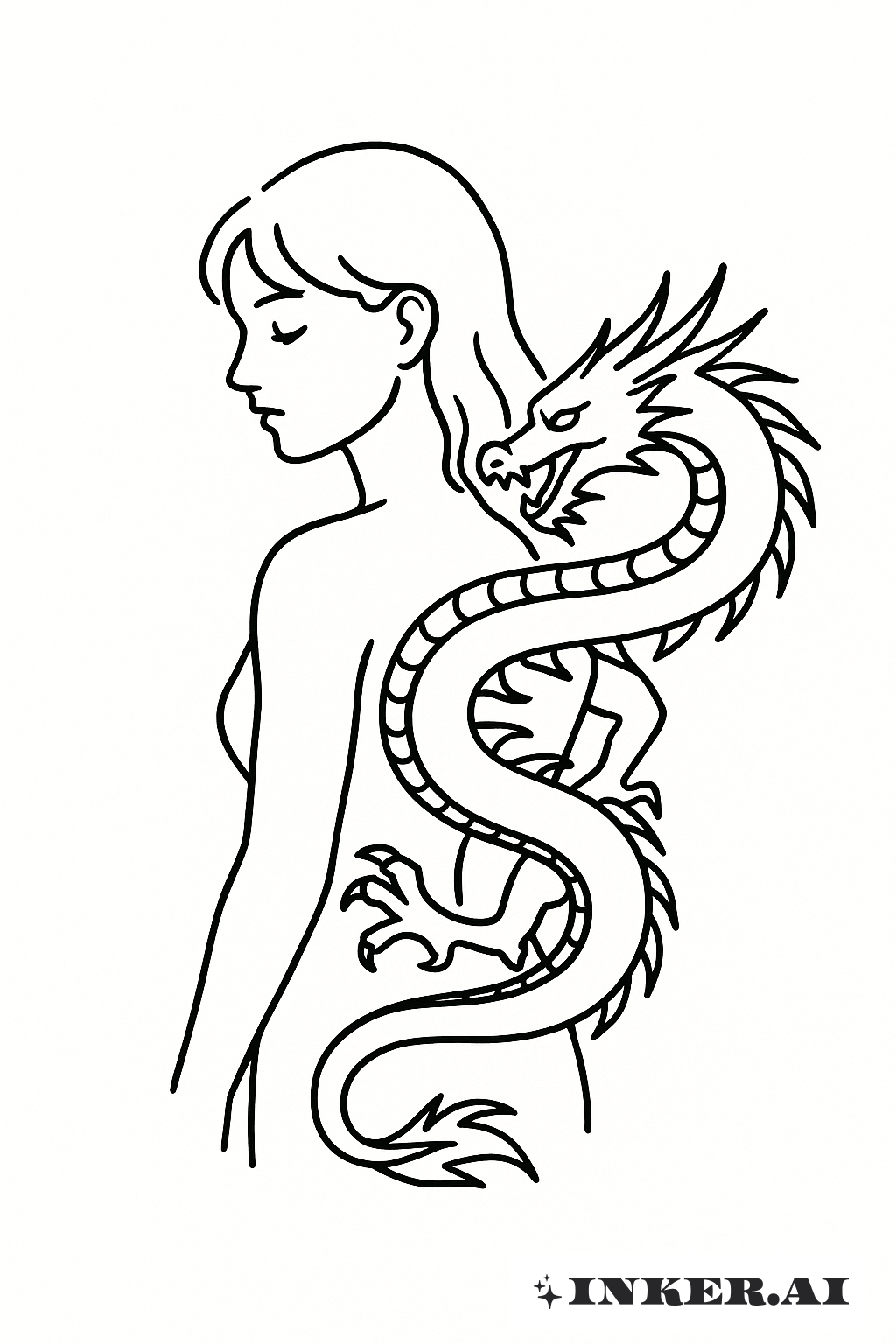
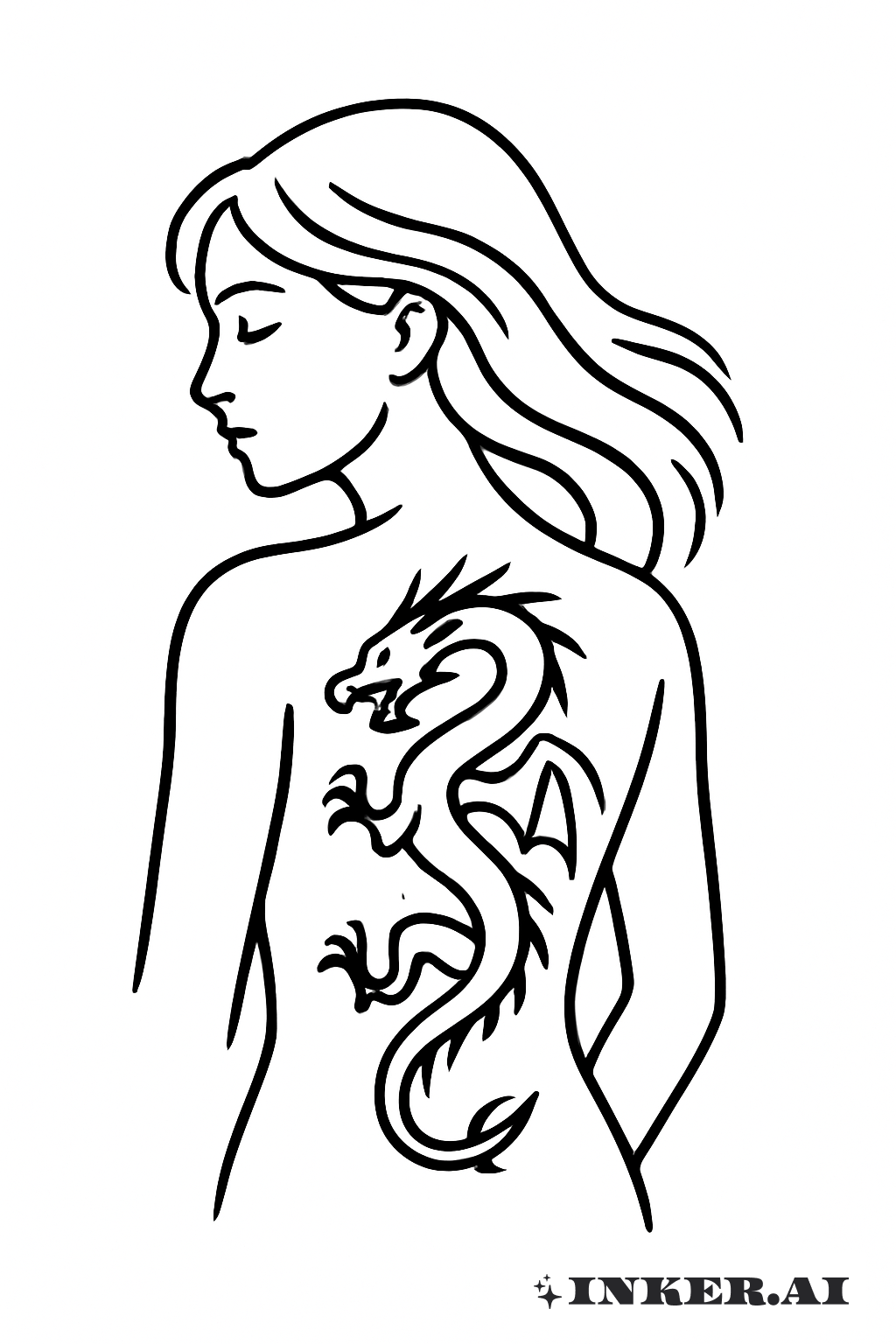
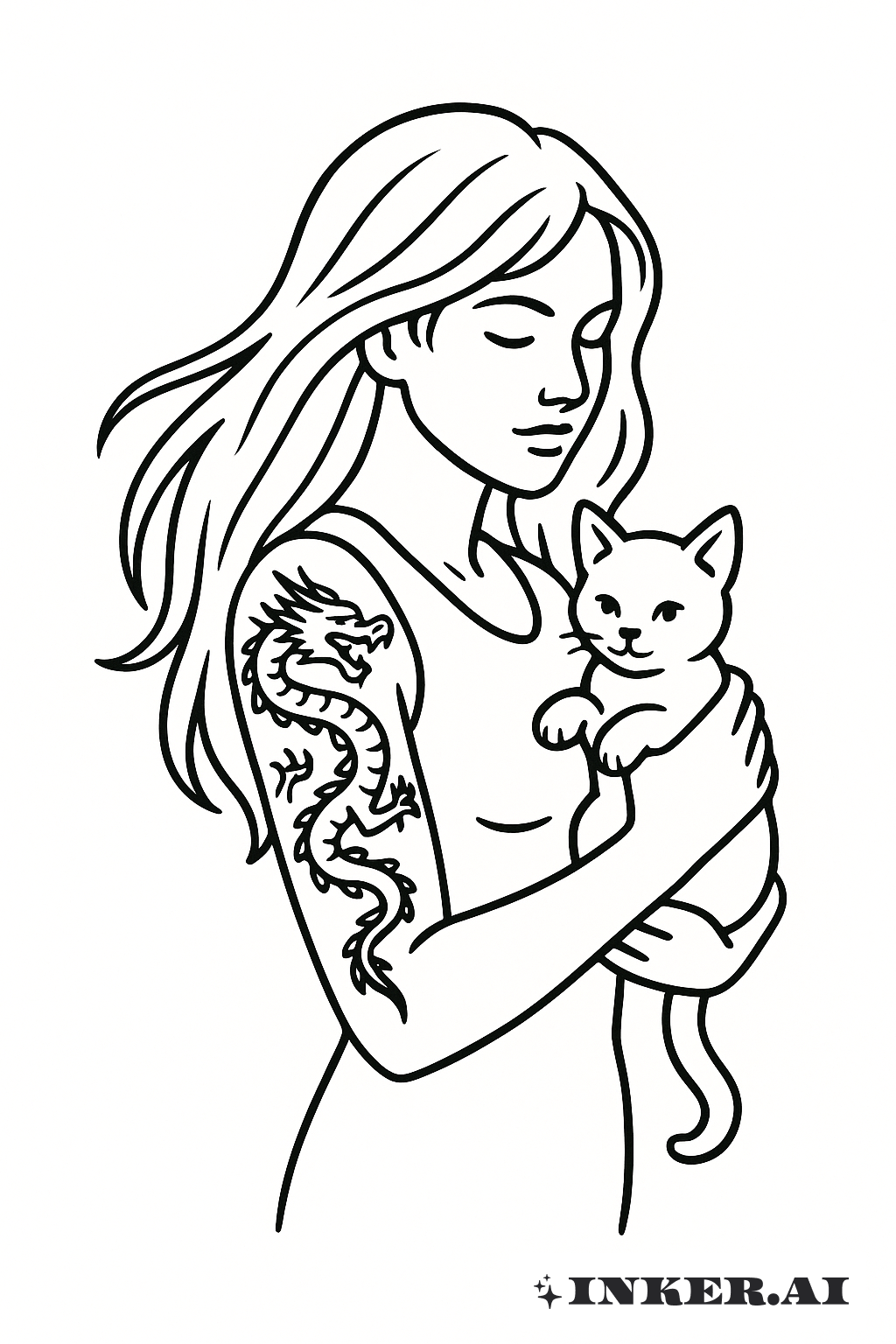
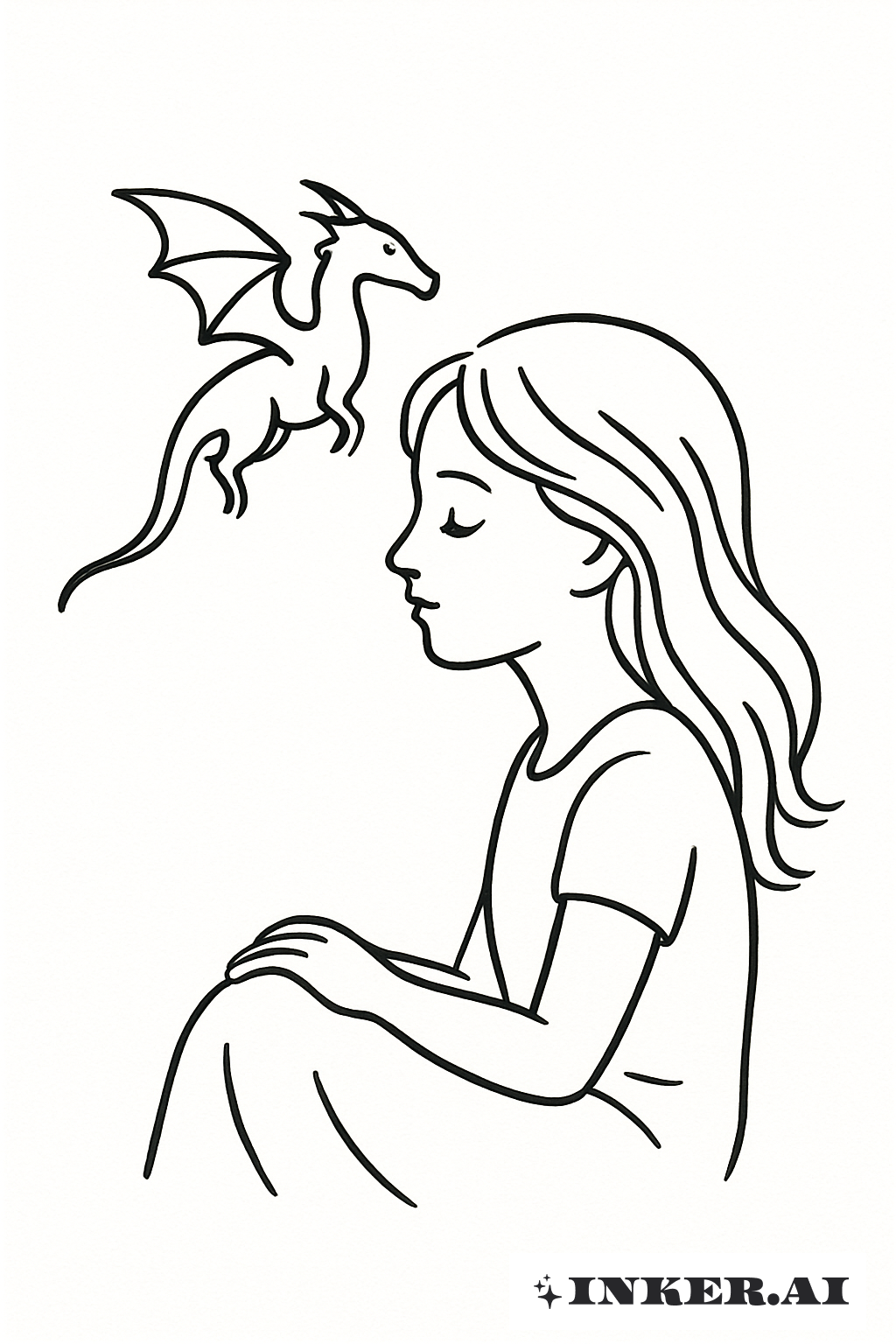
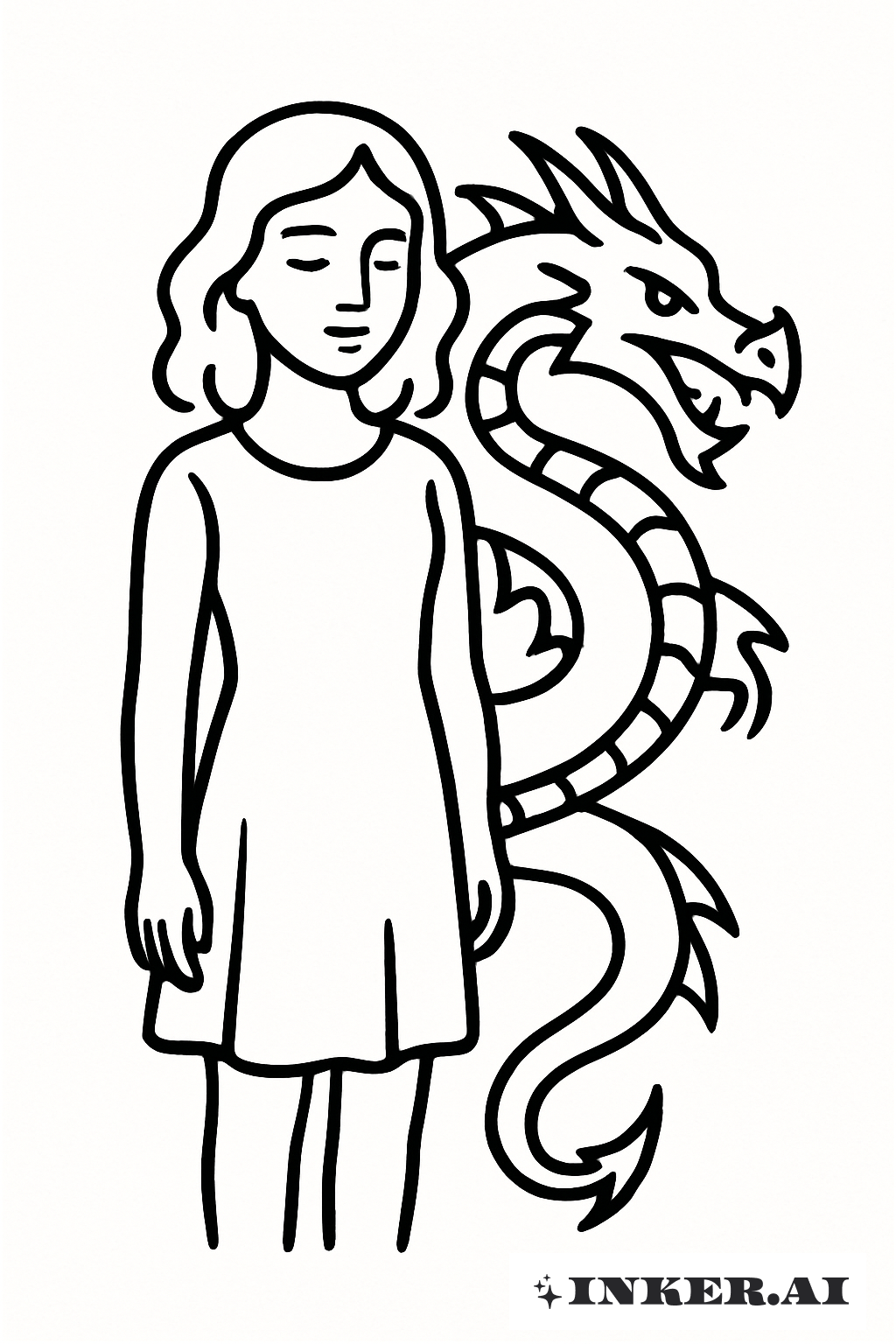
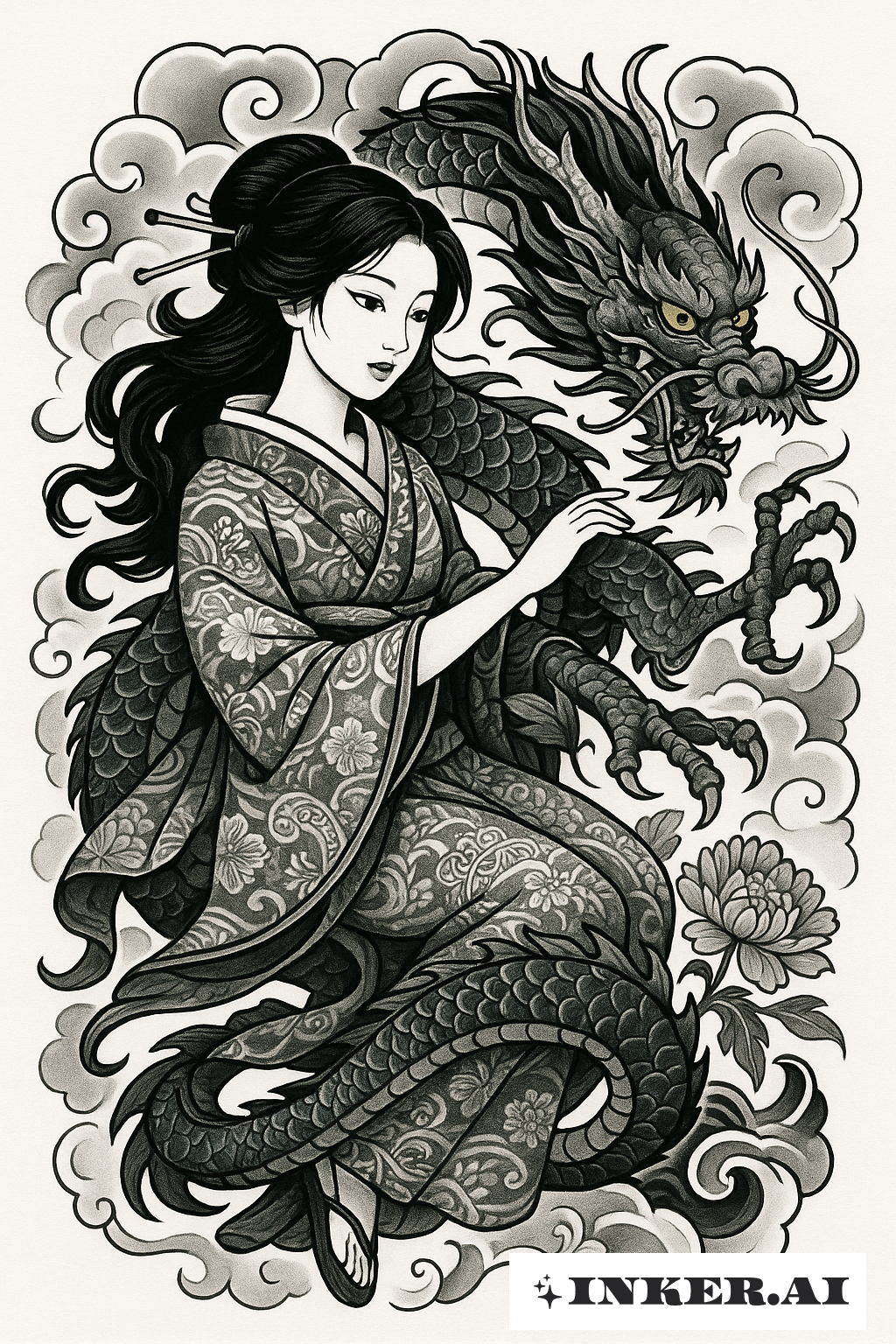
The piece uses time-honored symbols to convey protection, transformation, and duality. The dragon, traditionally associated with strength, guardianship, and elemental power, wraps itself around the female figure as both protector and catalyst for change. The woman’s calm expression and open posture suggest inner resilience, compassion, and a readiness to accept transformation rather than resist it. The surrounding swirling clouds represent impermanence and the shifting forces of fate, while the interplay of dark ink and bright accents hints at balance between shadow and light. Floral or accessory details—if present—can denote beauty, transience, or personal narrative, giving the wearer room to personalize the larger mythic theme. This design channels the visual language of classic motifs to create a modern talisman: it reads as a story of symbiosis between human vulnerability and mythic power. Japanese tattoo style and The Girl With The Dragon tattoo ideas appear here as a deliberate fusion of cultural motifs and personal symbolism, allowing the image to function as both wearable art and an emblem of inner strength.
Design Inspiration Of The Girl With The Dragon In Swirling Japanese Clouds Tattoo Design
The concept draws from ukiyo-e and classic irezumi compositions—dynamic silhouettes, flowing negative space, and the dramatic movement of hair and clouds. Inspiration also comes from narrative portraiture: placing a lone figure within a mythic encounter to suggest a personal saga. The artist aimed to balance bold traditional elements with contemporary linework, using selective color to emphasize focal points and leaving other areas in nuanced grayscale to create depth and timelessness.