Cultural Meaning Of Cubist Interpretation Of A Japanese Temple Tattoo Design
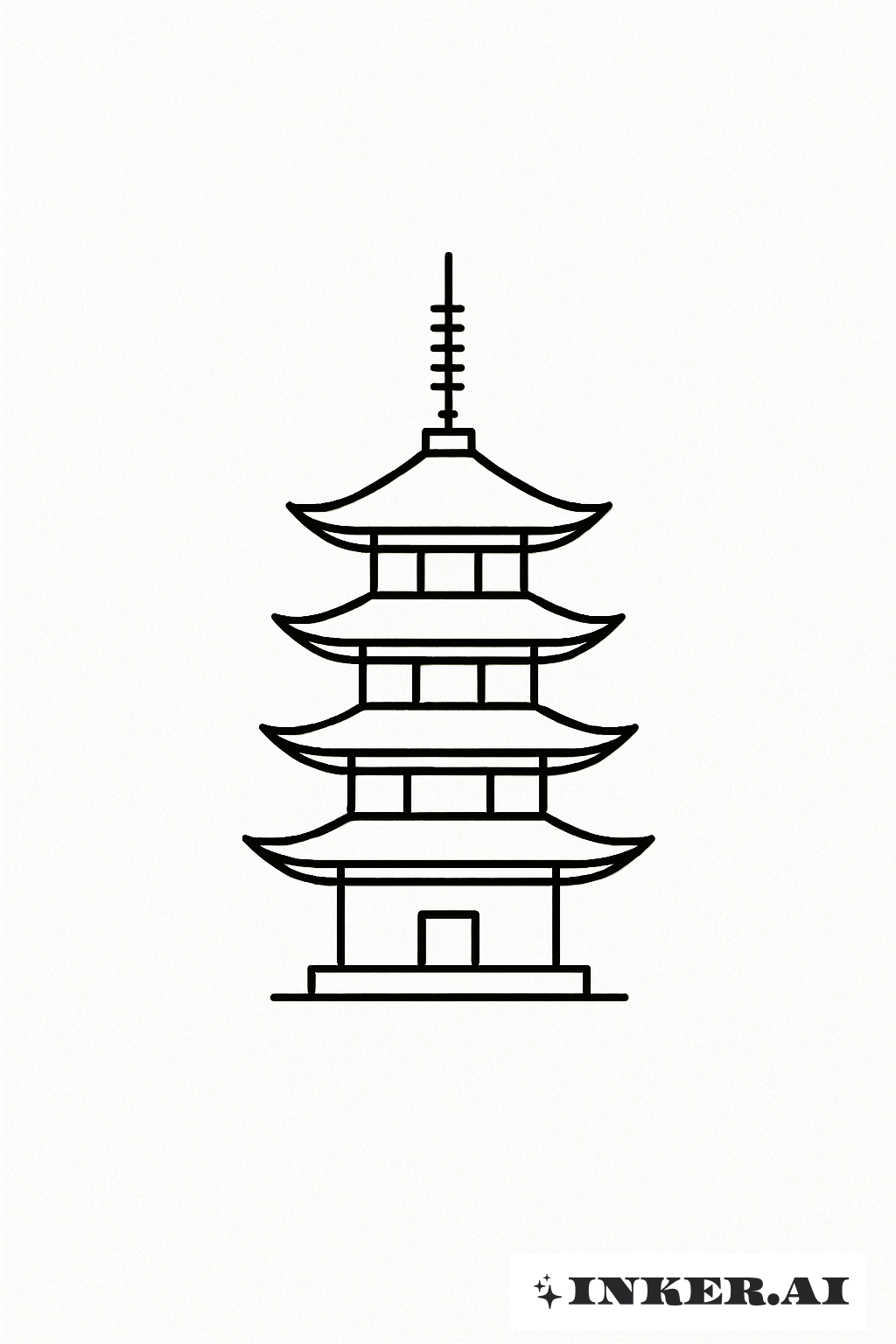
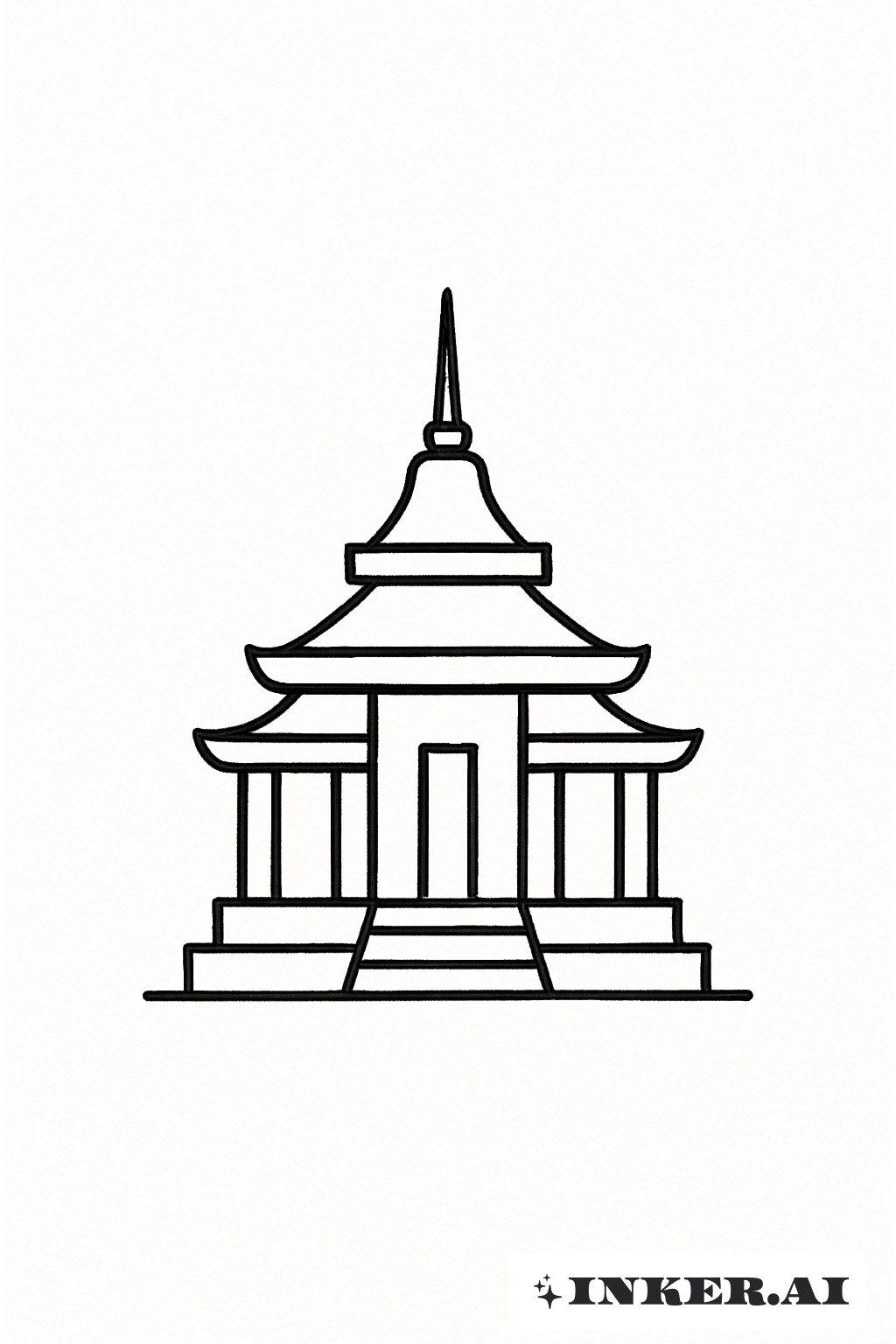
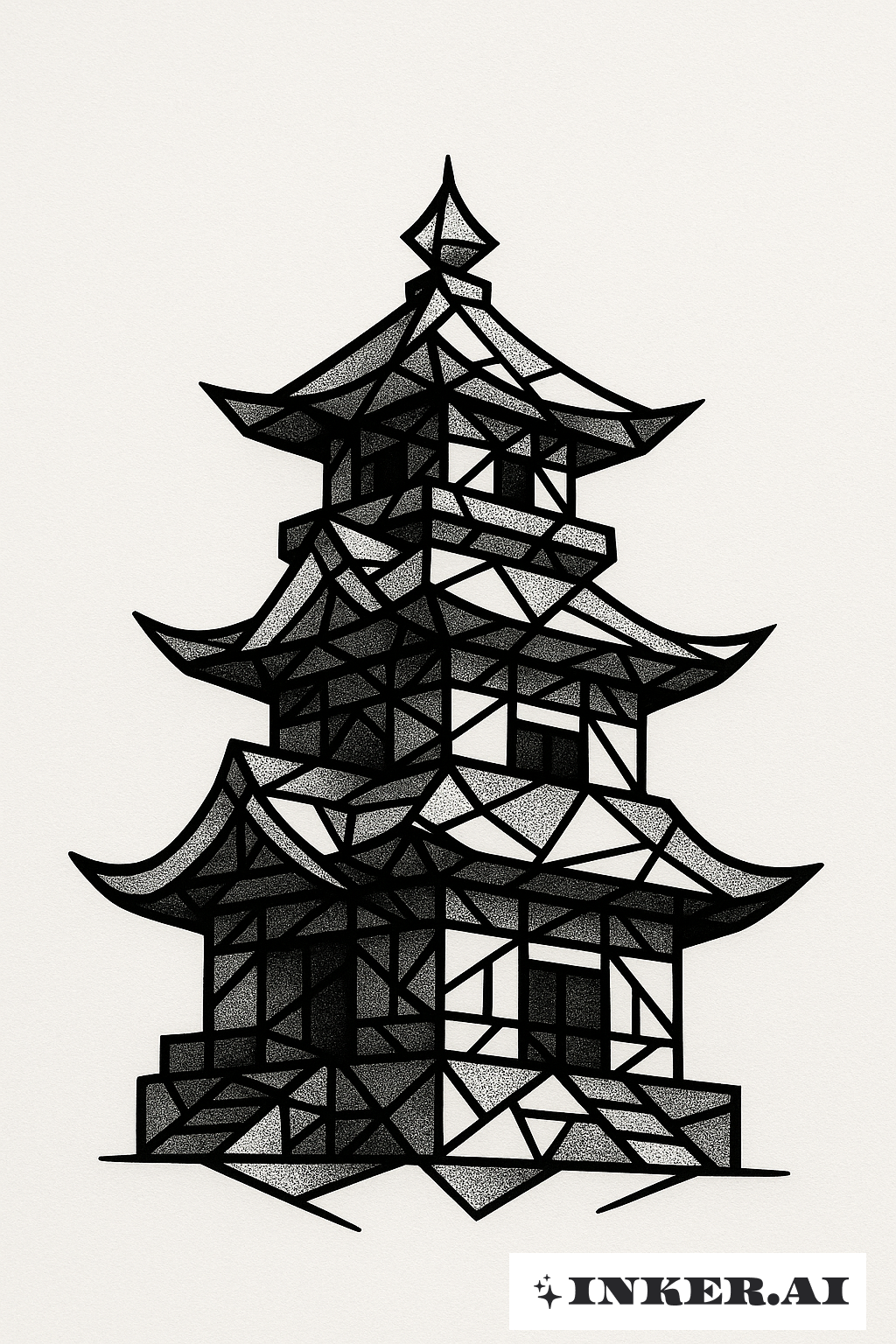
The tattoo reframes a sacred structure through fractured planes, suggesting the idea of memory and reconstruction. By reducing the temple to interlocking shapes, the design emphasizes endurance beneath change—the wooden beams and tiled roofs become enduring patterns rather than fixed objects. The vertical tiers imply ascent and spiritual progression, while the interplay of light and void evokes contemplation, shelter, and the quiet rhythm of ritual. The cubist treatment also speaks to perspective: multiple viewpoints exist at once, inviting the wearer to hold tradition and innovation together. Color choices—deep reds for reverence, indigo for night and reflection, and neutral tones for age and resilience—reinforce themes of history and continuity. As an emblem, the piece can represent a personal pilgrimage, respect for heritage, or the process of rebuilding one’s inner architecture after upheaval. Its structured geometry offers a disciplined aesthetic that still allows for emotional depth and narrative. Geometric tattoo style and Temple tattoo ideas combine here to create a symbol that is both modern abstraction and an homage to a time-honored spiritual form.
Design Inspiration Of Cubist Interpretation Of A Japanese Temple Tattoo Design
The concept draws on early Cubist experiments in breaking form apart, married to the compositional clarity of Japanese woodblock prints and the folding logic of origami. The artist sought to honor the temple’s quiet dignity while reimagining it through planar geometry: roofs become facets, columns become rhythm, and lanterns become nodes of negative space. Limiting the palette to a few resonant tones keeps the focus on structure and rhythm, while disciplined linework preserves readability on skin. The result is a contemplative, modern shrine—an architectural study translated into body art.