Cultural Meaning Of Sacred Geometry Of Sukuna's Shrine Tattoo Design
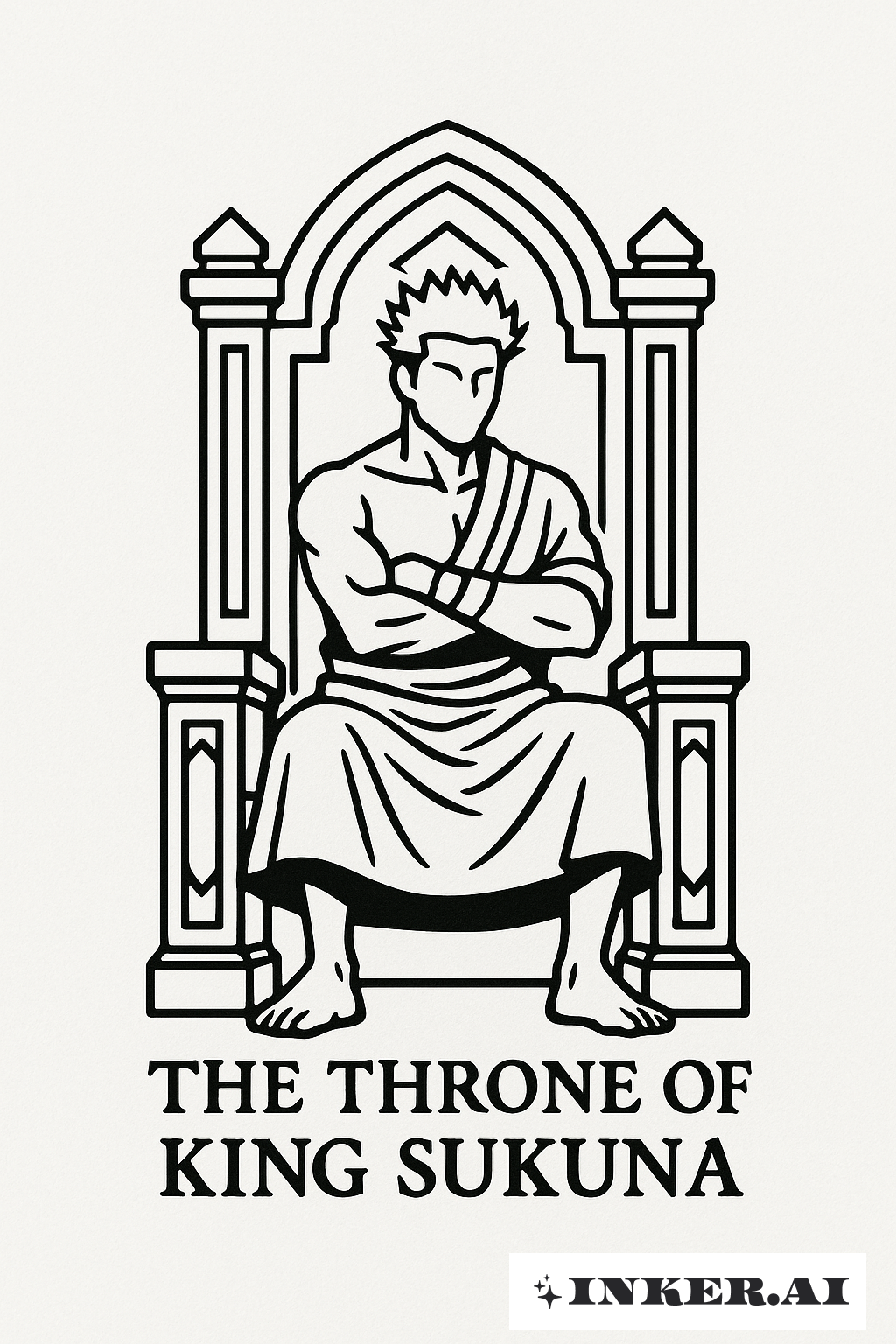
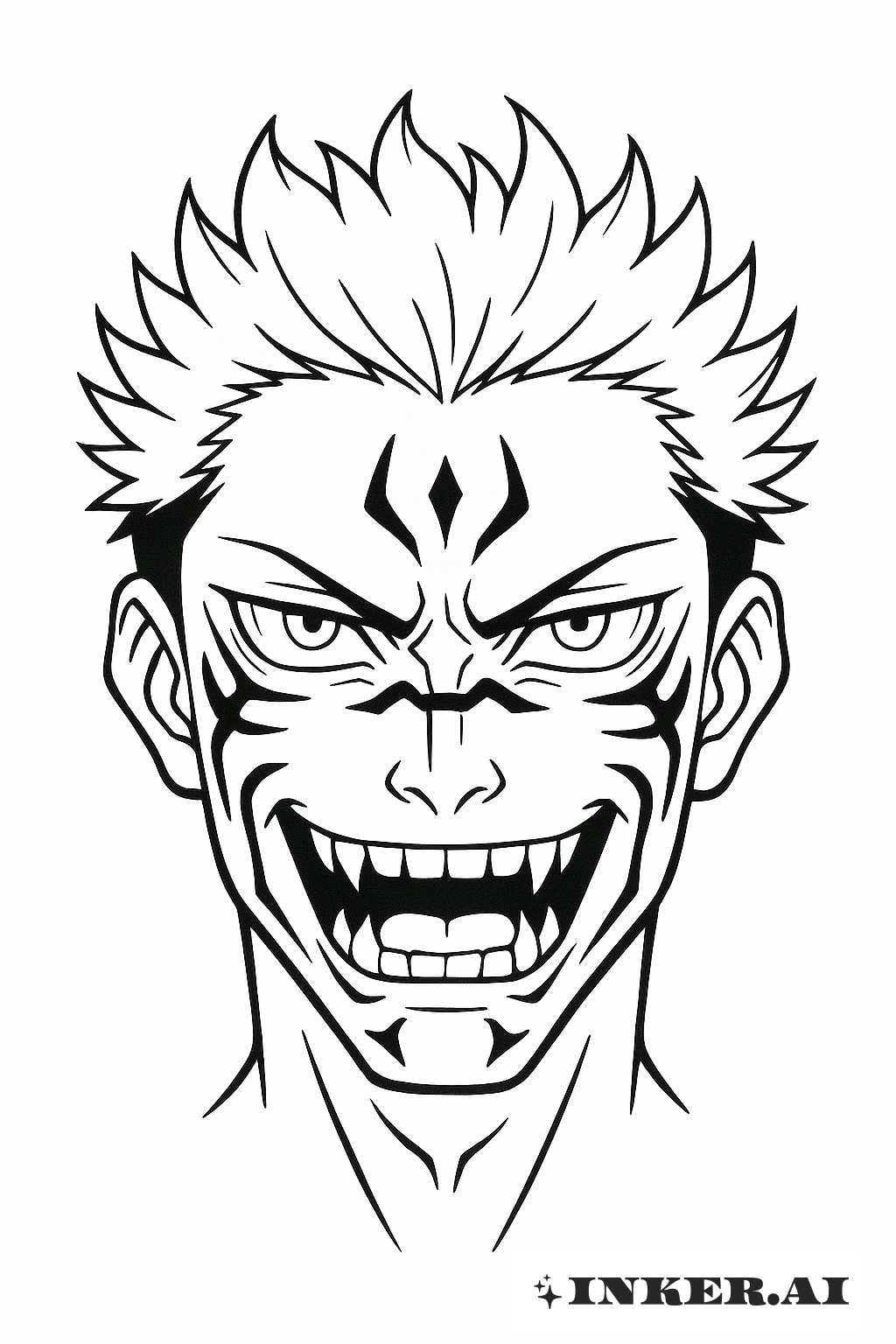
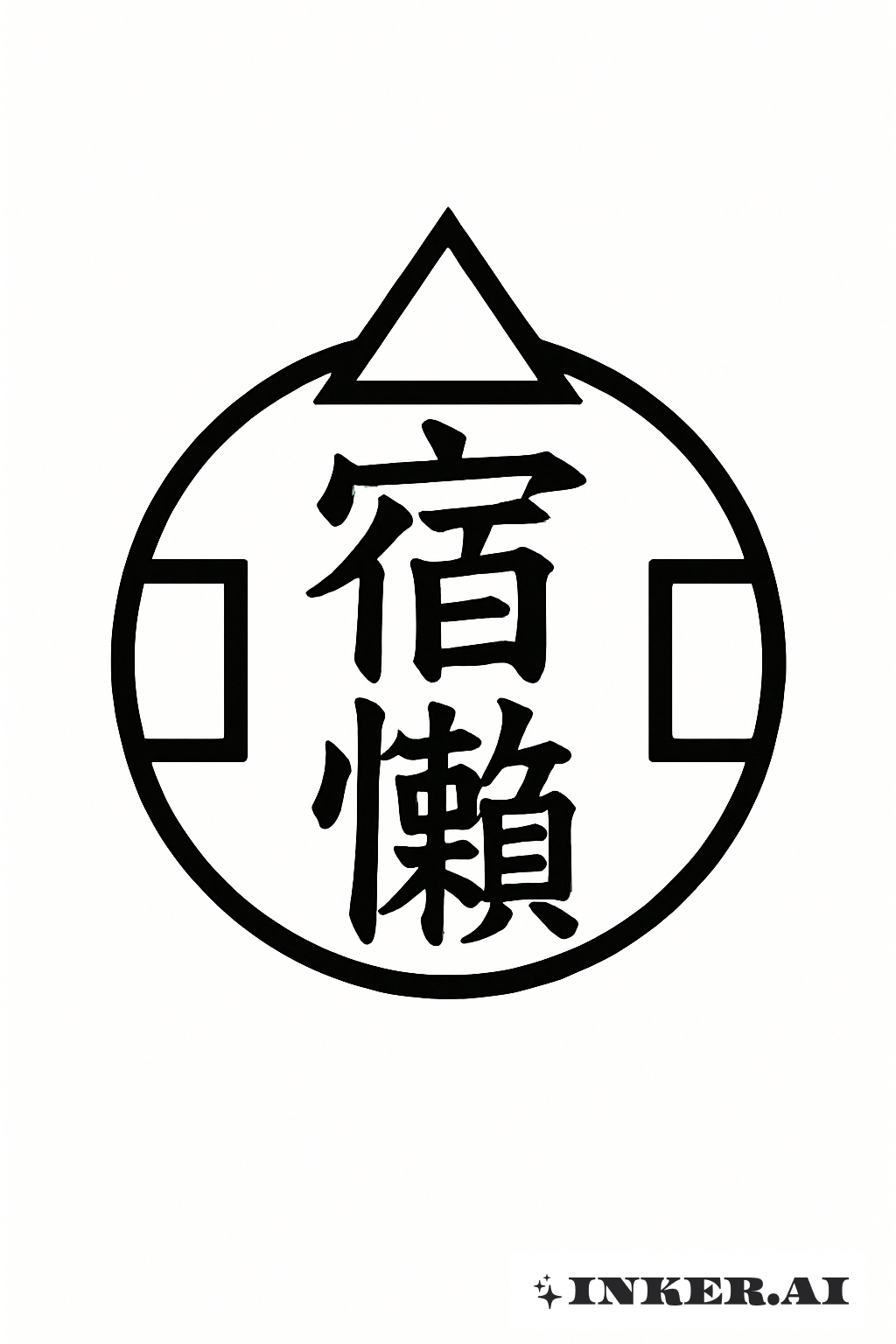
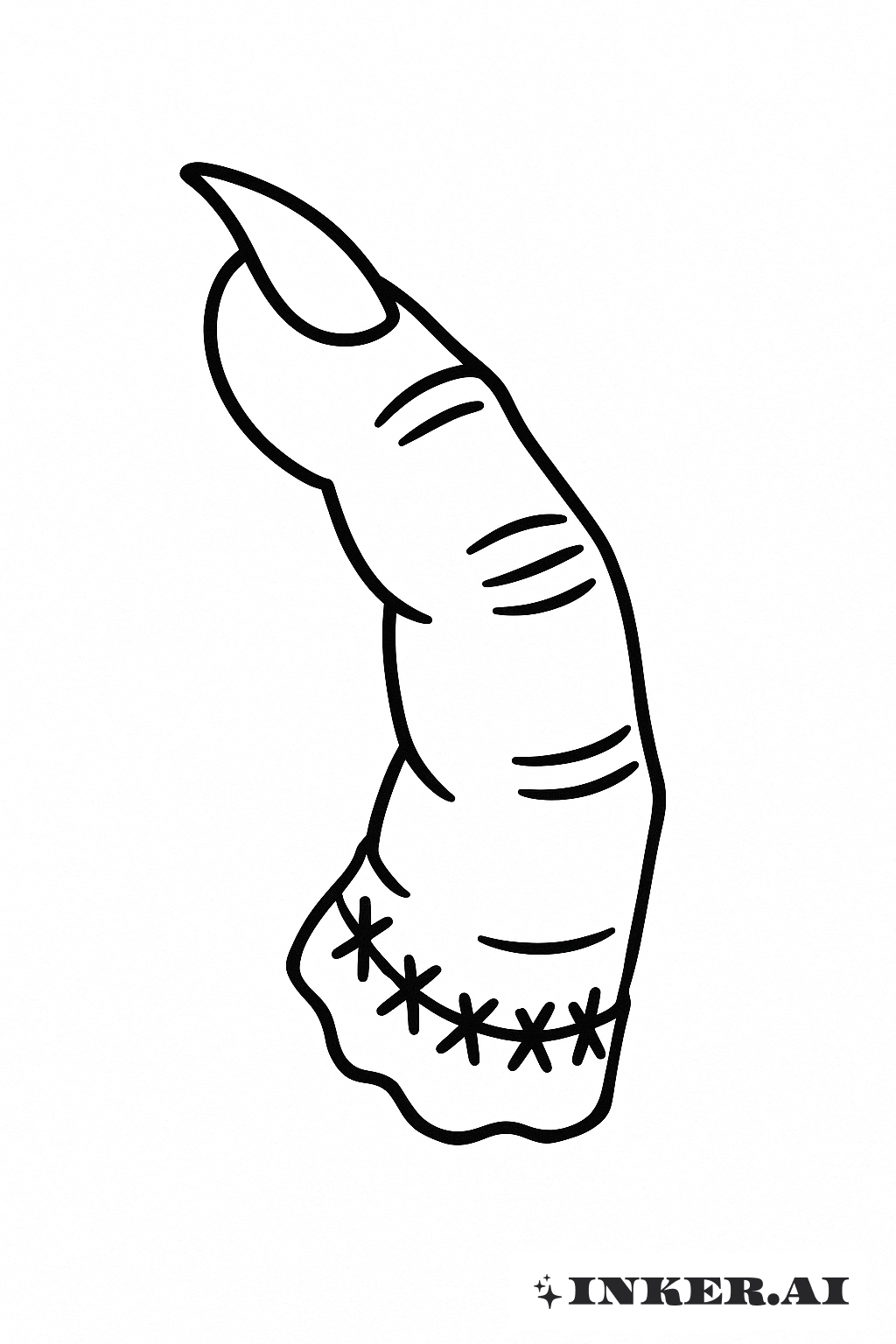
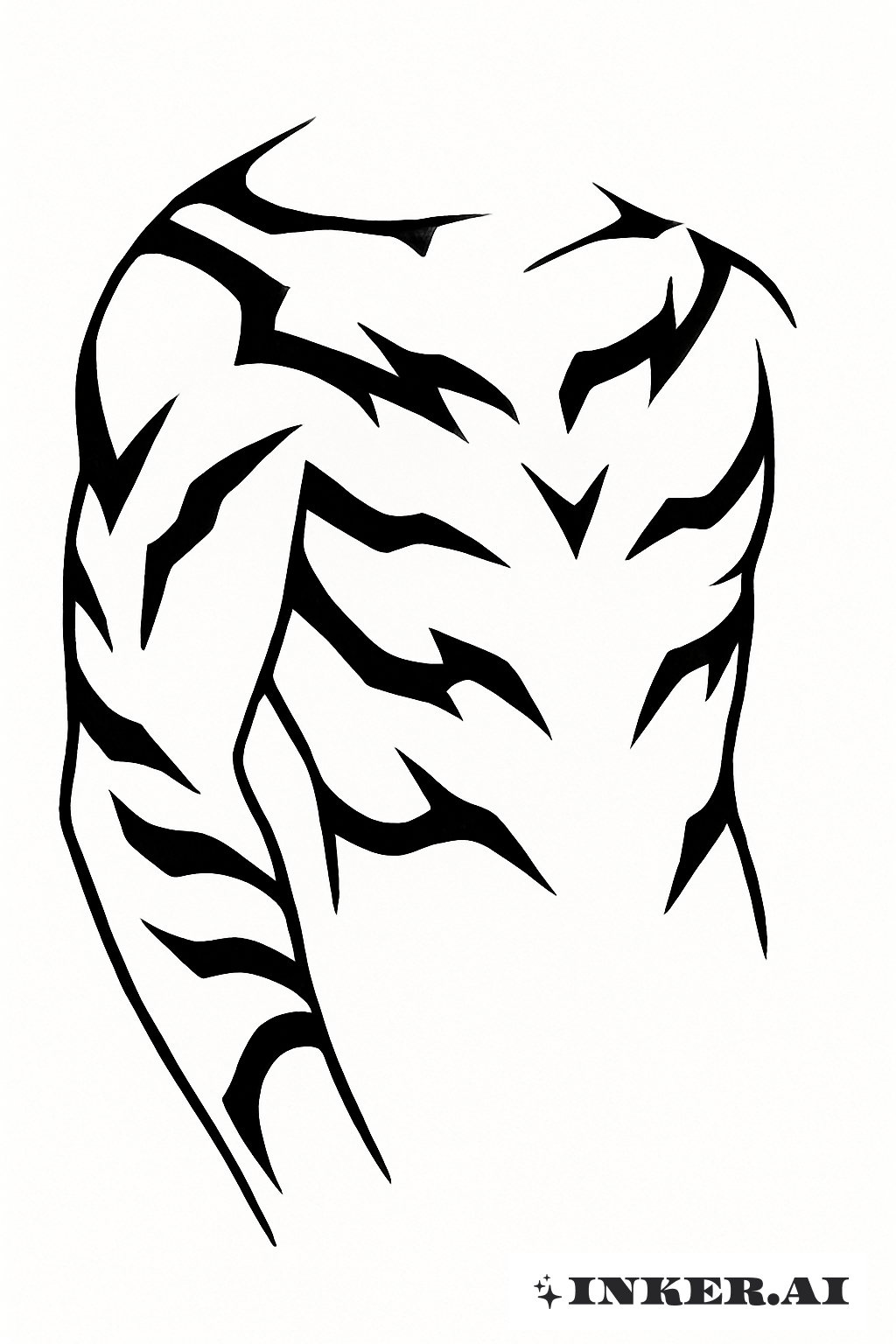
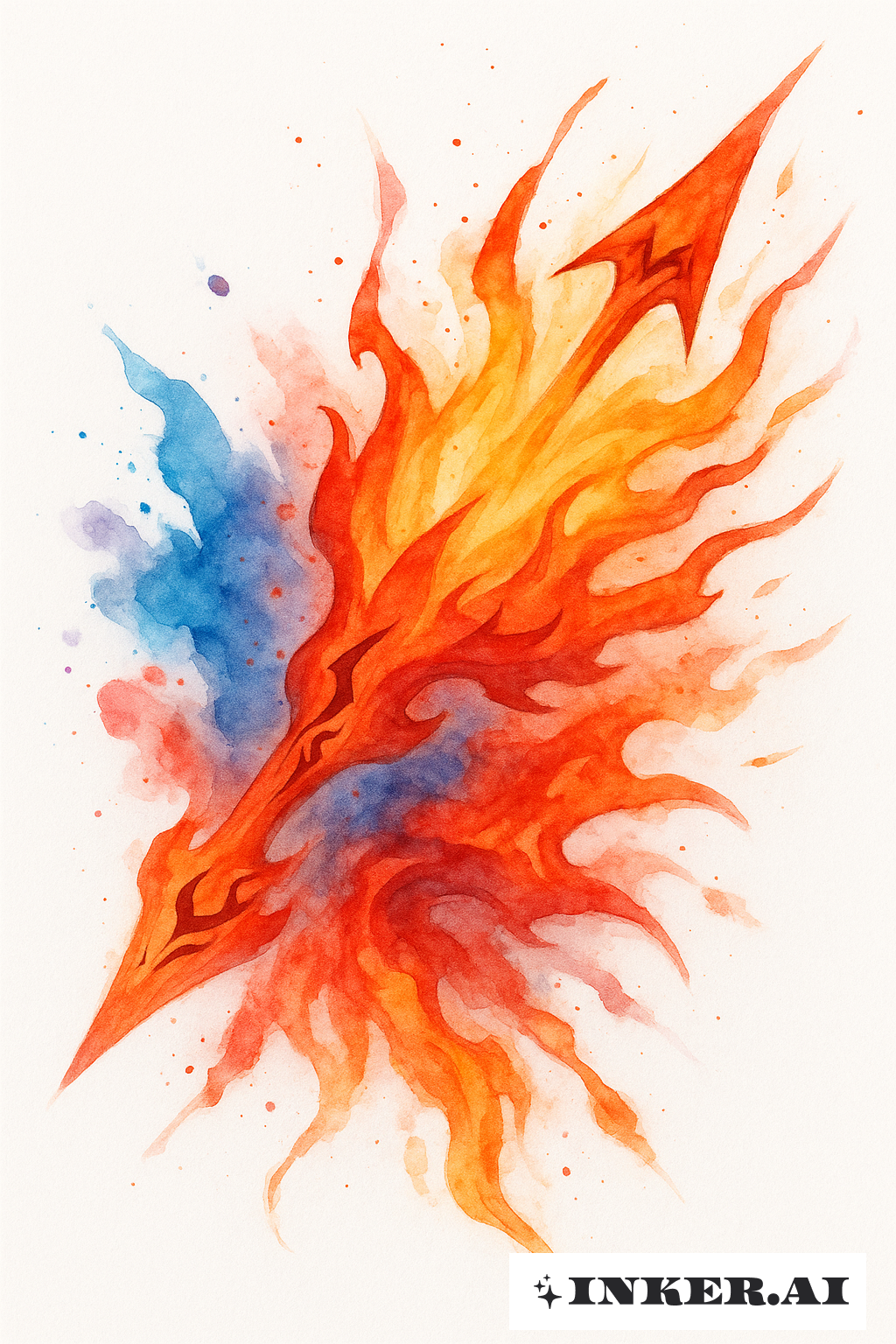
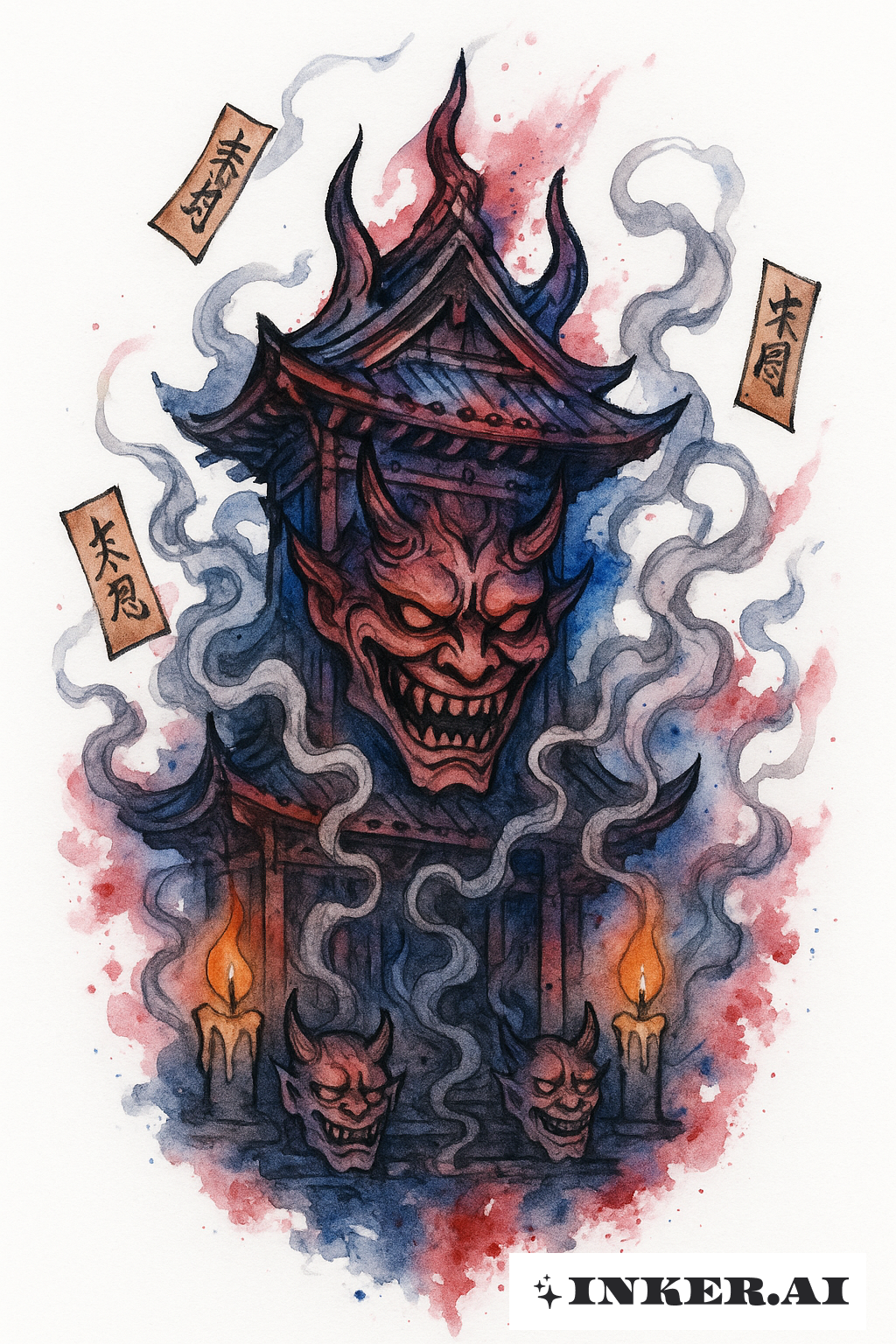
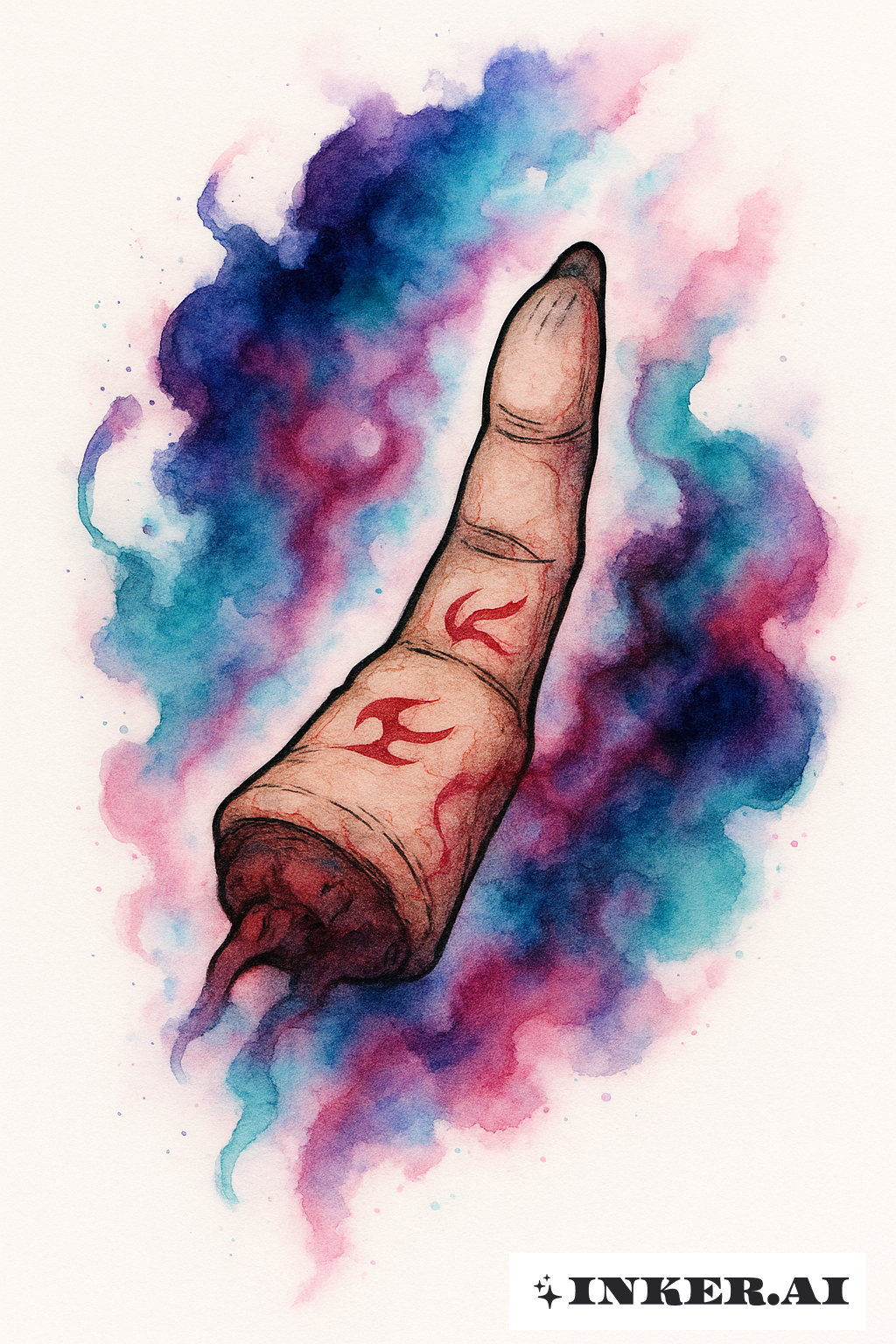
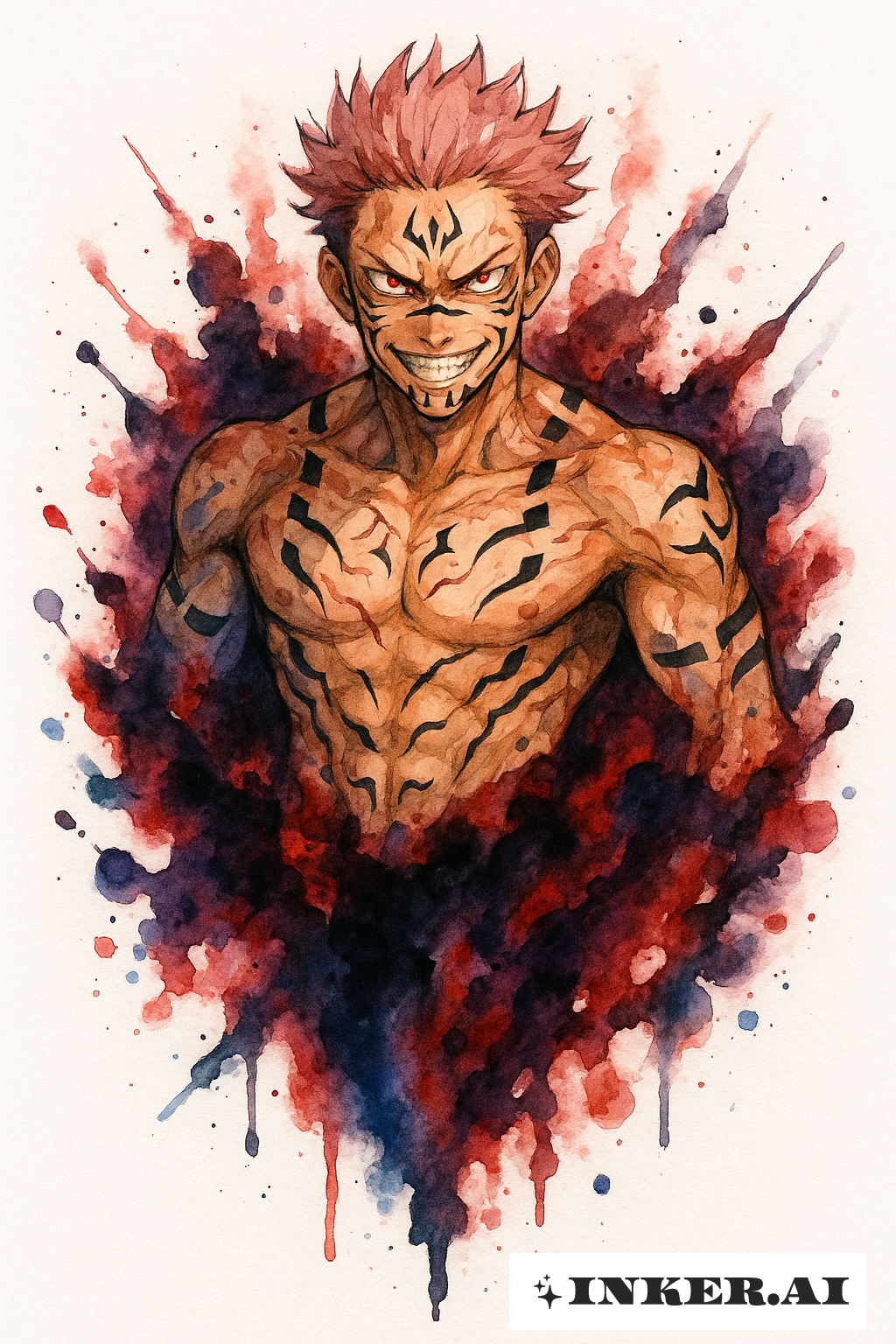
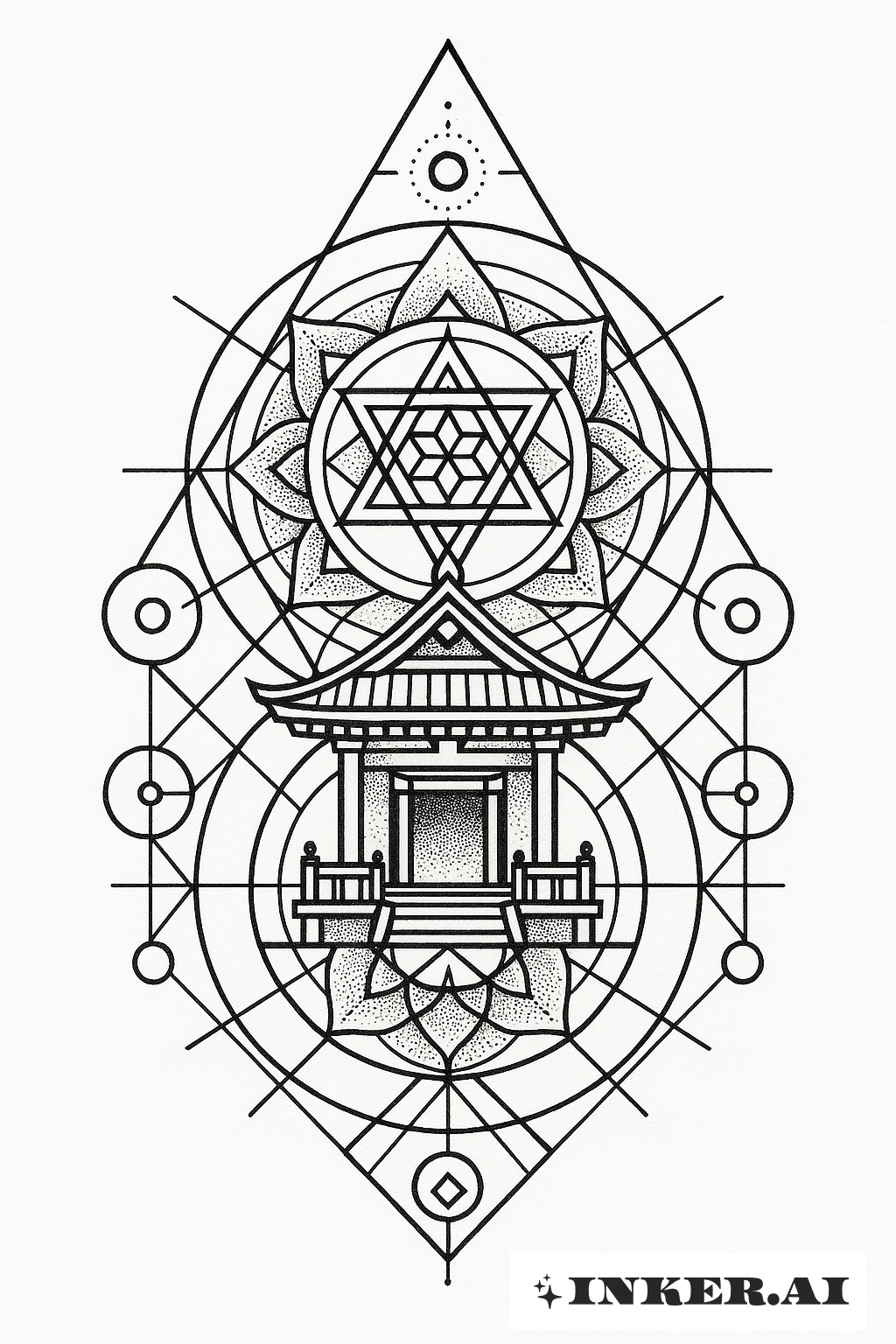
The shrine-like structure conveys power, authority, and a sense of entering a sacred yet dangerous domain. Its mirrored arrangement suggests control and balance, while the sharp points and enclosed central forms evoke protection, threat, and overwhelming strength. The dark visual language reflects the ominous presence associated with Sukuna, transforming the tattoo into a symbol of confidence, dominance, and unapologetic individuality. The central motif can also represent an inner core of power, discipline, or hidden intensity. Through Geometric tattoo style, sacred proportions and repeating angles suggest order within chaos, implying that even destructive energy can be directed with purpose. For those exploring Sukuna tattoo ideas, the design captures the character’s terrifying grandeur while remaining abstract, wearable, and visually sophisticated. The shrine concept may carry personal meaning as a reminder to confront fear, embrace one’s darker impulses responsibly, or stand firmly in one’s identity. Strong black shapes symbolize permanence and conviction, while the surrounding negative space allows the image to breathe and suggests limitless energy beyond the visible boundaries.
Design Inspiration Of Sacred Geometry Of Sukuna's Shrine Tattoo Design
The concept draws inspiration from Sukuna’s Malevolent Shrine, reimagined as a symbolic architectural emblem rather than a literal scene. Ancient shrine silhouettes, ritual geometry, mandala-like symmetry, and modern blackwork combine to create a design that feels ceremonial and intimidating. The contrast between rigid structure and aggressive pointed details reflects the tension between sacred order and destructive force.