Cultural Meaning Of Skeletal Sisyphus's Eternal Task Tattoo Design
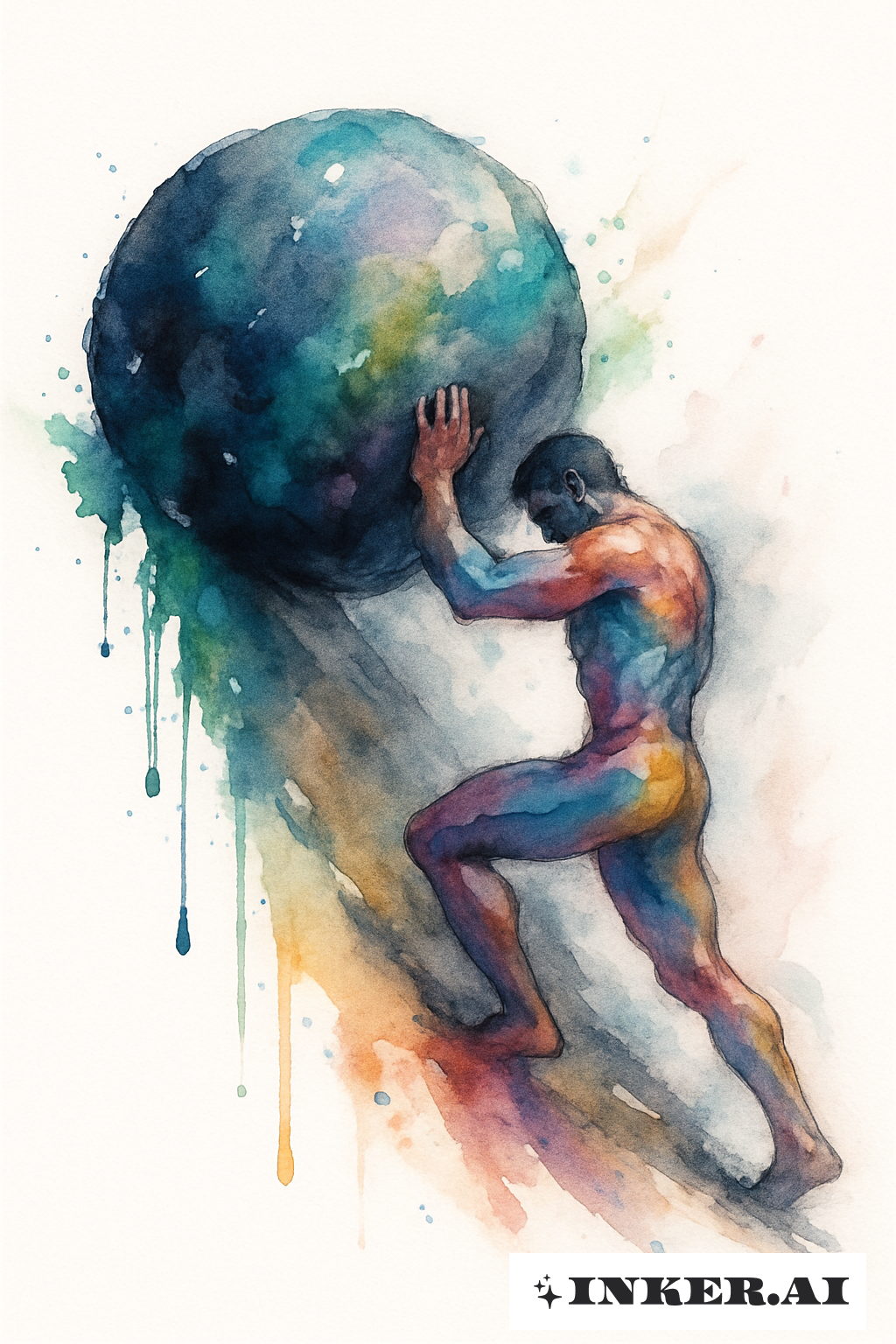
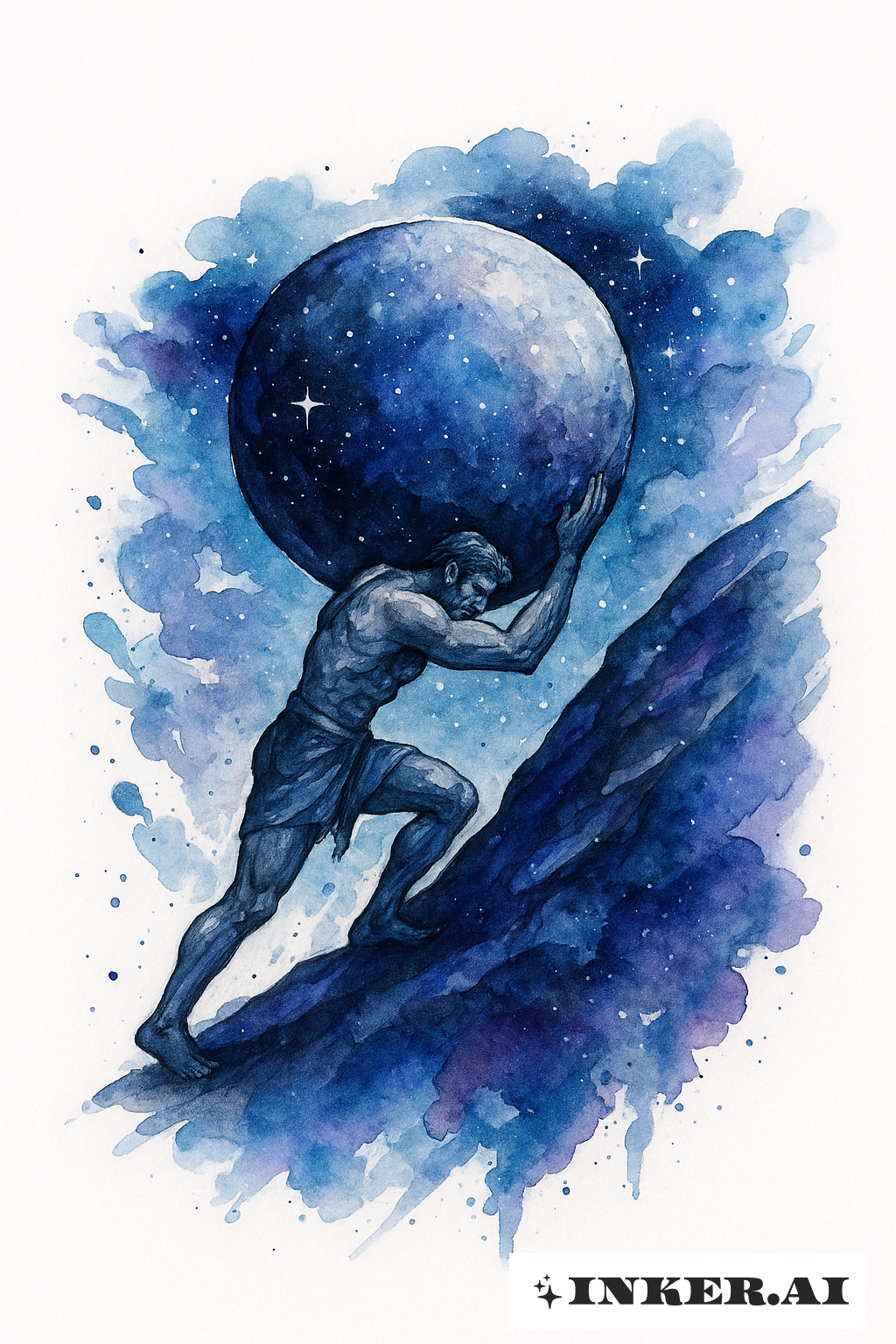
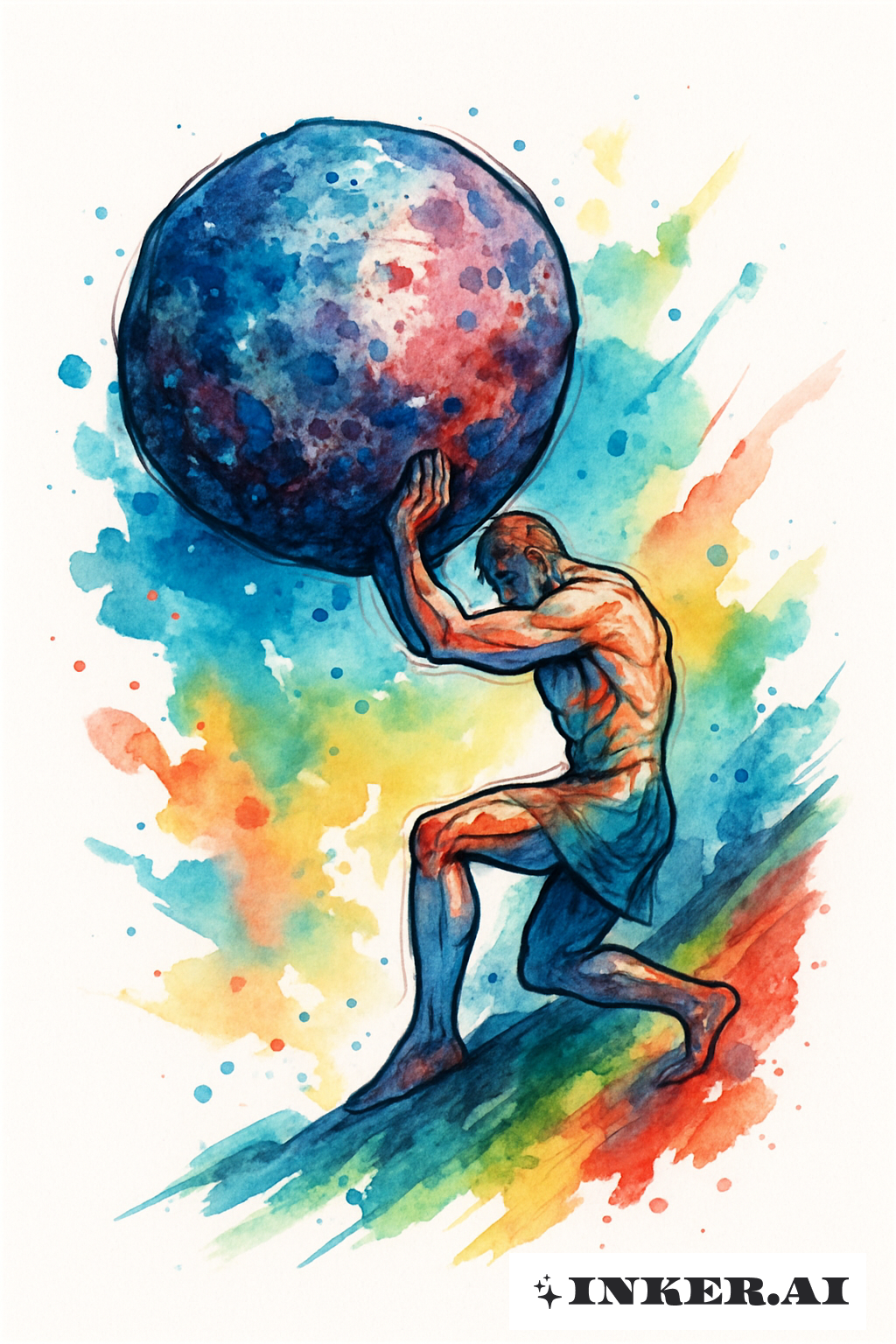
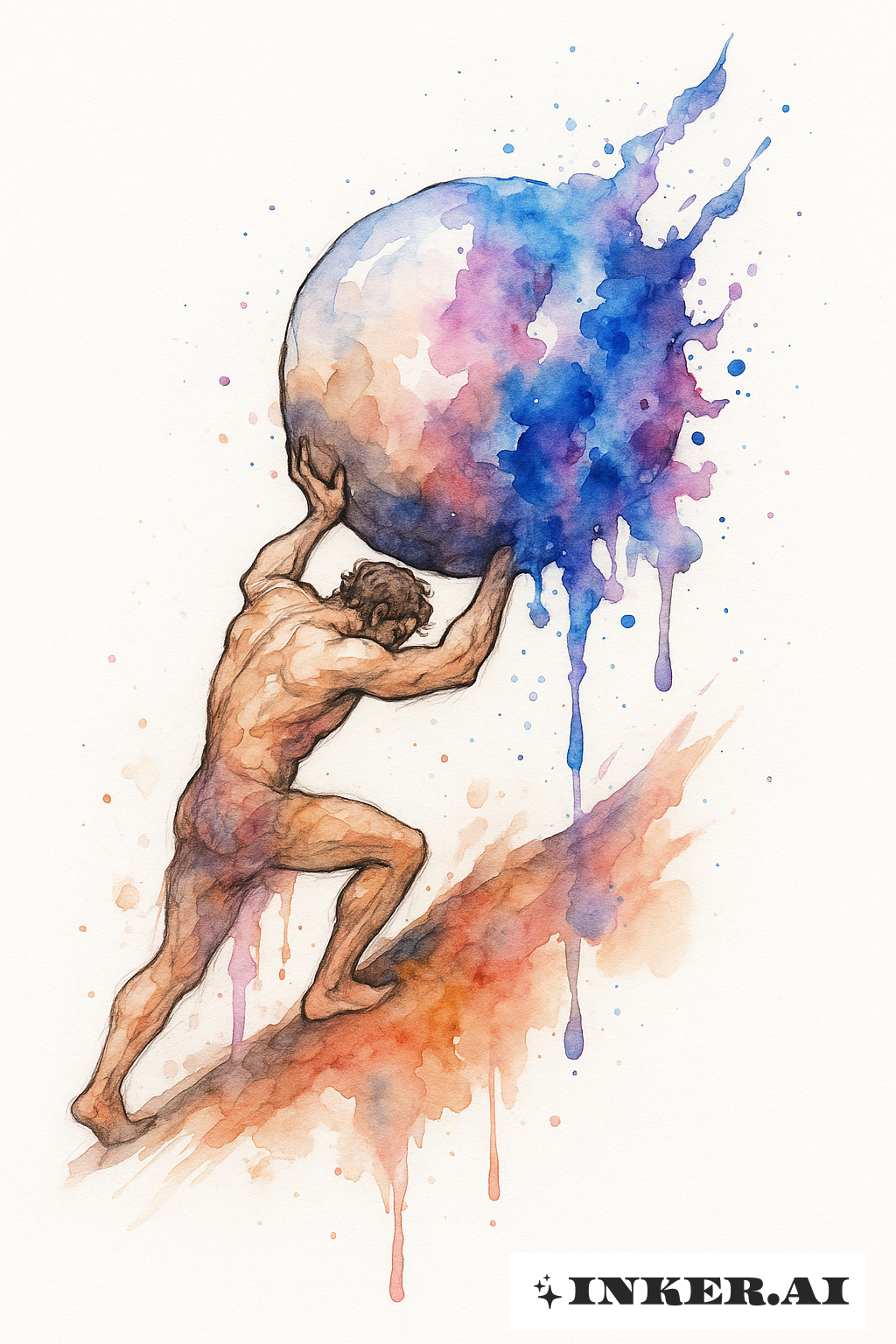
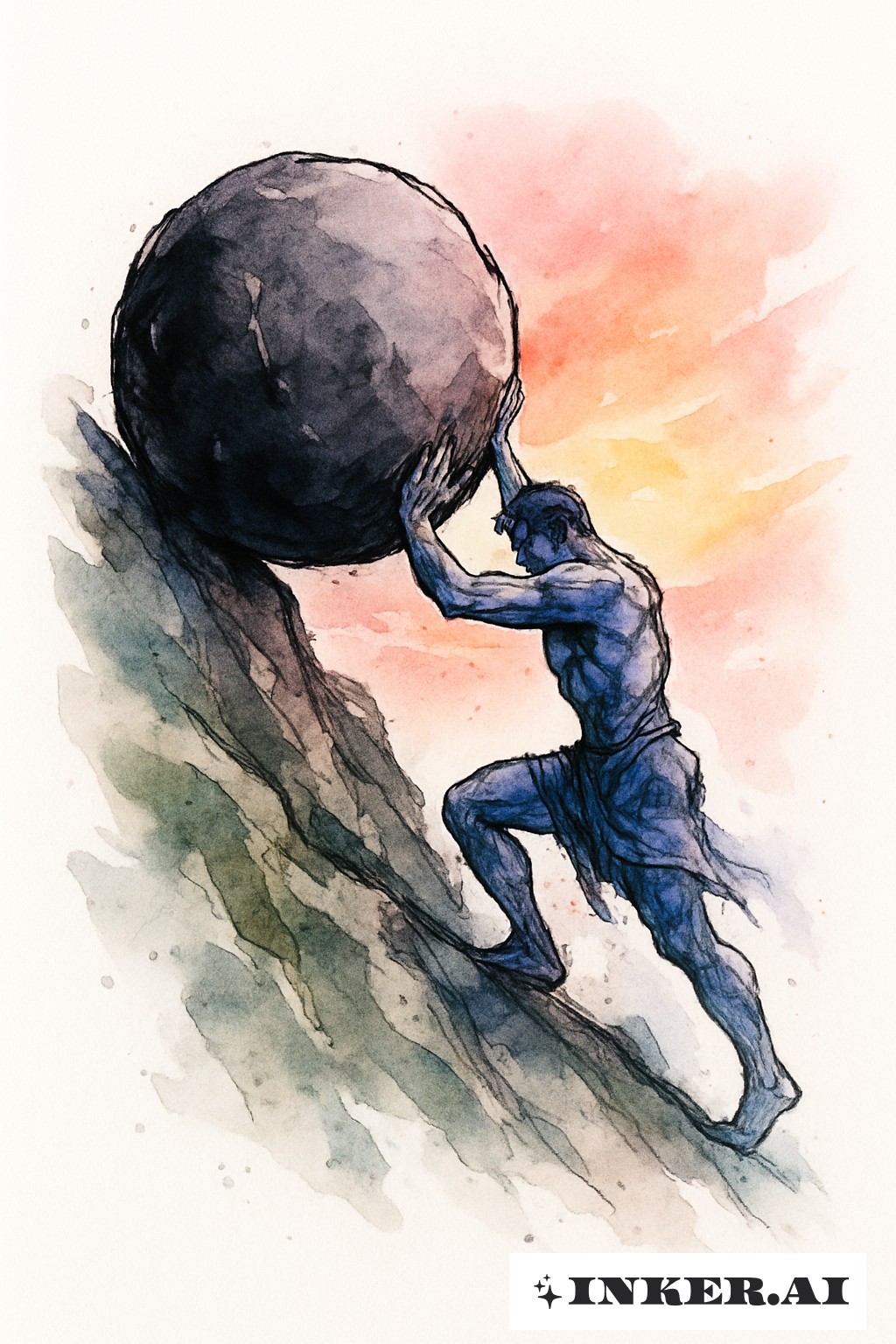
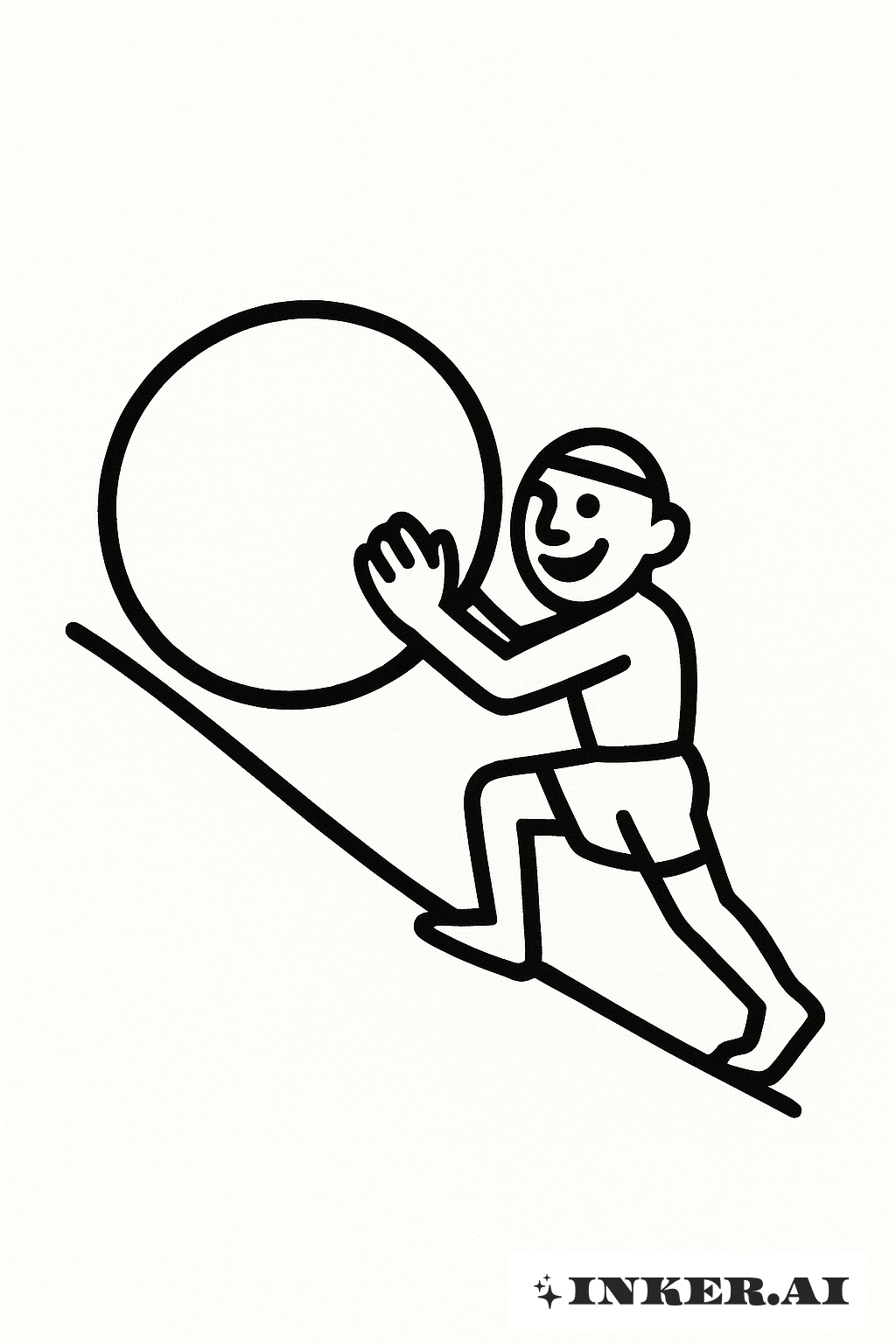
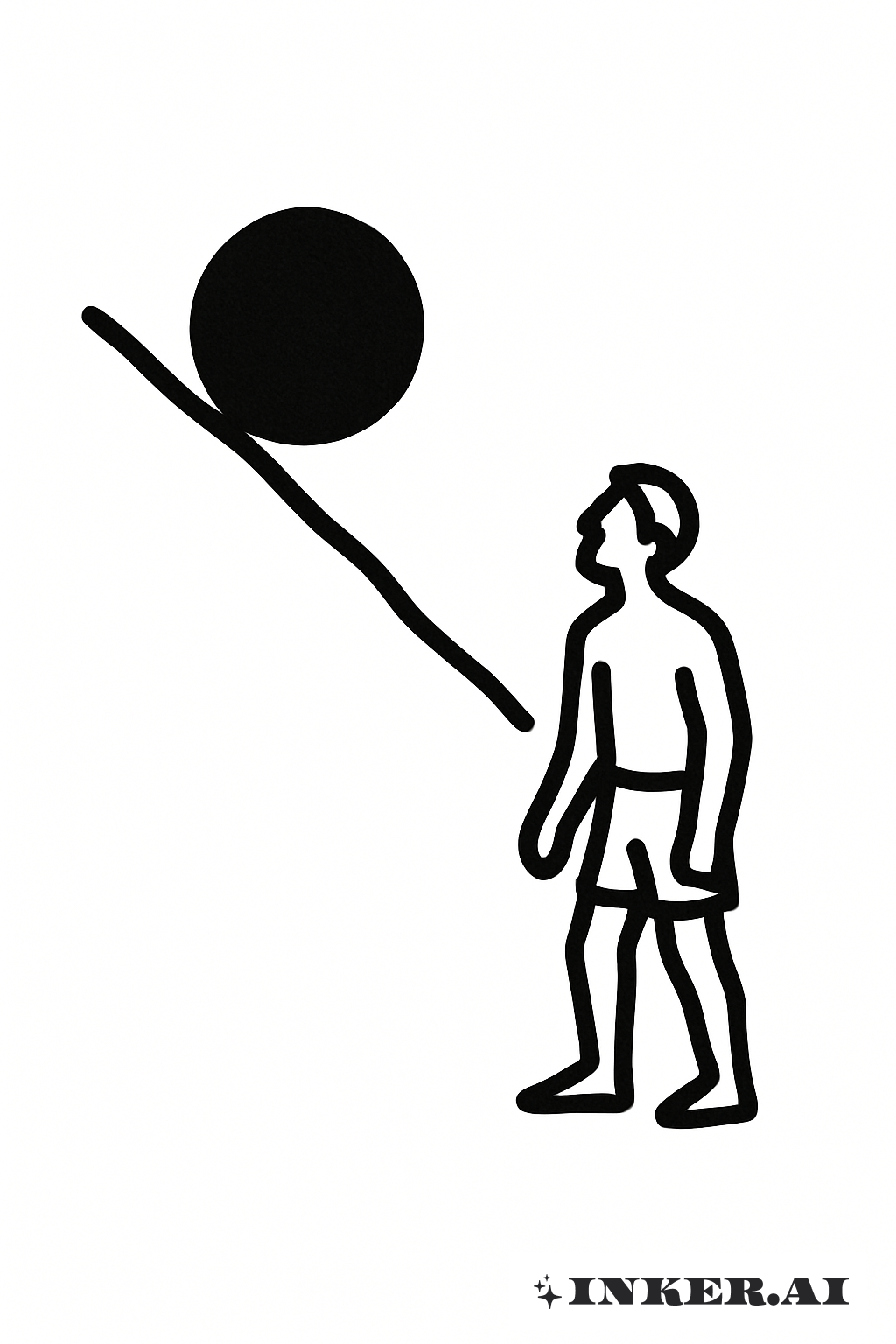
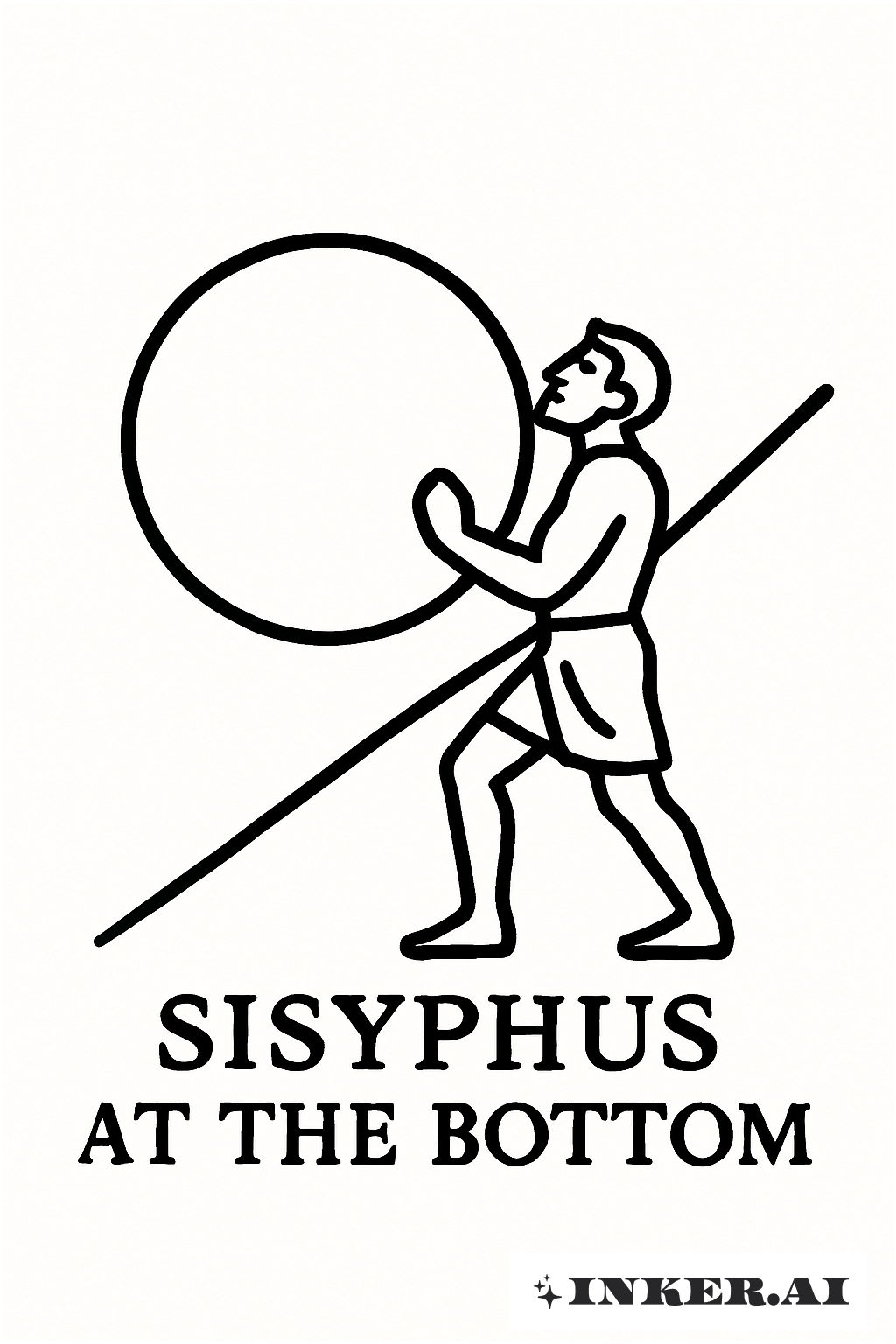
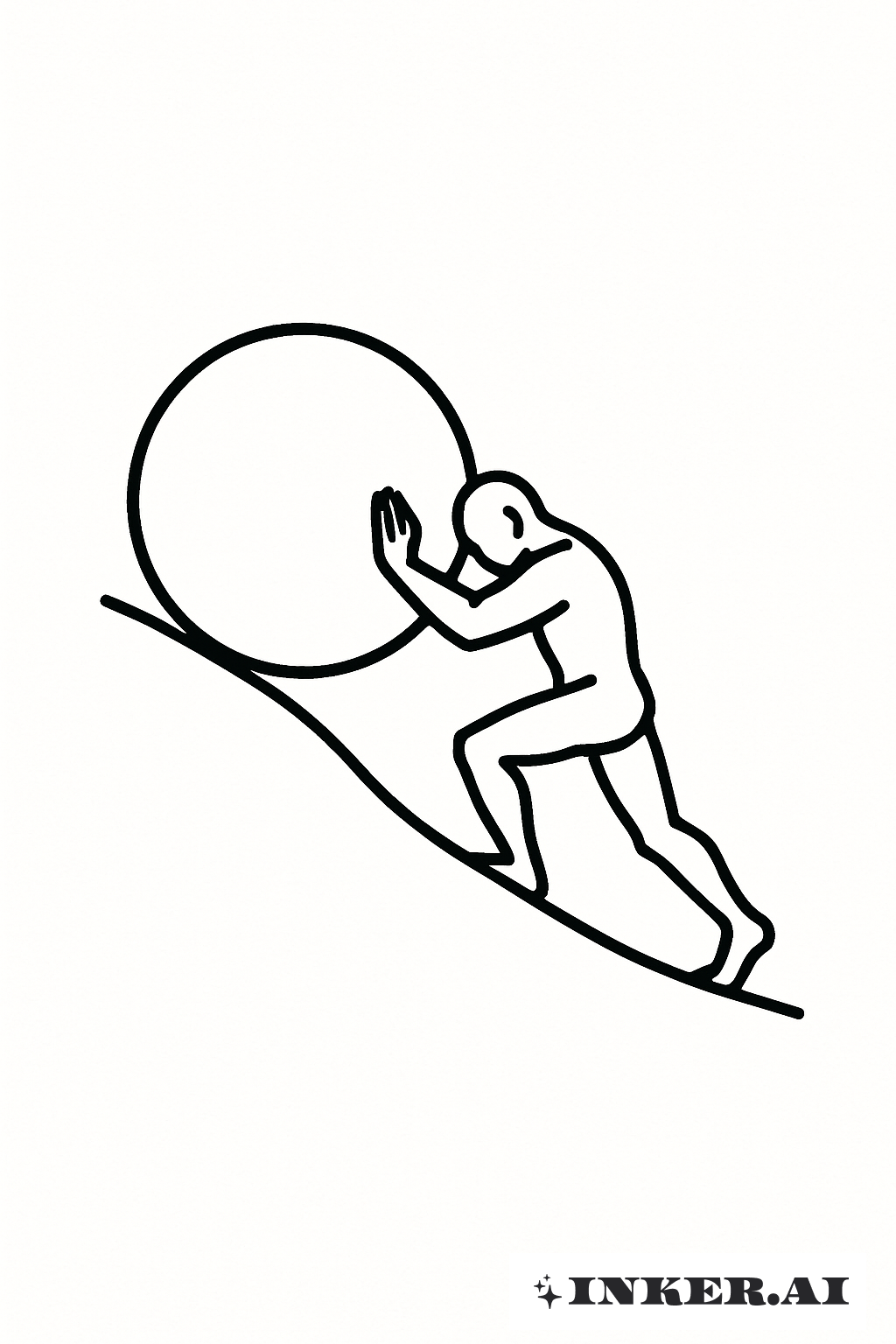
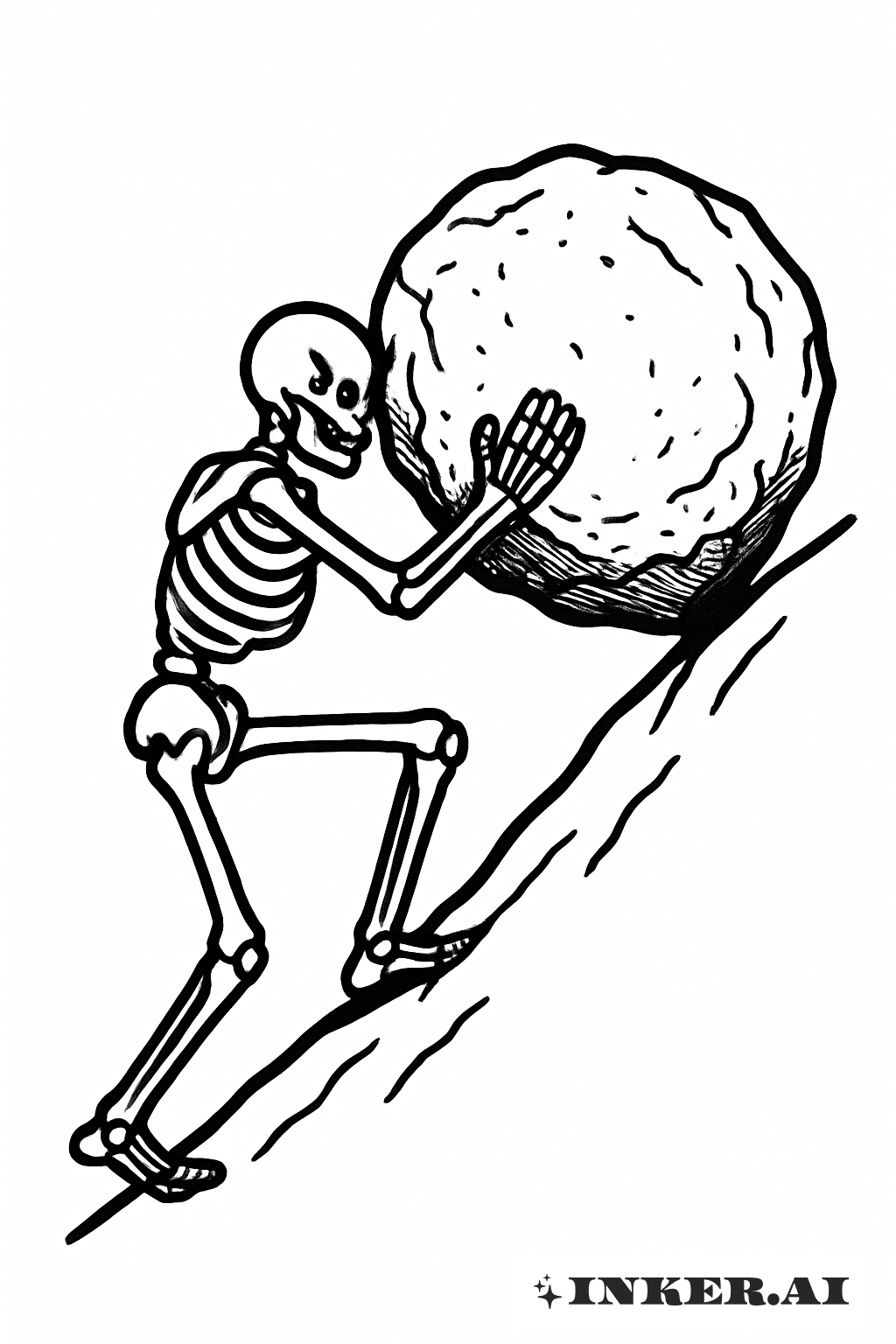
The image draws on the ancient myth of endless labor, translating it into a visceral visual of perseverance and futility. The skeletal figure removes individual identity, making the act itself the subject—an archetype of human toil, mortality, and the repetition of effort. Dark shading and stark contrasts emphasize the harshness of the task, while the fractured ground hints at consequences and wear. The boulder symbolizes burdens we carry—ambition, guilt, or responsibility—rolled forward despite apparent hopelessness. In a tattoo context, the design can represent resilience, acceptance, or a reminder of cycles that define life. Executed in a Basic tattoo style, its stripped-down aesthetic focuses attention on meaning rather than ornamentation, and the idea fits squarely among Sisyphus tattoo ideas that appeal to wearers seeking a bold, philosophical emblem of struggle turned into personal narrative.
Design Inspiration Of Skeletal Sisyphus's Eternal Task Tattoo Design
The artist draws inspiration from classical myth, memento mori motifs, and minimalist graphic art. By combining skeletal anatomy with the iconic boulder, the piece condenses a long narrative into a single, dynamic moment. The stark monochrome palette and economy of line come from traditional blackwork and woodcut illustrations, aiming to create a timeless emblem that reads clearly at small scale. Conceptually, the tattoo is born from reflections on persistence, fate, and the beauty found in relentless effort, turning a tragic myth into a personal badge of endurance.