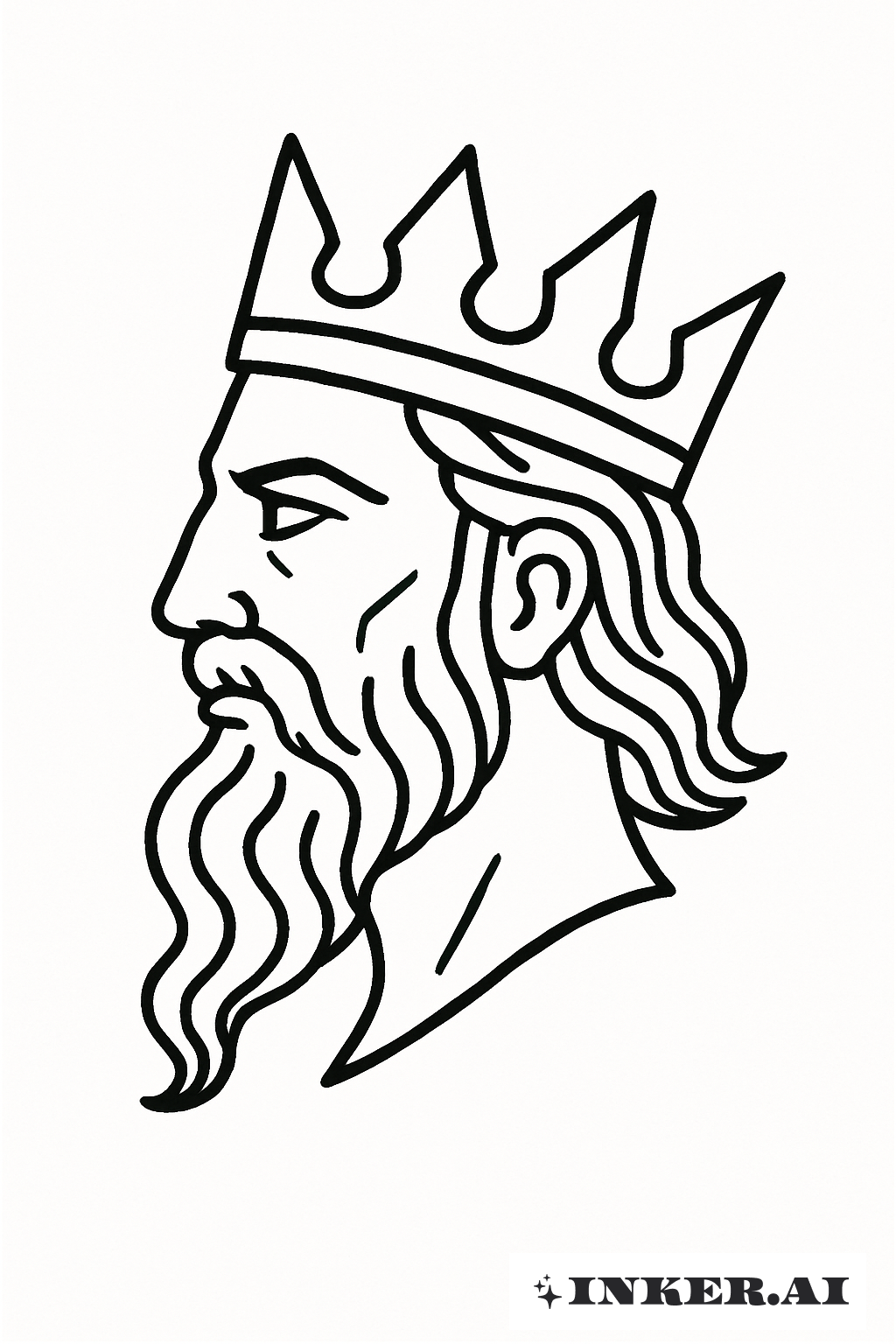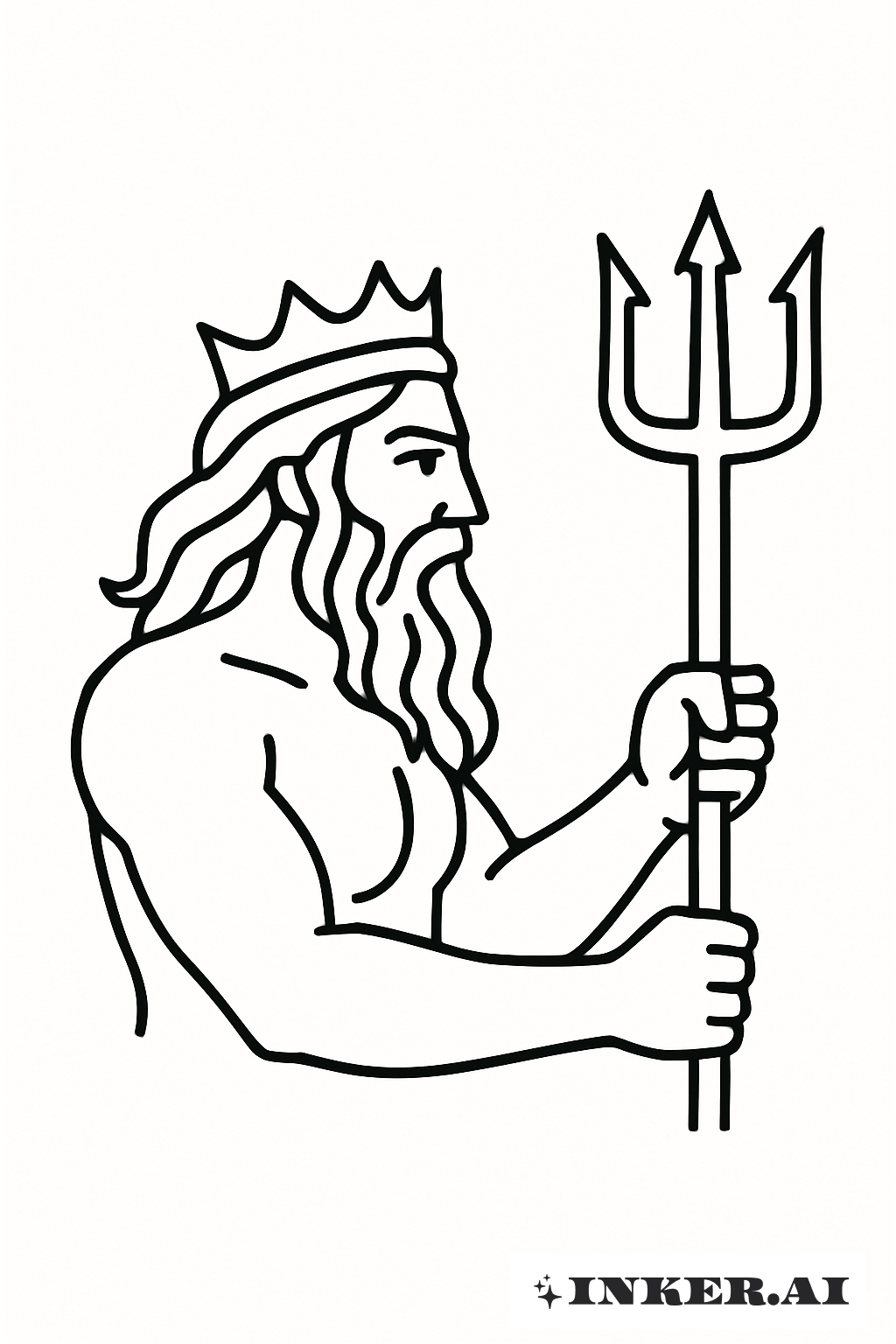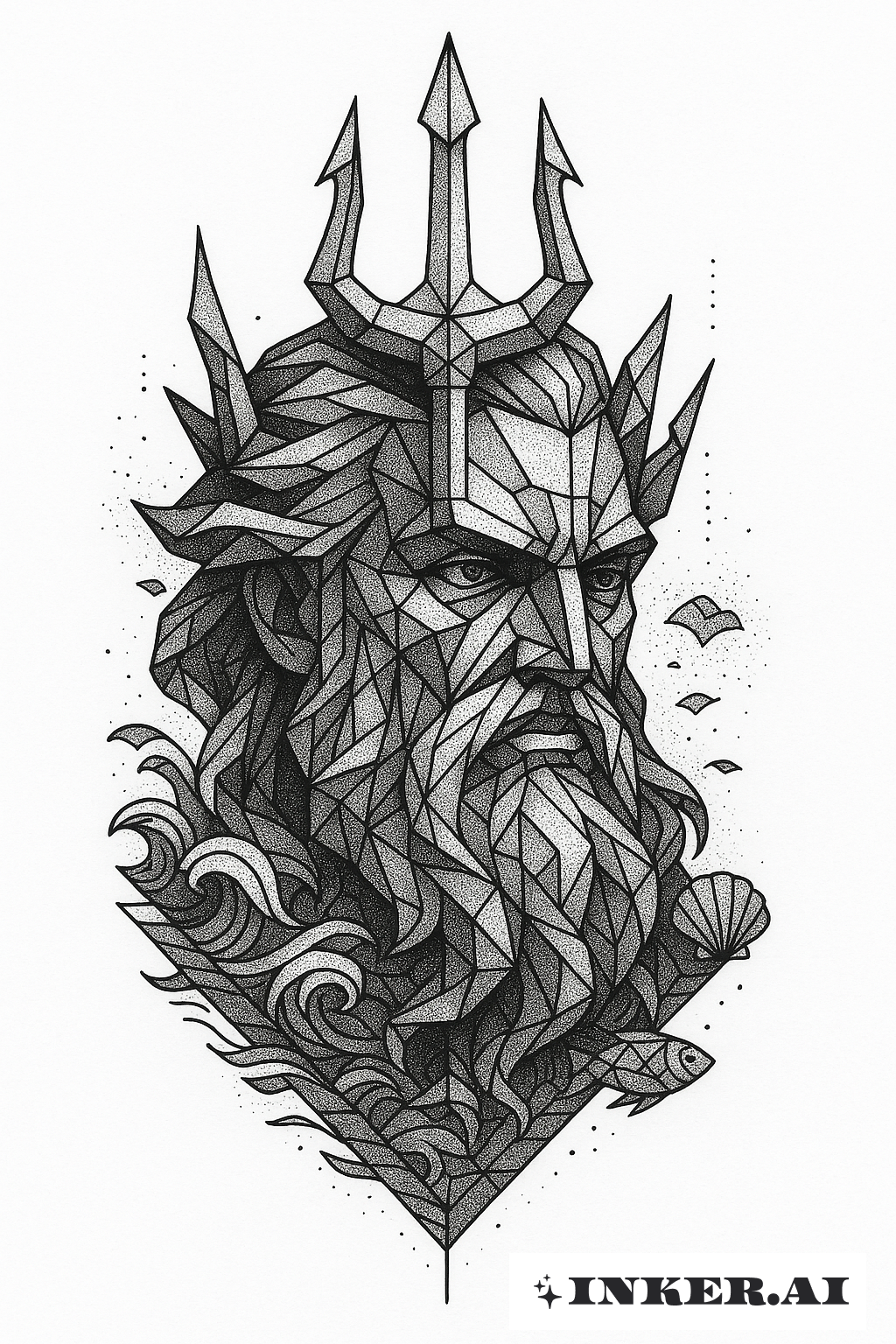
Cultural Meaning Of A Geometric Portrait Of The God Poseidon Tattoo Design
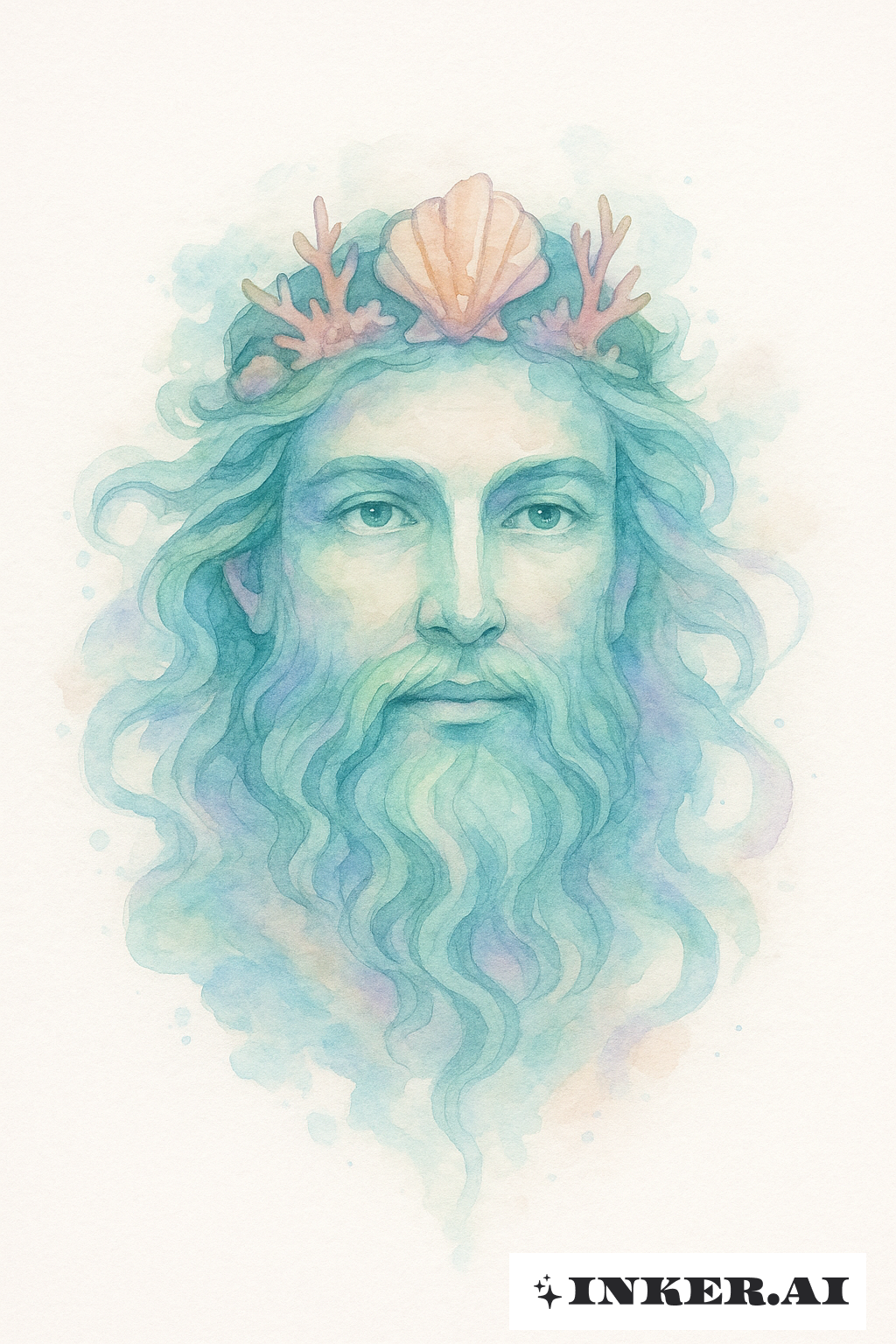
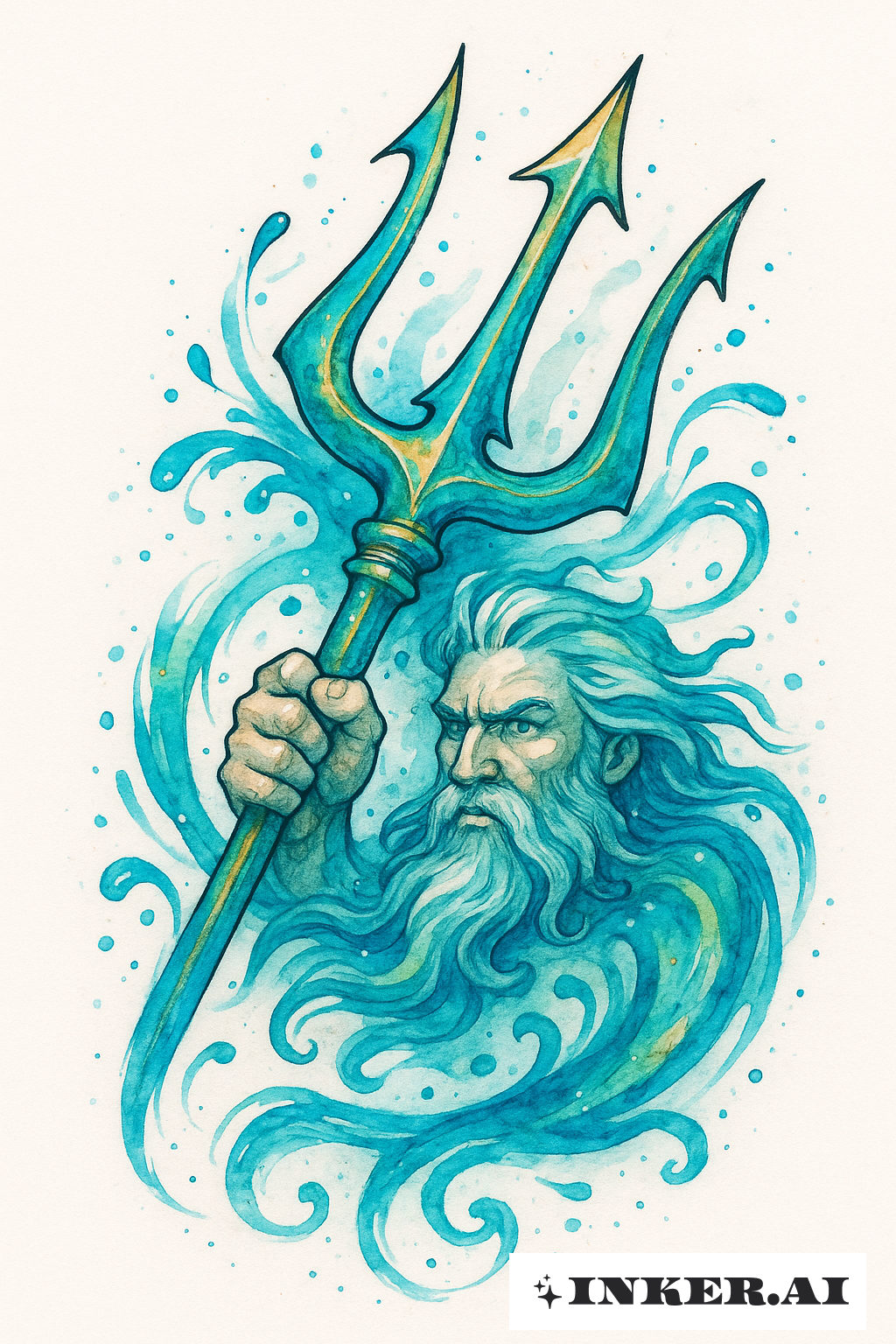
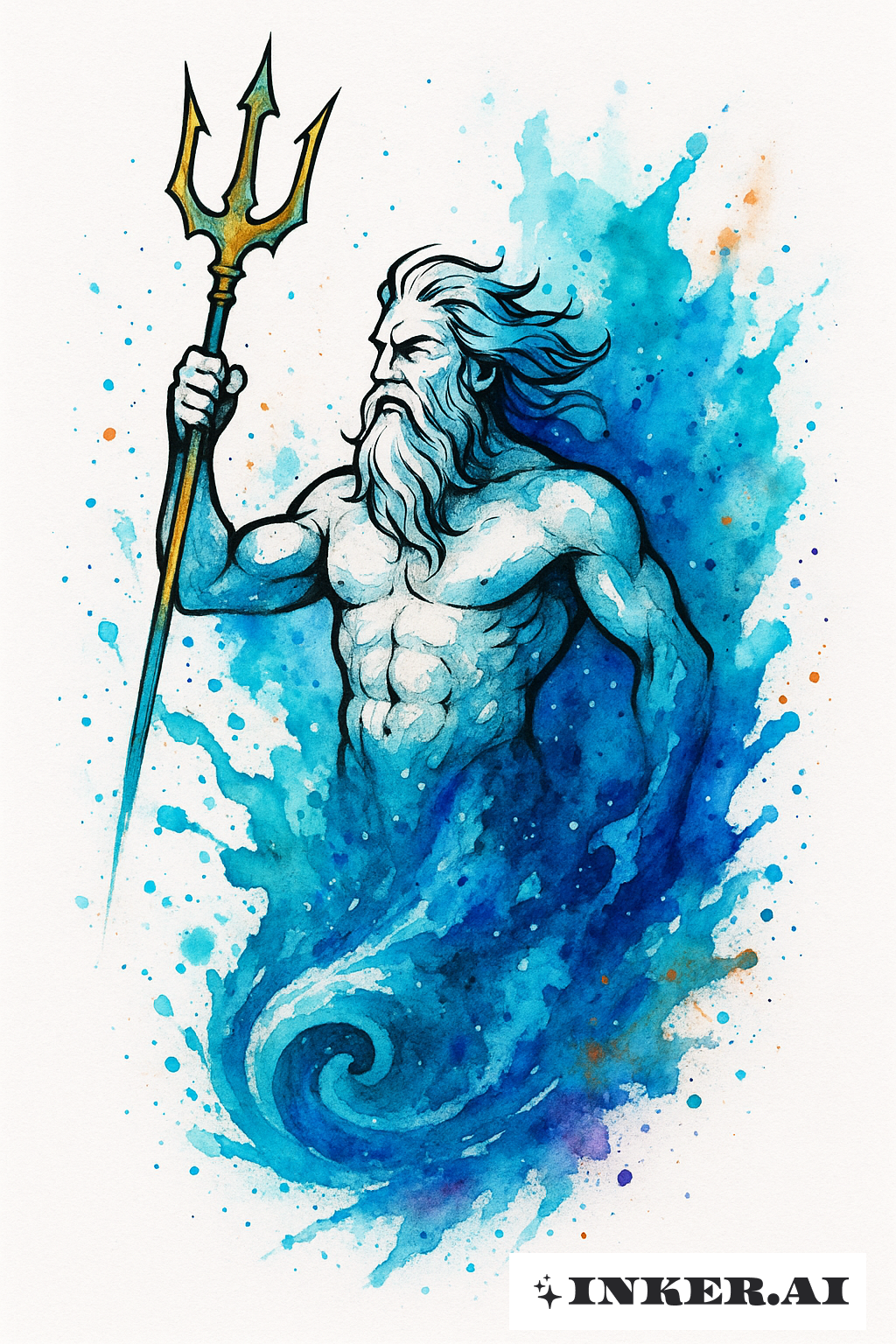
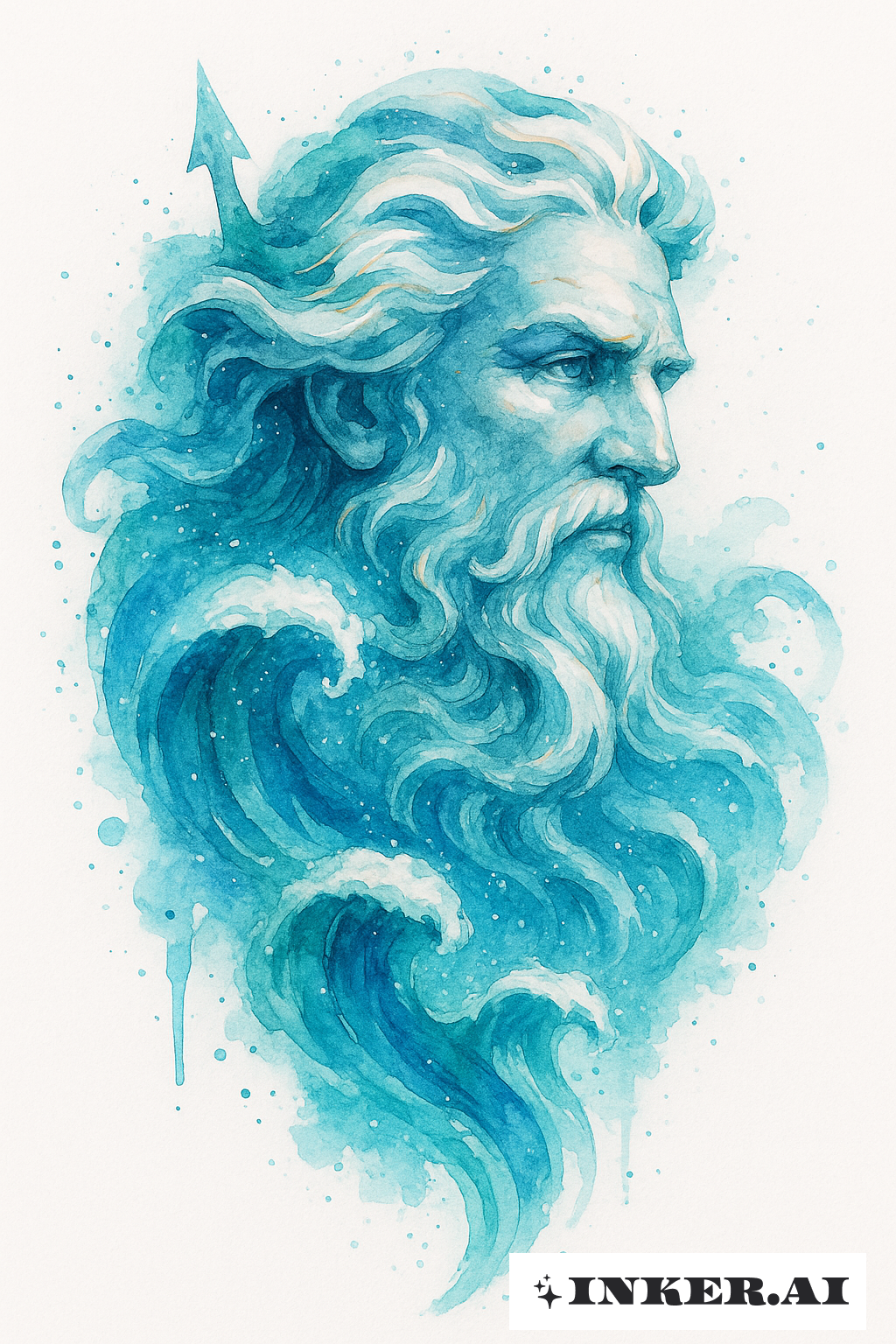
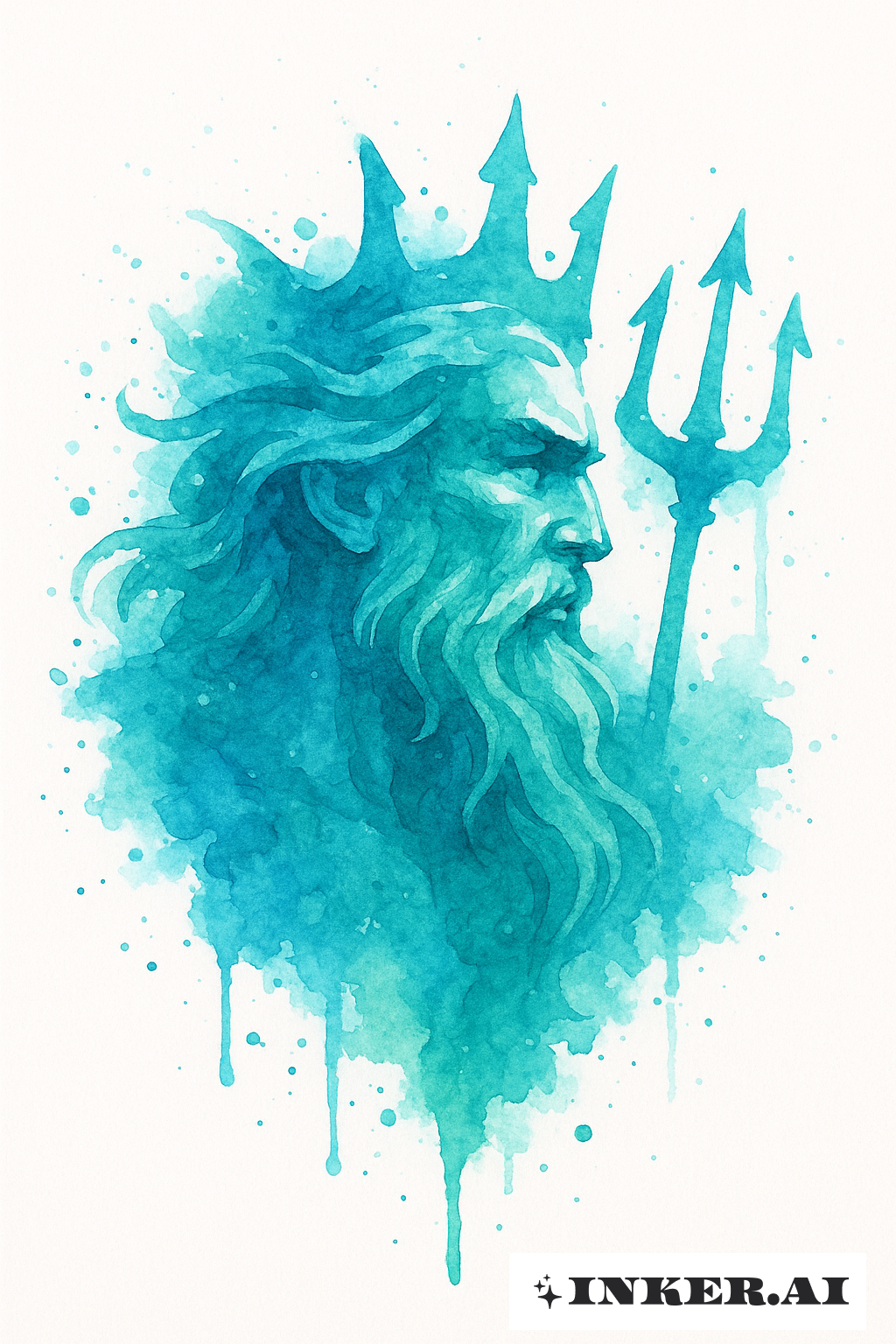
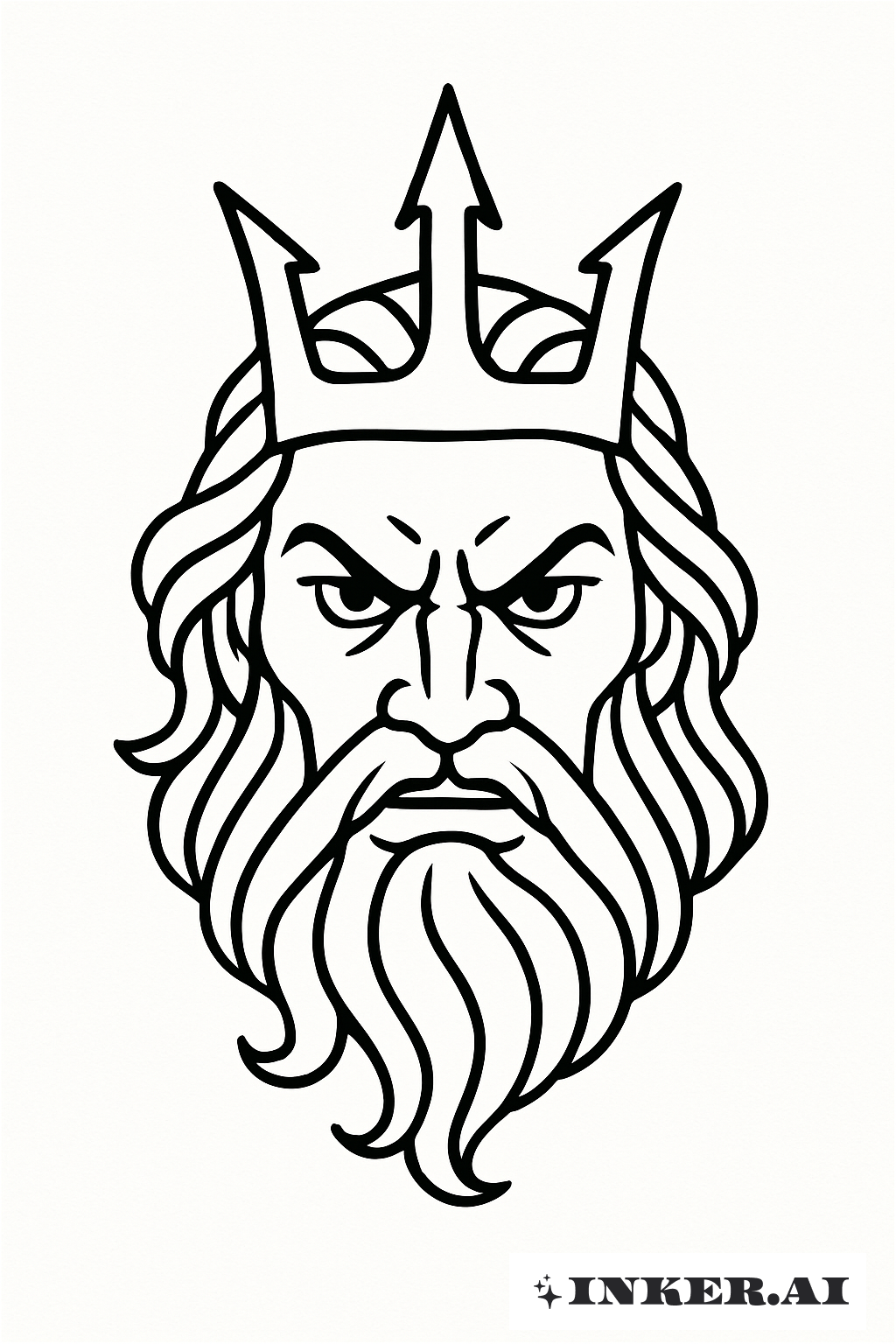
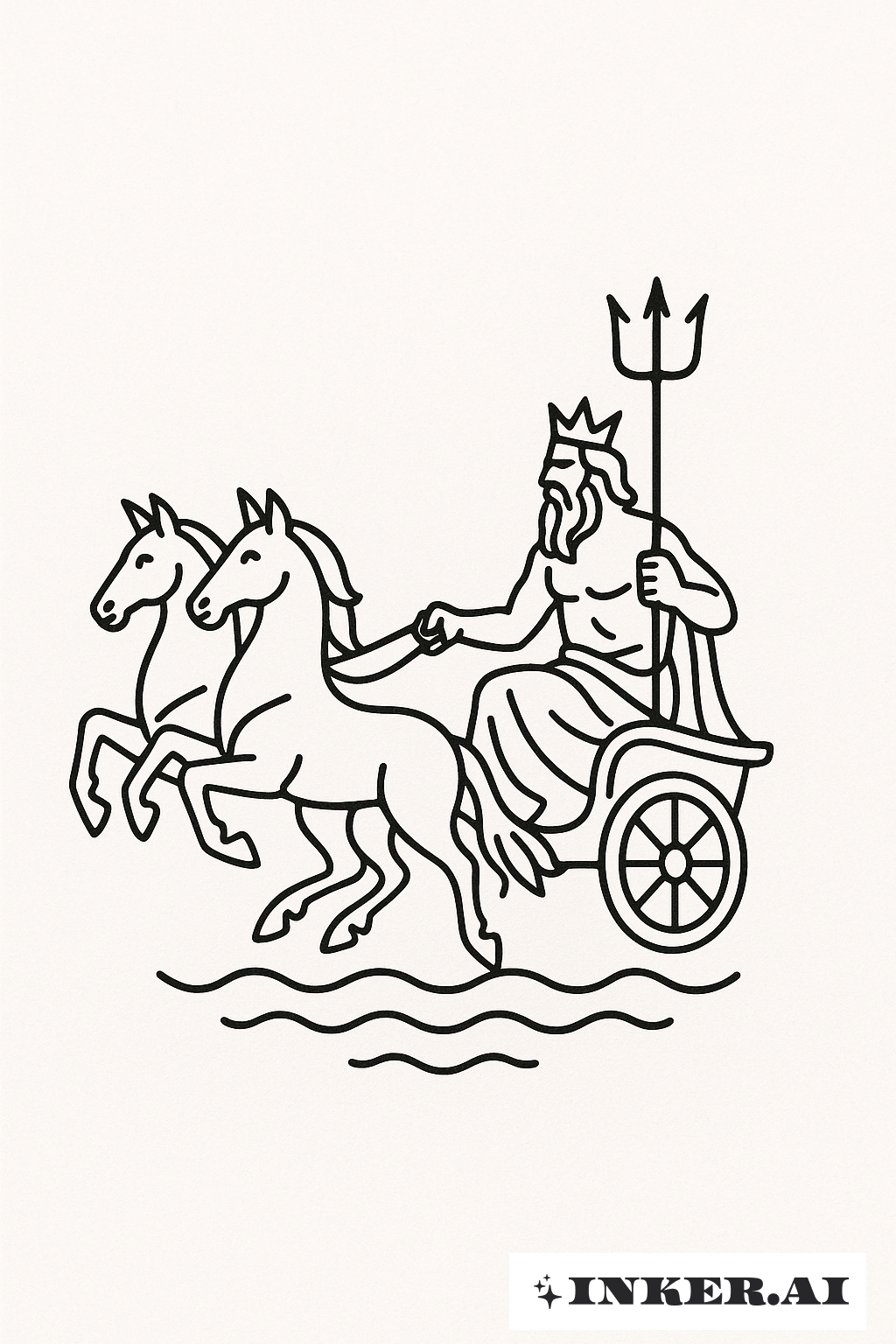
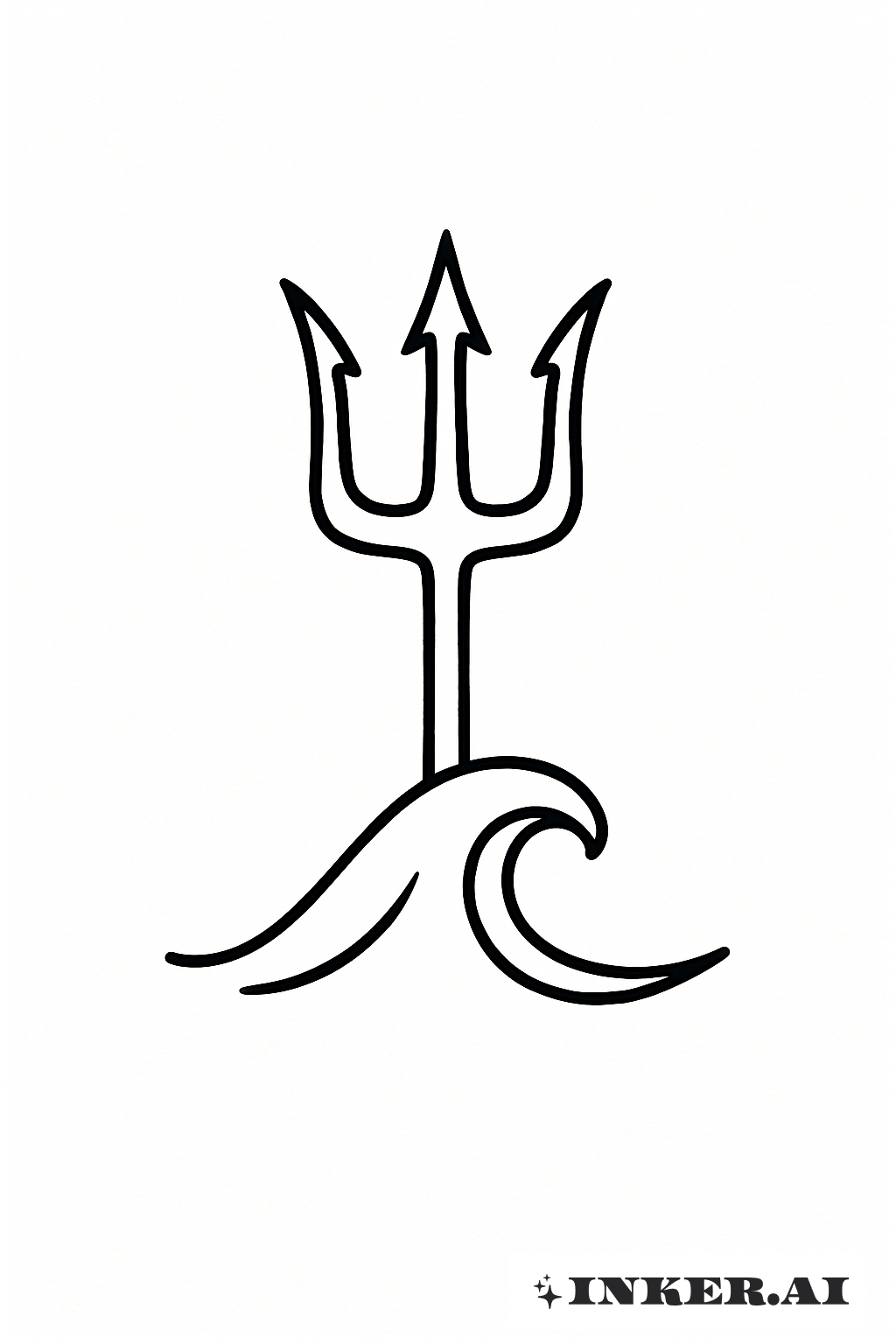
The image blends myth and modernity: the sea god’s stern visage conveys authority, while the geometric composition introduces ideas of order and structure. Angular forms and repeating patterns suggest the tides’ cyclical precision and the underlying geometry of nature, turning chaotic oceanic power into controlled, readable symbols. The trident remains a clear emblem of sovereignty over the sea and command of storms and sailors, while fractured planes imply both resilience and the multifaceted nature of leadership. At a personal level, such a portrait can represent protection, the ability to navigate emotional currents, or mastery over turbulence. The use of abstract shapes removes literalism and invites interpretation, making the figure less a literal deity and more an archetype of strength and guidance. By combining ancient myth with modern abstraction, the design channels a timeless narrative in a contemporary visual language. This convergence is why many choose Geometric tattoo style for mythic subjects, and why artists and clients often explore Poseidon tattoo ideas to express guardianship, transformation, and elemental power.
Design Inspiration Of A Geometric Portrait Of The God Poseidon Tattoo Design
The creative spark comes from translating classical sculpture and Greek vase imagery into a minimalist, crystalline vocabulary. Instead of soft modeling, the artist emphasizes planes, negative space, and rhythm—taking cues from cubism and modern architecture. The trident is reimagined as a graphic motif that anchors the composition, while wave patterns are distilled into repeating wedges and arcs. The result is a fresh, symbolic portrait that honors ancient storytelling through contemporary form, inviting wearers to carry myth in a sleek, personal visual code.