Cultural Meaning Of Traditional Plague Doctor with Roses Tattoo Design
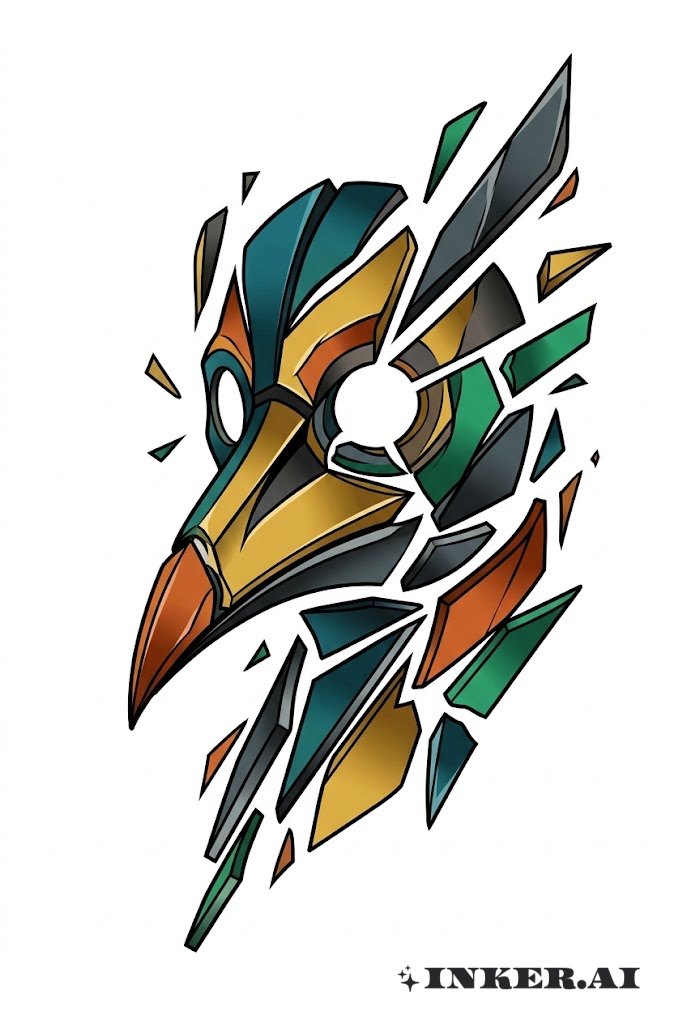
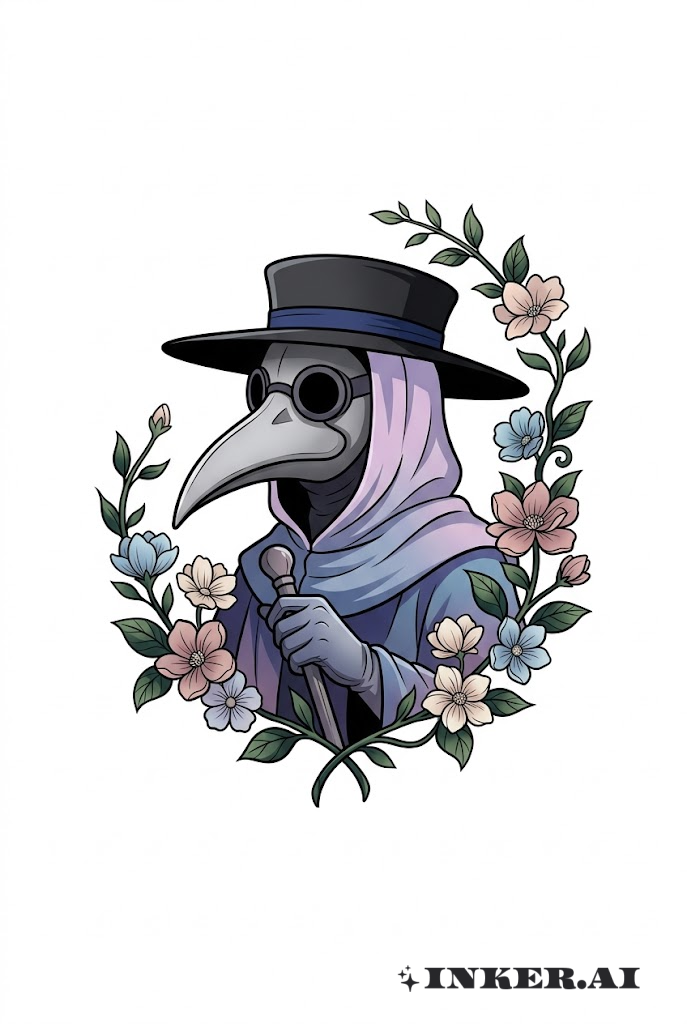
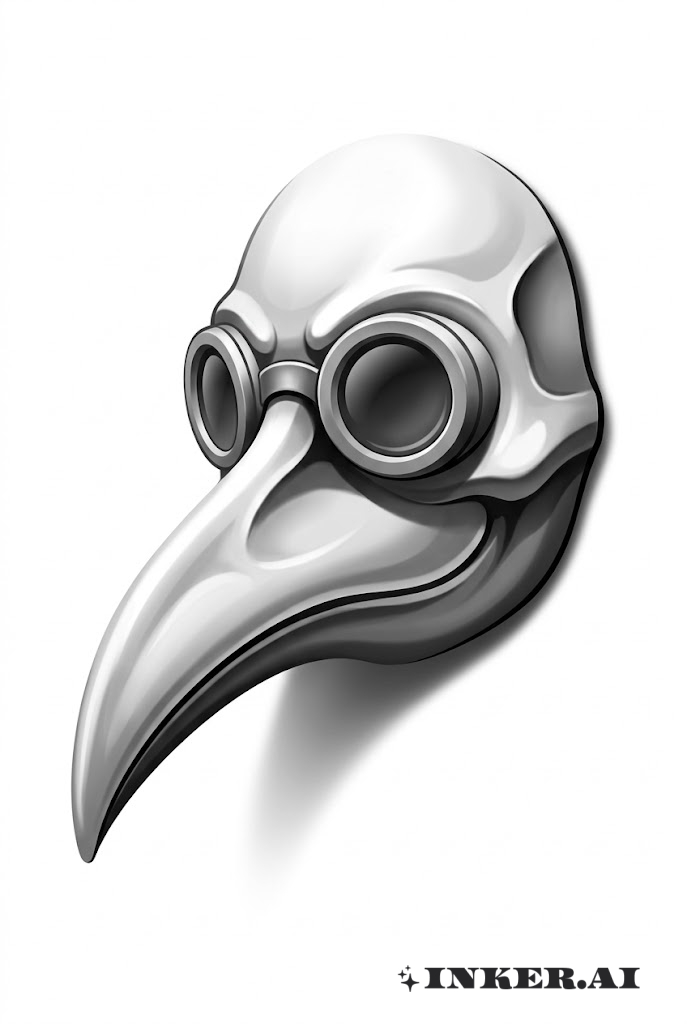
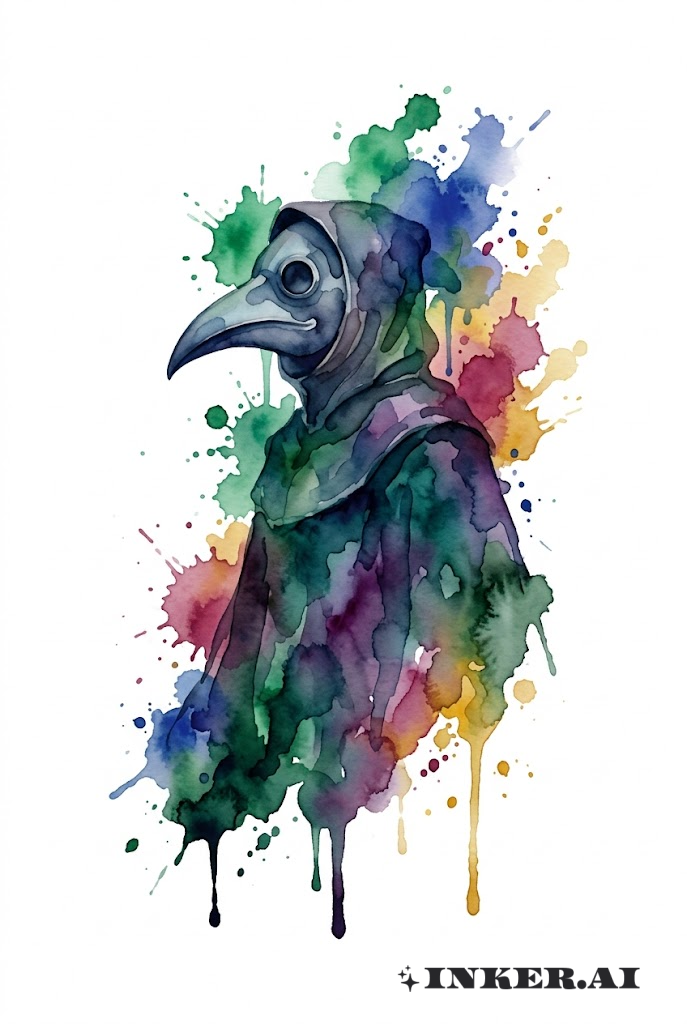
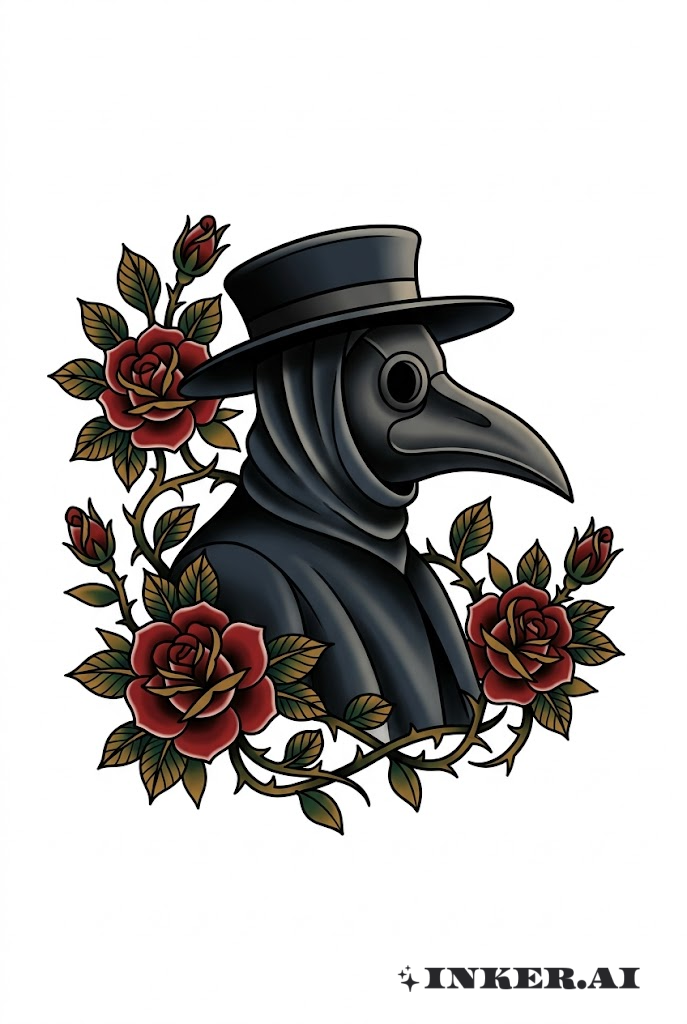
The plague doctor is commonly associated with mortality, disease, history, and humanity's attempts to confront the unknown. Its long beaked mask creates an eerie, mysterious presence, while also representing protection, distance, and the fragile boundary between life and death. The roses introduce a contrasting message of beauty, love, passion, and renewal. Their presence beside the masked figure suggests that tenderness and vitality can exist even in the shadow of hardship. Depending on the wearer, the image may honor survival, remember a difficult chapter, or express fascination with dark history and gothic storytelling. The bold contrast of red flowers against black clothing reinforces the tension between life and mortality. In a Traditional tattoo style, strong outlines and limited color make these ideas feel direct, enduring, and visually memorable. As a Plague Doctor tattoo ideas design, it can symbolize resilience, emotional complexity, or acceptance of impermanence without losing a sense of elegance. The composition ultimately balances warning and beauty, reminding the viewer that darkness and hope often appear together.
Design Inspiration Of Traditional Plague Doctor with Roses Tattoo Design
The design draws inspiration from European plague doctor imagery, gothic folklore, vintage medical history, and the dramatic visual language of classic flash art. The rigid mask and heavy robe create an atmosphere of mystery, while the roses soften the composition with natural curves and romantic color. The contrast between decay-inspired symbolism and blooming flowers gives the piece its emotional tension. Bold contours, limited shading, and a black-and-red palette keep the concept powerful, recognizable, and timeless.