Cultural Meaning Of Plague Doctor Graffiti Tag Tattoo Design
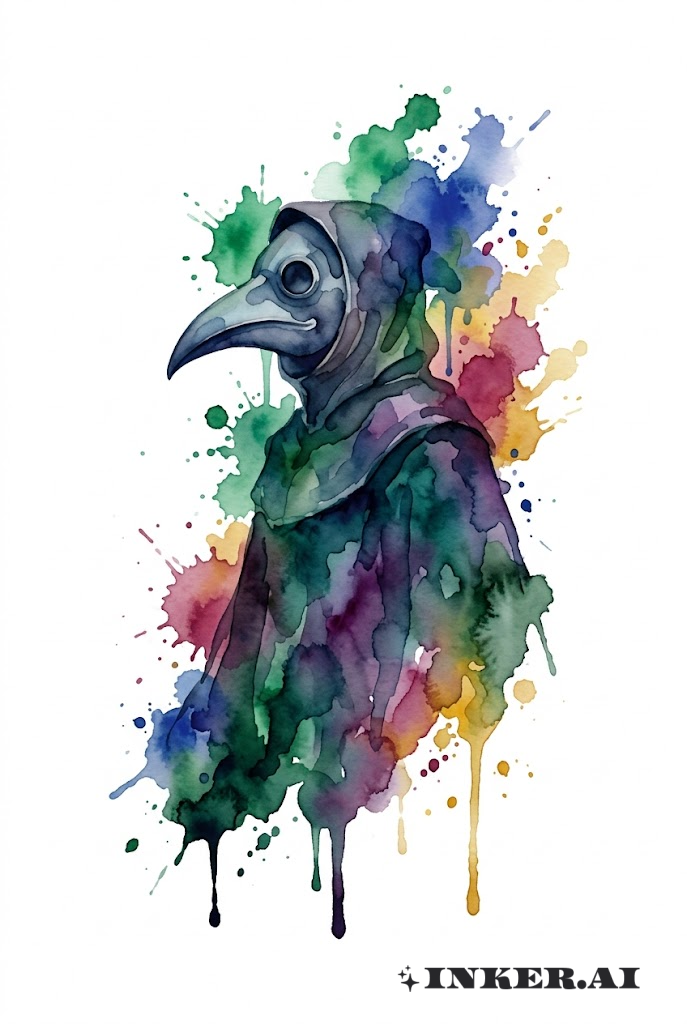
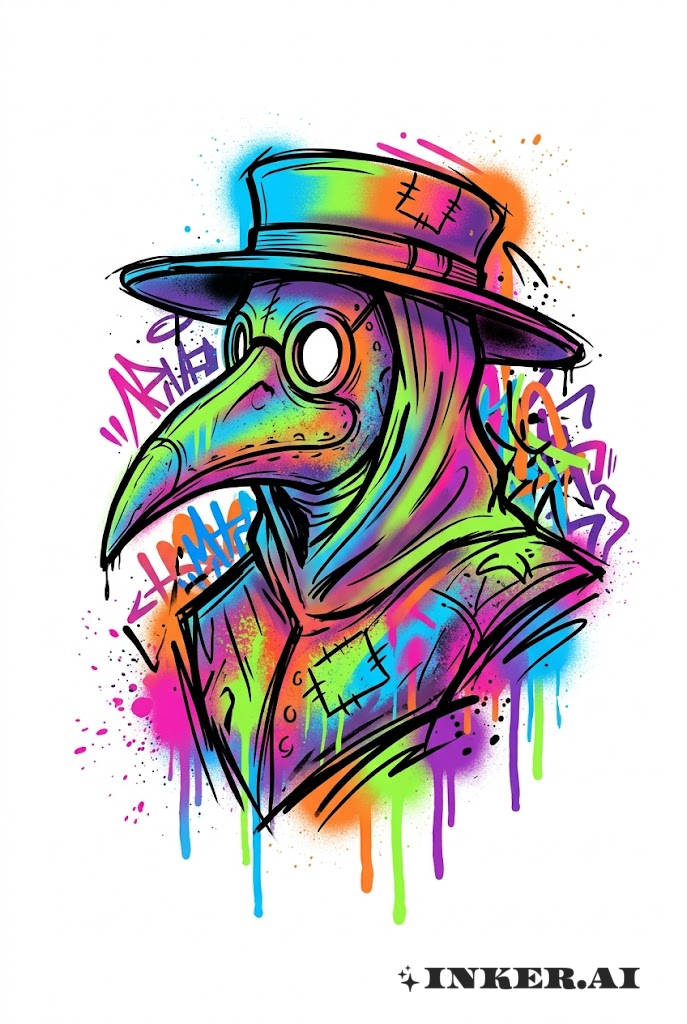
This tag blends the eerie anonymity of the beaked healer with the rebellious energy of urban art. The Plague Doctor figure traditionally evokes protection, fear, and mortality; here it is stripped to a silhouette that feels both cautionary and defiant. In the context of a Graffiti tattoo style, the image becomes a statement about public health, secrecy, and the outsider’s role in society—equal parts warning and protection. As Plague Doctor tattoo ideas, the design speaks to themes of survival, social critique, and the romanticization of historical darkness. Paint drips and rough edges emphasize impermanence and resistance, turning a historical symbol into a contemporary emblem of resilience and subversive identity.
Design Inspiration Of Plague Doctor Graffiti Tag Tattoo Design
The concept draws from medieval medical iconography and the immediacy of street stencils. Artists rework the Plague Doctor as an urban specter—combining the ritualistic silhouette of the past with the raw materials of city walls: spray paint, torn posters, and weathered concrete. The overall aim is to reclaim an ominous figure and make it a bold, wearable emblem of outsider strength and sardonic commentary.