Cultural Meaning Of Plague Doctor Graffiti Mural Tattoo Design
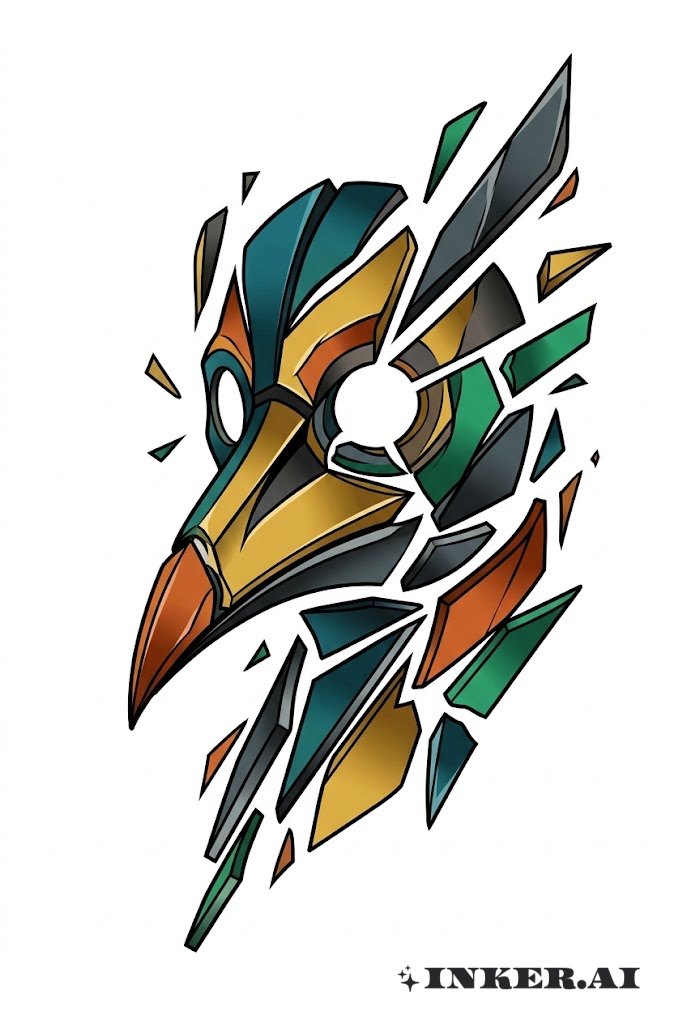
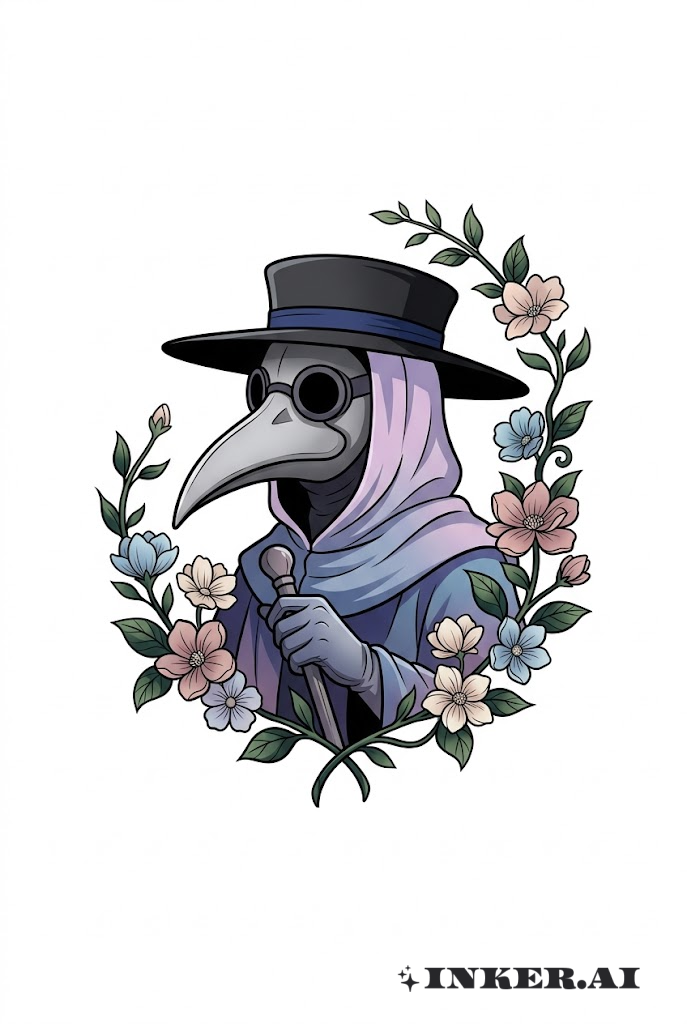
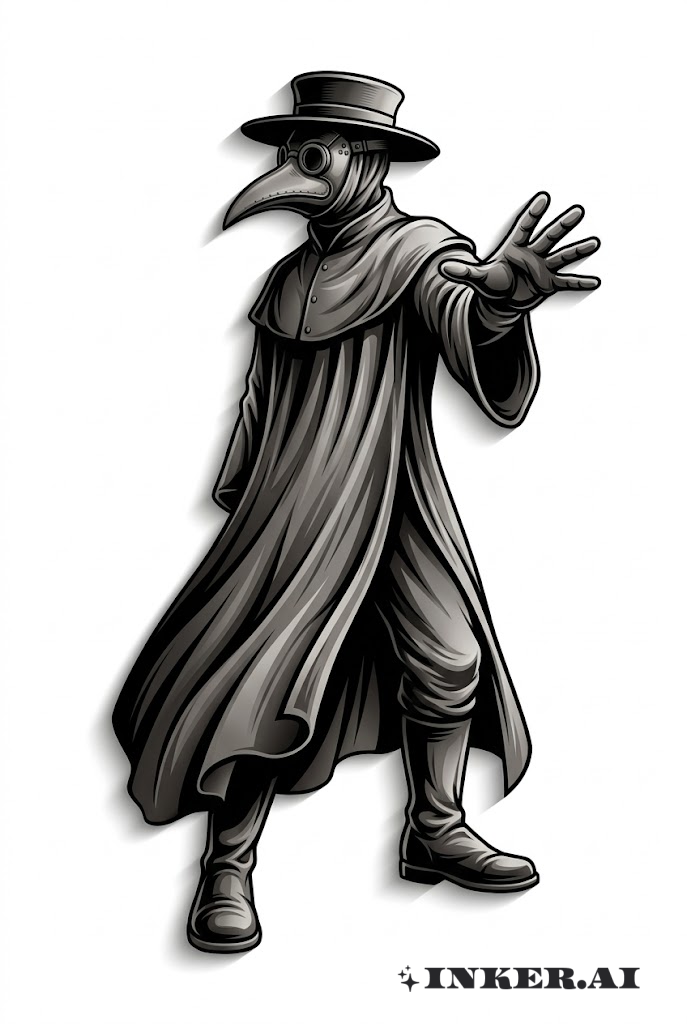
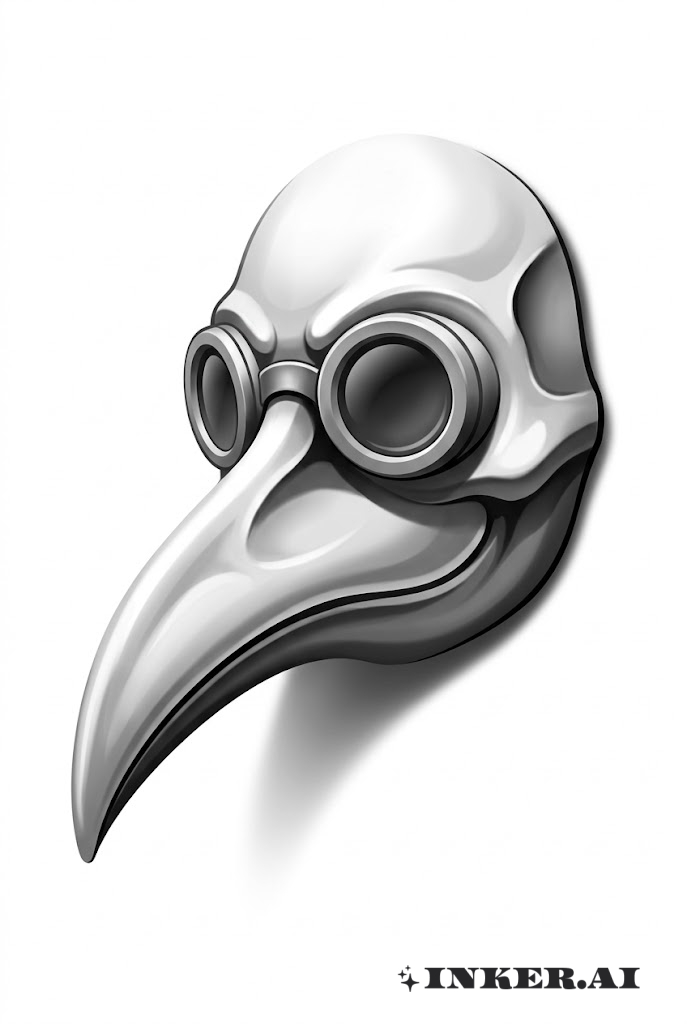
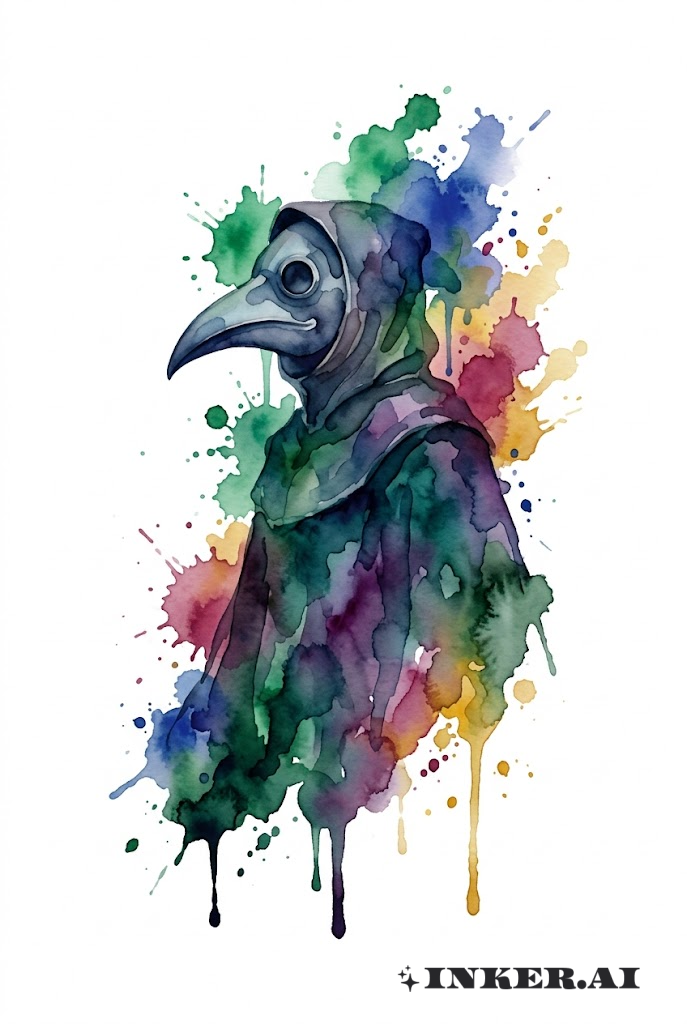
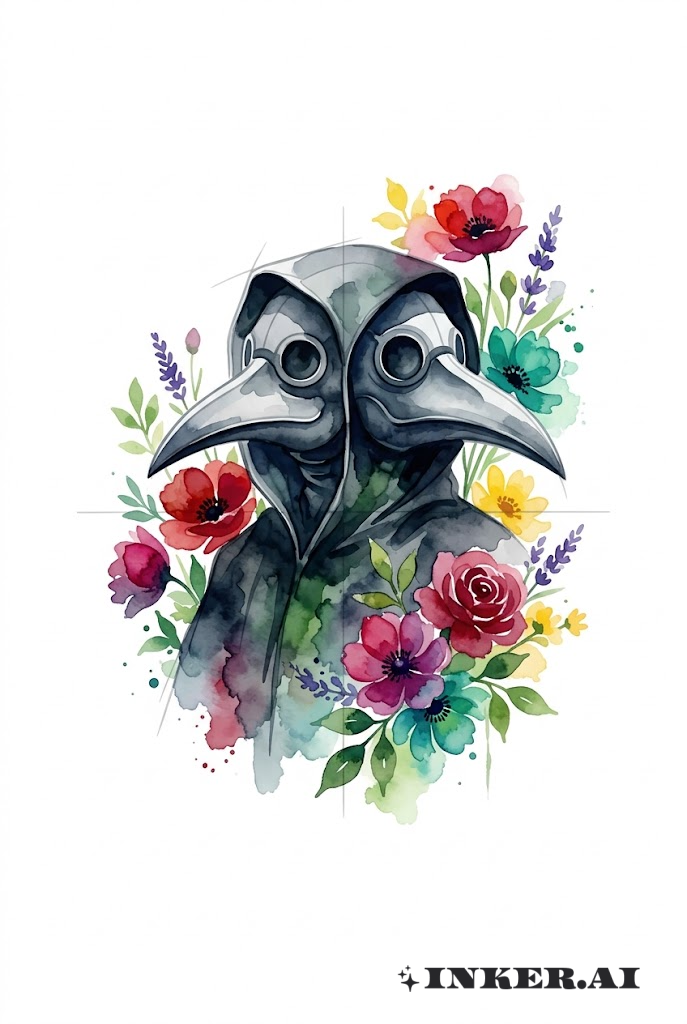
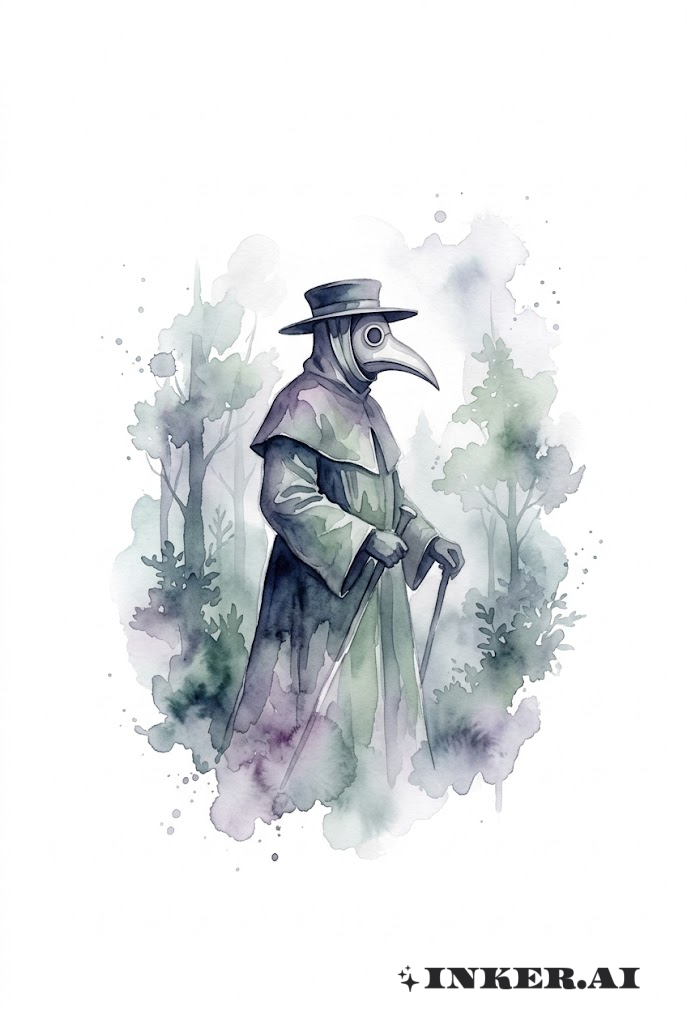
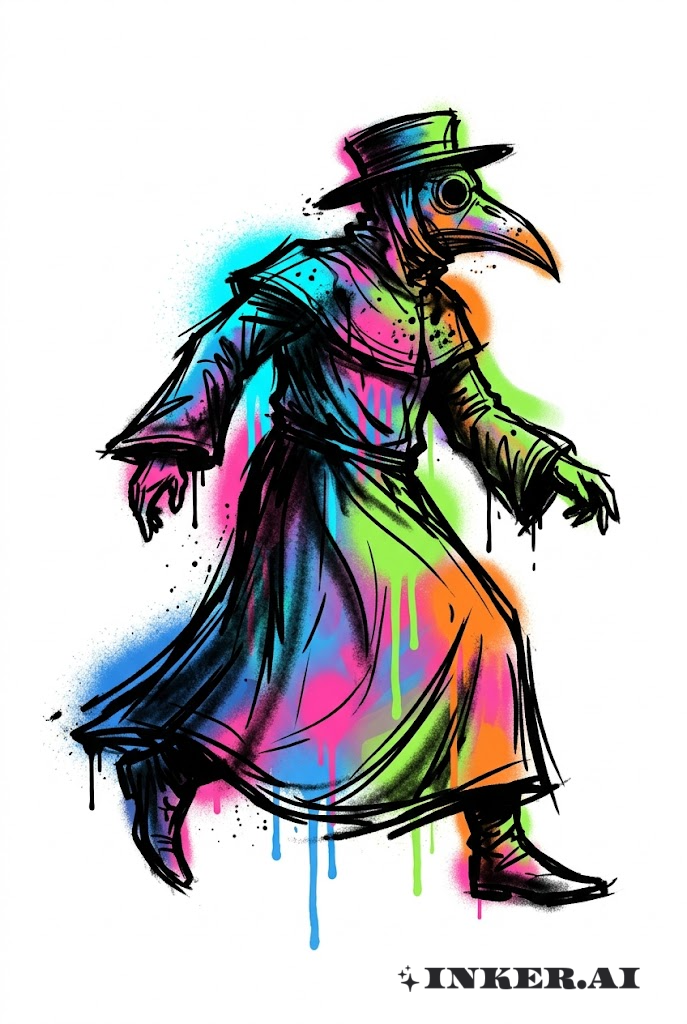
The plague doctor has long been associated with mortality, illness, protection, and the unsettling boundary between healing and fear. Its beaked mask suggests historical medicine, while the concealed face can symbolize anonymity, emotional distance, or the hidden parts of the self. In a tattoo, the figure may represent survival through difficult times, awareness of life’s fragility, or a refusal to be intimidated by darkness. The mural treatment adds another layer of meaning: graffiti often represents self-expression, resistance, and the desire to leave a visible mark in a changing world. As Graffiti tattoo style, this image transforms a symbol of historical dread into a bold statement of identity and creative independence. For those exploring Plague Doctor tattoo ideas, the design can stand for resilience, transformation, or a fascination with the macabre without being limited to one interpretation. Its dramatic appearance may also reflect a wearer’s appreciation for unconventional art, underground culture, and imagery that challenges traditional ideas of beauty. The contrast between ominous subject matter and energetic street-art styling makes the tattoo feel both cautionary and empowering.
Design Inspiration Of Plague Doctor Graffiti Mural Tattoo Design
The concept draws from historic plague-doctor imagery and the visual language of painted city walls. Its inspiration comes from the sharp silhouette of the beaked mask, the mystery of a hidden face, and the dramatic contrast between shadow and saturated mural color. Weathered textures, spray-paint energy, heavy outlines, and layered marks give the subject a contemporary urban voice. The result merges macabre portraiture with rebellious street-art expression, turning an unsettling historical figure into a striking piece of modern visual storytelling.