Cultural Meaning Of Ornamental Plague Doctor Cloak Tattoo Design
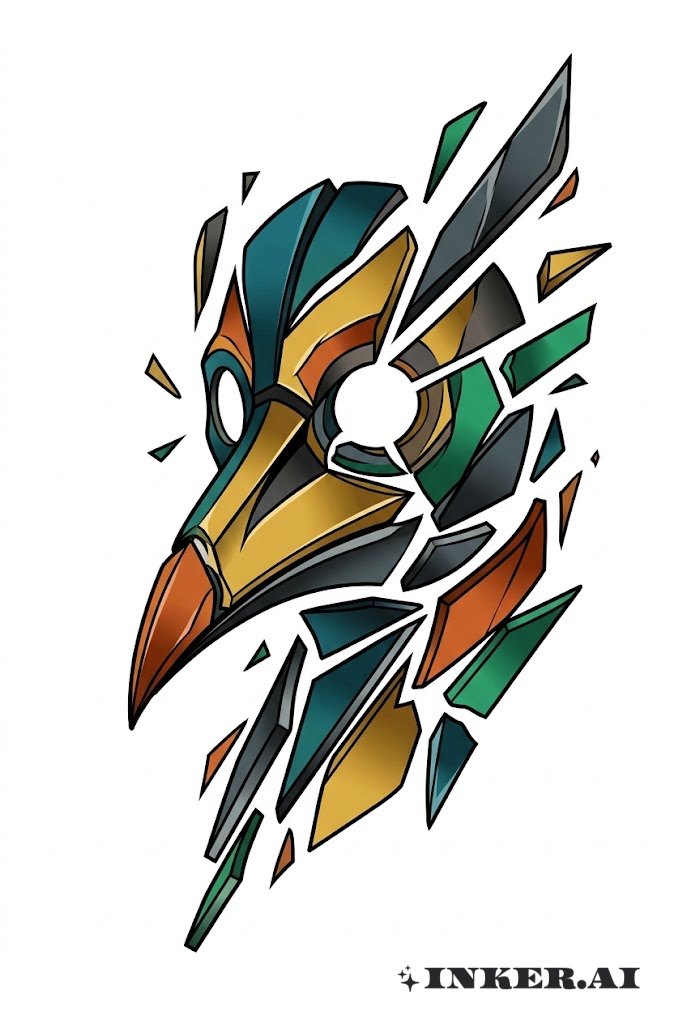
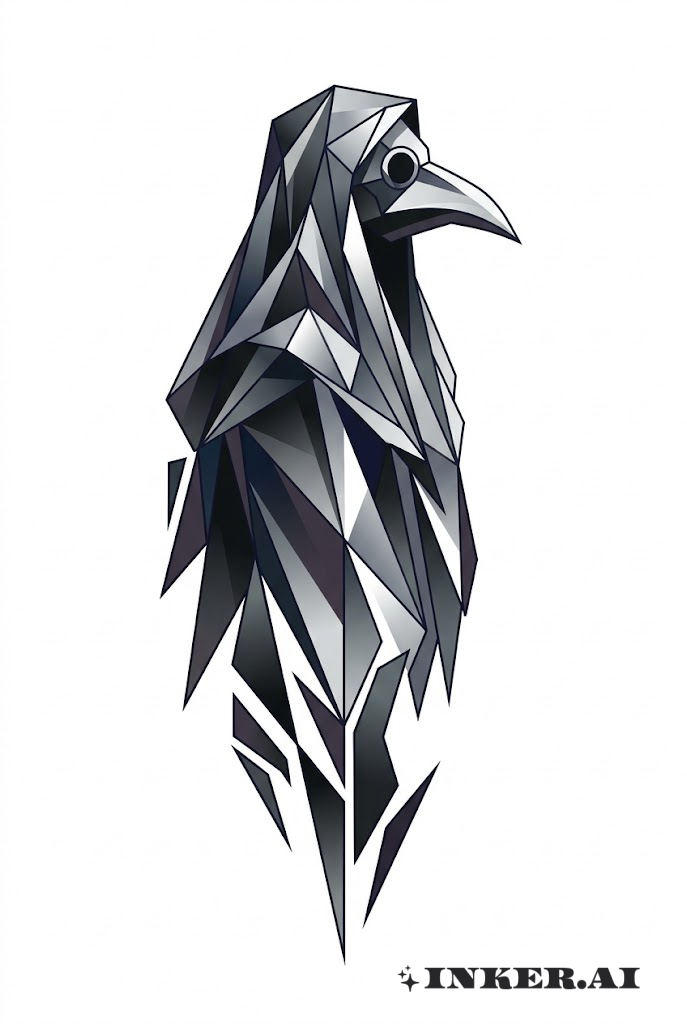
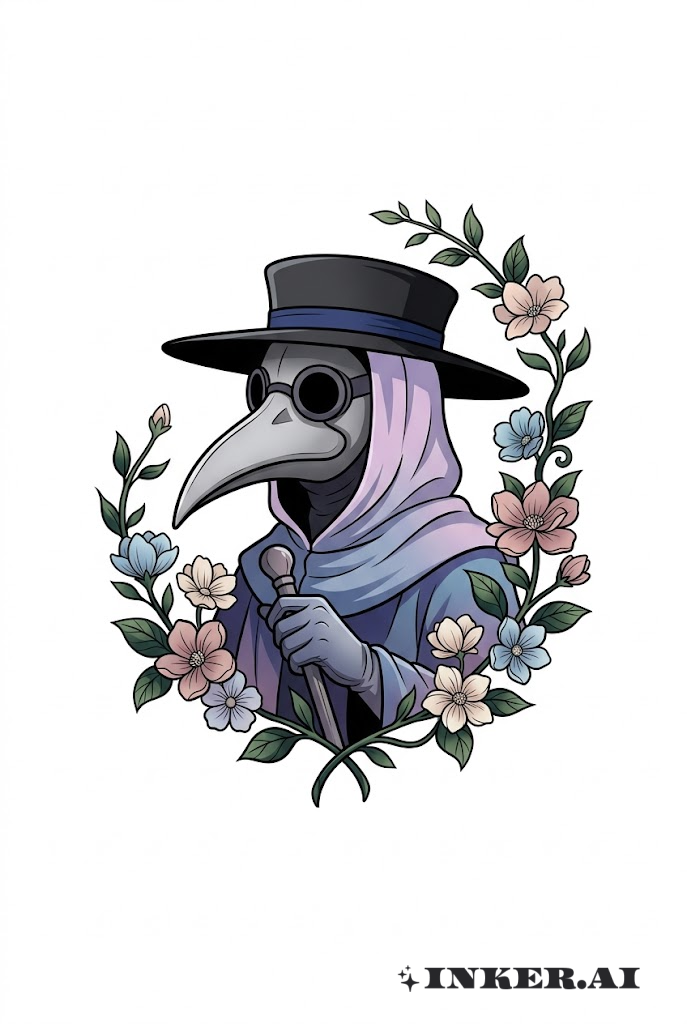
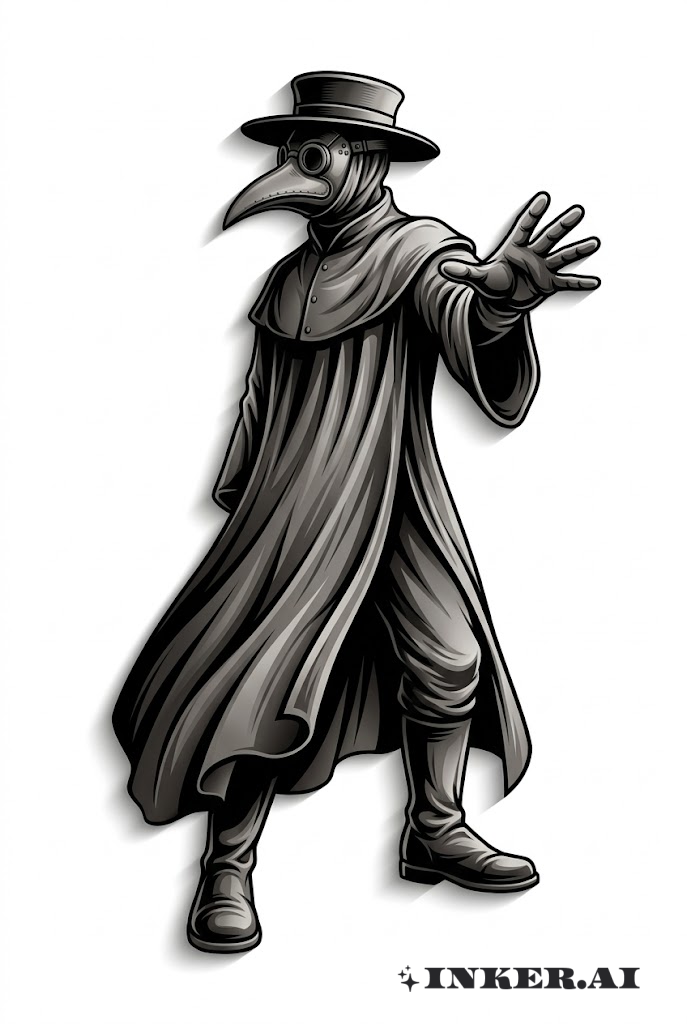
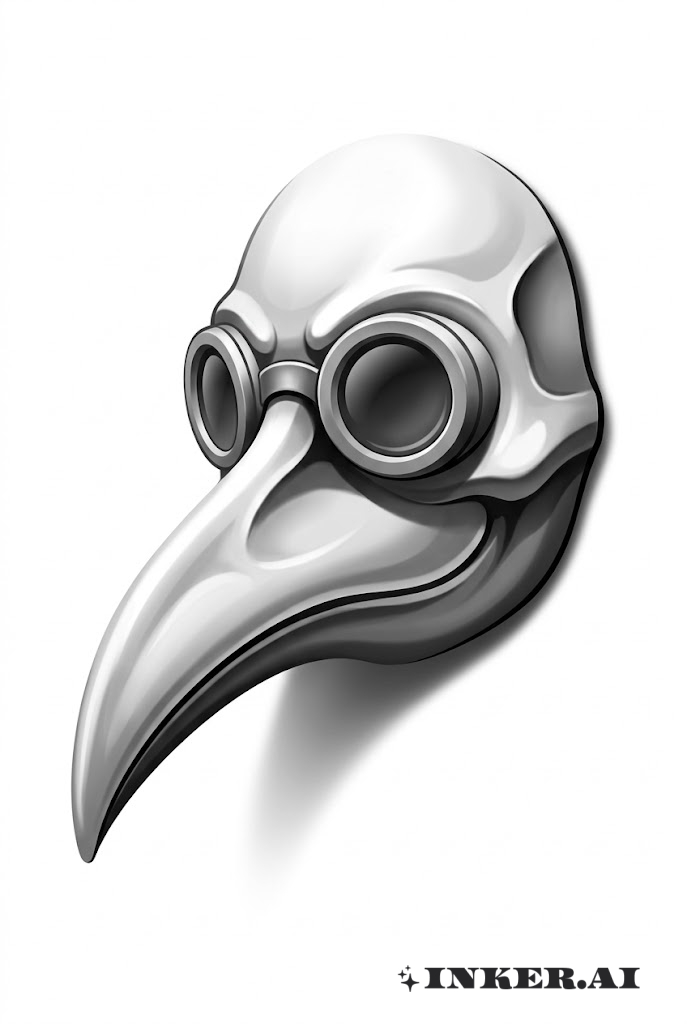
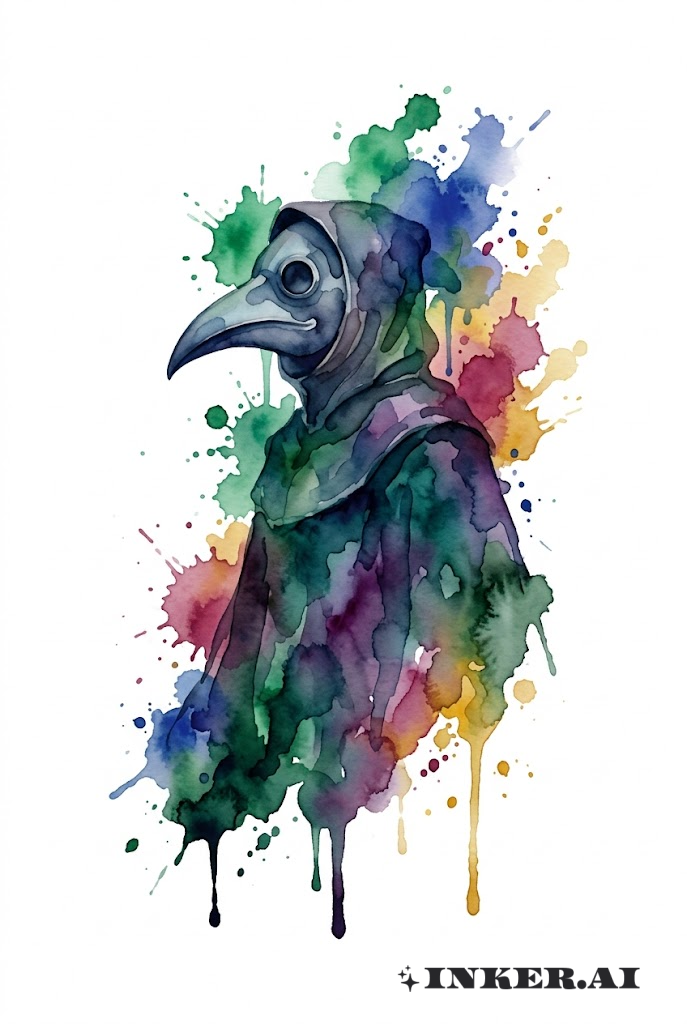
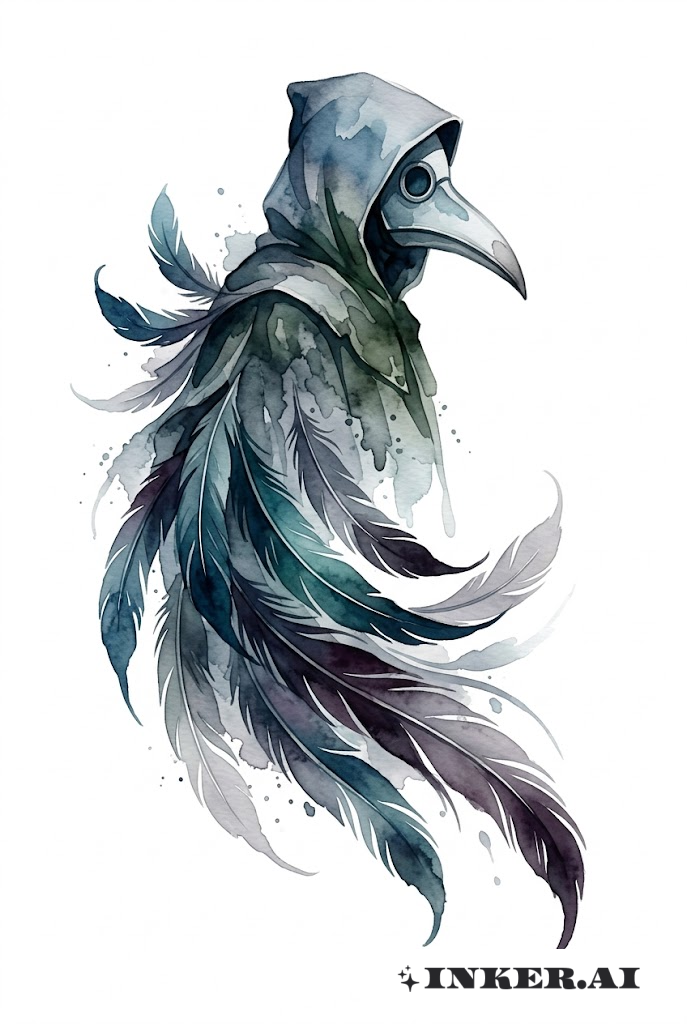
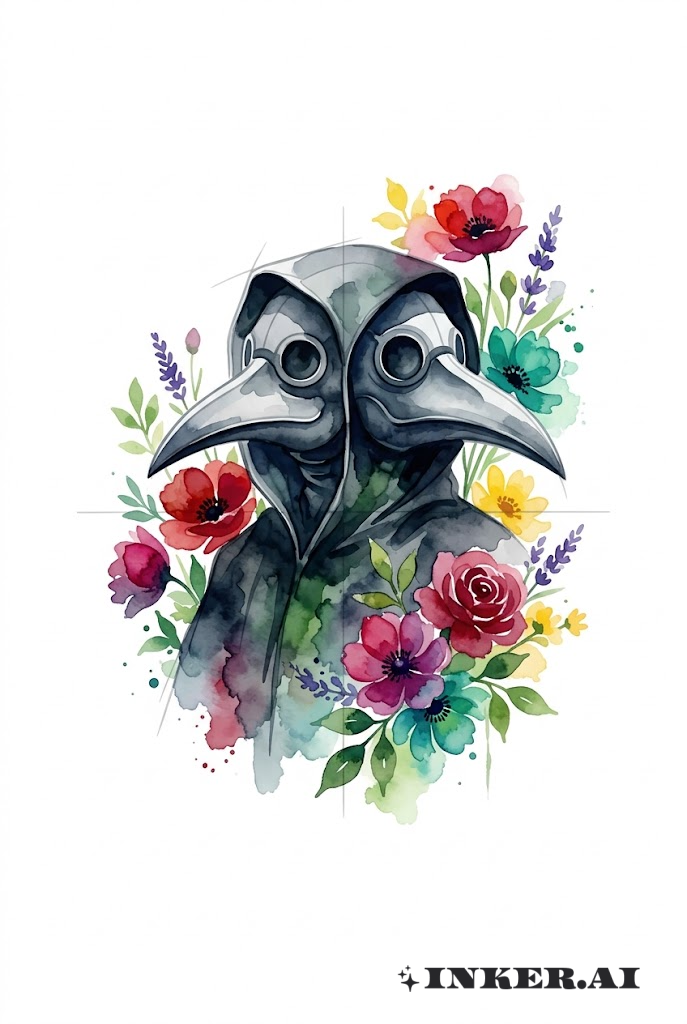
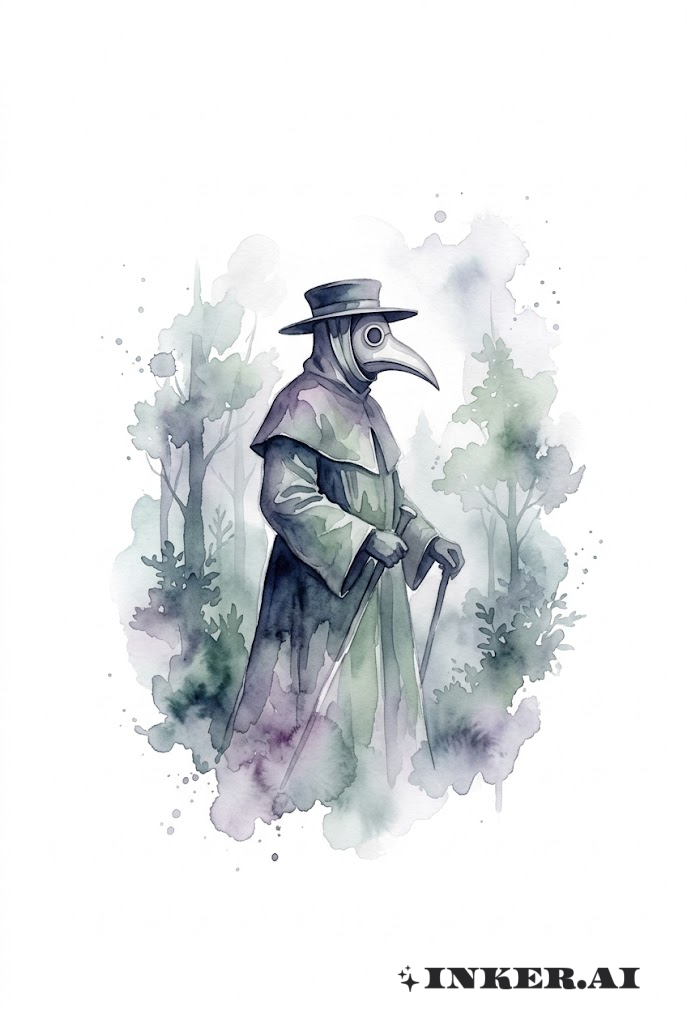
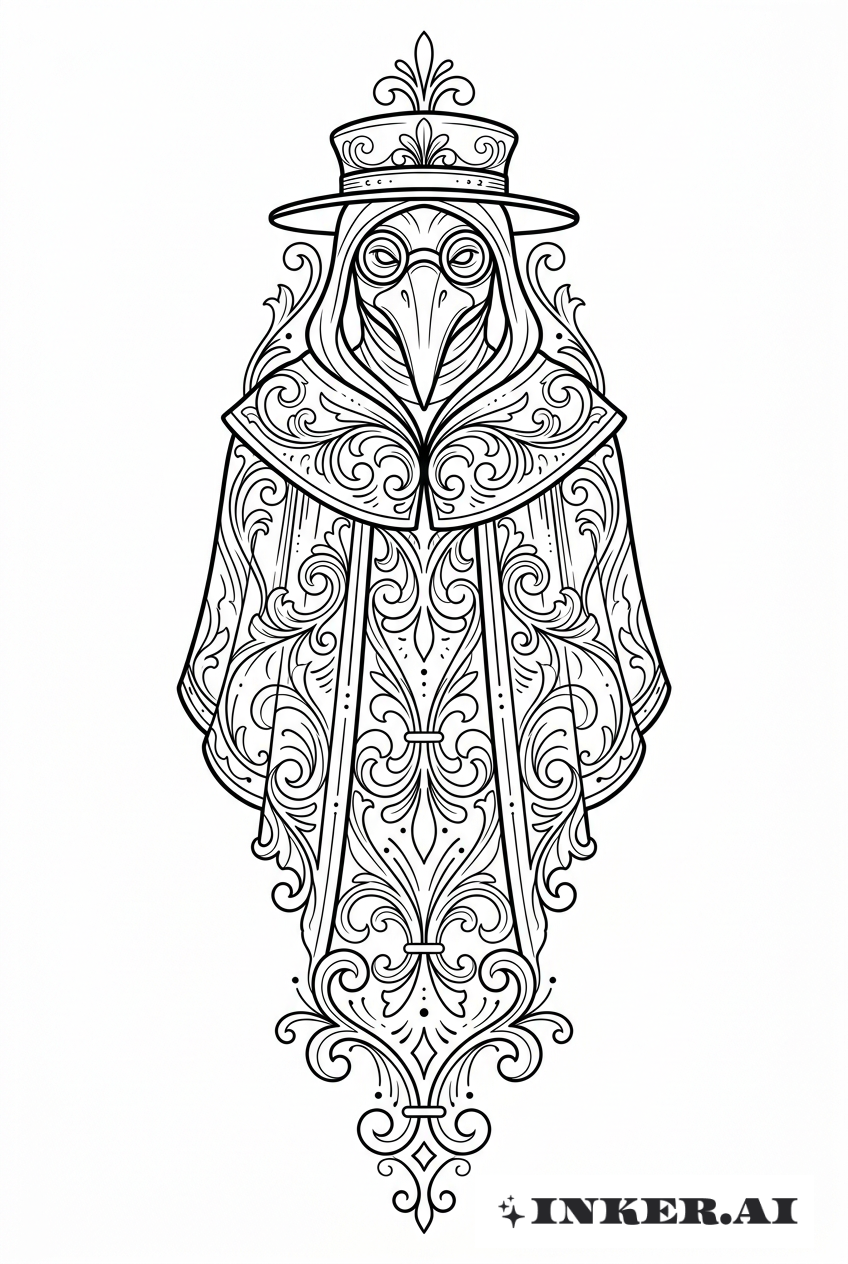
This piece blends themes of protection, mortality, and ritualized care. The beaked mask, once a practical filter, now reads as a symbol of mediation between the living and the sick—an emblem of both fear and attempted healing. Ornamental tattoo style reframes that stark historical image into something ornate and ceremonial, suggesting that even grim tools can become amulets. The cloak’s layered patterns act like talismans, implying guardedness and secrecy, while small iconography—keys, coins, tiny skulls—evokes memento mori and remembrance. At once a nod to medical history and a meditation on vulnerability, the design uses the Plague Doctor tattoo ideas to communicate resilience, ancestral memory, and the complex human response to disease, loss, and caregiving.
Design Inspiration Of Ornamental Plague Doctor Cloak Tattoo Design
The concept draws from baroque and Victorian decorative arts, antique medical engravings, and gothic fashion. Filigree and mandala-like motifs borrow from ornamental metalwork and textile trims, while the beaked mask references historical plague imagery and old anatomical illustration. The tattoo imagines the plague doctor as both a historical actor and a ceremonial guardian, translating archival textures into wearable ornament. The goal was to fuse brooding atmosphere with elegant detail so the image reads as a mysterious heirloom rather than a mere costume.