Cultural Meaning Of Minimalist Plague Doctor Silhouette Tattoo Design
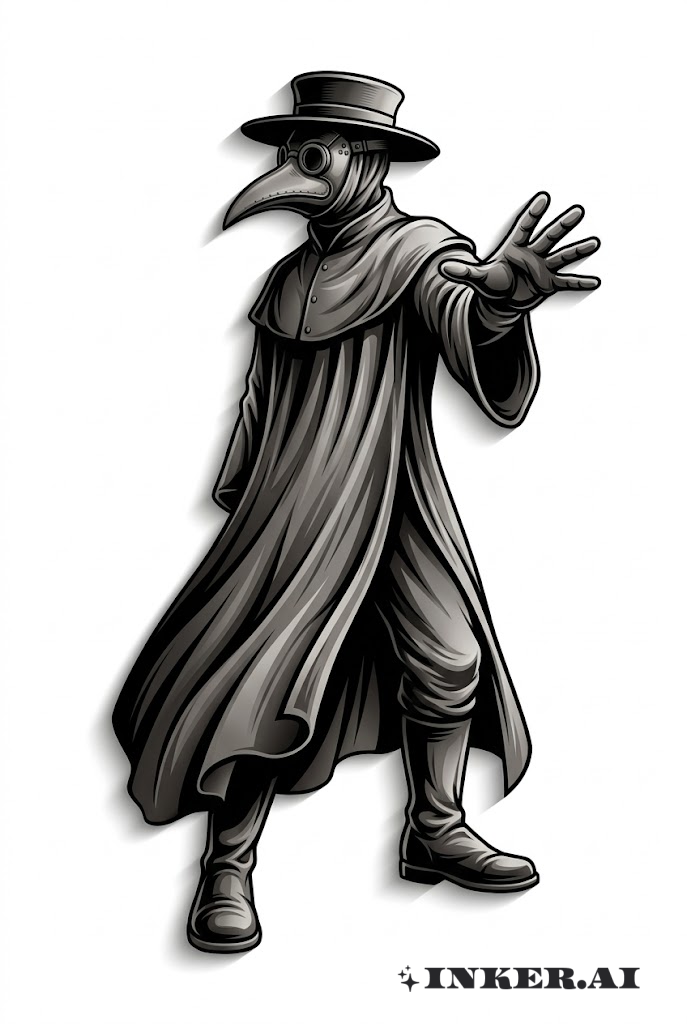
The plague doctor is widely associated with illness, mortality, protection, and the uncertain boundary between healer and observer. Historically inspired by physicians who treated victims during epidemics, the beaked mask has become a powerful symbol of fear, mystery, resilience, and humanity’s attempt to confront invisible threats. The dark silhouette emphasizes anonymity, suggesting that the figure may represent anyone who has faced hardship, isolation, or an unfamiliar danger. It can also reflect acceptance of life’s darker realities without surrendering to them. Minimalist tattoo style gives these ideas a focused and timeless form by removing decorative distractions and allowing the central emblem to carry the meaning. Plague Doctor tattoo ideas may appeal to someone drawn to gothic history, macabre art, protective symbolism, or stories about survival through difficult eras. The figure’s concealed face can suggest privacy, emotional distance, or the hidden identities people adopt in challenging circumstances. At the same time, the upright posture and composed outline create a sense of vigilance and endurance. As a personal tattoo, it may honor recovery, acknowledge mortality, or express fascination with the balance between science, superstition, compassion, and fear.
Design Inspiration Of Minimalist Plague Doctor Silhouette Tattoo Design
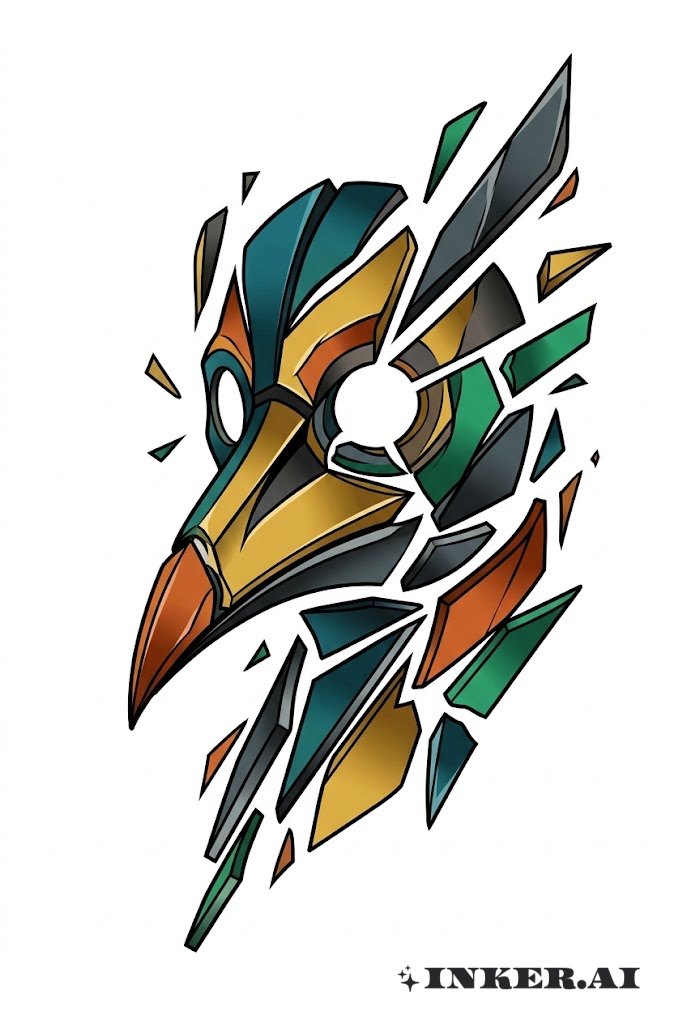
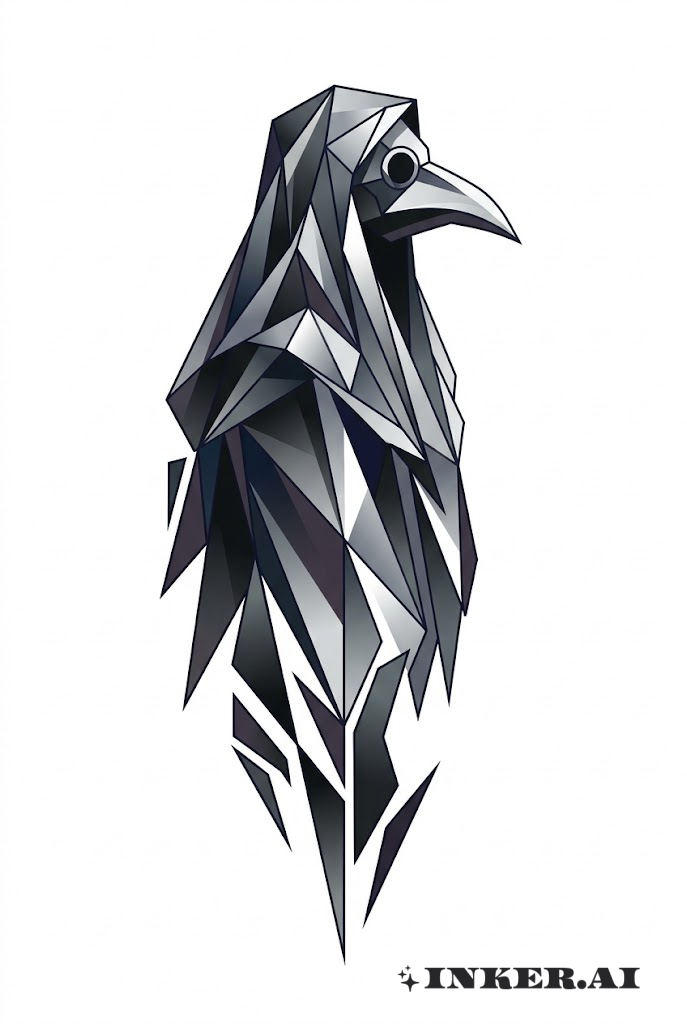
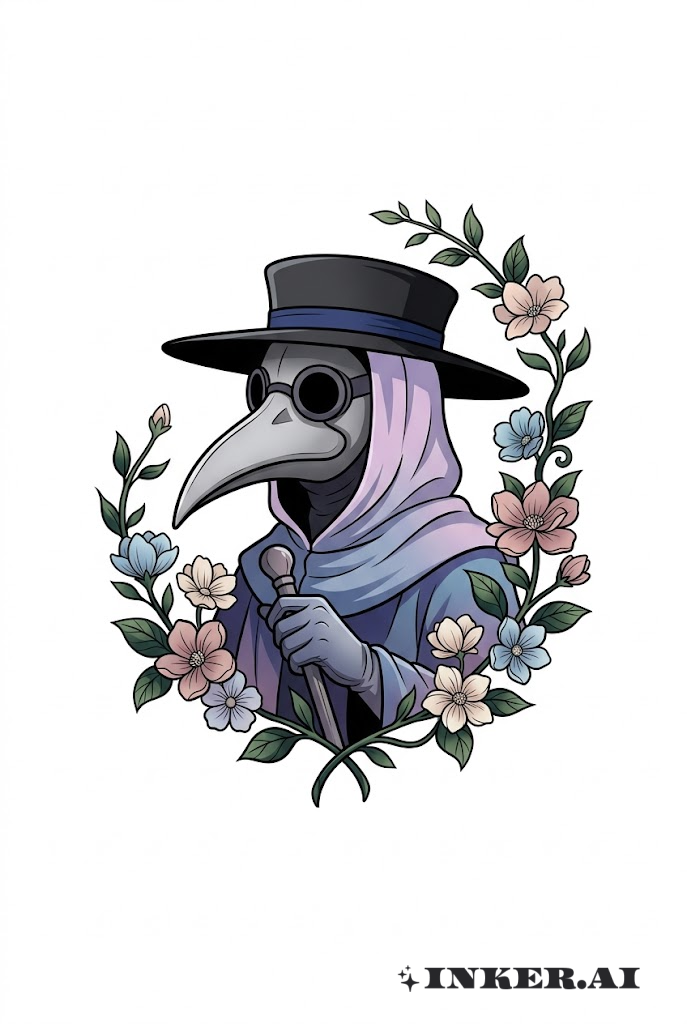
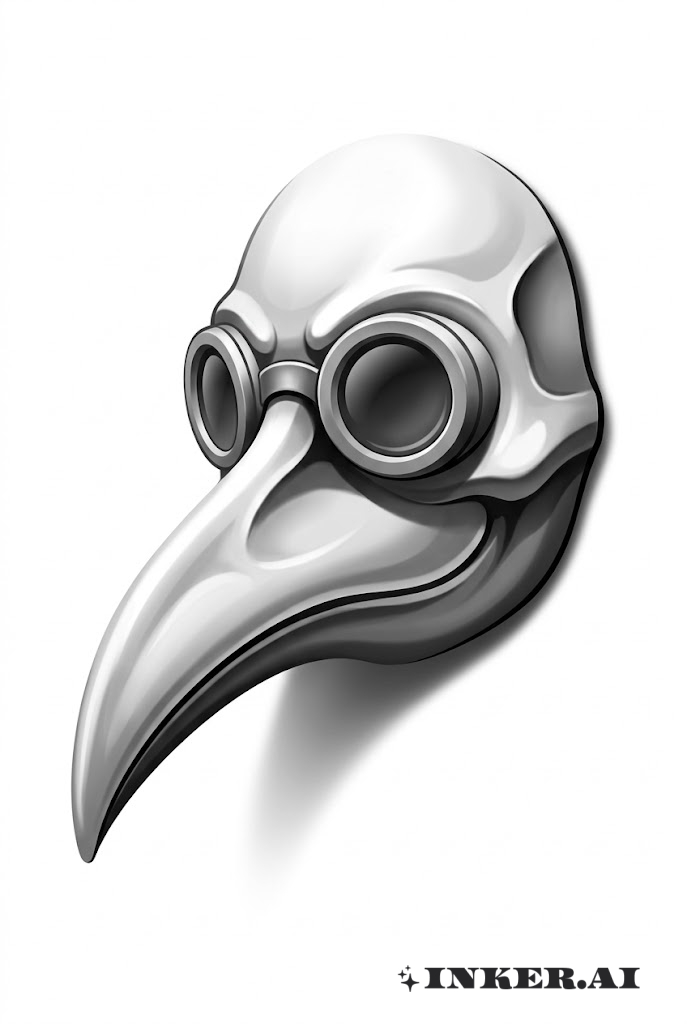
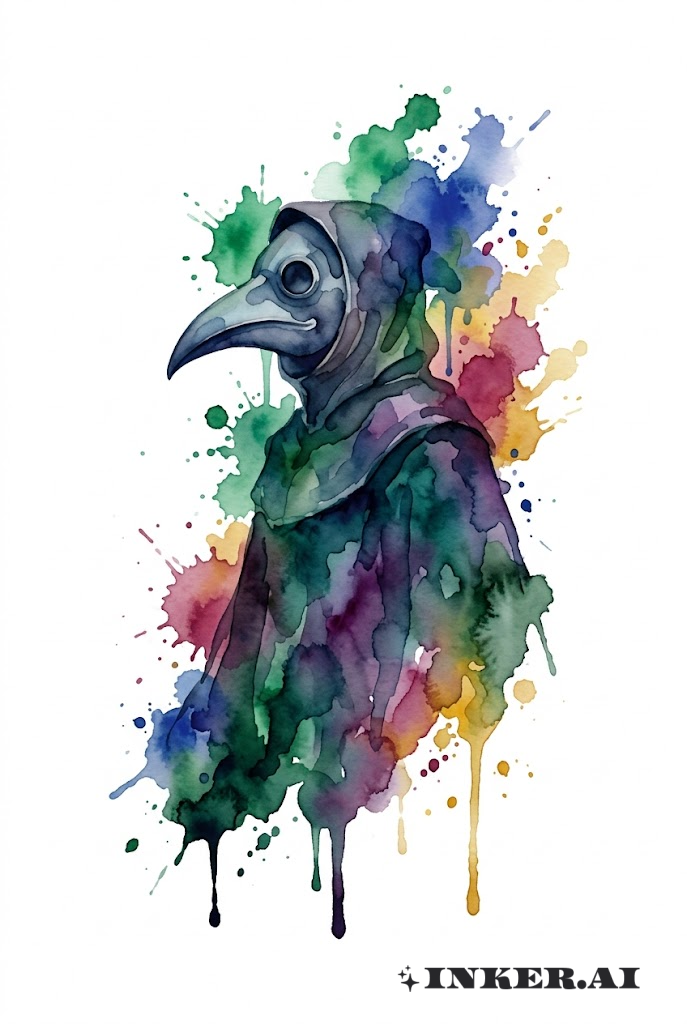
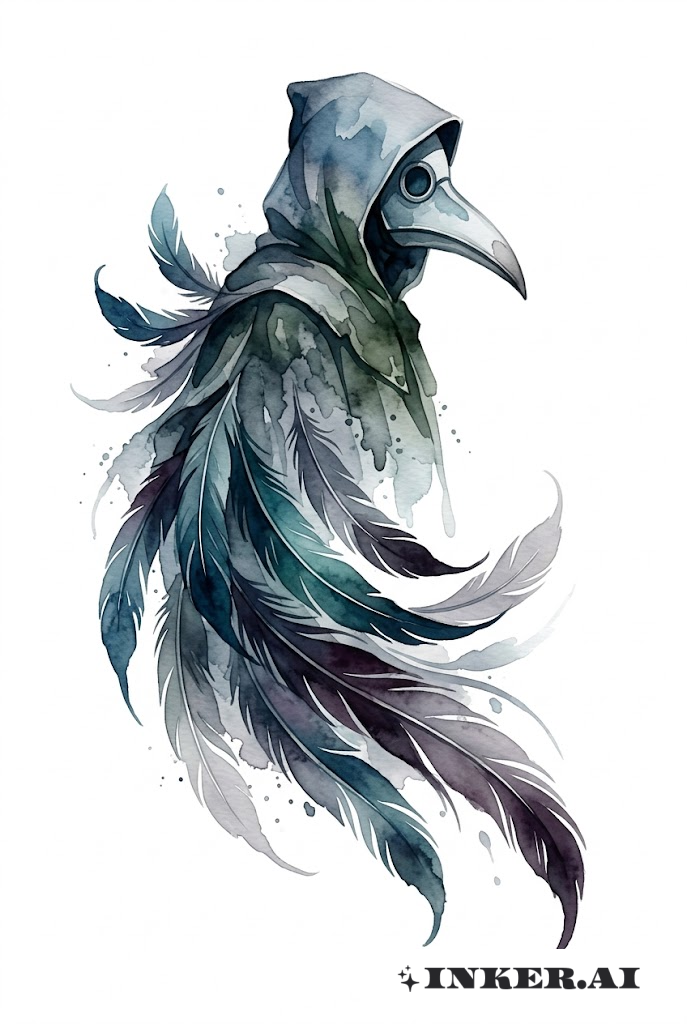
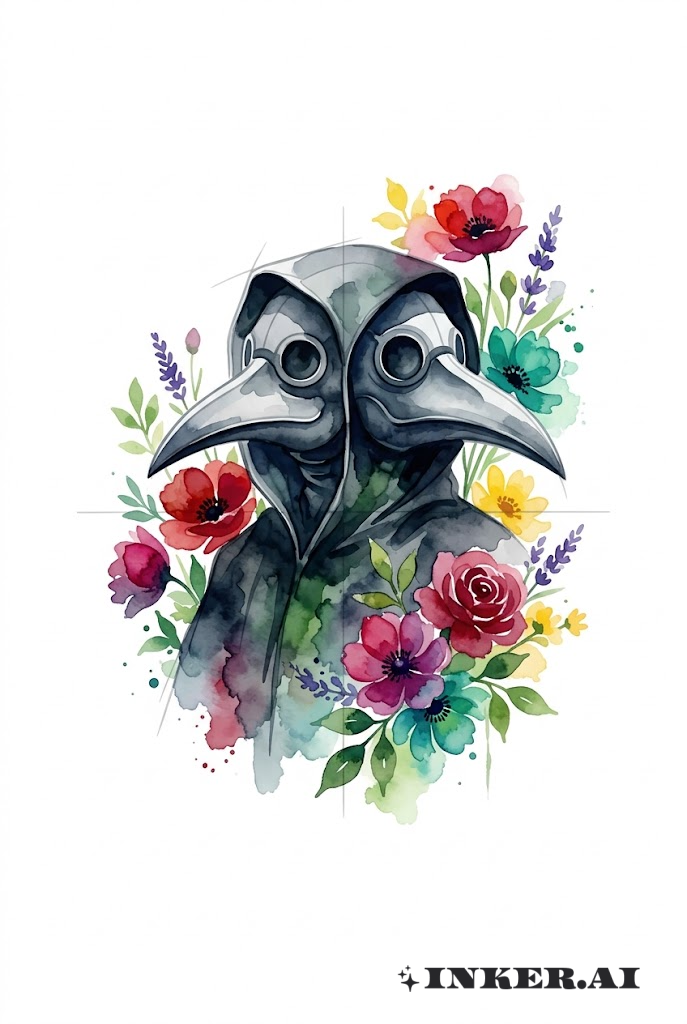
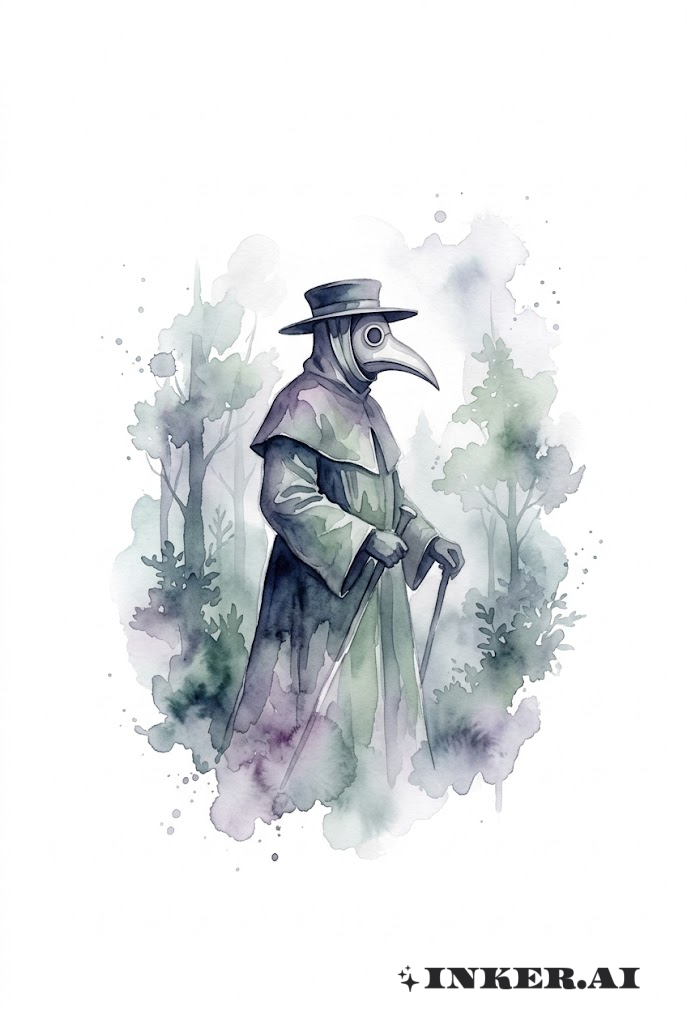
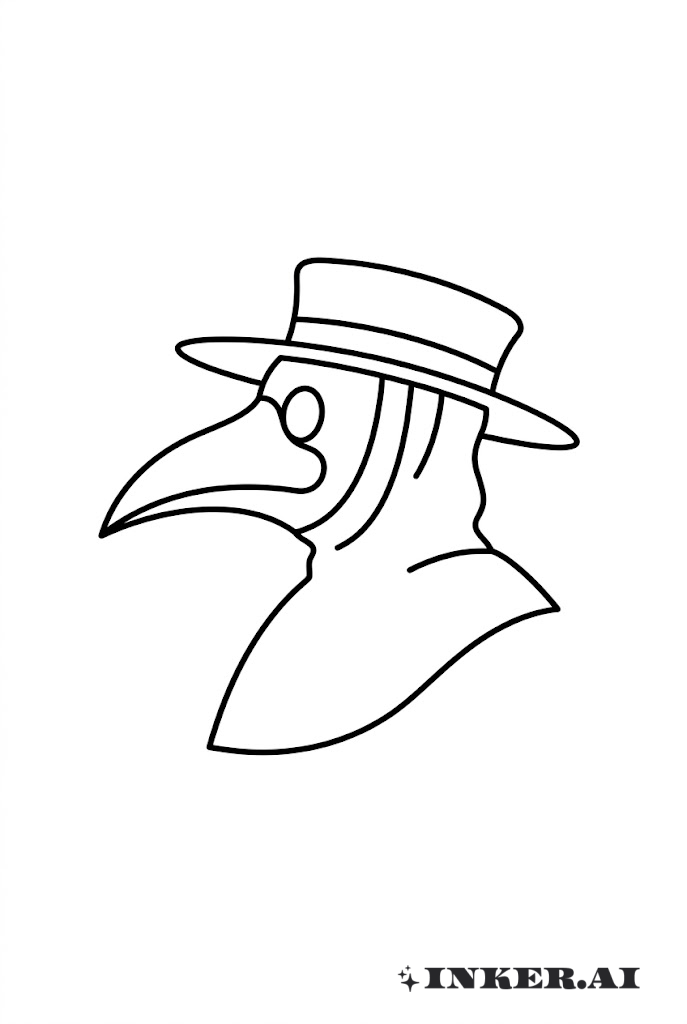
This design draws creative inspiration from historical plague doctor attire, gothic illustration, and the visual power of a single recognizable silhouette. The long beak, wide hat, and layered coat provide distinctive shapes that remain compelling when reduced to essential forms. Its artistic direction embraces strong contrast, negative space, and quiet menace, creating an image that feels both archival and contemporary. The concept is intentionally restrained, allowing the outline itself to evoke mystery, history, and atmospheric storytelling without ornamental detail.