Cultural Meaning Of Phantom Troupe Spider And The Great Wave Tattoo Design
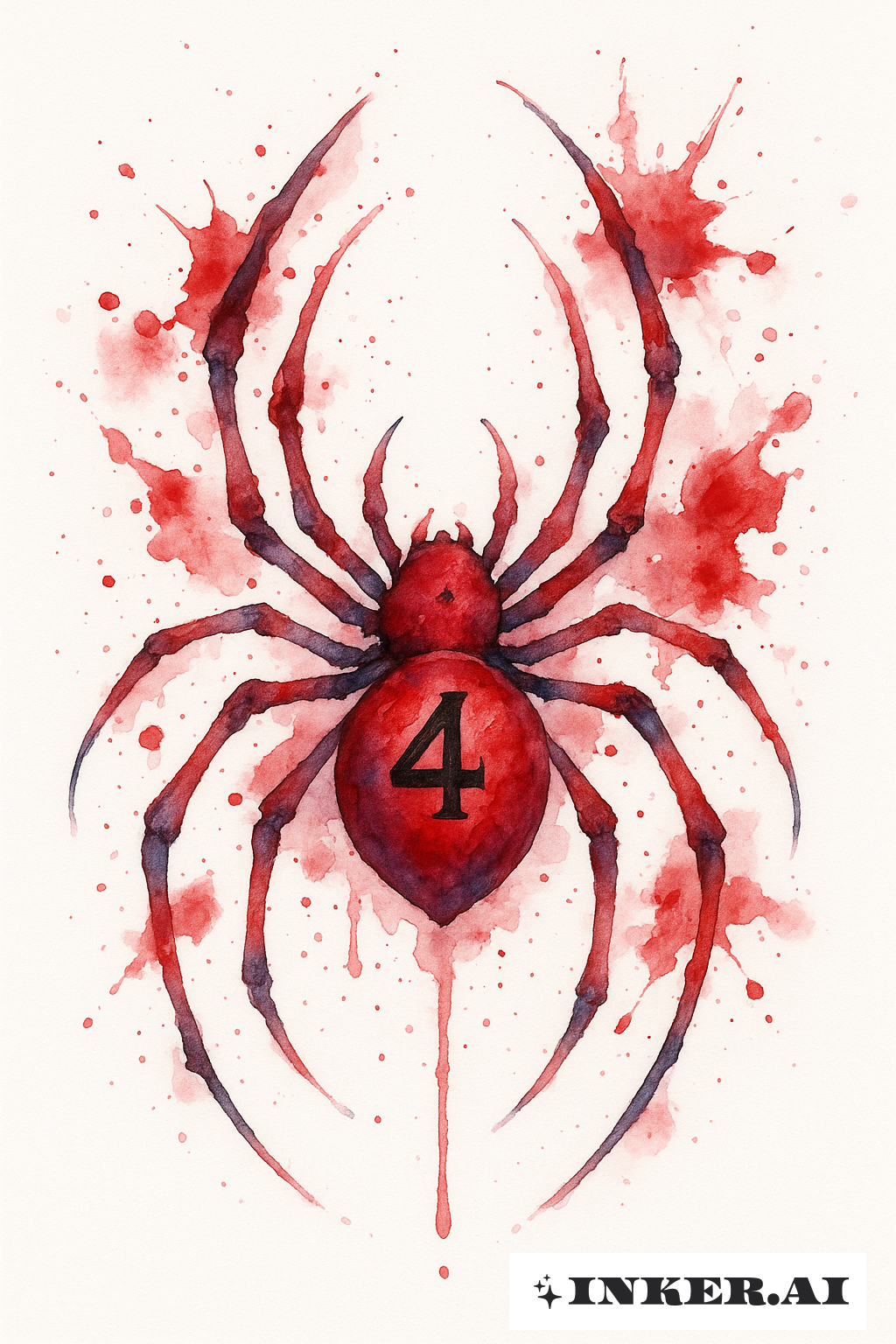
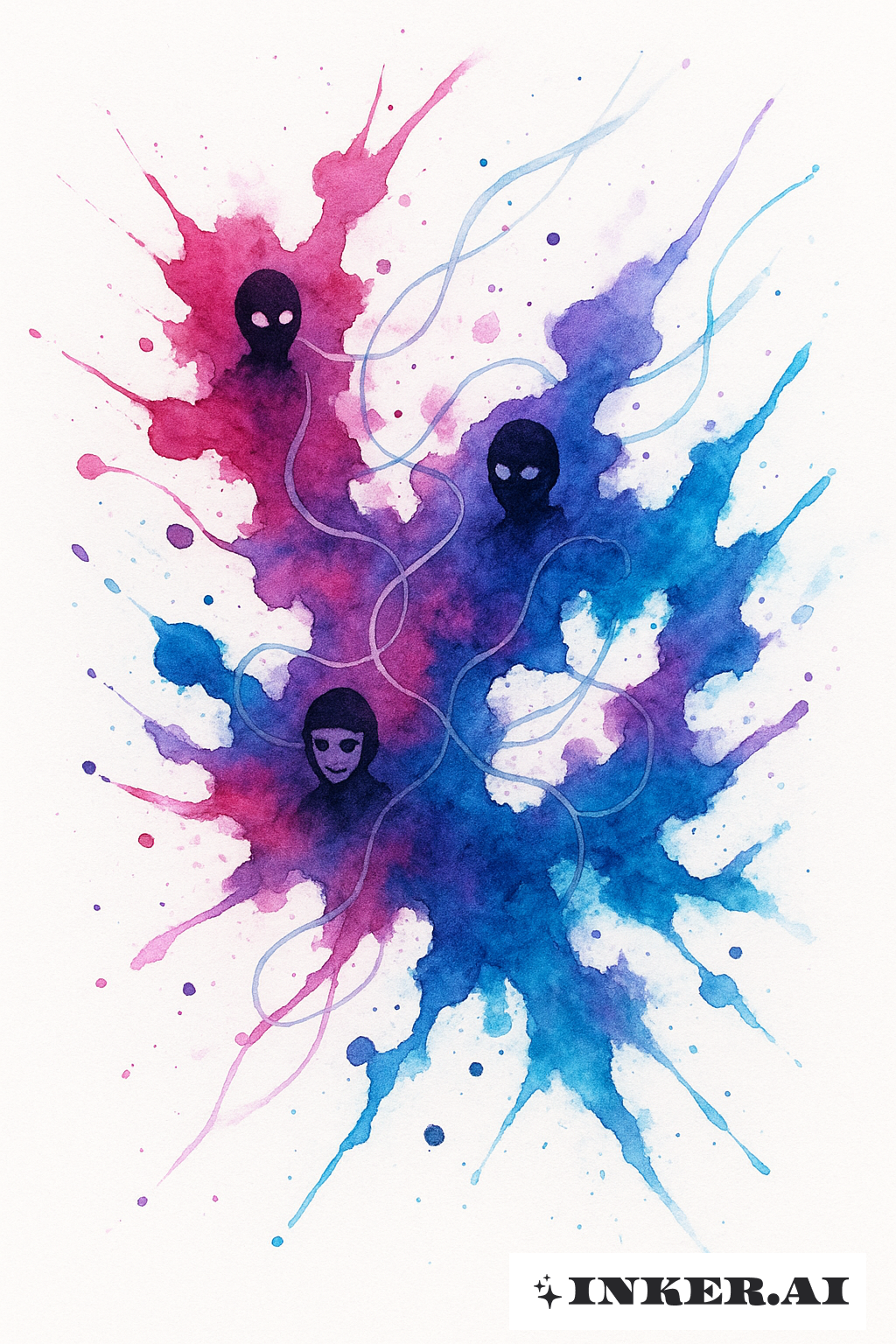
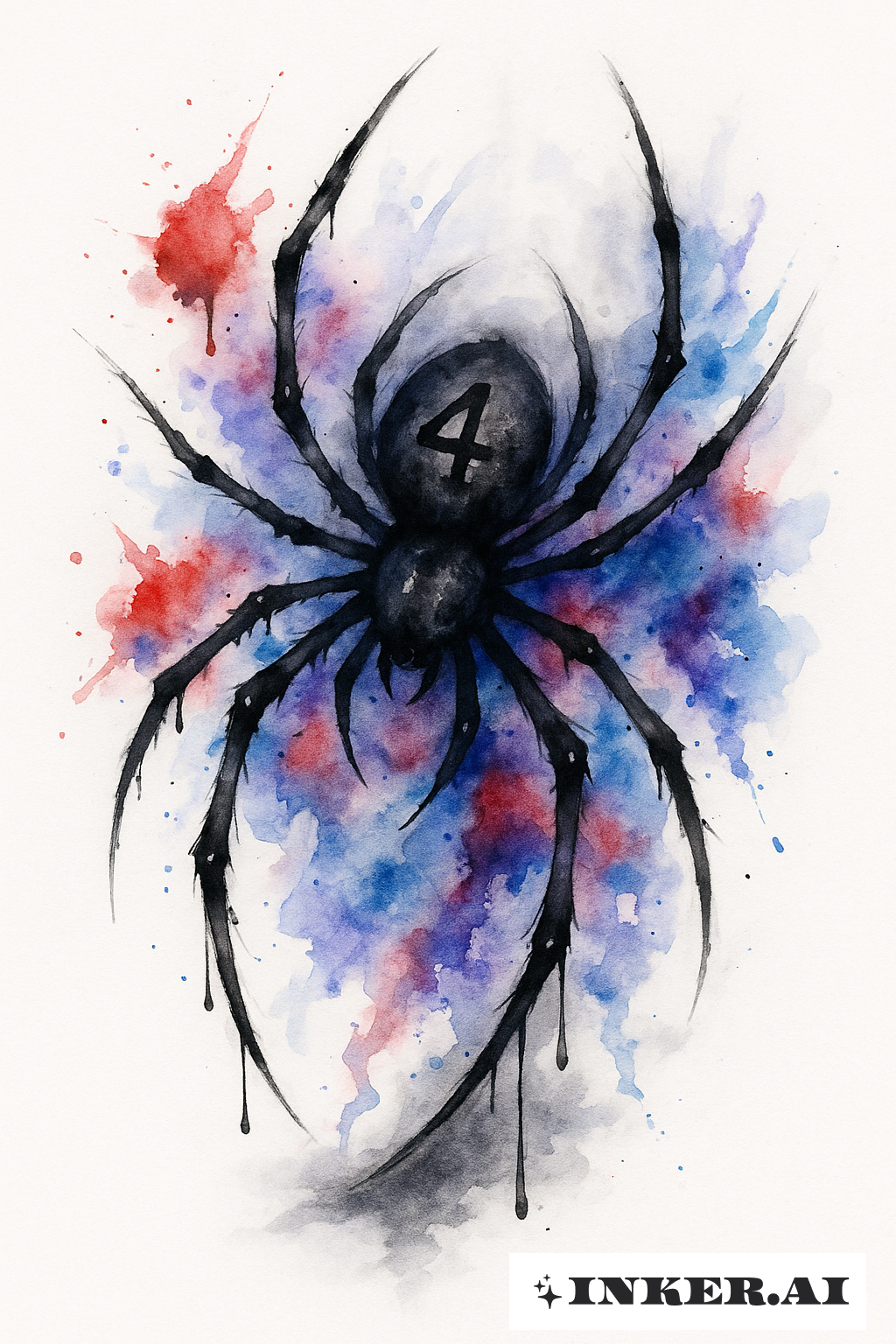
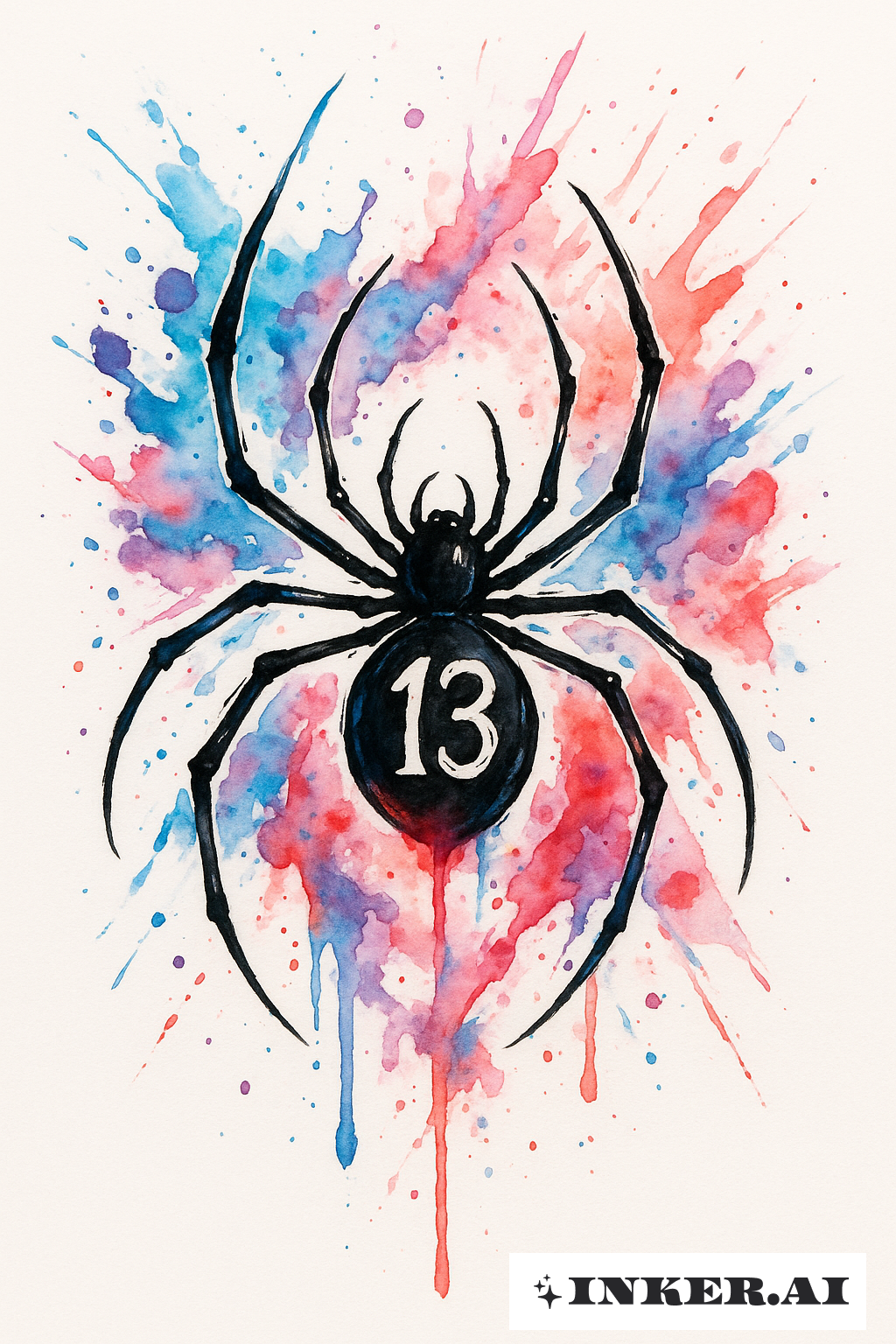
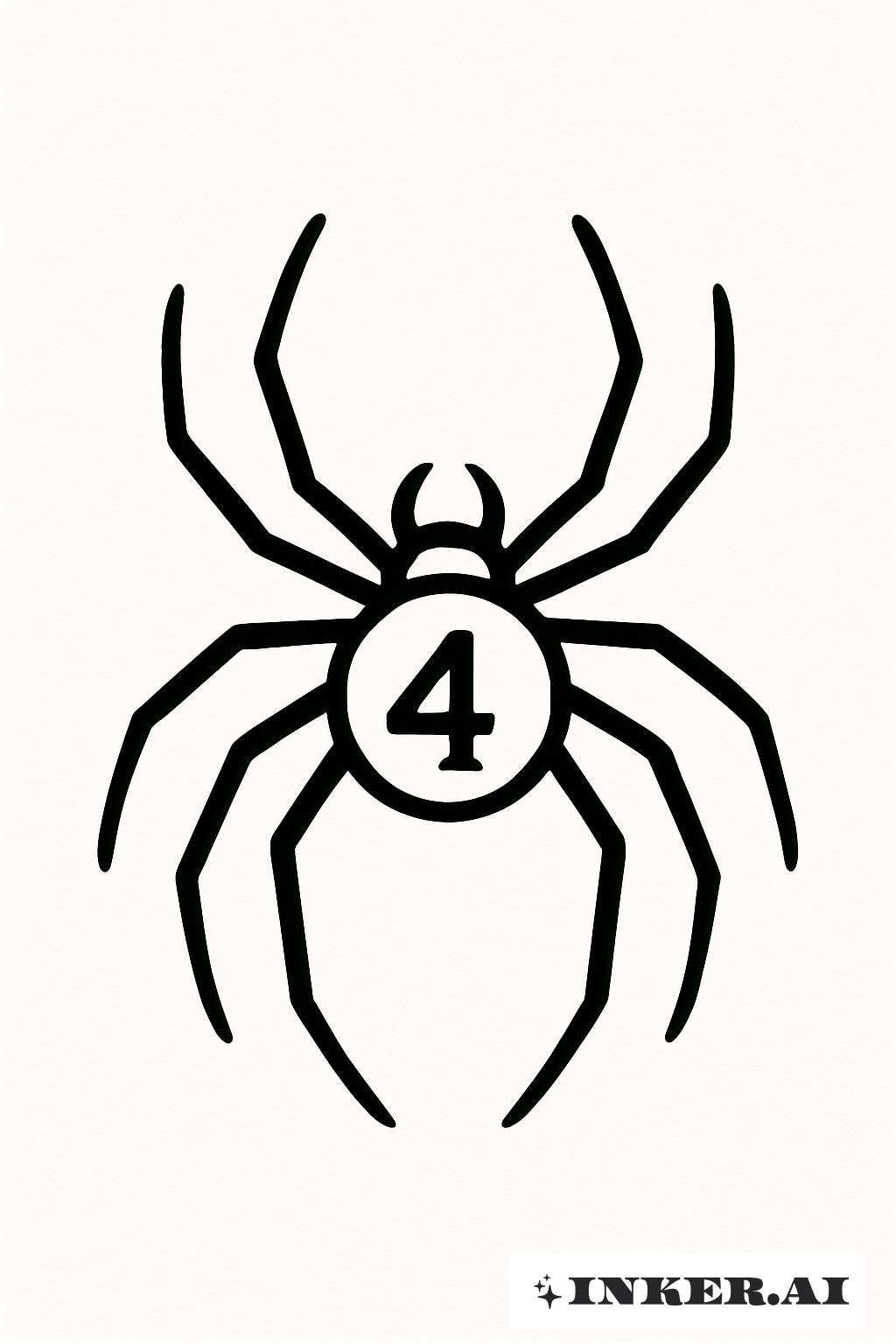
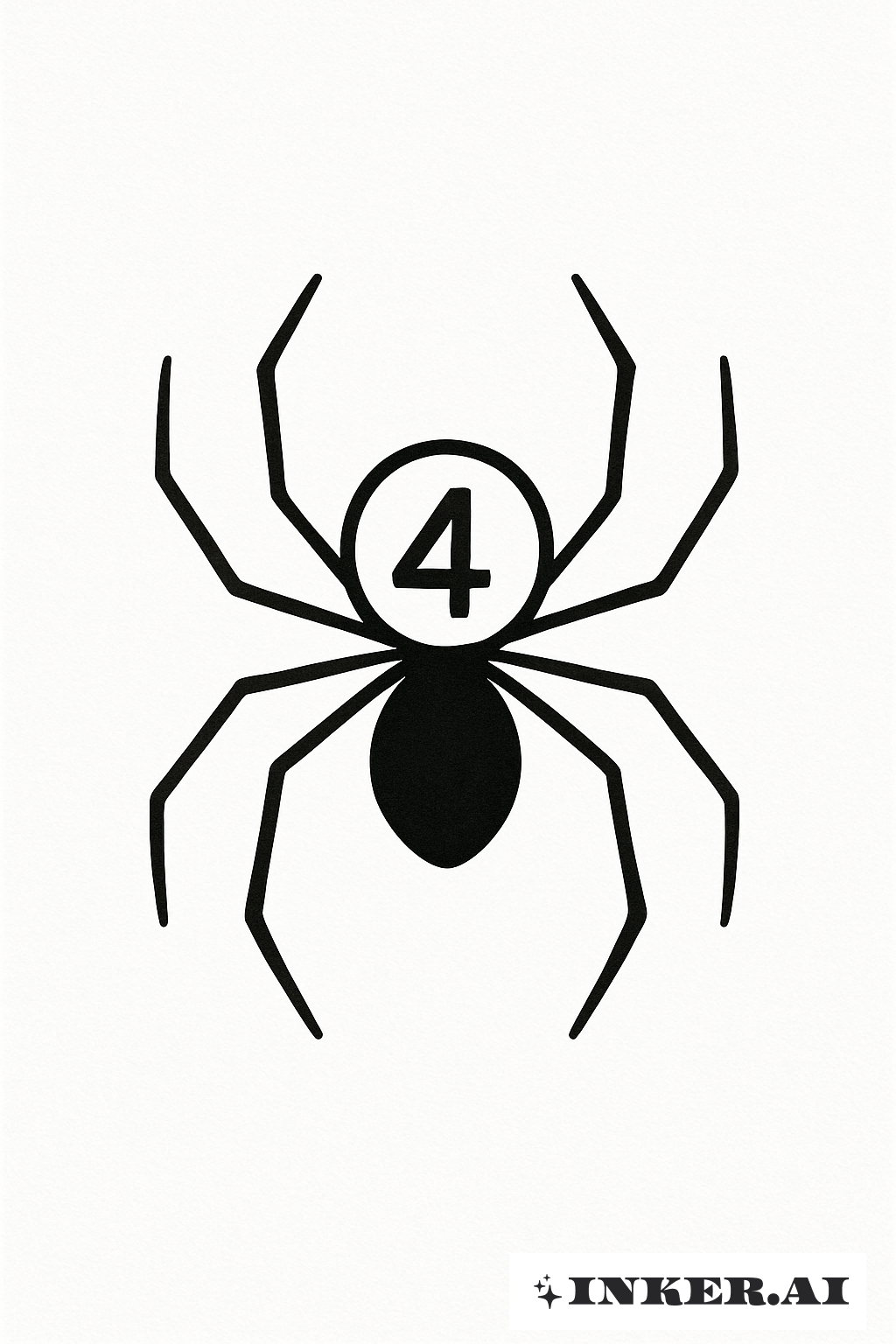
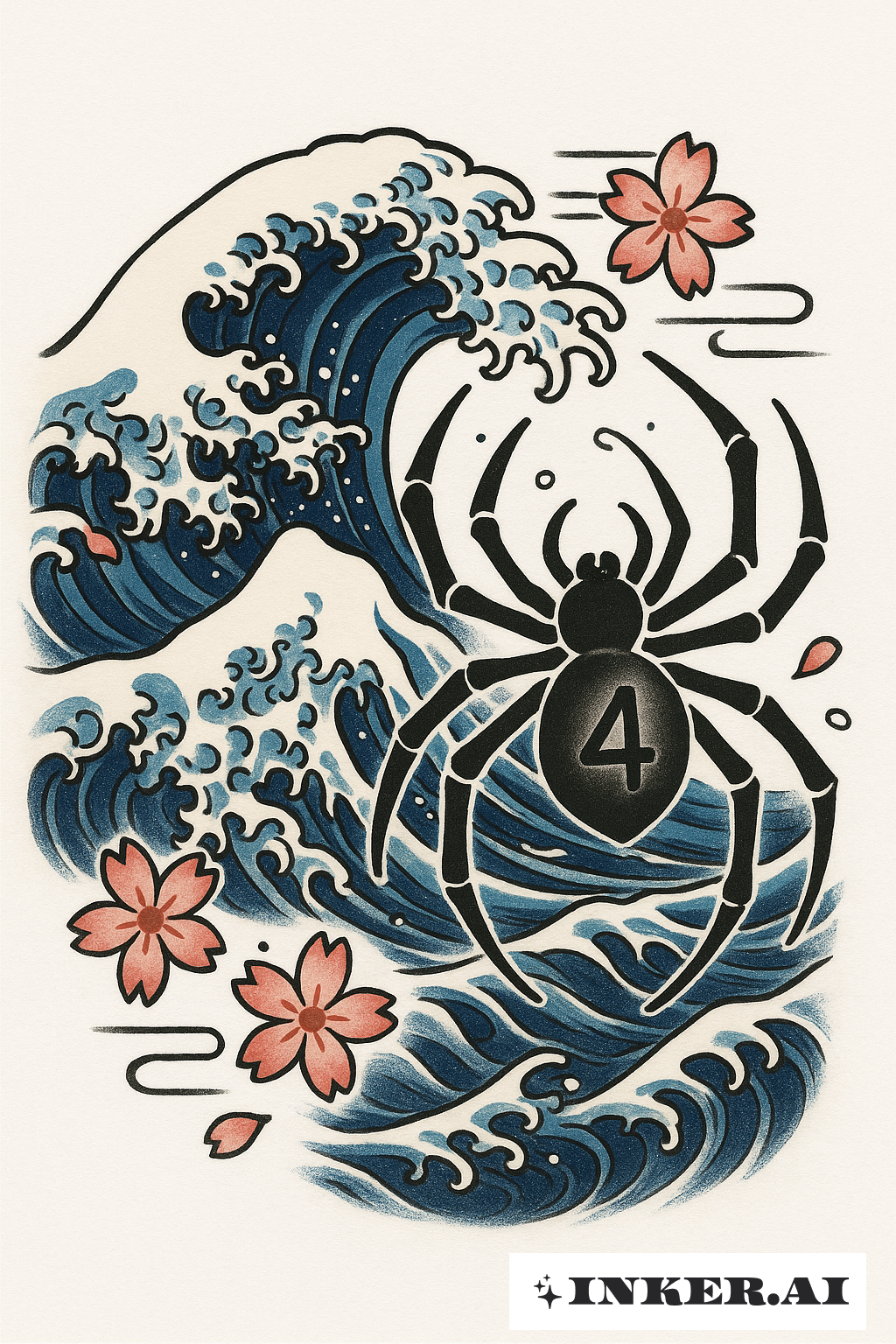
Visually, the spider and the great wave create a dialogue between control and natural force. The spider—patient, cunning, and precise—suggests strategy, stealth, and the delicate architecture of fate, while the wave represents overwhelming natural energy, sudden change, and the beauty of impermanence. Combining them speaks to resilience under pressure: a calm center amid chaos. The stylized, woodcut-inspired wave nods to centuries of Japanese aesthetic philosophy about transience and the sublime, and the spider overlays that tradition with a modern, personal emblem of identity or allegiance. For fans who identify with a tight-knit, enigmatic group, this composition can also function as a marker of belonging and purposeful unpredictability. Rendered with bold blacks and selective color highlights, the motif carries both the gravitas of classic motif and the rebellious edge found in contemporary fandom. It’s a meeting of cultural reverence and personal narrative that references Japanese tattoo style and situates Phantom Troupe tattoo ideas within a timeless visual language.
Design Inspiration Of Phantom Troupe Spider And The Great Wave Tattoo Design
The concept grew from pairing Hokusai’s iconic wave with an emblematic spider figure to create tension between motion and stillness. I wanted the spider to feel almost heraldic—simple enough to read clearly, detailed enough to reward up-close viewing—while the wave provides sweeping drama and flow. The palette leans on monochrome contrast with sparing color to draw the eye to strategic points. Compositionally, the piece borrows from classic Japanese prints: balanced asymmetry, rhythmic linework, and a clear foreground-background relationship so the tattoo reads well both at a glance and in detail. The result is an elegant crossover of traditional motifs and contemporary symbolism.