Cultural Meaning Of Peony Mandala as a Centerpiece Tattoo Design
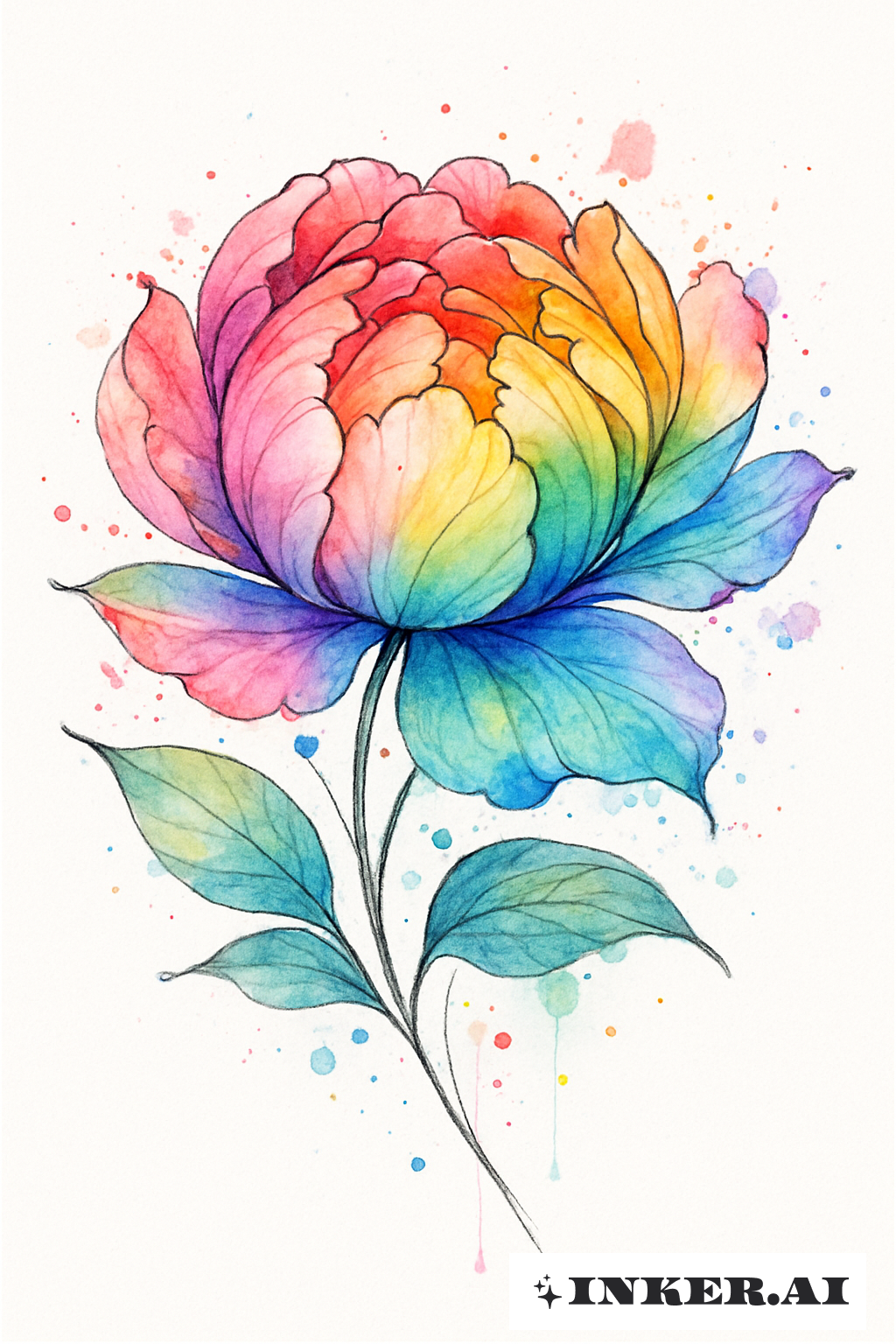
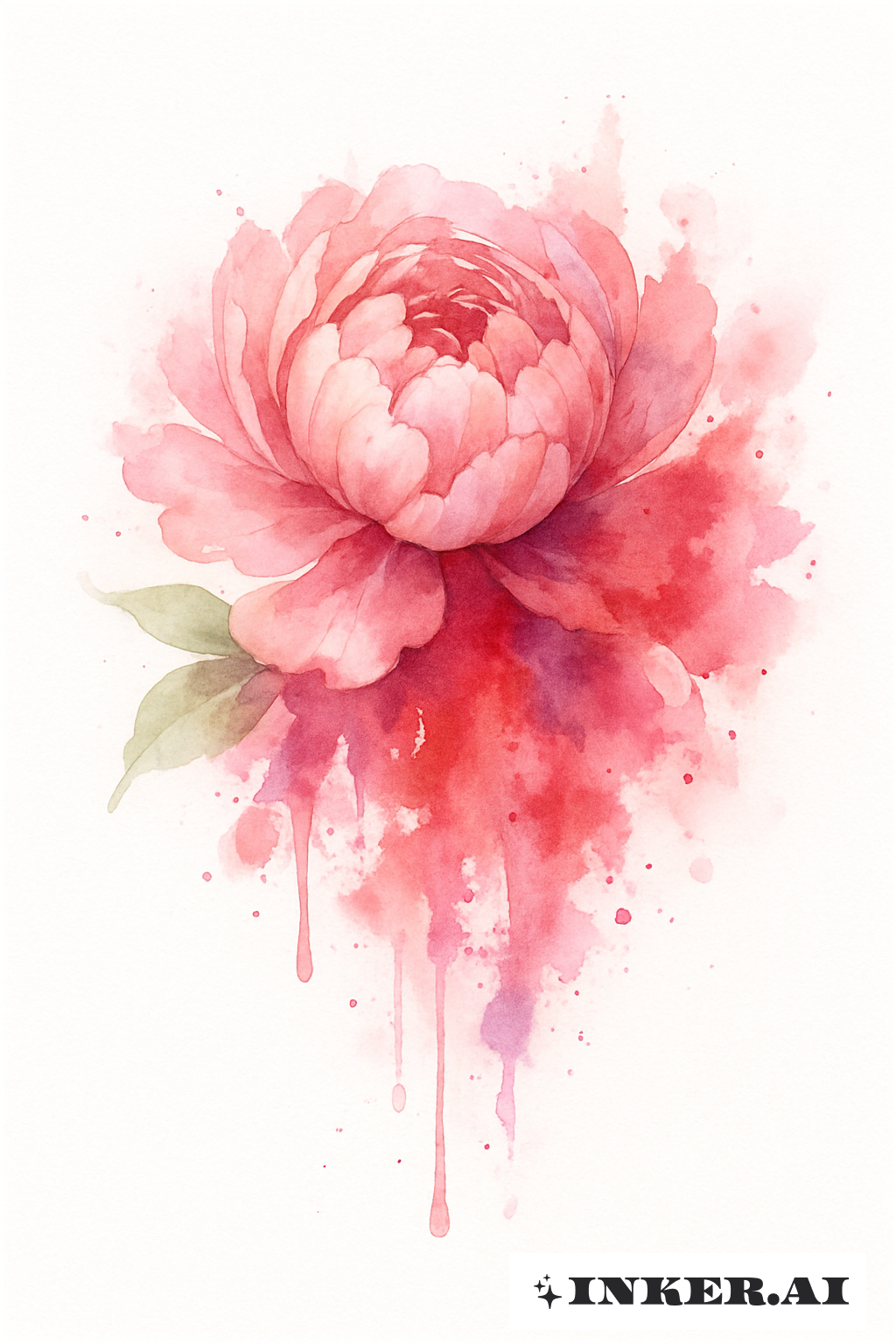
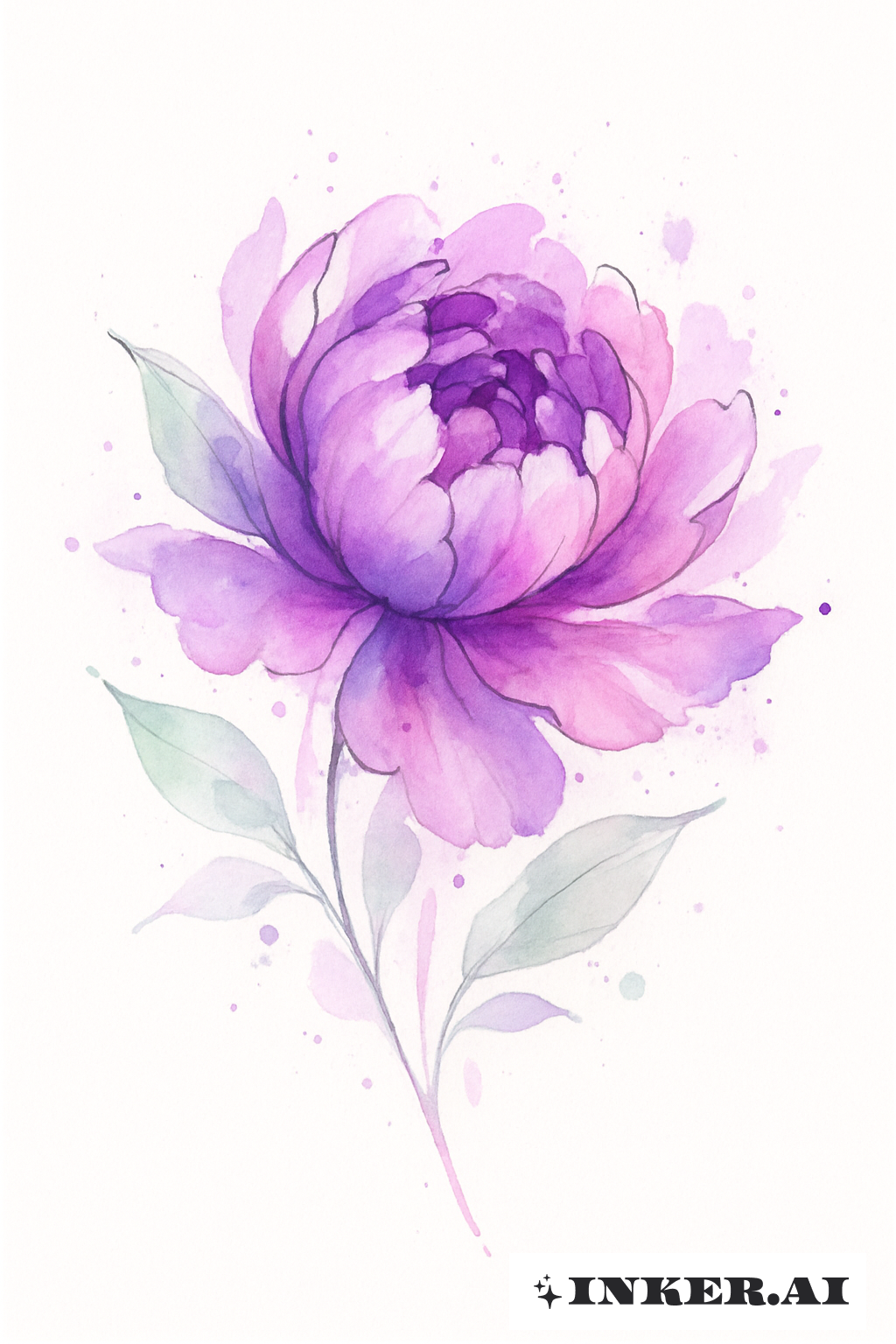
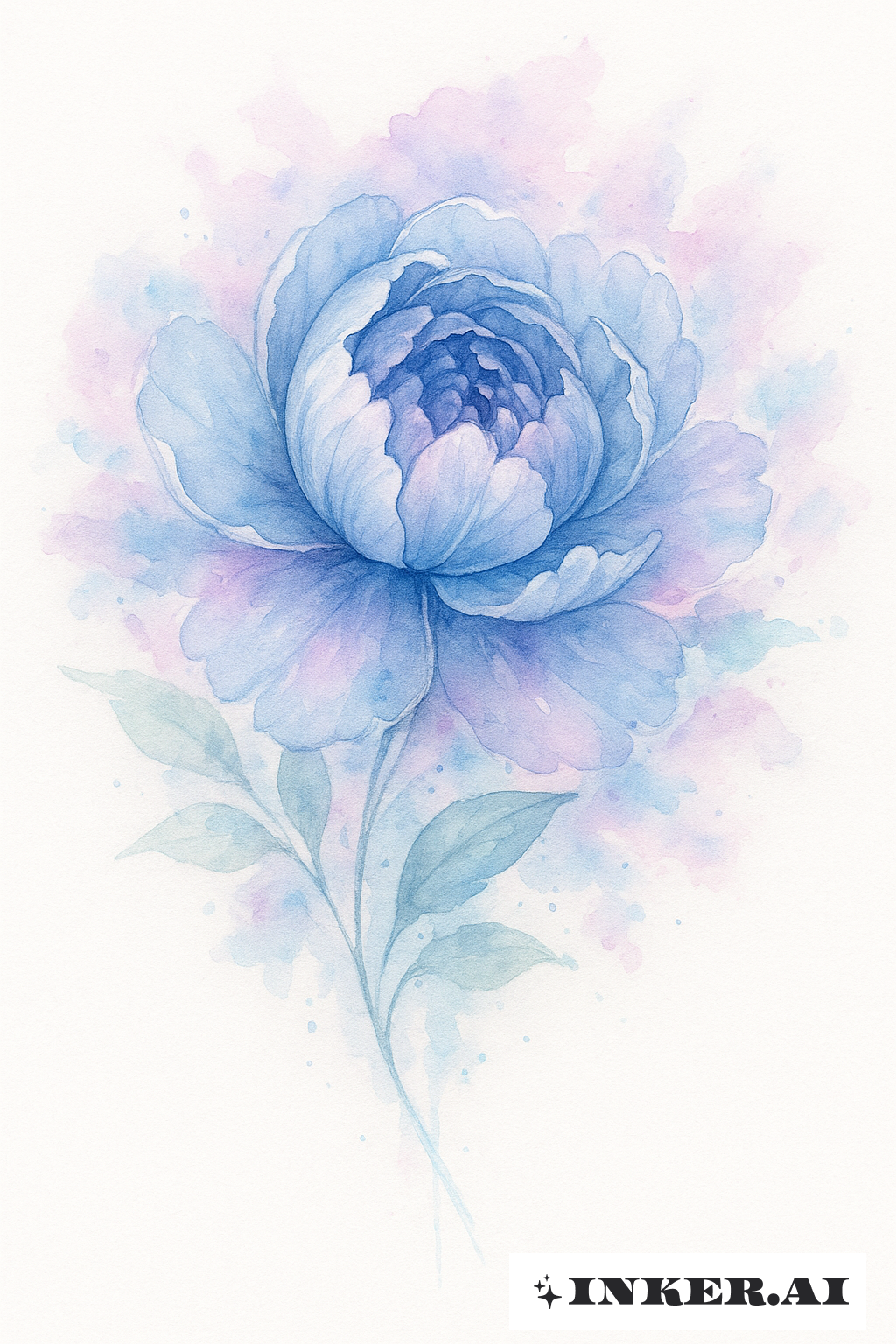
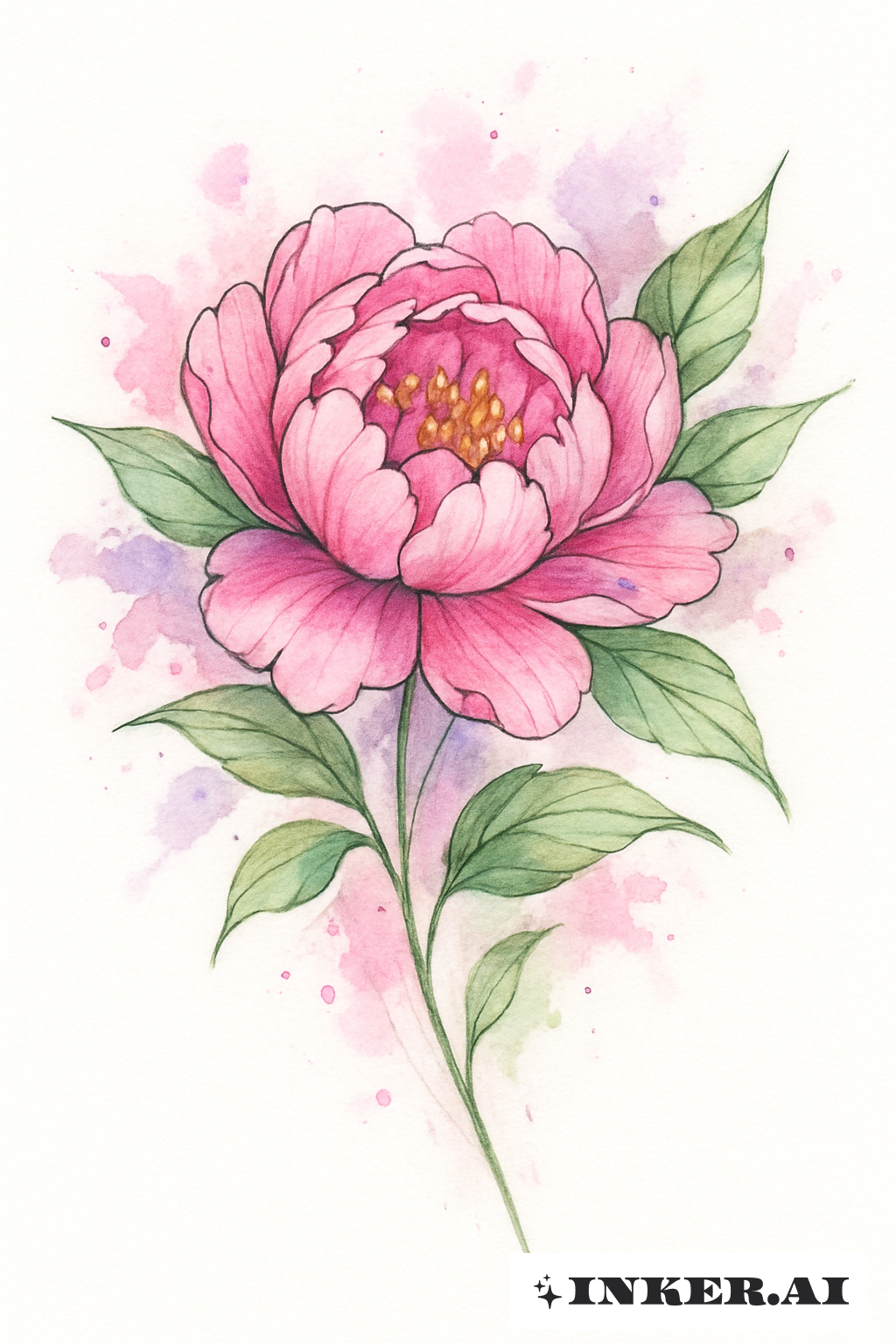
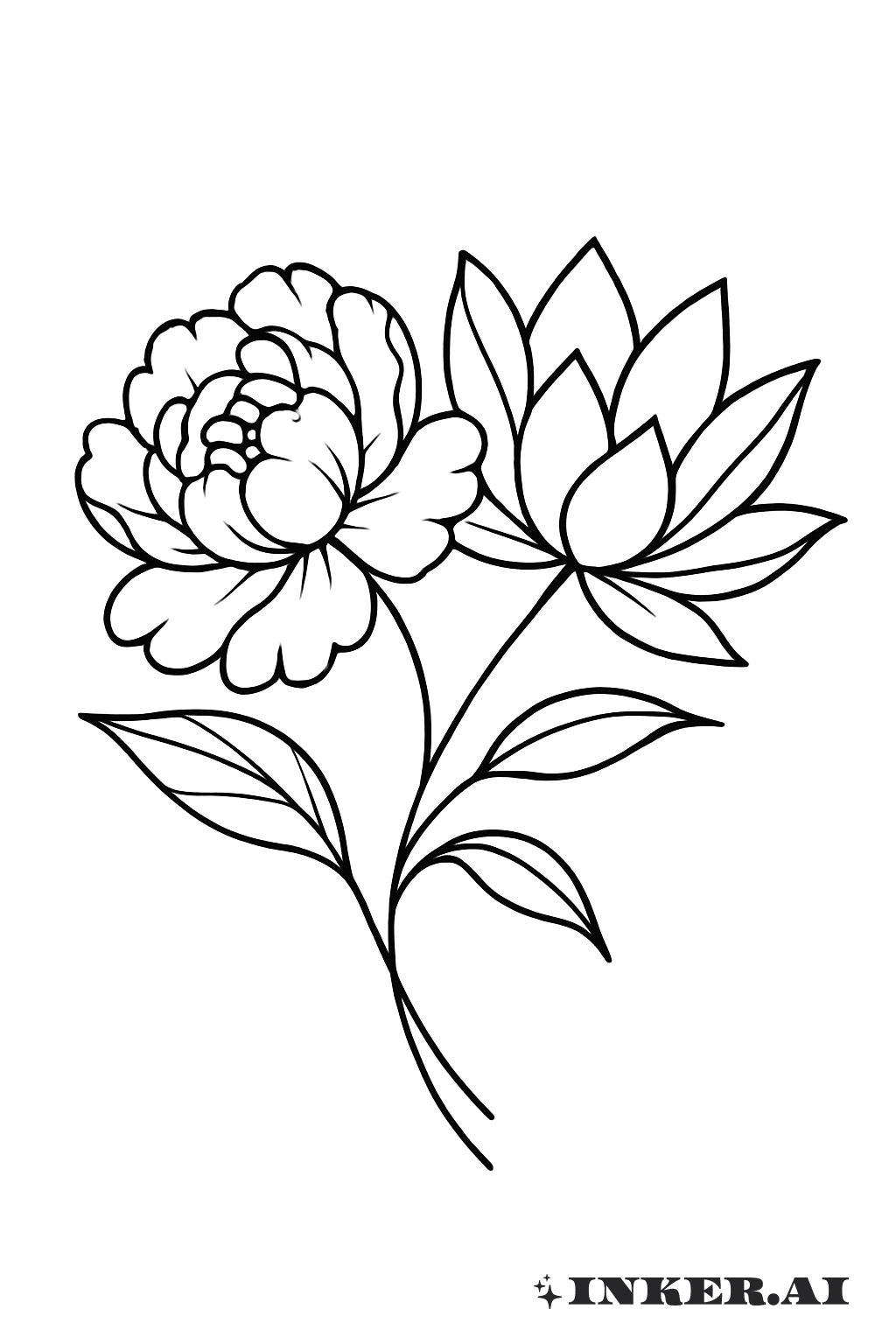
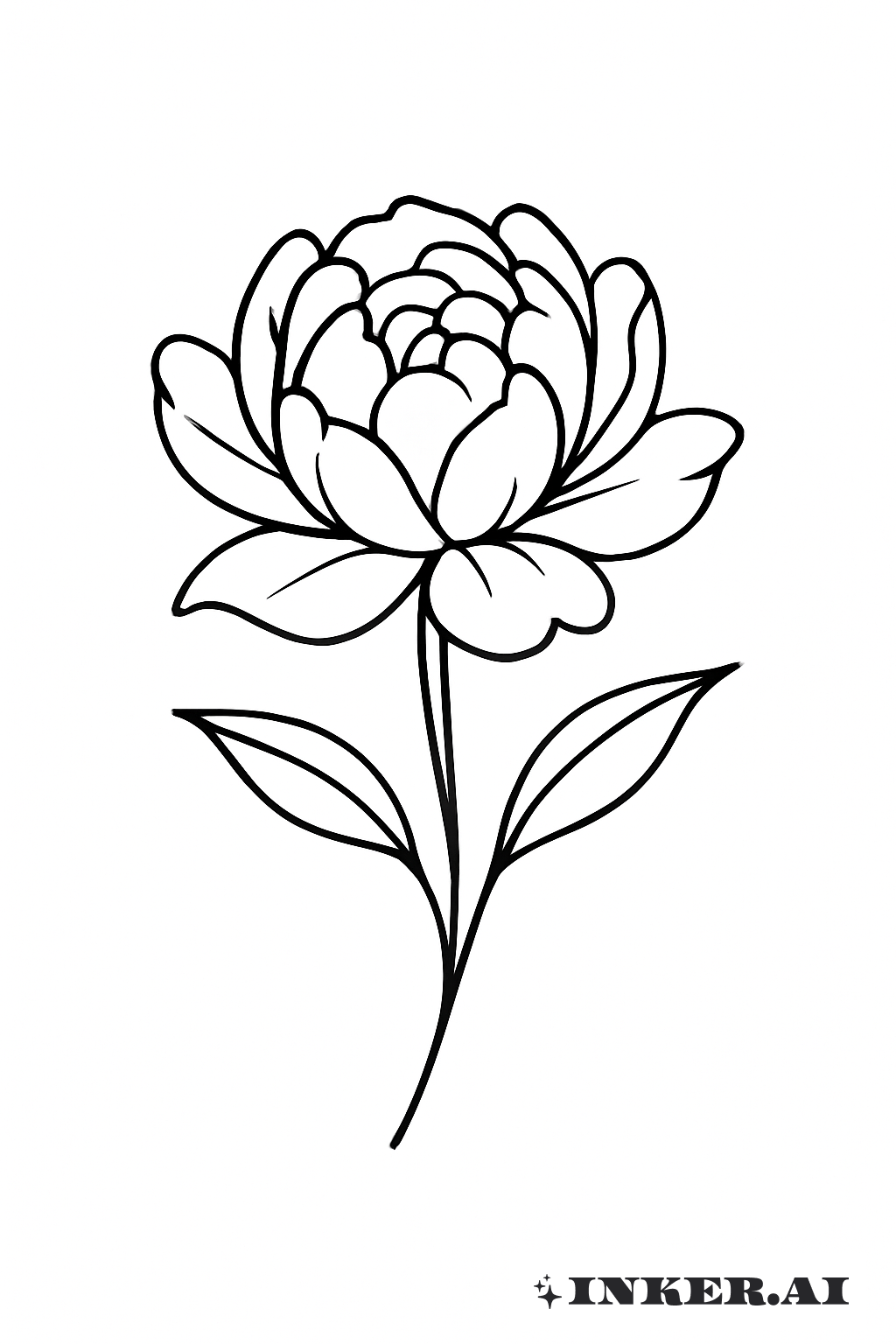
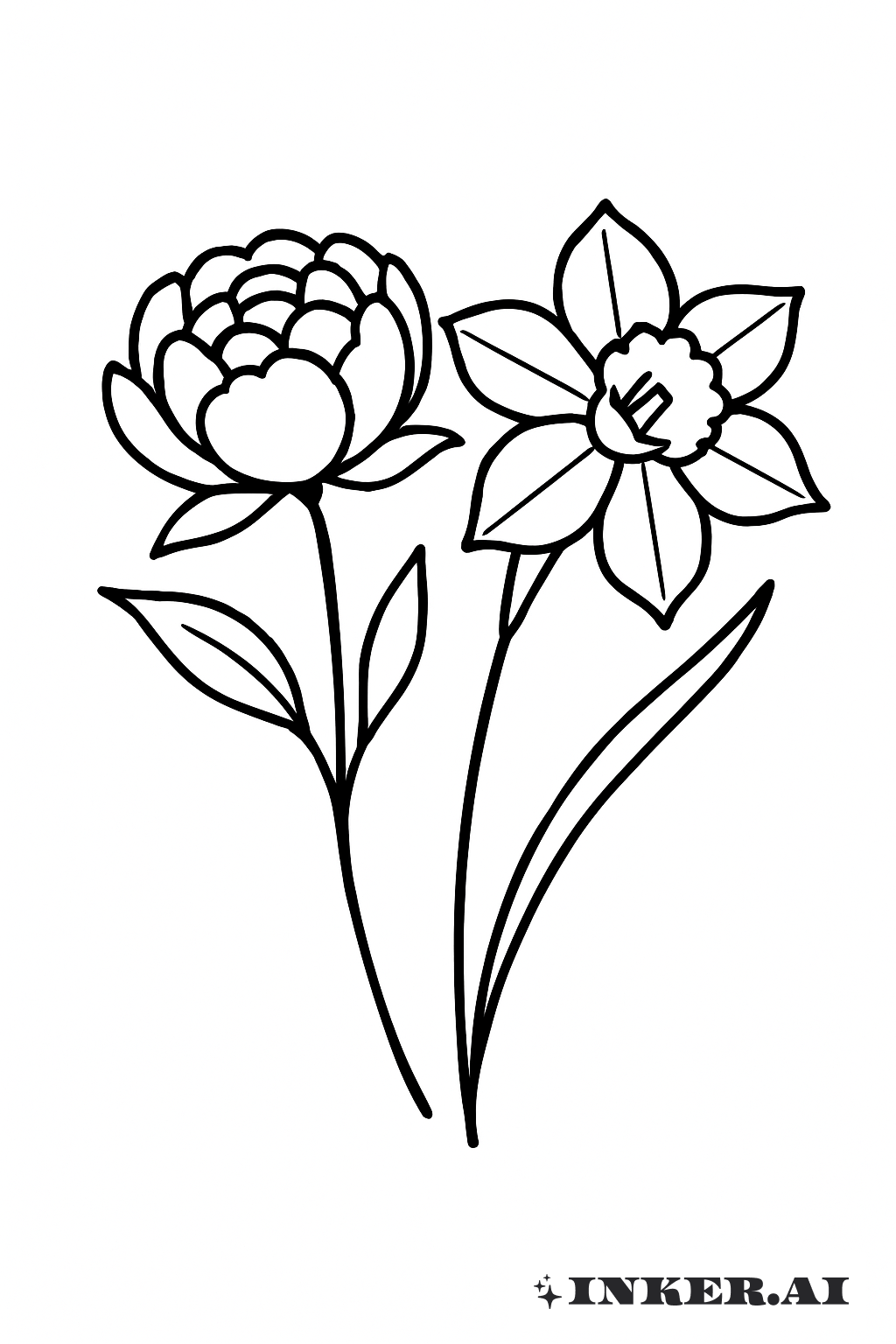
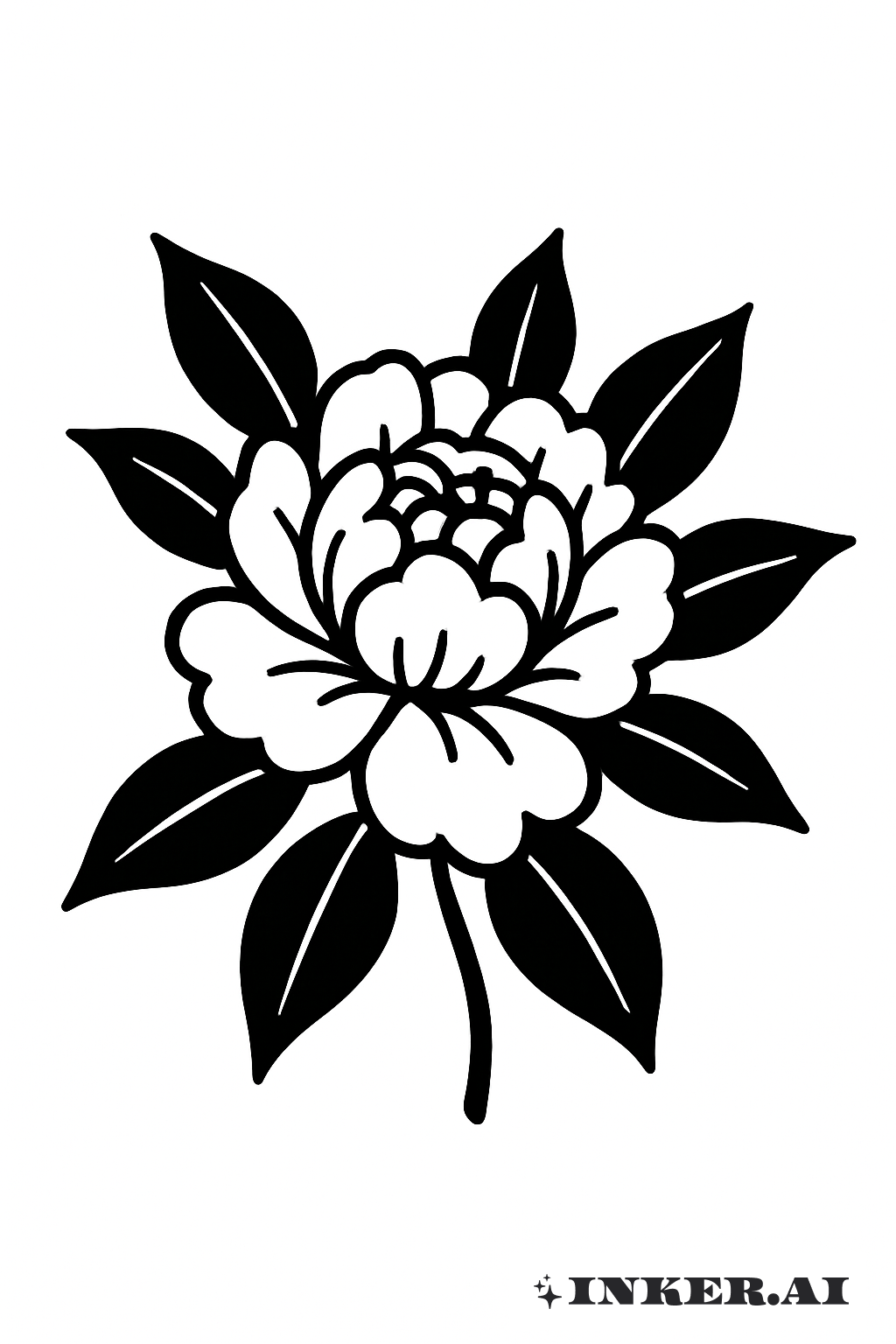
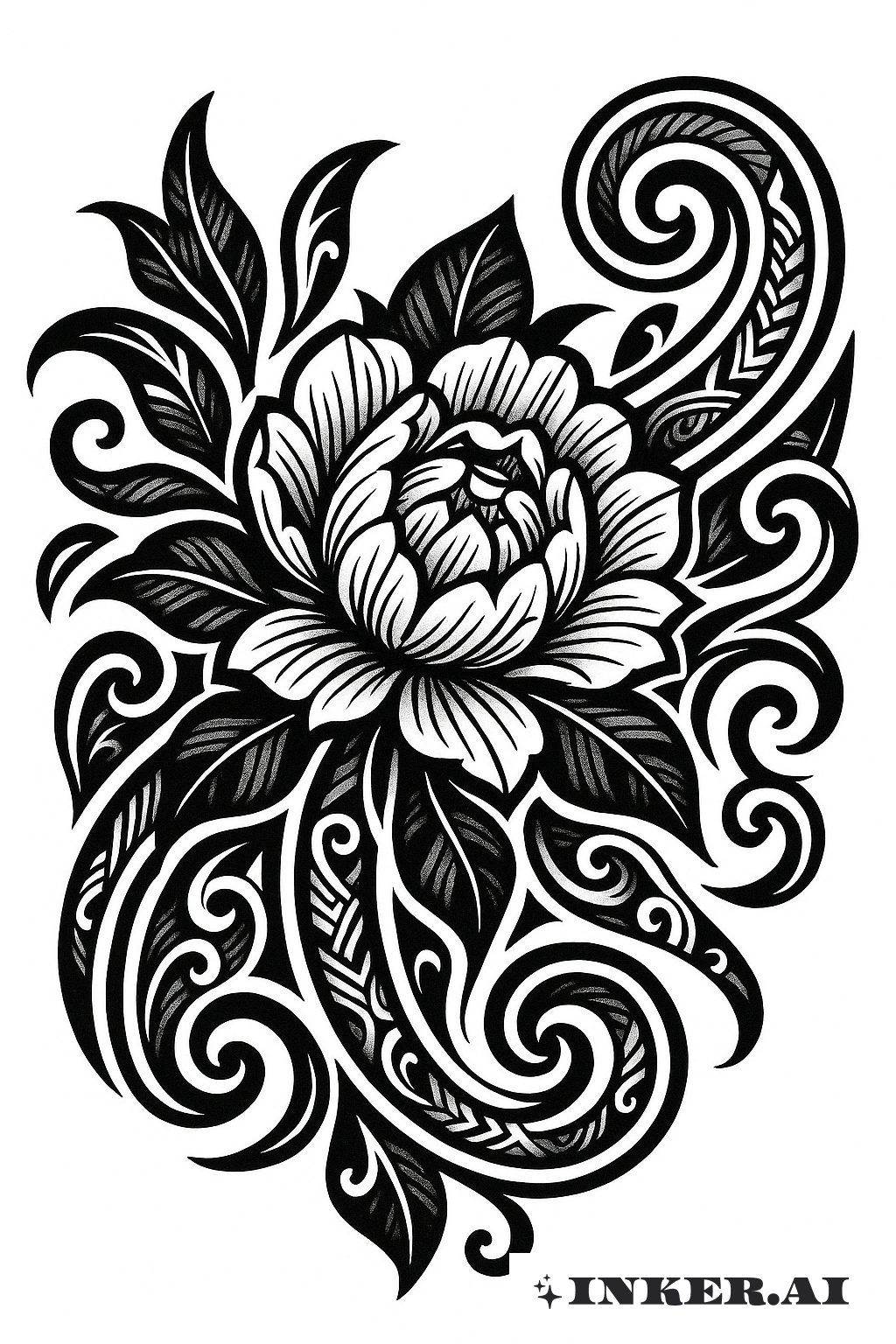
A peony is often associated with beauty, prosperity, affection, honor, and emotional strength. Because the flower is shown in full bloom, it can represent confidence, personal growth, and the willingness to reveal one’s inner character. Its many overlapping petals suggest layers of experience, showing how softness and resilience can exist together. The mandala structure adds ideas of wholeness, harmony, and spiritual balance. Its circular arrangement can symbolize cycles, continuity, and the relationship between the individual and the wider world. Symmetry gives the tattoo a calm, centered quality, suggesting a desire for stability or a return to one’s core values. In Geometric tattoo style, the precise framework may also represent discipline, clarity, and the ability to create order from complexity. For those exploring Peony tattoo ideas, this design can express a blend of natural beauty and intentional structure. The contrast between the organic flower and the measured geometry reflects the balance between emotion and reason, freedom and control, or tenderness and strength. As a centerpiece, the tattoo can mark a meaningful personal focus—something beautiful, grounding, and enduring at the heart of one’s identity.
Design Inspiration Of Peony Mandala as a Centerpiece Tattoo Design
The concept draws inspiration from the contrast between a living flower and the disciplined language of sacred geometry. The peony provides softness, movement, and organic richness, while the surrounding mandala transforms those qualities into a composed visual structure. Repetition, radial balance, and fine ornamental lines create a meditative sense of order, allowing the bloom to feel both natural and symbolic. The result is a centerpiece that celebrates beauty through precision, symmetry, and thoughtful restraint.