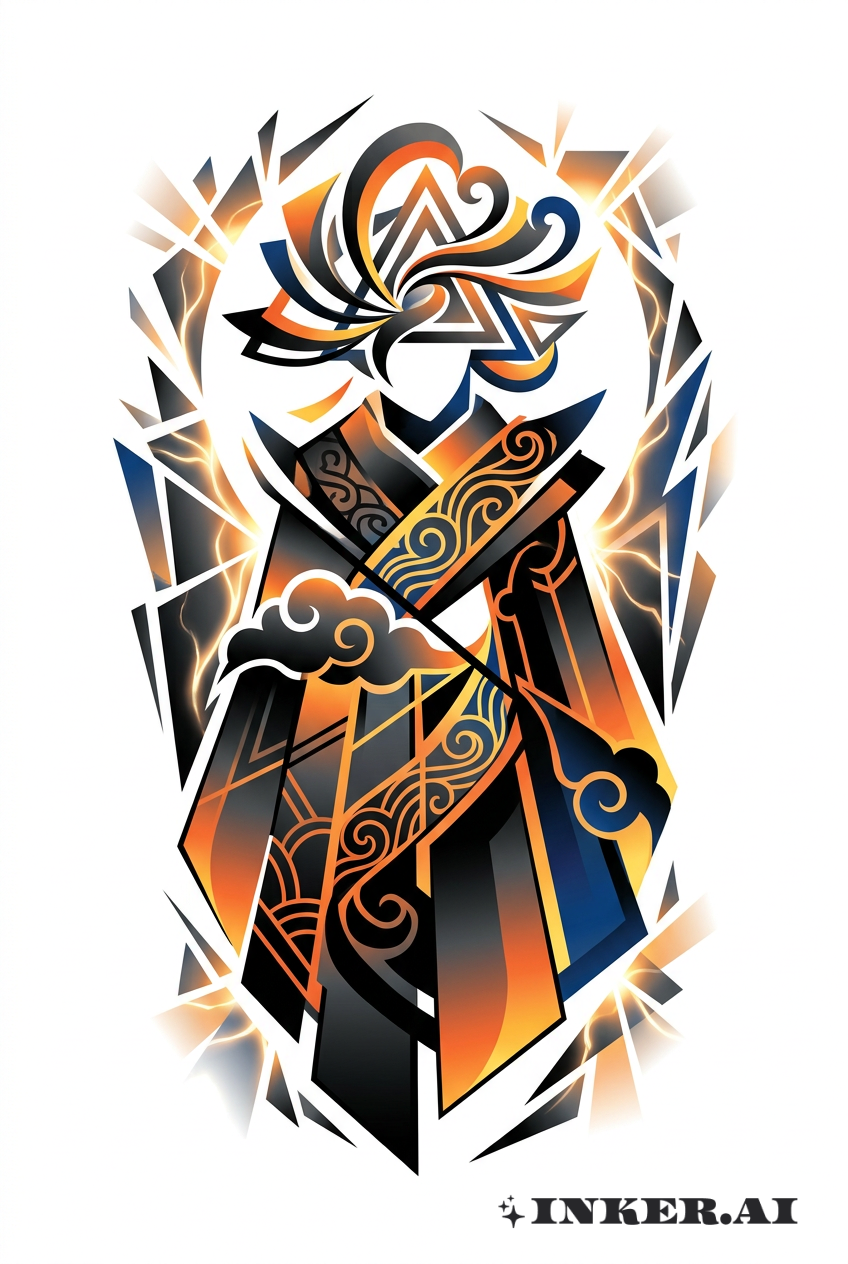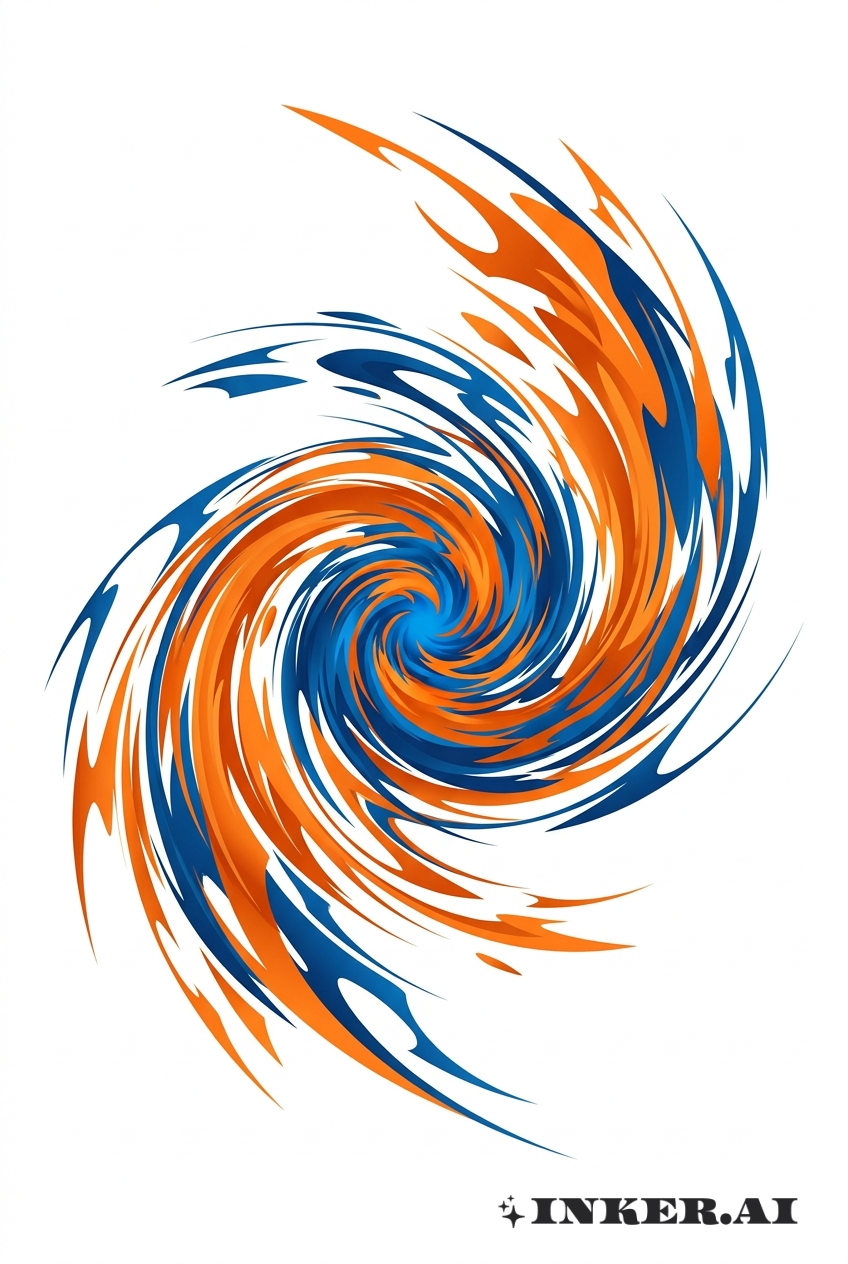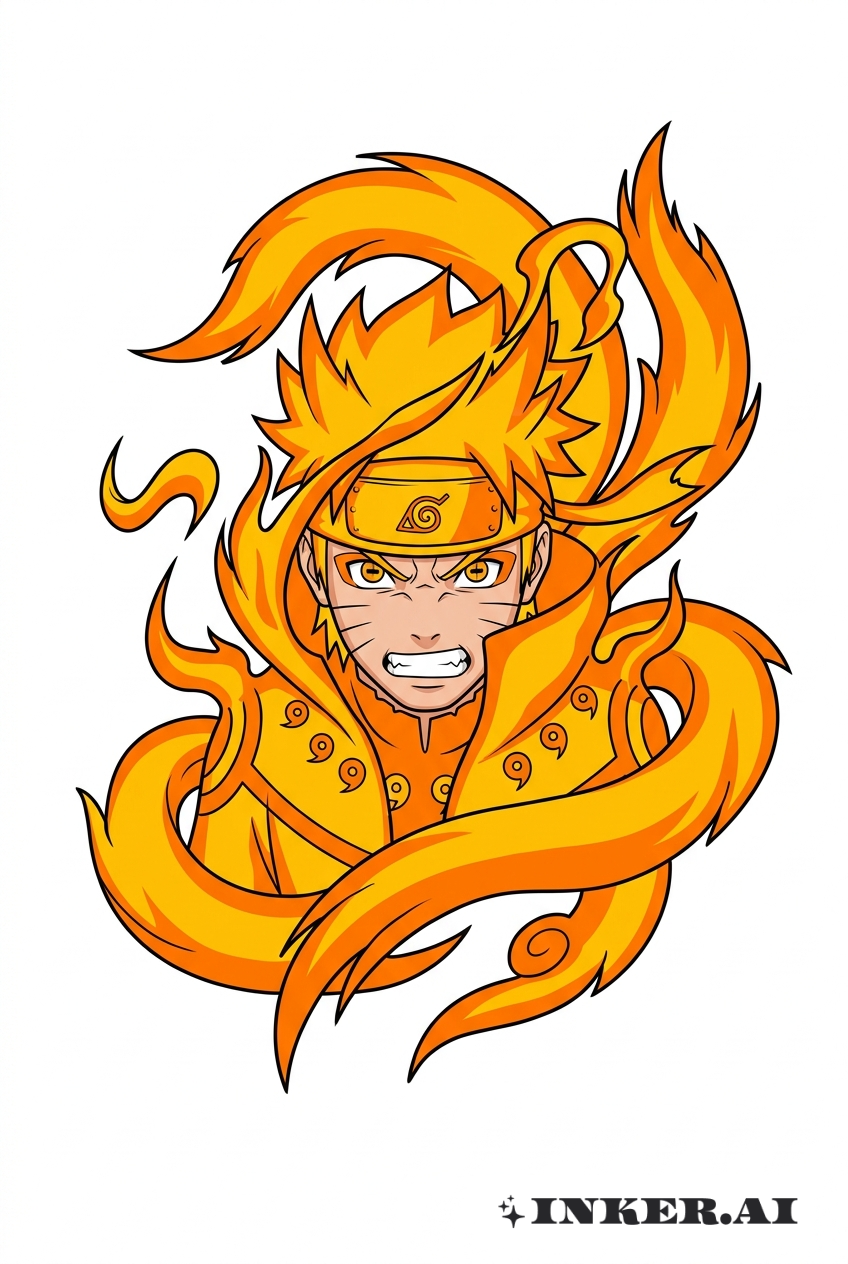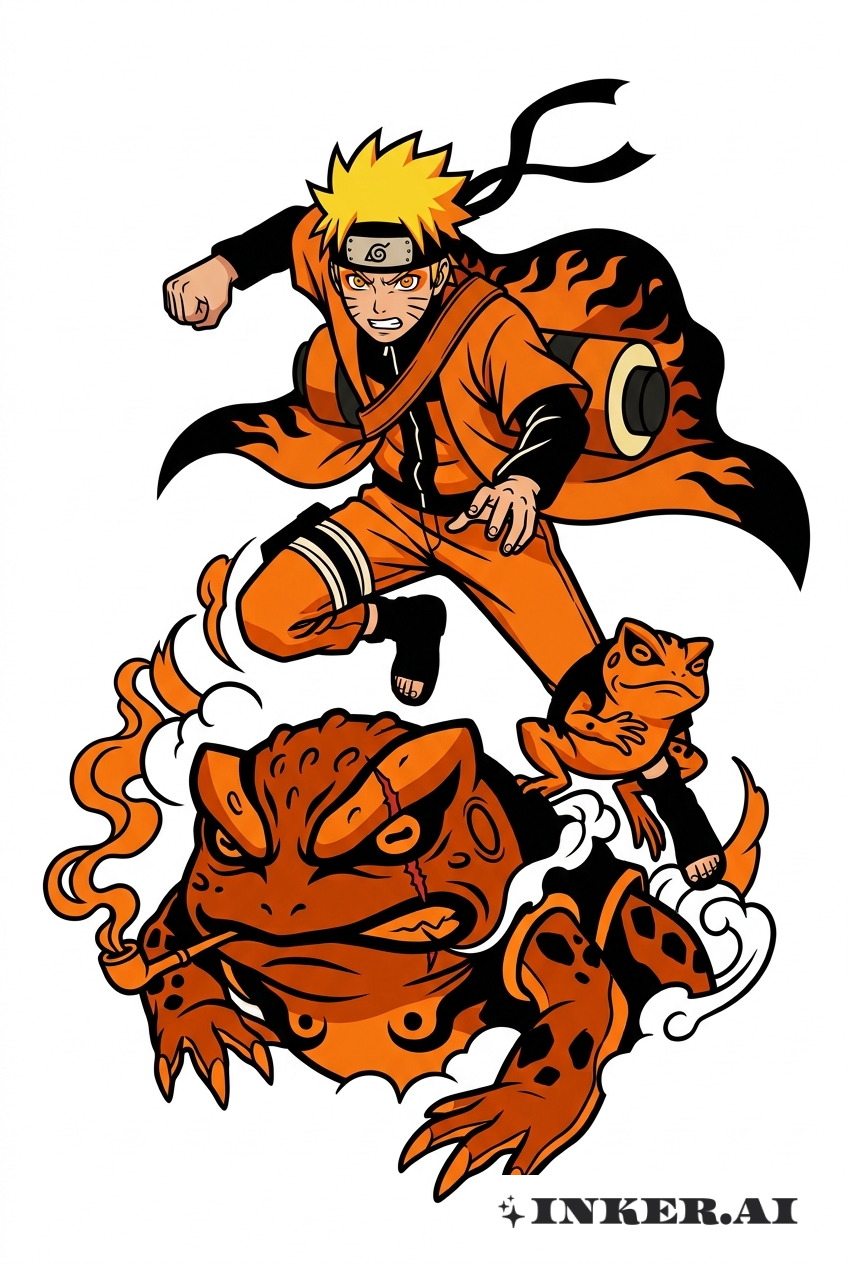
Cultural Meaning Of Chidori Clash Graffiti Scene Tattoo Design
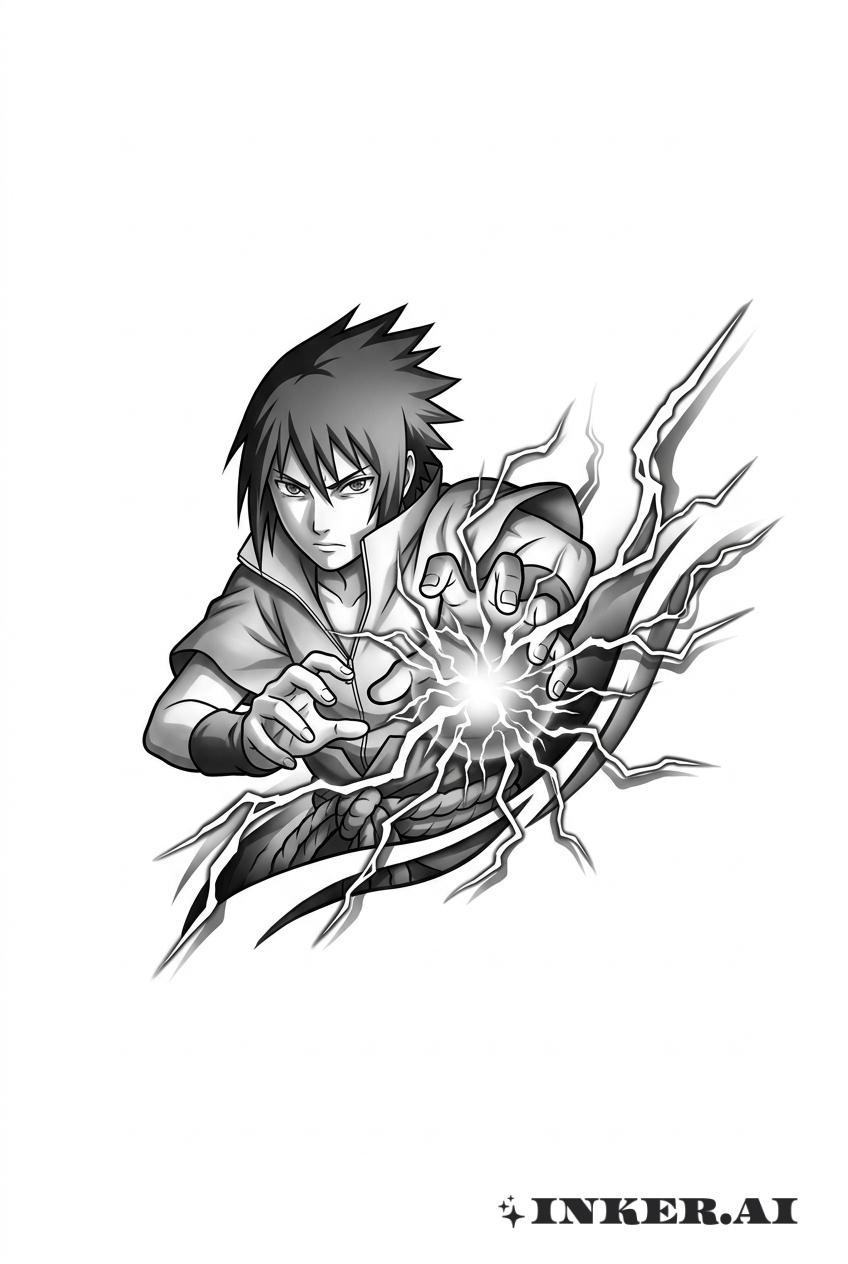
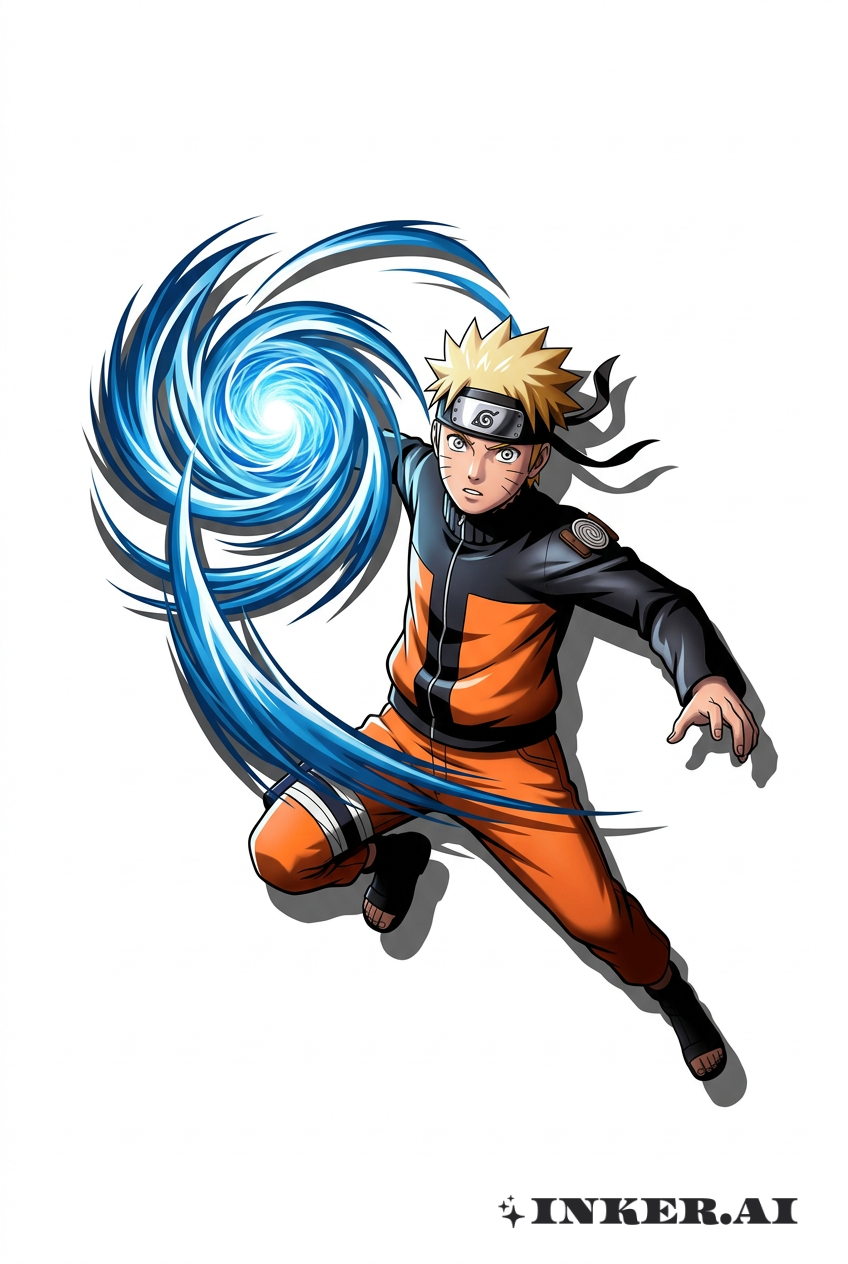
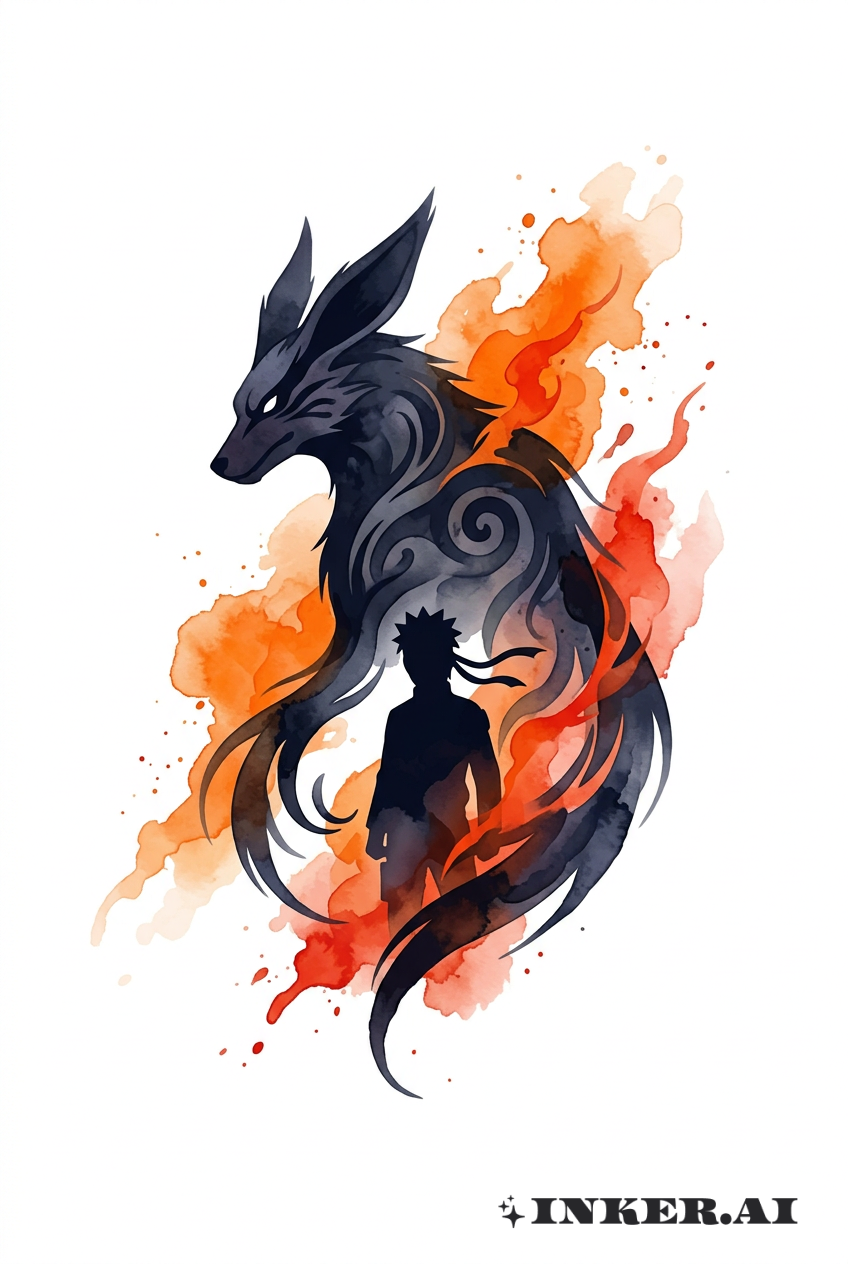
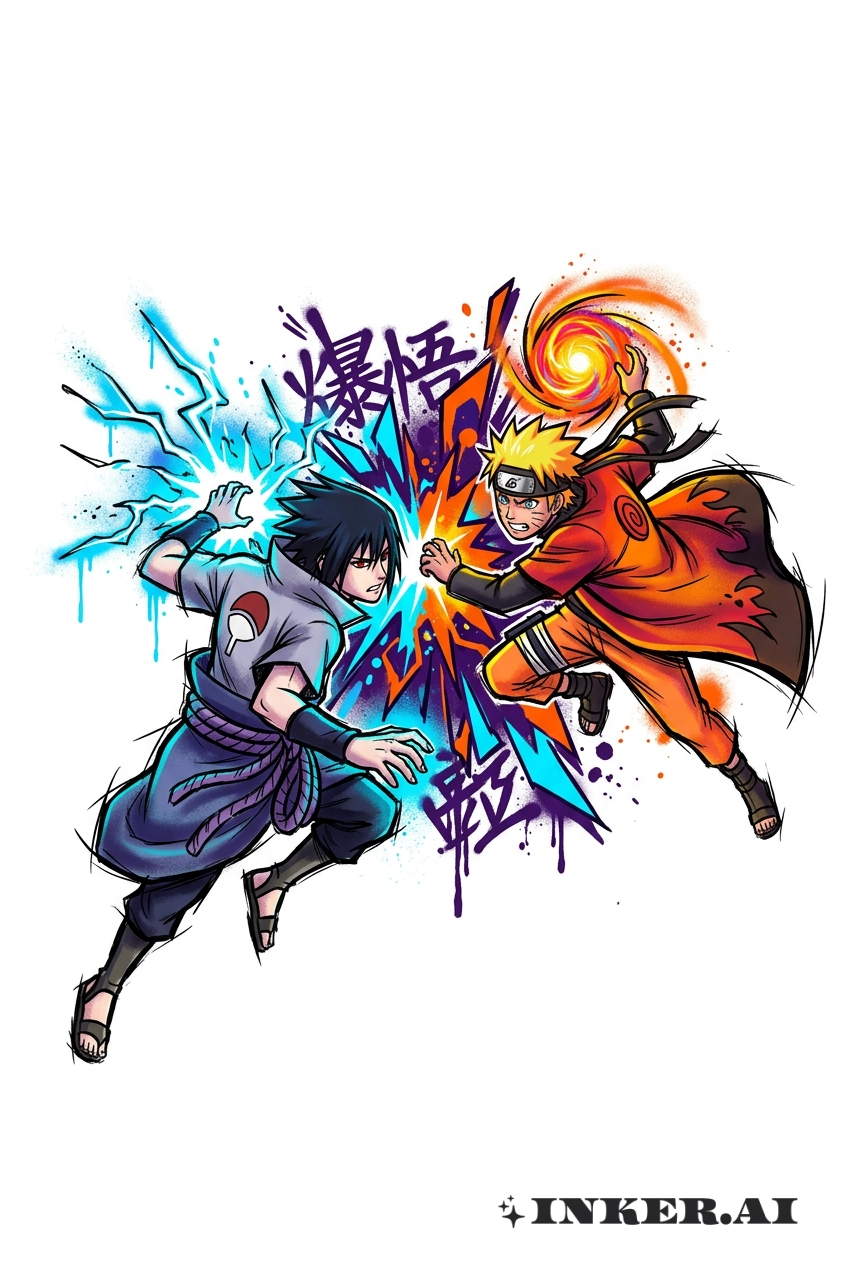
At its core, the tattoo captures a moment of collision — raw force meeting precision — symbolizing inner conflict, growth through struggle, and the fleeting flash of decisive action. The lightning represents concentrated willpower and technical mastery; when two strikes collide, they suggest a turning point that forges identity under pressure. The stencil marks, splatters, and layered tags connect that personal drama to public expression, framing a private struggle within a communal, urban voice. The fusion of Graffiti tattoo style with iconic ninja energy translates fan devotion into a rebellious visual language: it’s both homage and reinterpretation. For admirers, these Naruto tattoo ideas function as a badge of dedication, signaling an affinity for themes like perseverance, rivalry, and the pursuit of excellence. At the same time, the street-art treatment reclaims those themes for everyday life, turning epic, fictional confrontation into a metaphor for real-world resilience and self-reinvention.
Design Inspiration Of Chidori Clash Graffiti Scene Tattoo Design
The concept grew from marrying kinetic anime imagery with the immediacy of street murals: high-voltage motion captured in layered spray paint. Inspiration draws on night-time cityscapes lit by neon, the grit of alleyway tags, and the crisp choreography of hand-to-hand combat sequences. The idea was to make energy visible — to let lightning streaks dictate composition, to let paint drips suggest aftermath, and to balance chaos with a single focal burst. Visually, it's about translating frame-by-frame movement into a single, readable snapshot that still feels alive on skin.