Cultural Meaning Of Abstract Mushroom Shape in Haida Style Tattoo Design
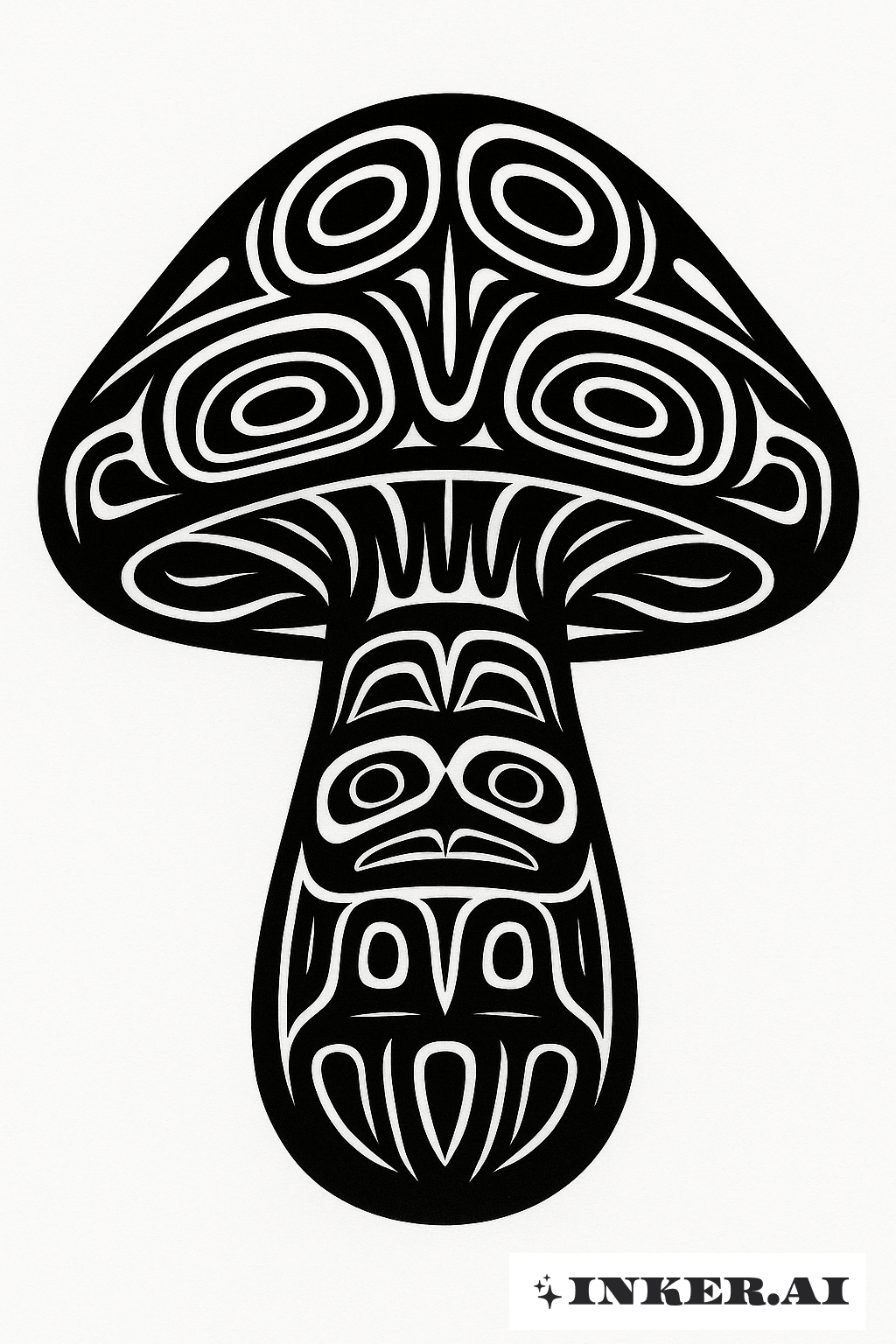
Drawing on Pacific Northwest visual language, this design layers meanings of renewal, interconnectedness and rootedness. Haida formline elements traditionally communicate relationships, lineage and narrative; when applied to a fungal subject they emphasize cycles of decay and regeneration, the hidden mycelial networks that connect life beneath the surface, and the quiet power of small organisms. The emblematic arrangement suggests a personal totem—an anchor for transformation, resilience or curiosity about unseen systems. Worn respectfully, it can signal reverence for nature and an appreciation for ancestral craft. Artists and clients should remain mindful of cultural provenance while adapting these motifs. As a concise, symbolic mark, it benefits from the solemn visual language that tribal tattoo style brings, and it can inspire bespoke interpretations via mushroom tattoo ideas tailored to individual stories.
Design Inspiration Of Abstract Mushroom Shape in Haida Style Tattoo Design
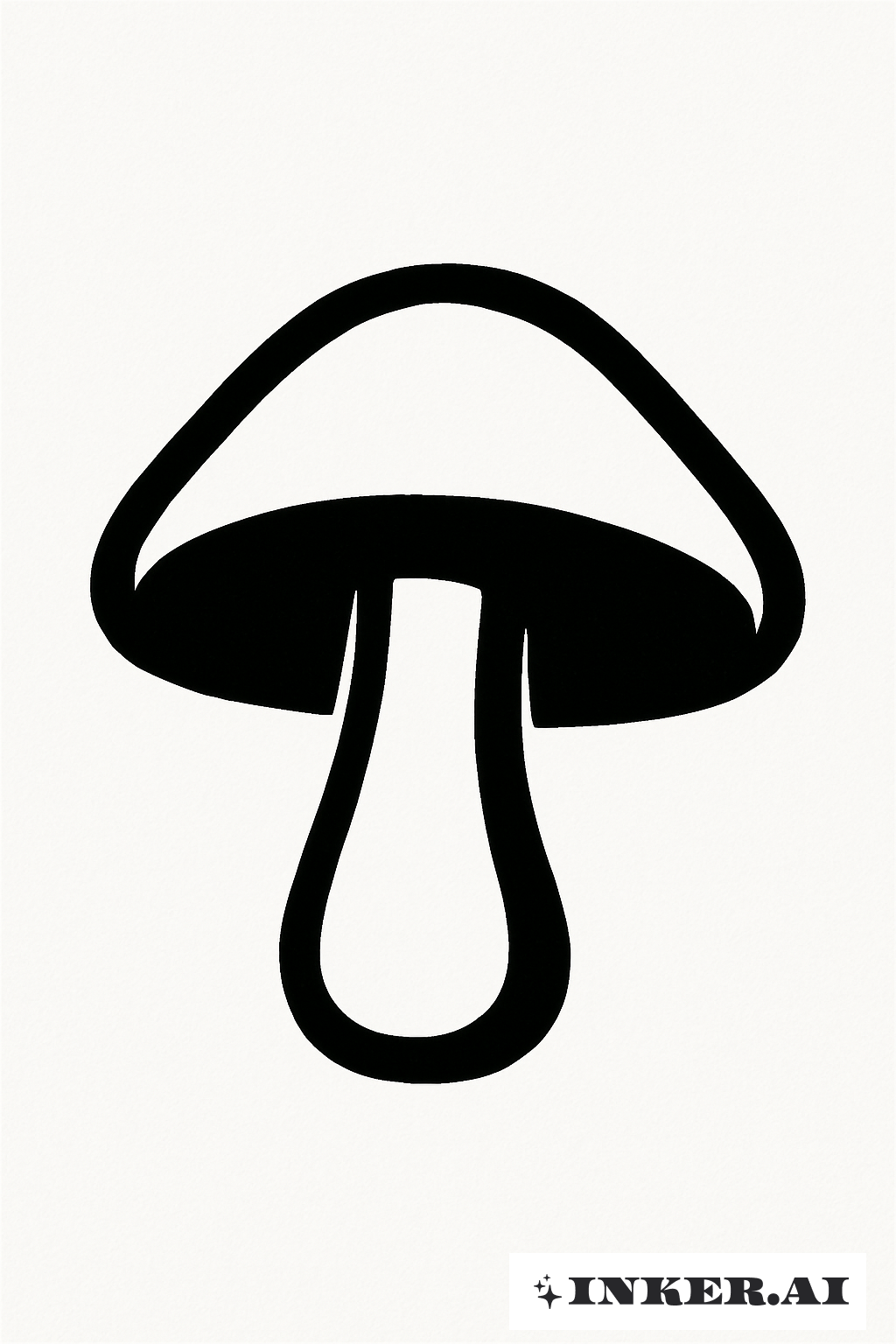
The creative starting point was Pacific Northwest carving and print traditions paired with contemporary graphic abstraction. The artist reduced the mushroom to its essential silhouette, then rebuilt it with flowing formline rhythms and interlocking shapes to echo carving, engraving and stamp work. Emphasis on contrast and negative space was intended to produce a totemic emblem that reads clearly from afar yet rewards close viewing with layered detail. The result is a wearable mark that honors craft, nature and minimalist composition, ready for adaptation as a personal tattoo.