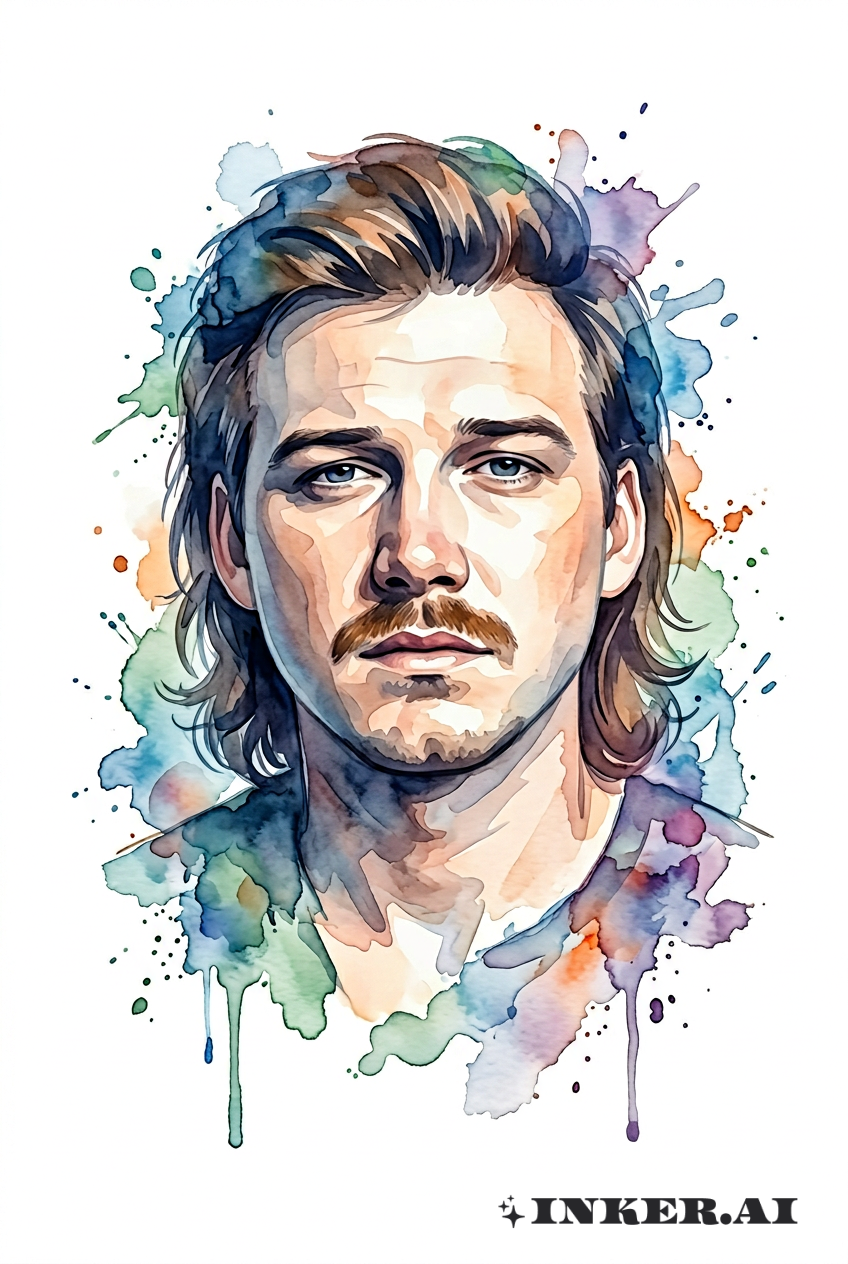
Cultural Meaning Of Morgan Wallen Portrait in Black and Grey Tattoo Design
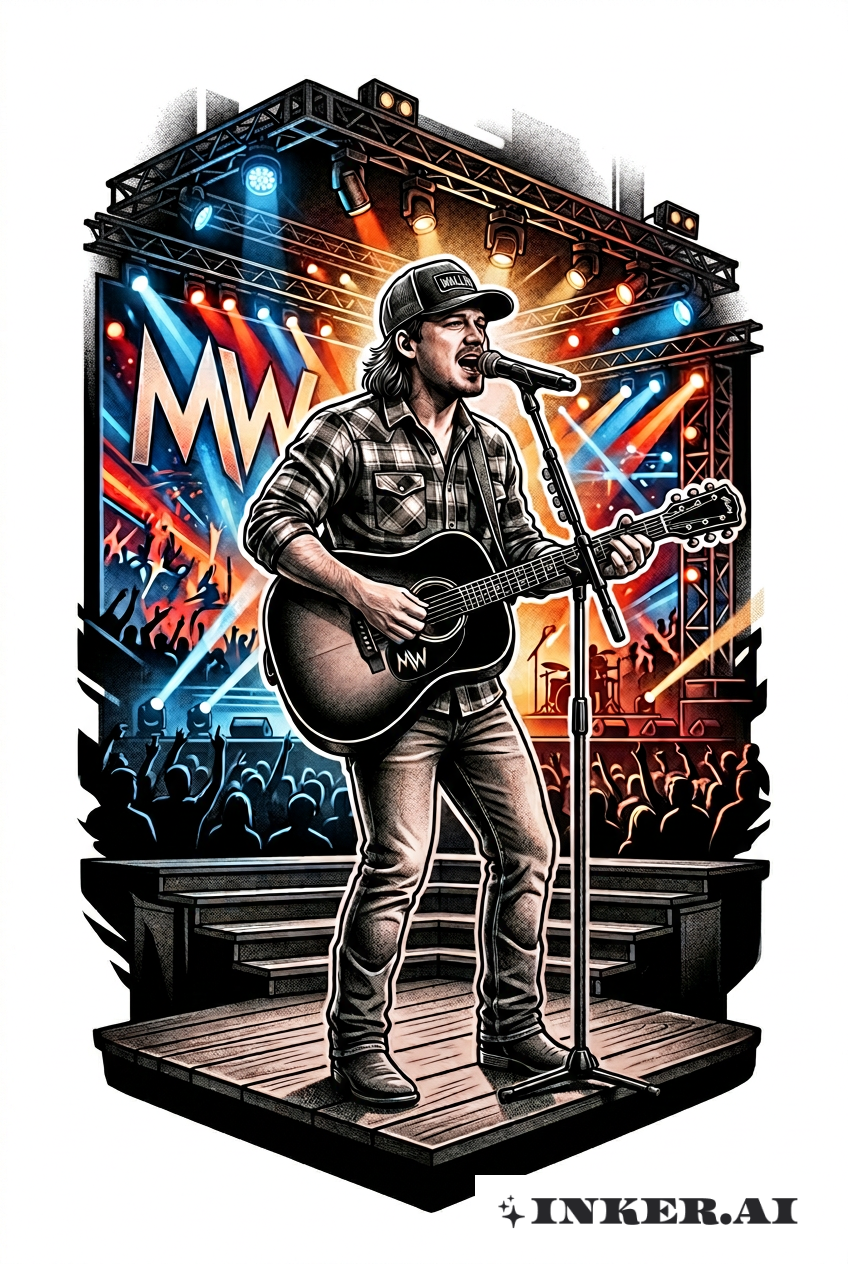
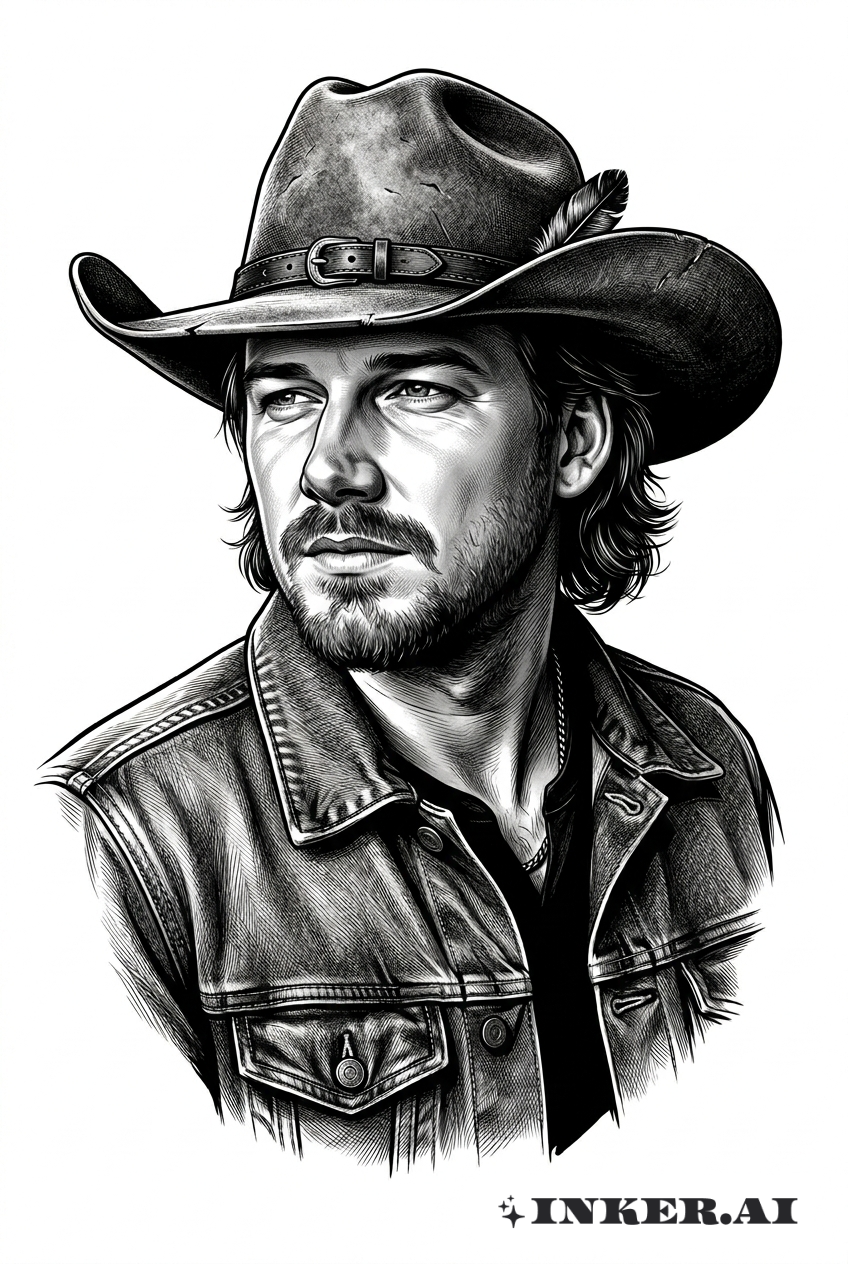
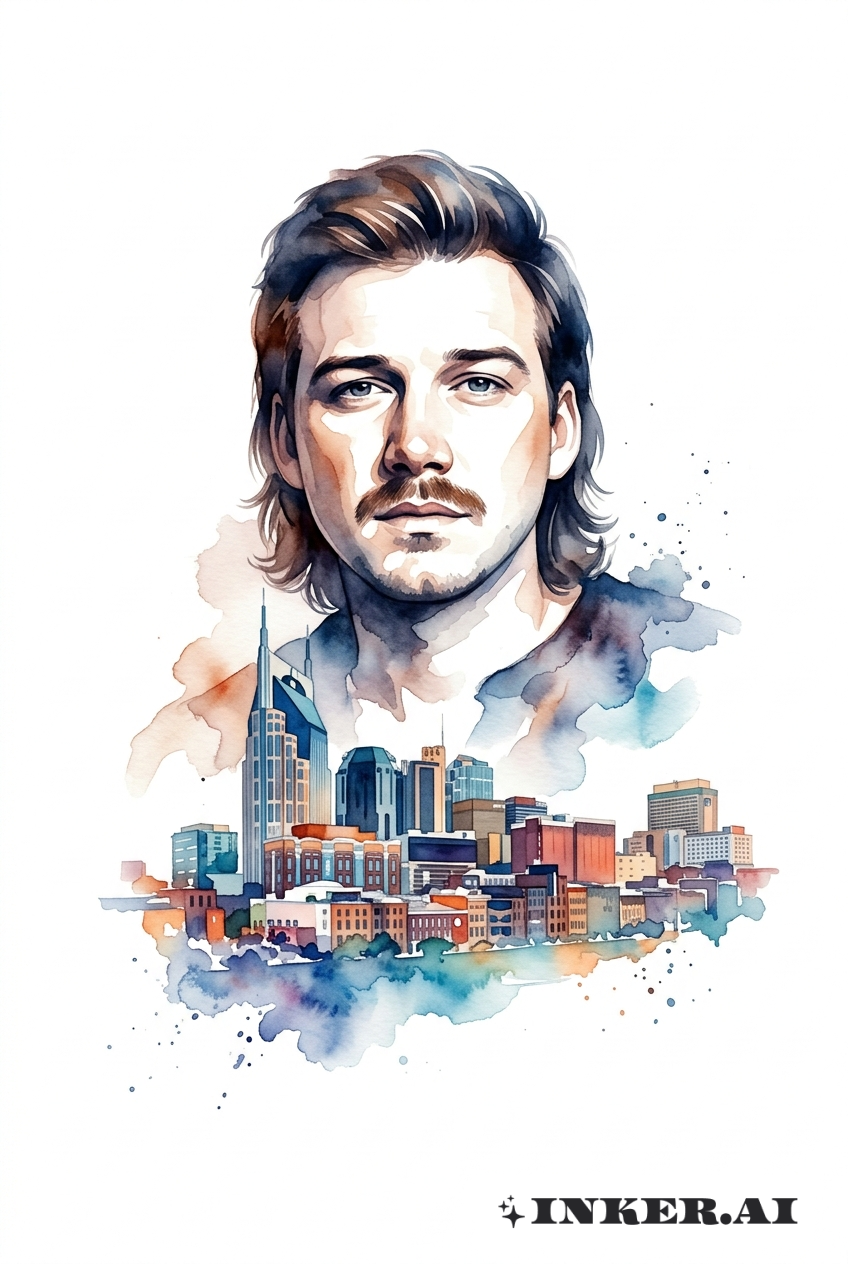
A monochrome portrait like this speaks to memory, homage, and the enduring nature of fandom. Stripped of color, the image leans on contrast and expression to convey character: tired eyes suggest long nights on the road, a downturned mouth can hint at introspection, and the weathered cap evokes a working-class authenticity. In many cultures, black-and-gray portraiture functions as a way to preserve a moment in time—rendering a human face with permanence and care. The absence of color also universalizes the subject, allowing viewers to project personal meaning onto the image. As a deliberate choice for devotees, the composition reads as both celebration and relic, a marker of influence rather than mere likeness. This approach mirrors how some fans collect memorabilia: a single, enduring image that captures an era. When adapted by tattooists, the piece becomes part of a visual language that blends celebrity homage with personal narrative—evident in how the Morgan Wallen tattoo ideas embedded in the portrait can be tailored to reflect an individual’s memories or significant dates.
Design Inspiration Of Morgan Wallen Portrait in Black and Grey Tattoo Design
The creative intent draws from concert photography and candid backstage portraits—moments that feel intimate yet iconic. The artist aimed to translate the raw textures of skin, fabric, and facial hair into ink using practices from realist portraiture and classic monochrome tattooing. Influences include vintage black-and-white editorial prints and contemporary portrait tattoos that prioritize emotion over flash. The goal was to capture a specific expression and mood rather than stylize, making the piece feel like a personal snapshot preserved in ink.