Cultural Meaning Of The Final Grain Of Sand Memento Mori Tattoo Design
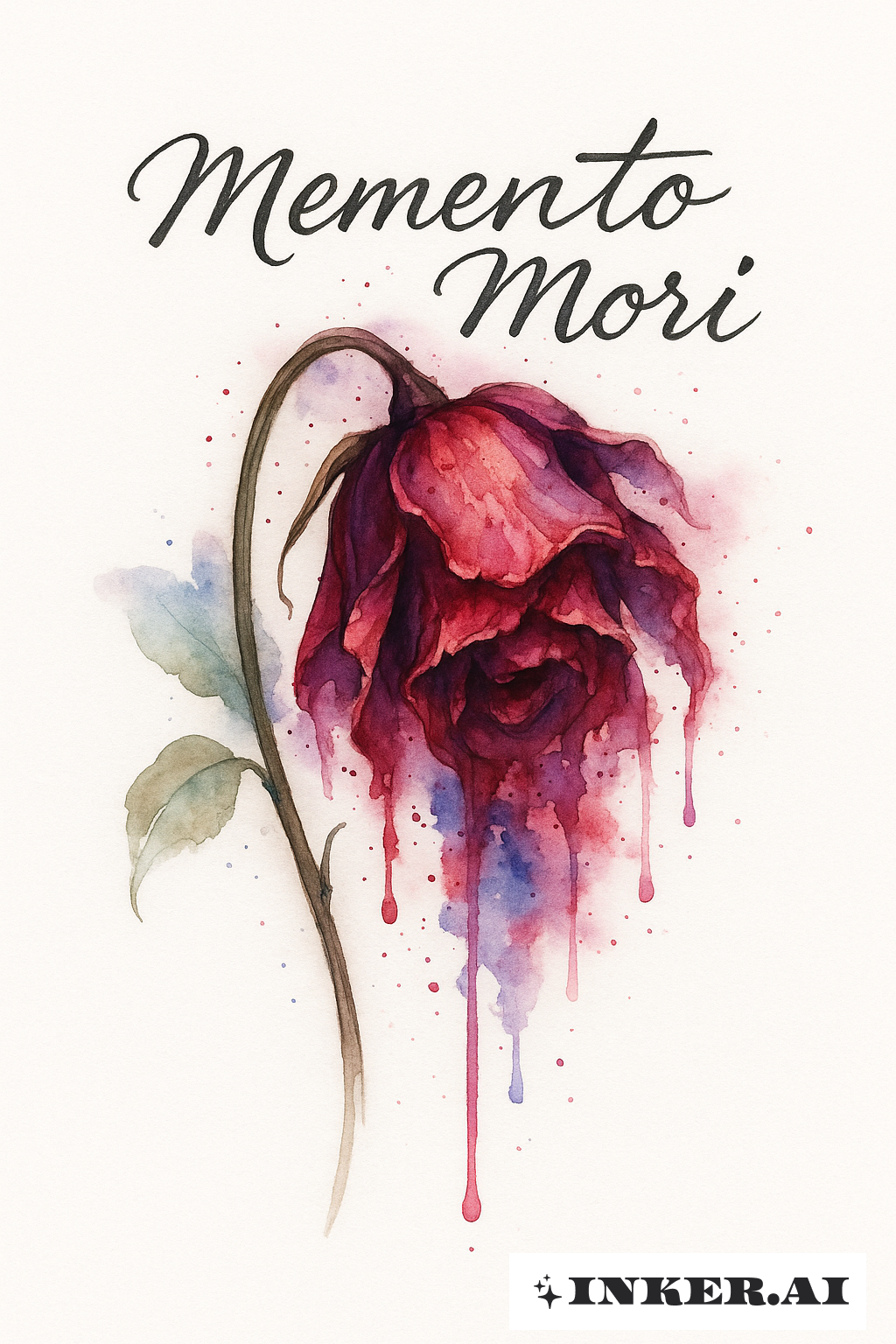
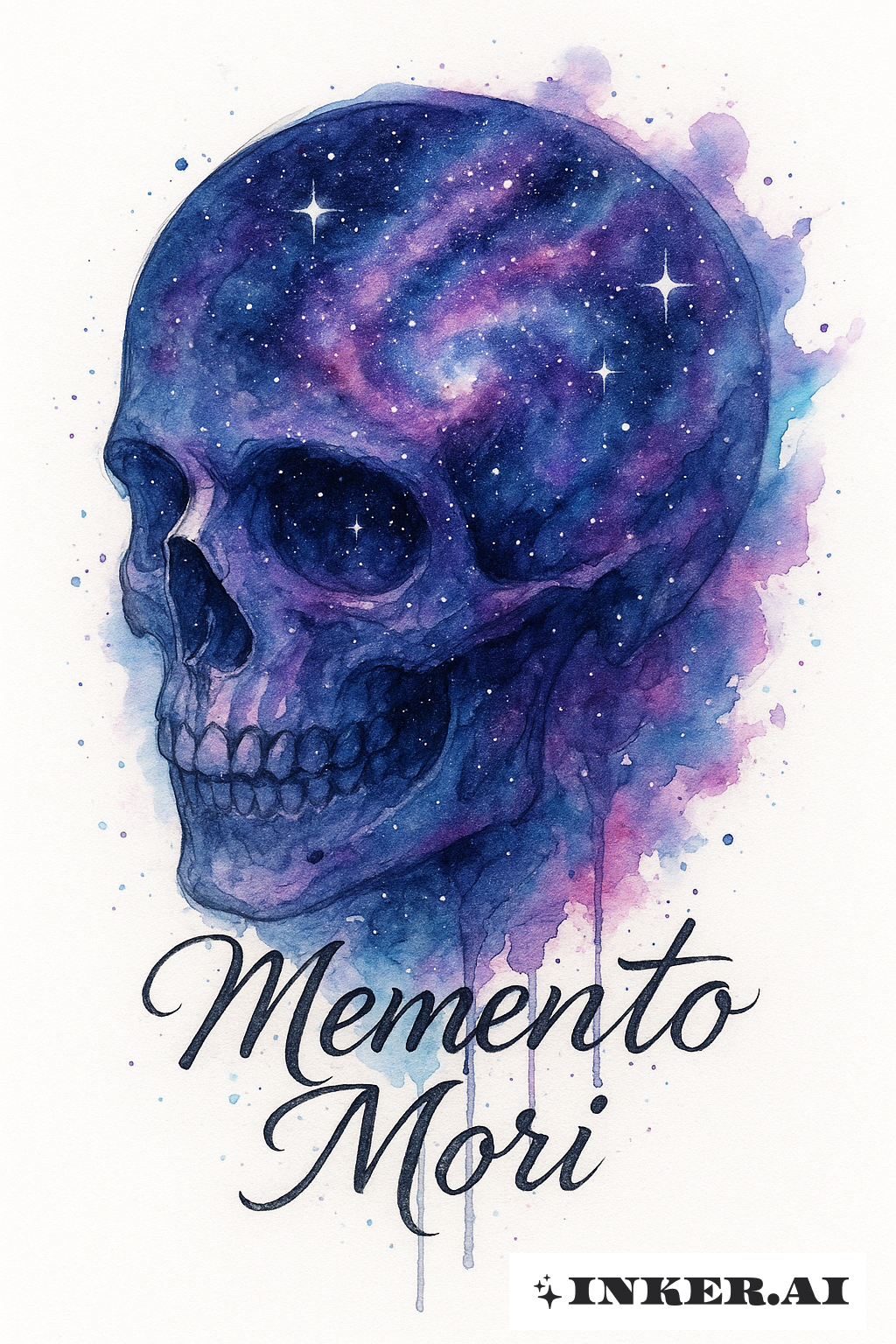
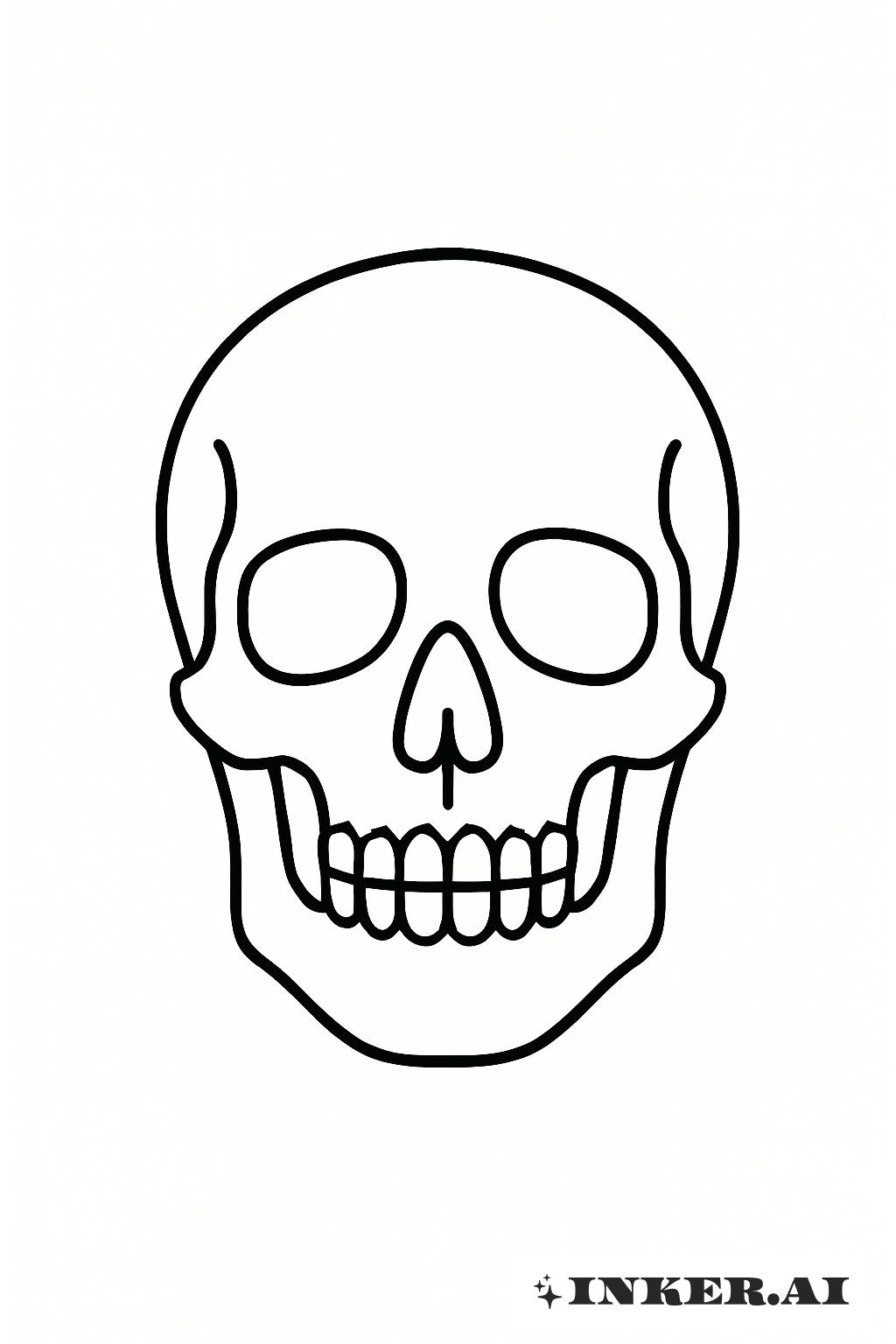
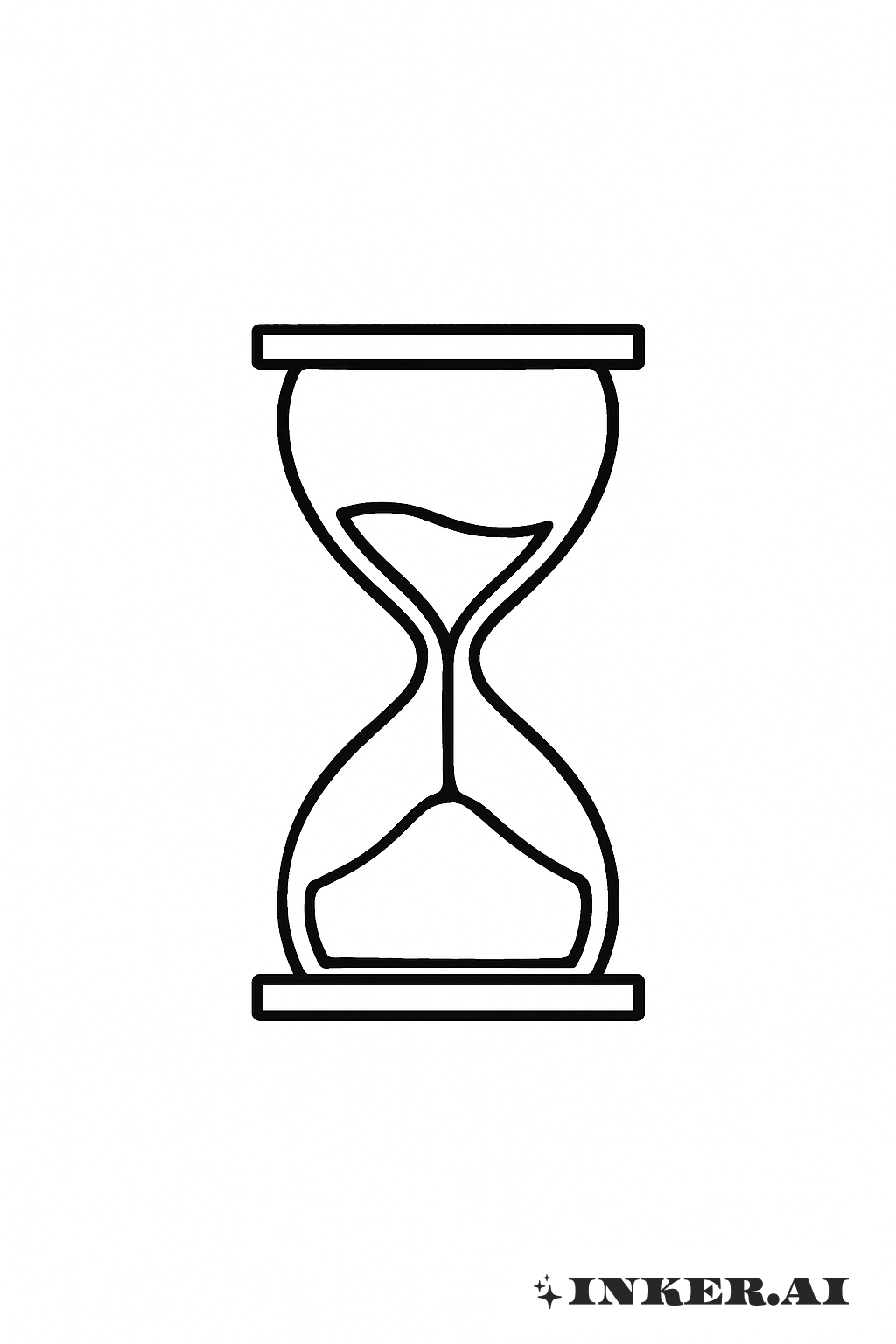
This image condenses centuries of symbolic language into a small, potent emblem: the skull as a reminder of mortality and the hourglass as the passage of measured time, now focused on a single "final grain" to suggest an ending or transition. The sparse botanical details hint at renewal and the cycle of life, while the floating sand grains visually echo impermanence—everything shifts, dwindles, or transforms. Executed with restraint, the composition invites quiet reflection rather than sensational drama; the delicate execution also softens the theme, implying acceptance rather than fear. In contemporary practice this approach is often chosen by people who want a subtle personal prompt to live with intention, honor lost loved ones, or mark a turning point. The use of soft stipple and thin contouring aligns with the contemplative subject matter, a thoughtful pairing that proves especially effective in fine line tattoo style contexts. For those browsing memento mori tattoo ideas, this piece offers a small-format option that carries layered meaning without overwhelming the body or the viewer.
Design Inspiration Of The Final Grain Of Sand Memento Mori Tattoo Design
The concept grew from vanitas paintings and classical reminders of mortality, distilled into a single delicate motif: a skull and hourglass reduced to their most essential lines. The artist aimed to fuse antique symbolism with contemporary minimalism—using micro-detail, negative space, and precise dotwork to create an image that feels both intimate and timeless. The ‘‘final grain’’ idea guided composition and scale so the work reads clearly at small sizes while still inviting repeated, quiet contemplation.