Cultural Meaning Of Urban Maori Graffiti Tiki Tattoo Design
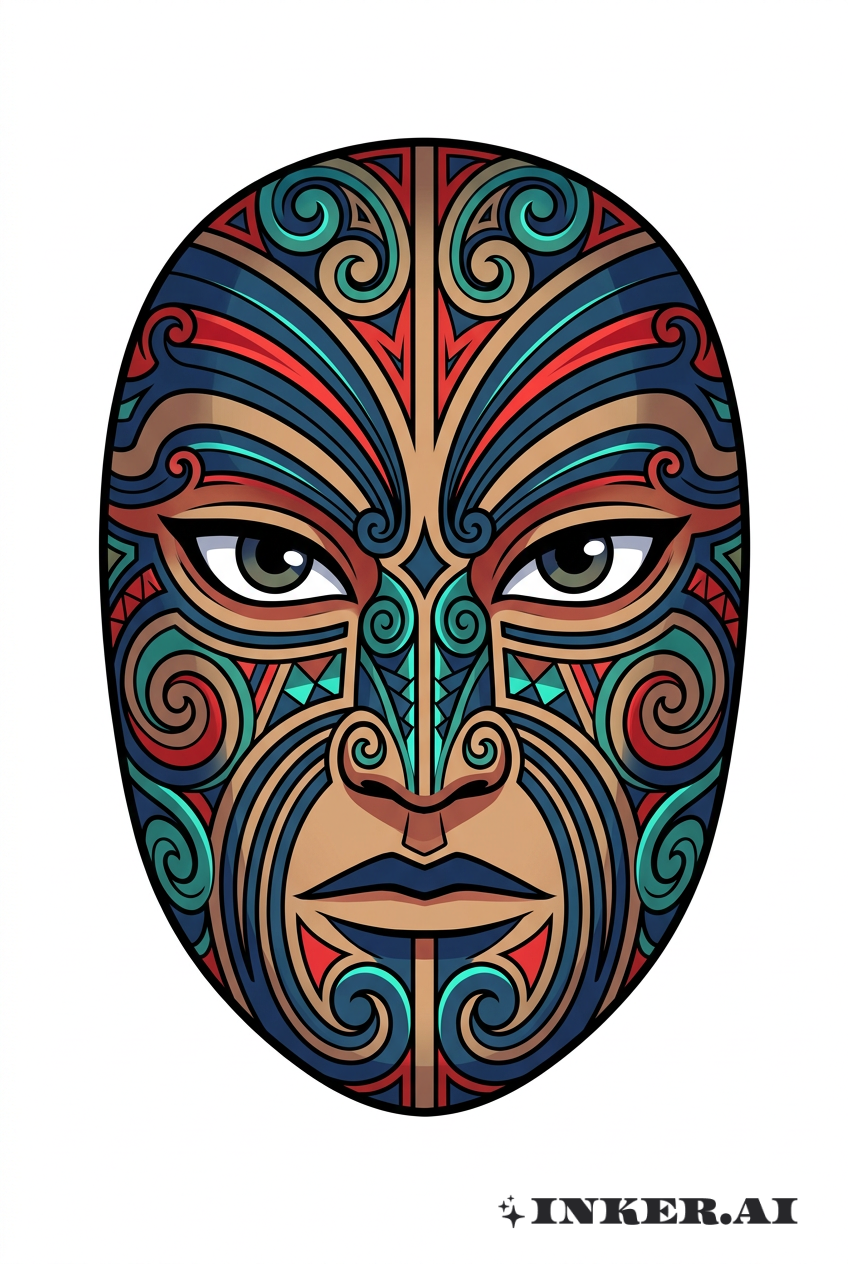
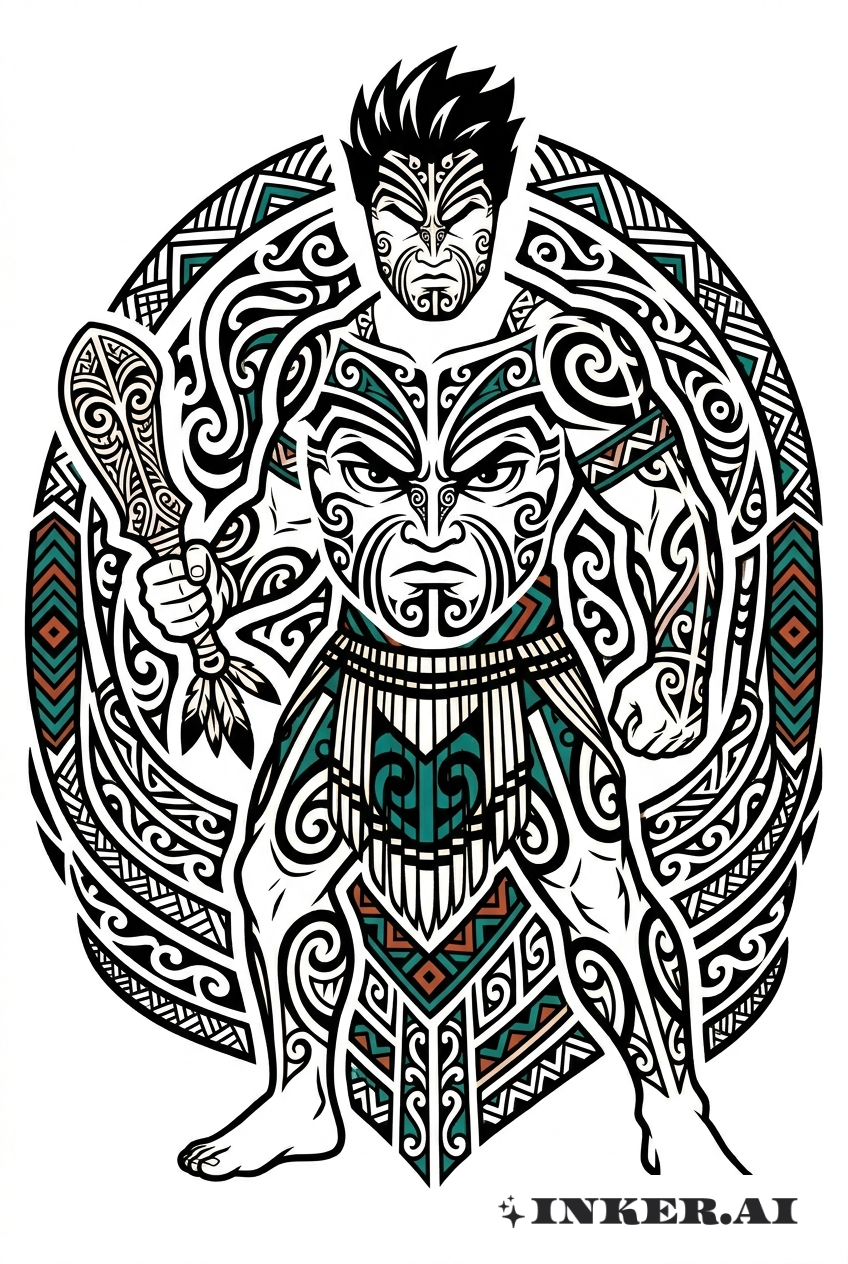
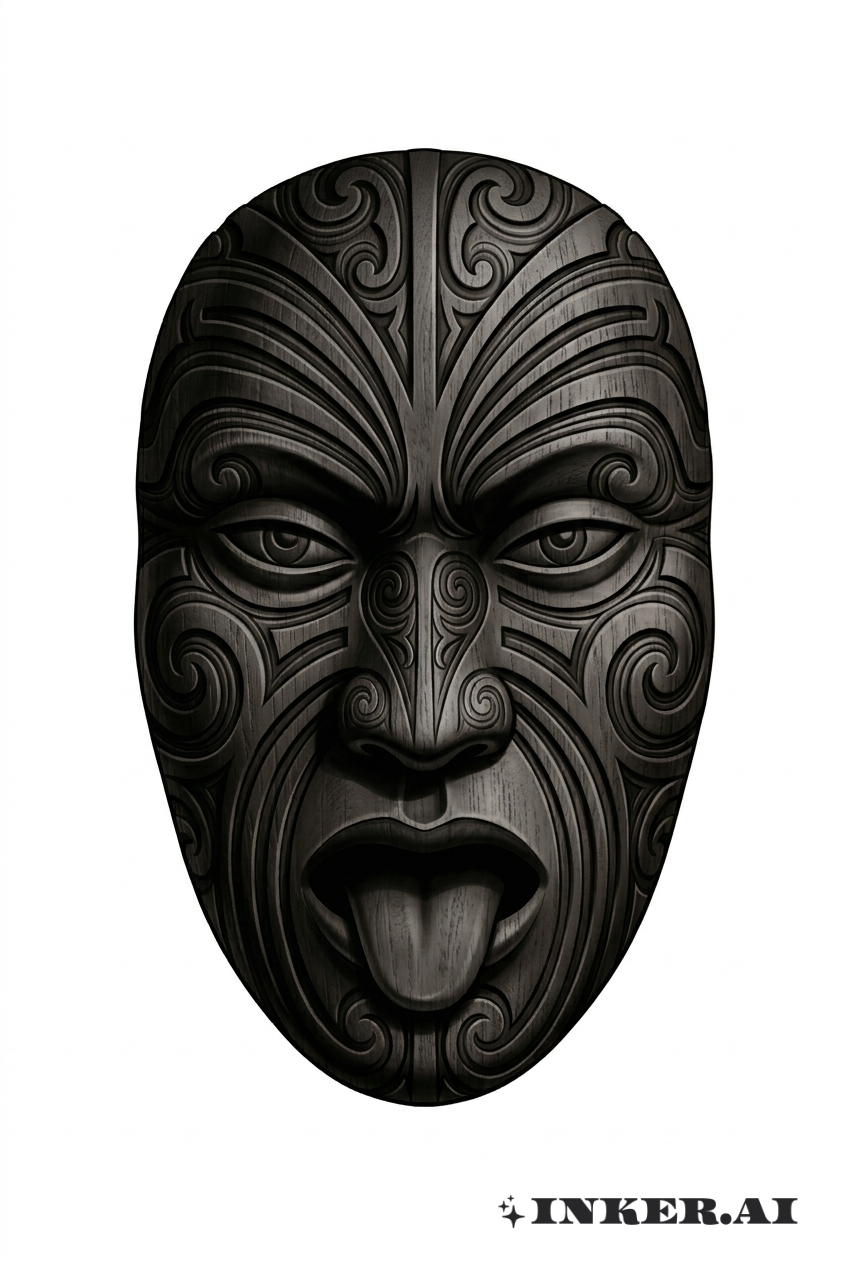
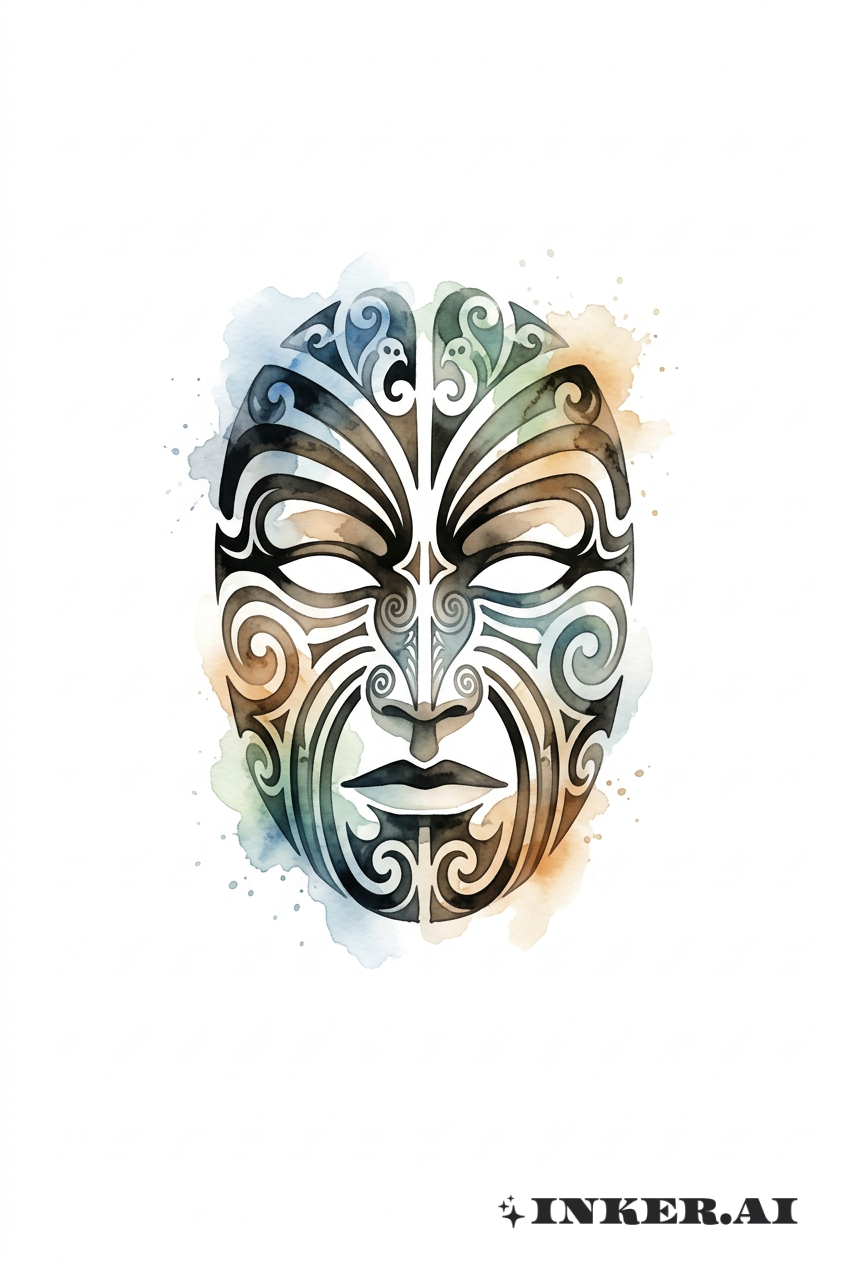
The tiki figure is often associated with ancestors, protection, identity, and a connection to the spiritual world. Its direct gaze can suggest vigilance, inner strength, and a guardian presence, while the mask-like form represents a visible link between personal identity and inherited culture. Geometric patterning may evoke order, continuity, and the layered storytelling found in traditional Pacific visual art, although exact meanings vary across communities and should be discussed respectfully with a knowledgeable artist or cultural practitioner. The graffiti treatment adds another layer of symbolism: it can represent self-expression, resilience, individuality, and the ability to claim space in a modern environment. In Graffiti tattoo style, the design feels like a meeting point between ancestral imagery and contemporary visual language. Those exploring Maori tattoo ideas may see it as a statement about carrying heritage forward without presenting tradition as decoration alone. Bold contrasts and repeated forms reinforce ideas of confidence, balance, and persistence, making the tattoo a personal emblem of protection and creative independence.
Design Inspiration Of Urban Maori Graffiti Tiki Tattoo Design
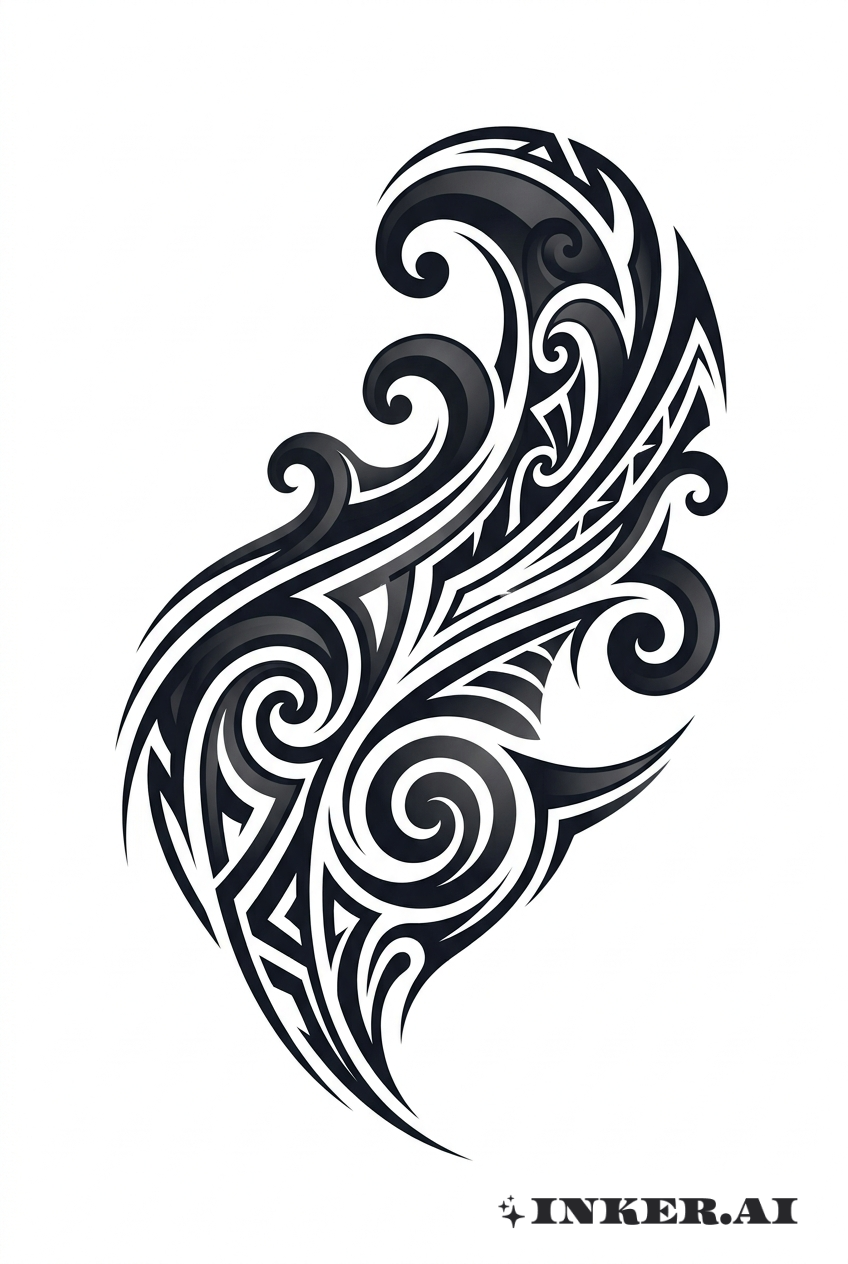
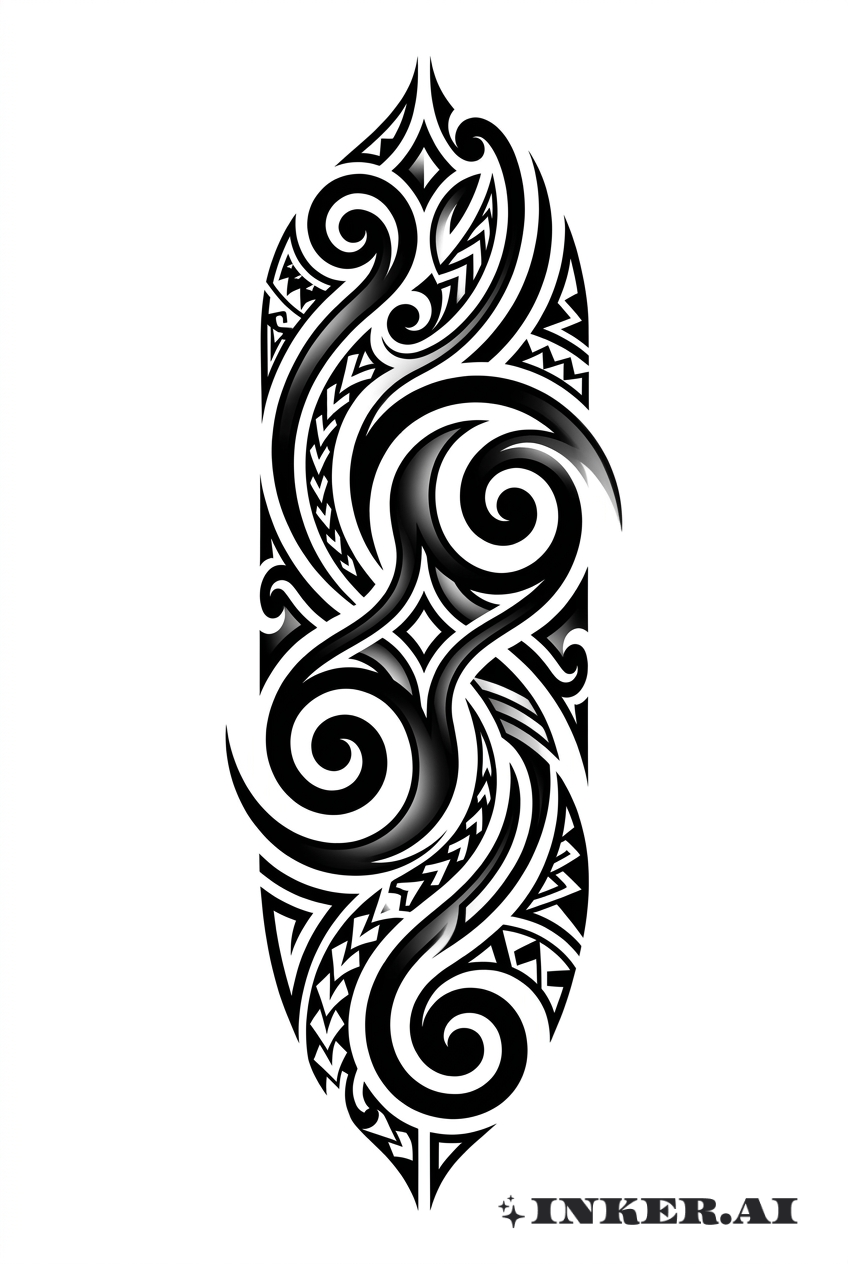
The concept draws from the visual tension between carved ceremonial forms and the spontaneous energy of city walls. A traditional-looking tiki face is sharpened into graphic planes, heavy outlines, and rhythmic pattern fragments, giving it the immediacy of a hand-painted mural. The inspiration lies in contrast: ancient and contemporary, disciplined and rebellious, sacred presence and personal expression. Layered shapes create movement around the face, while stark blackwork gives the composition the impact of a bold urban emblem.