Cultural Meaning Of Māori warrior sleeve Tattoo Design
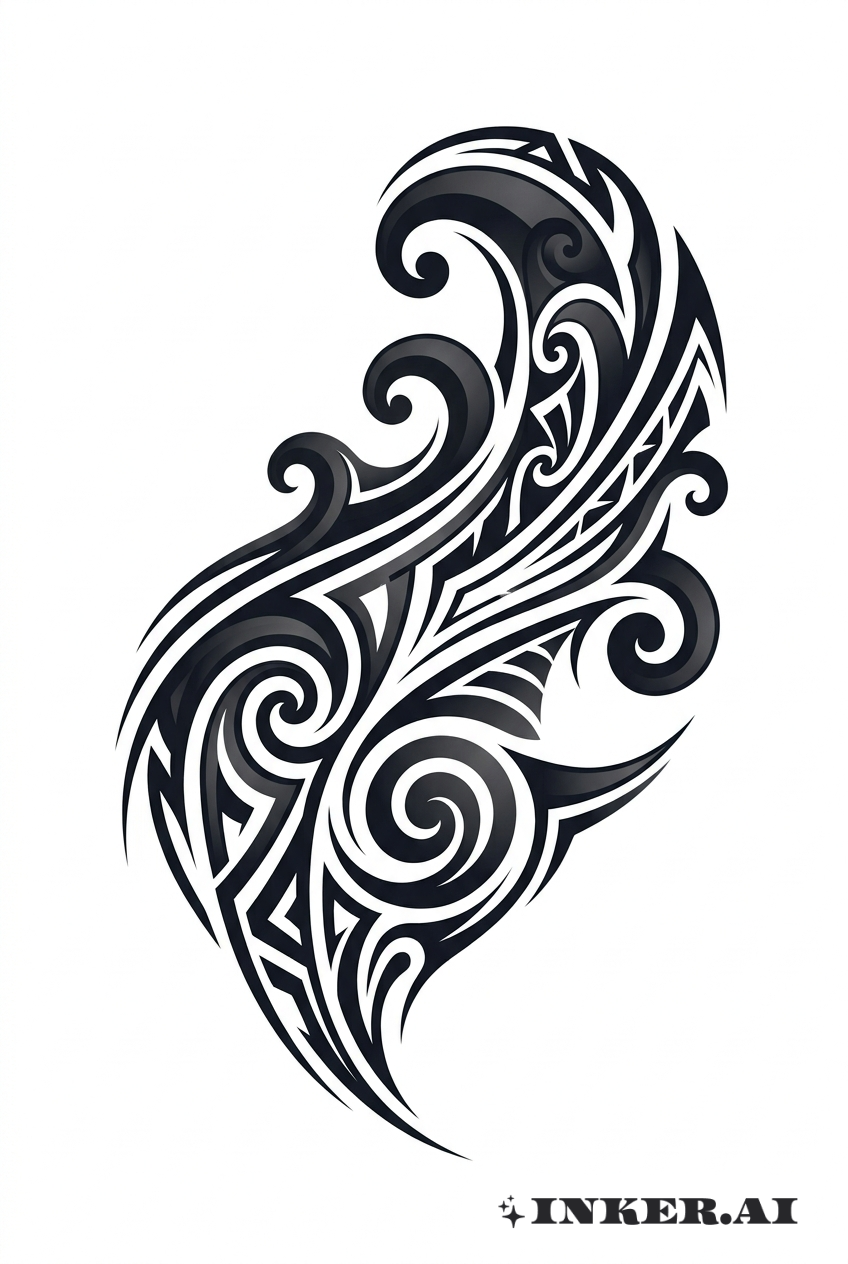
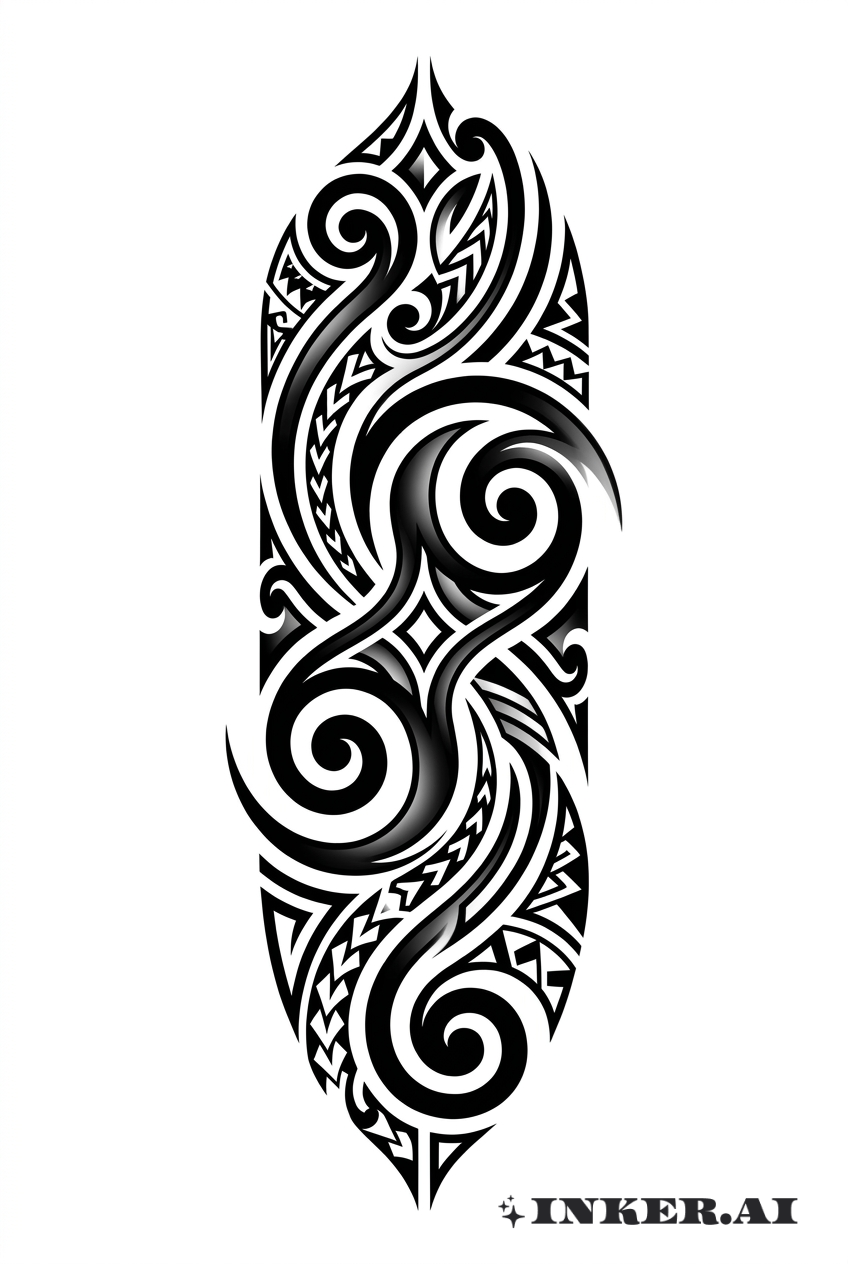
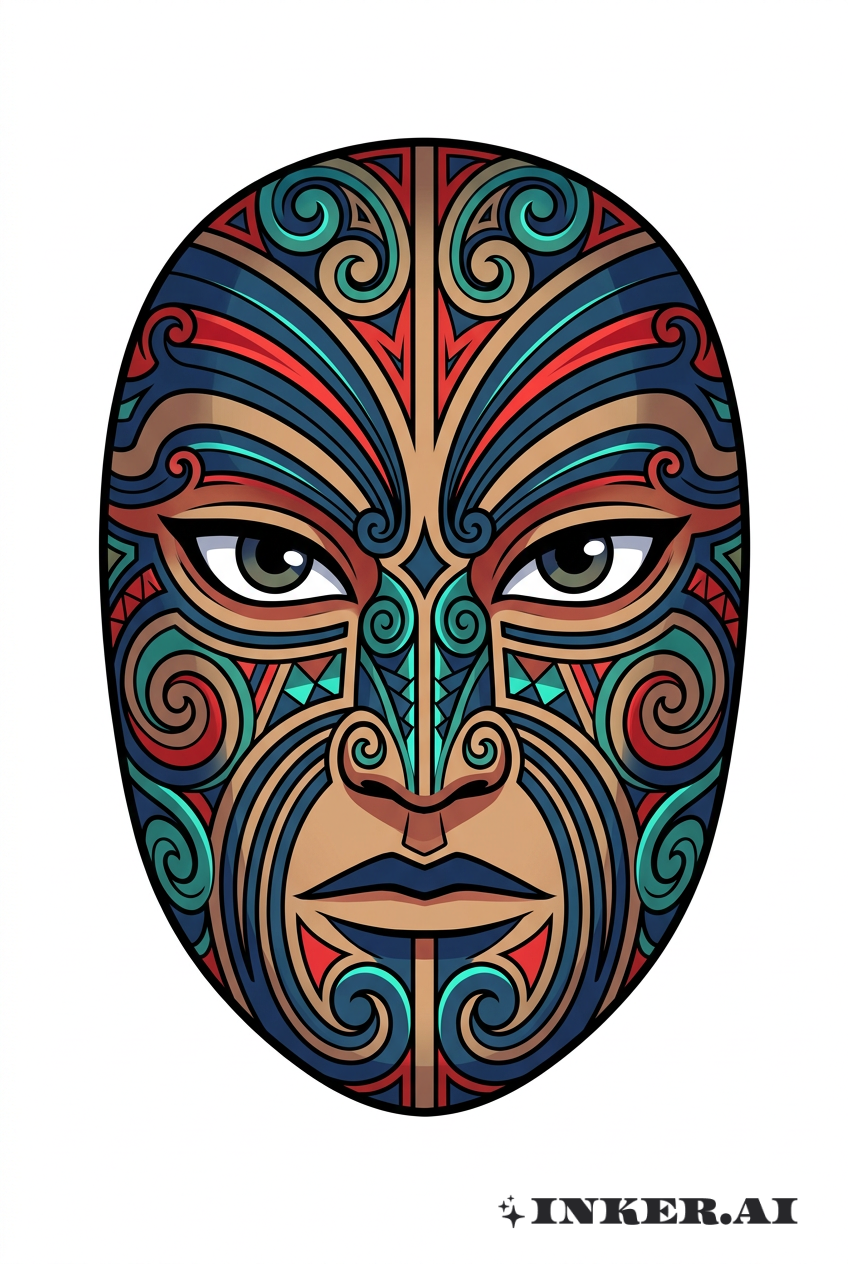
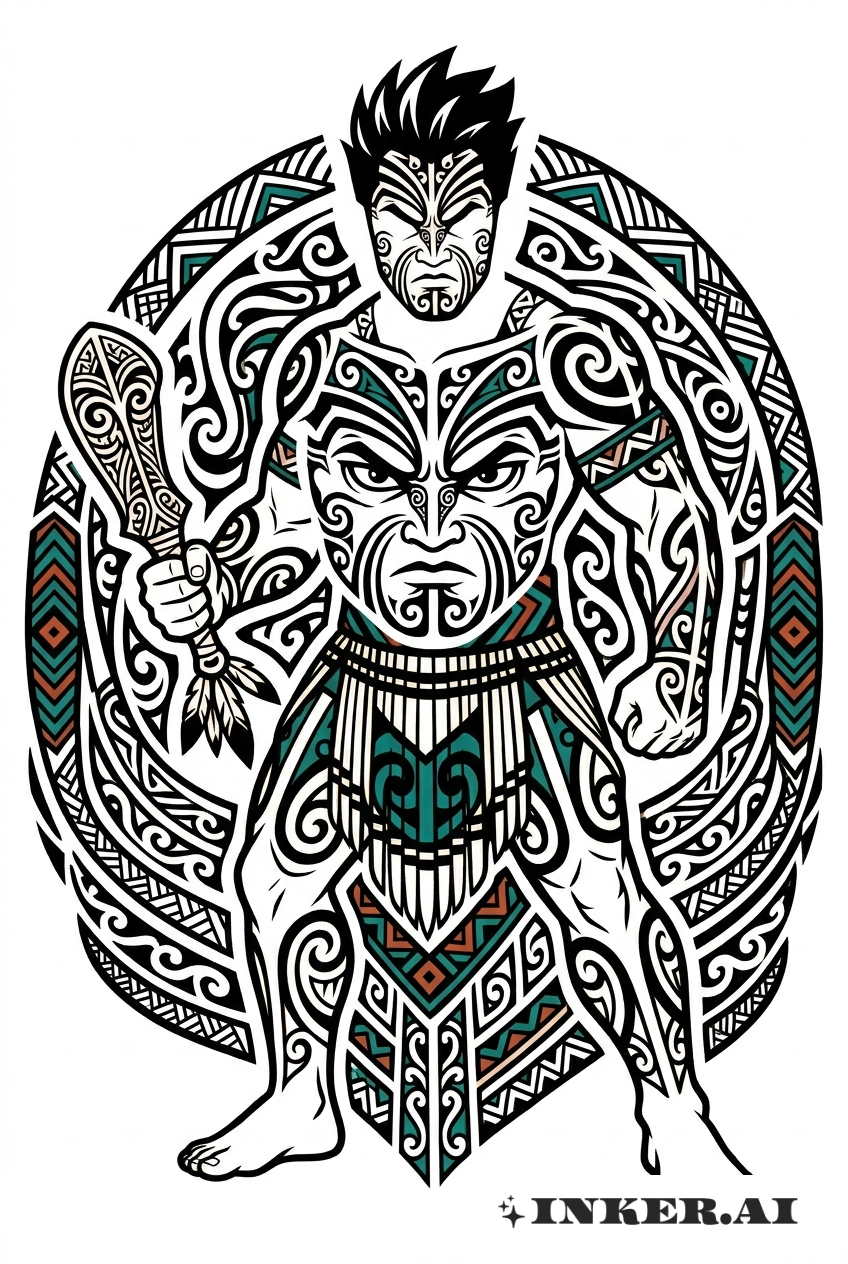
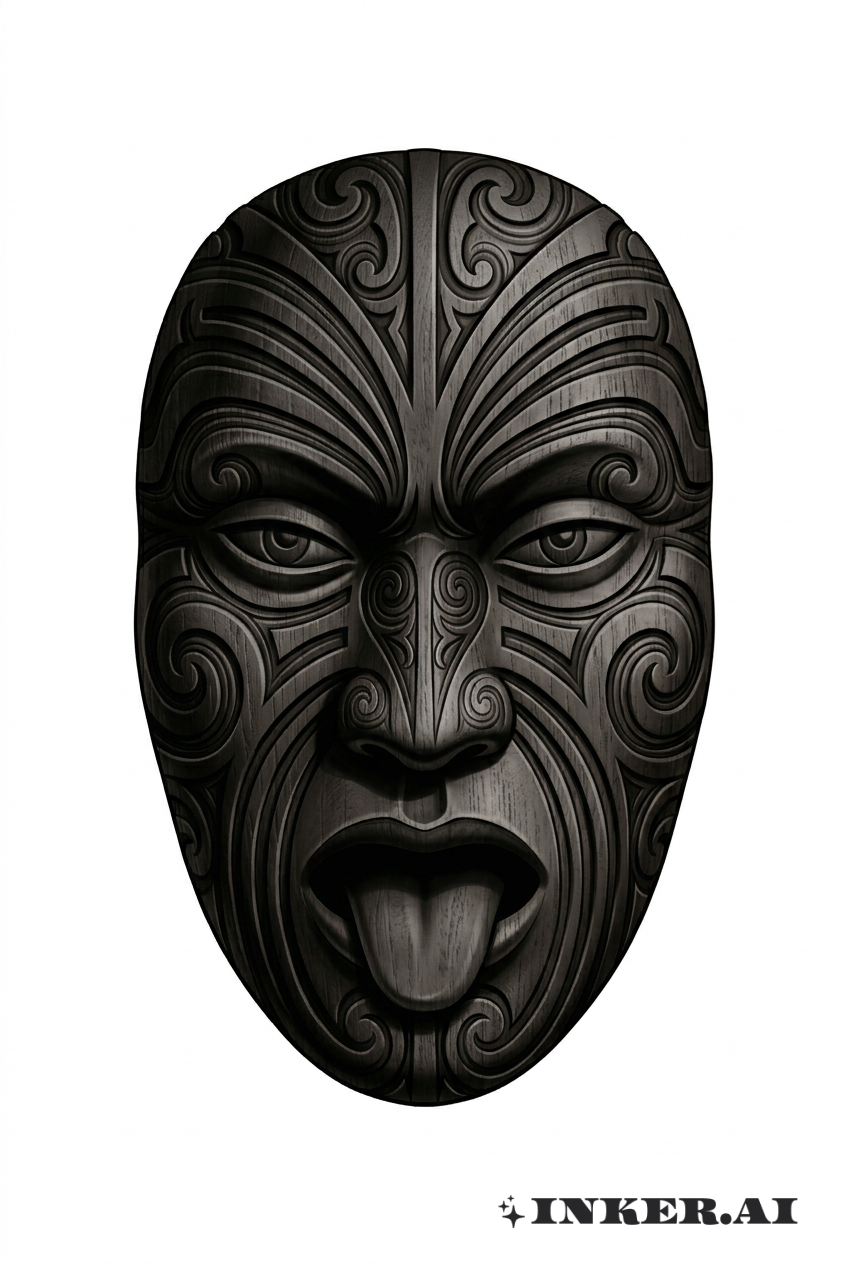
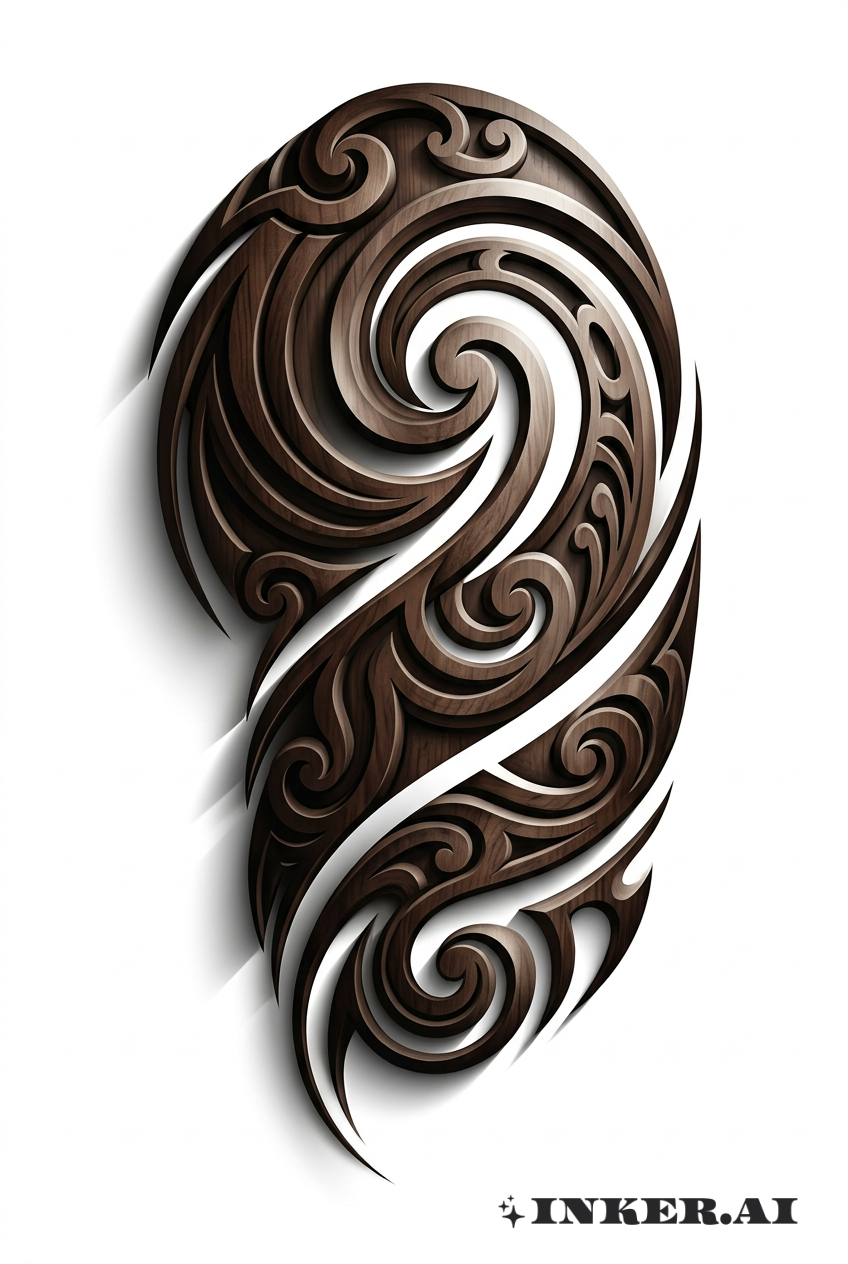
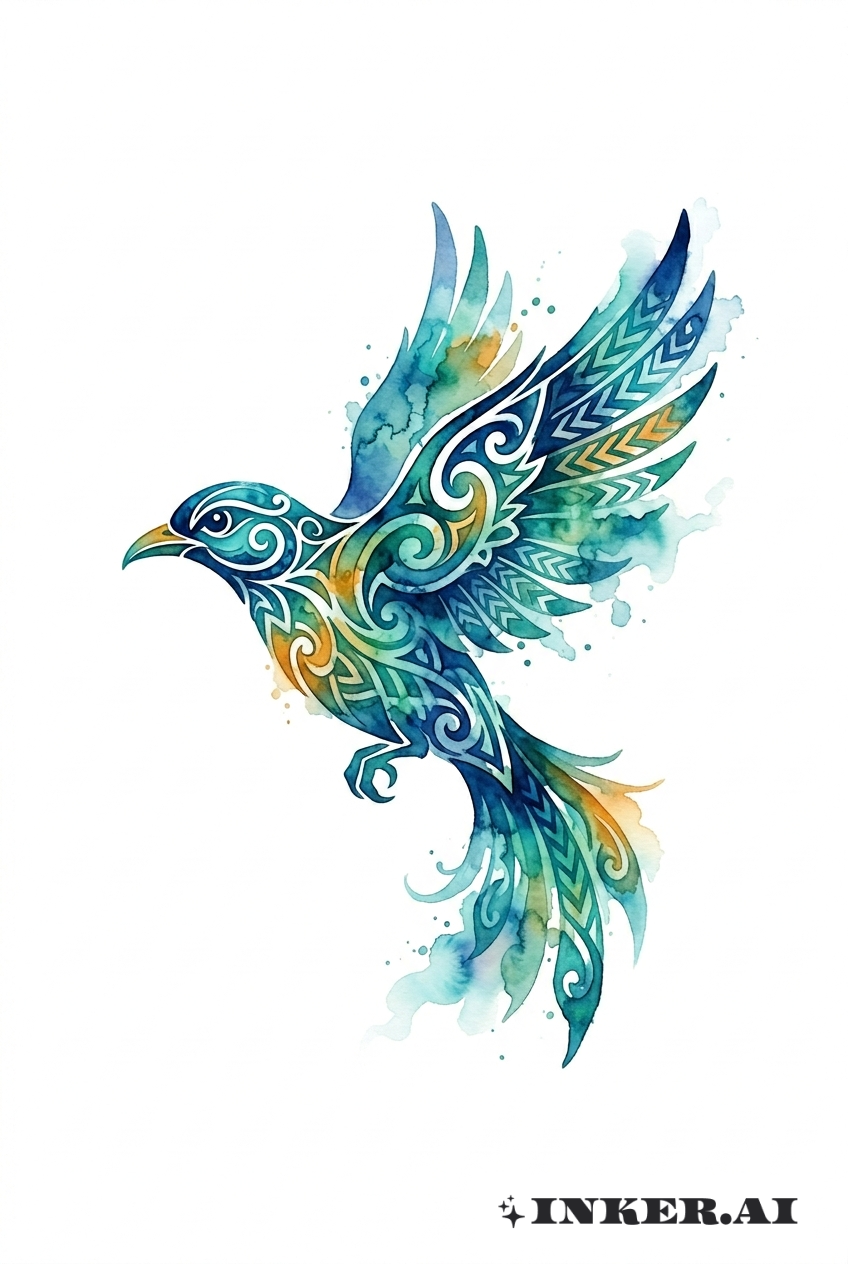
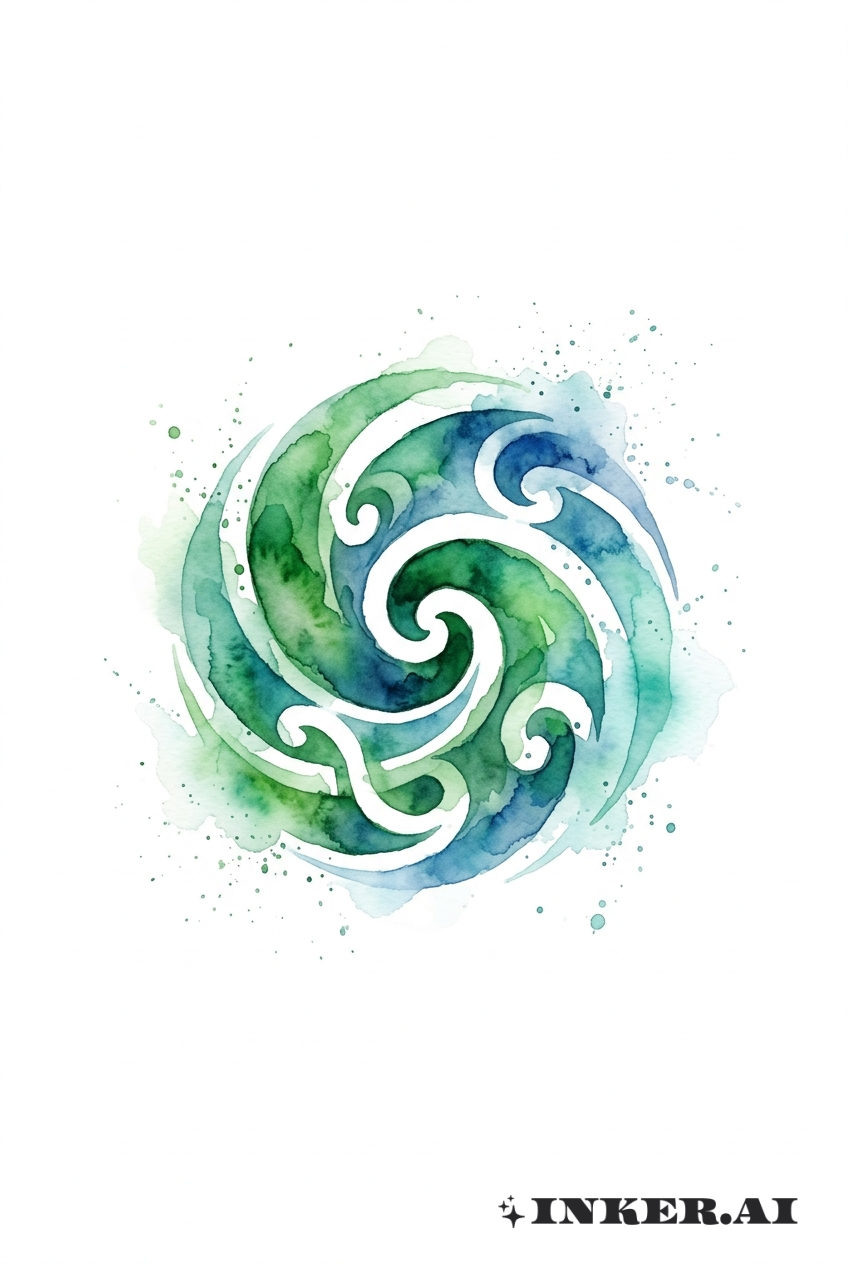
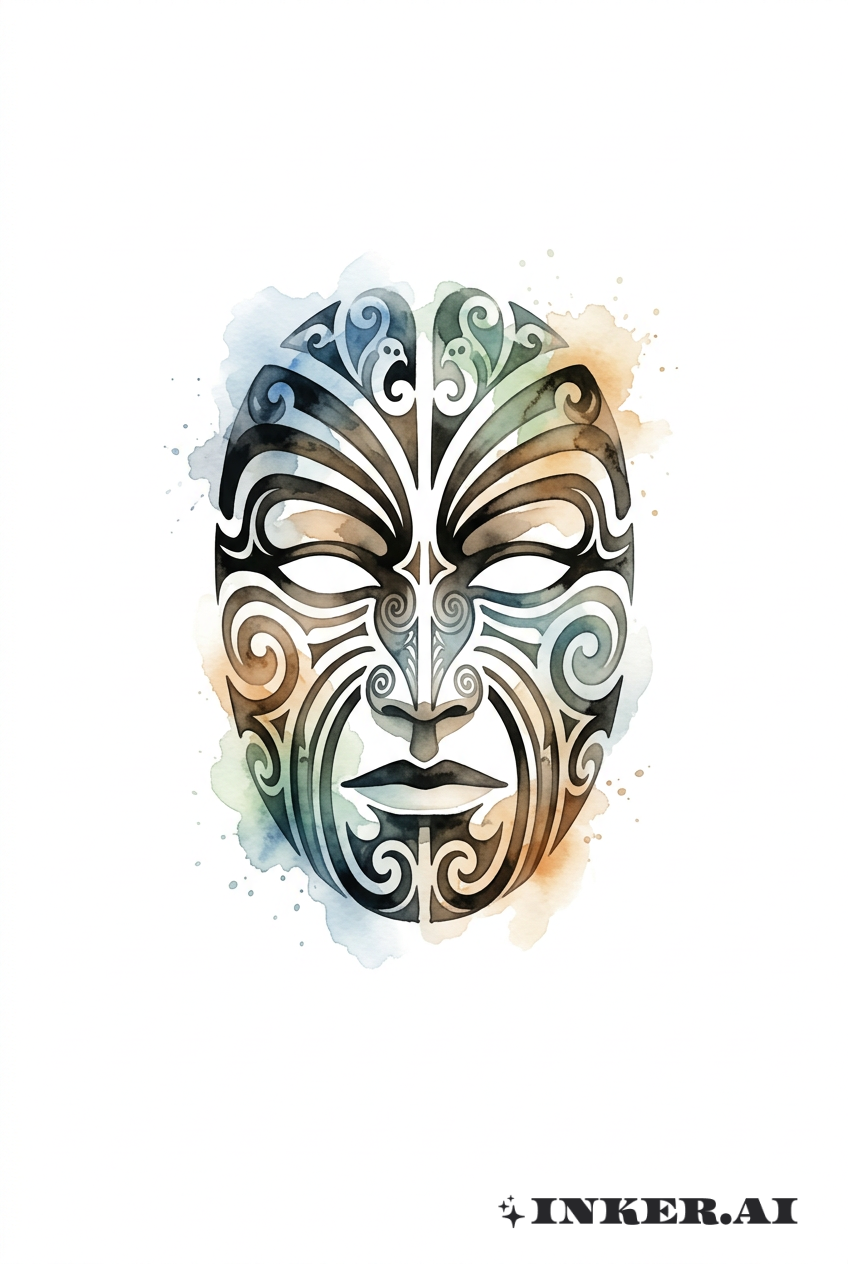
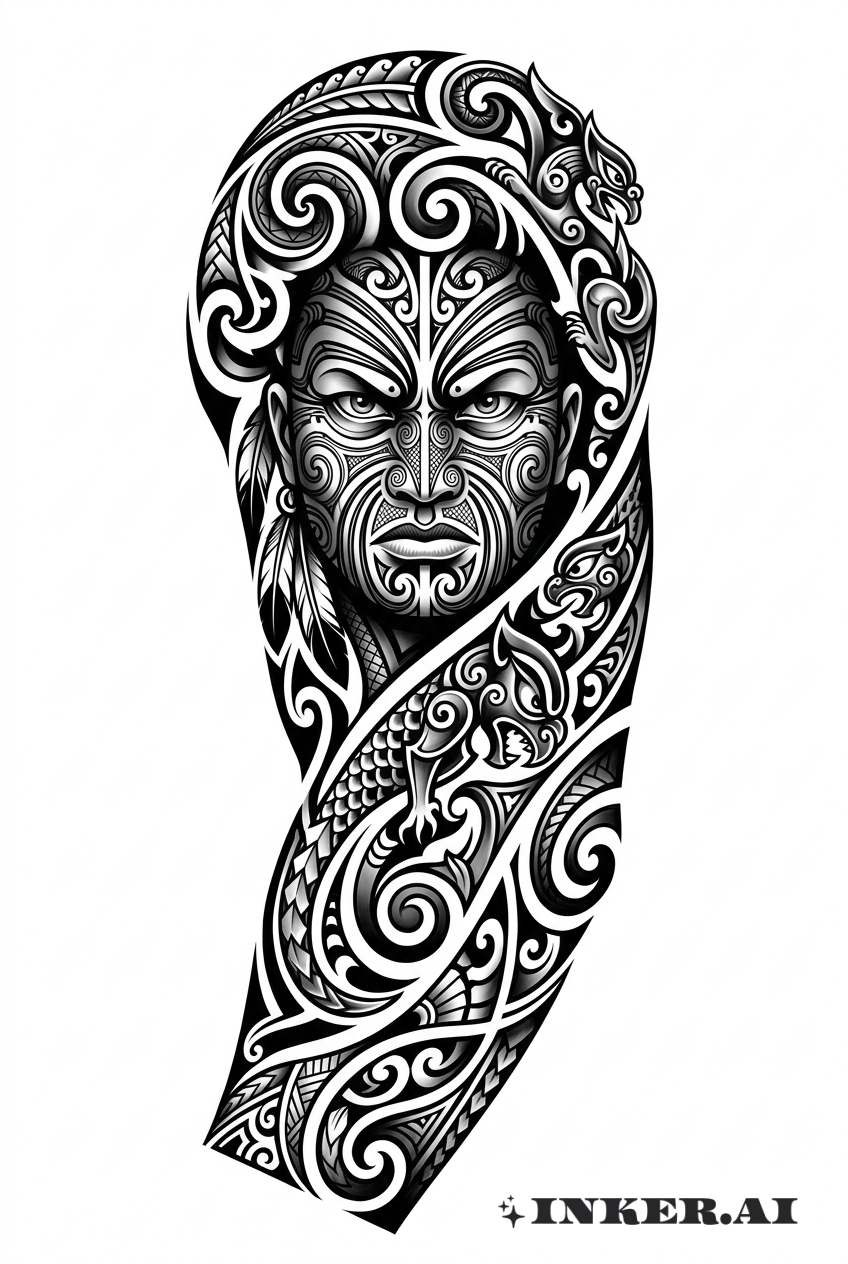
The imagery in this sleeve borrows from ancestral carving and tattoo languages to convey strength, identity and protection. The warrior face or tiki often stands for guardianship and a connection to ancestors, while koru spirals symbolize new life, growth and the unfurling of personal journeys. Niho mano teeth patterns imply strength, tenacity and a warrior’s readiness; chevrons and ridged bands can denote rank, achievement or a path traveled. Repeated geometries and mirrored motifs speak to balance between the physical and spiritual realms, with negative space functioning as a reminder of breath and space within a lineage. Placing these elements along the arm transforms the limb into a visual narrative of experience and status, where each band or panel can represent a chapter of life, family ties or battles overcome. Woven through the composition, traditional tattoo style provides the visual grammar, while many of the specific motifs are clearly drawn from Māori tattoo ideas that emphasize ancestry, protection and communal belonging.
Design Inspiration Of Māori warrior sleeve Tattoo Design
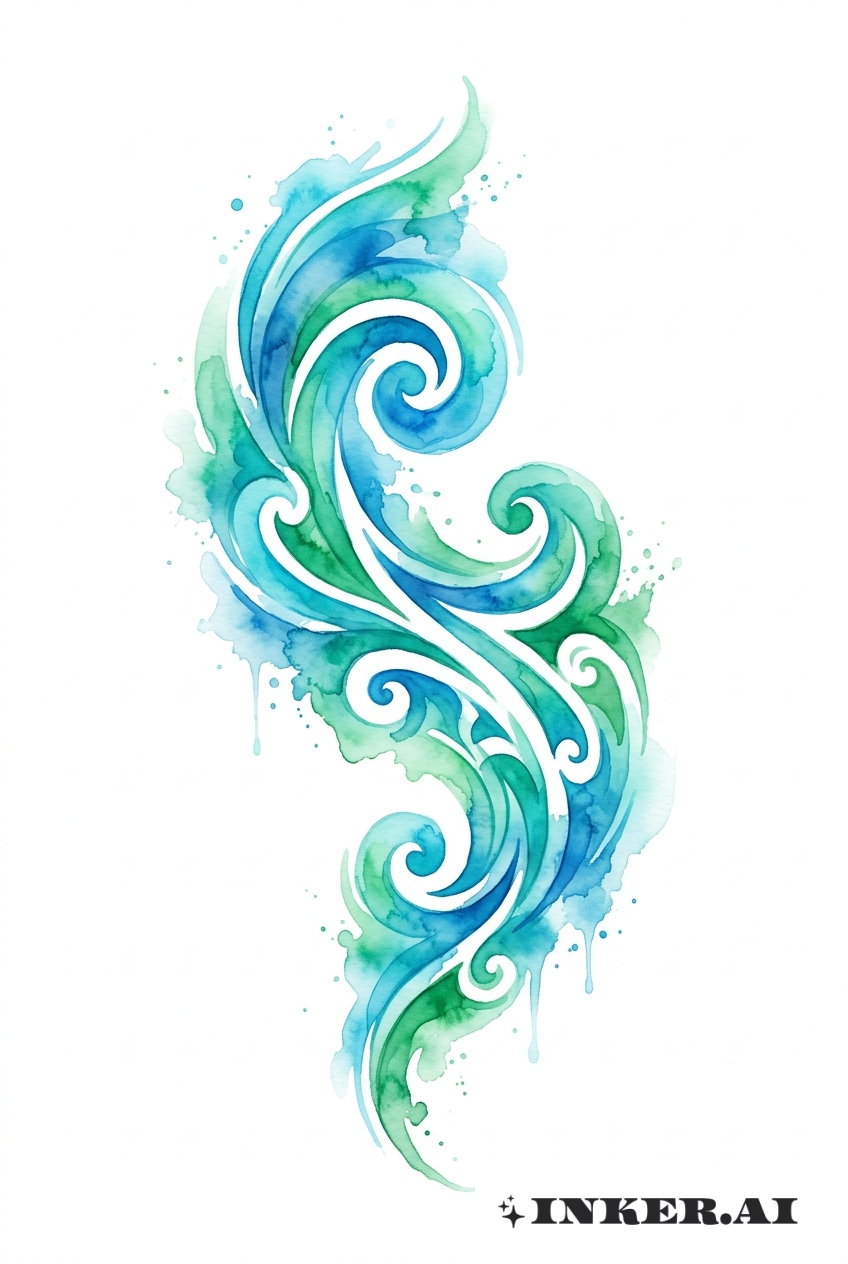
Artistically, the sleeve draws inspiration from carved wood panels, bone carving and woven patterns, translating tactile textures into bold ink. The warrior concept references ceremonial armor and facial markings, reimagined as a continuous wrap that follows muscle and movement. Natural forms—waves, koru fronds and shark-tooth geometry—are abstracted into repeatable modules so the piece reads as both ornament and story when seen up close or from a distance. The aim is to blend ancestral visual language with contemporary composition so the arm becomes both a protective emblem and a personal timeline.