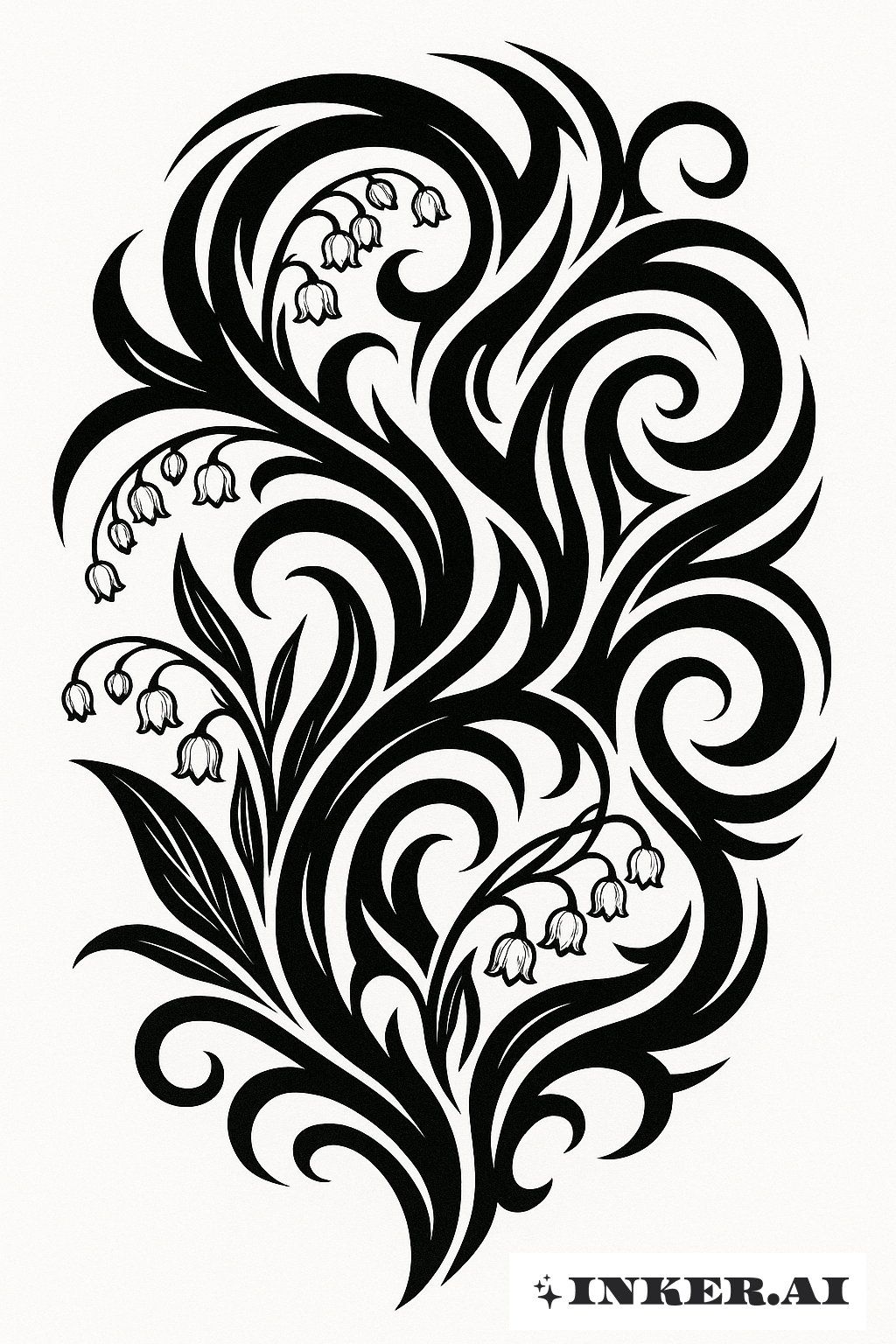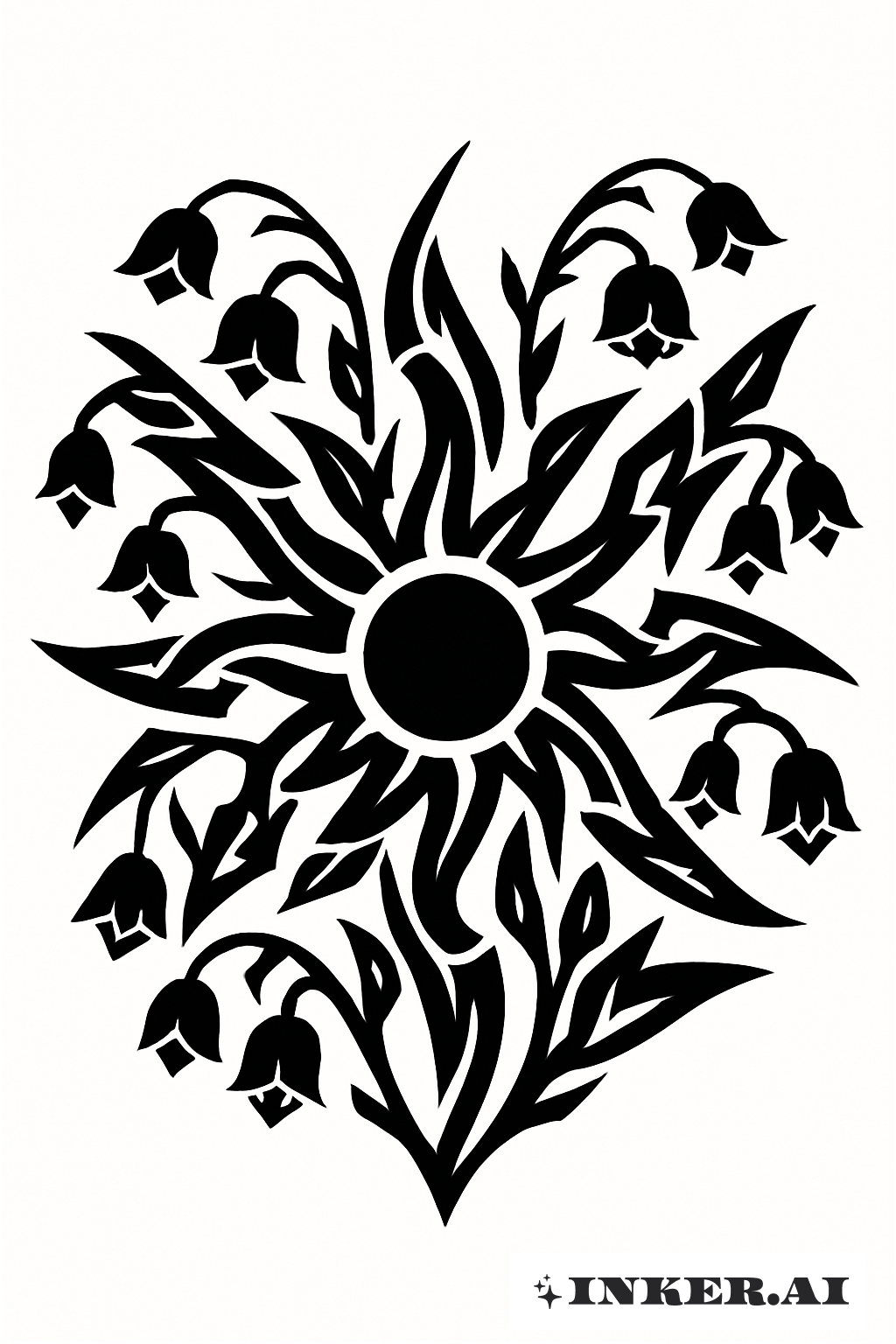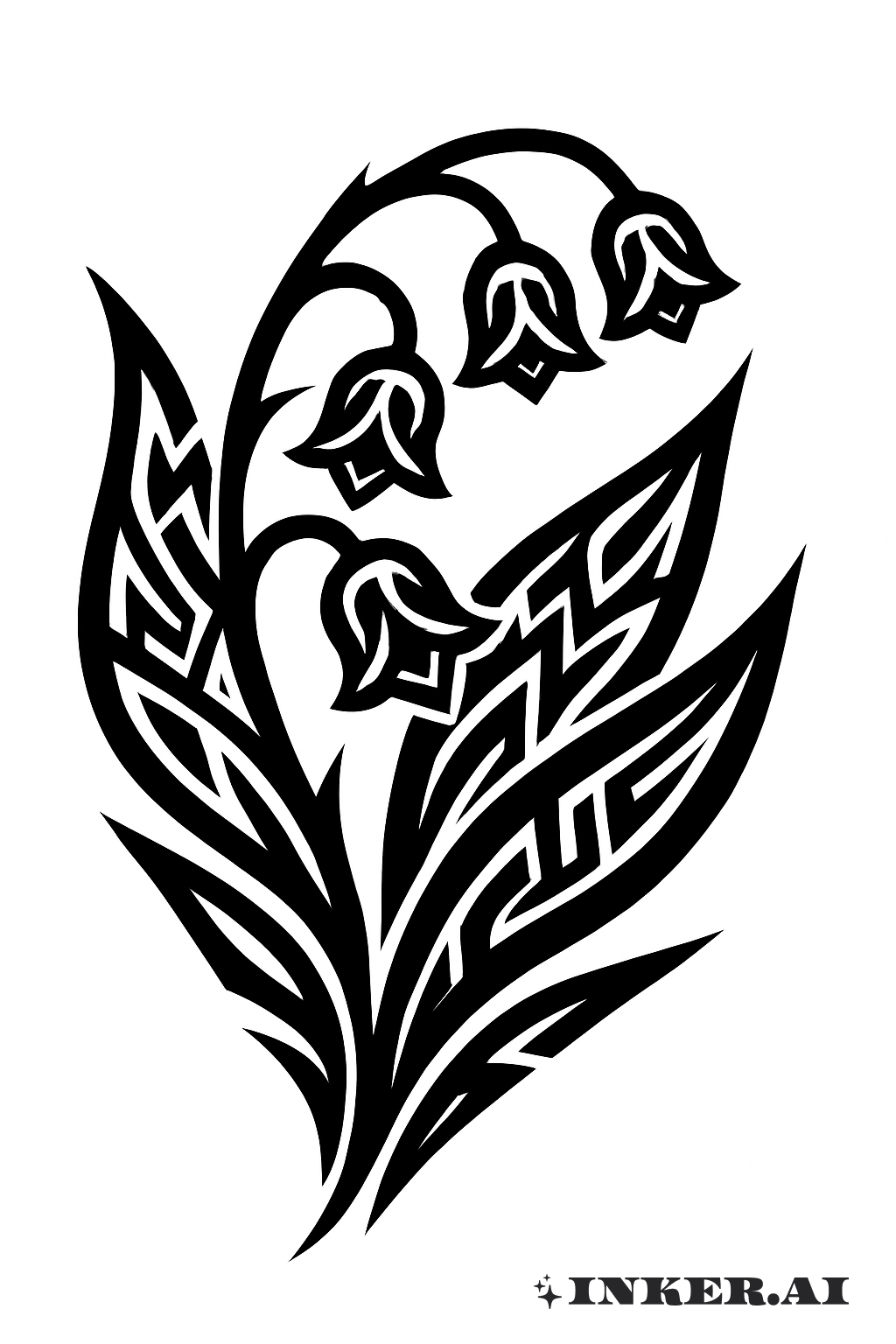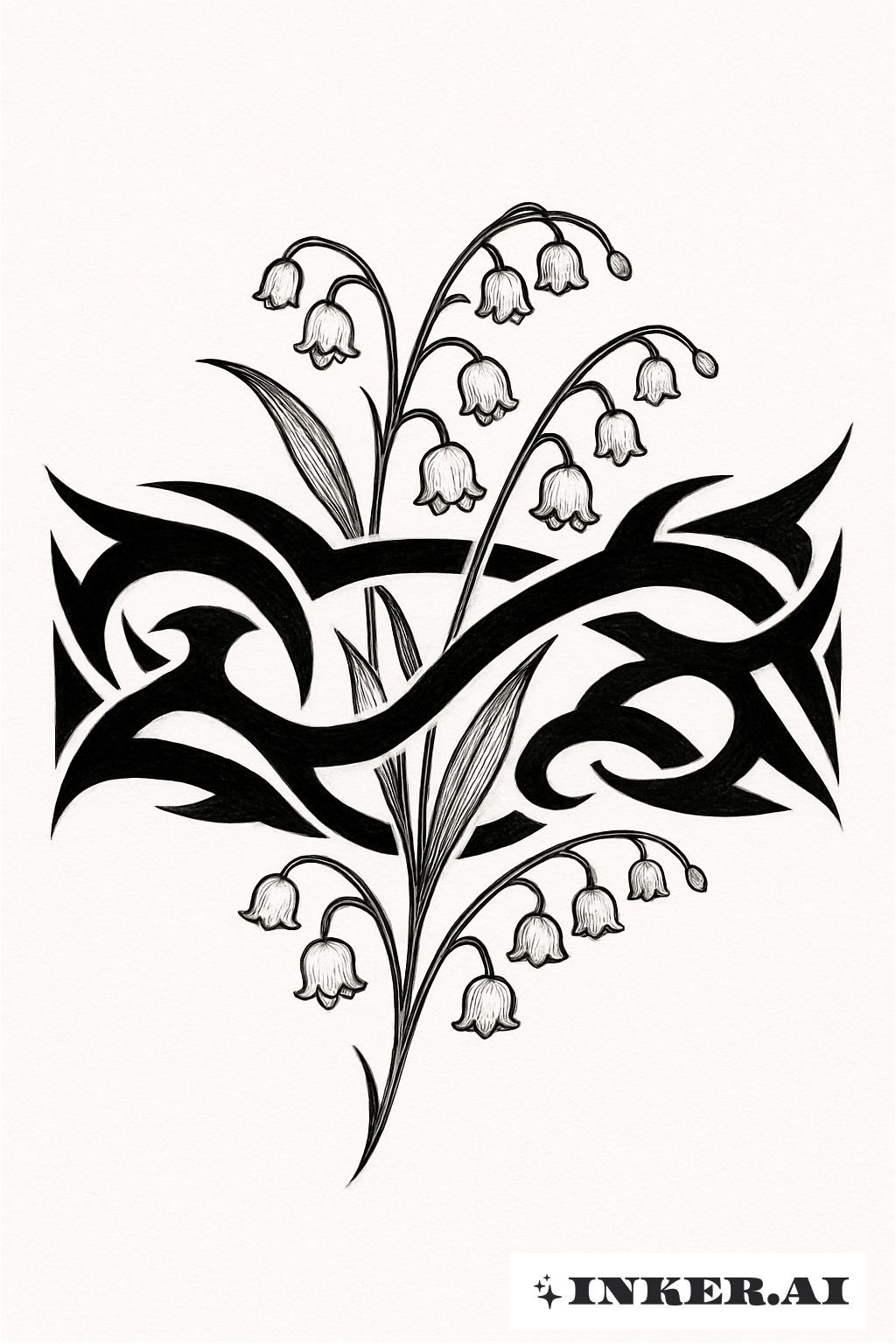
Cultural Meaning Of Lily of the Valley with Japanese Wind Bars Tattoo Design
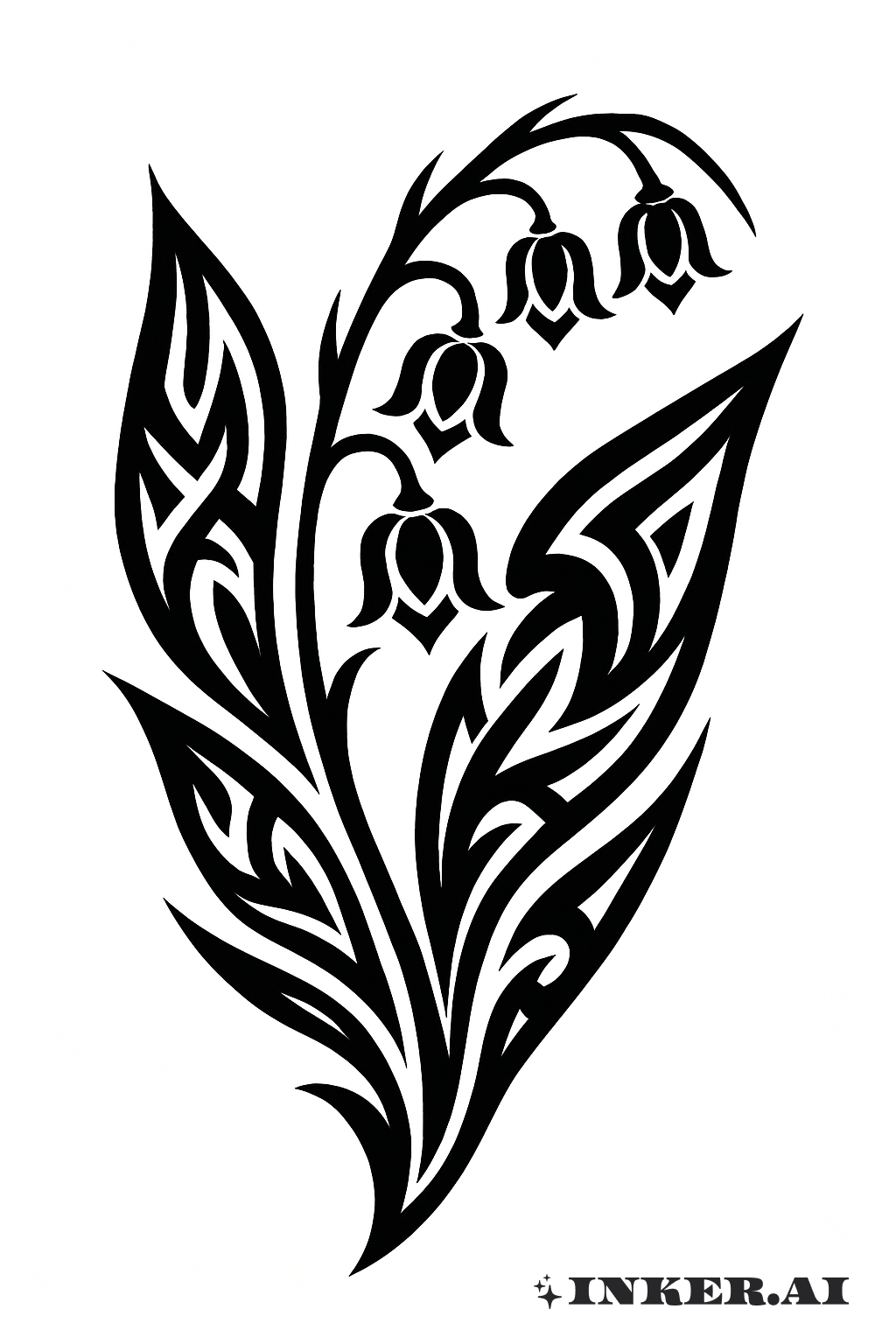
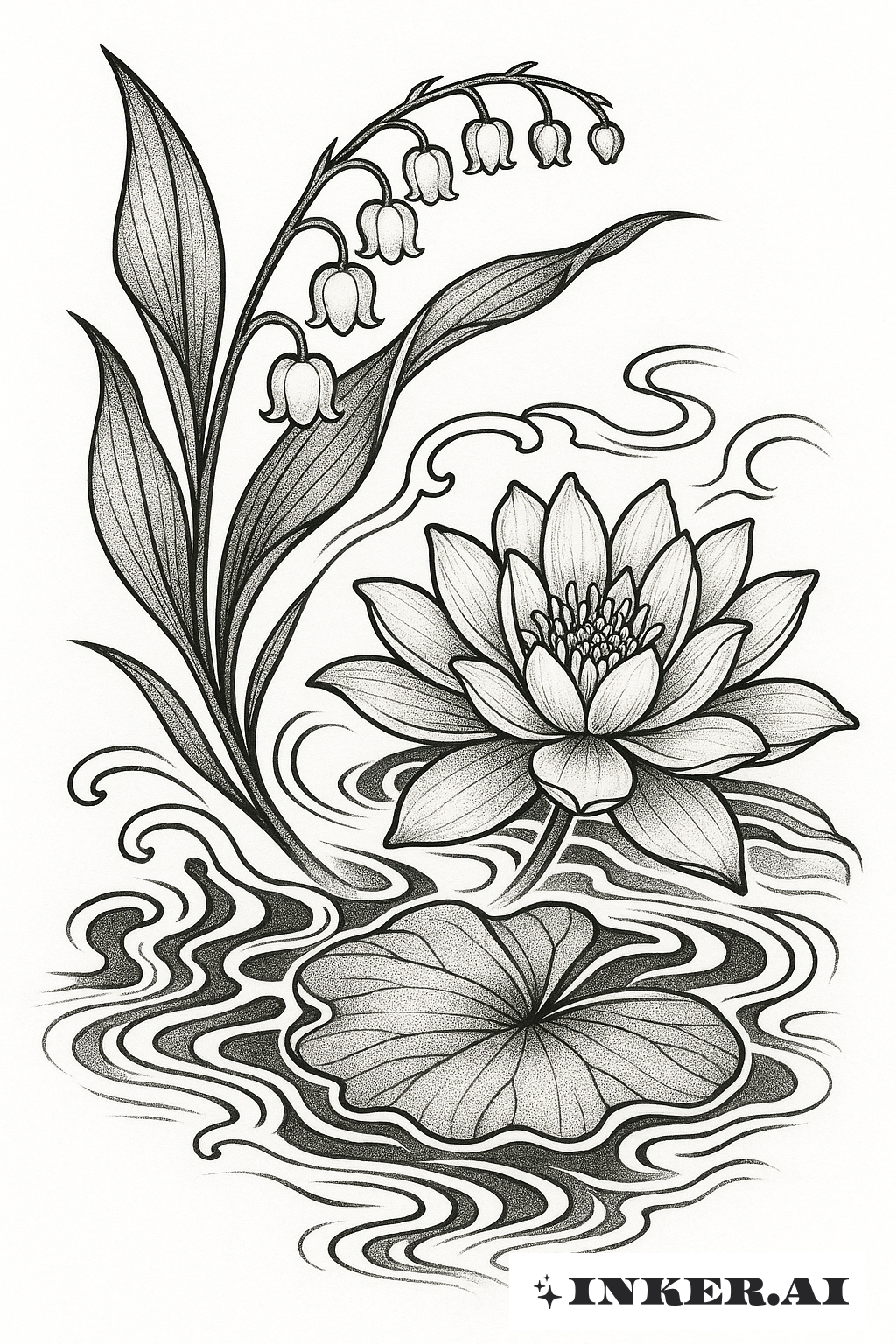
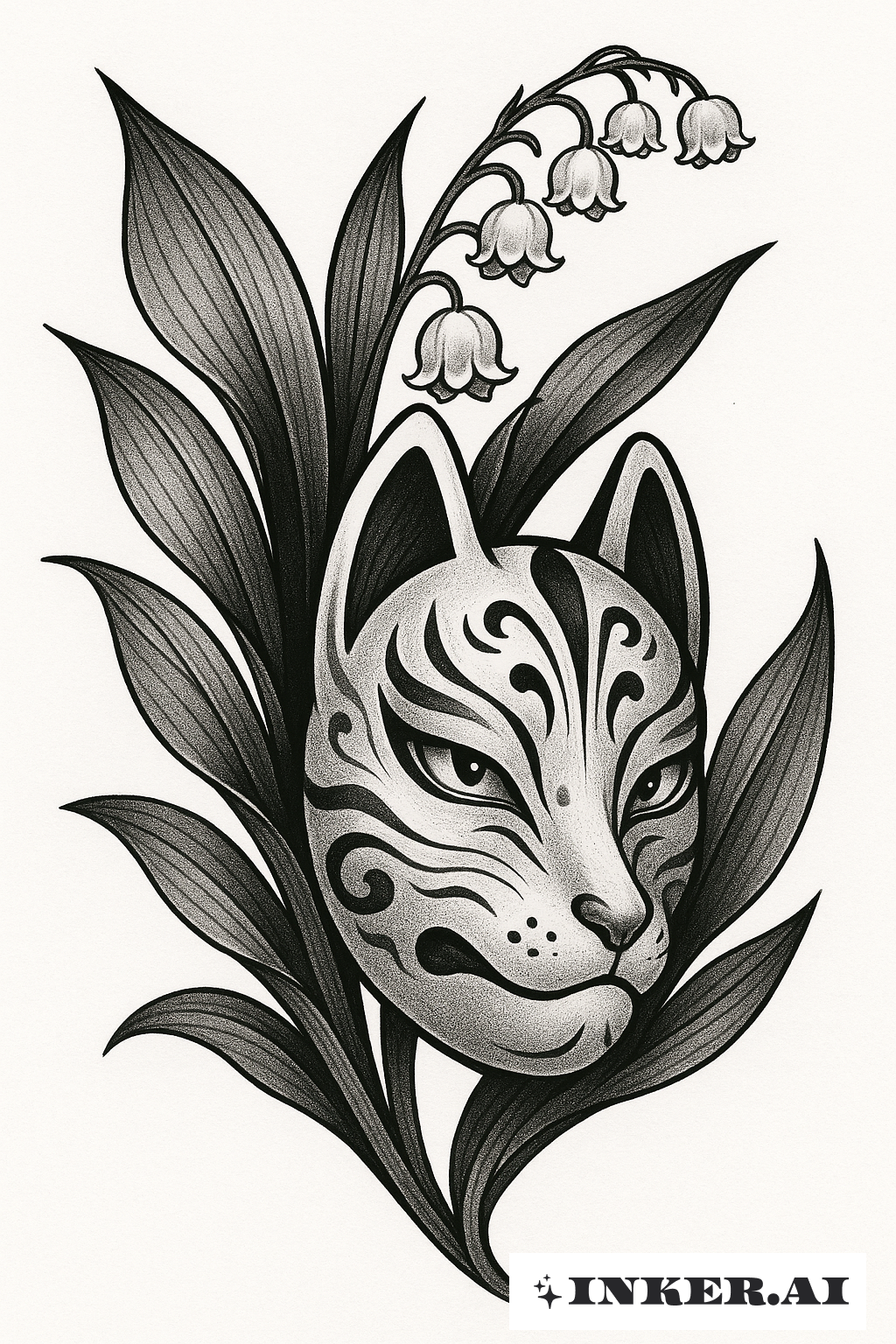
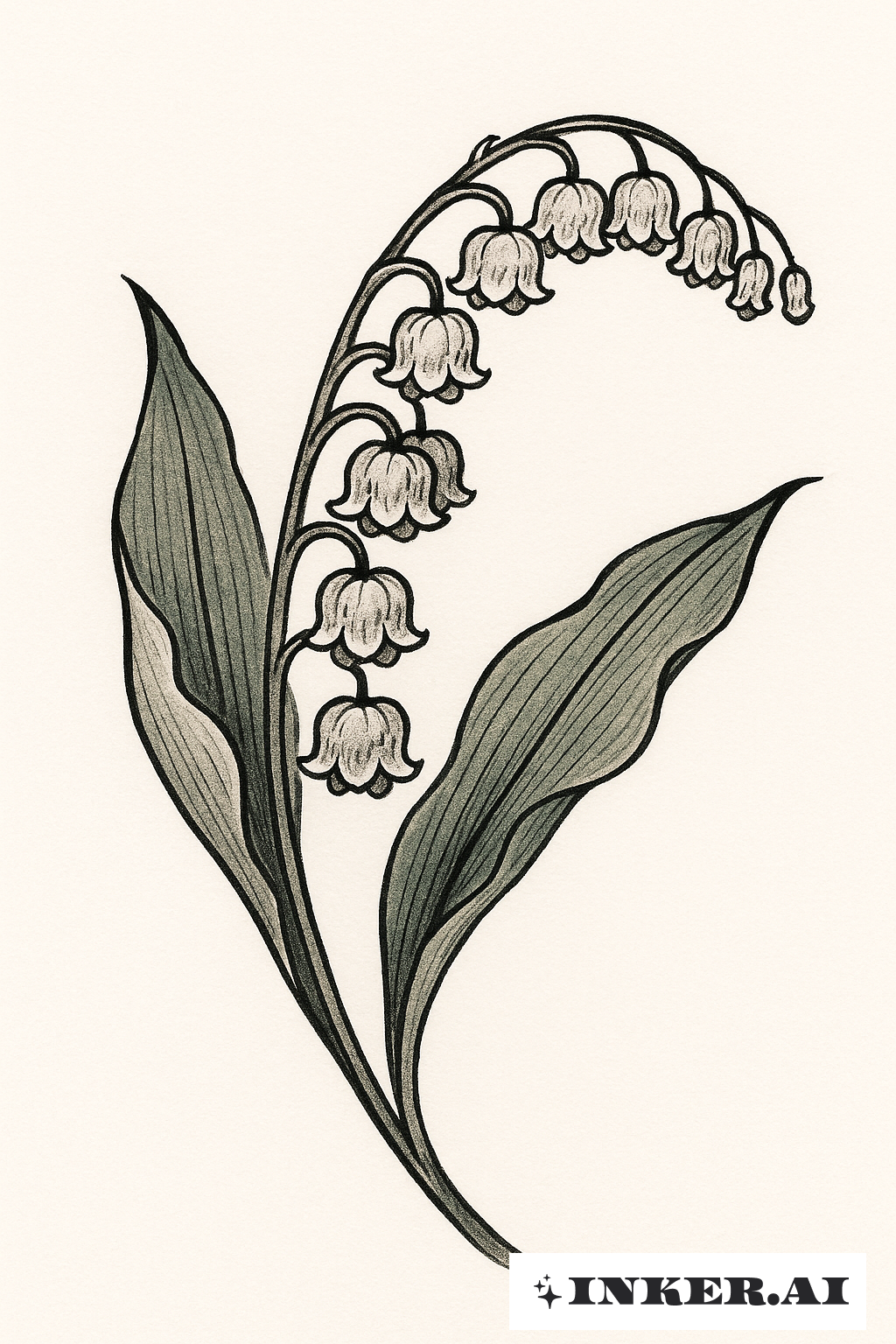
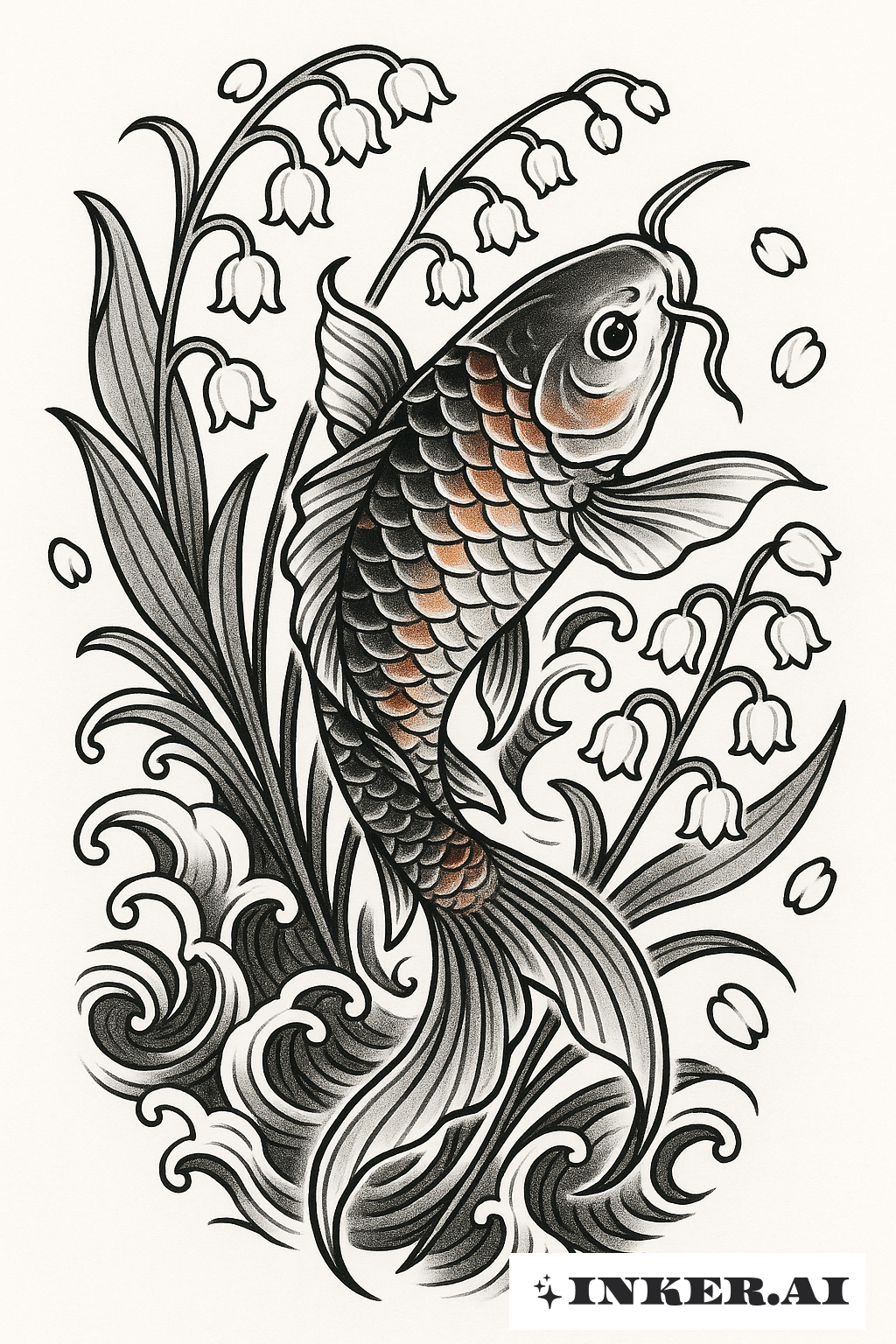
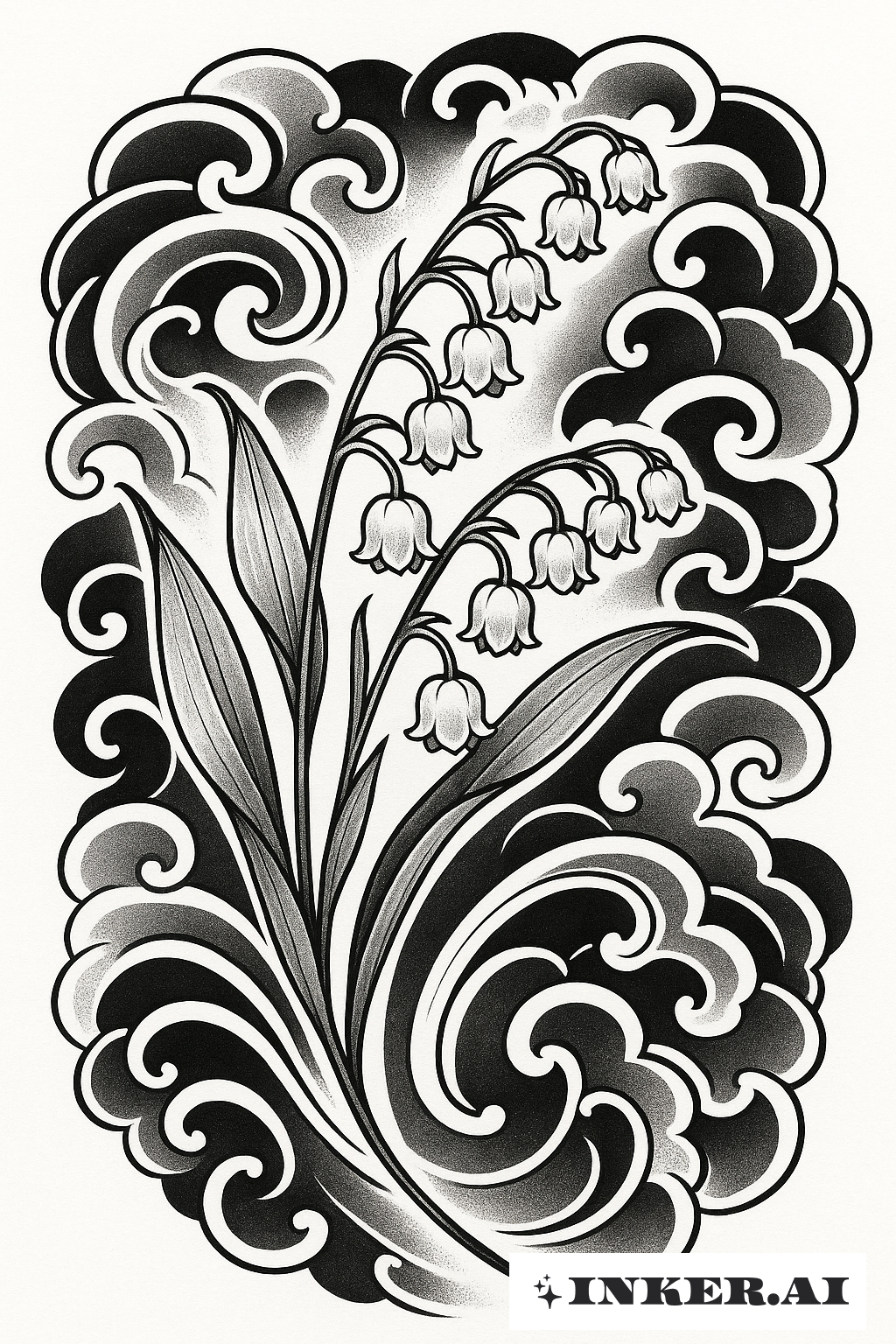
This motif blends European floral meaning with motifs drawn from East Asian decorative language. The Lily of the Valley traditionally symbolizes humility, return to happiness, and the delicacy of new beginnings; its small, downward-facing bells suggest modesty and quiet grace. Paired with sweeping wind bars that signify breeze, flow, and the invisible forces of nature, the composition evokes forward motion and gentle change. Within tattoo culture, combining flora with motion lines can speak to resilience—beauty that endures through shifting circumstances. The choice of line direction and negative space also reflects compositional values of balance and harmony from Japanese tattoo style, giving the piece a timeless, meditative quality. For someone choosing this motif, it can act as a reminder of renewal, subtle strength, and the calm cadence of life’s small joys, while also connecting to curated Lily of the Valley tattoo ideas rooted in both symbolism and aesthetic grace.
Design Inspiration Of Lily of the Valley with Japanese Wind Bars Tattoo Design
The creative source for this piece comes from a love of botanical illustration and classic Japanese decorative art. I looked to woodblock compositions and sumi-e brushwork for the wind bars, aiming to capture motion with economy of line. The bells and leaves draw on close botanical studies for accurate form, then simplify into elegant shapes that read clearly at skin scale. The goal was a design that feels both intimate and decorative: delicate floral detail set against bold, directional accents so the work feels alive and wearable across different placements.