Cultural Meaning Of Honeycomb Transforming Into Mandalas Tattoo Design
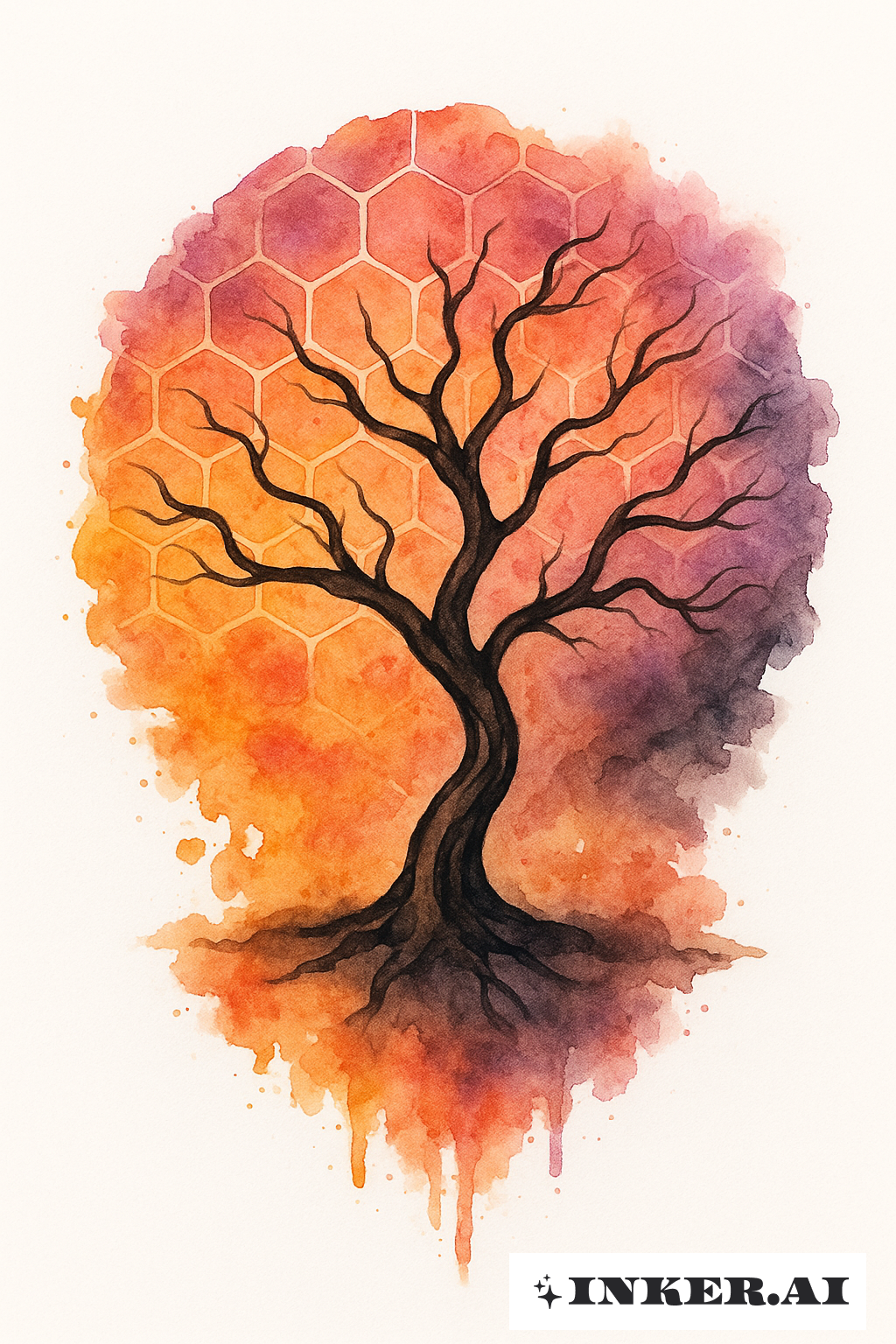
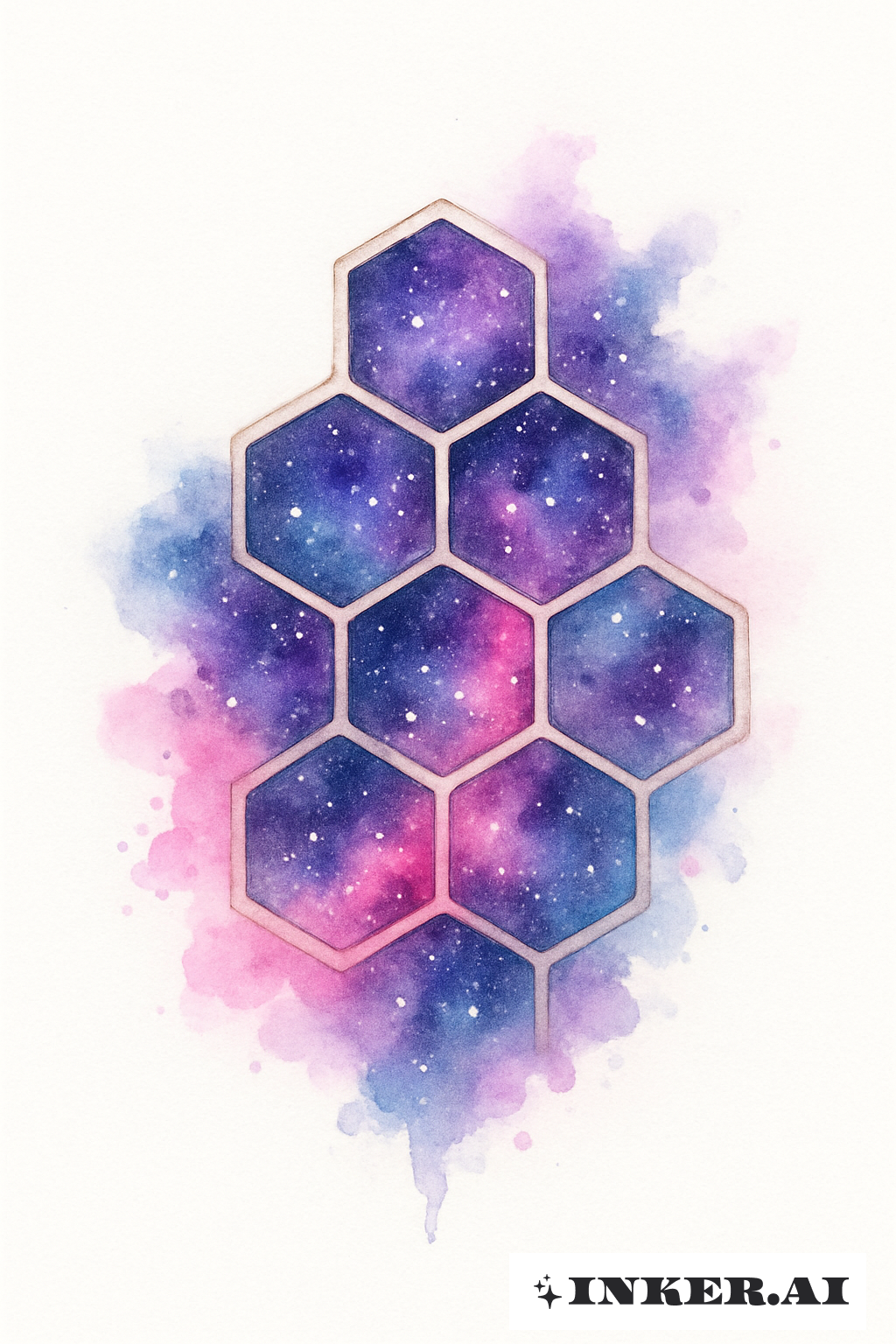
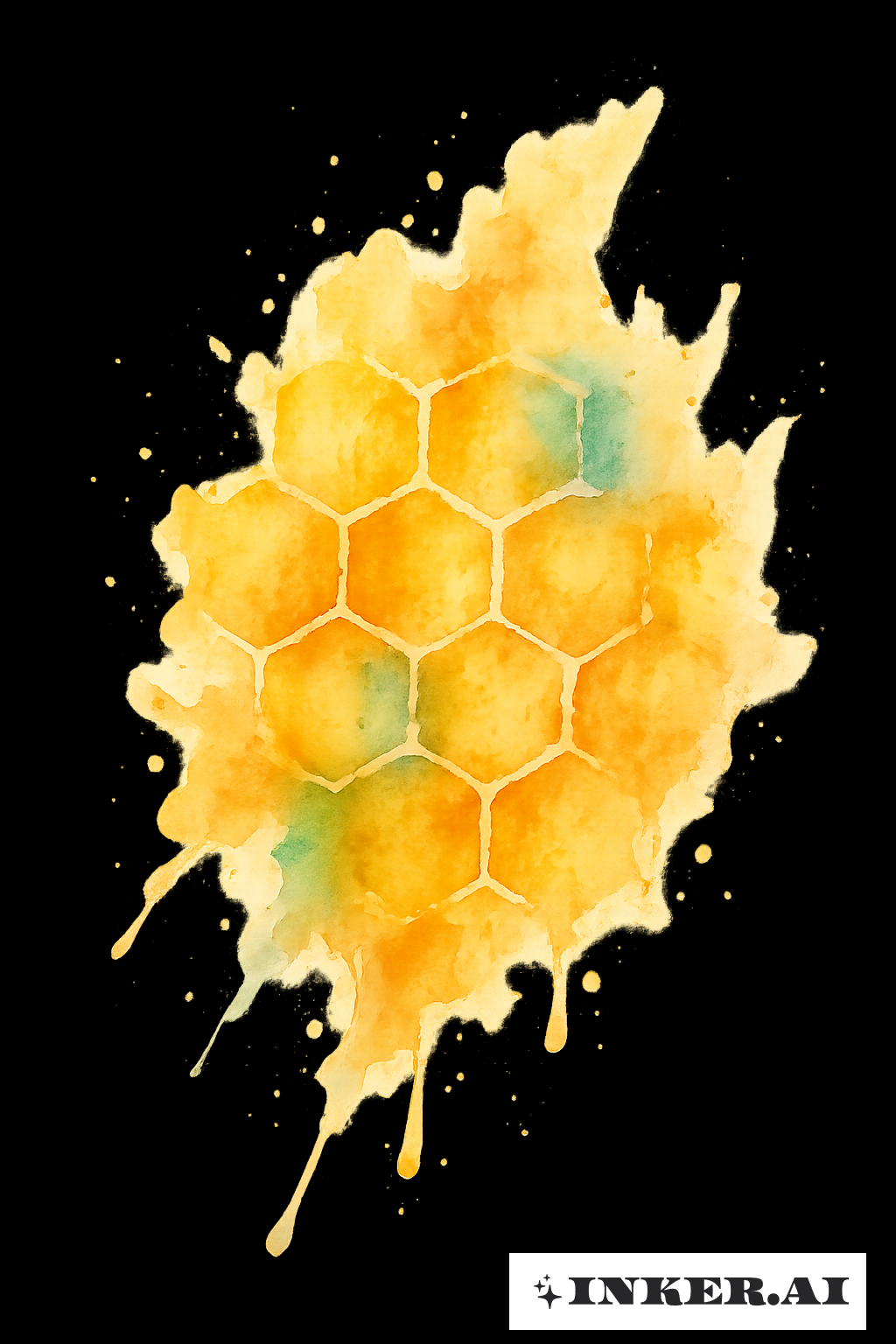
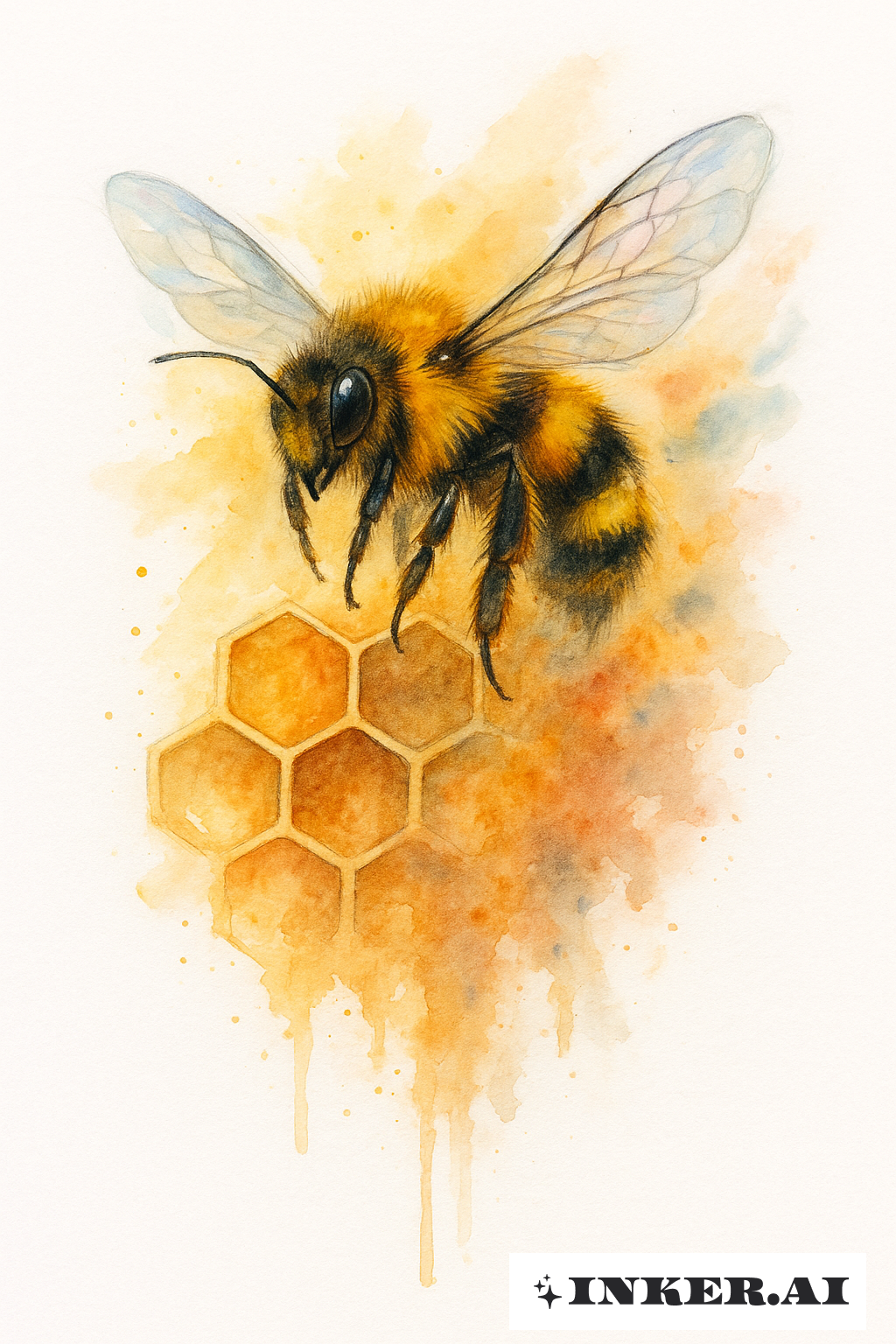
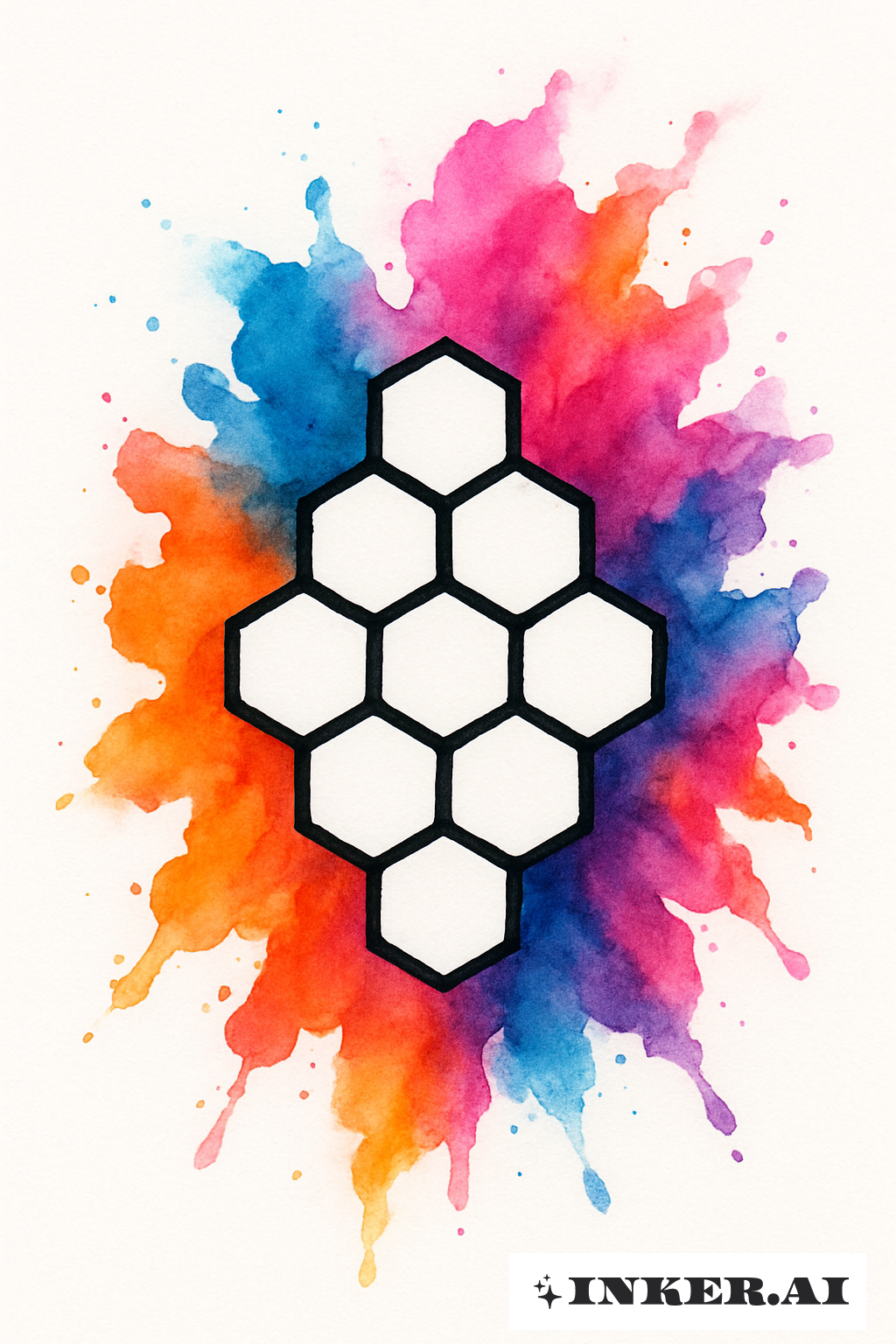
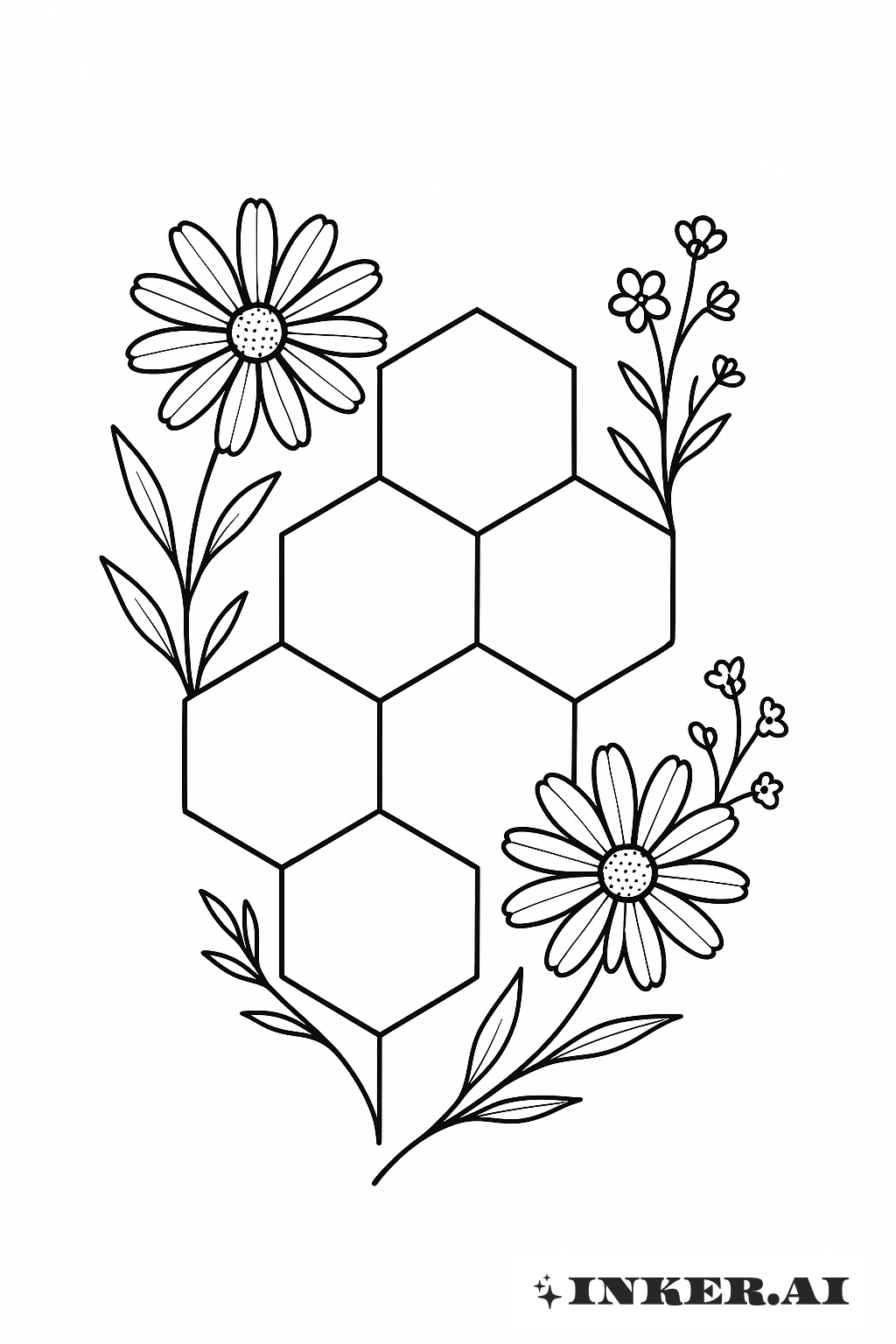
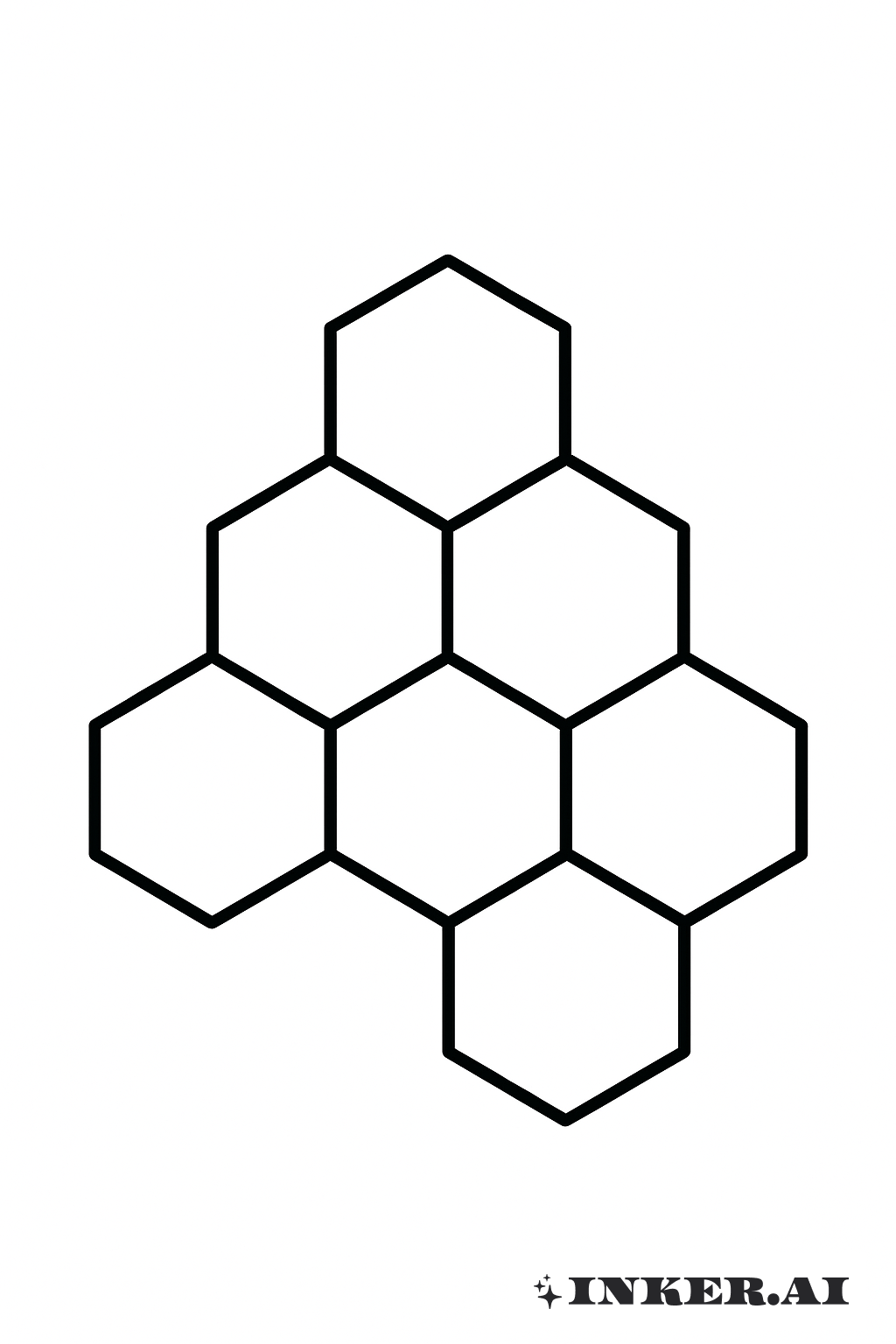
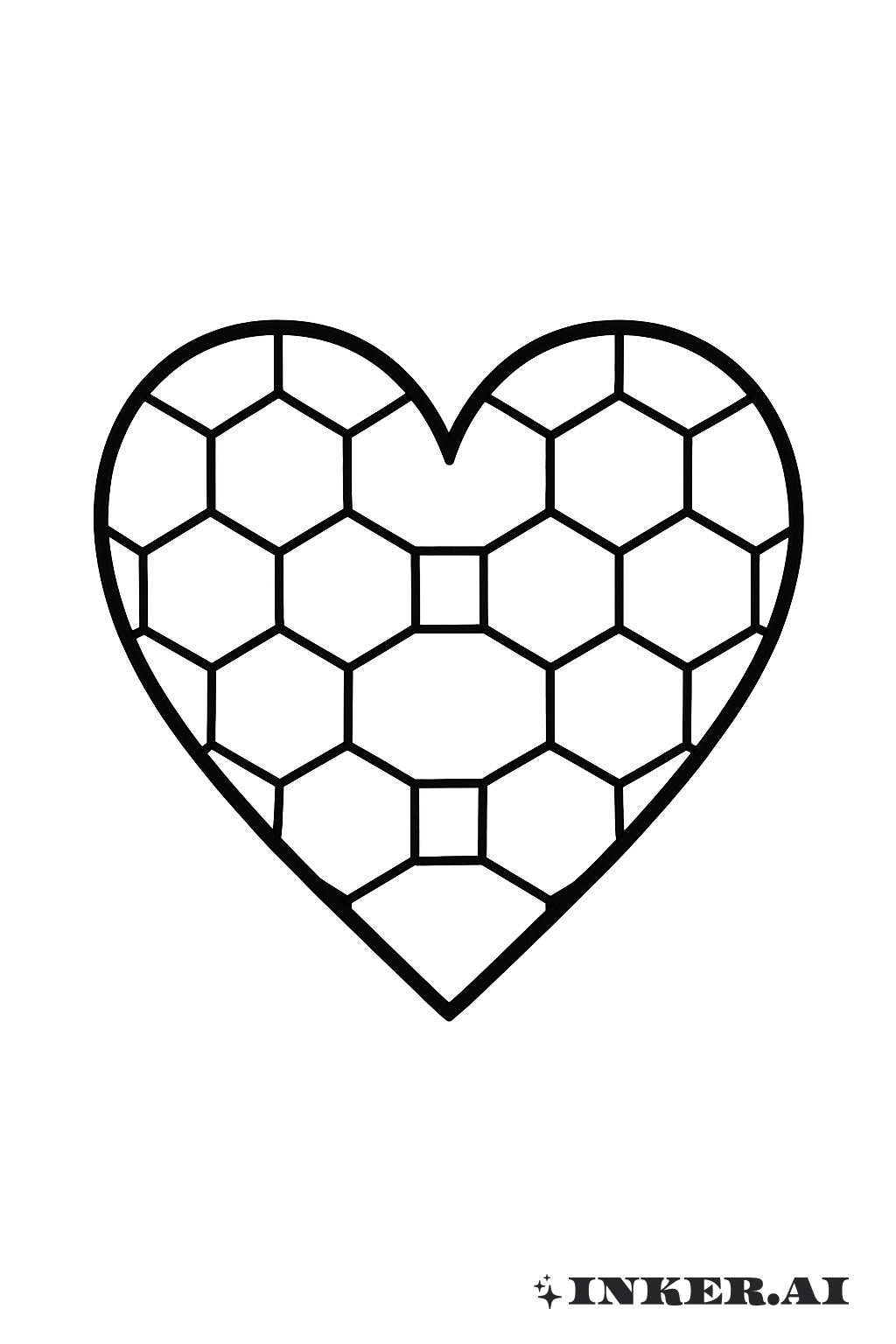
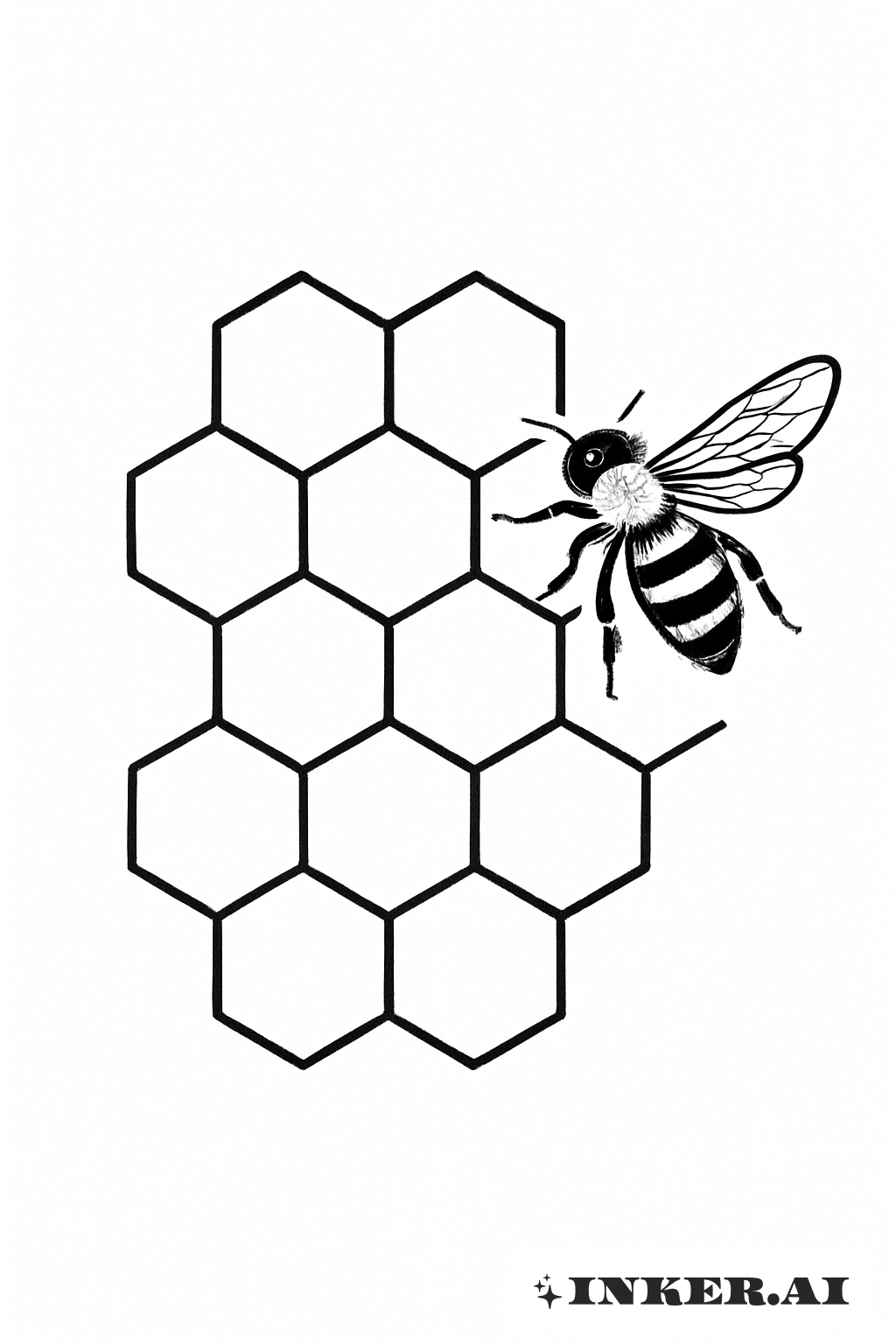
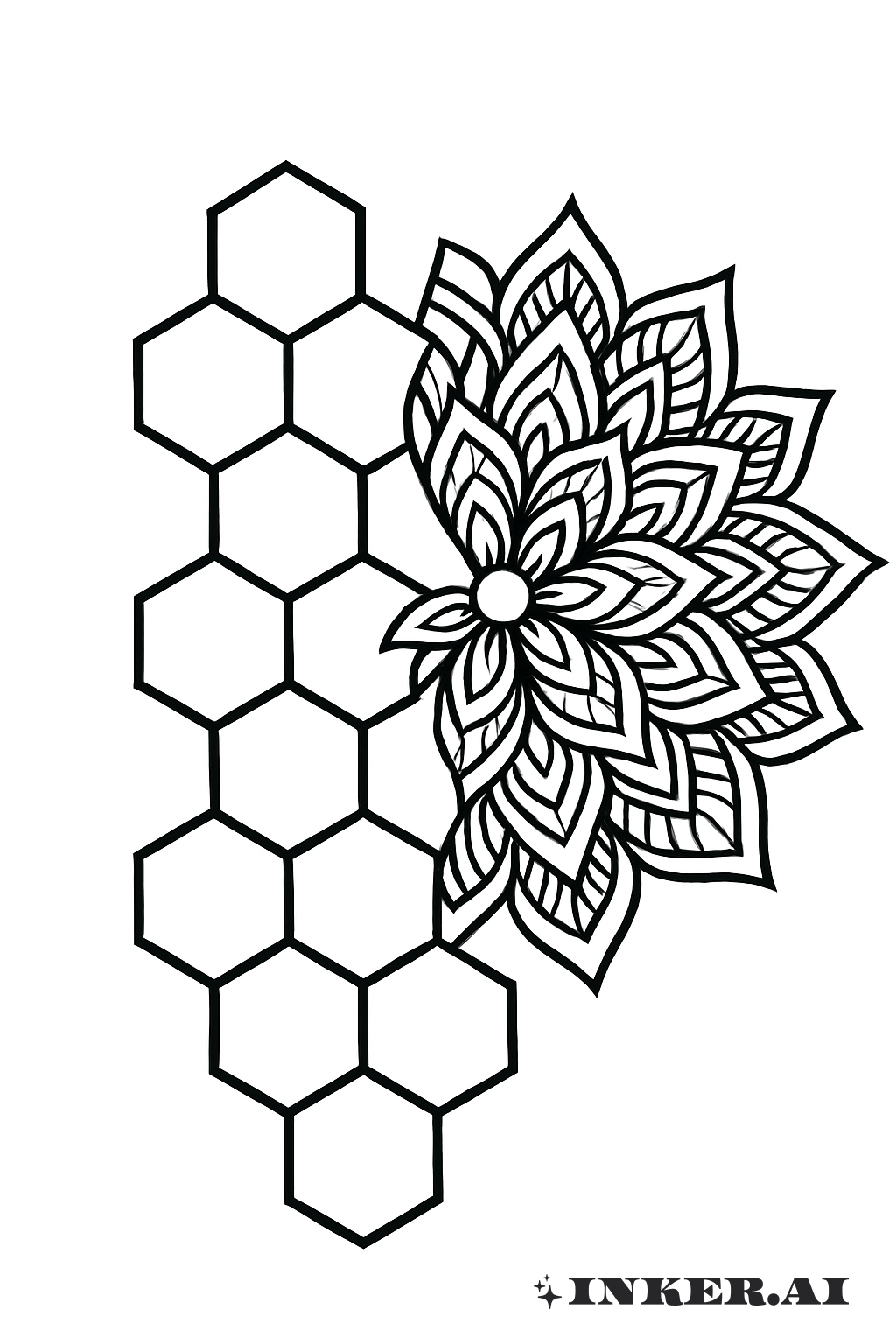
The imagery bridges natural structure and spiritual ornamentation, suggesting growth, transformation, and the harmony between order and creativity. Honeycomb is traditionally associated with community, industriousness, and the sweet rewards of labor; here the cells represent a collective foundation that gives rise to inner complexity. As hexagons open into mandalas, the design evokes personal evolution — the external, functional self unfolding into deeper layers of meaning and meditation. The concentric mandala elements bring associations of balance, wholeness, and focus, used in many cultures as aids to contemplation and self-discovery. The precise linework and repeating forms emphasize continuity and resilience, implying that careful, incremental efforts lead to spiritual or artistic refinement. Visually and conceptually it reads as a Geometric tattoo style statement about order transforming into beauty, while the motif also supplies Honeycomb tattoo ideas for anyone drawn to symbolism rooted in nature, craft, and mindful change.
Design Inspiration Of Honeycomb Transforming Into Mandalas Tattoo Design
The concept grew from observing how natural patterns repeat and evolve — the way bees build efficient hexagons that, on a different axis, become ornamental when layered and embellished. Designers combined architectural tessellation with sacred geometry, imagining honeycomb as the raw grammar that, through repetition and rotation, composes mandala sentences. The goal was a clean, meditative piece that celebrates both utility and ritual: a study in symmetry that also feels organic, like an organism slowly revealing its inner geometry.