Cultural Meaning Of Ghost Face As A Japanese Hannya Mask Tattoo Design
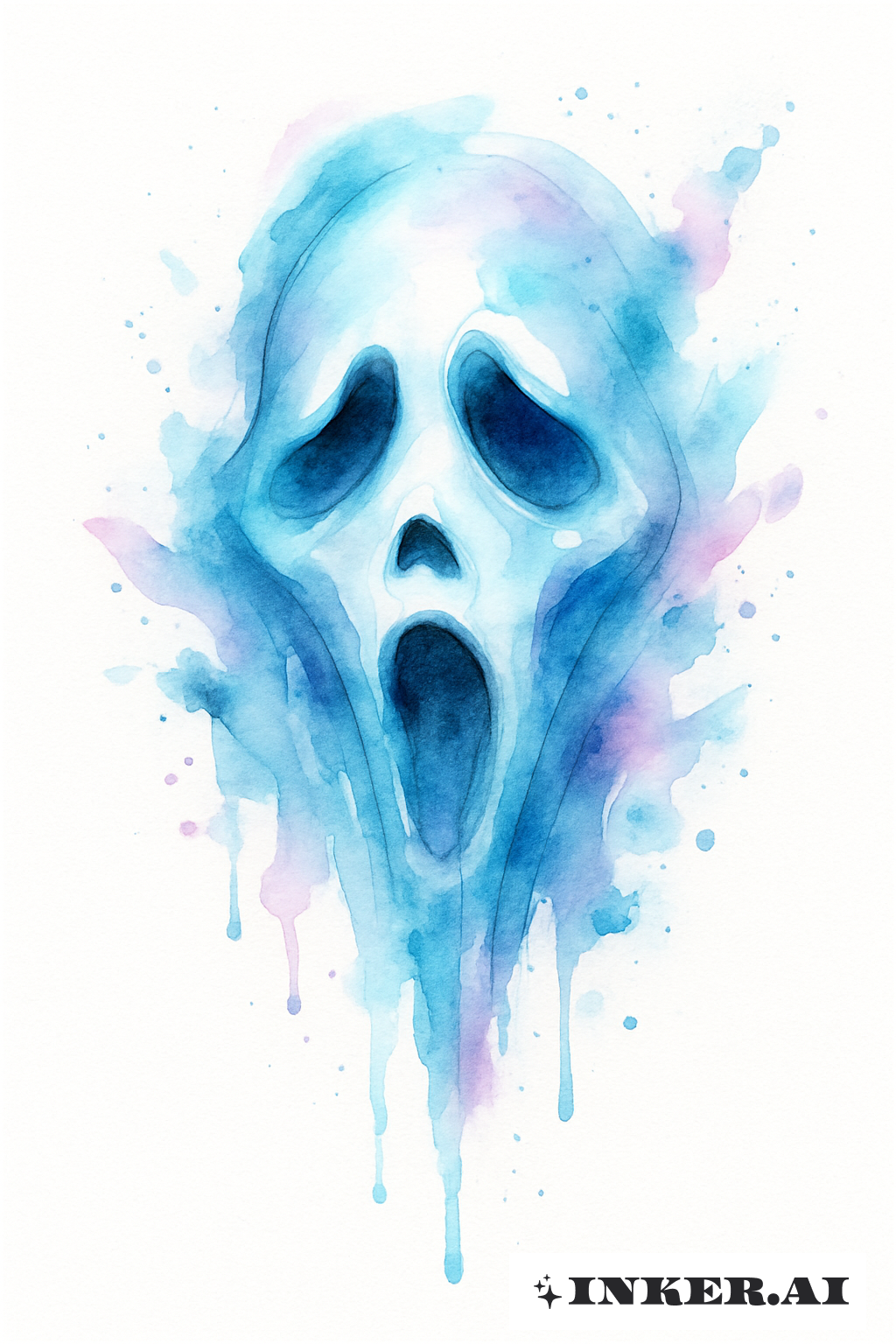
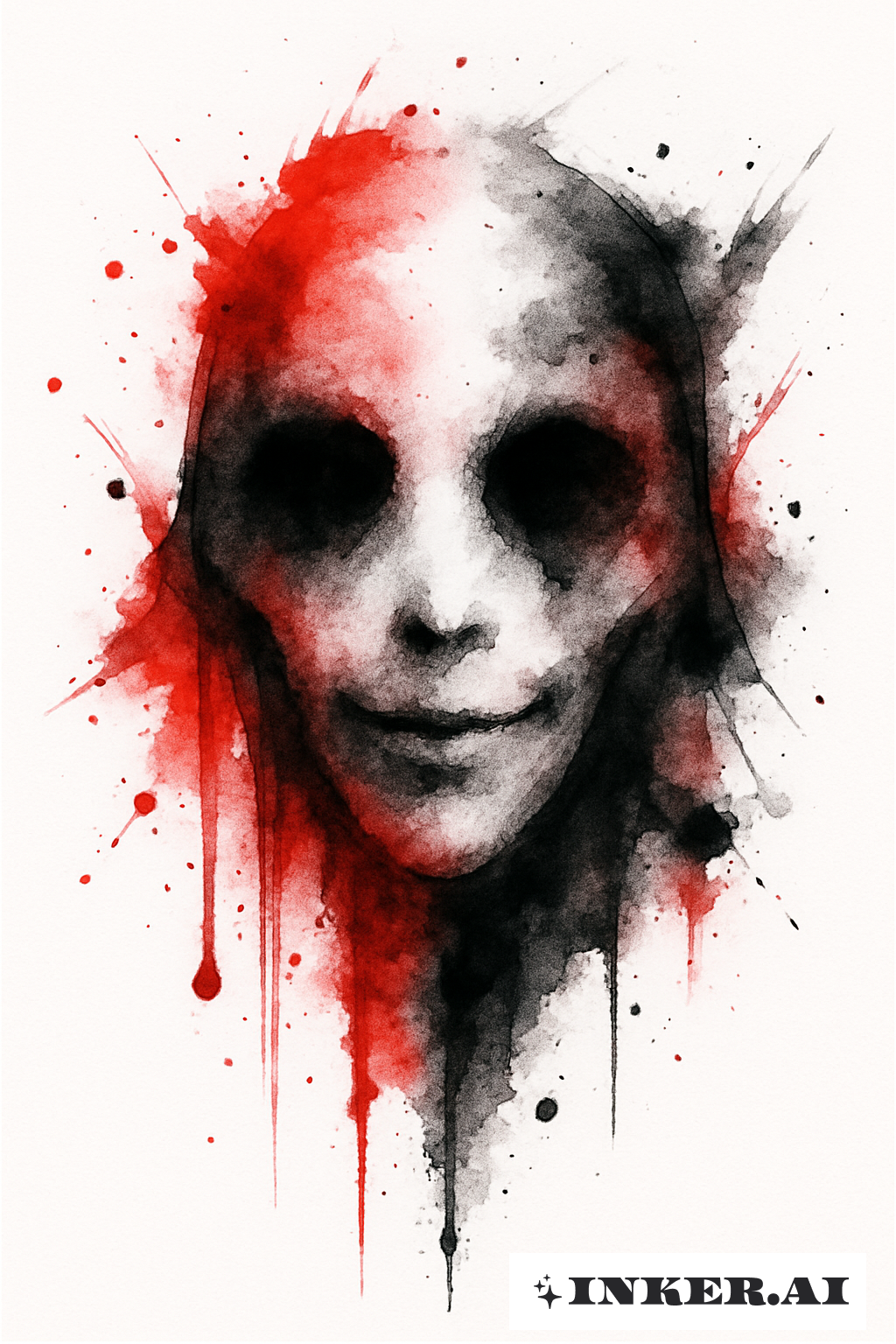
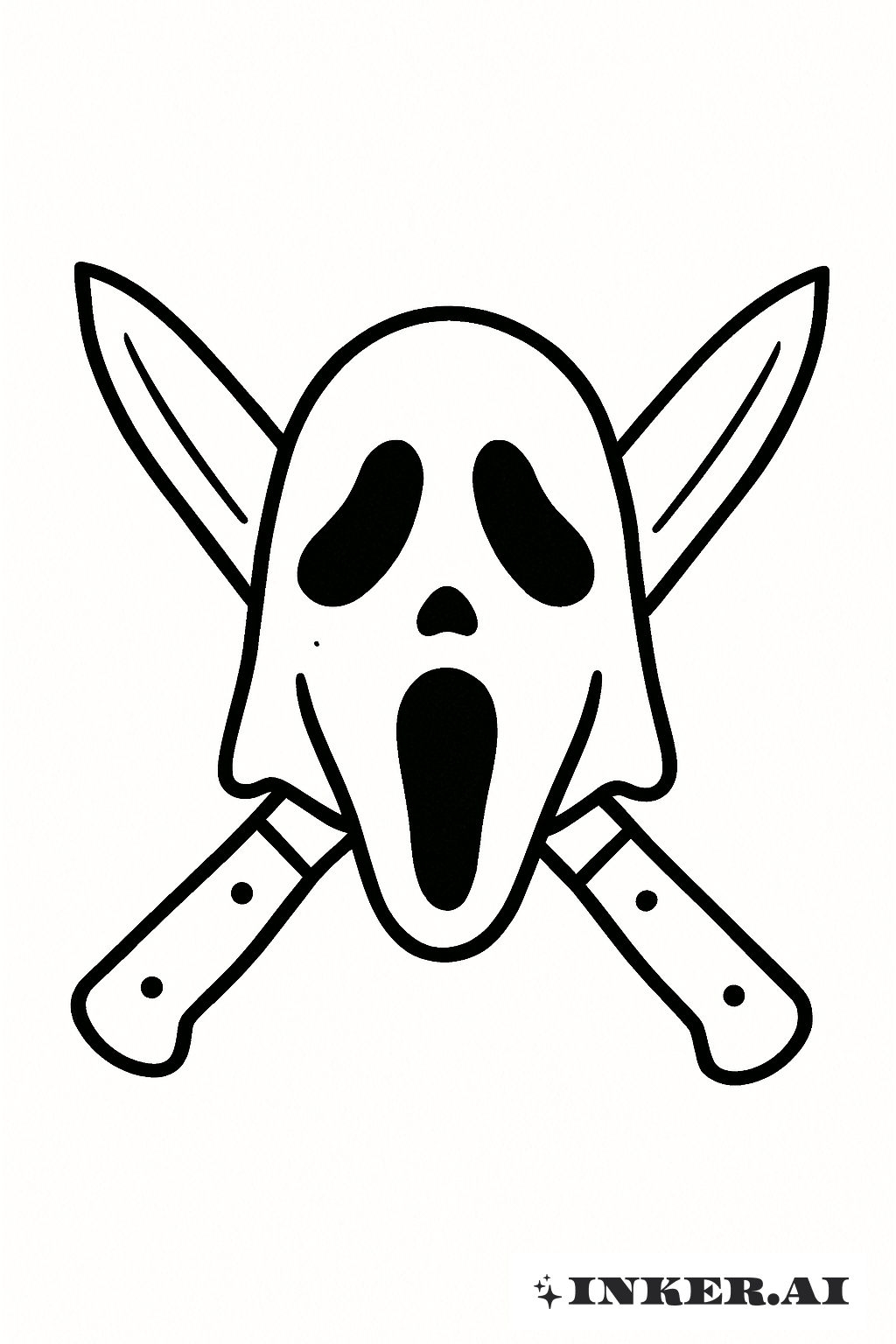
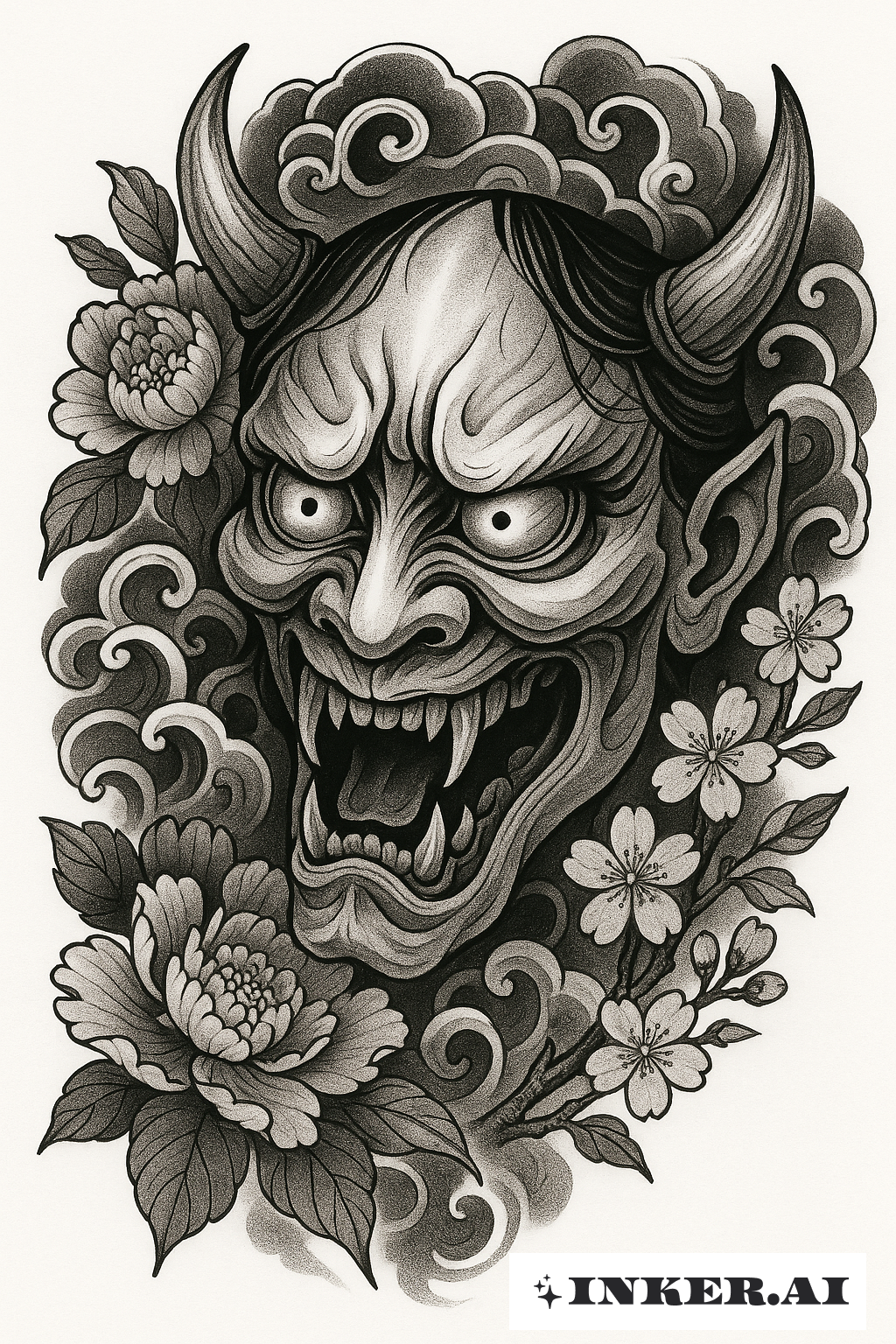
This tattoo represents a meeting point between modern horror and traditional Japanese symbolism. The Hannya mask is commonly associated with jealousy, anger, sorrow, and emotional transformation, while Ghost Face brings themes of fear, mystery, identity, and survival. Together, the two images can suggest the hidden intensity behind a calm exterior or the way pain and anger can reshape a person. The sharp horns, piercing gaze, and exposed teeth communicate warning and defiance, creating a protective presence as well as an ominous one. In a Japanese tattoo style interpretation, the mask’s dramatic expression reflects the emotional storytelling found in traditional Japanese tattoo imagery. Ghost Face tattoo ideas featuring this fusion may appeal to someone who embraces darker aesthetics while recognizing the complexity behind fear and vulnerability. The red accents can symbolize passion, danger, or emotional heat, whereas the black shading adds depth and a sense of the unknown. Overall, the design expresses inner conflict, resilience, and the power to confront personal demons directly.
Design Inspiration Of Ghost Face As A Japanese Hannya Mask Tattoo Design
The concept draws inspiration from the visual tension between a contemporary slasher icon and the theatrical emotion of a Hannya mask. Its long face, dramatic mouth, sharp teeth, and intense color contrast create a character that feels both familiar and mythic. The design reimagines Ghost Face through a more ornamental lens, using symmetry, bold linework, and red-black contrast to heighten the sense of danger. The result is a striking fusion of cinematic horror and traditional mask imagery.