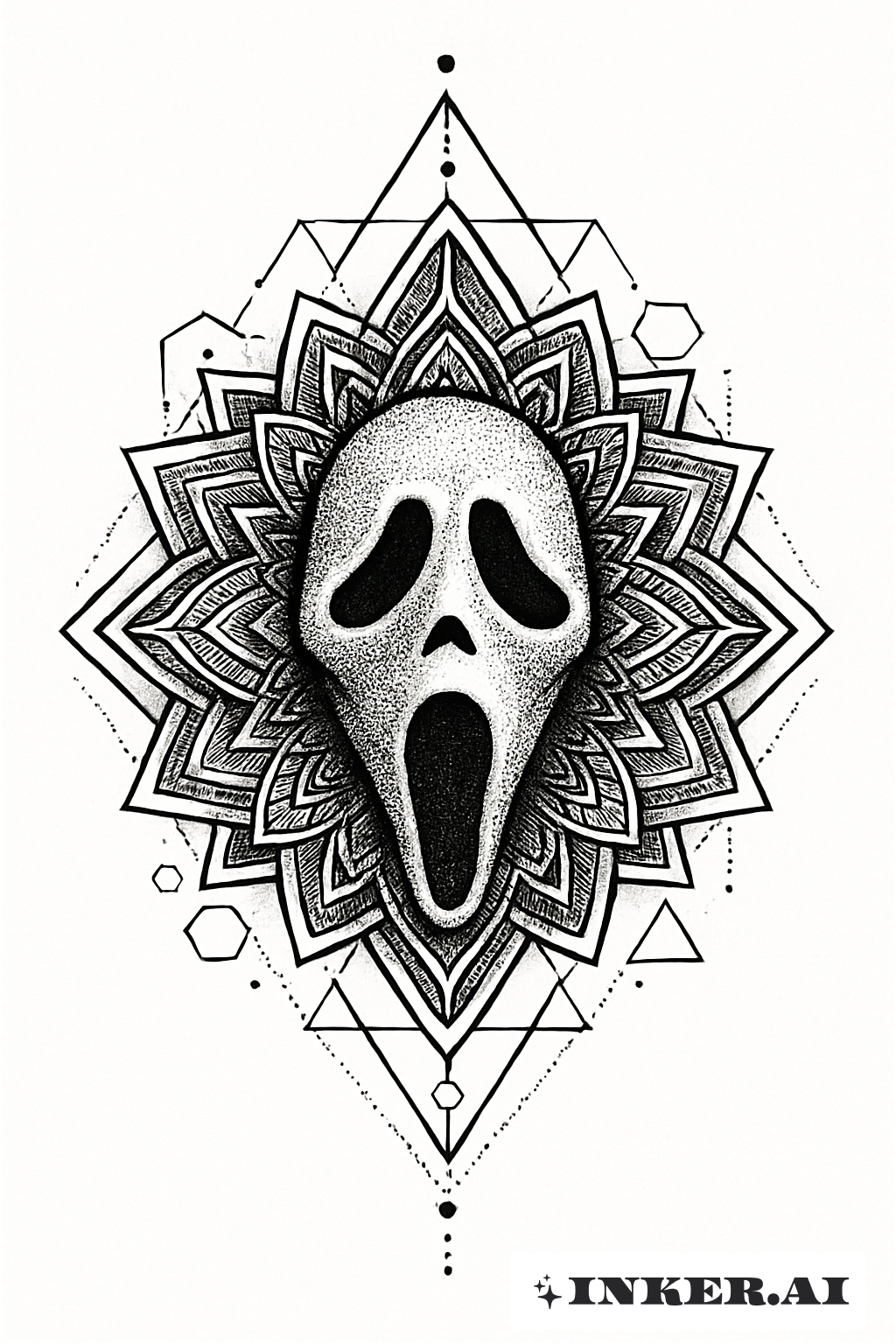
Cultural Meaning Of A Sacred Geometry Ghost Face Mandala Tattoo Design
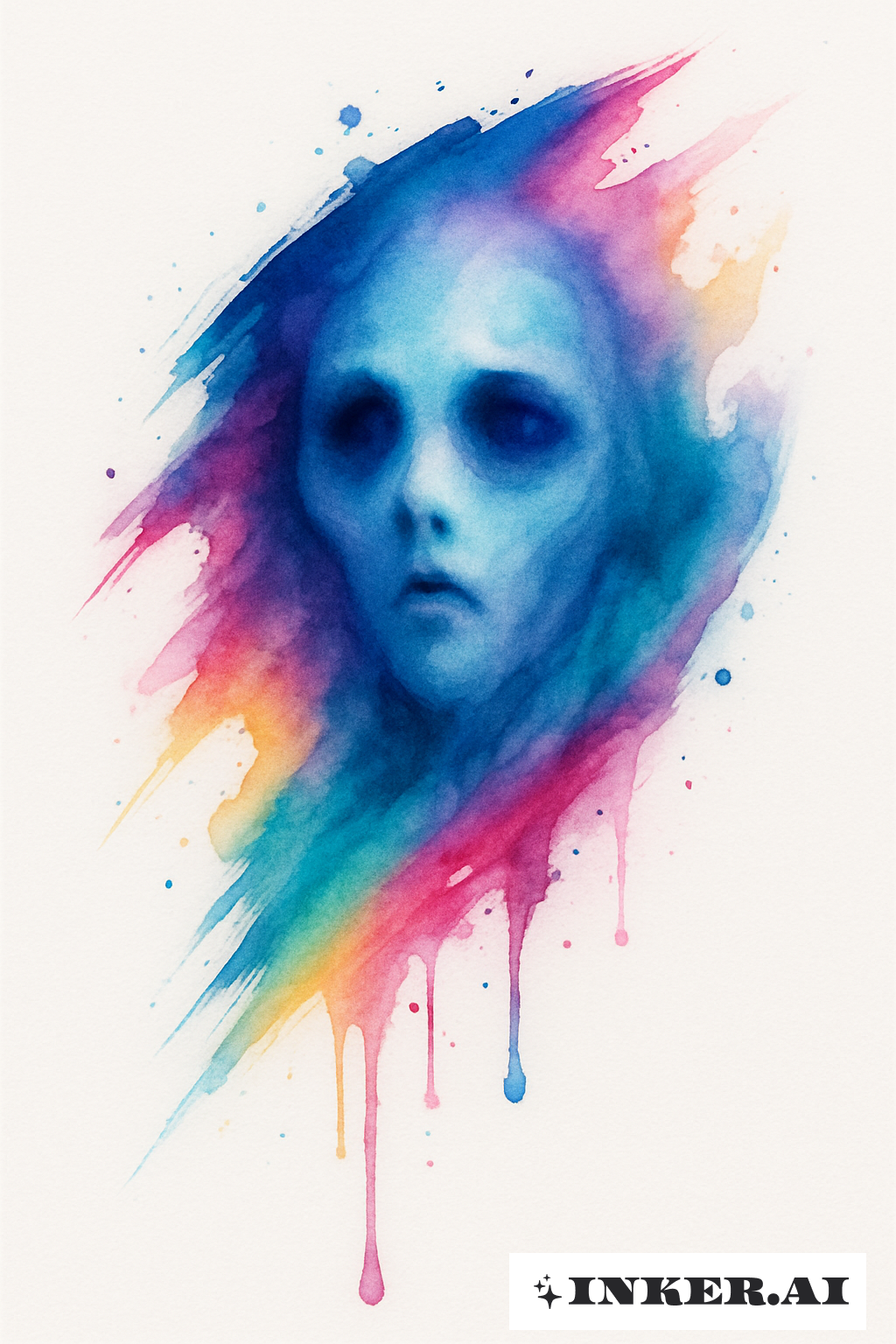
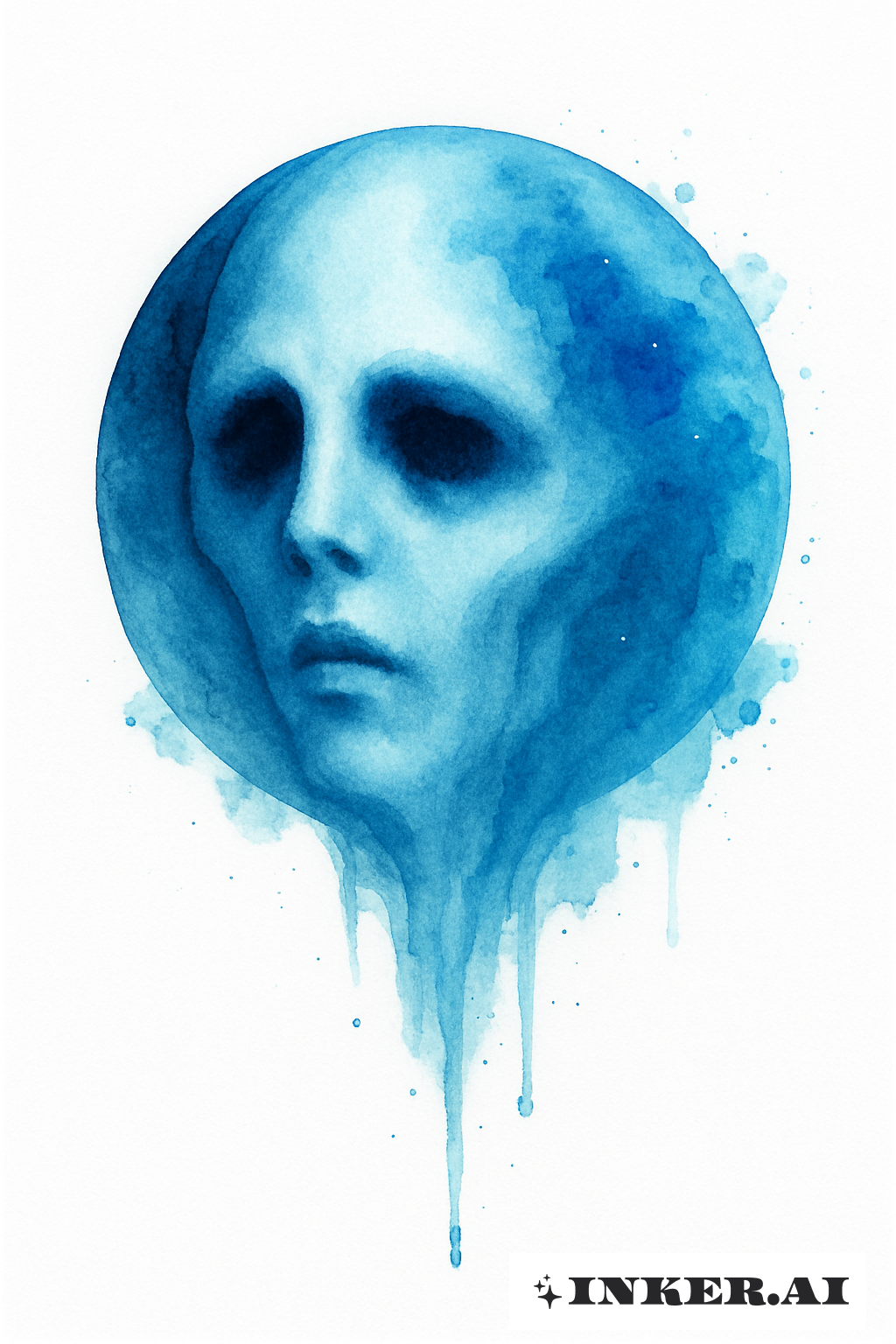
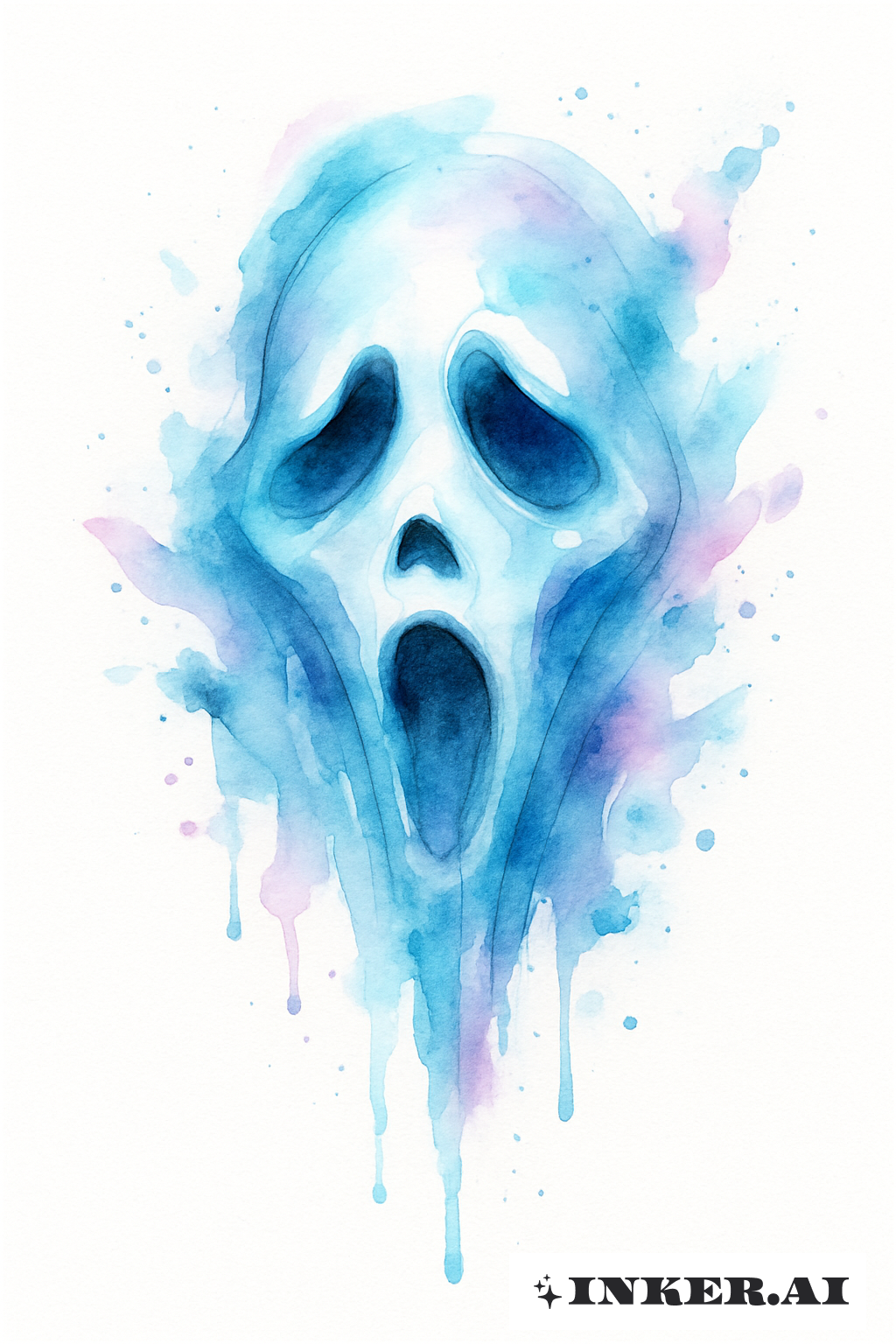
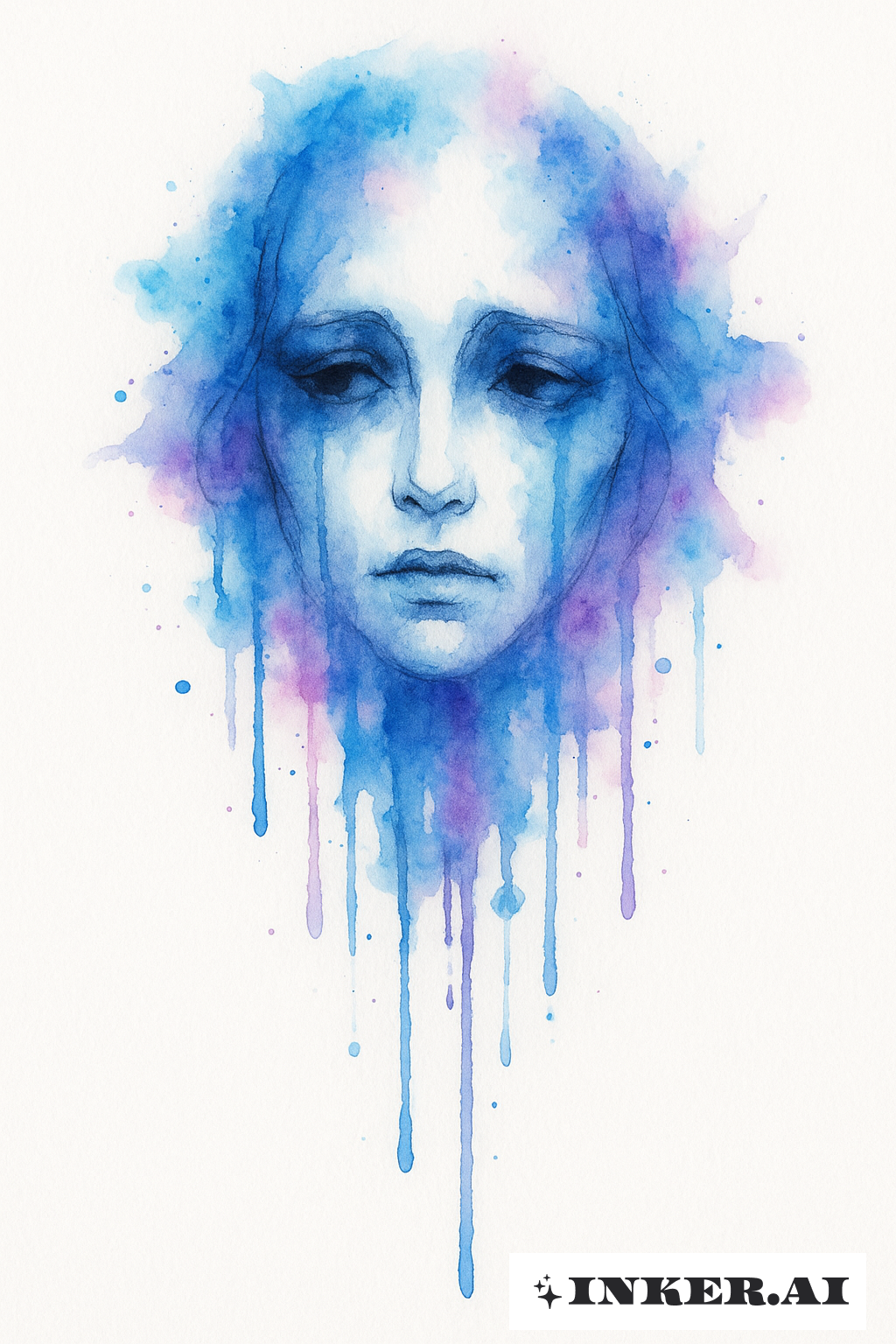
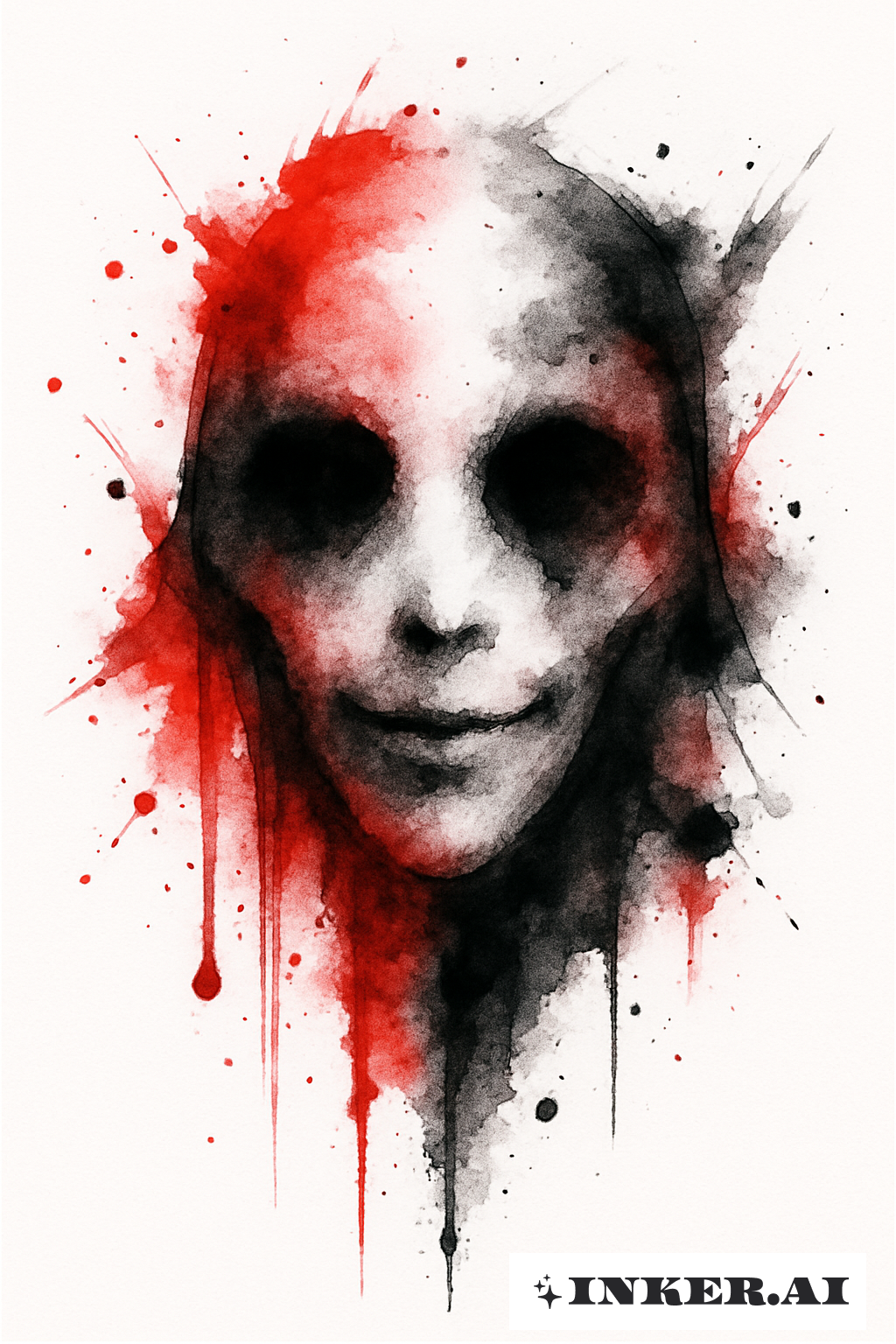
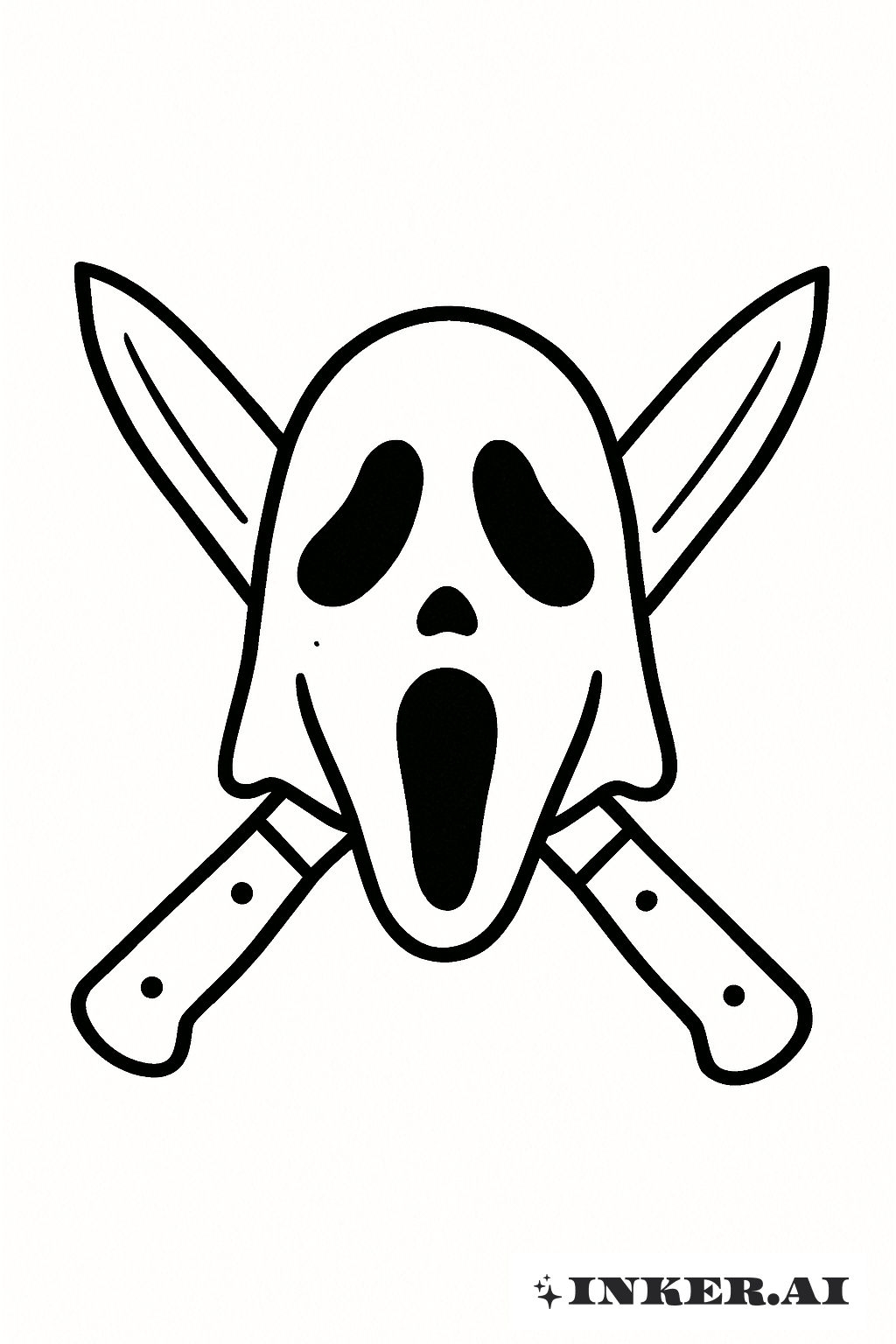
The mandala framework evokes unity and the cyclical nature of existence, while the spectral mask suggests themes of anonymity, transformation, and the boundary between life and the unseen. Sacred geometry elements reference ancient systems of proportion and cosmology, implying a search for universal order within mysterious or liminal experiences. Lines forming eyes and mouth are deliberately stylized to read as both a mask and a portal, signaling protection, hidden identity, or a guide between realms. The precision of patterning encourages contemplation of balance: light and shadow, visible and concealed. This duality is reinforced by the tattoo’s formal language, intentionally rooted in Geometric tattoo style to underscore structure and metaphysical intent. At the same time, incorporating iconic phantom features offers approachable Ghost Face tattoo ideas that let wearers express playfulness, introspection, or a fascination with the uncanny.
Design Inspiration Of A Sacred Geometry Ghost Face Mandala Tattoo Design
The design draws from classical mandalas, Islamic tessellations, and contemporary linework, blending ritual geometry with modern tattoo sensibilities. Inspiration came from examining how repeated modules can resolve into figurative imagery when arranged concentrically, and from the notion of a mask that both hides and reveals. The ghostly visage is rendered through pattern and void rather than literal depiction, aiming for a design that reads differently up close and at a distance. The overall intent is a contemplative, wearable emblem that feels timeless yet distinctly modern.