Cultural Meaning Of Gengar Surrounded By Hokusai-Style Waves Tattoo Design
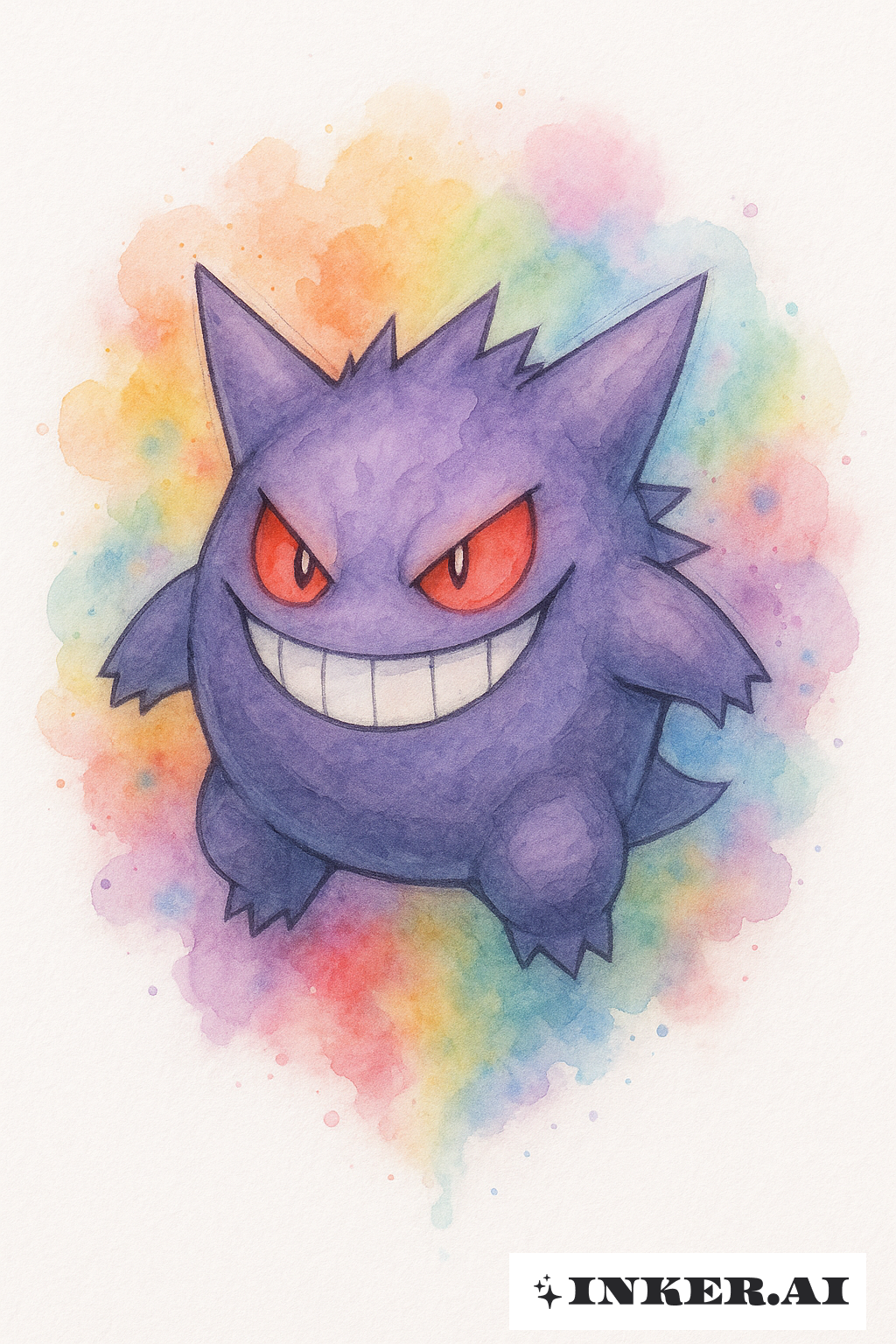
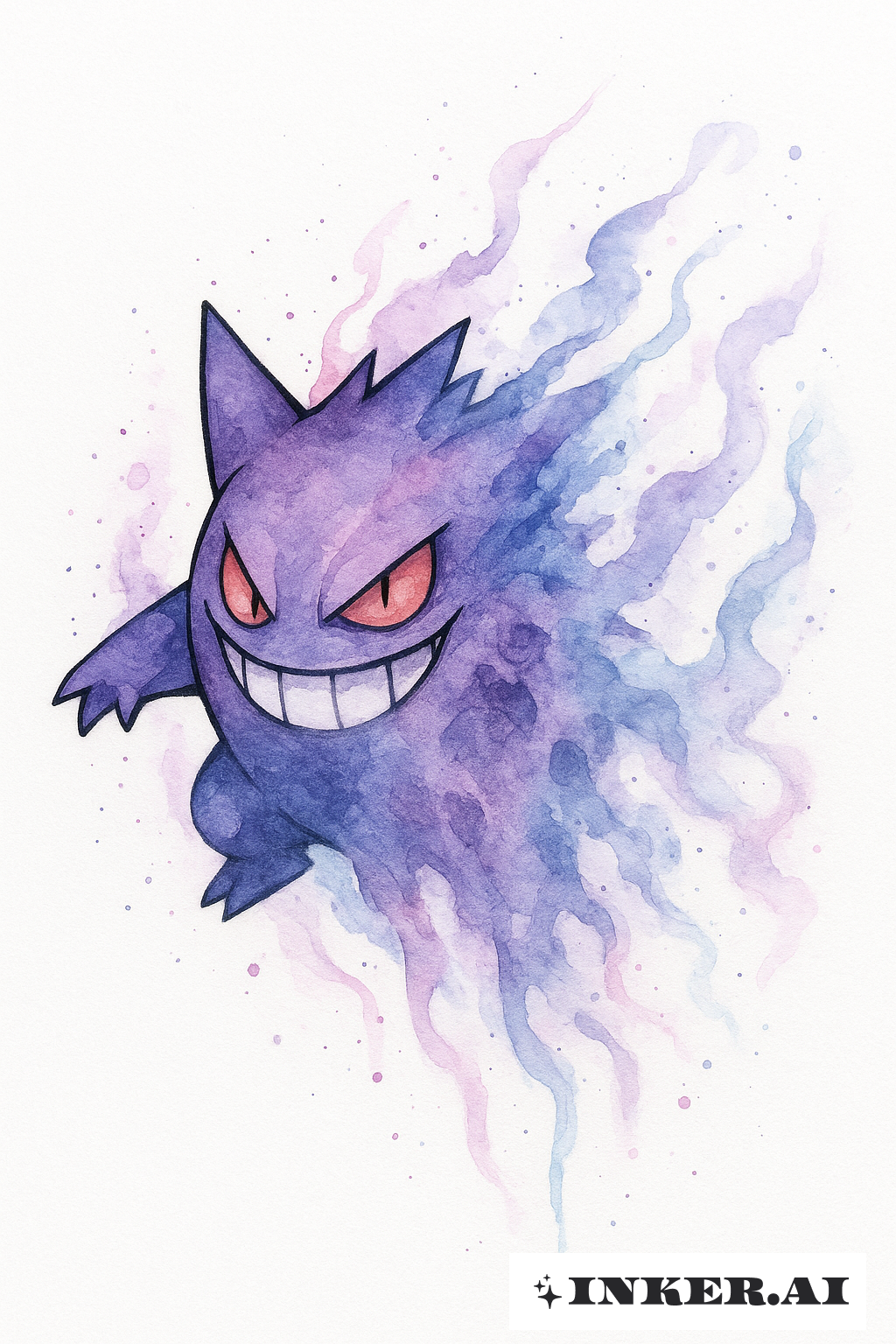
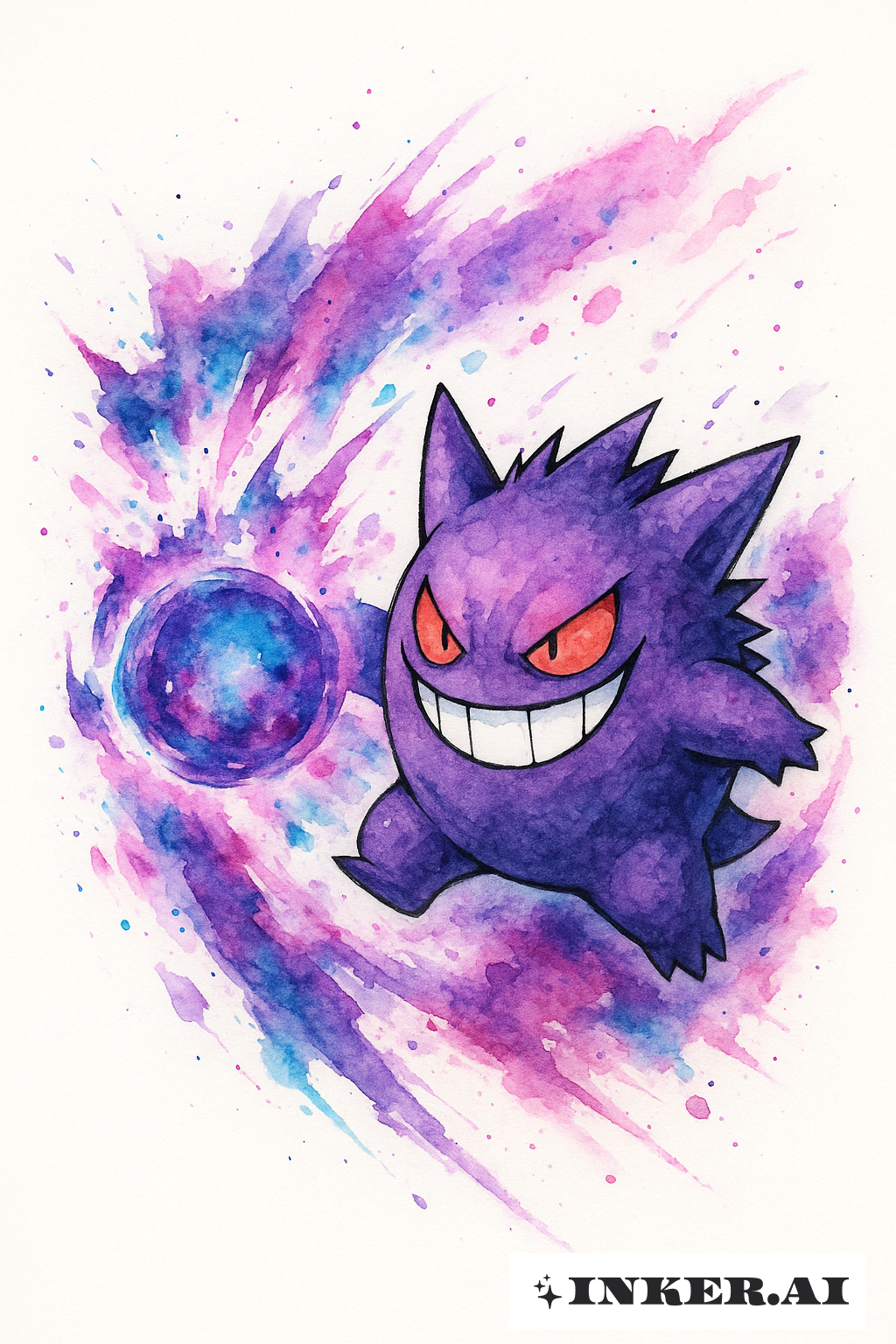
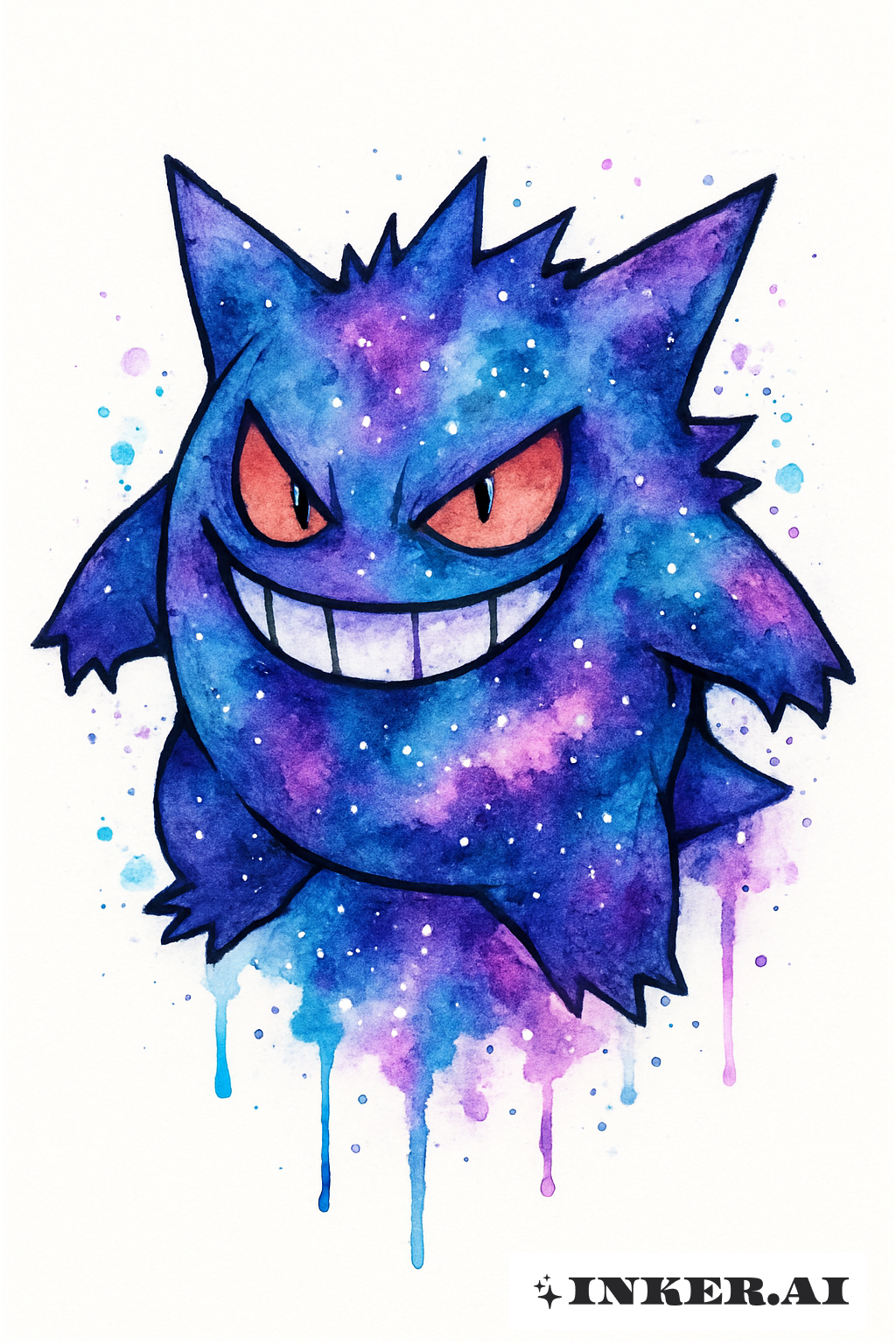
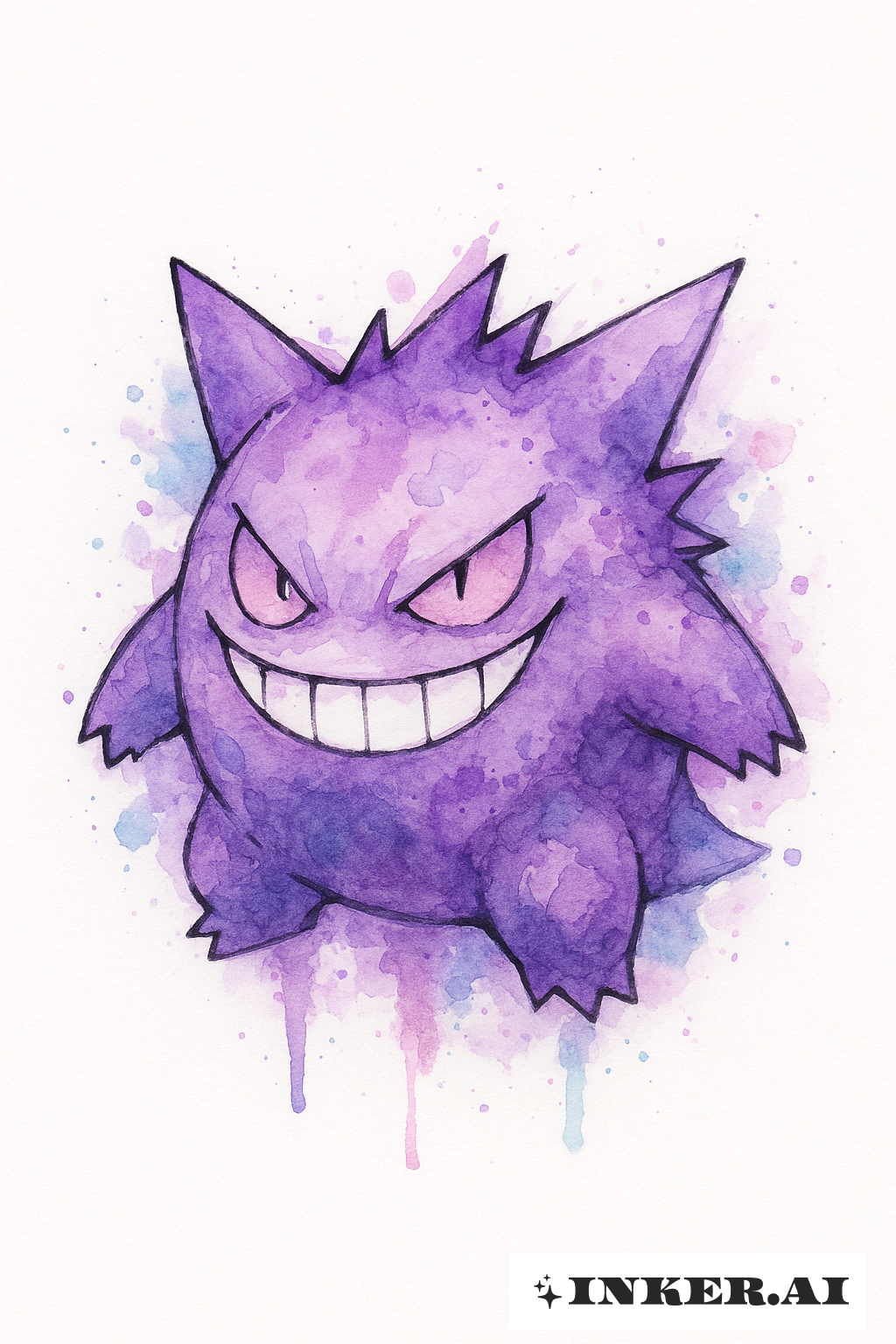
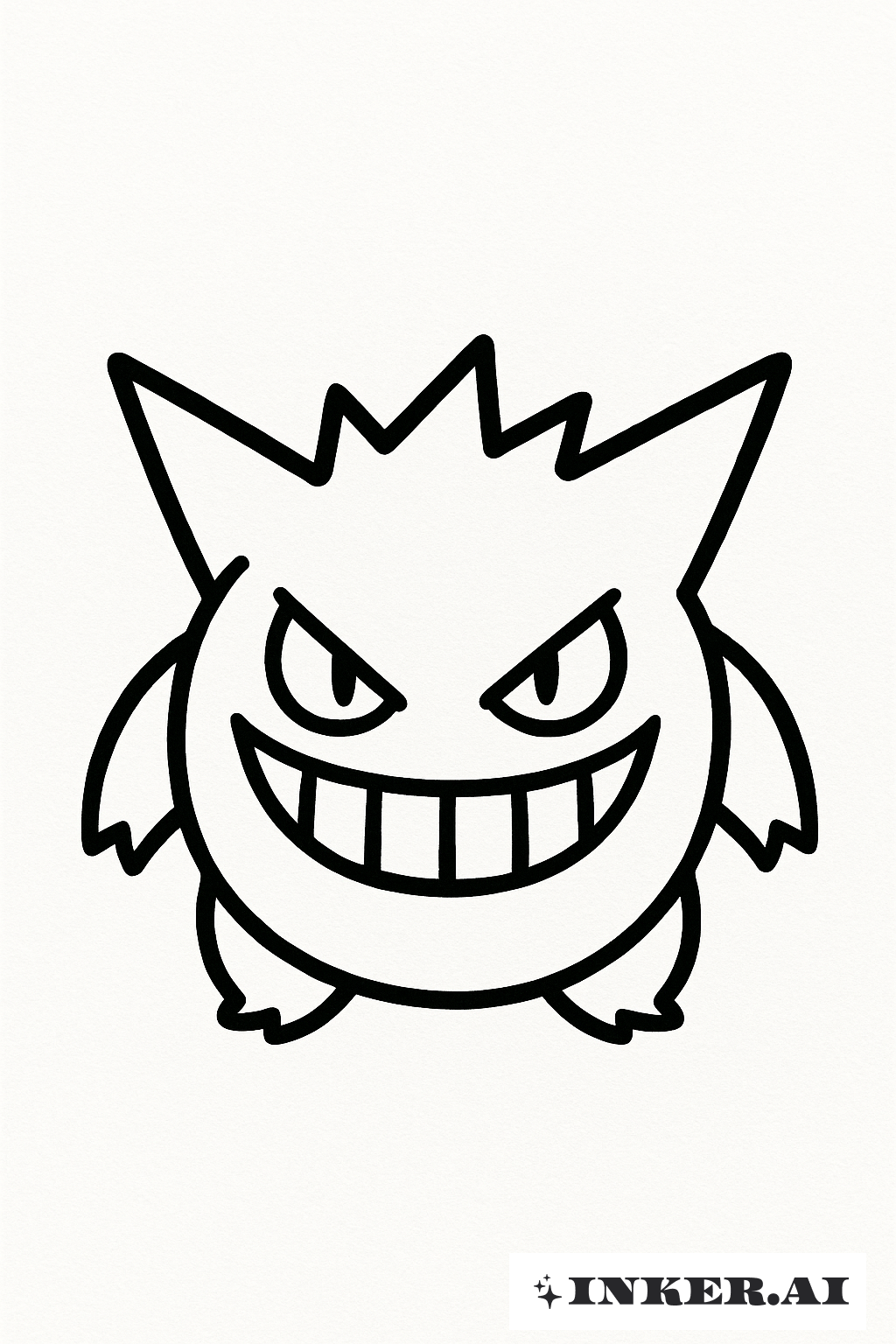
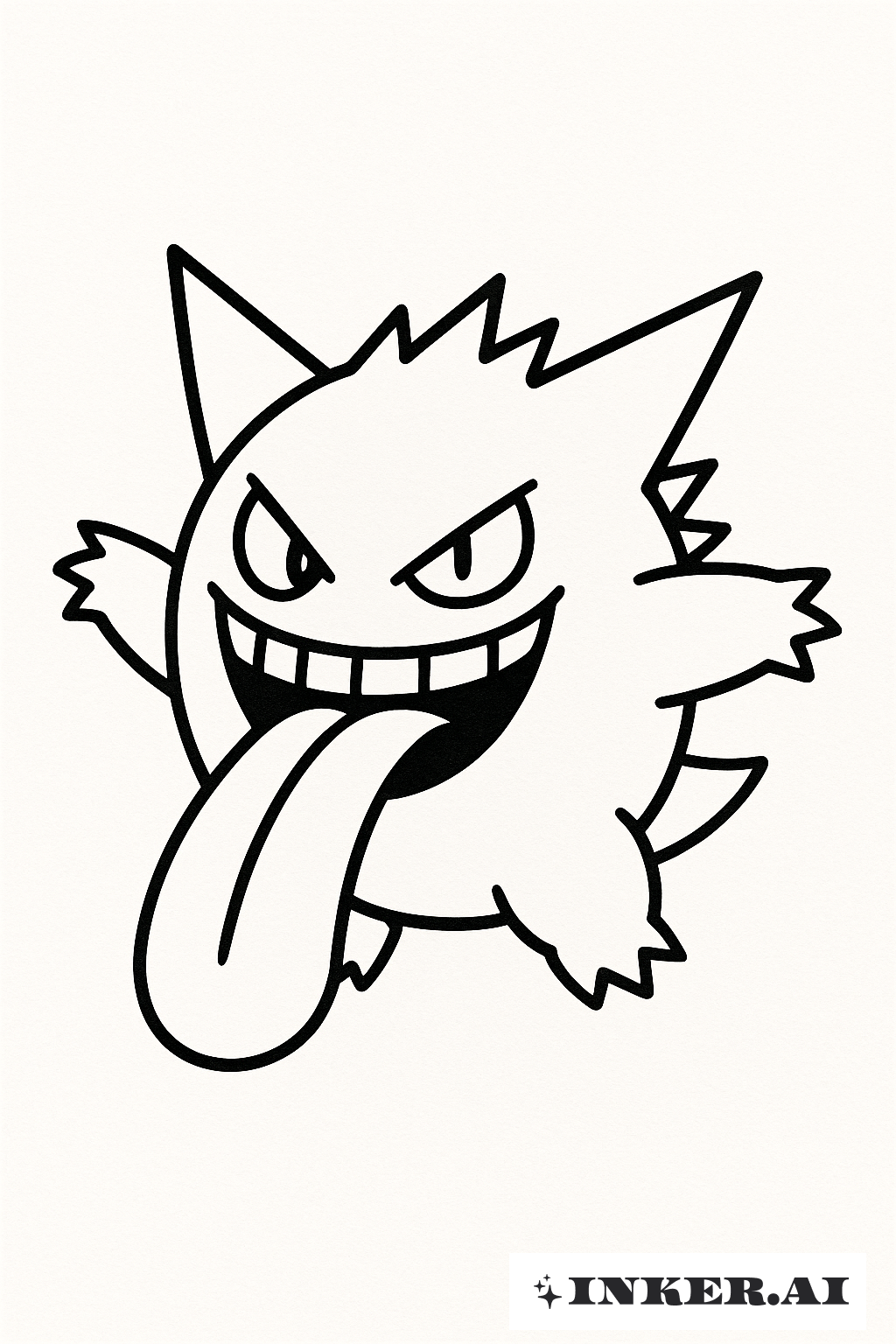
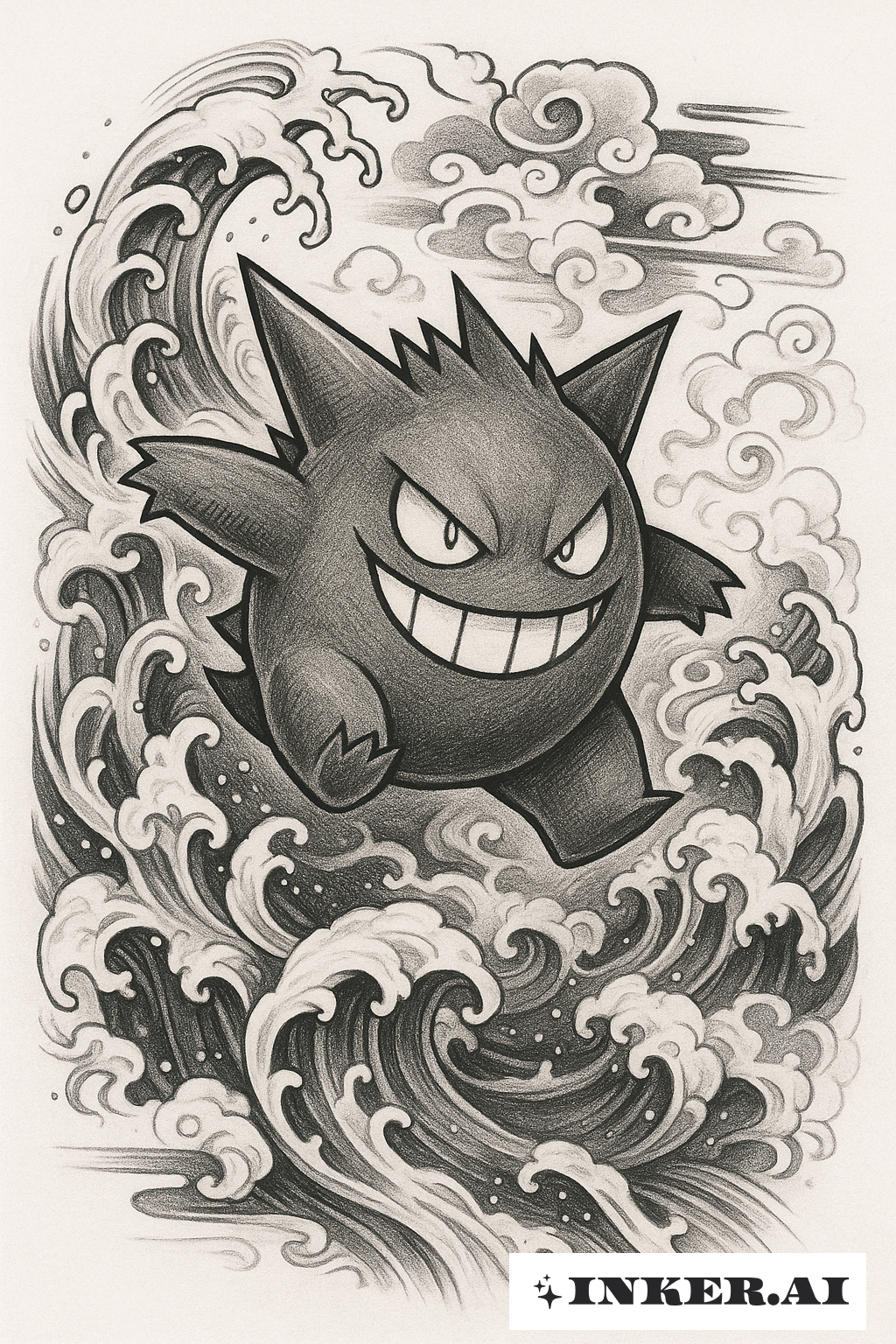
The image pairs a playful, paranormal creature with an enduring symbol of nature's force: the stylized swell and spray. Waves in East Asian art often represent resilience, the passage of time, and the unstoppable energy of the natural world; placing Gengar amid such motion creates a contrast between the ephemeral and the uncanny. The dark, smiling figure suggests trickery, hidden depths, and the liminal space between shadow and light, while the traditional wave pattern grounds the design in cultural continuity. Using motifs associated with ritual and protection, the piece can be read as a guardian of liminality—embracing mischief while acknowledging life's tides. Designers frequently reference Japanese tattoo style when adapting ukiyo-e rhythms into contemporary body art, borrowing compositional discipline and symbolic vocabulary. As a concept, these Gengar tattoo ideas allow wearers to express a fondness for pop-culture nostalgia alongside a deeper, more timeless commentary on change, power, and playful subversion.
Design Inspiration Of Gengar Surrounded By Hokusai-Style Waves Tattoo Design
The creative spark comes from combining Hokusai's kinetic wave language with the exaggerated personality of a mischievous spirit. The goal was to fuse the flat, rhythmic planes of woodblock design with modern tattoo shading techniques, letting the creature's silhouette cut through frothing, stylized water. By marrying historical patterning with bold color accents, the design celebrates both heritage and pop culture, creating a statement piece that feels at once ancient and irreverently contemporary.