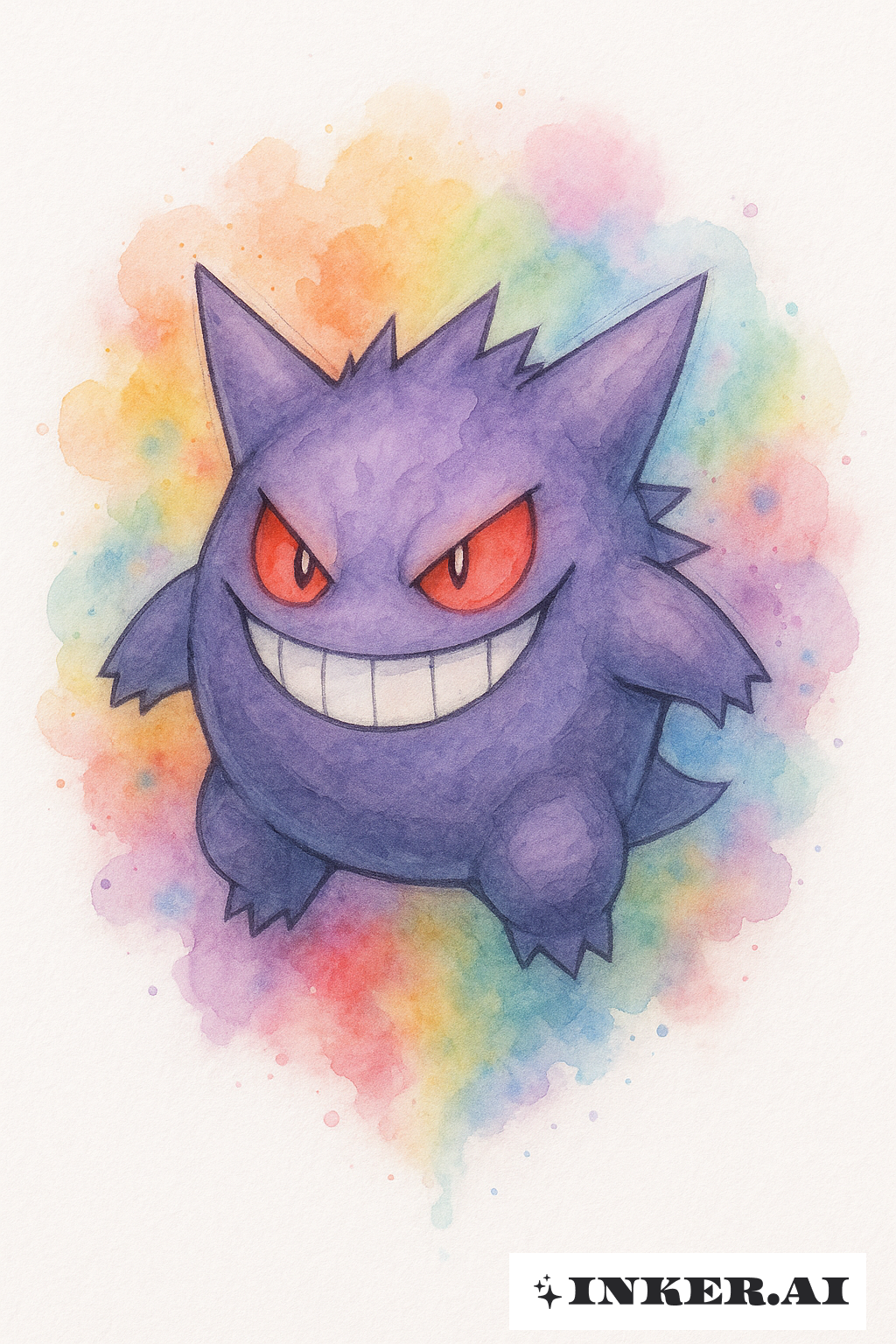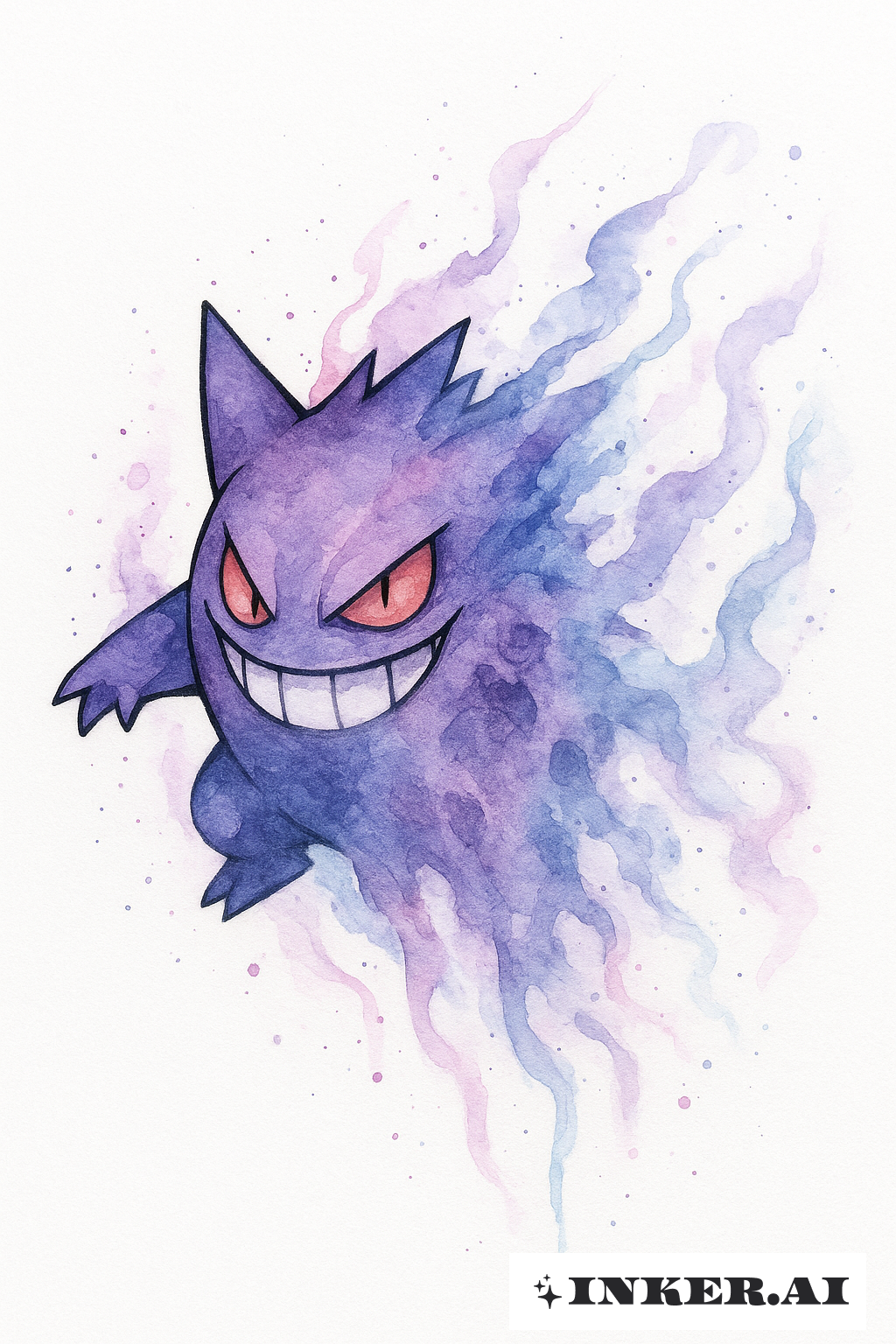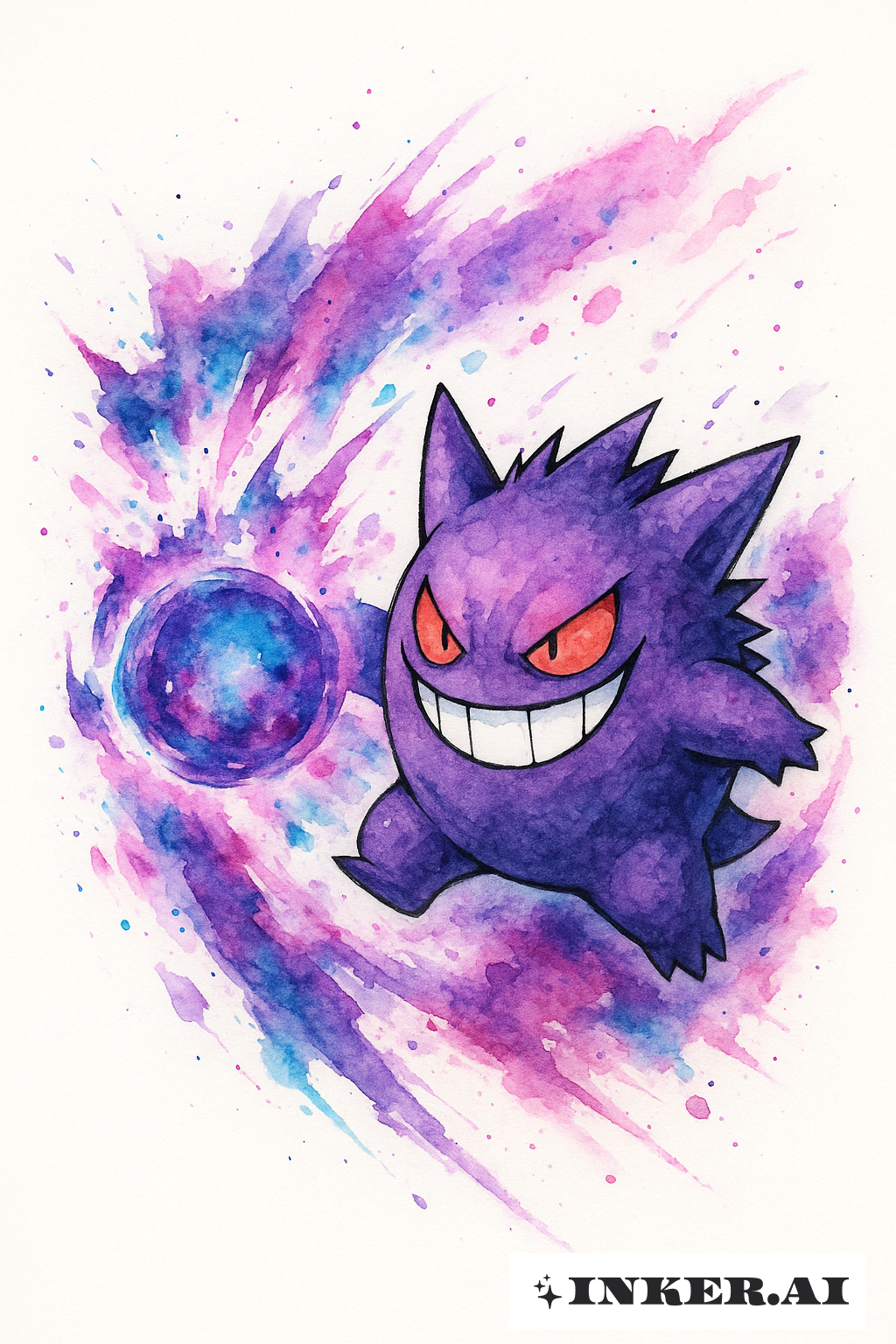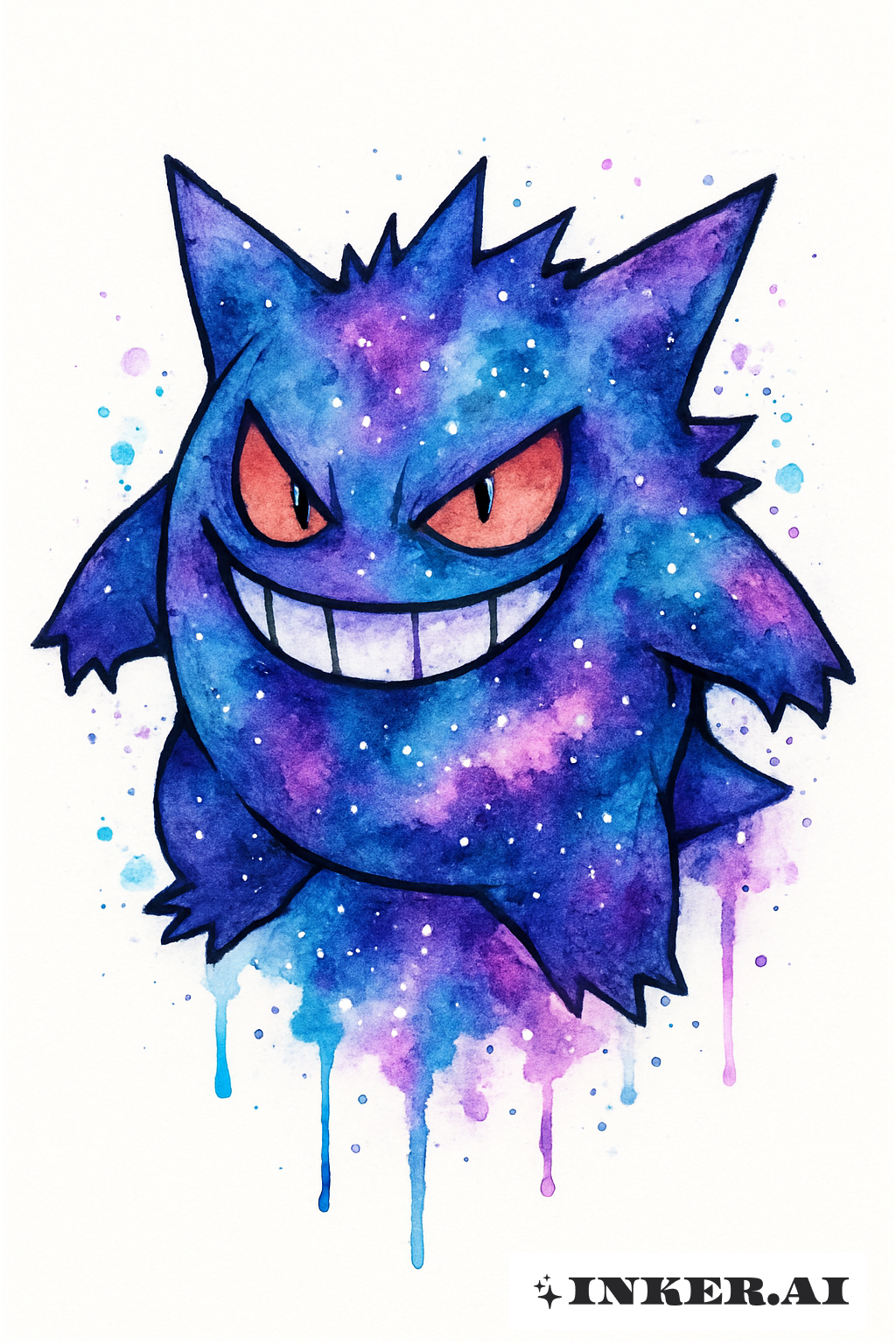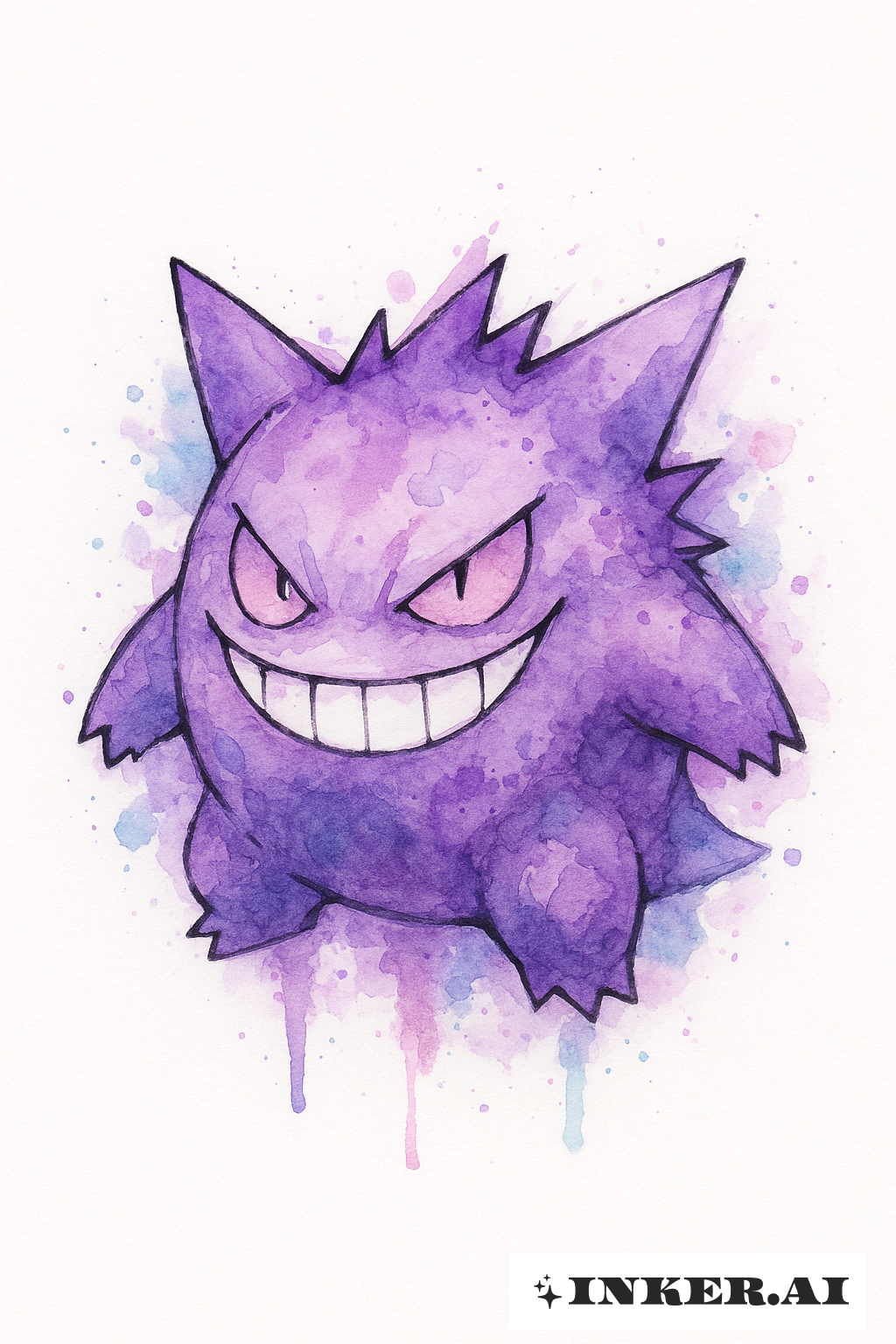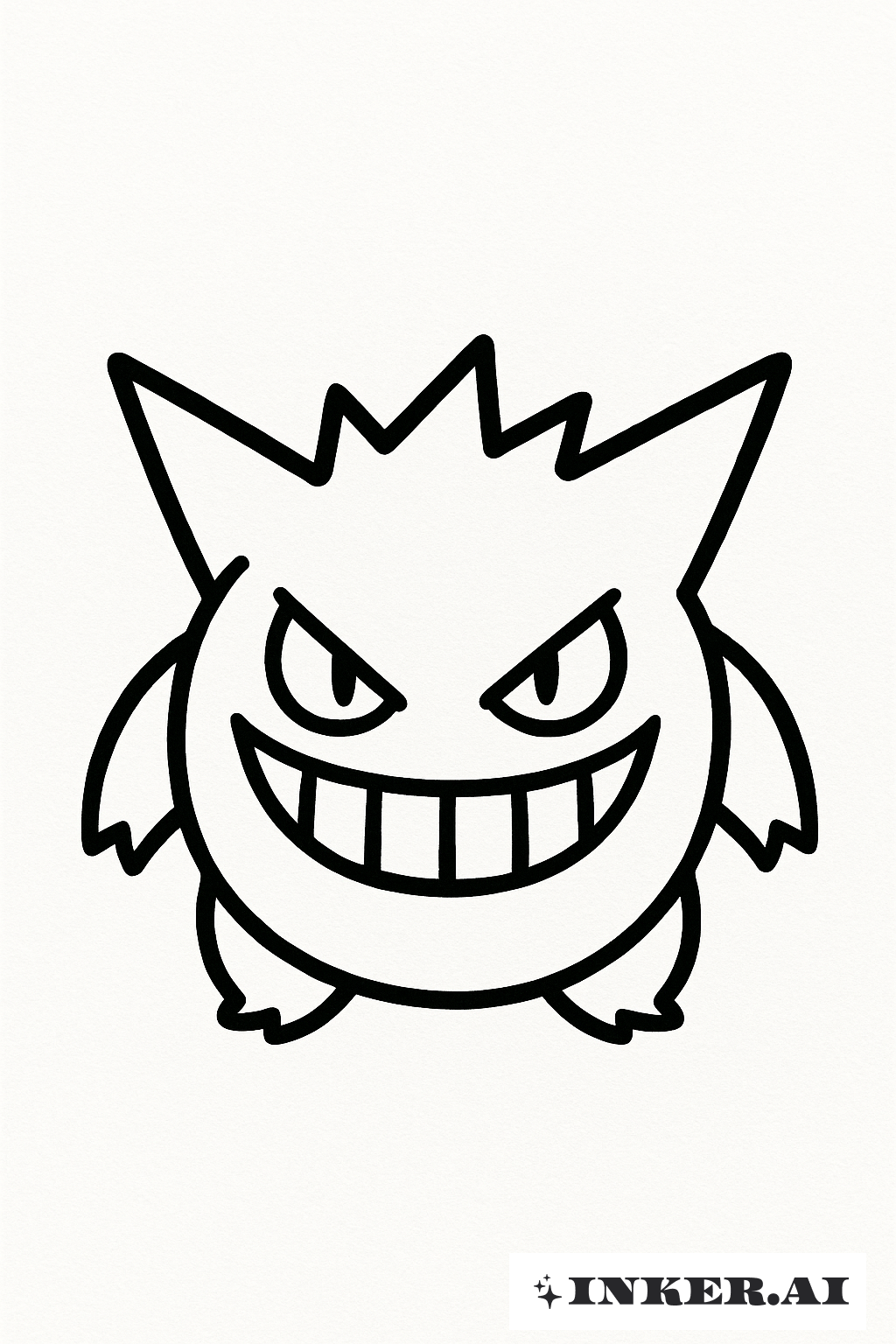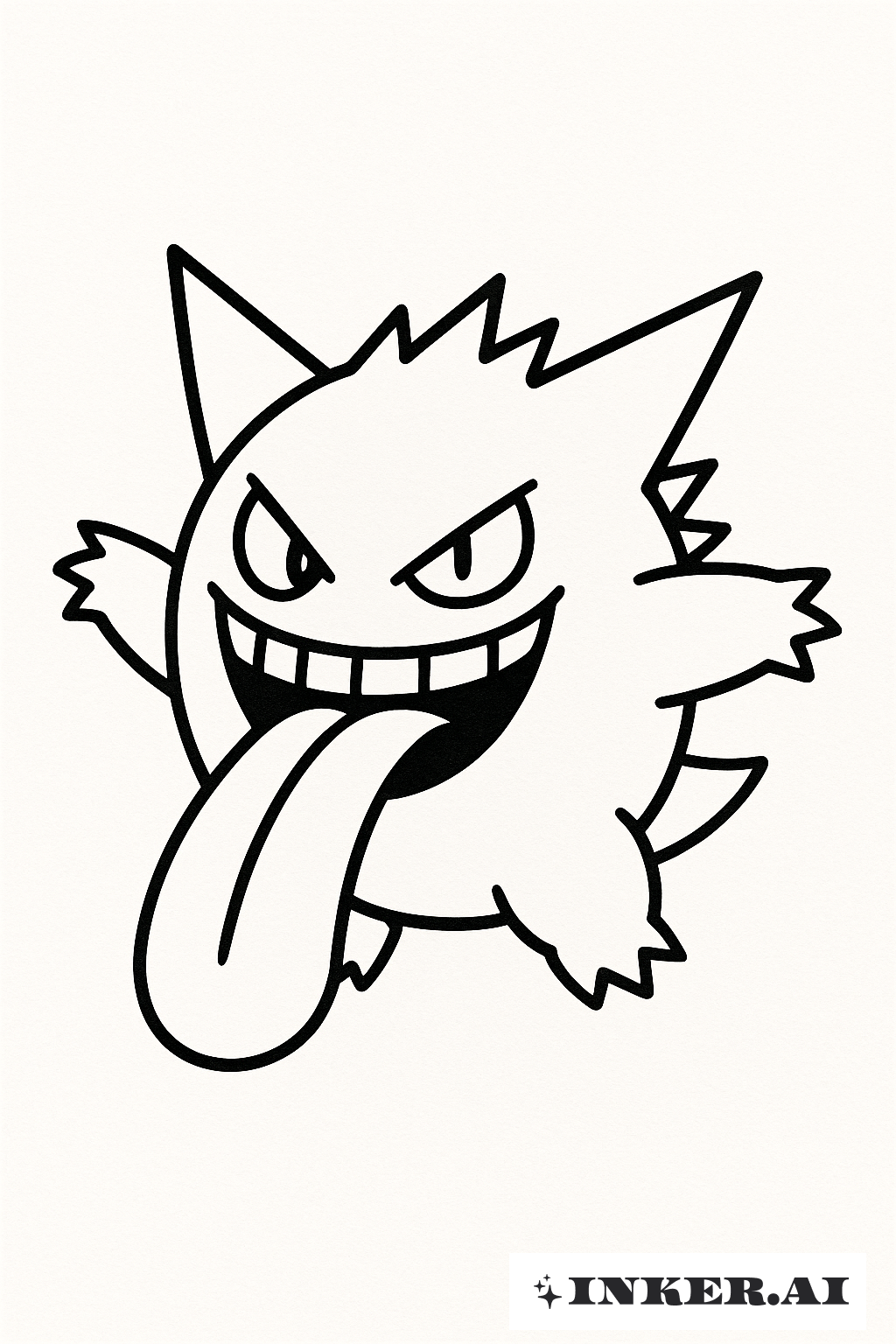
Cultural Meaning Of Gengar Emerging From Japanese Irezumi Clouds Tattoo Design
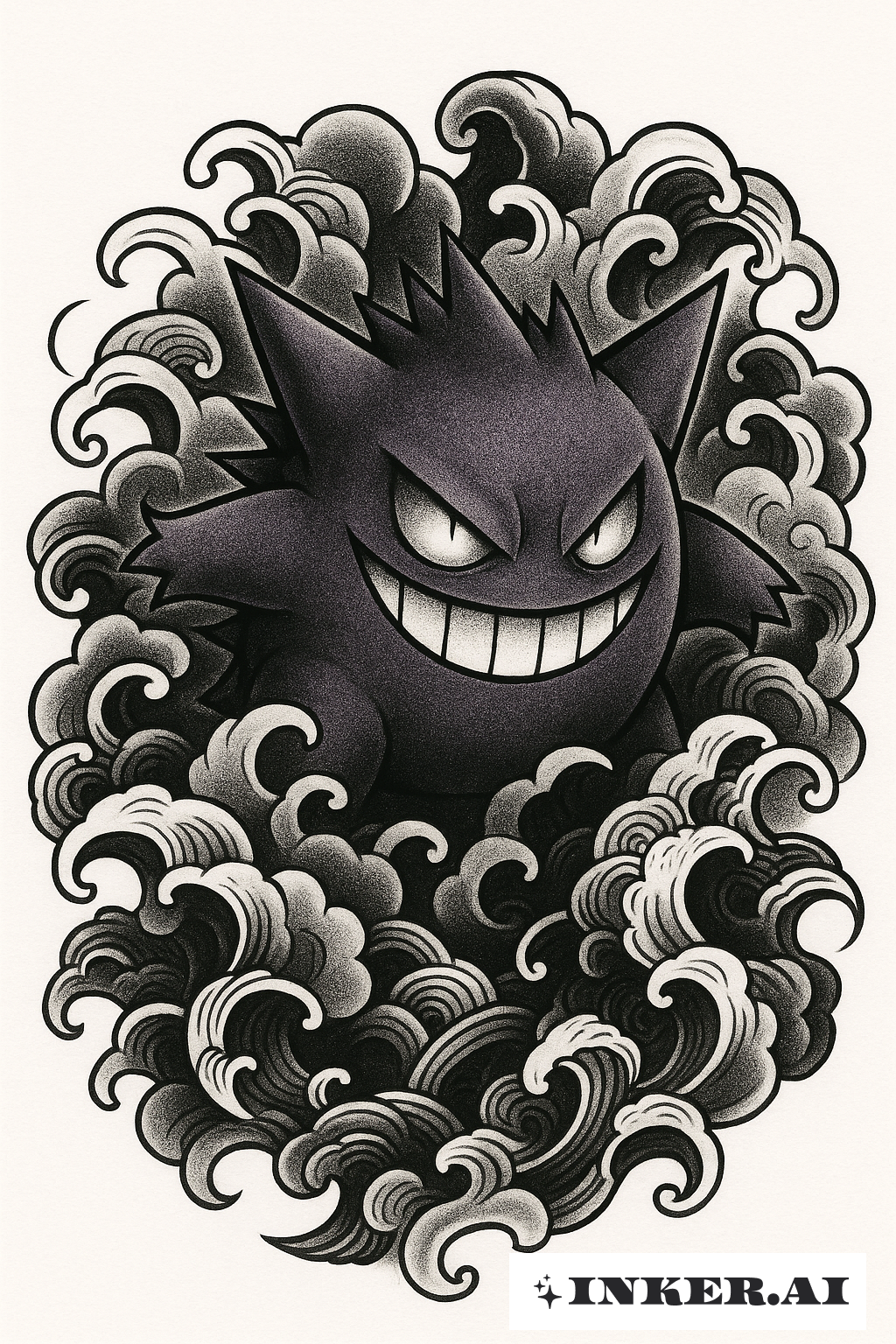
The imagery fuses contemporary character iconography with time-honored motifs: the swirling irezumi clouds traditionally evoke transition, impermanence, and the ephemeral nature of spirit forms. Placing a mischievous specter like Gengar within that visual language amplifies themes of liminality—between life and death, visible and hidden—and celebrates playfulness even in the uncanny. In Japanese folklore, mist and cloud motifs often signal otherworldly presence; here they frame the creature as both a trickster and a guardian of thresholds, a familiar spirit that unsettles yet protects. The bold contours and rhythmic backdrop reference ritualized storytelling found in woodblock prints and theatrical costume, lending the subject cultural weight while keeping the tone lively. This synthesis honors classical composition rules even as it reinterprets narrative meaning for a modern audience. By combining portrait focus and ornamental space, the tattoo becomes a talisman of transformation and joyful mischief, offering wearers a piece that speaks to nostalgia, contrast, and personal mythology. The design nods to the discipline of ornamentation typical of Japanese tattoo style and can be cataloged among inventive Gengar tattoo ideas.
Design Inspiration Of Gengar Emerging From Japanese Irezumi Clouds Tattoo Design
This concept draws from ukiyo-e cloudscapes and kabuki energy, reimagining them through a contemporary pop-culture lens. The artist sought to merge the formal choreography of traditional Japanese composition—rolling clouds, wind bars, and bold silhouettes—with the exaggerated expression and color of animated characters. Inspiration came from studying negative space and how it directs movement, then inserting a charismatic figure that upends the calm with a grin and forward motion. The result is a playful collision of old and new: disciplined backdrop work supporting a lively, mischievous subject.