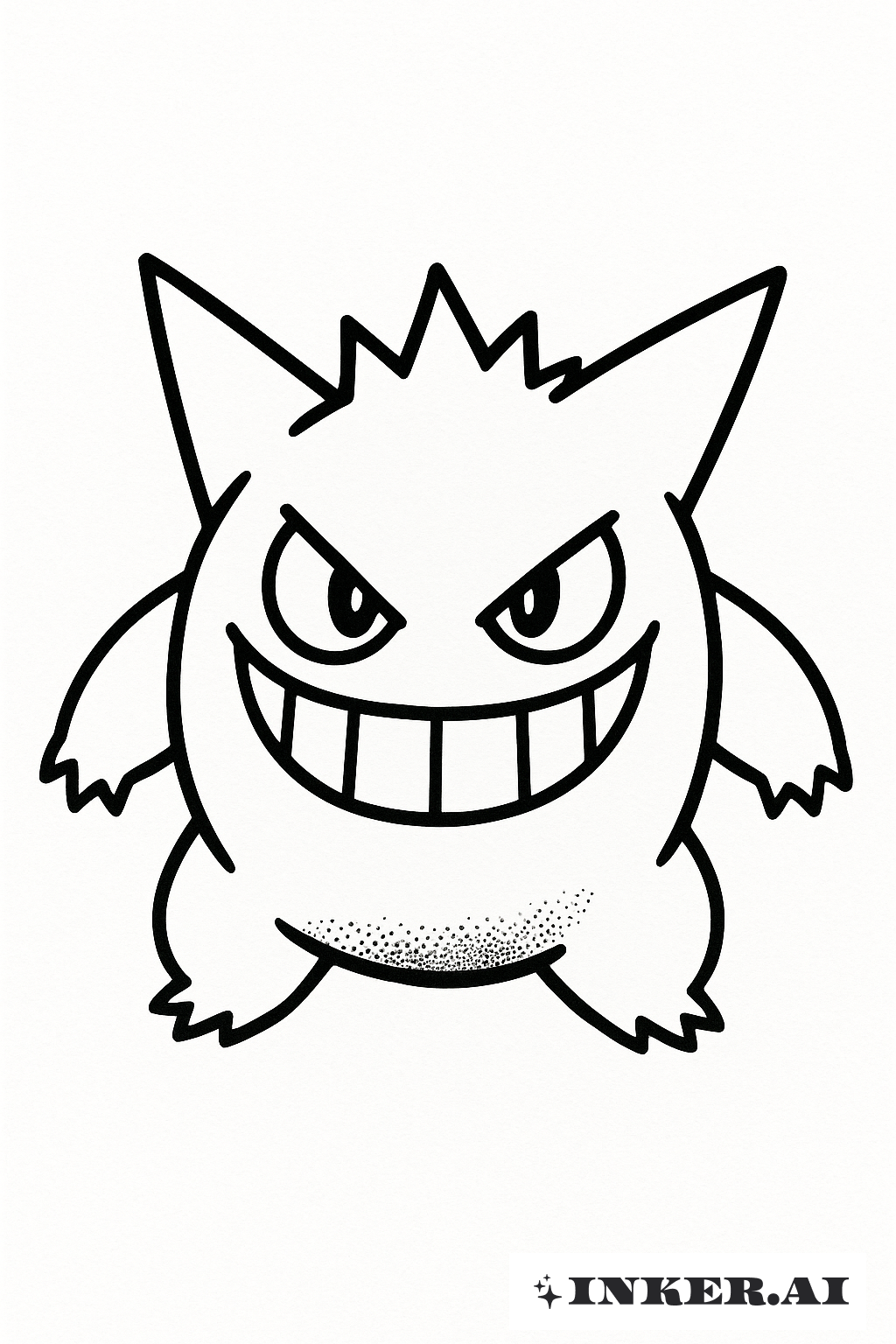
Cultural Meaning Of Gengar As A Mischievous Oni Mask Tattoo Design
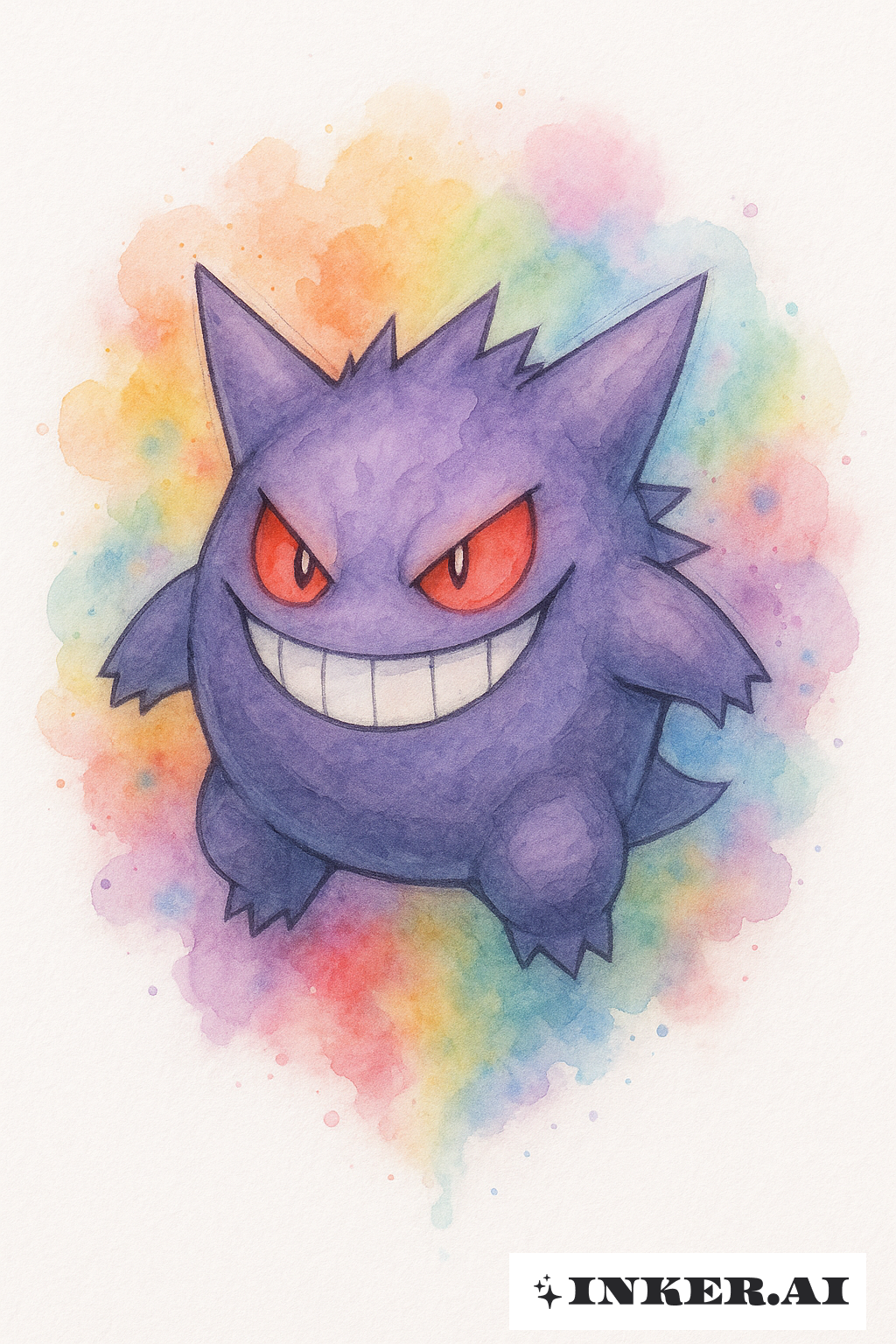
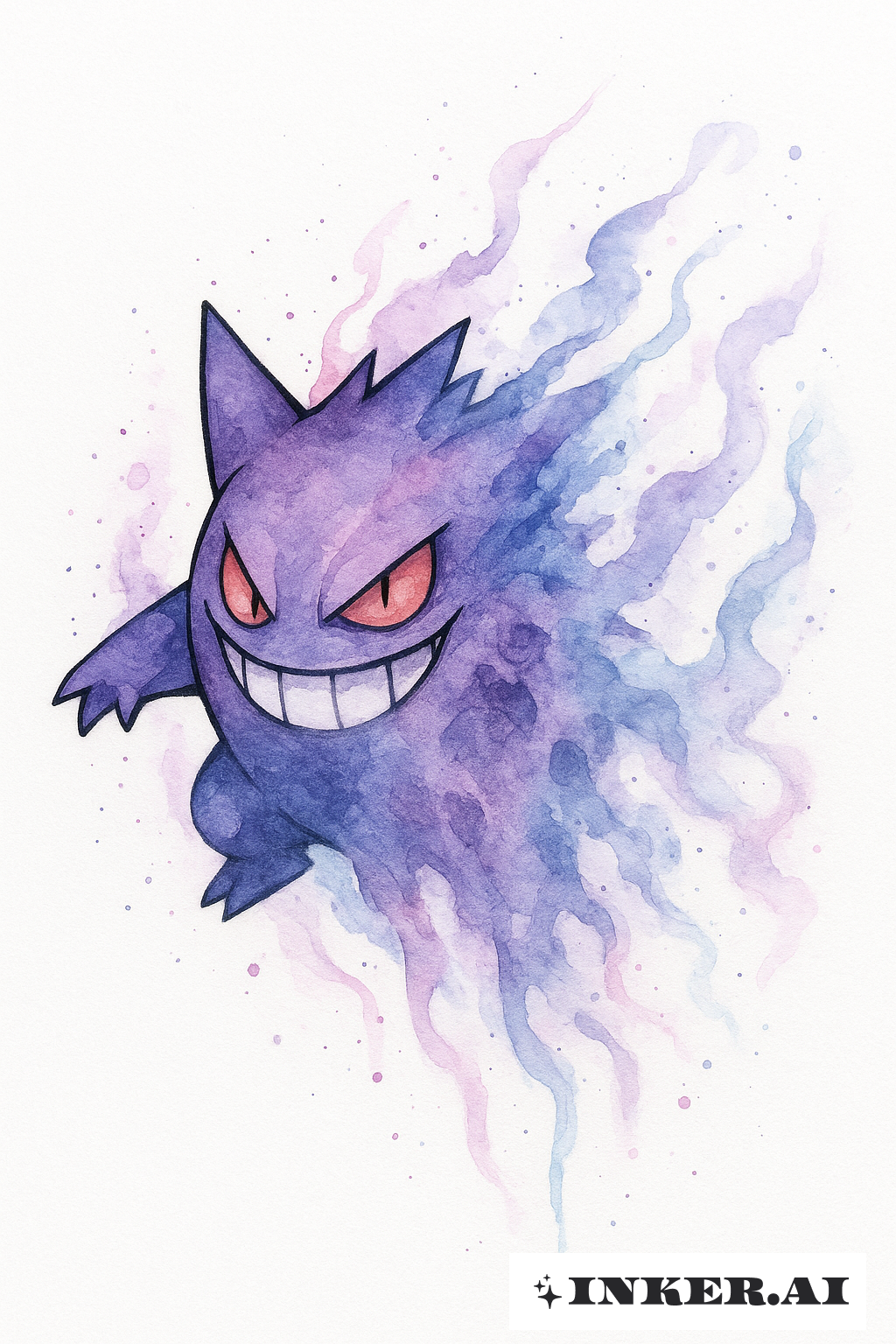
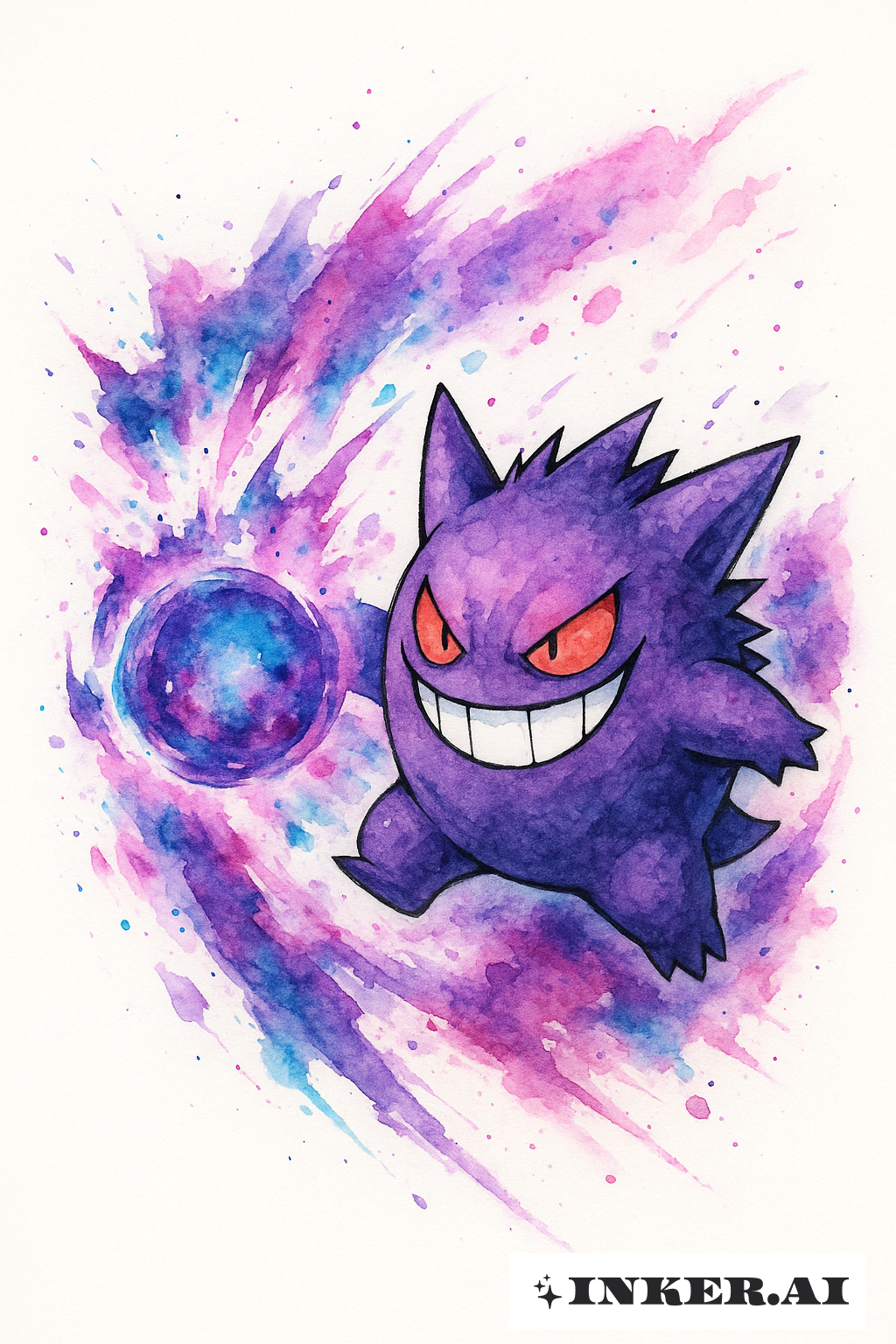
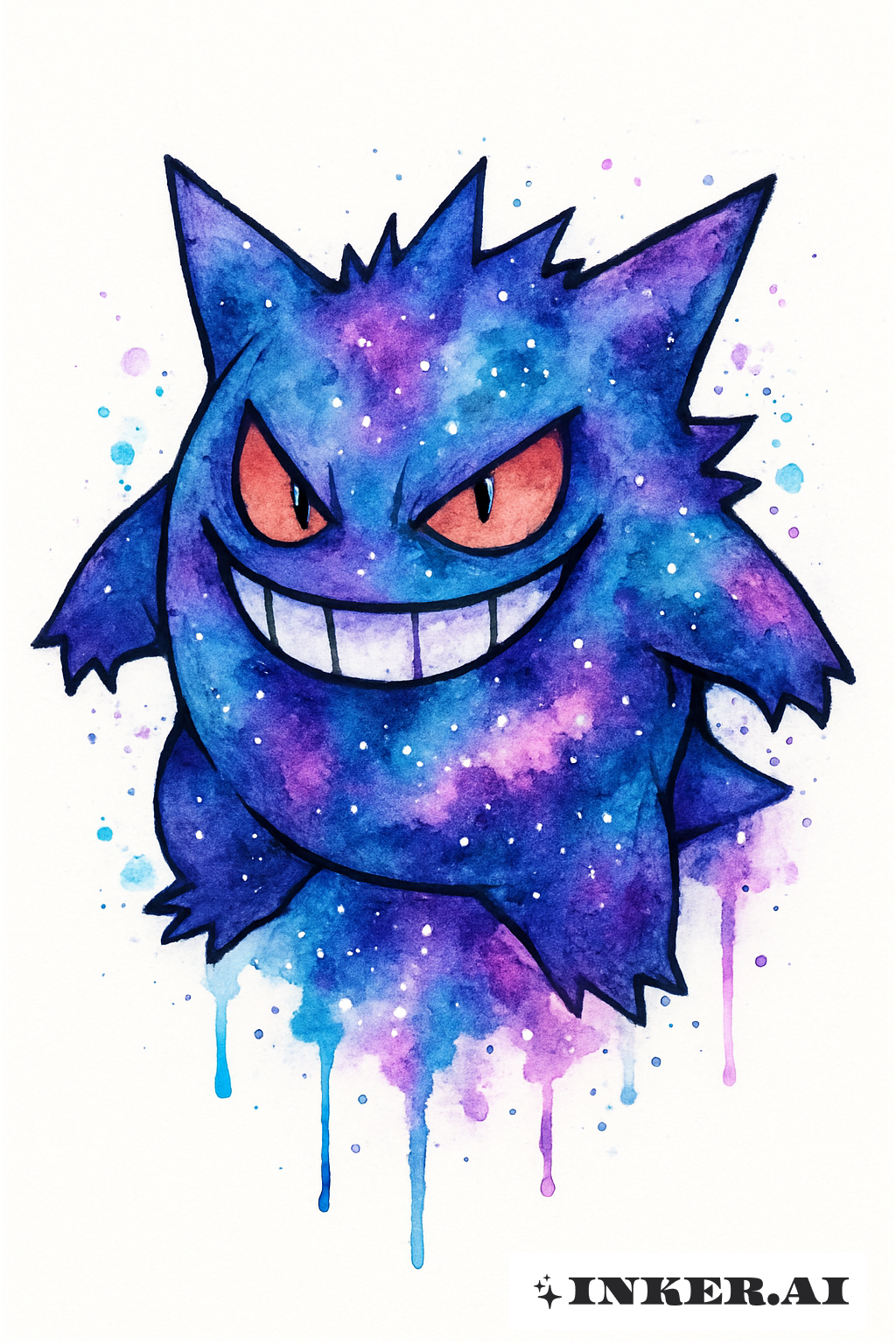
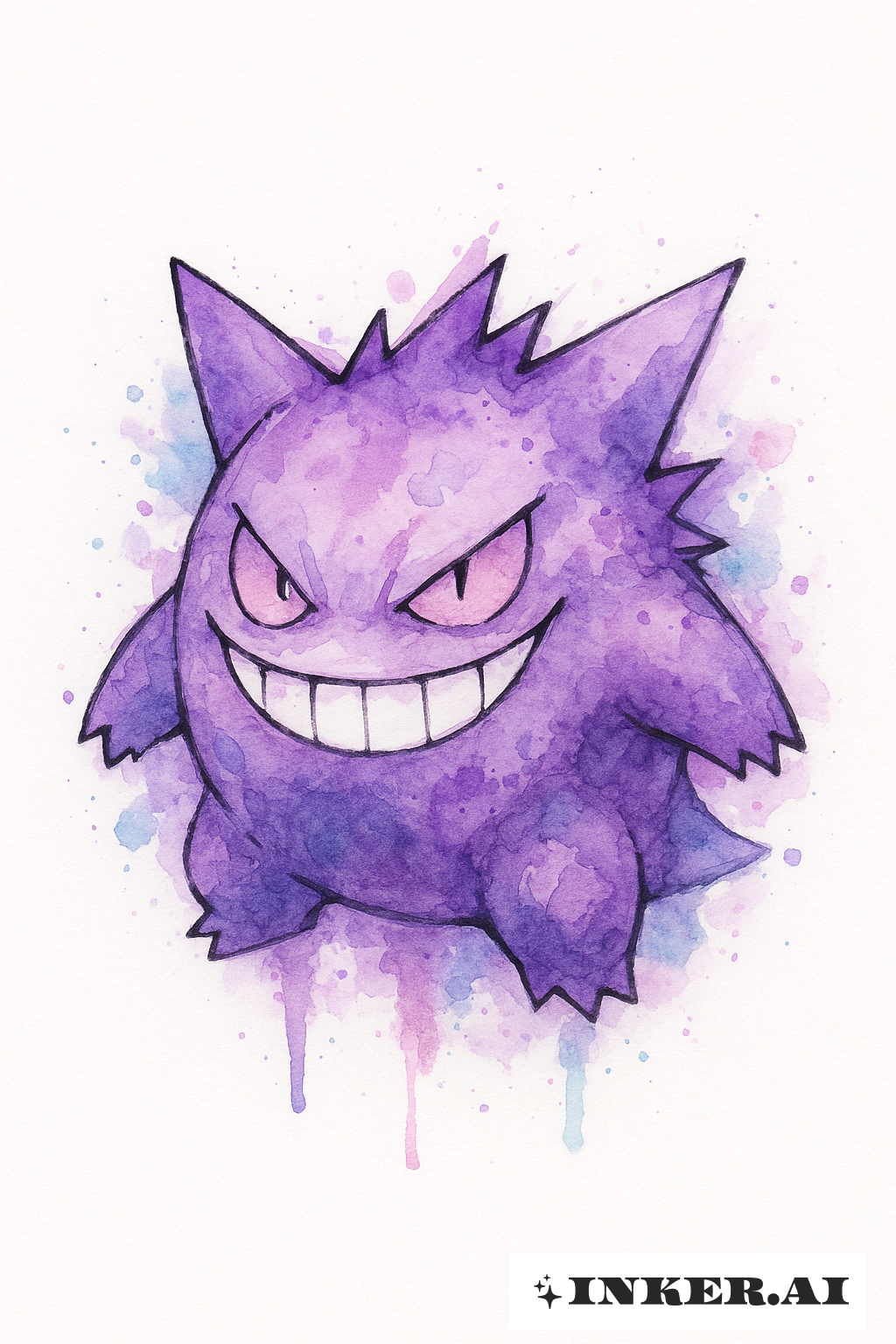
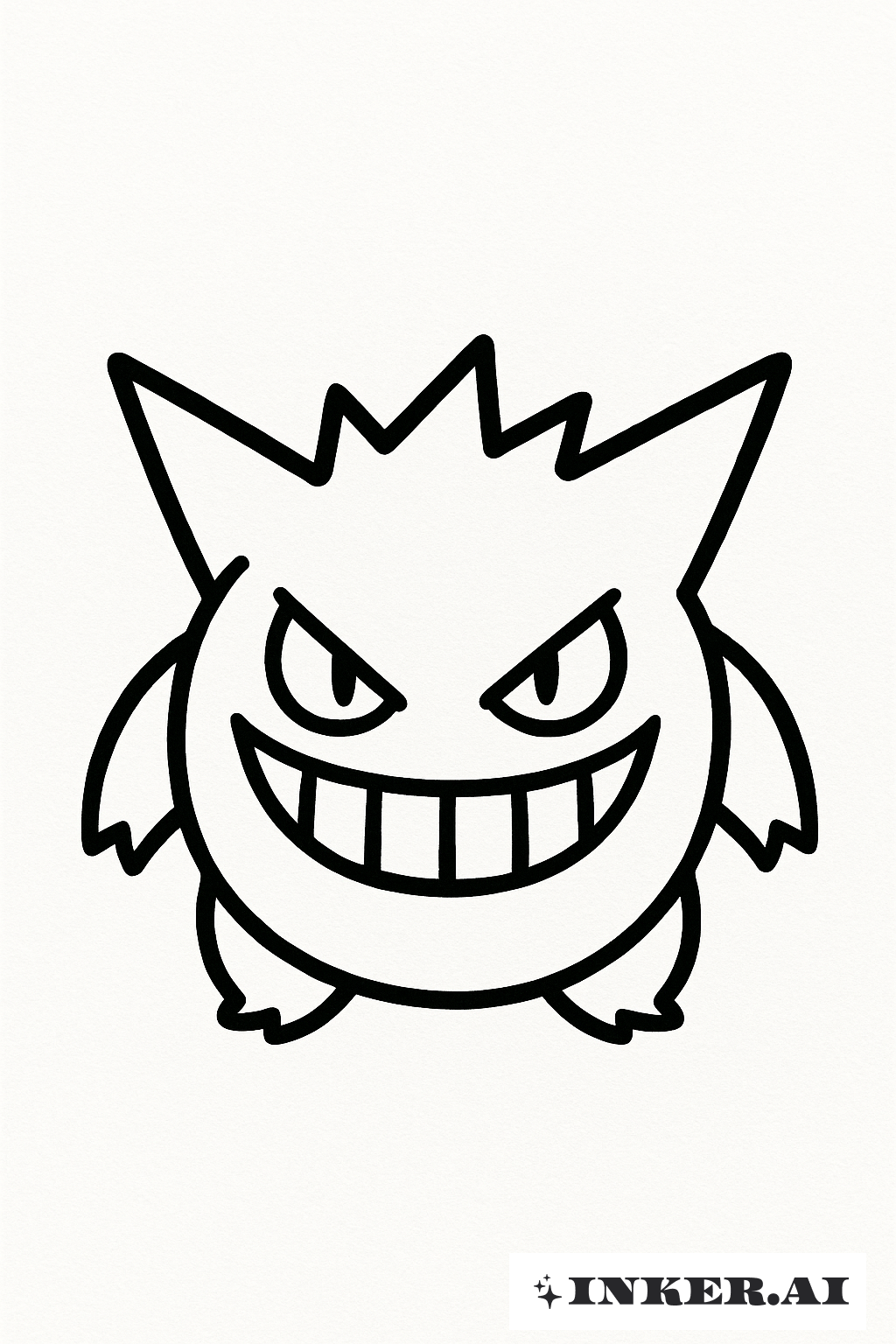
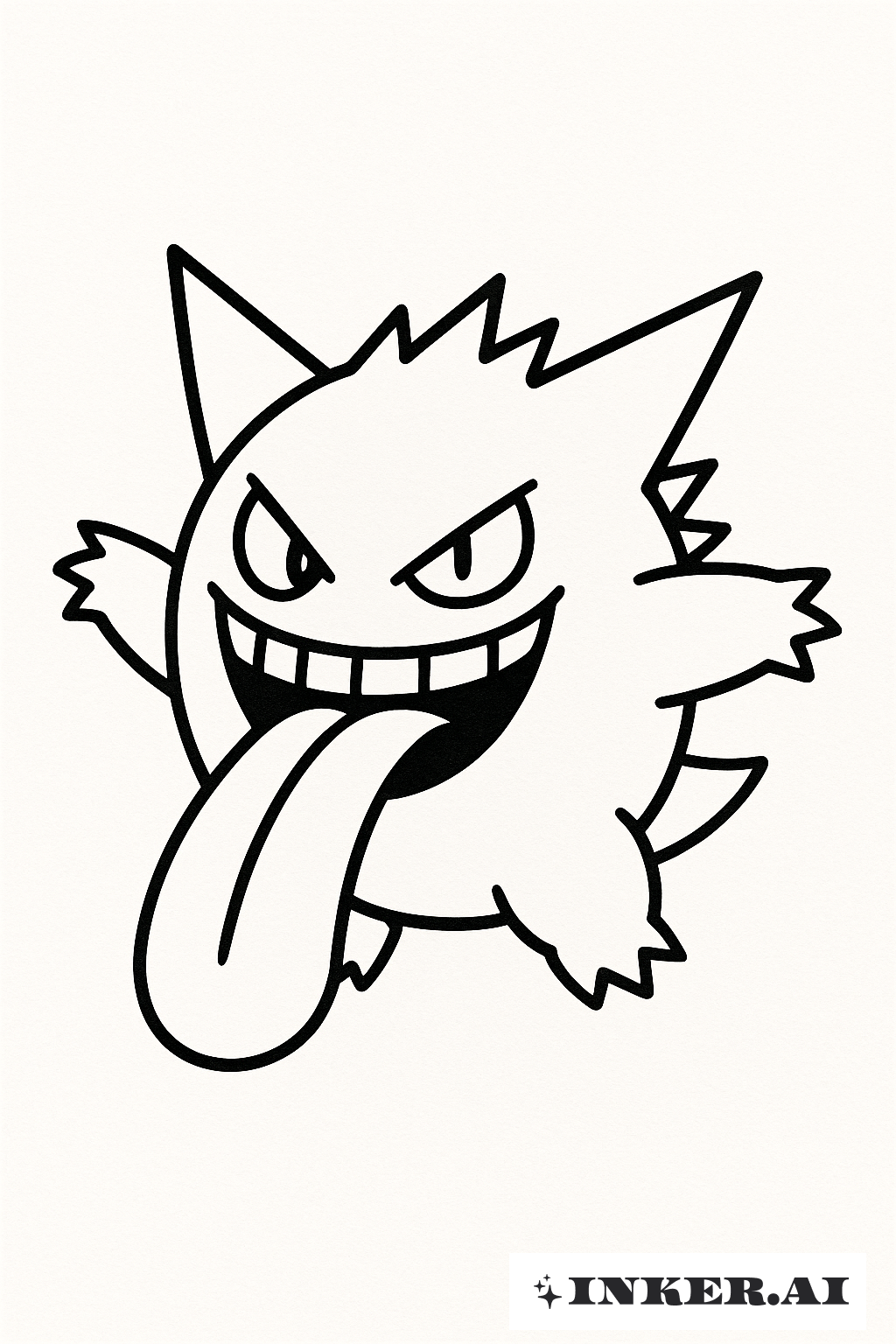
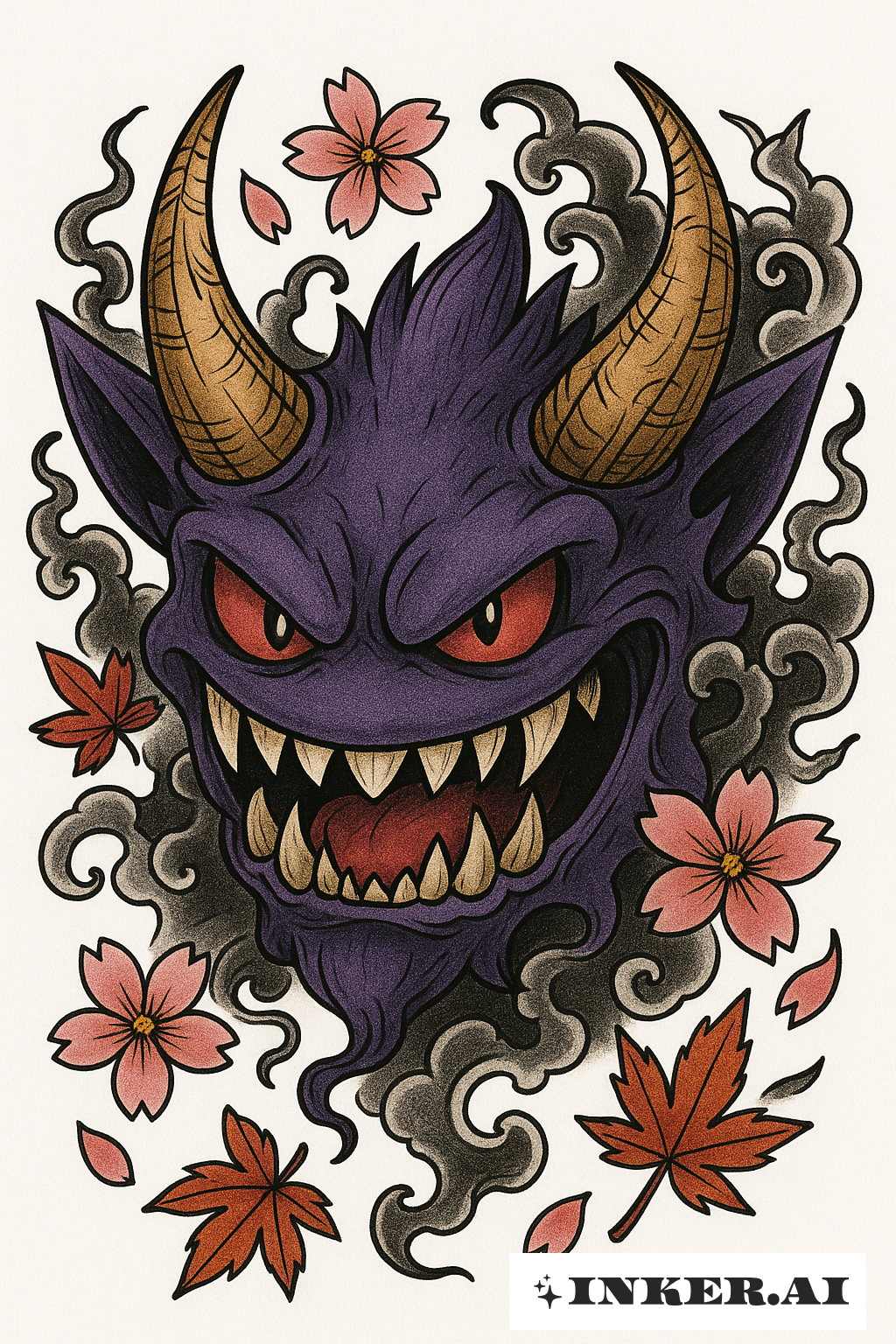
As an oni-inspired mask, this tattoo reflects the balance between mischief, protection, and hidden strength. Gengar is often associated with shadows, surprise, and a playful darkness, while the oni mask traditionally represents formidable supernatural power. Bringing these elements together creates a character that feels both threatening and humorous, suggesting someone who embraces a rebellious spirit without taking life too seriously. The wide grin can symbolize confidence, cleverness, and the ability to face fear with laughter. Dark shading represents mystery and the unseen world, while the purple color introduces individuality, imagination, and an otherworldly charm. The mask-like presentation may also suggest duality: a mischievous exterior concealing deeper emotions or personal resilience. In a Japanese tattoo style, the oni influence gives the image a bold cultural framework, transforming a familiar Pokémon character into a dramatic emblem of protection and playful defiance. For collectors exploring Gengar tattoo ideas, this design can represent comfort with the unconventional, a fascination with supernatural folklore, or a reminder to keep a mischievous spark alive. Its expressive face makes the symbolism immediate, while the fusion of modern pop culture and traditional imagery gives the tattoo a personal, layered meaning.
Design Inspiration Of Gengar As A Mischievous Oni Mask Tattoo Design
The concept draws inspiration from the visual language of Japanese oni masks and the mischievous personality of Gengar. Its exaggerated grin, pointed features, dramatic shadows, and compact mask-like composition merge folklore-inspired intensity with recognizable character design. The contrast between playful expression and sinister styling creates an intriguing tension, while saturated purple color gives the piece a supernatural identity. The result is a bold interpretation that feels theatrical, rebellious, and distinctly personal.