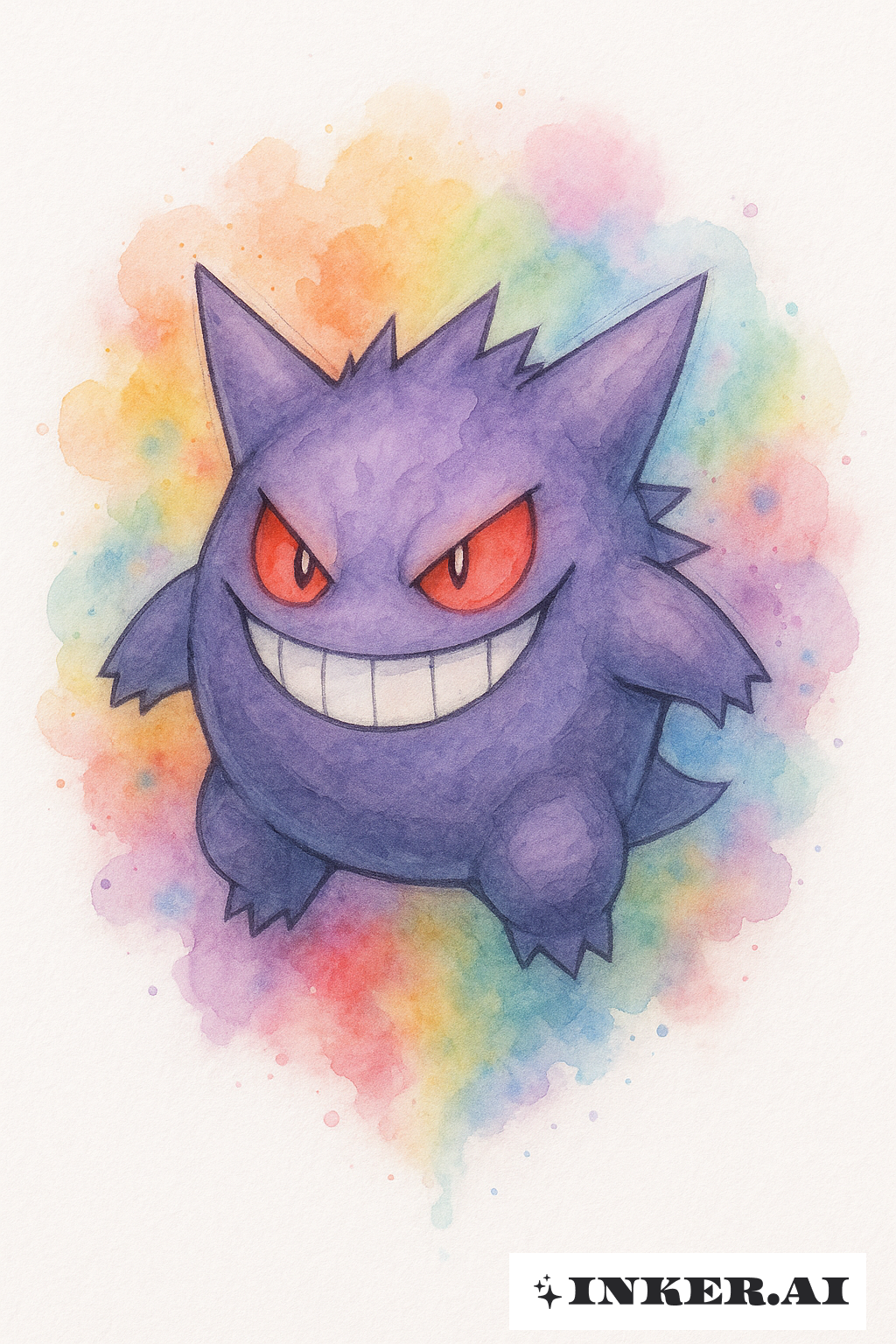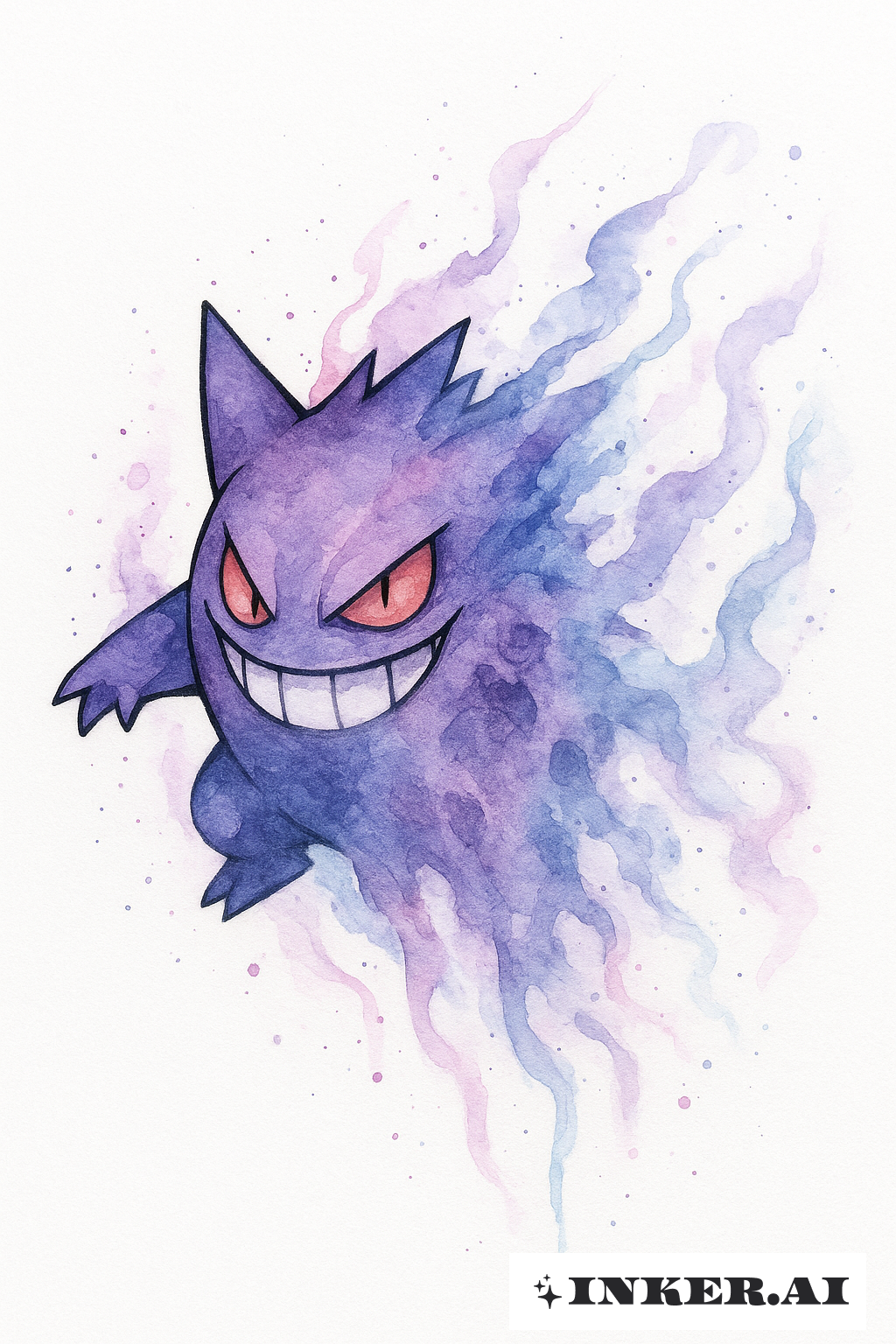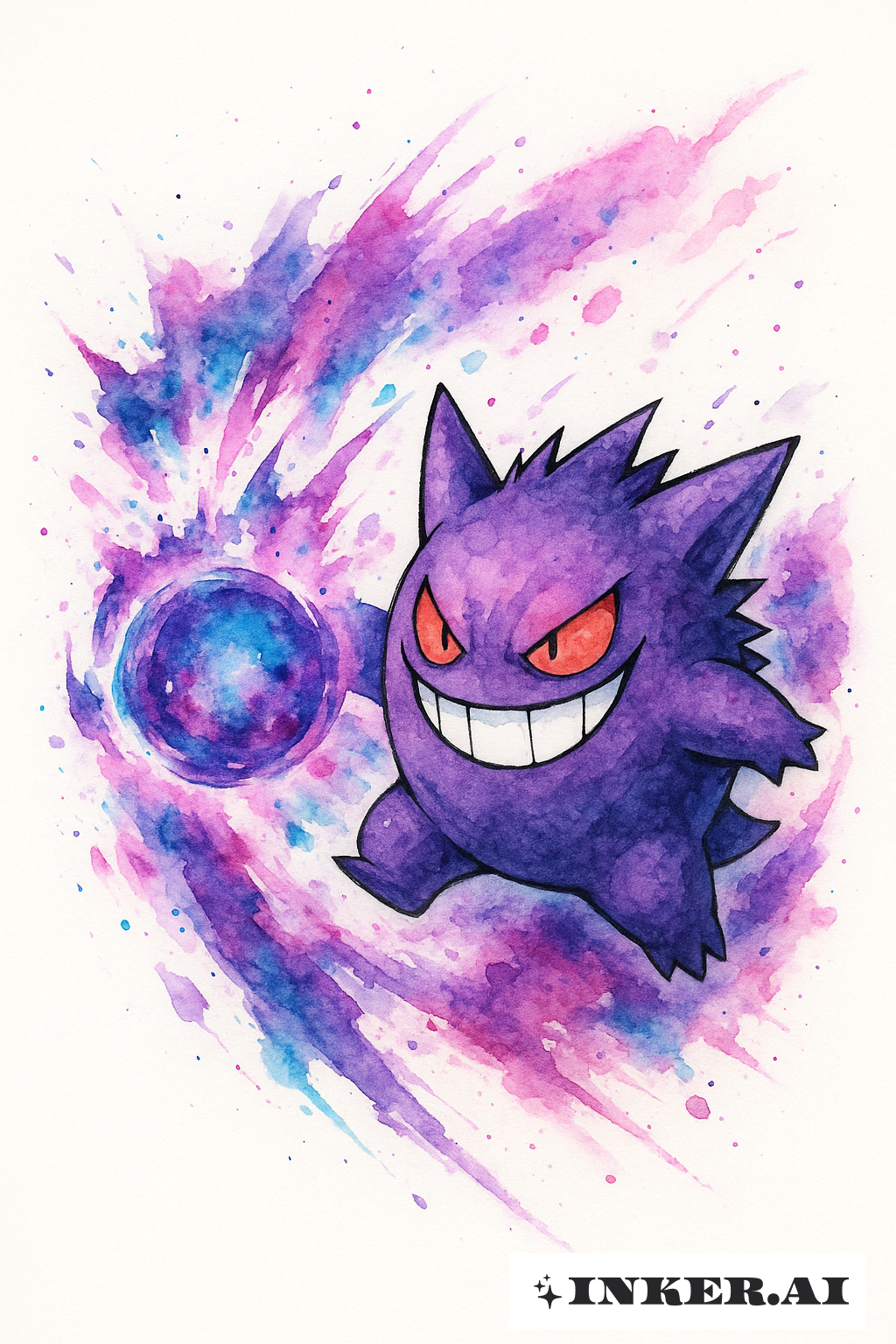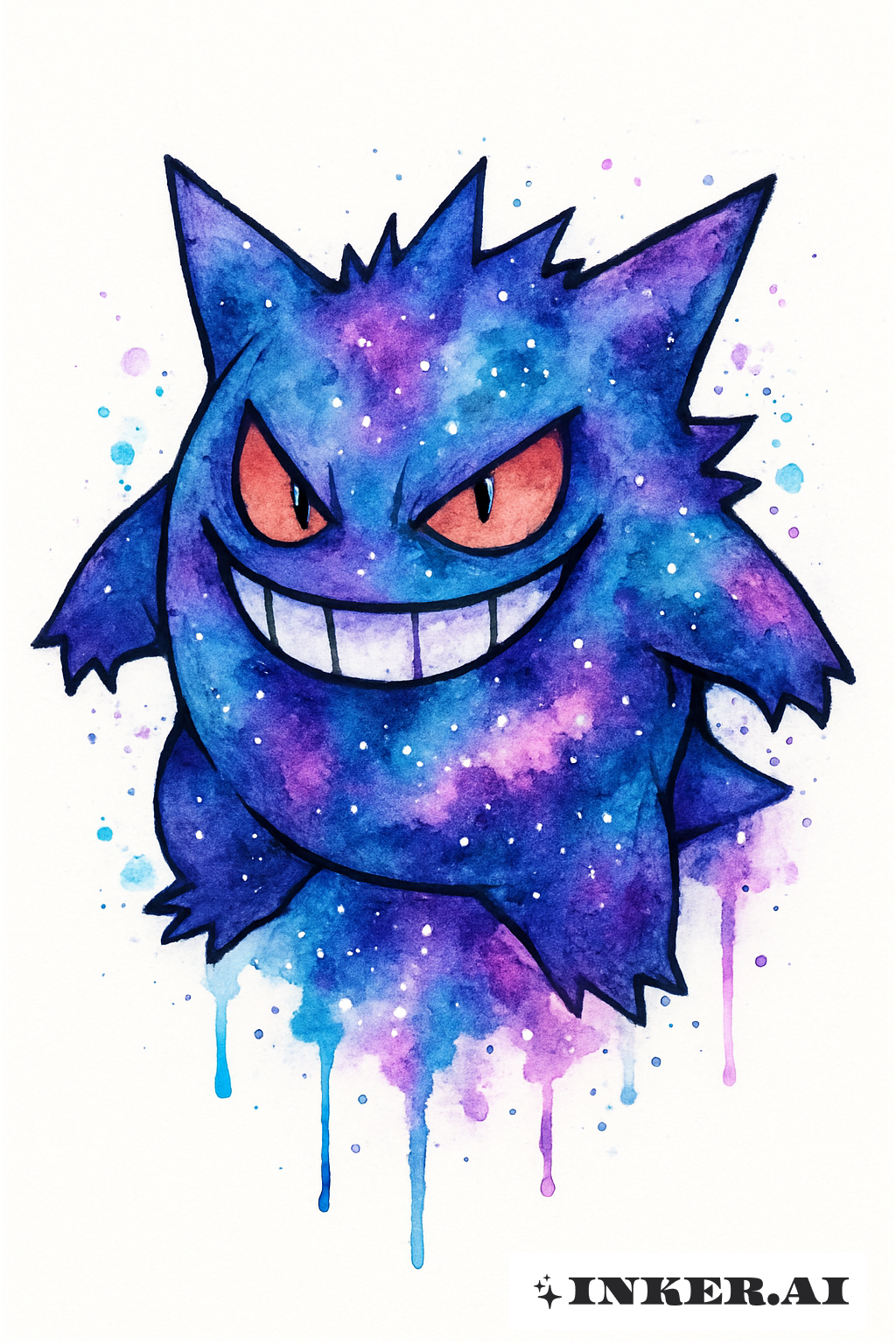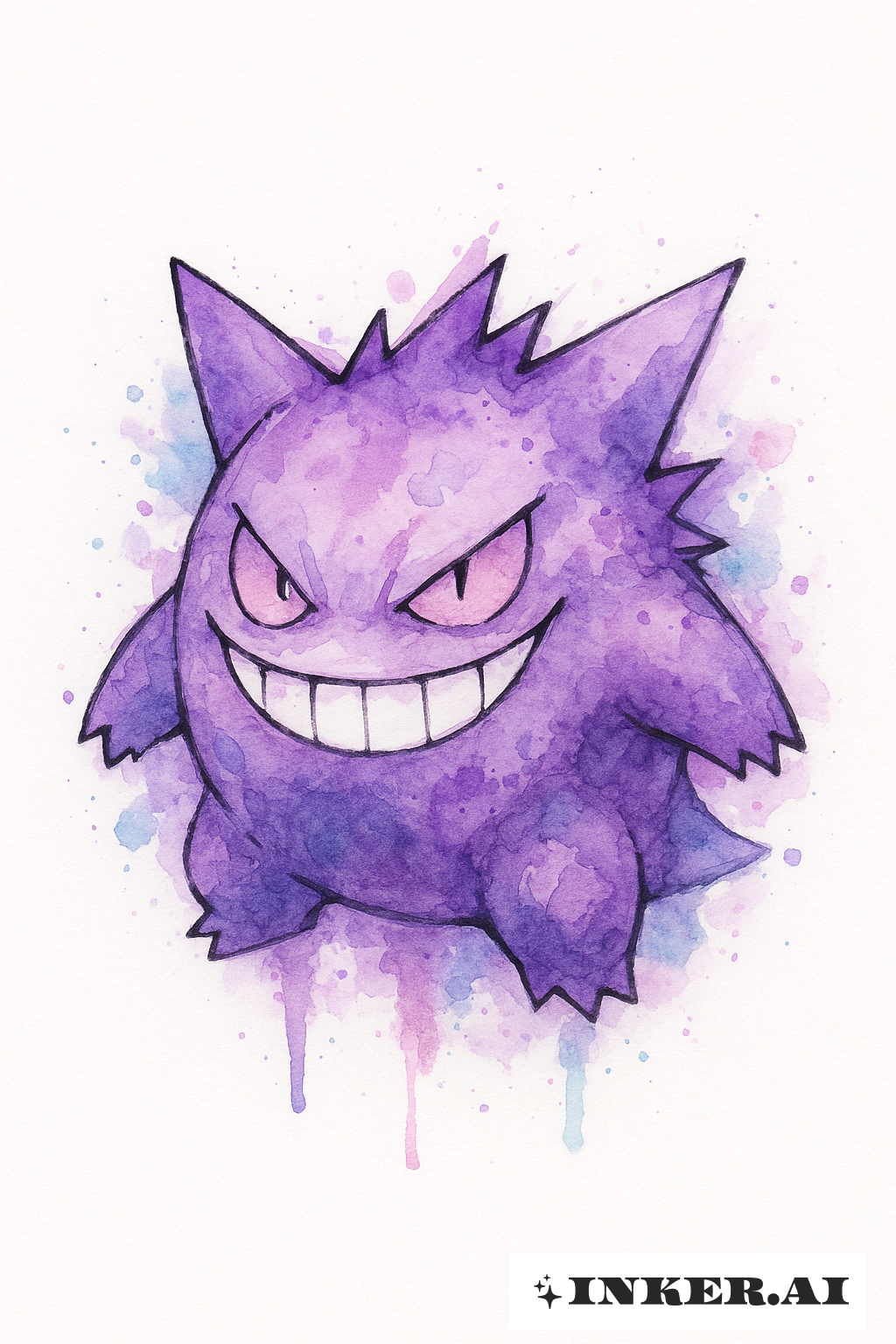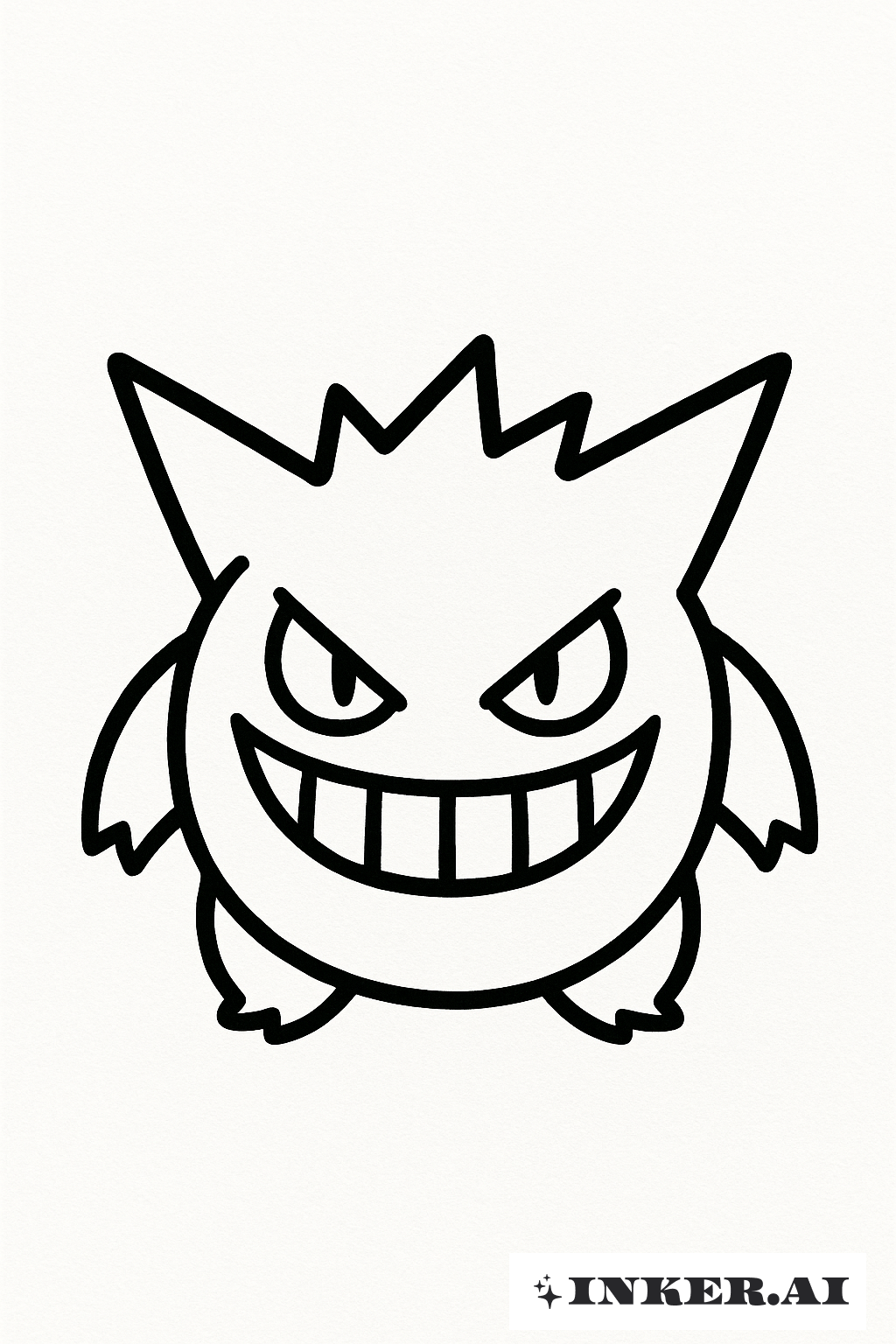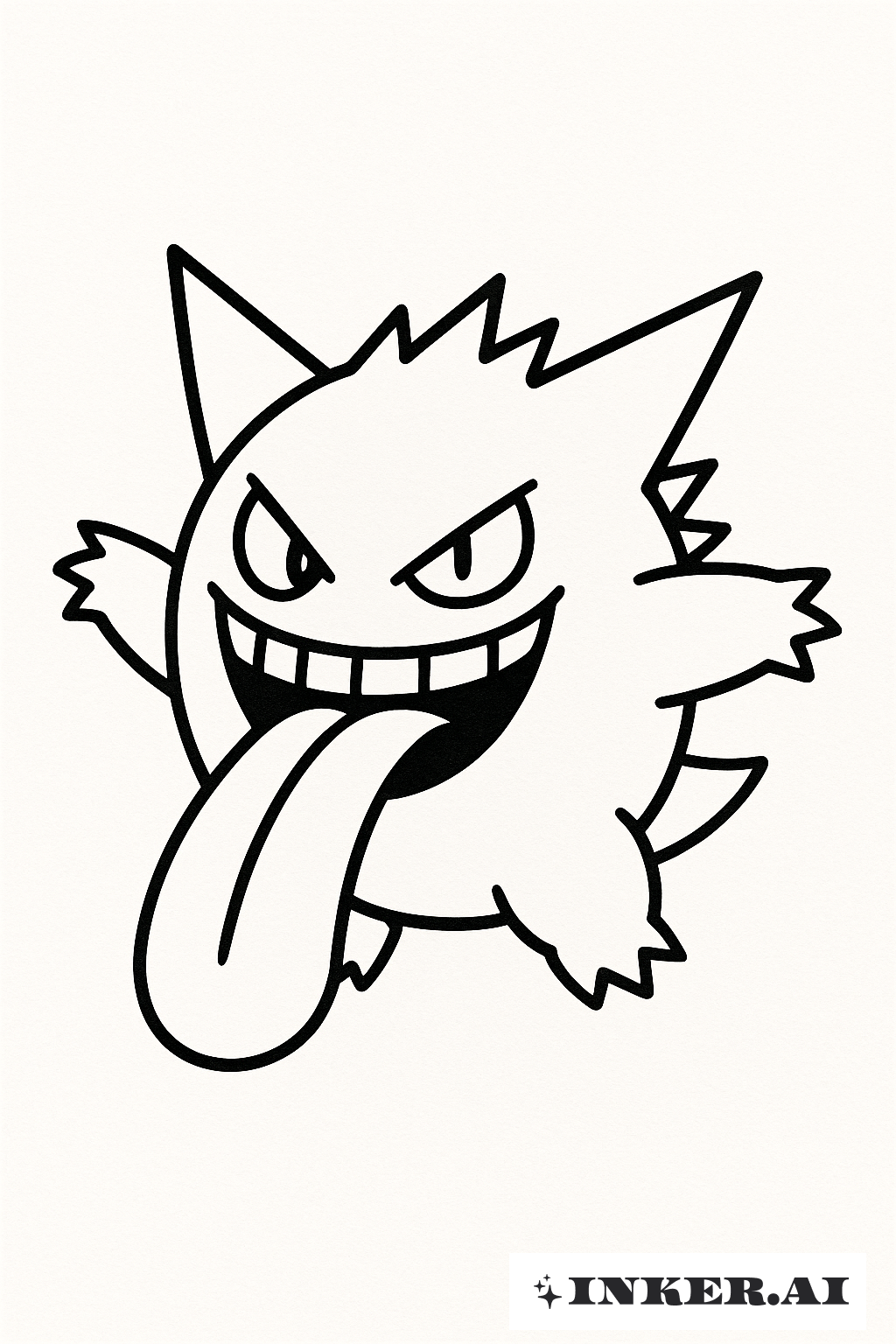
Cultural Meaning Of Gengar As A Japanese Yokai Spirit Tattoo Design
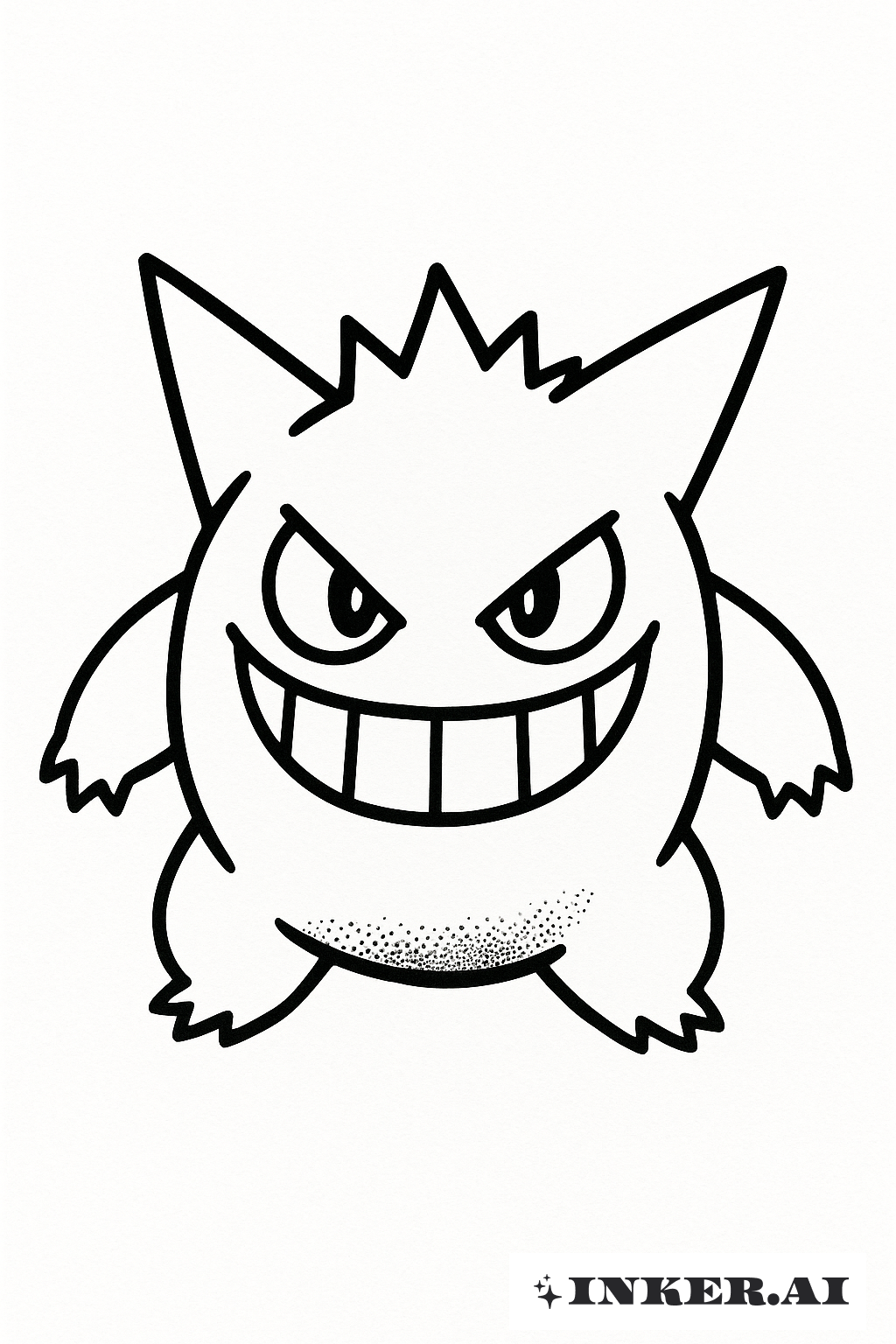
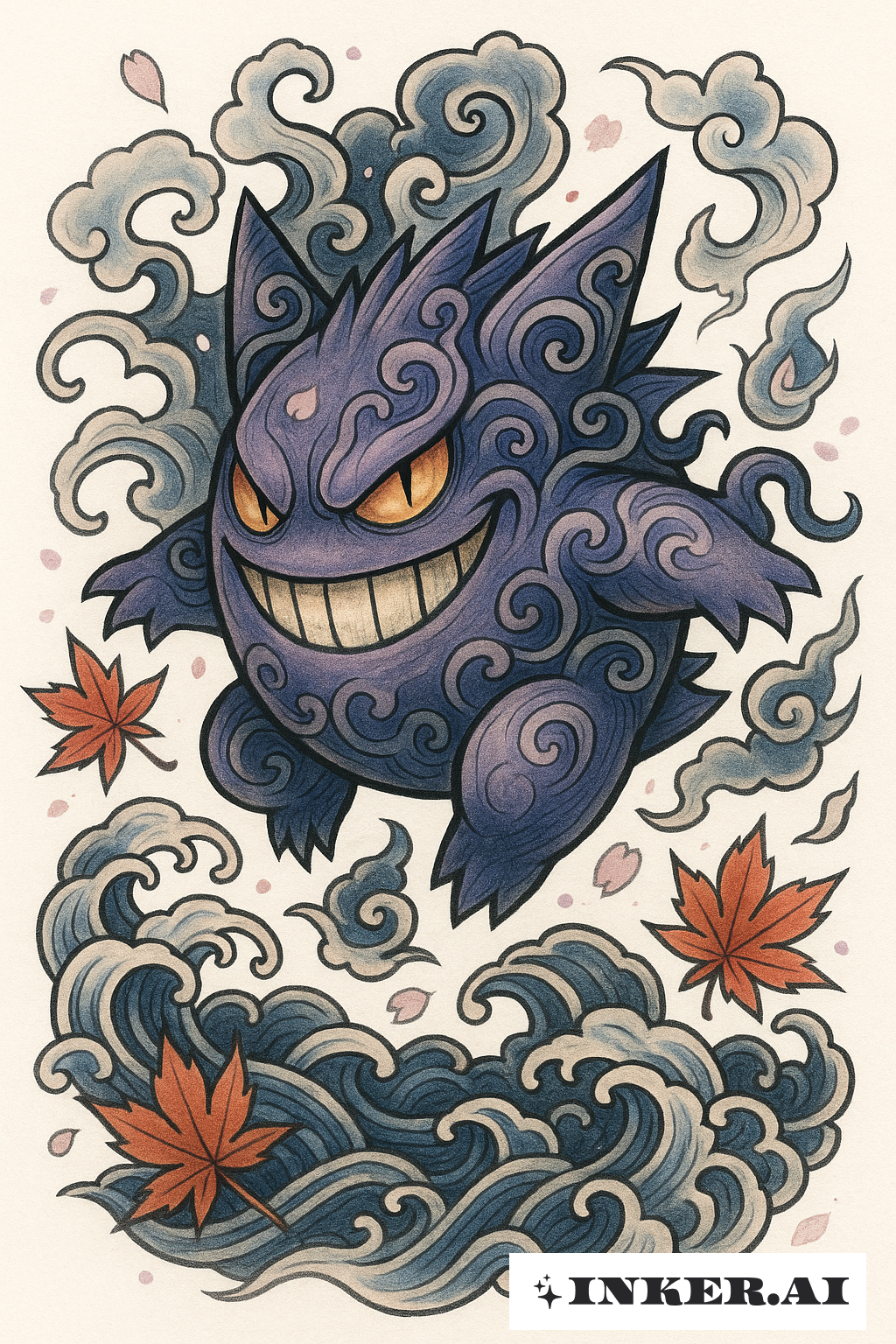
Drawing from yokai iconography, the piece blends playful menace with ancestral reverence. The grin acts as a liminal signal—both inviting mischief and warning of otherworldly power—while the surrounding mist marks the boundary between the living and spirit realms. The crescent moon and torii evoke nocturnal crossings and shrine thresholds; maple leaves and ephemeral cloud lines remind the viewer of life's shifting seasons. Rendered in a manner tied to Japanese tattoo style, the artwork references ukiyo-e spirit prints and classical shrine imagery, translating folklore's visual language into skin art. The use of deep purples and stark blacks suggests shadow and depth, whereas occasional reds punctuate intent, be it protection or provocation. As Gengar tattoo ideas go, this interpretation reframes a modern pop figure as a timeless yokai—an emblem of transformation, trickery, and the coexistence of humor with latent danger—making it a meaningful choice for collectors who value narrative symbolism alongside aesthetic impact.
Design Inspiration Of Gengar As A Japanese Yokai Spirit Tattoo Design
Inspiration for this piece comes from a convergence of traditional Japanese folklore and contemporary character design. The artist studied ukiyo-e prints and yokai etchings for posture and negative-space techniques, then layered modern animation silhouettes to preserve recognizability. Sumi ink textures and woodblock grain informed the shading approach, while selective color accents were chosen to highlight focal points without overwhelming the composition. The goal was to honor classical craft—its rhythm, repetition, and shadow work—while translating a playful, mischievous figure into a talismanic form that reads clearly on skin at varying scales.