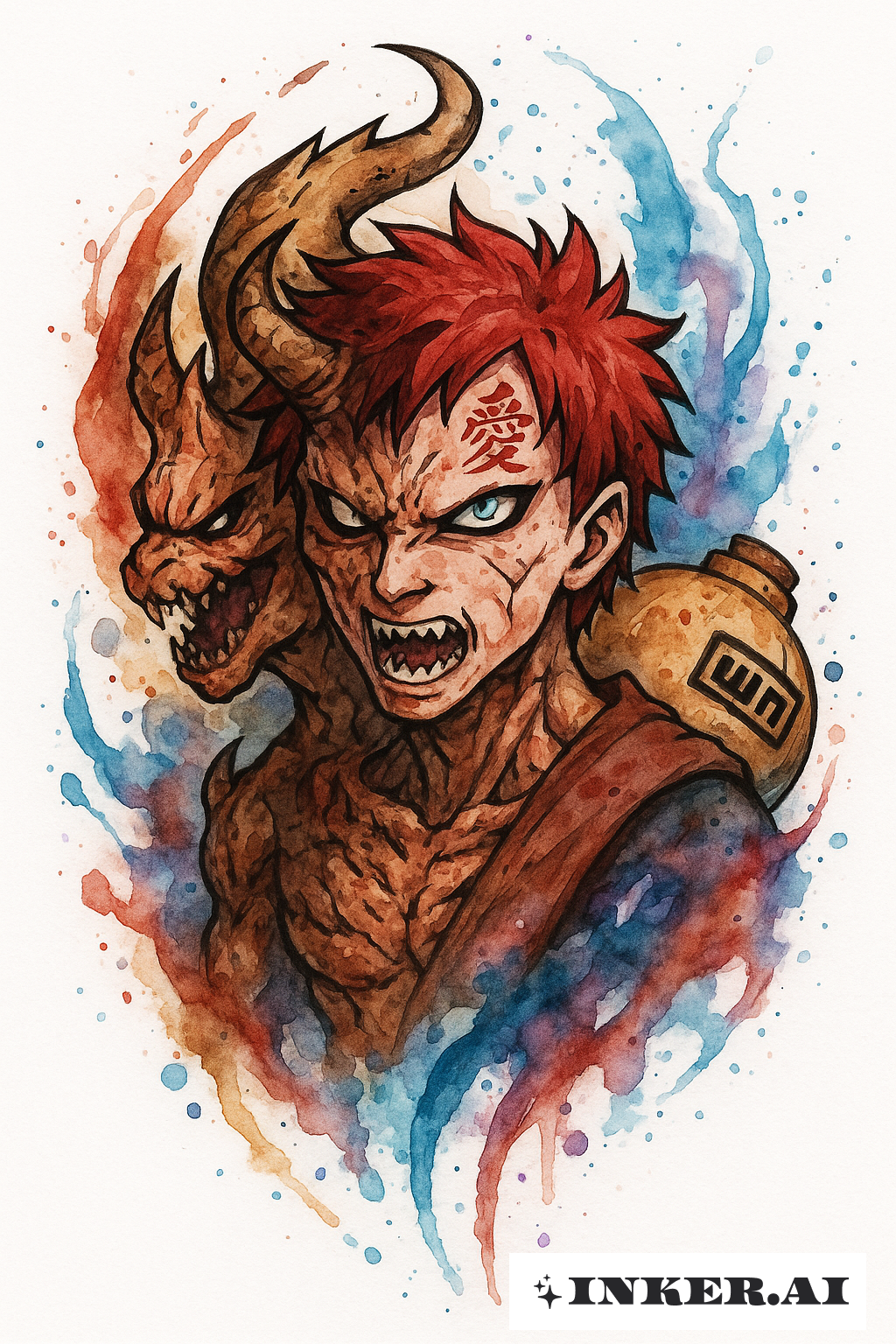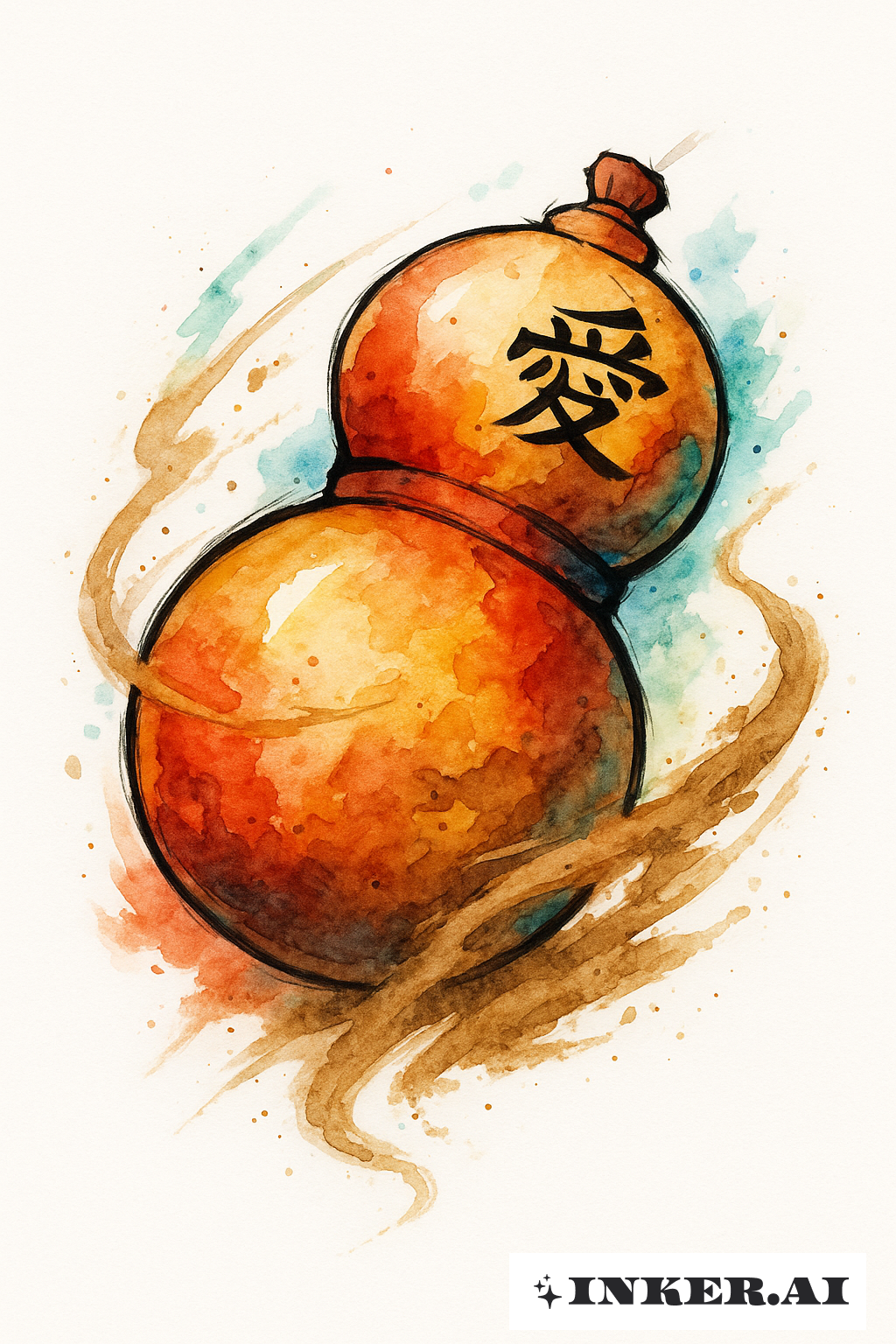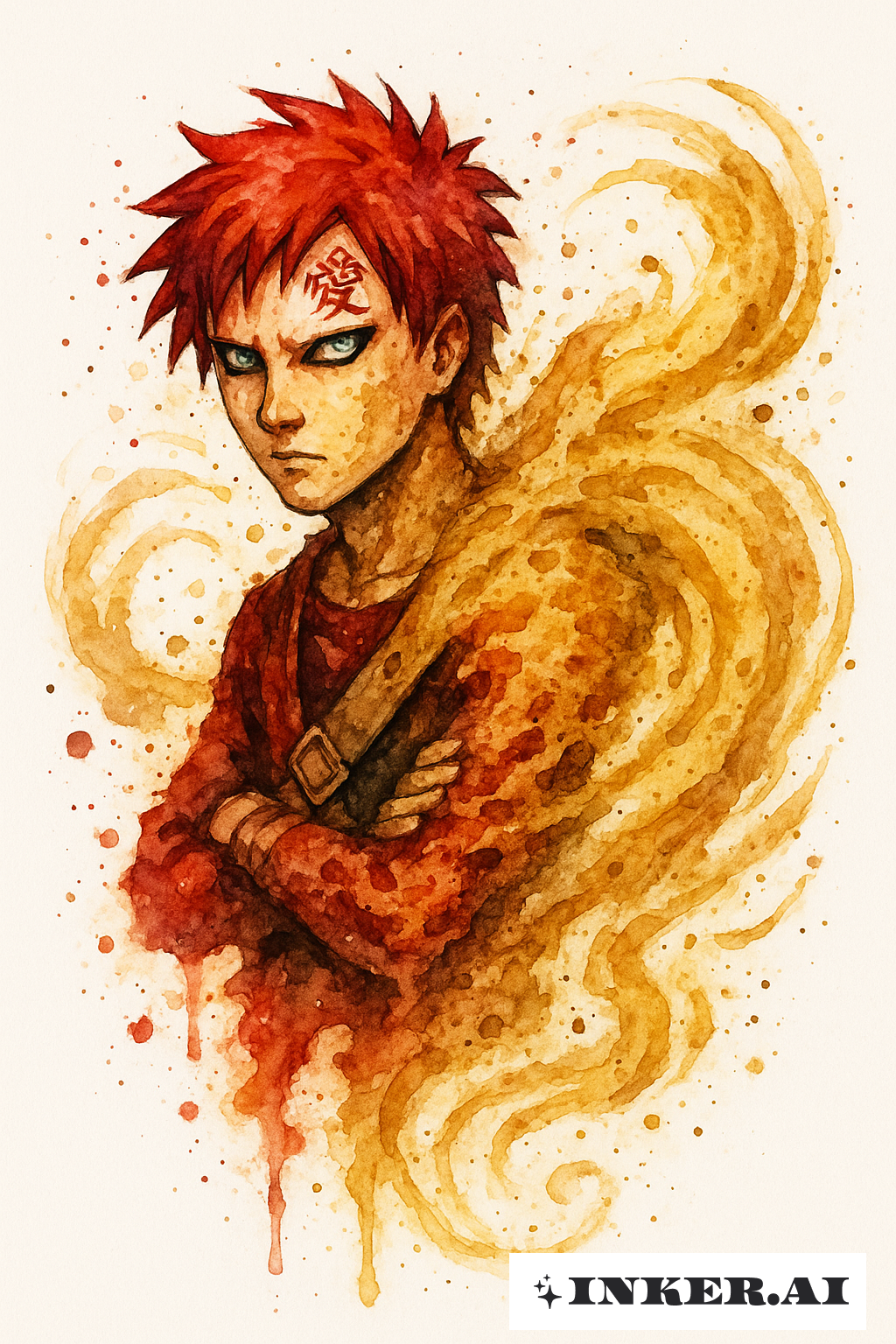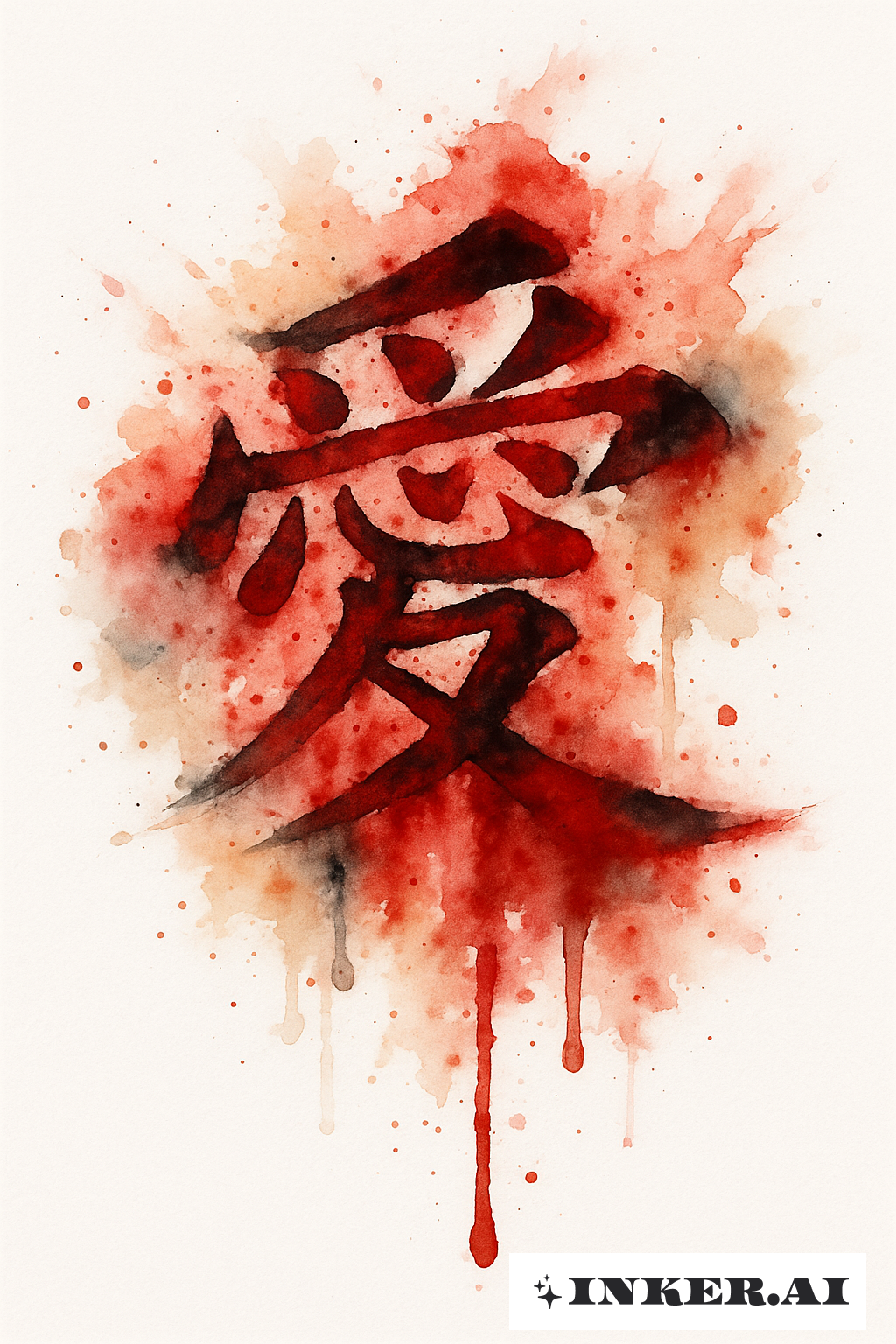
Cultural Meaning Of The Unloved Gaara And His Sand Tattoo Design
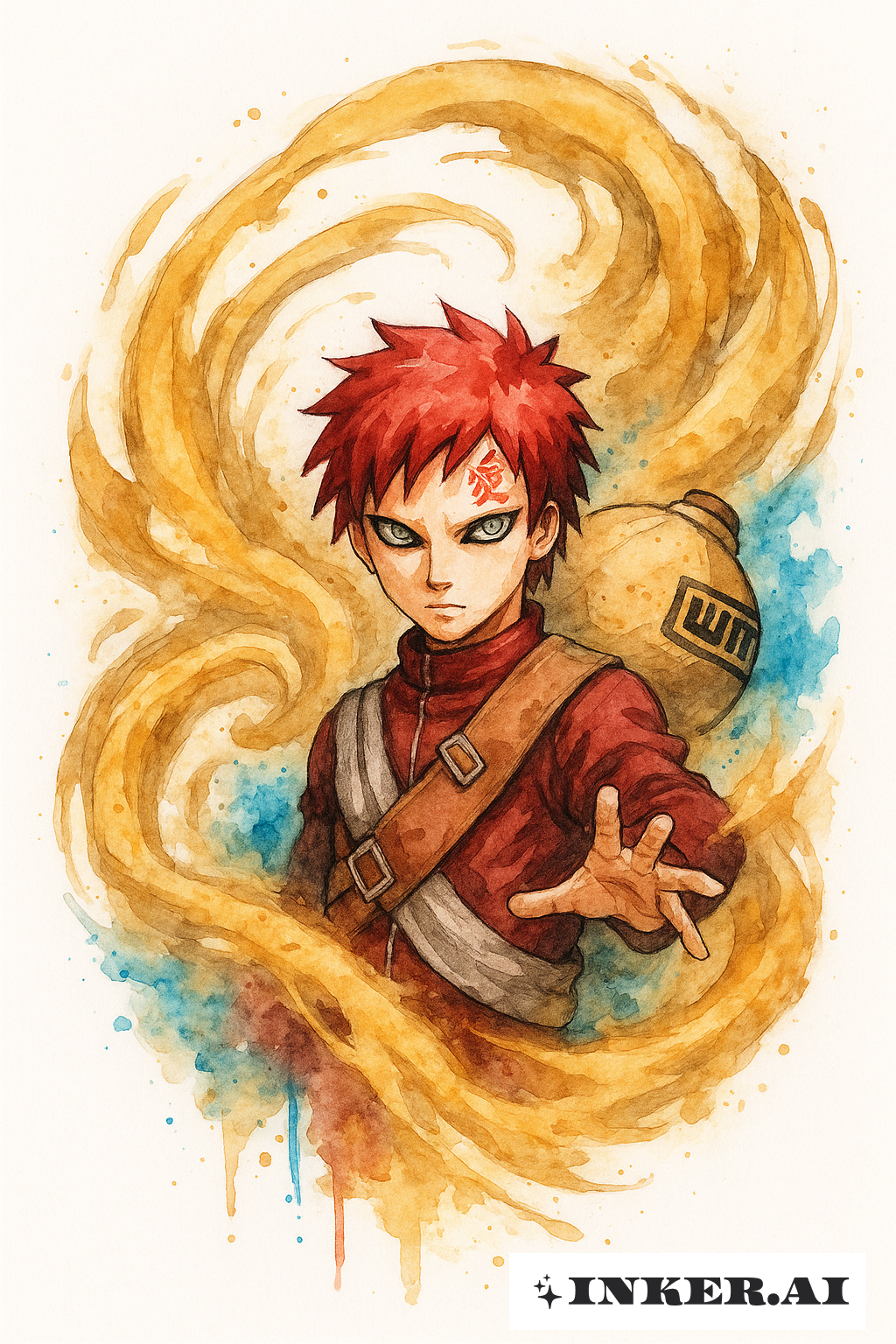
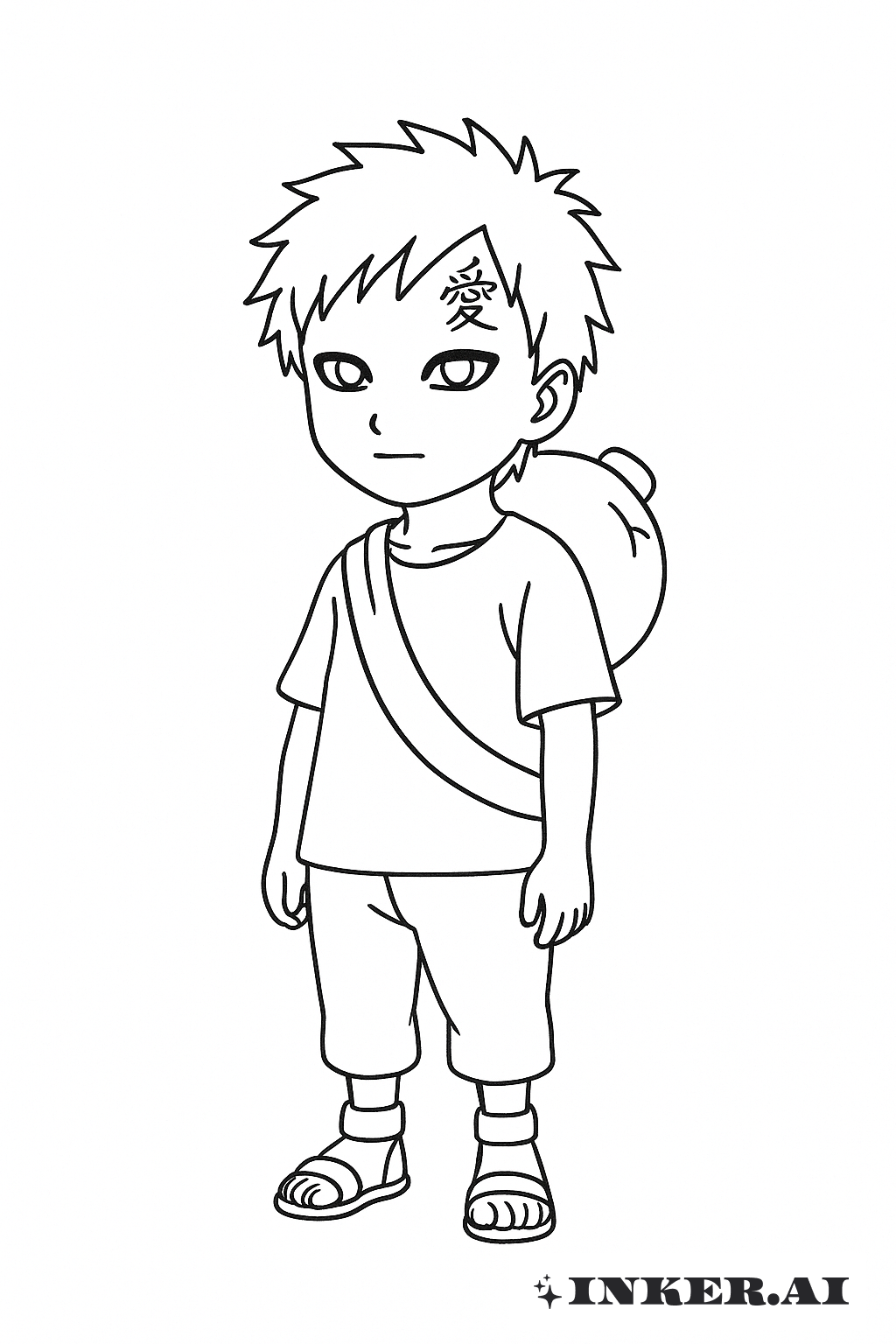
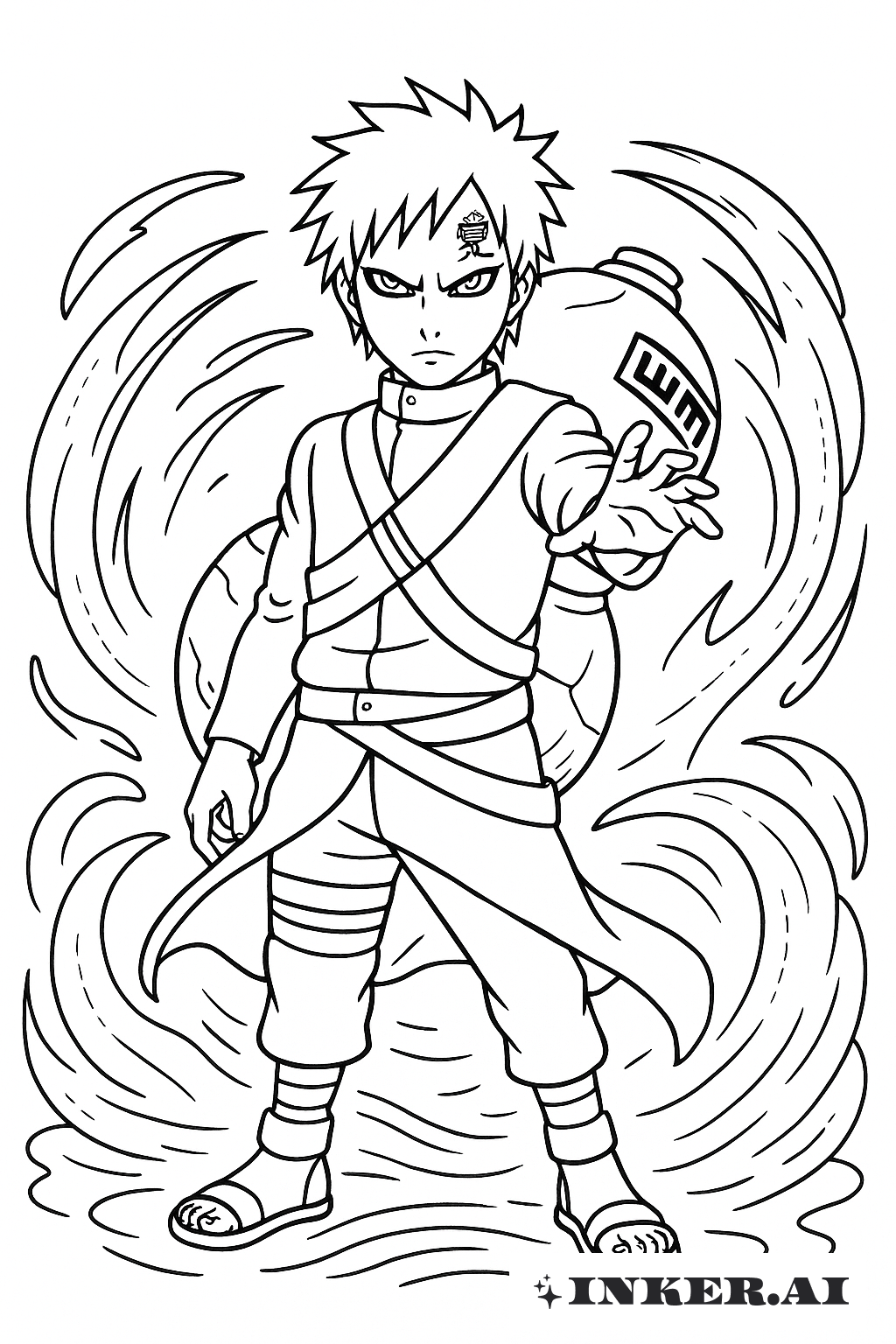
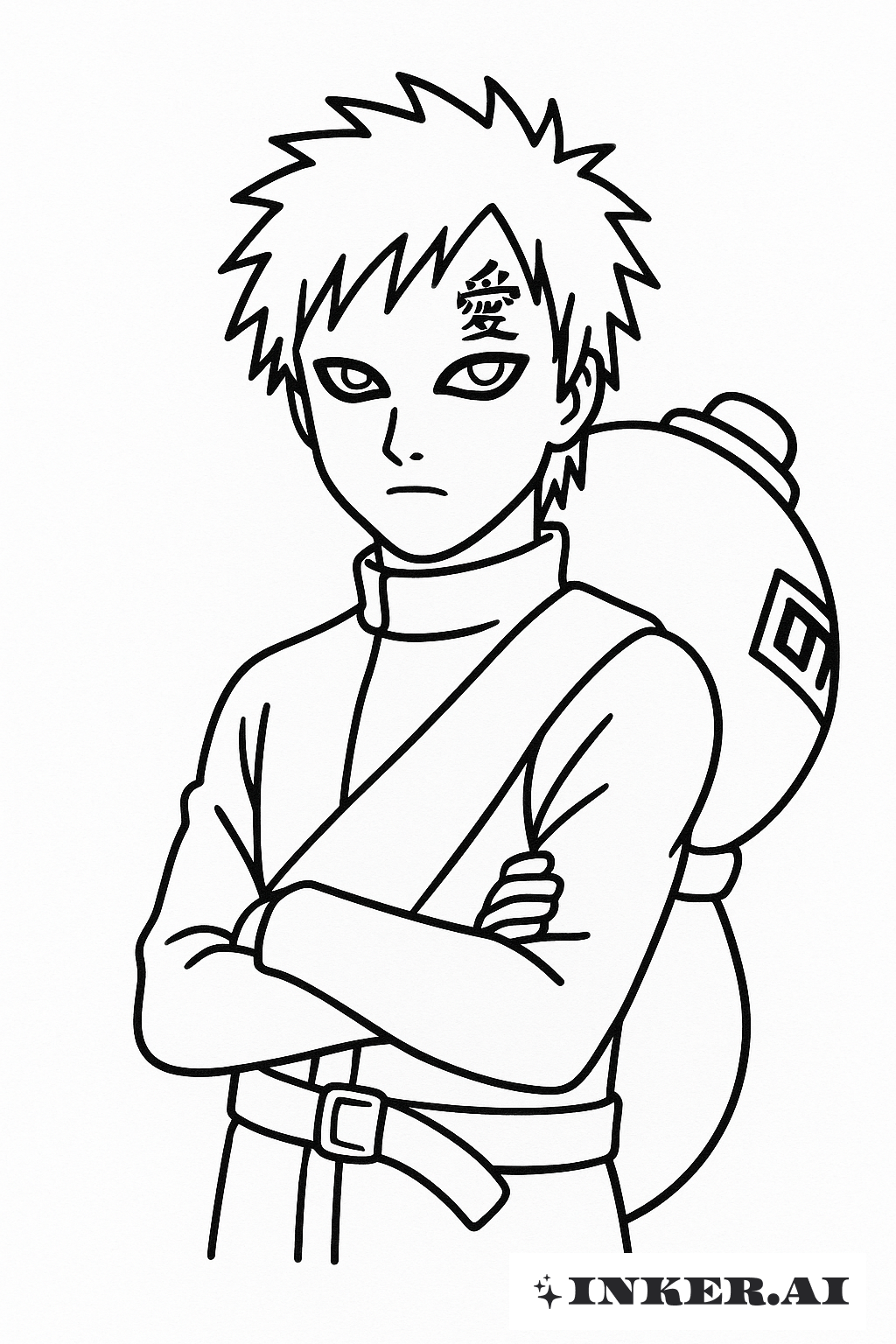
At its core this tattoo evokes themes of isolation, protection, and inner conflict. The swirling sand functions as both armor and prison—an external manifestation of the character’s emotional defenses that simultaneously shields and separates him from others. The teardrop and downcast gaze signal sorrow and a yearning for acceptance, while the roses framing the figure introduce a softer counterpoint: beauty that exists despite hardship. The heavy outlines and simplified palette recall a long tradition of visual shorthand that communicates resilience and identity at a glance. For fans, the image serves as a reminder that strength can arise from pain, and that solitude doesn’t erase the need to be seen. By blending iconic imagery with bold, symbolic motifs, the piece uses the visual grammar of American Traditional tattoo style to tell a personal story, and the inclusion of Gaara tattoo ideas anchors it in a specific narrative source without losing universal resonance.
Design Inspiration Of The Unloved Gaara And His Sand Tattoo Design
The concept draws from vintage flash sheets and manga paneling, aiming to distill a complex character into one potent emblem. Inspiration came from old-school tattoo books, where heavy lines and limited palettes create instantly readable emotion, combined with the dynamic motion of sand in animation. The goal was to balance nostalgia with narrative clarity: make every grain and fold of sand carry feeling, let the face hold the history, and use floral and wave motifs to frame the story so it reads from across the room. It’s a study in contrast—hard edges versus flowing forms, solitude versus ornamentation.