Cultural Meaning Of Gaara's One-Tailed Shukaku Form Tattoo Design
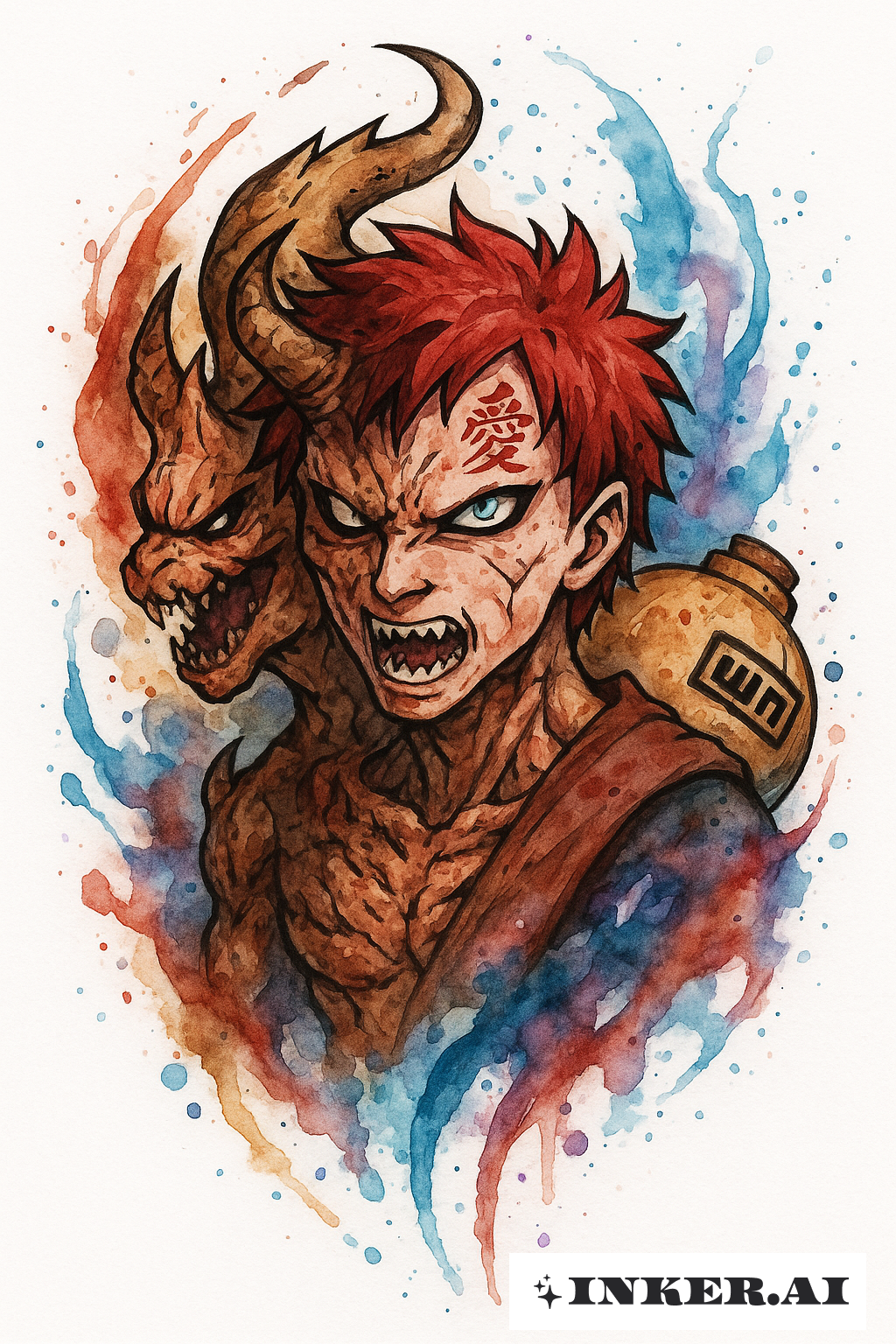
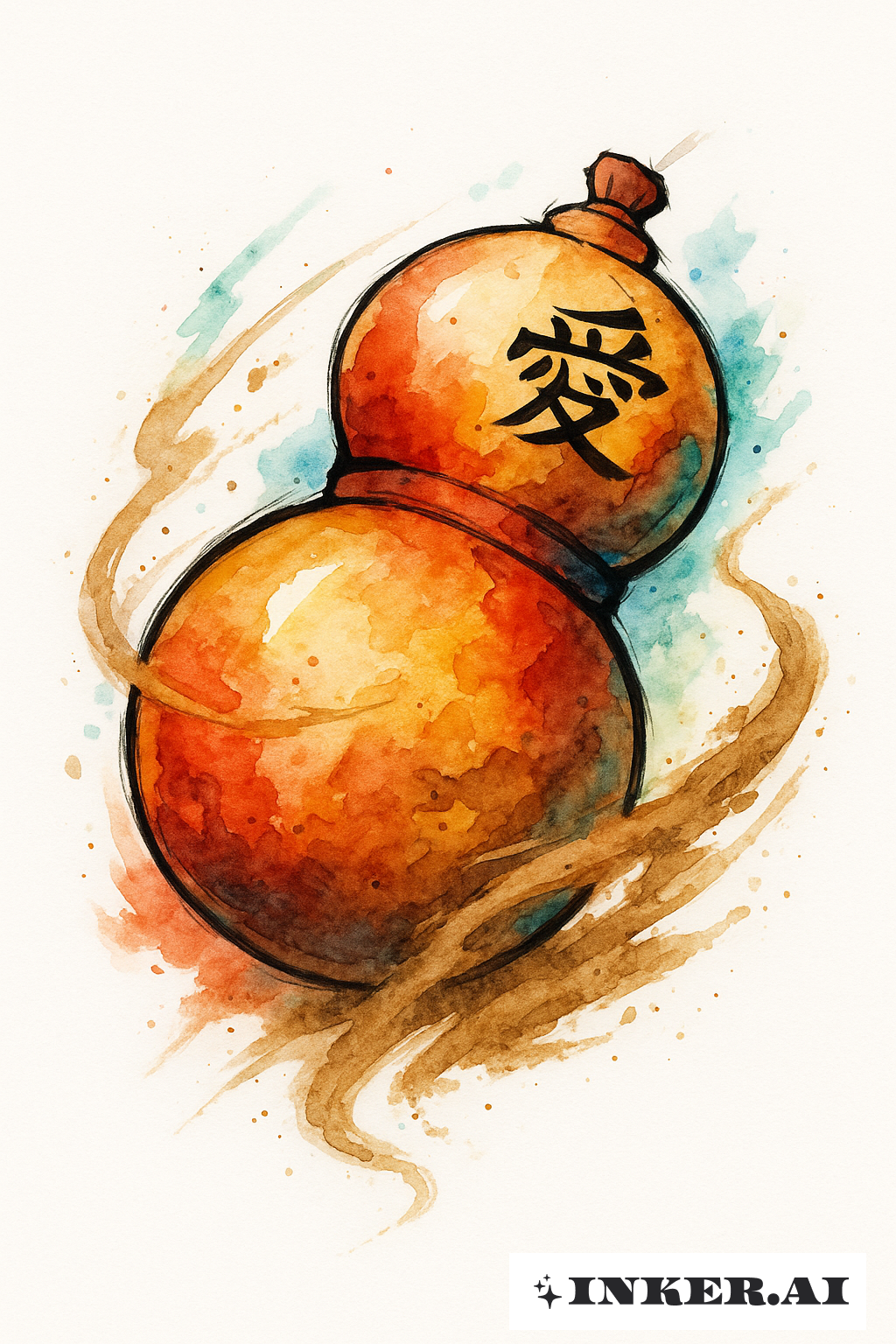
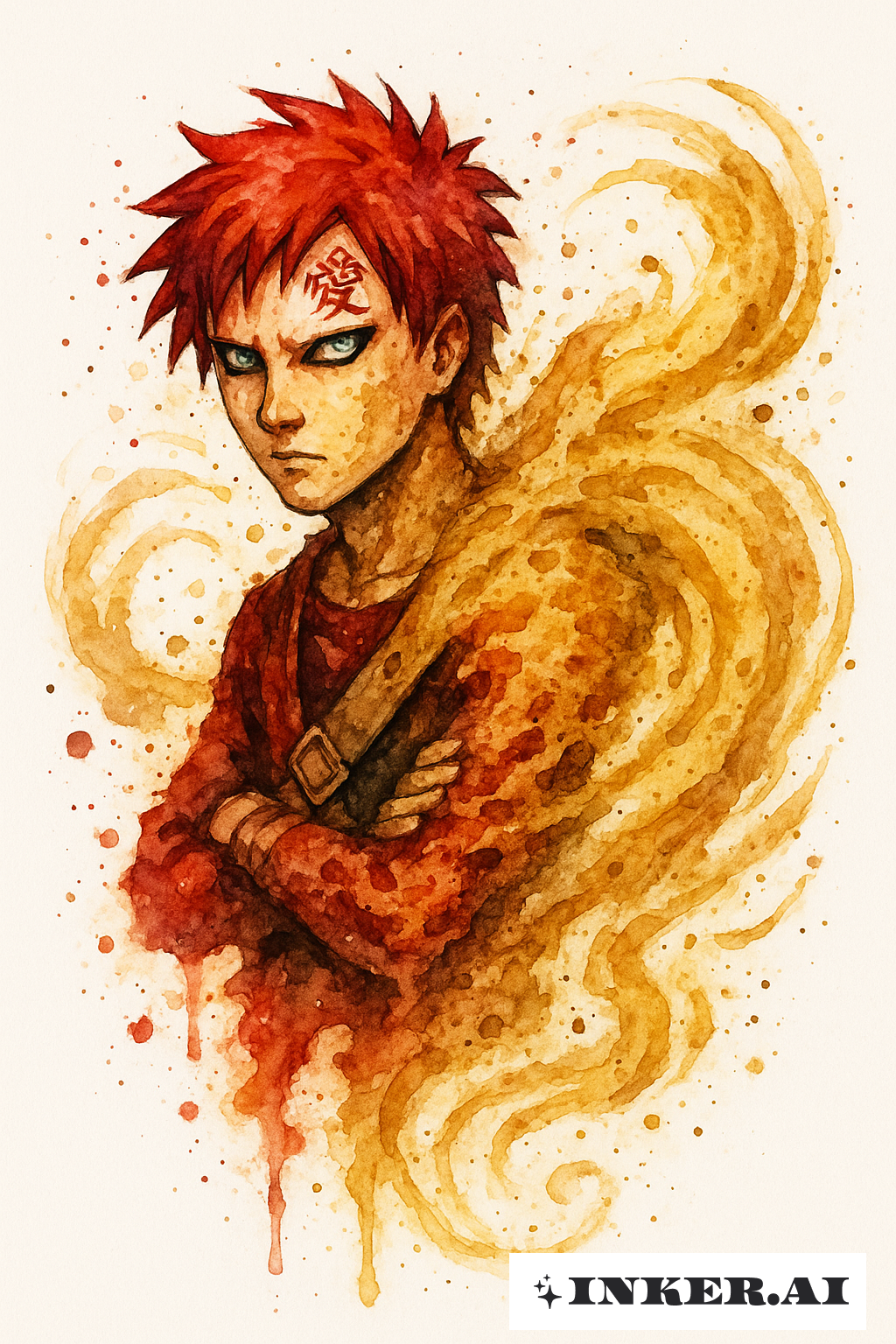
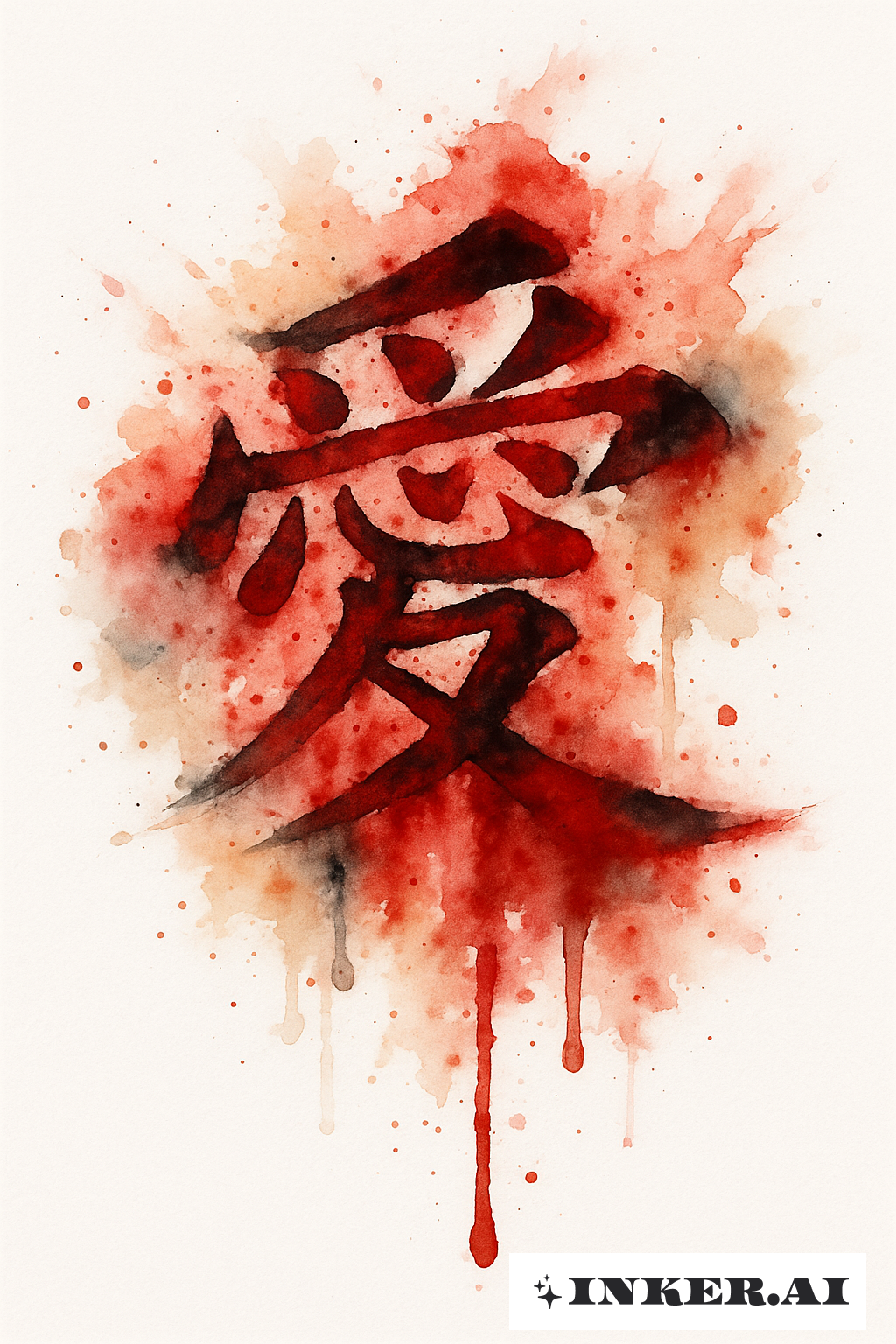
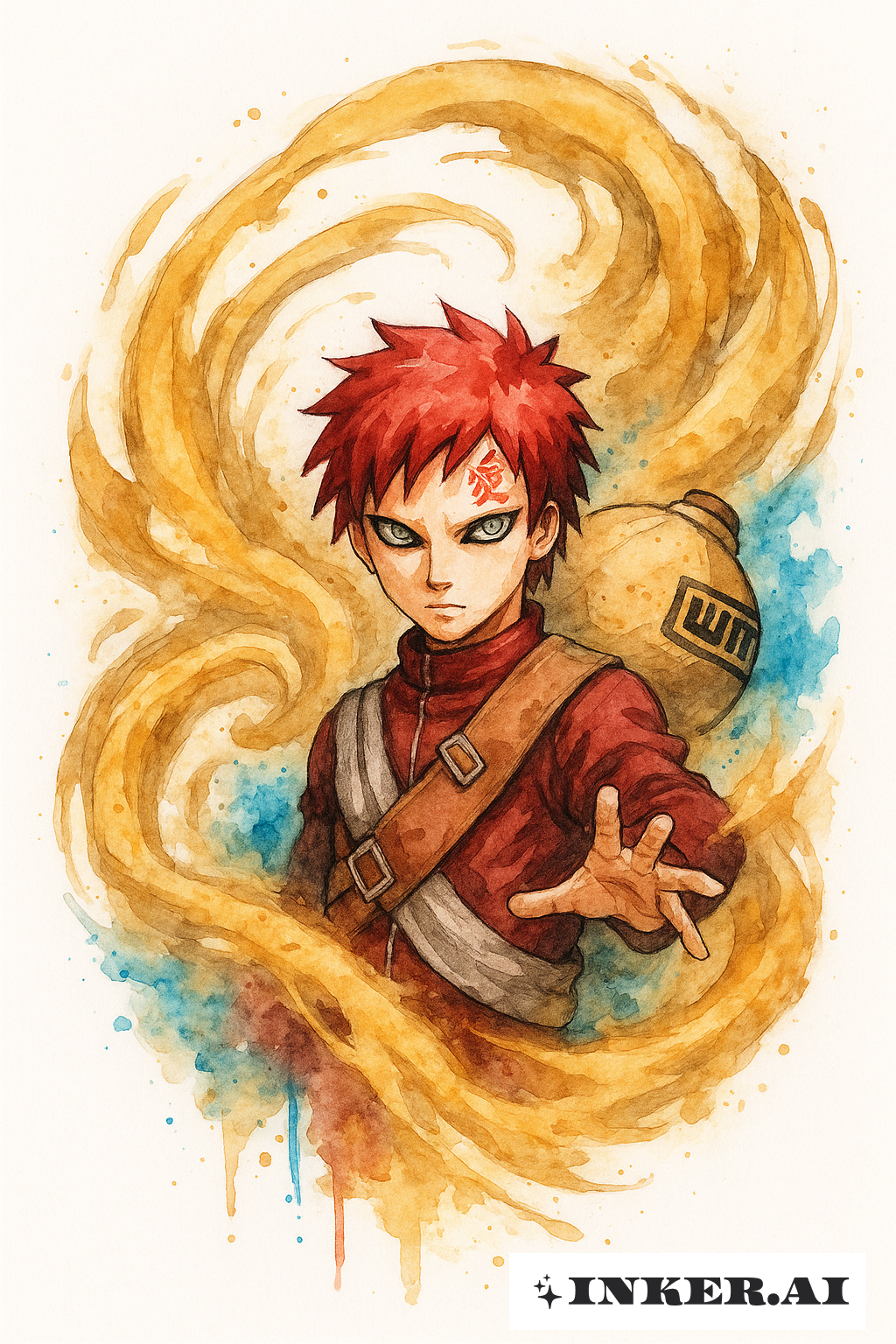
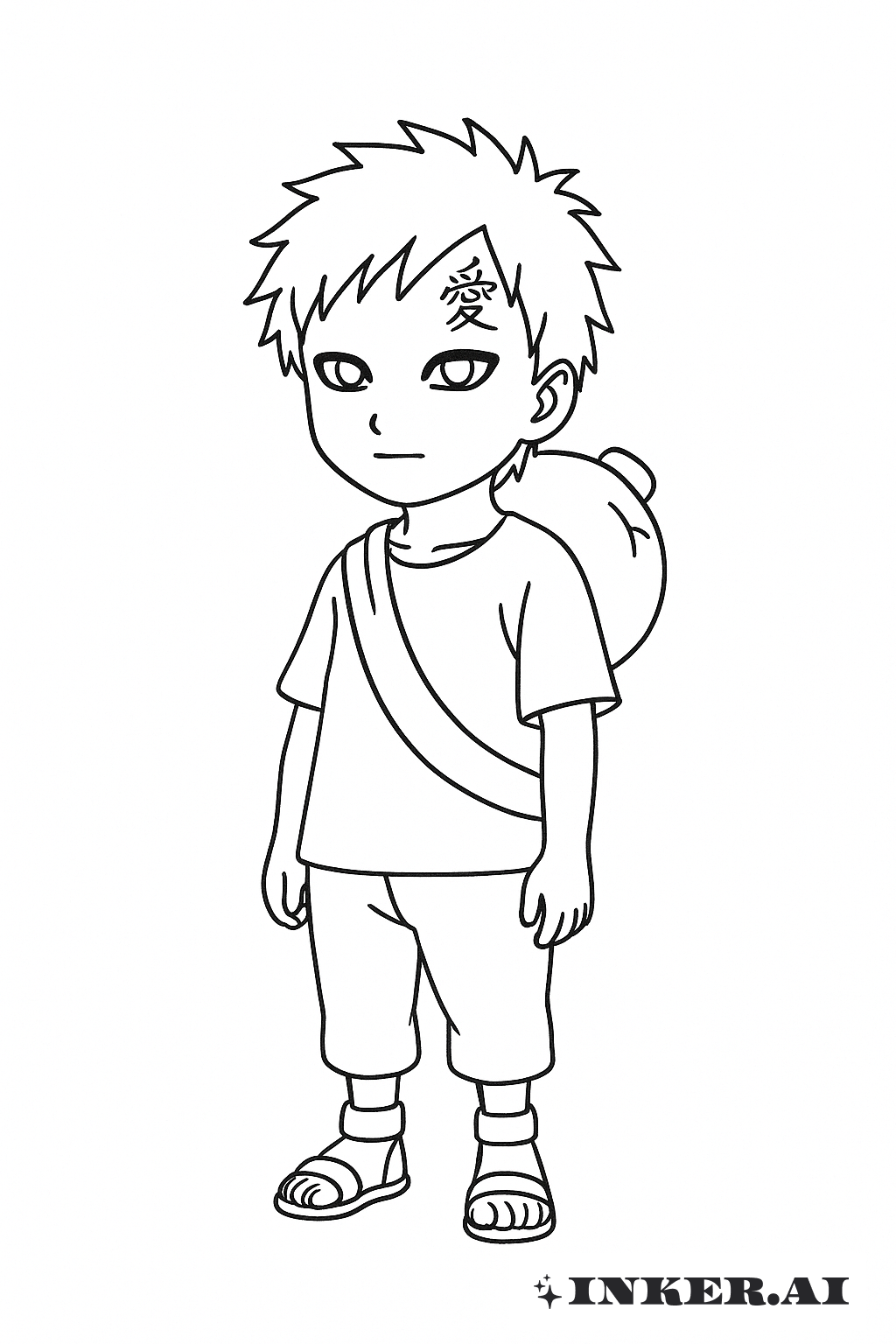
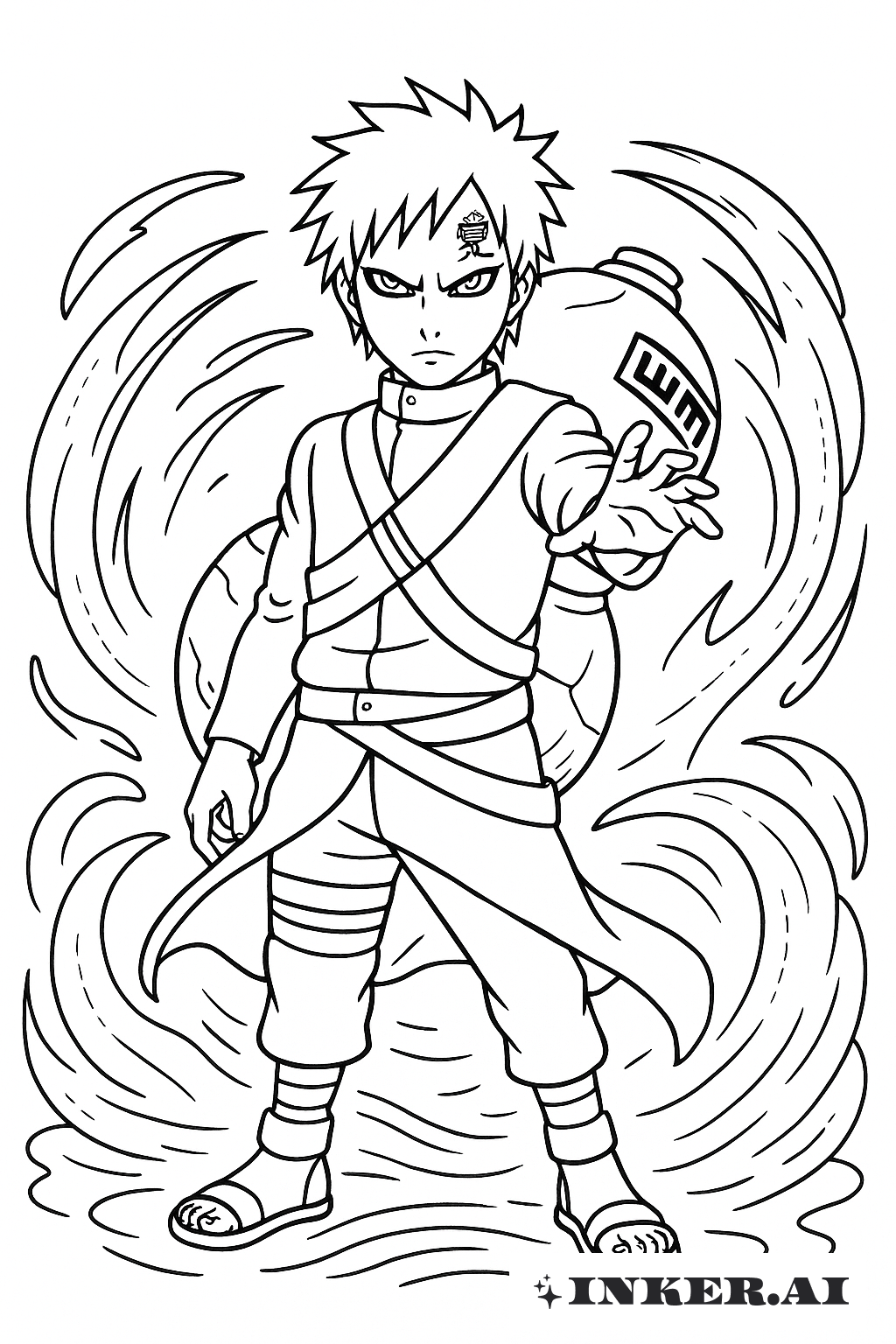
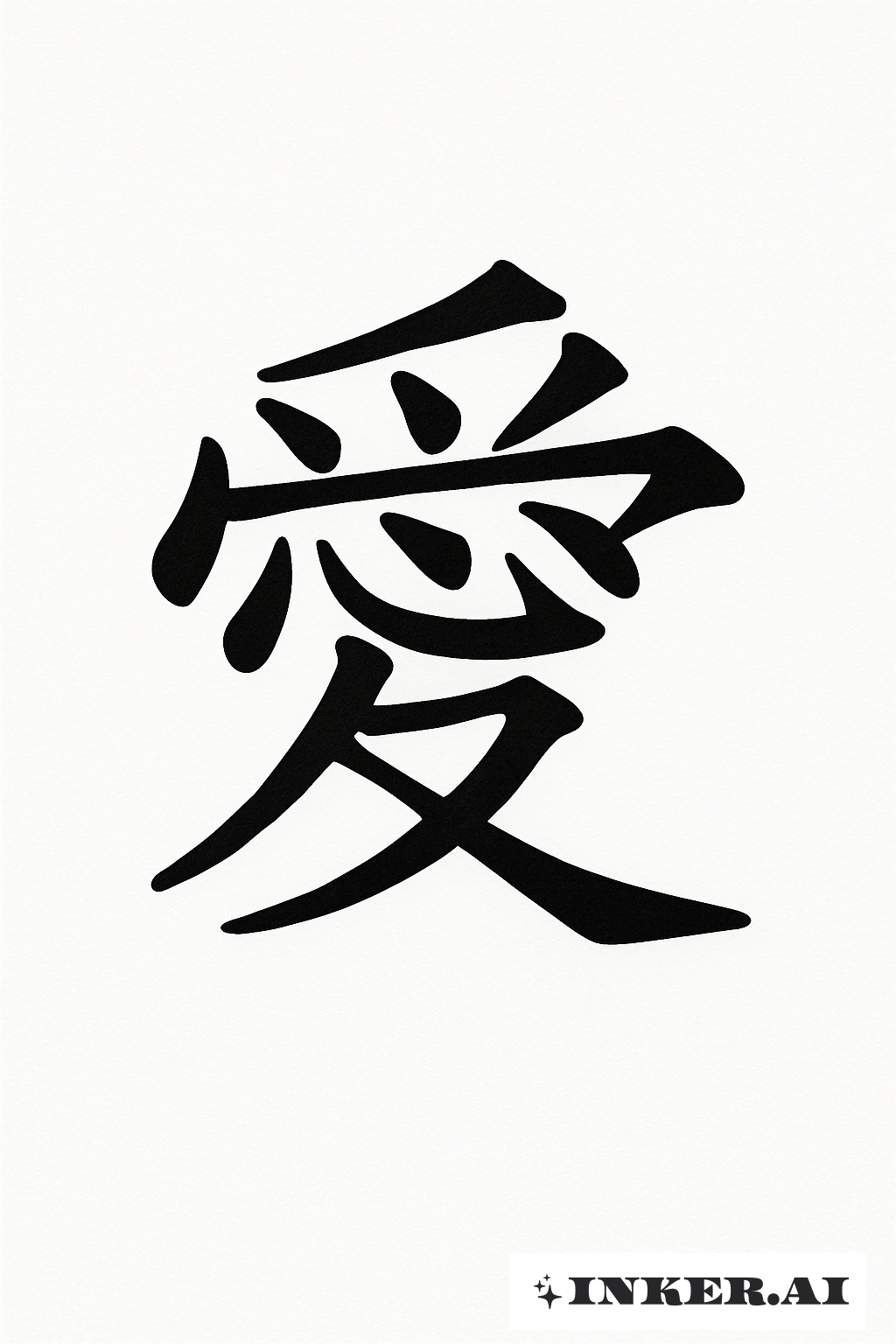
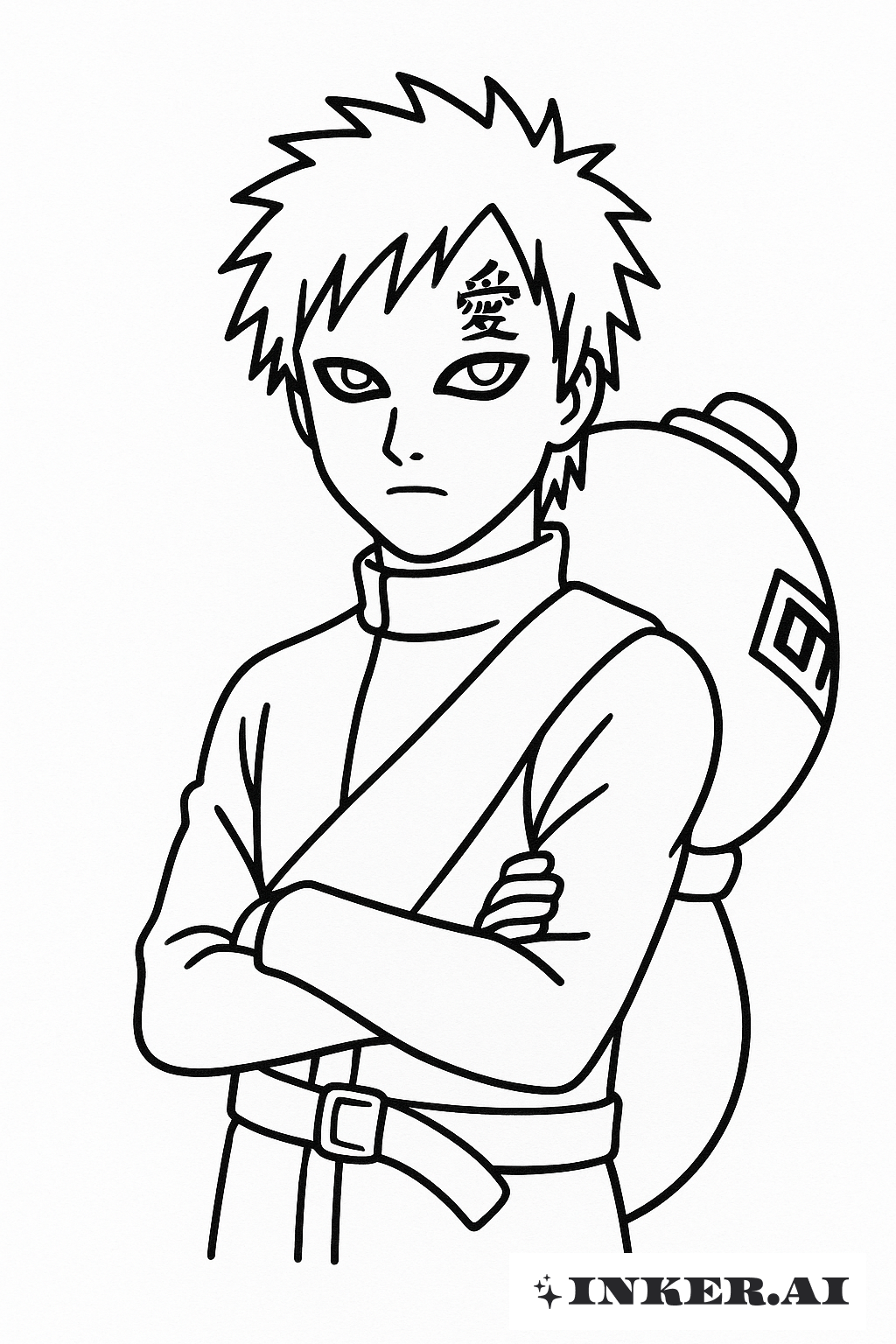
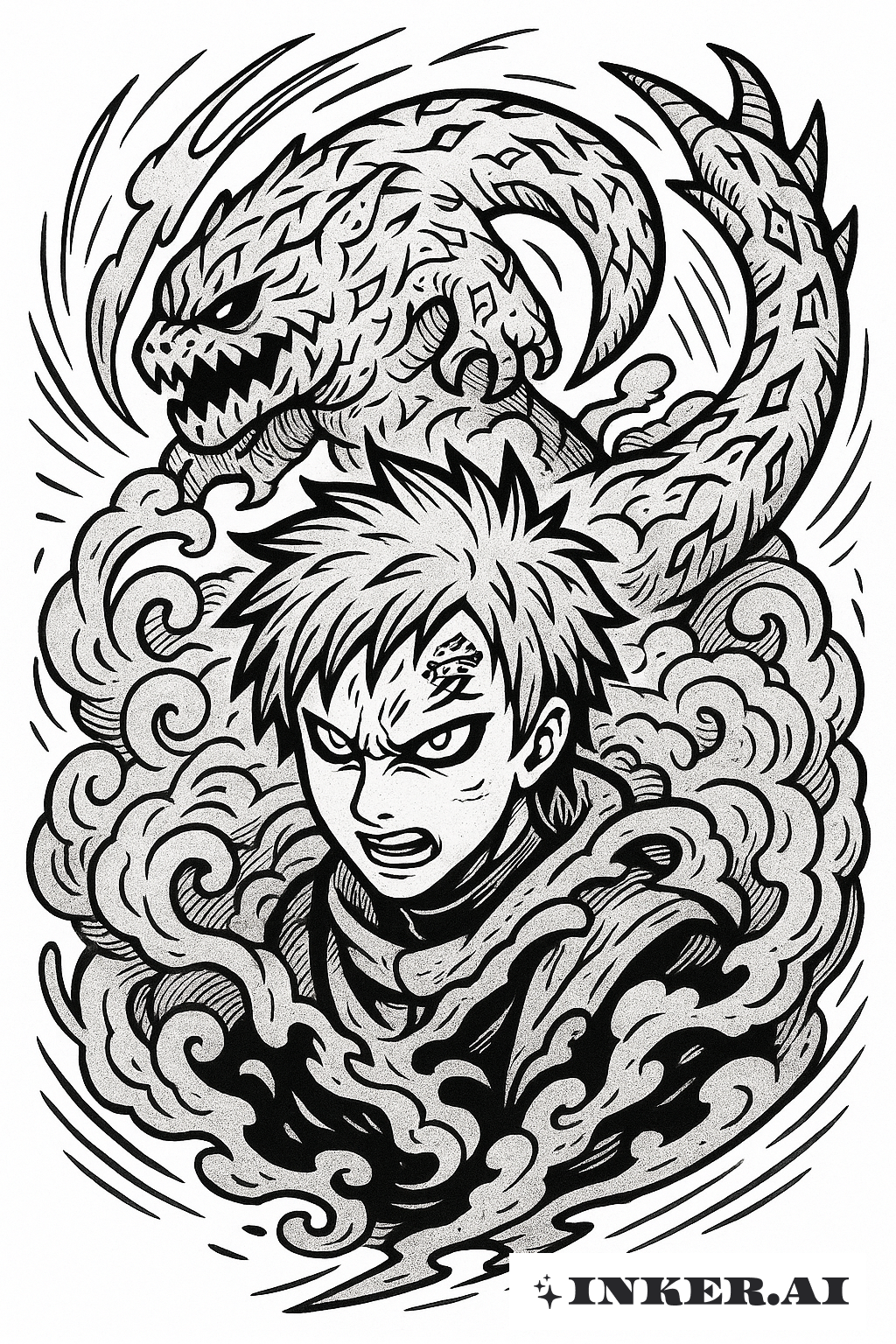
This tattoo channels themes of isolation, inner conflict, and protective strength central to Gaara's arc: sand functions as both shield and prison, while the One-Tail embodies a distilled, volatile power. The swirling sand motifs suggest cycles of containment and release, representing the tension between vulnerability and defense. Textural contrasts—coarse, armored sand against exposed skin—highlight the idea of a guarded heart beneath an imposing exterior. The tailed-beast silhouette doubles as a metaphor for suppressed rage given shape, and the dynamic motion implies an ongoing struggle toward self-mastery. Rendered with high contrast and forward motion, the imagery suits rites of personal transformation and resilience. Using anime tattoo style here reinforces the connection to Japanese pop-culture visuals while preserving immediacy and readability. Fans interpreting character-driven body art will find a layered narrative in these Gaara tattoo ideas that conveys protection, power and emotional evolution.
Design Inspiration Of Gaara's One-Tailed Shukaku Form Tattoo Design
The creative spark comes from high-impact manga panels and shonen battle choreography—translating cinematic motion into tattoo form. Sand is treated as a sculptural medium, its grains and gusts visualized through stippling, ink washes and sharp directional lines. Inspirations also include traditional Japanese compositional balance and modern graphic poster work: economy of line paired with dramatic negative space. The goal is to keep the piece legible at many scales while maintaining the emotional intensity of the original character, making the tattoo feel both narrative-driven and visually iconic.