Cultural Meaning Of Photorealistic Portrait Of Fenrir's Rage Tattoo Design
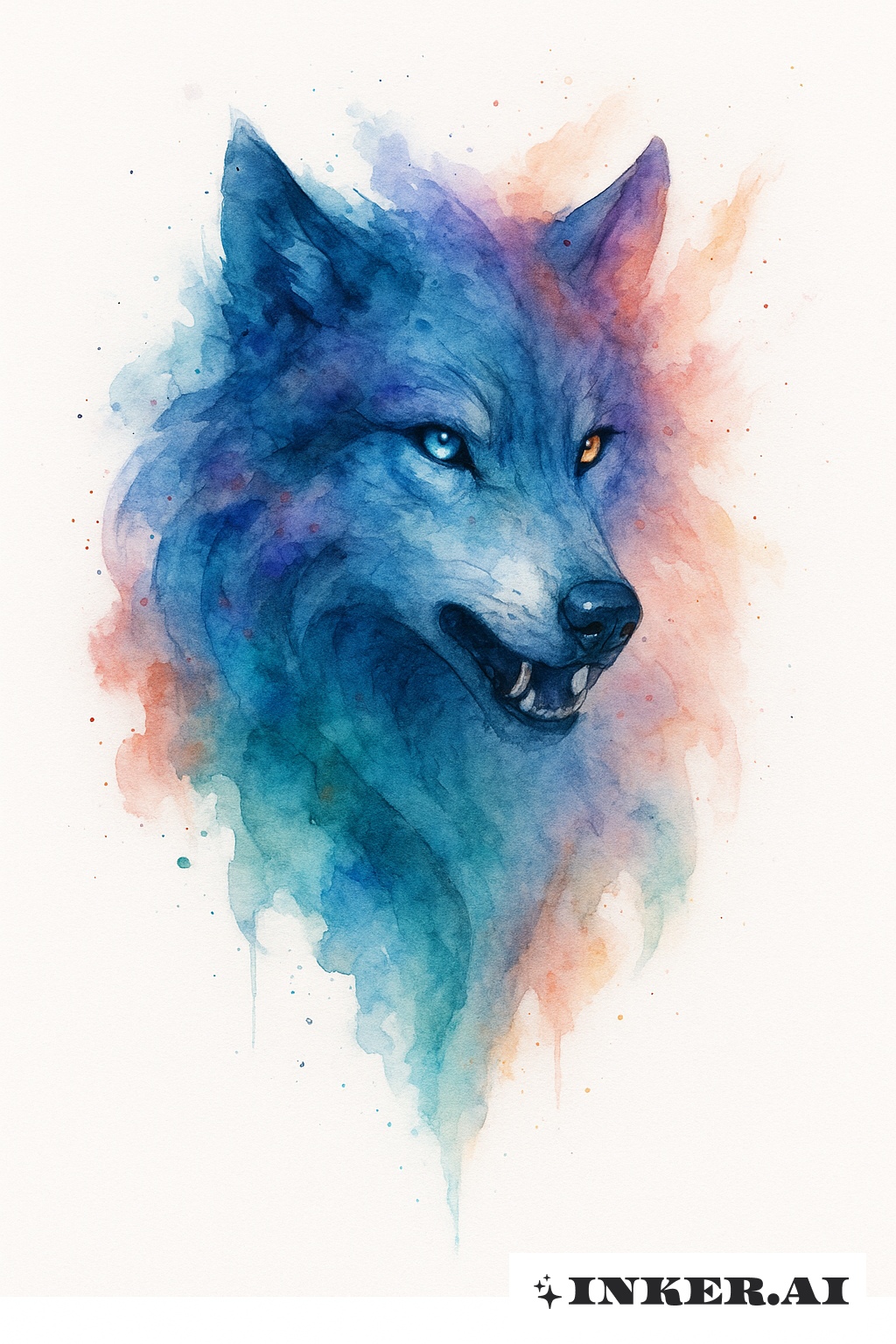
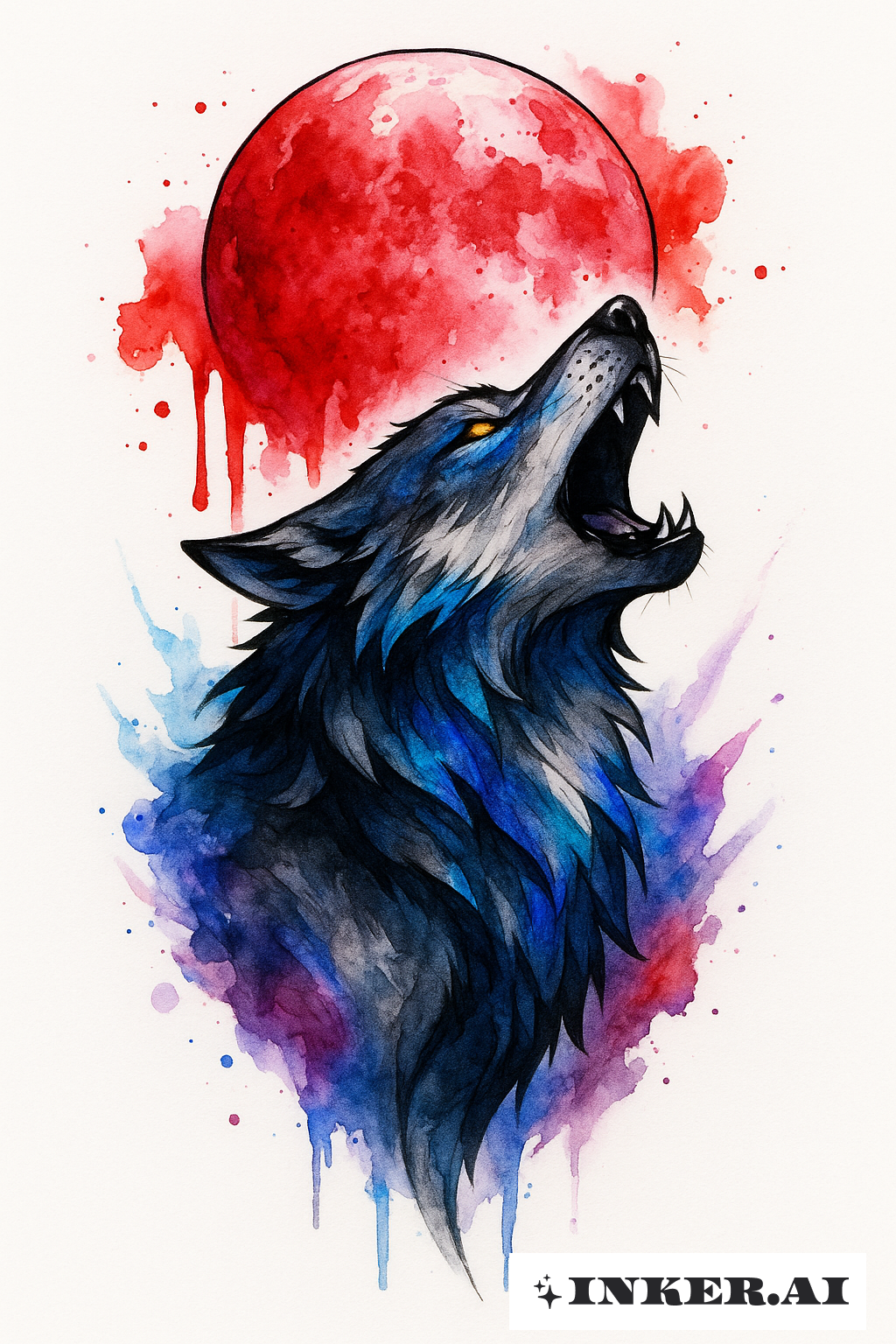
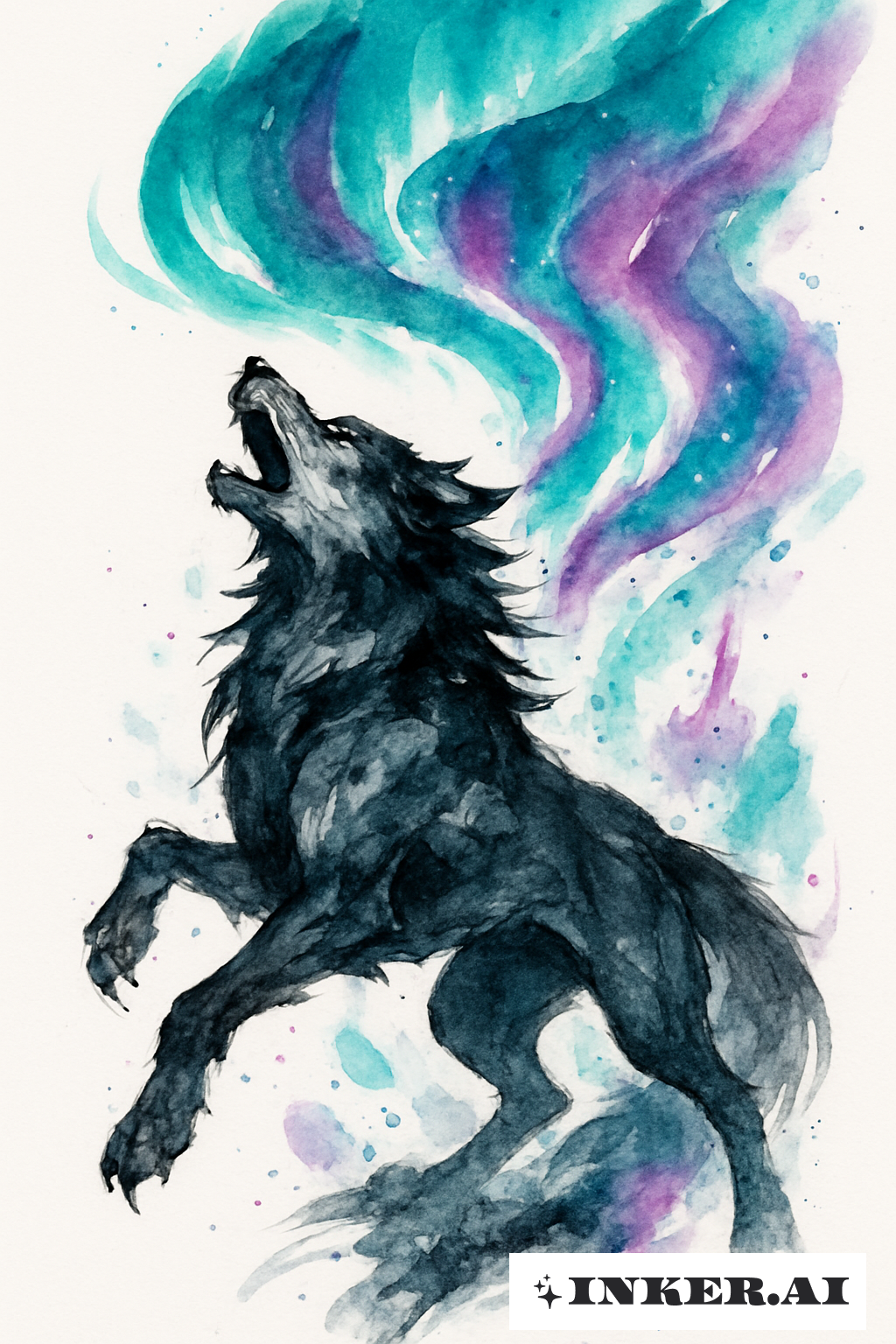
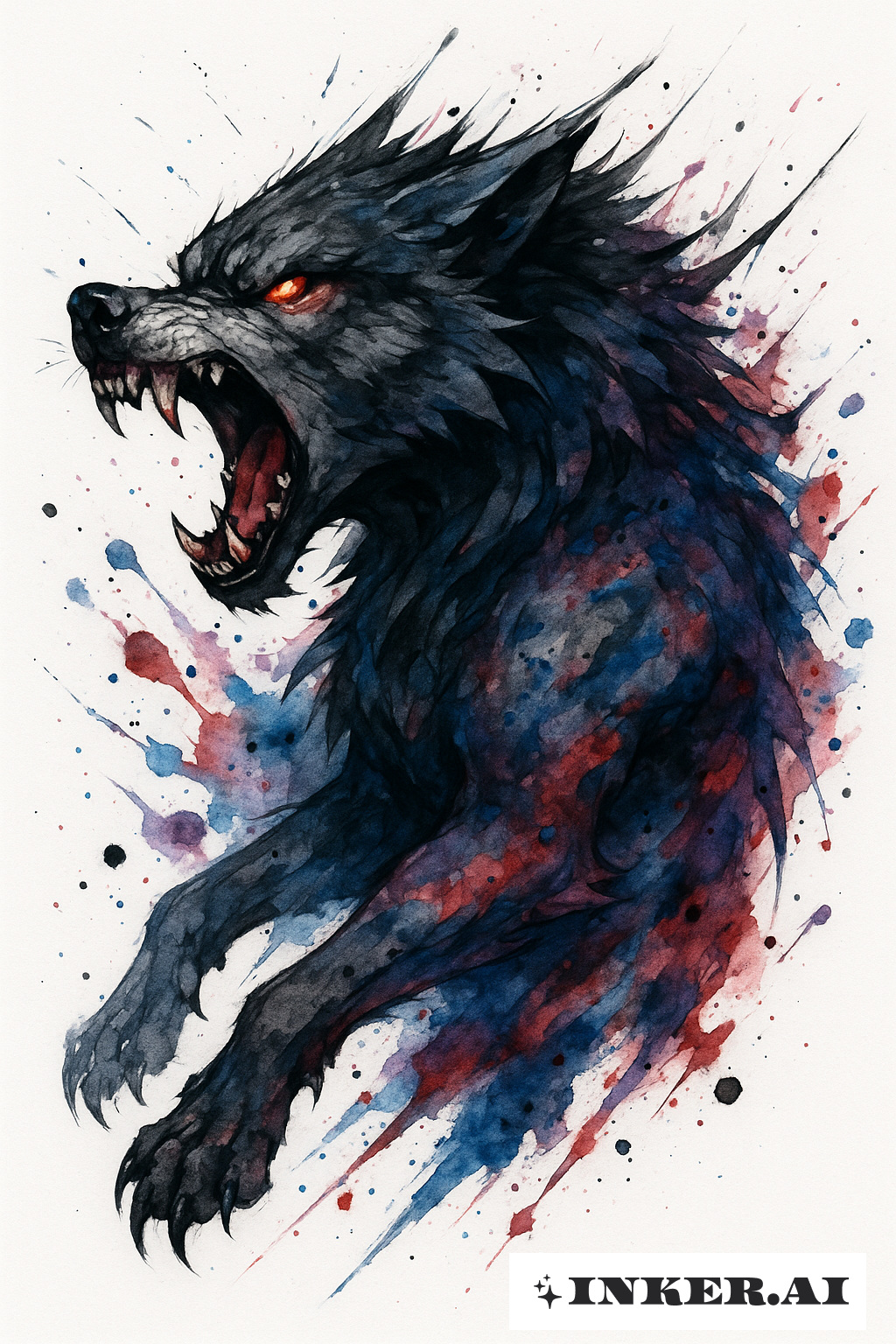
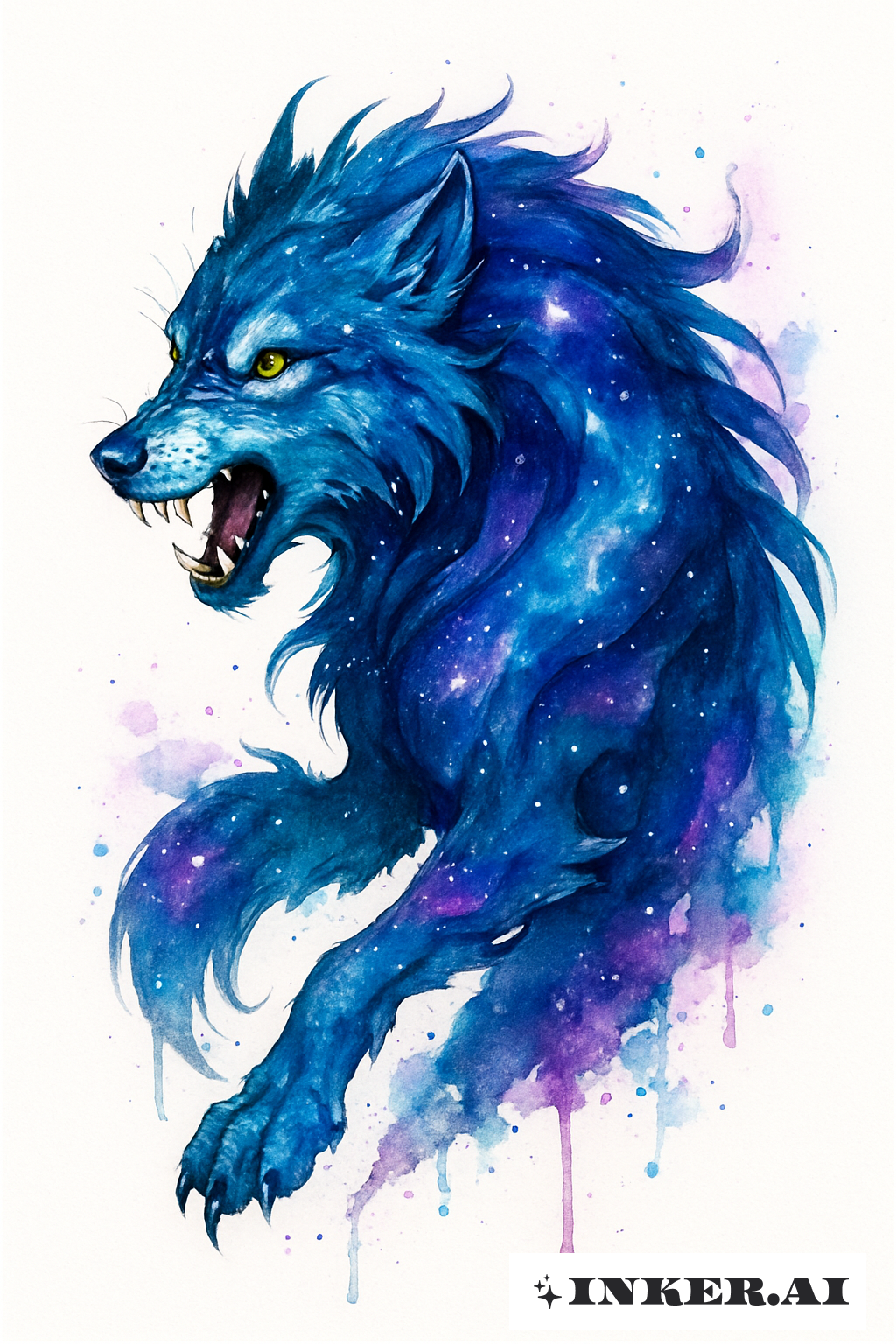
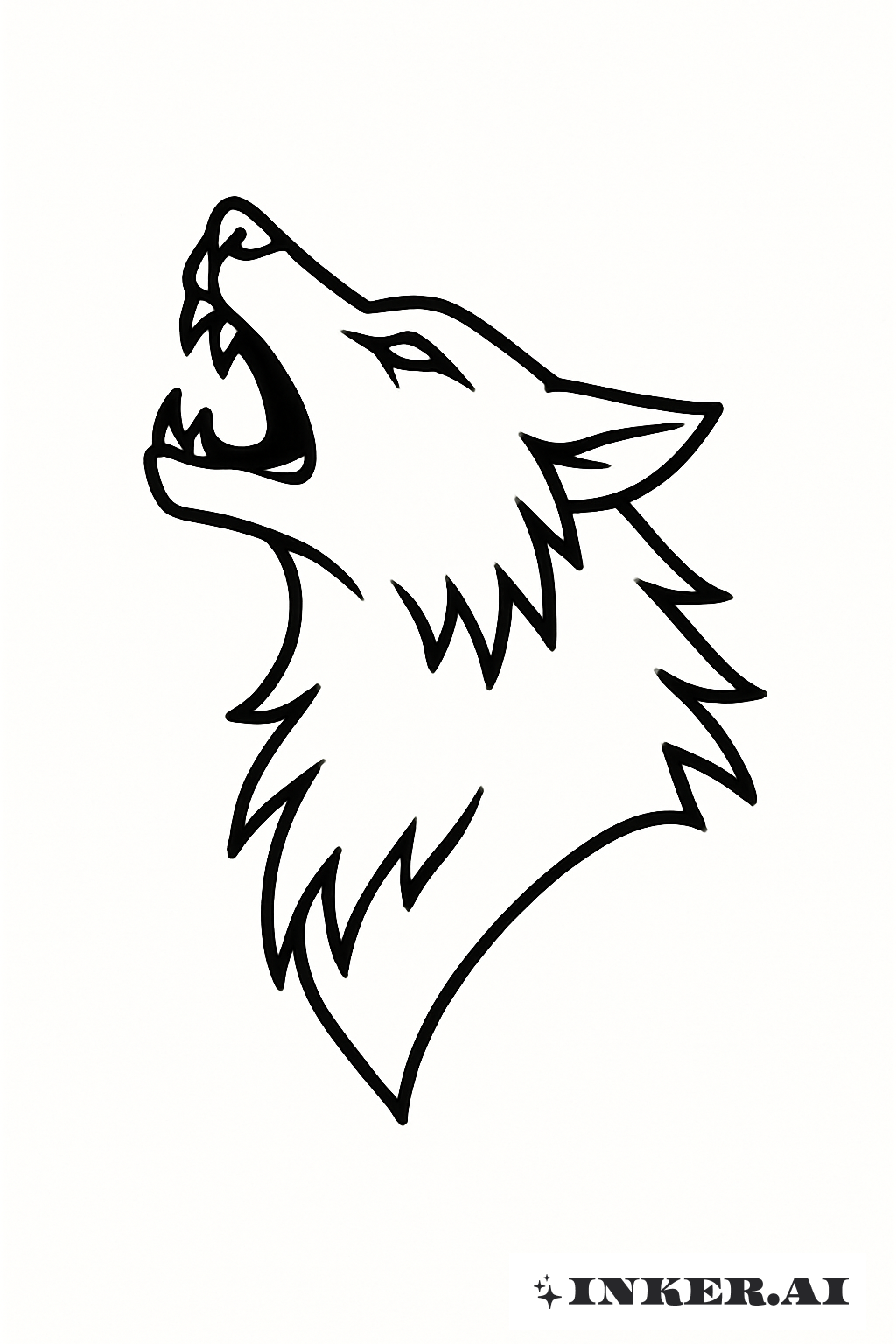
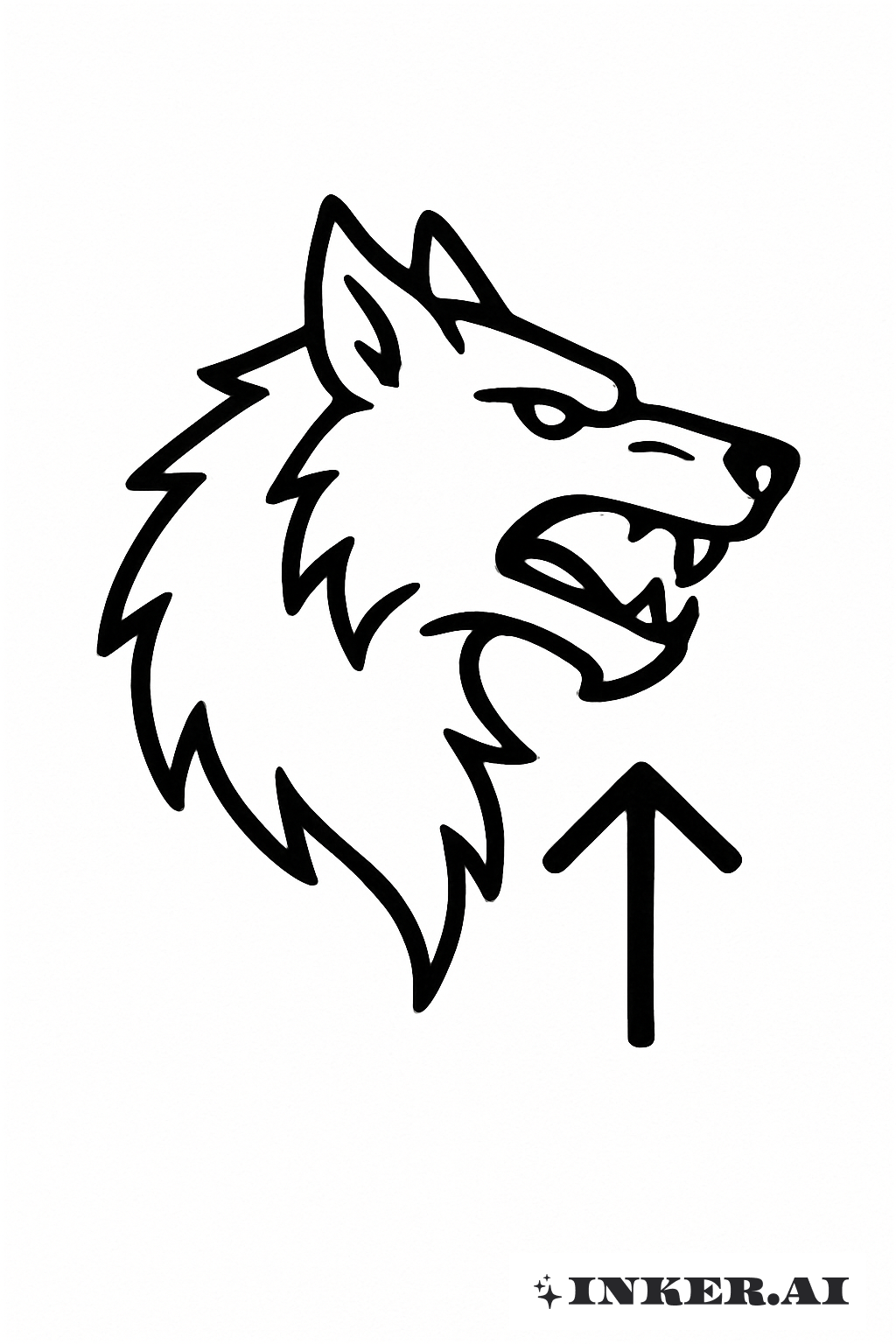
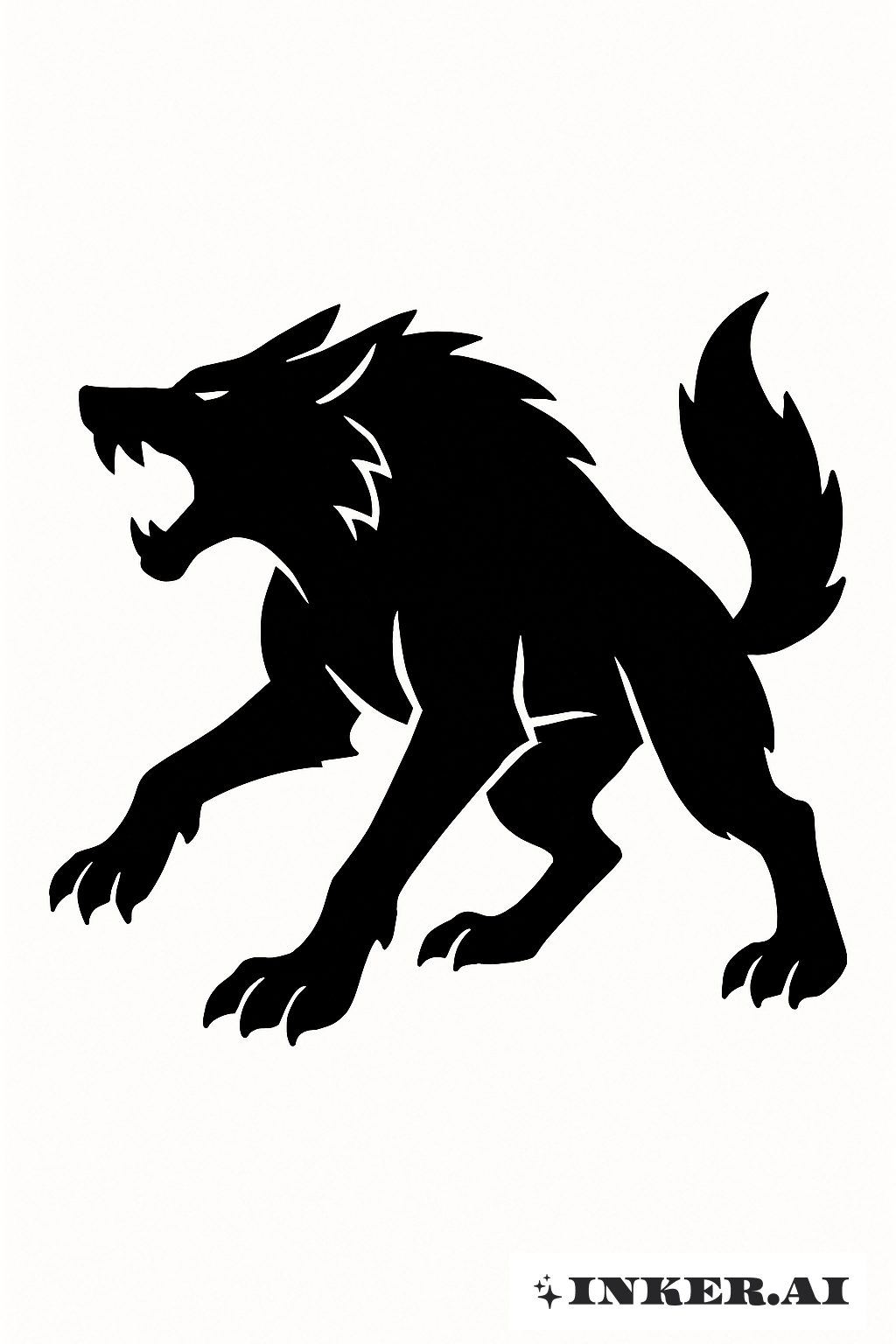
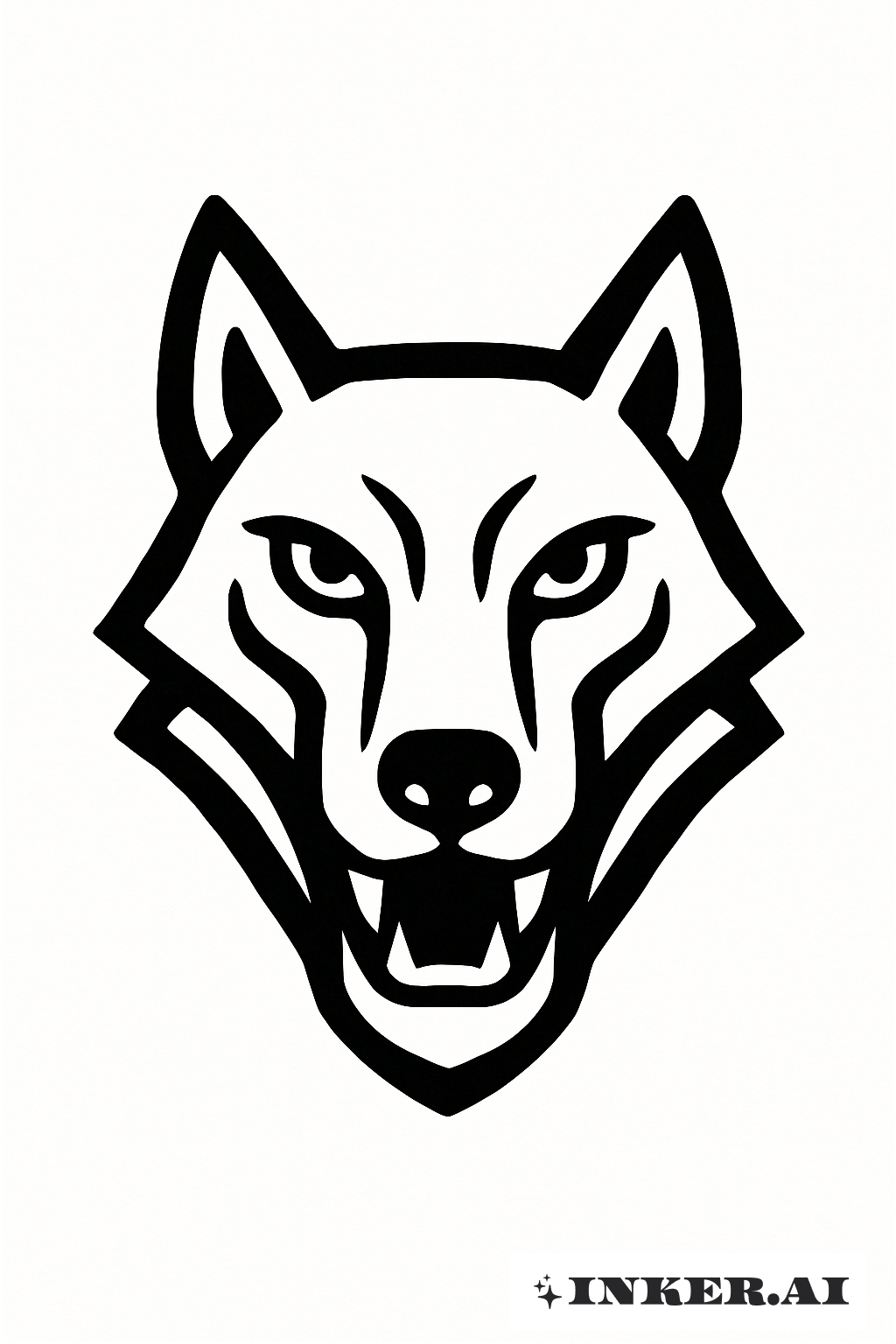
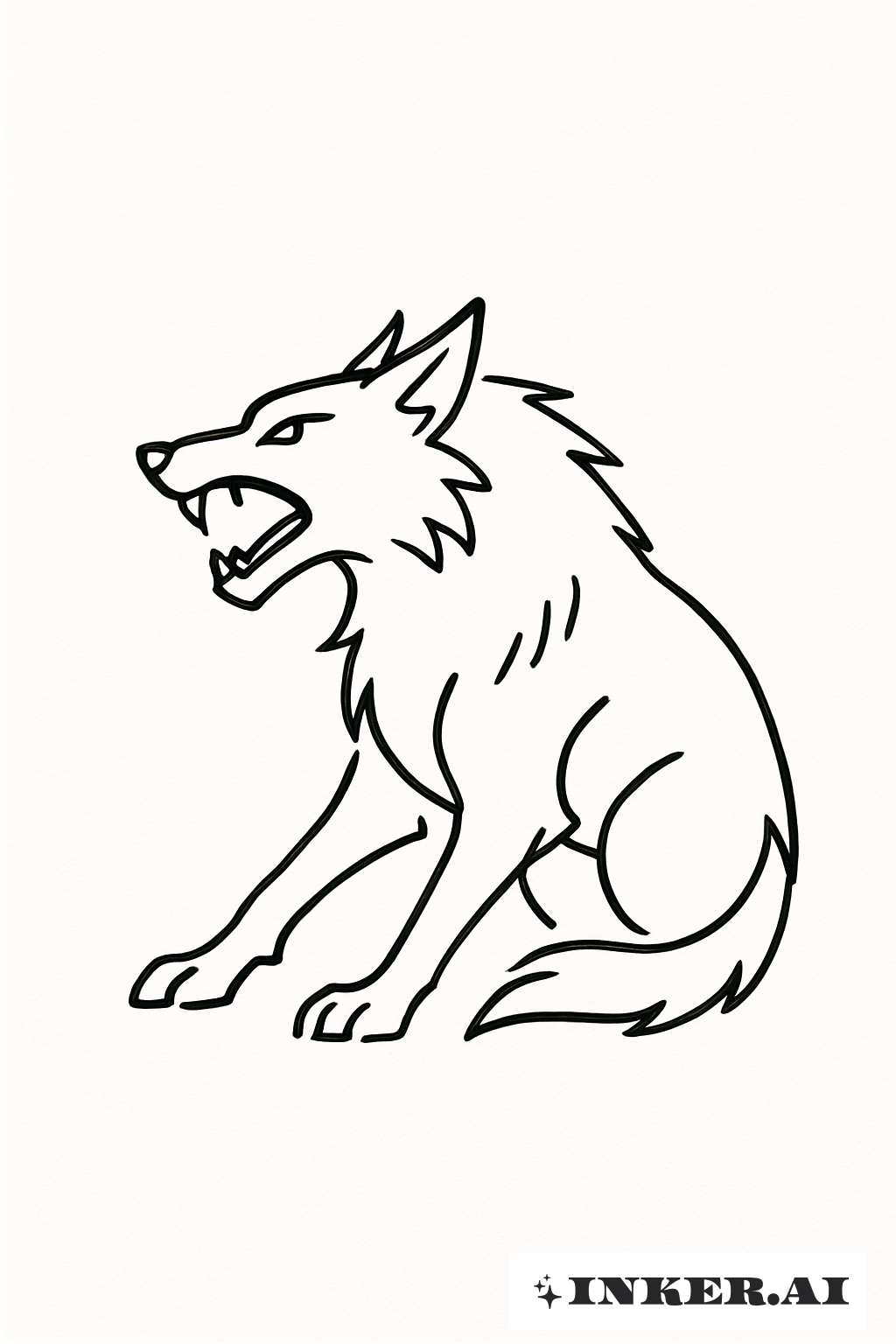
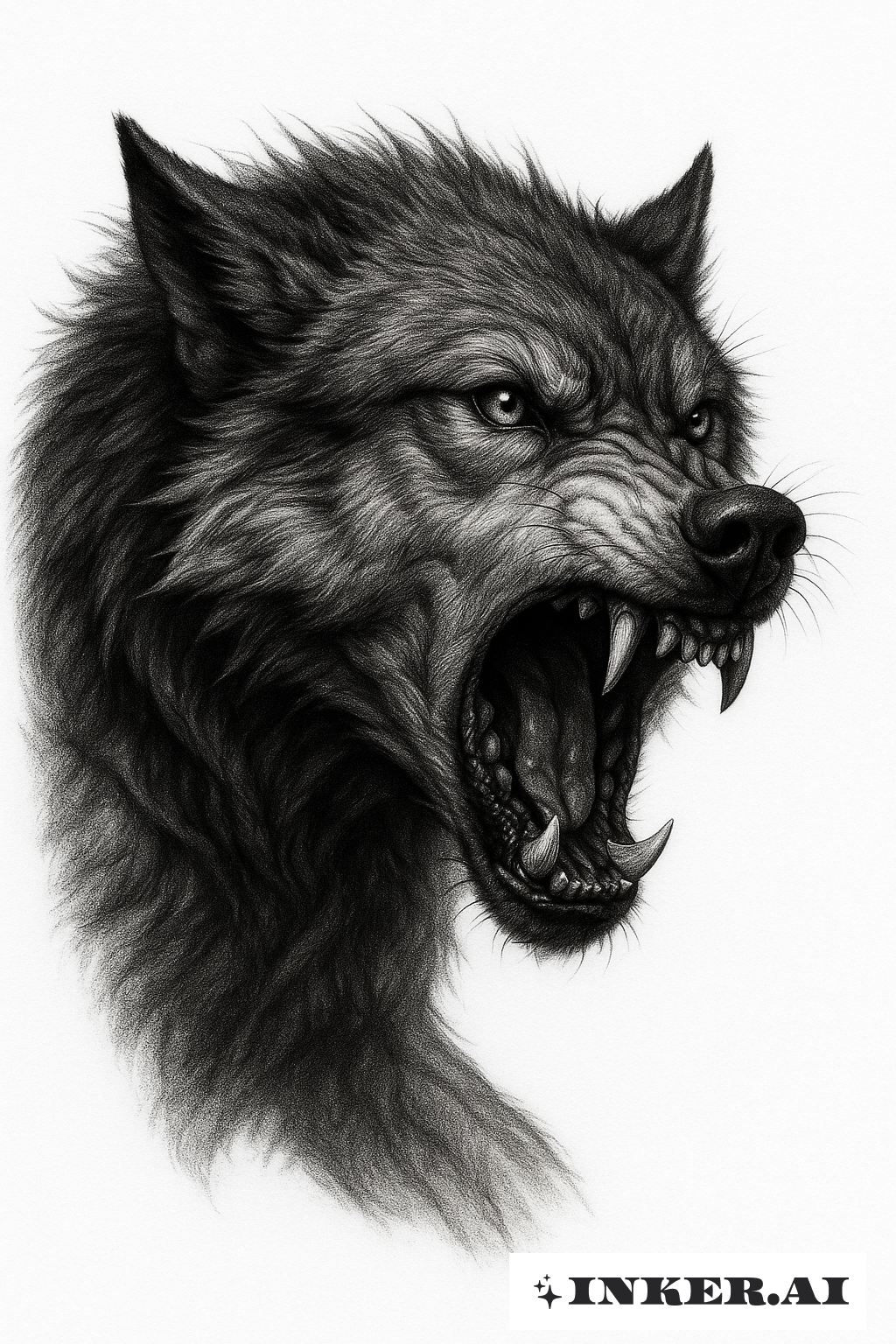
Fenrir represents untamed power, defiance, and the destructive forces that cannot be controlled forever. In Norse mythology, the enormous wolf is bound because the gods fear his strength, yet prophecy foretells that he will eventually break free during Ragnarök. A snarling portrait captures this tension between captivity and liberation, expressing the will to resist restraints imposed by fear, authority, or circumstance. The exposed teeth and focused gaze suggest courage, anger, and readiness to confront an overwhelming opponent. At the same time, the wolf can symbolize instinct, survival, loyalty to one's nature, and the refusal to be reshaped for someone else's comfort. The Realism tattoo style strengthens these themes by presenting Fenrir as a tangible, emotionally charged creature rather than a distant mythological symbol. For people exploring Fenrir tattoo ideas, this design may represent personal transformation, overcoming suppression, or embracing a fierce inner identity. Its dark shading can evoke the uncertainty surrounding fate, while the highlights across the face suggest endurance and a force that remains visible even in darkness. The tattoo can therefore serve as both a warning and an empowering statement: immense power may be feared, but it cannot be permanently contained.
Design Inspiration Of Photorealistic Portrait Of Fenrir's Rage Tattoo Design
The concept draws from the fierce visual language of Norse mythology and the legendary image of Fenrir breaking beyond every restraint. Artistic inspiration comes from wildlife portraiture, cinematic close-ups, and the expressive tension found in images of snarling wolves. The composition focuses on the face to make emotion, texture, and eye contact the central experience. Deep shadows create a stormlike atmosphere, while carefully placed highlights reveal the creature's strength and presence. The result is a portrait designed to feel immediate, primal, and almost alive.