Cultural Meaning Of Oni-Masked Fenrir Of The North Tattoo Design
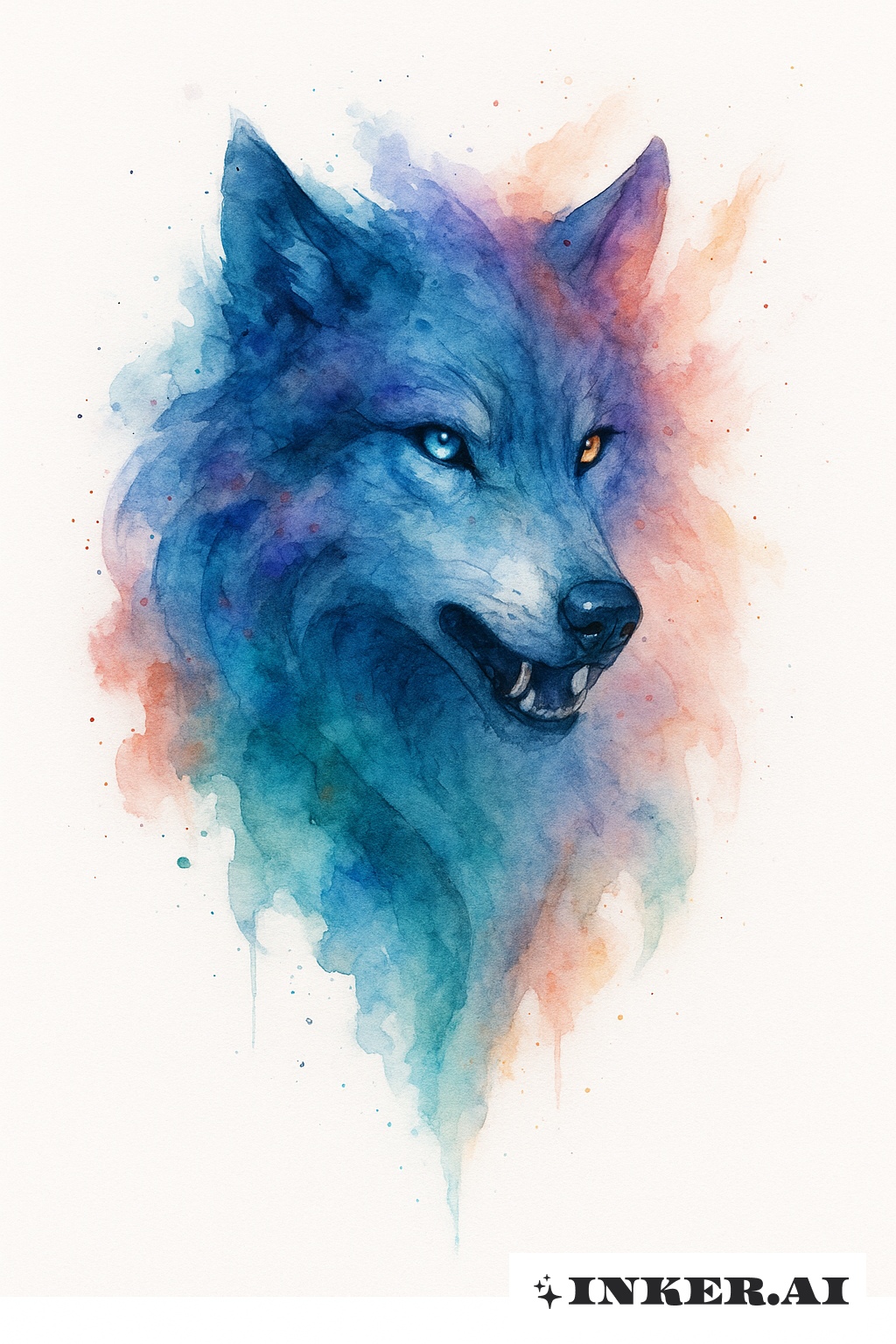
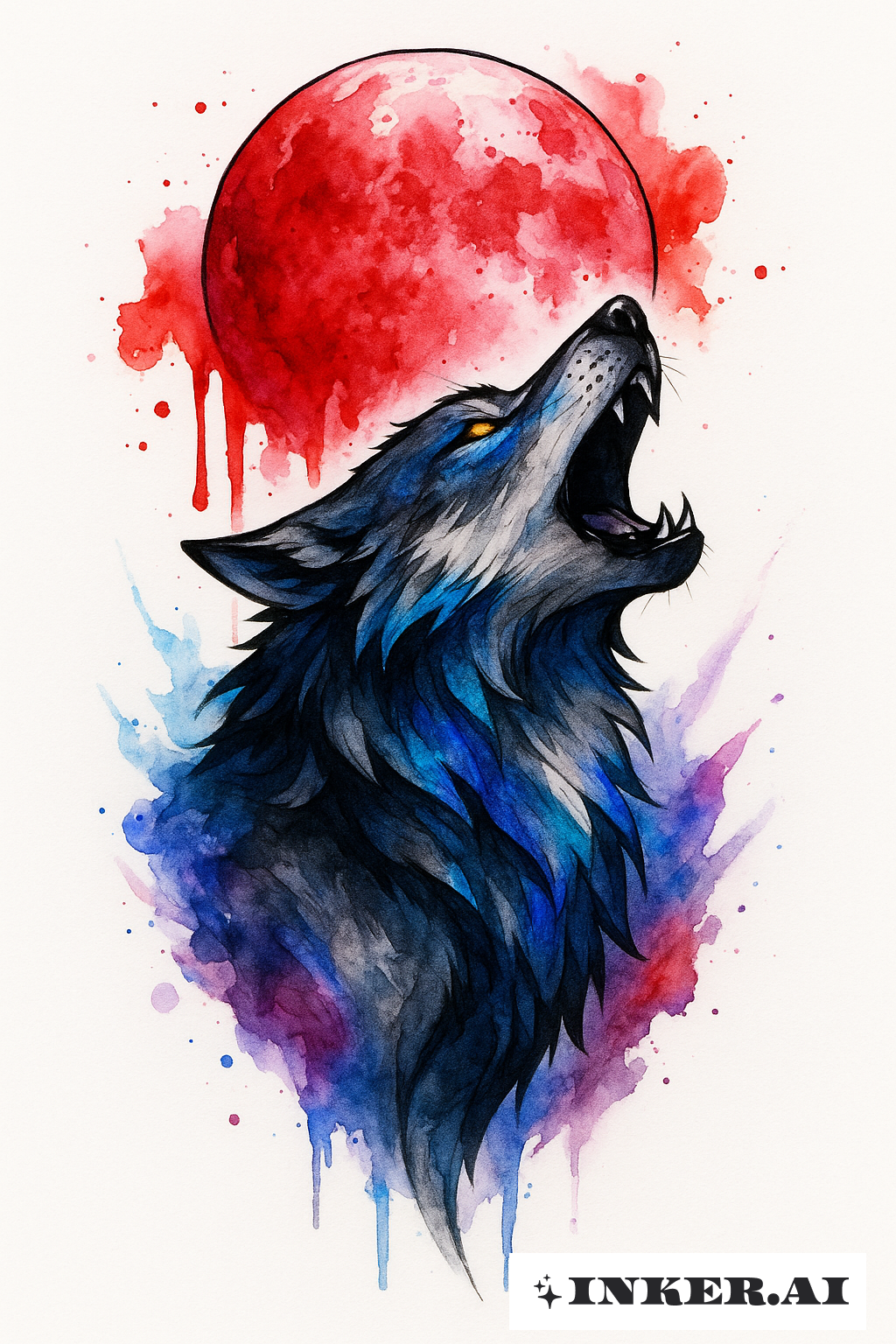
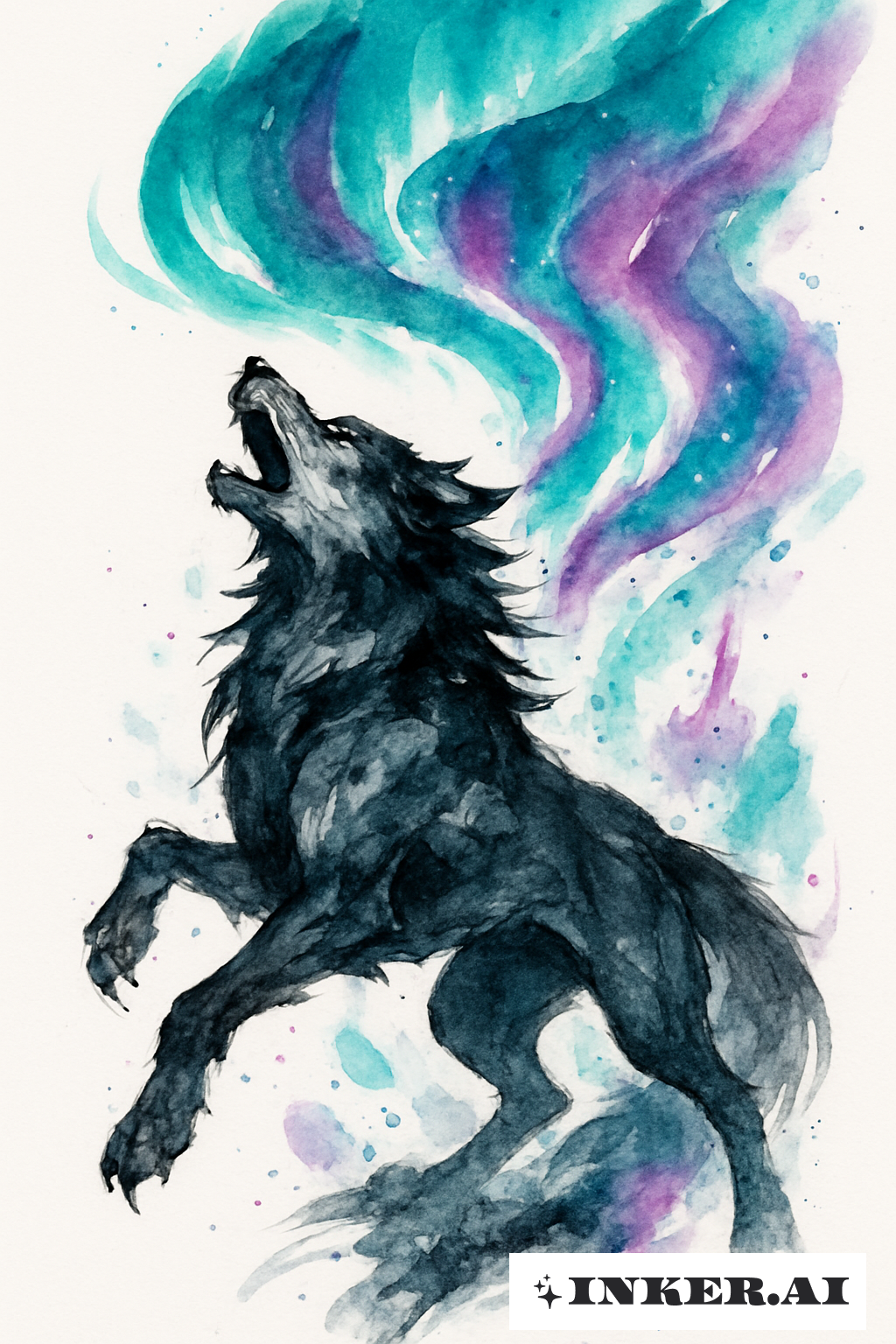
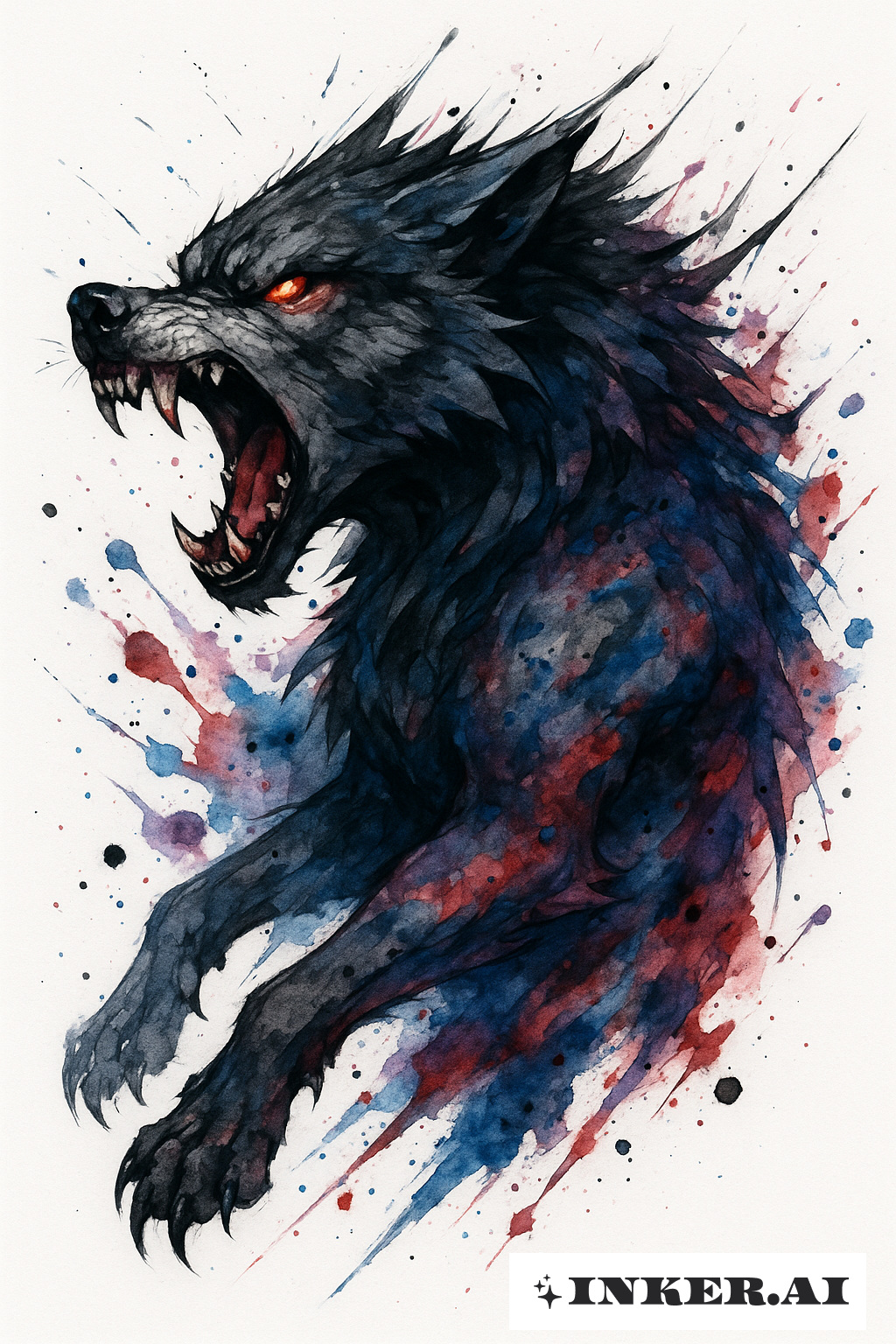
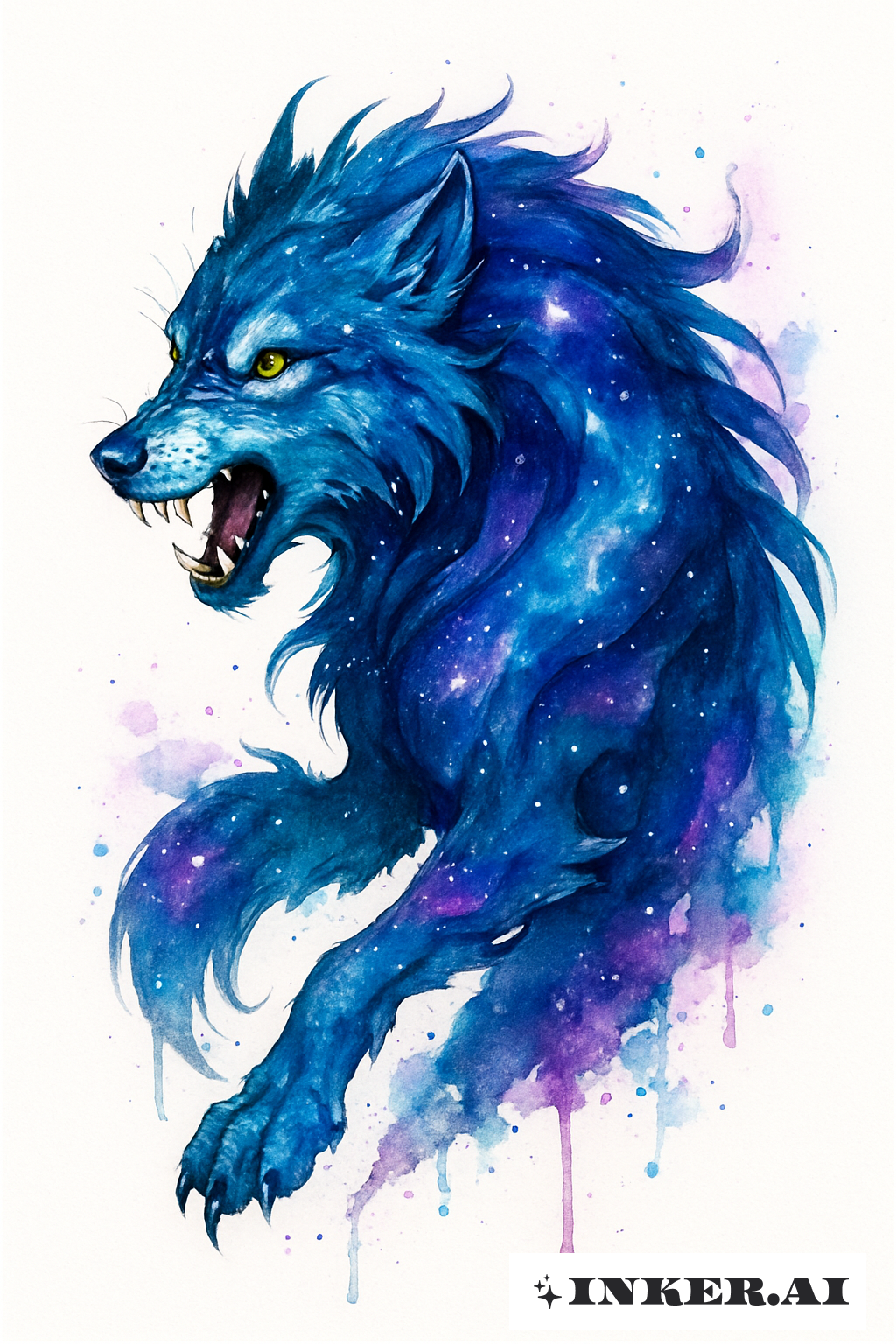
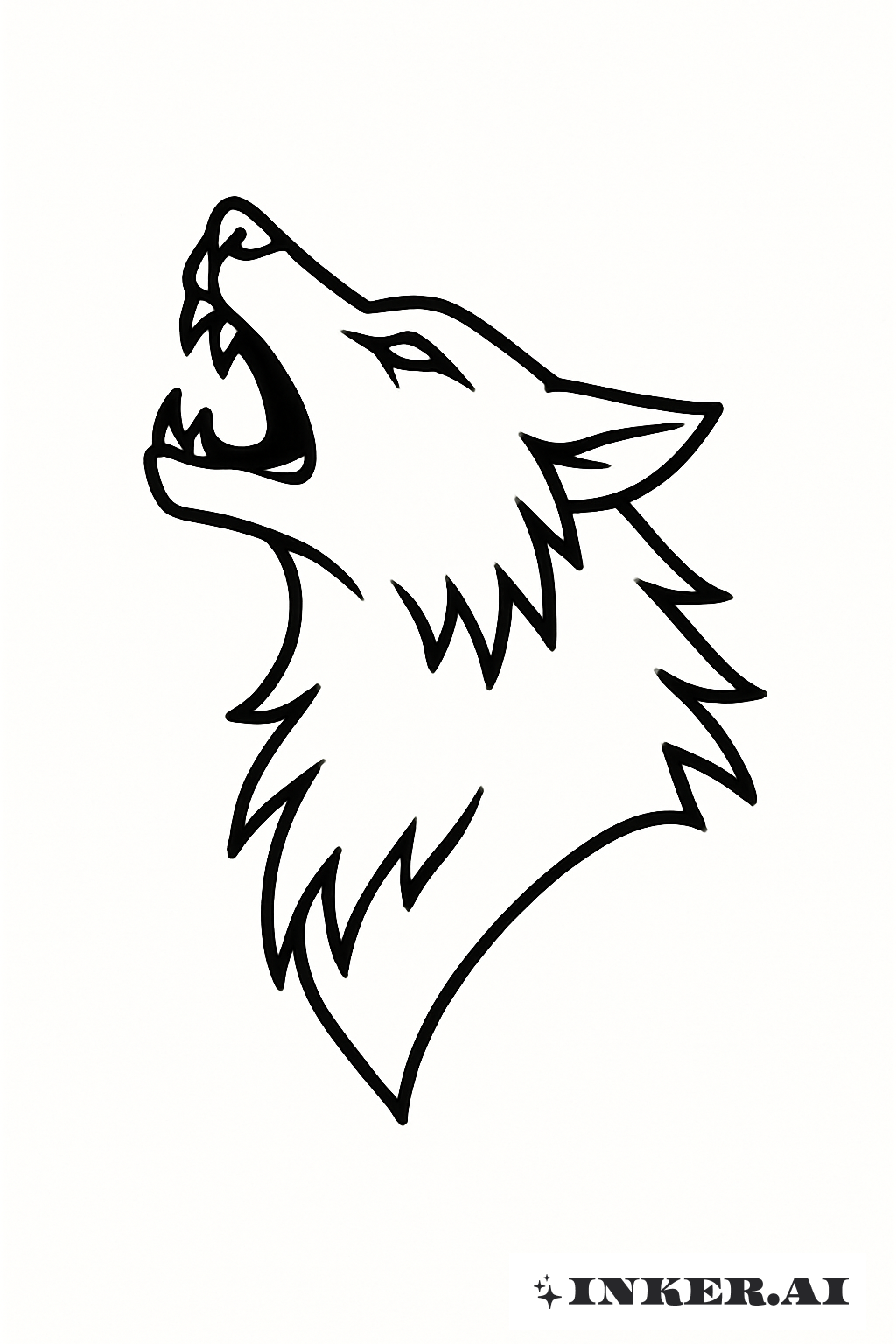
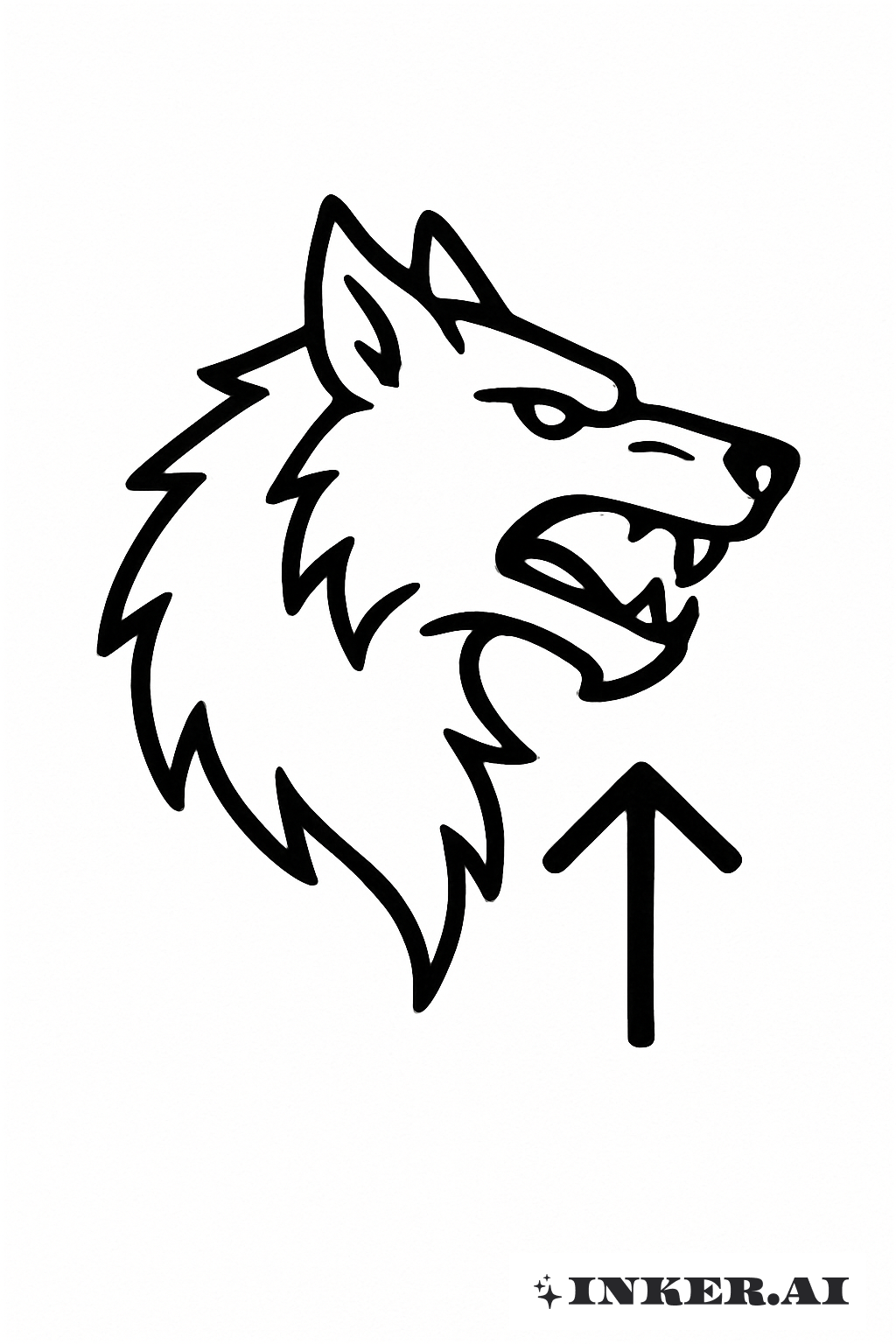
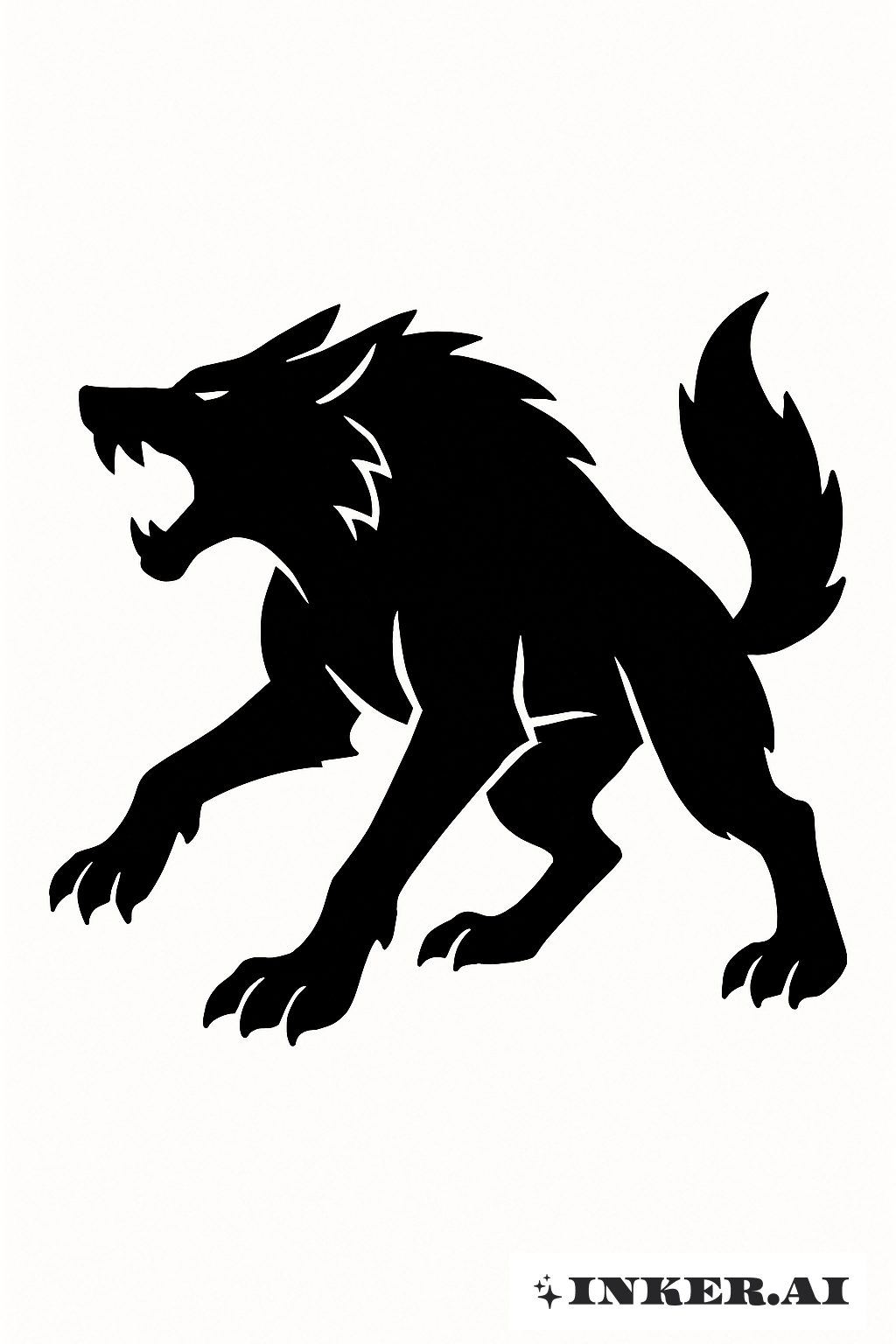
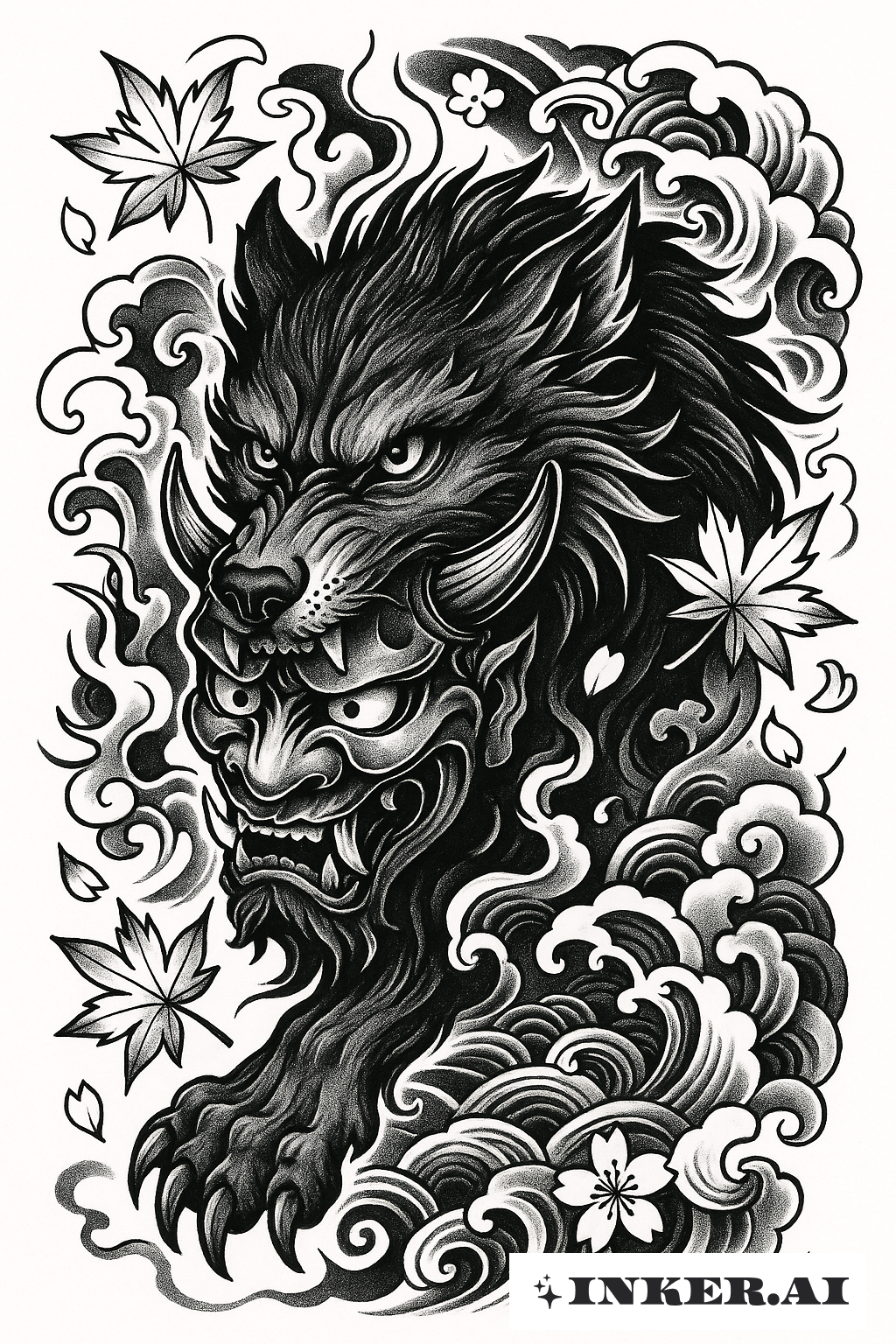
The image fuses two cultural touchstones: the oni’s mask as a symbol of fearsome spirit and the northern wolf as an emblem of wild strength and destiny. The oni face evokes protection and intimidation—an externalized ferocity that wards off threats—while the wolf suggests loyalty, survival, and the unstoppable force of nature. Snow and wave motifs reference isolation and the harsh northern domain, implying endurance through adversity. Runes or compass marks hint at fate, journey, and the idea of an inevitable reckoning, turning the beast into both guardian and harbinger. In tattoo culture this duality is striking: the mask conceals inner turmoil even as the wolf’s exposed snarl reveals raw truth. Within a Japanese tattoo style these elements read as both historical homage and modern reinterpretation, and the combination functions as a bold statement piece within broader Fenrir tattoo ideas about power, rebellion, and ancestral myth.
Design Inspiration Of Oni-Masked Fenrir Of The North Tattoo Design
The design draws on ukiyo-e composition and Norse mythic imagery, blending the theatrical flair of oni iconography with the primal silhouette of a wolf. Inspiration came from carved masks, winter landscapes, and woodblock prints—translating flat decorative motifs into three-dimensional tattoo textures. The result is a hybrid visual language that honors traditional motifs while pushing toward contemporary realism, intended to convey motion, menace, and a timeless northern solitude.