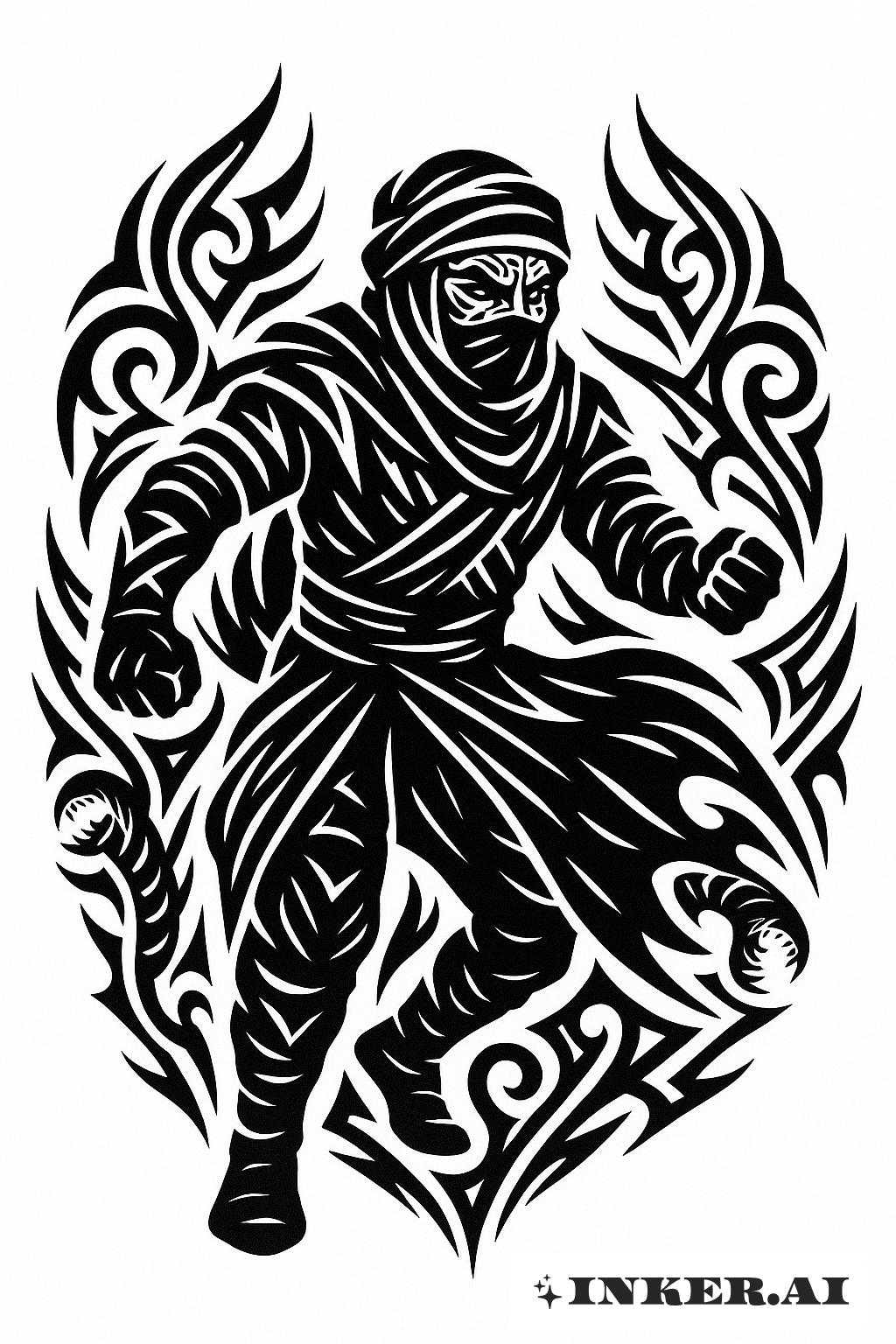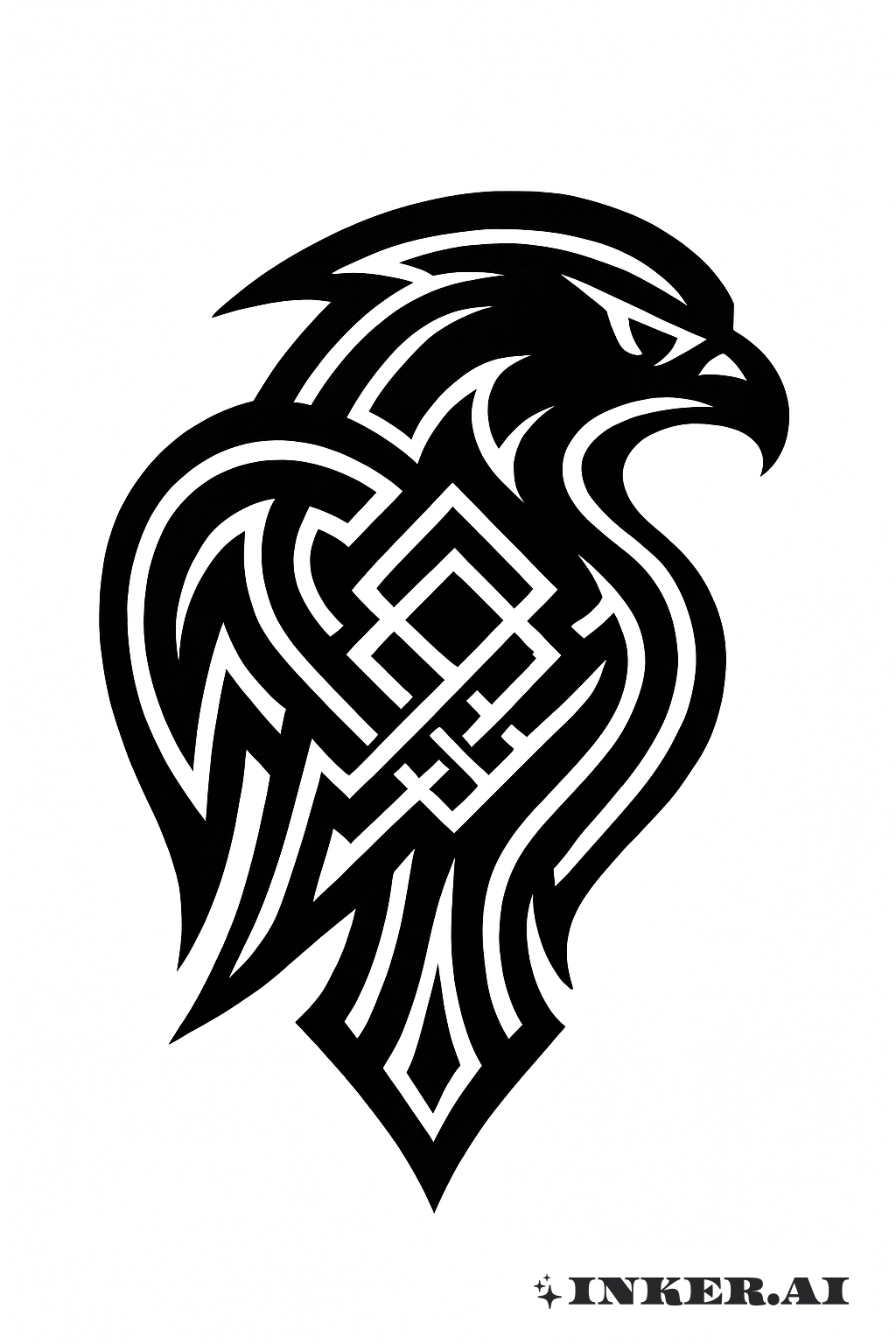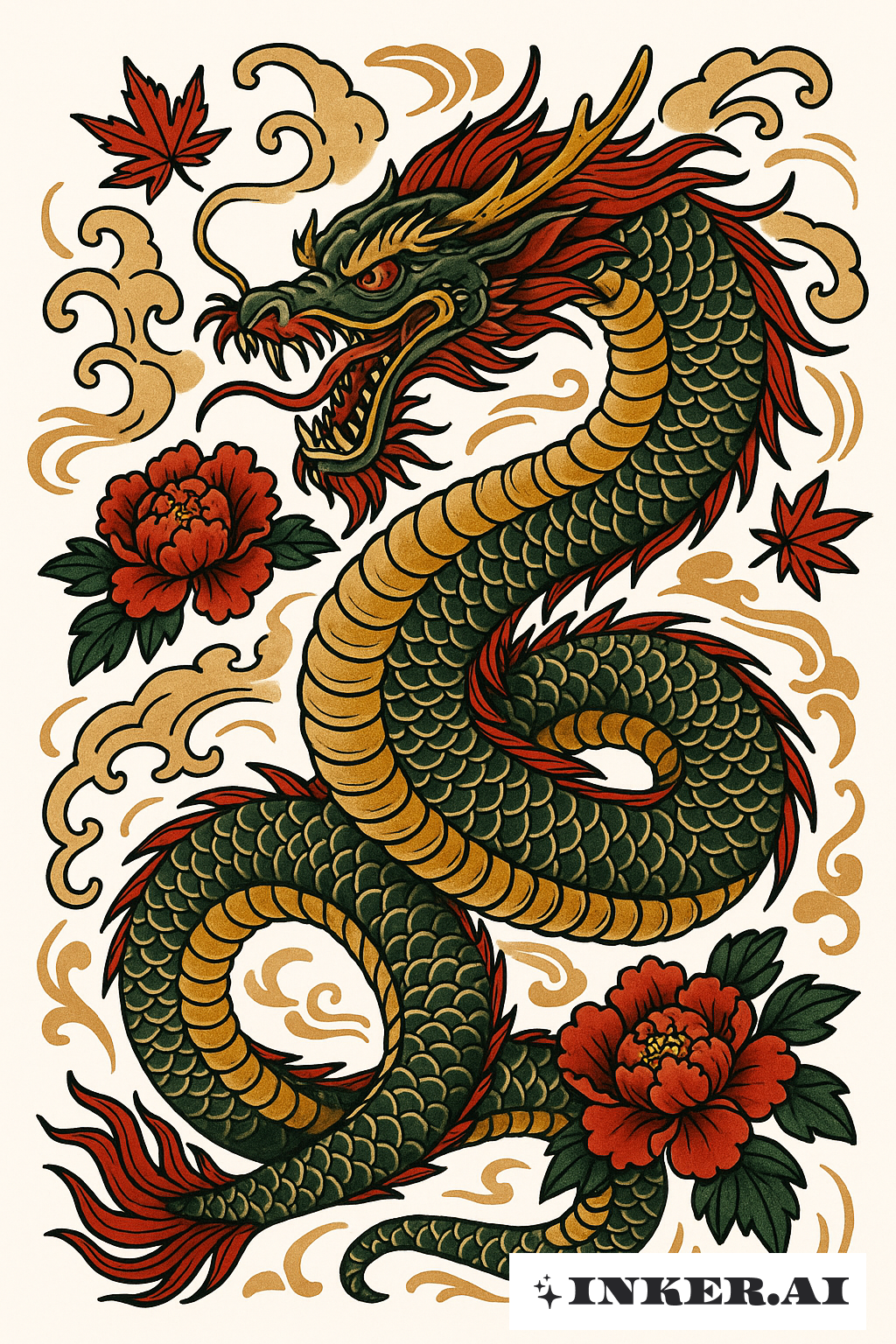
Cultural Meaning Of Shai-Hulud Dragon of Dune Tattoo Design
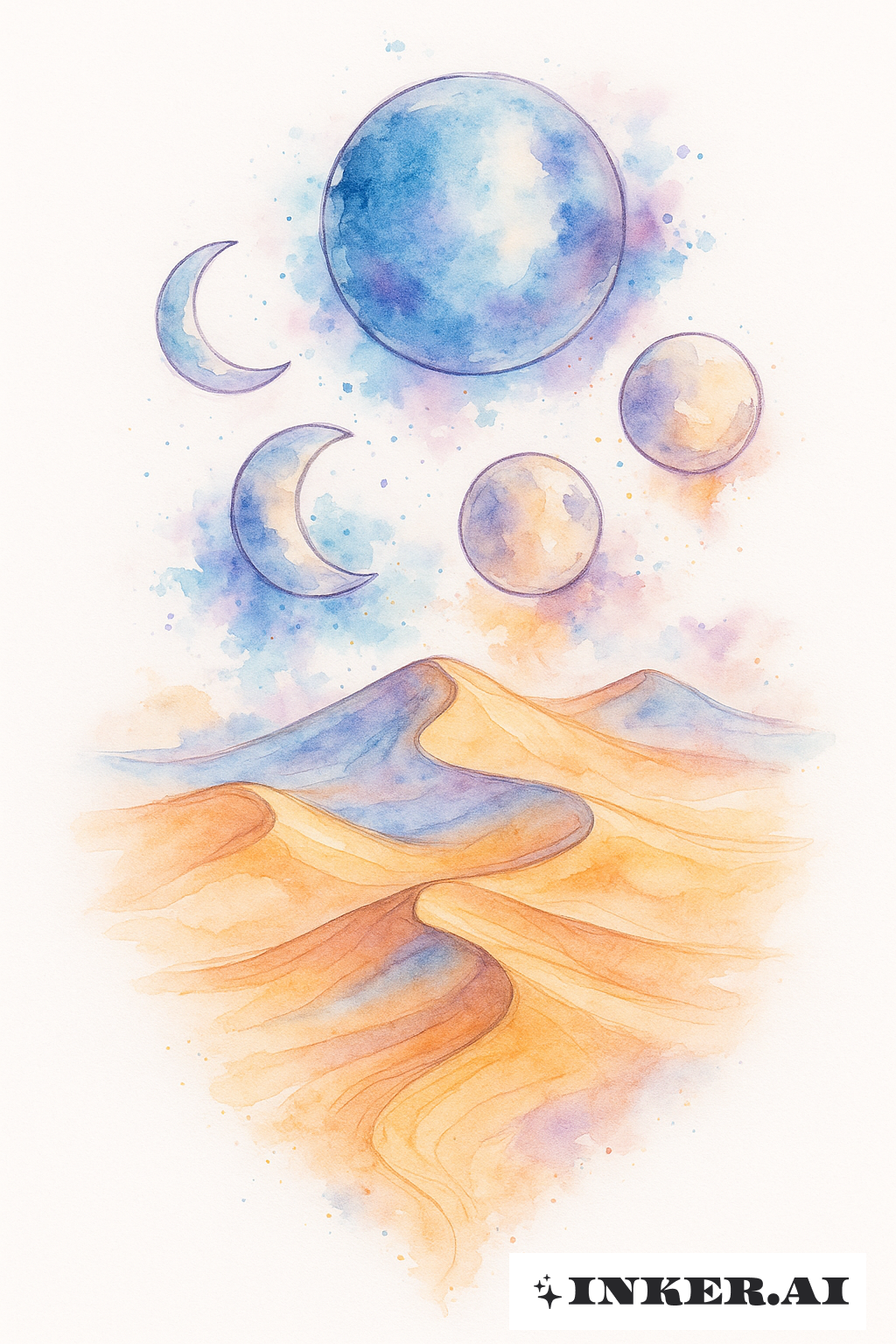
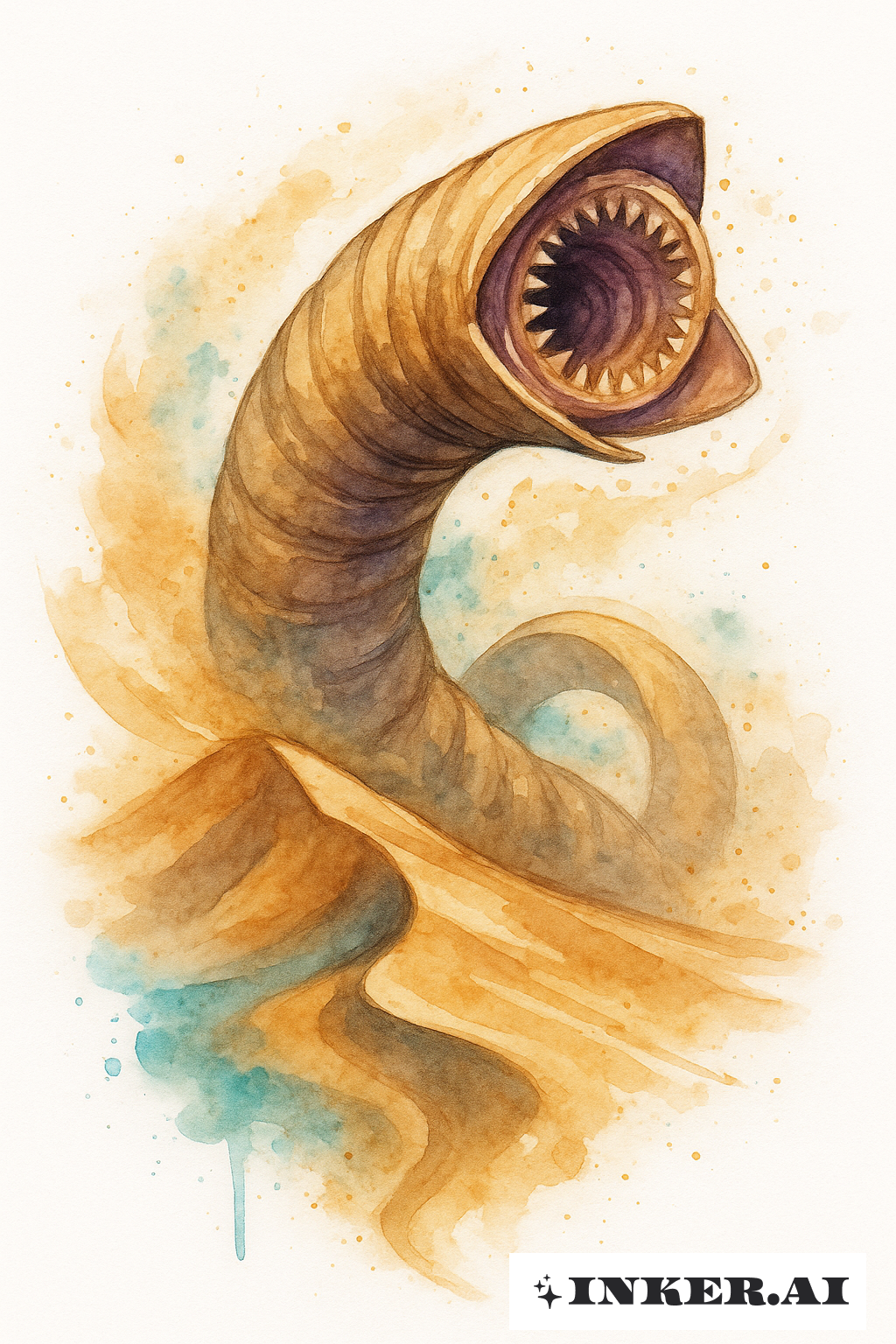
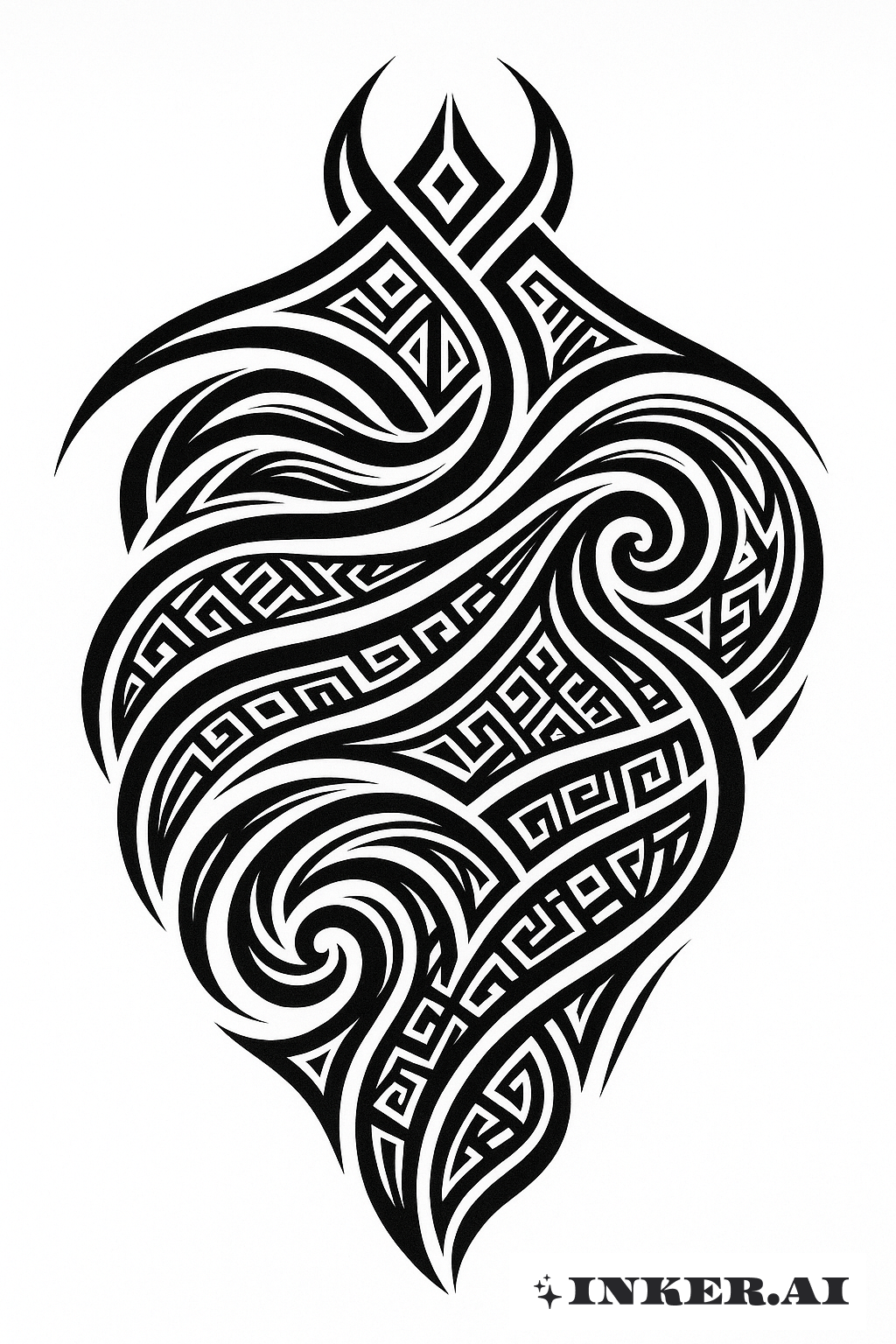
This image blends cultural symbolism with speculative mythmaking. The dragon’s traditional associations — protection, wisdom, and cyclical renewal — are transposed onto a monumental desert being, turning the sandworm into a guardian of harsh landscapes and hidden knowledge. The coiling form evokes time, fate, and repetition: eras fold into one another like layers of sediment, and the wearer may read the piece as a narrative about endurance and transformation. The juxtaposition of smooth dunes and armored plates represents adaptation and resilience, while recurring wind and wave motifs suggest movement, change, and the persistence of life. For those who connect deeply to storytelling, the tattoo can symbolize stewardship of place, respect for uncontrollable forces, or acceptance of vast challenges. At the same time, the design pays respect to craft — bold outlines, intentional negative space, and rhythmic patterns that anchor the creature in visual tradition. Japanese tattoo style and Dune tattoo ideas are incorporated to link cultural motifs with science fiction allegory.
Design Inspiration Of Shai-Hulud Dragon of Dune Tattoo Design
The concept grew from a desire to fuse desert epic imagery with the disciplined composition of traditional Japanese prints. Artists translated the monumental scale of a sandworm into the flowing, modular anatomy of a dragon, using line weight and negative space to maintain readability on the body. Motifs like wind bars, waves, and segmented ridges were chosen to echo both dune formations and classic ornamentation. The palette references sun-baked earth and ancient inks, while metallic highlights lend a mythic glow. The result aims to be both narrative and wearable, honoring source material while adapting it to contemporary tattoo anatomy.