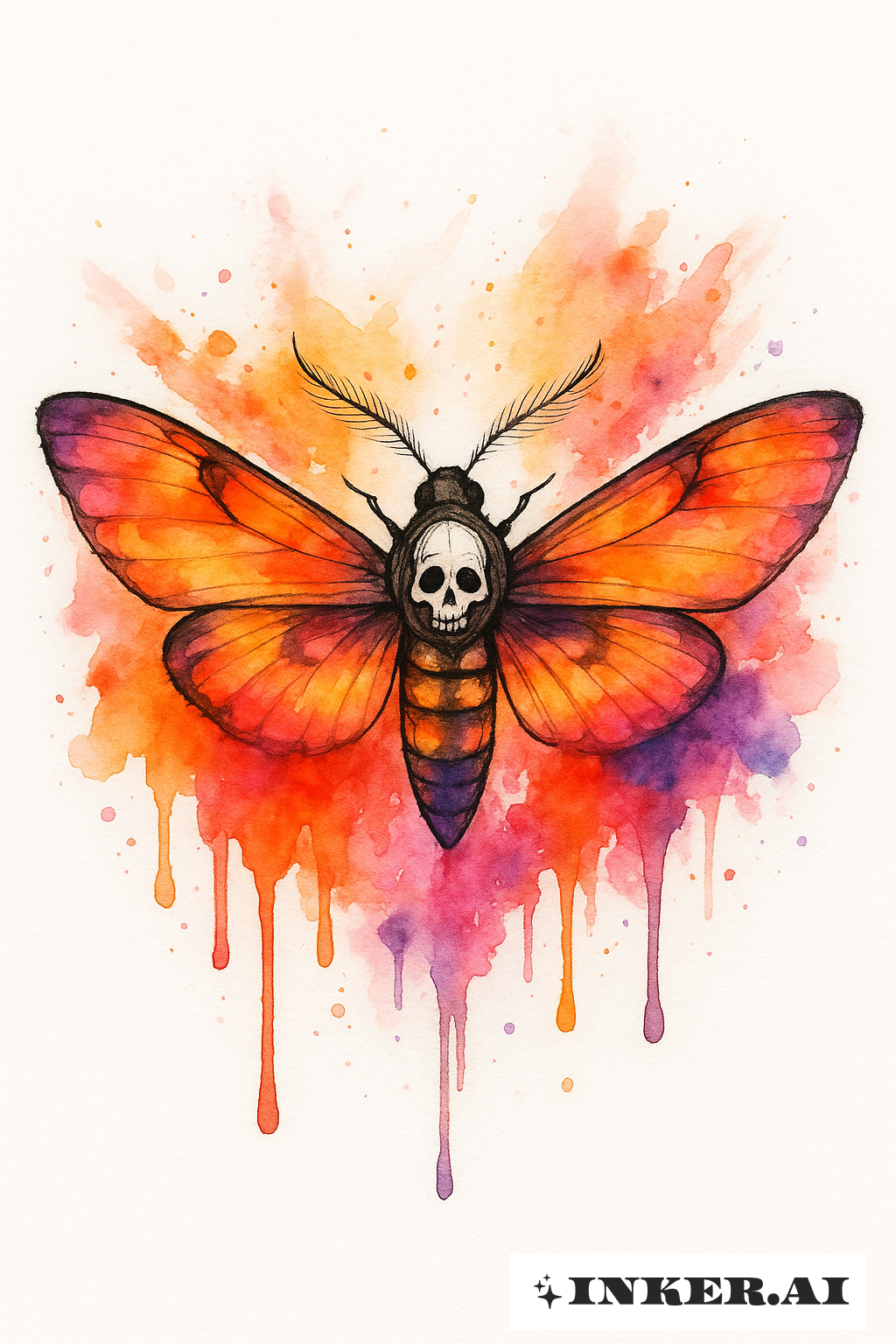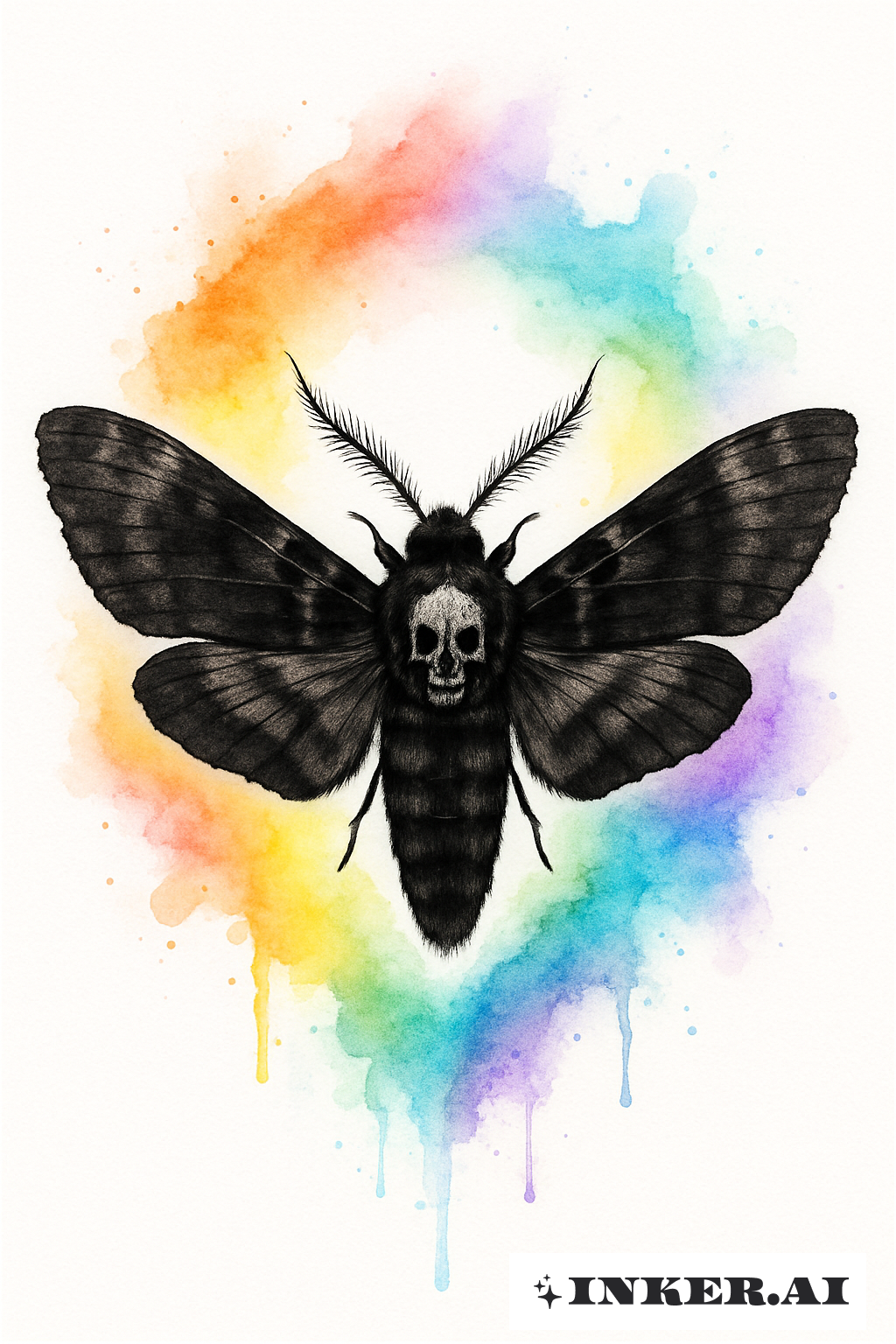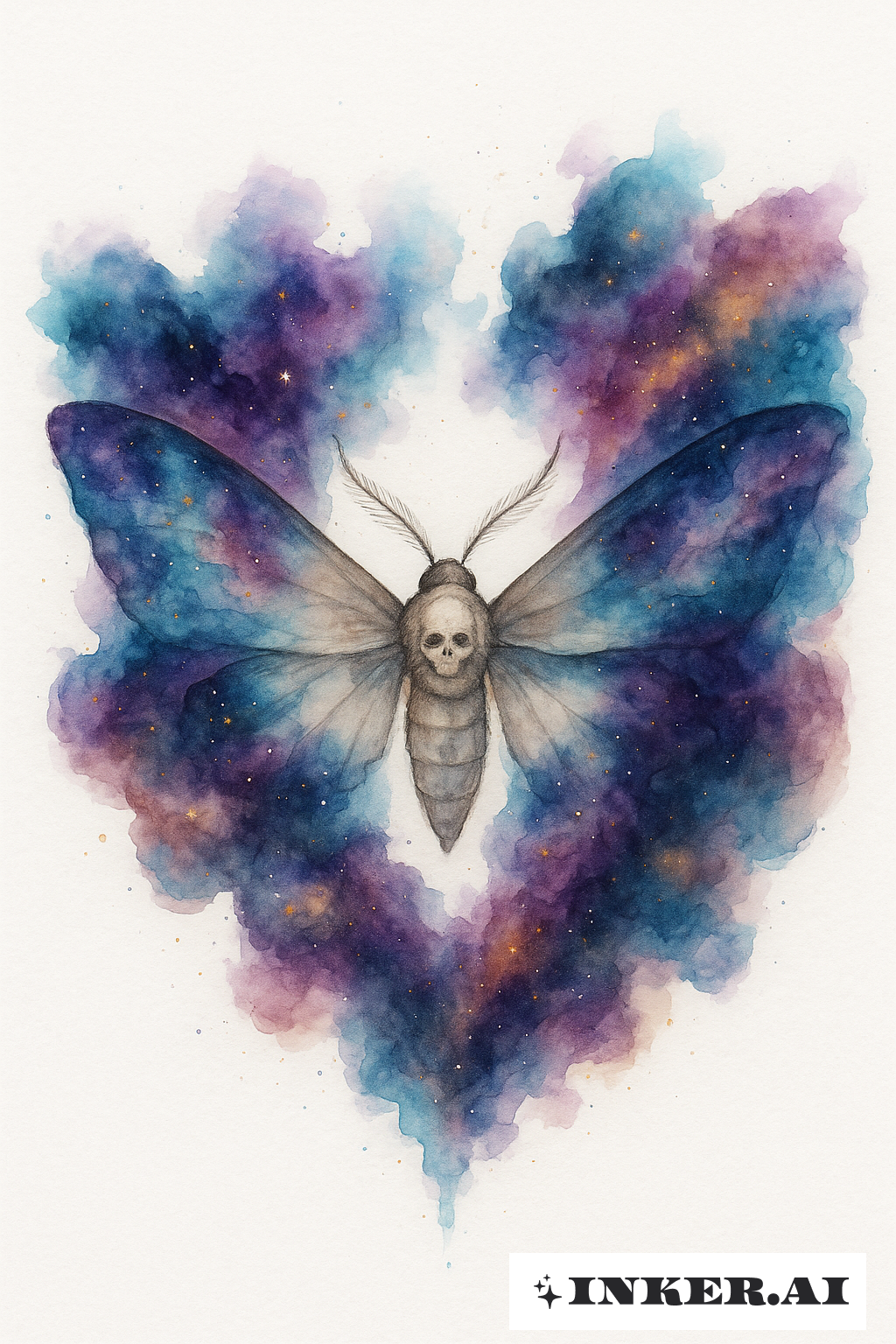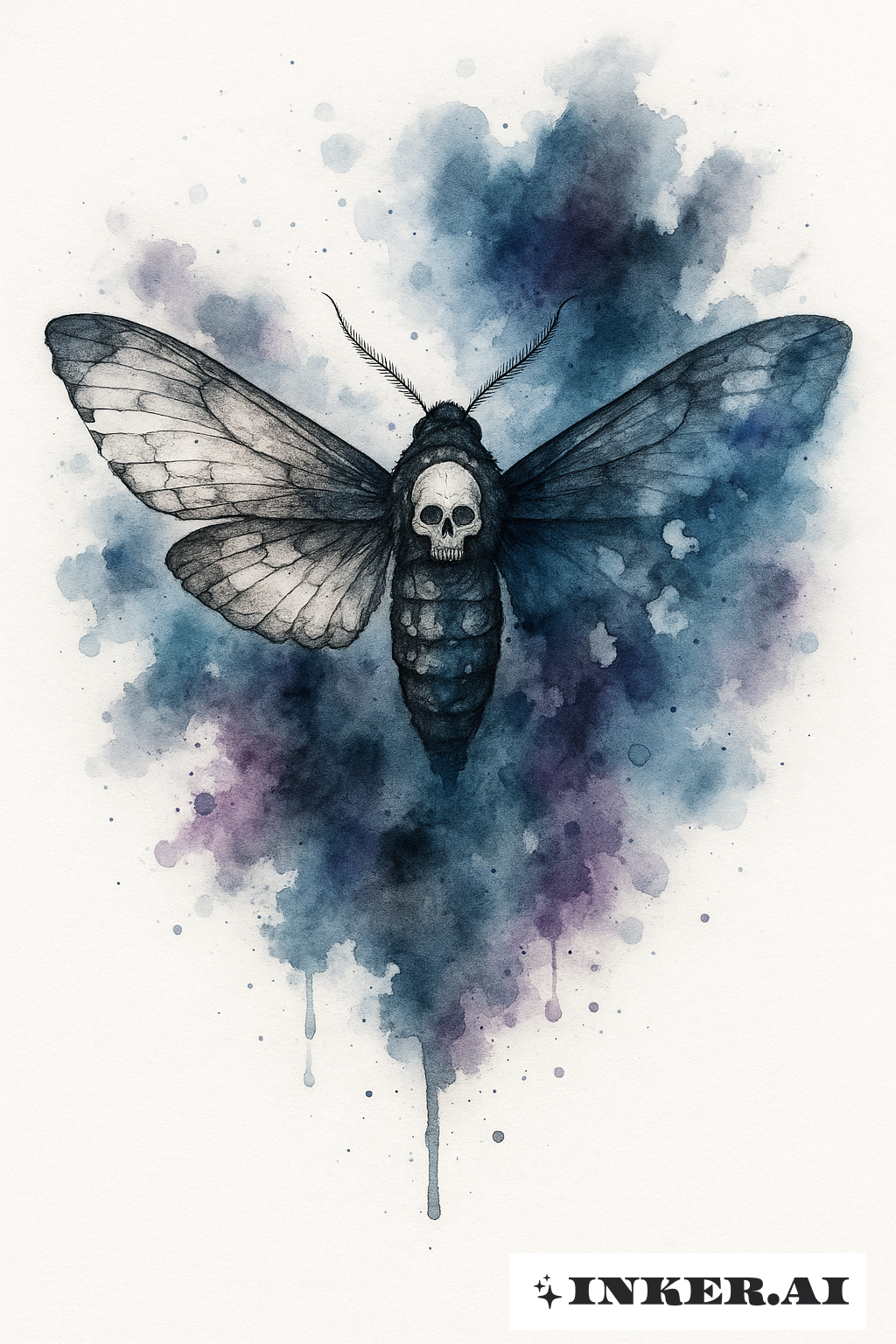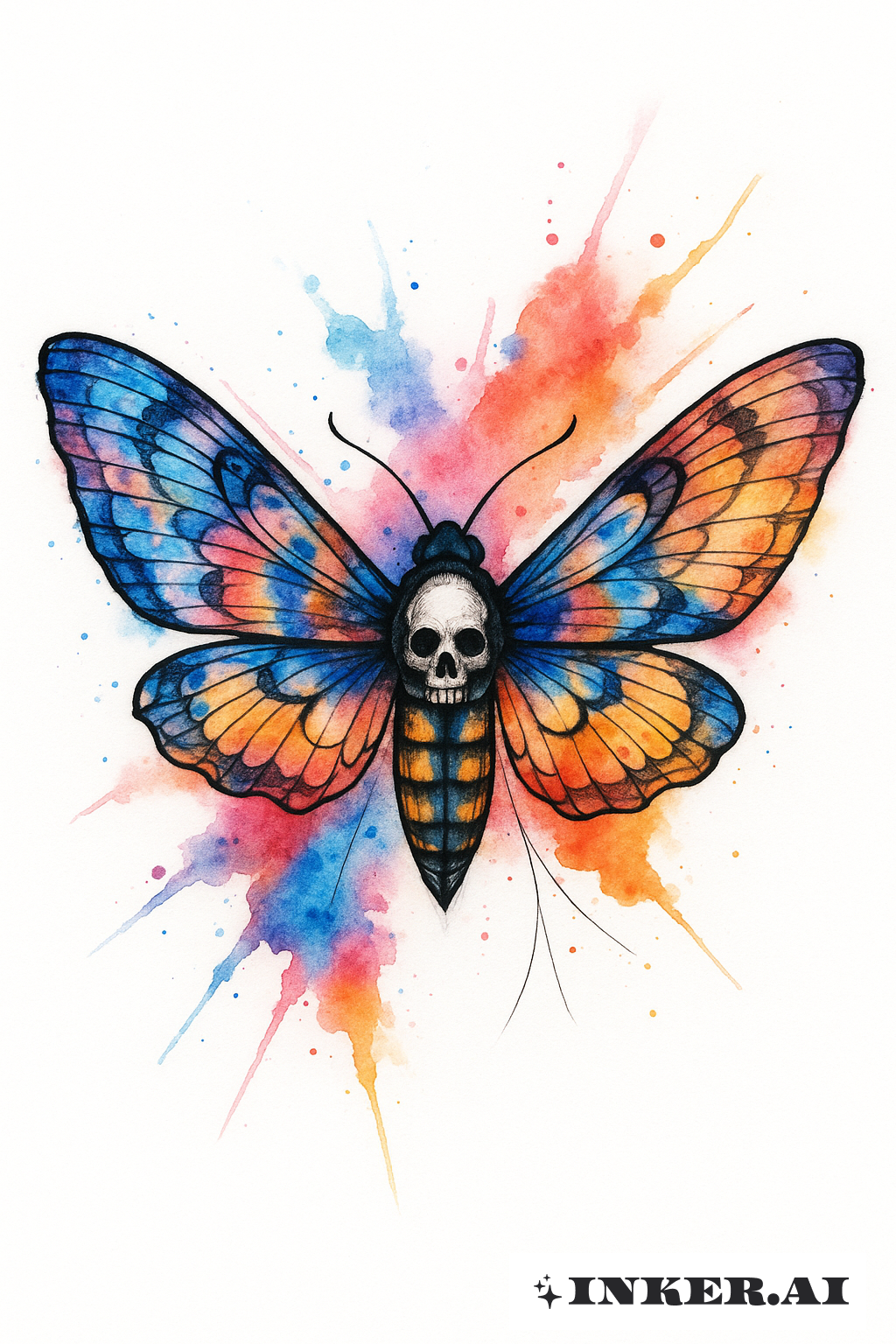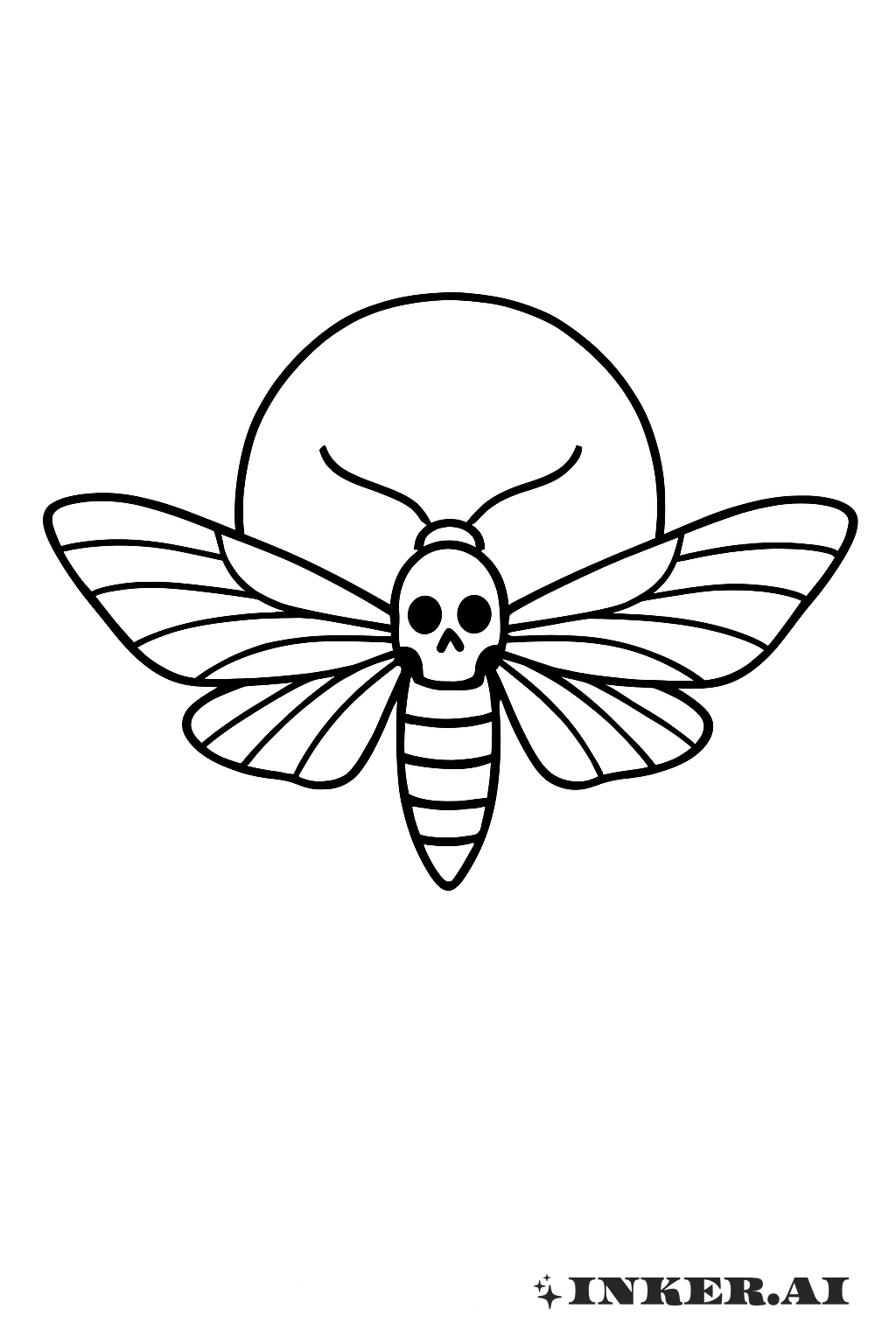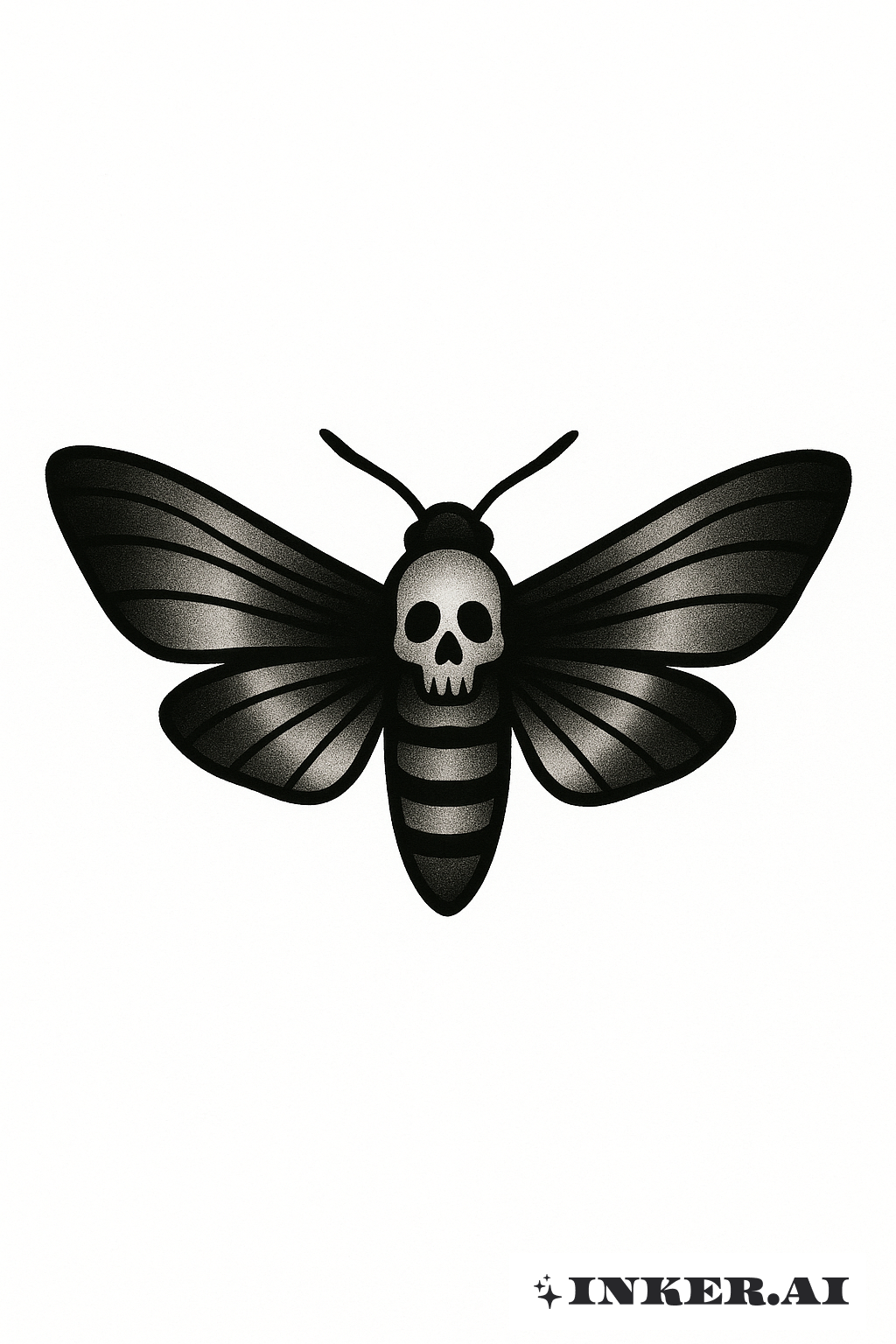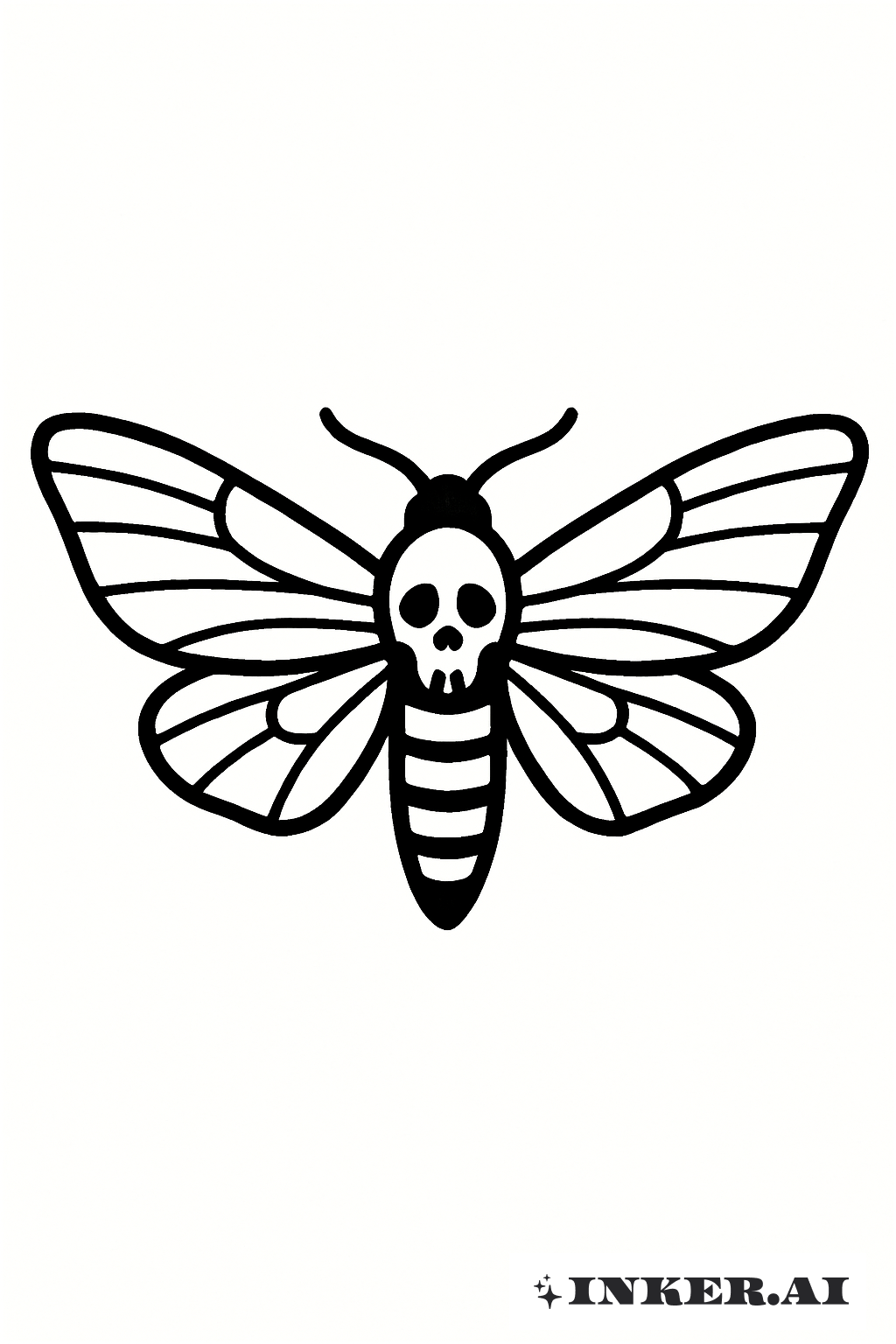
Cultural Meaning Of Death Moth Over Irezumi Wind Bars Tattoo Design
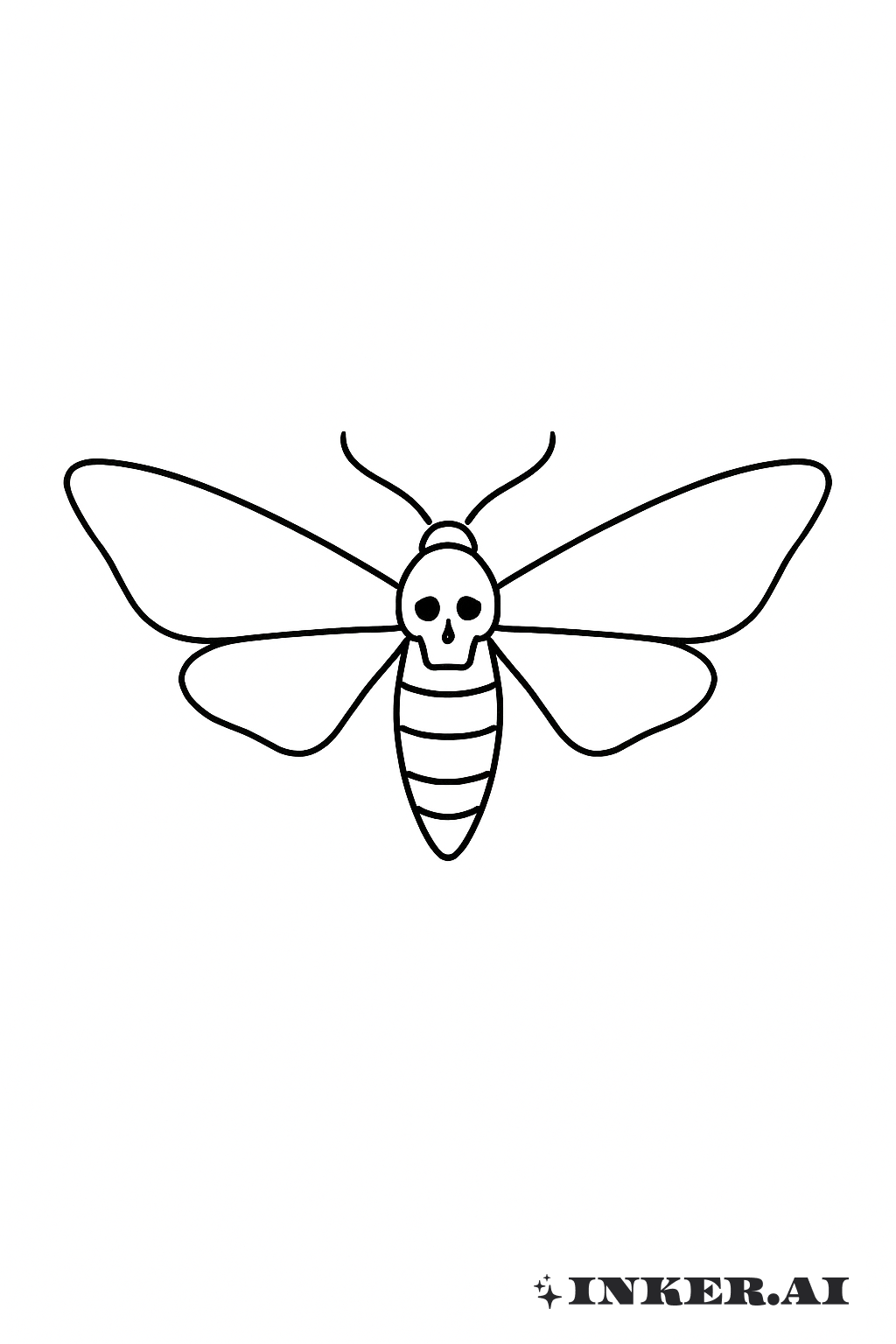
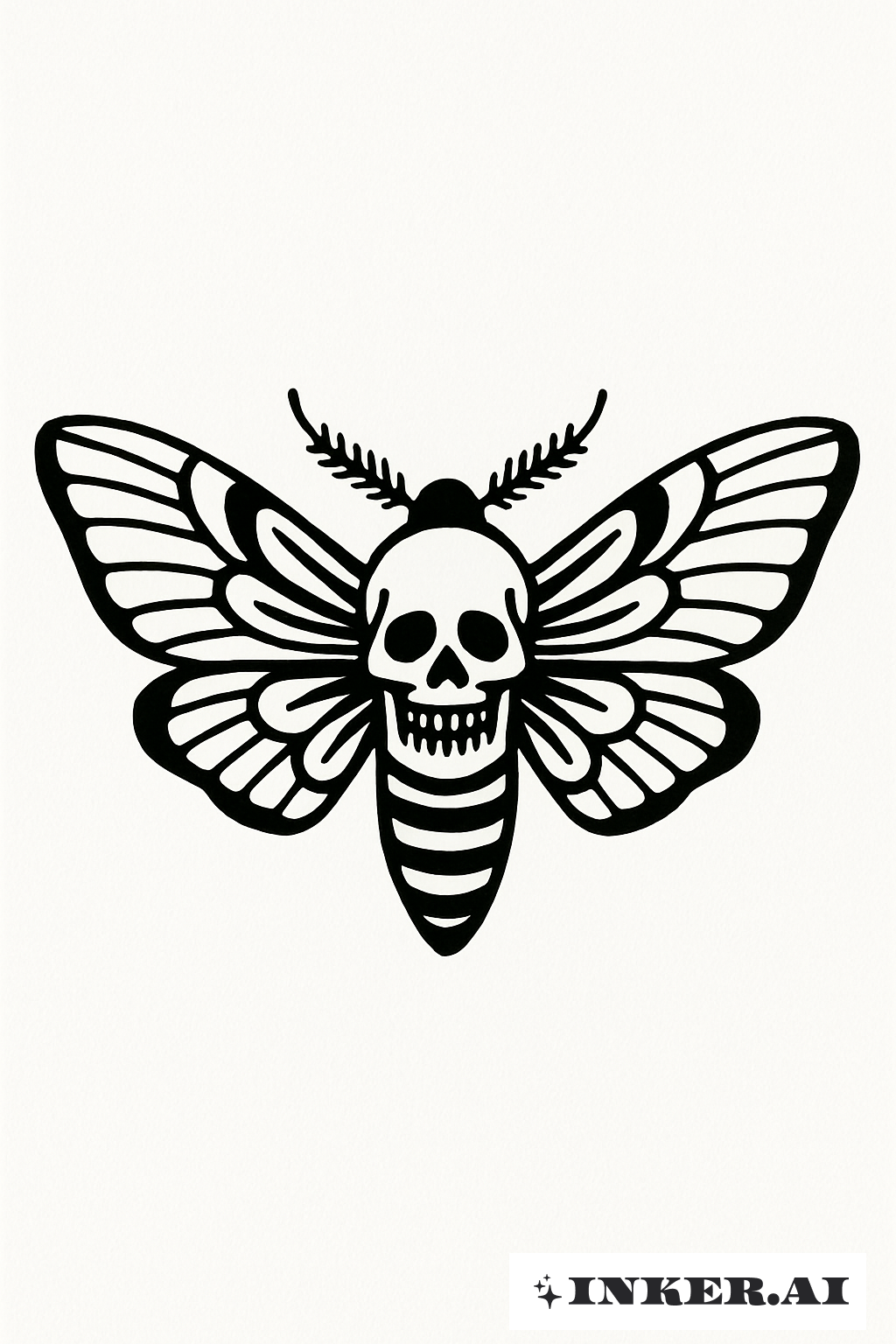
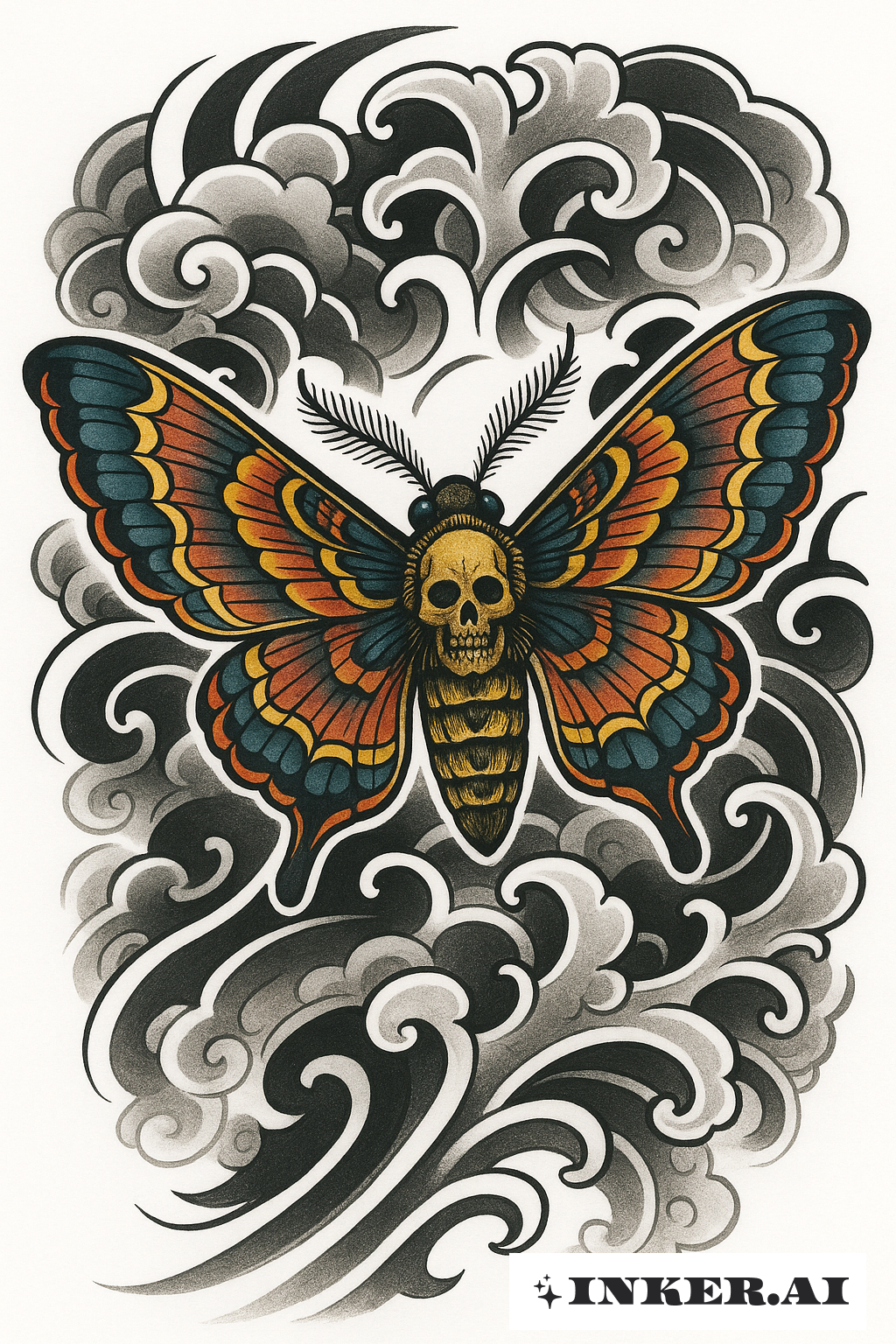
The imagery blends naturalistic and traditional elements to convey layered meanings. In Japanese visual language, wind bars often represent movement, change, and the invisible forces that shape life; pairing them with a nocturnal insect heightens the sense of transition. The moth itself carries associations with metamorphosis, attraction to light, and the thin line between life and death — themes that resonate in personal narratives about loss, transformation, or acceptance. Within the aesthetic framework, the graphic clarity of bold outlines and negative space emphasizes resilience and permanence, while delicate wing details speak to fragility and fleeting beauty. The composition intentionally references Irezumi conventions, using scale and repetition to create a heroic presence on the body. For someone choosing this piece, it can symbolize a period of personal change, a tribute to the ephemeral, or an embrace of darkness as part of the whole. This pairing echoes the balance between strength and vulnerability central to Japanese tattoo style and honors the evocative power of the Death Moth tattoo ideas embodied here.
Design Inspiration Of Death Moth Over Irezumi Wind Bars Tattoo Design
The design draws on Edo-period woodblock dynamics and natural history illustration: the linear energy of traditional motifs meets the close observation of a lepidopterist. Artists often study moth wing patterns under varied light to capture subtle tonal shifts, then translate those textures into stippling and micro-linework for the skin. The wind bars are inspired by classical Irezumi compositions, used to lead the eye and frame the central figure, while selective color accents echo pigments found in antique prints. Overall, the tattoo aims to feel timeless—part ritual emblem, part scientific study—so it can read as both a personal talisman and a crafted work of body art.