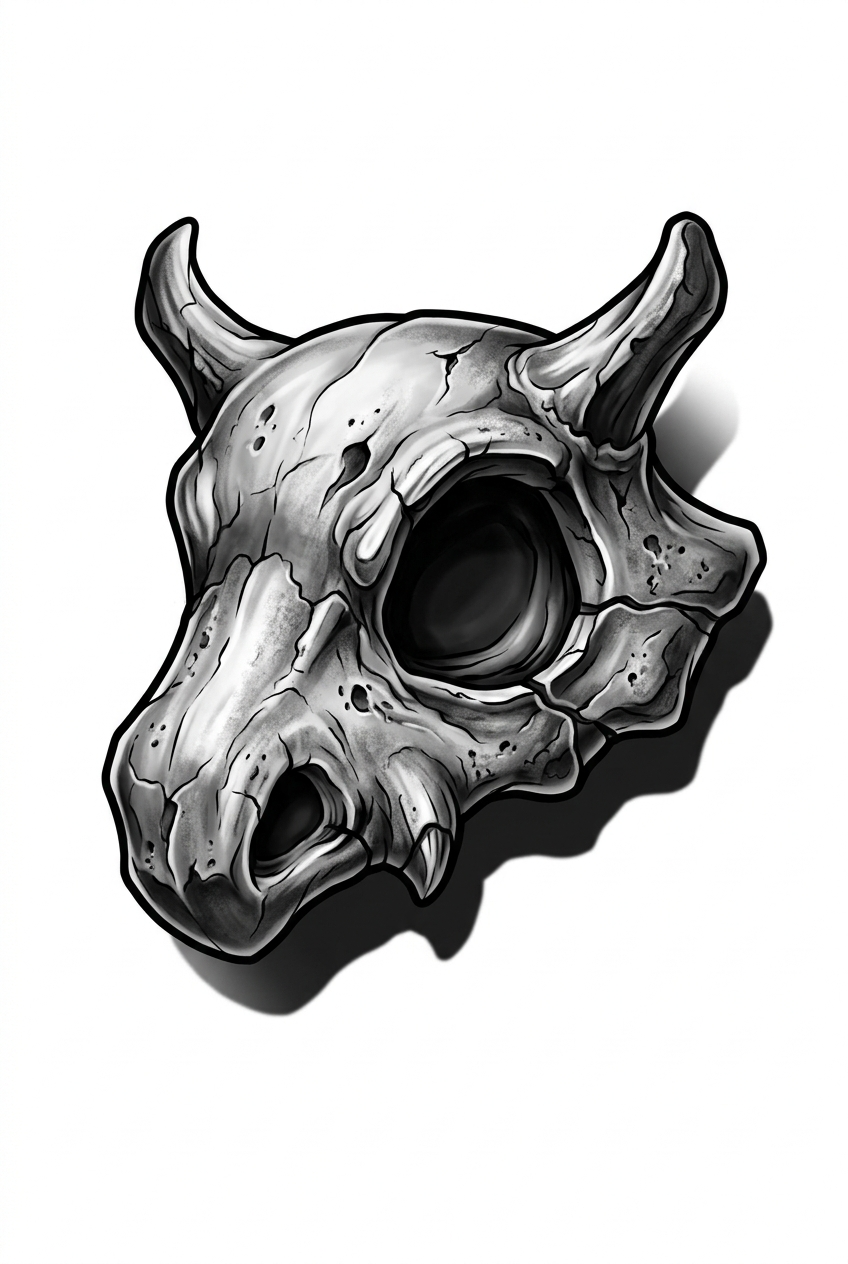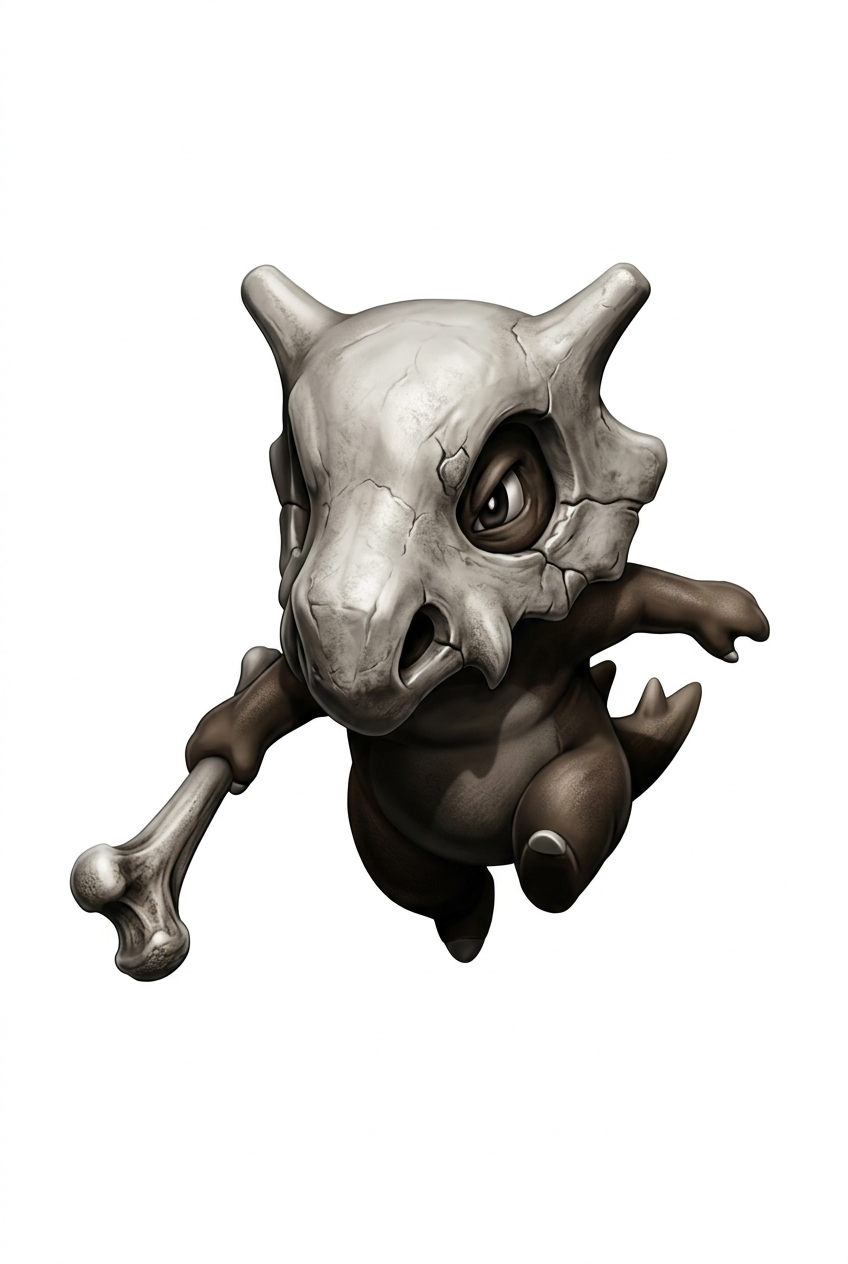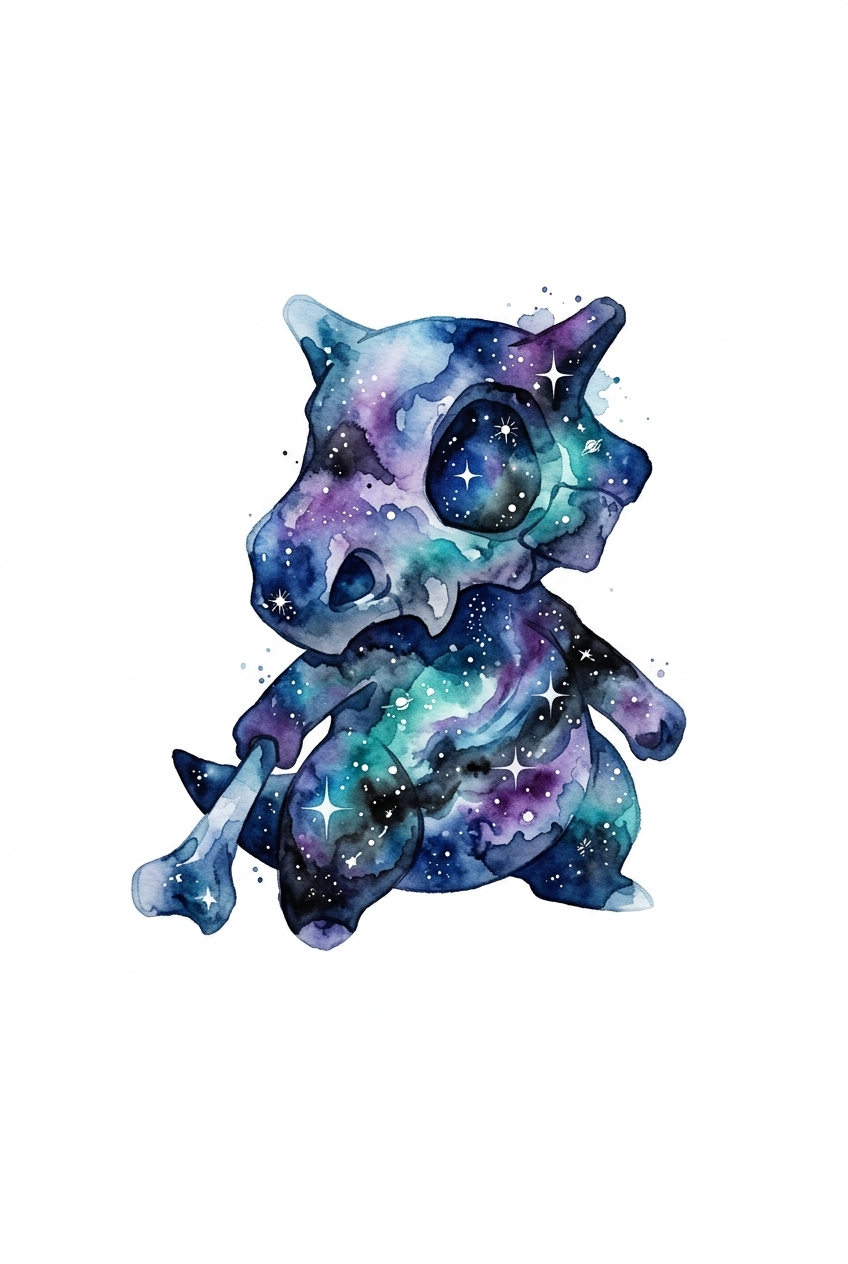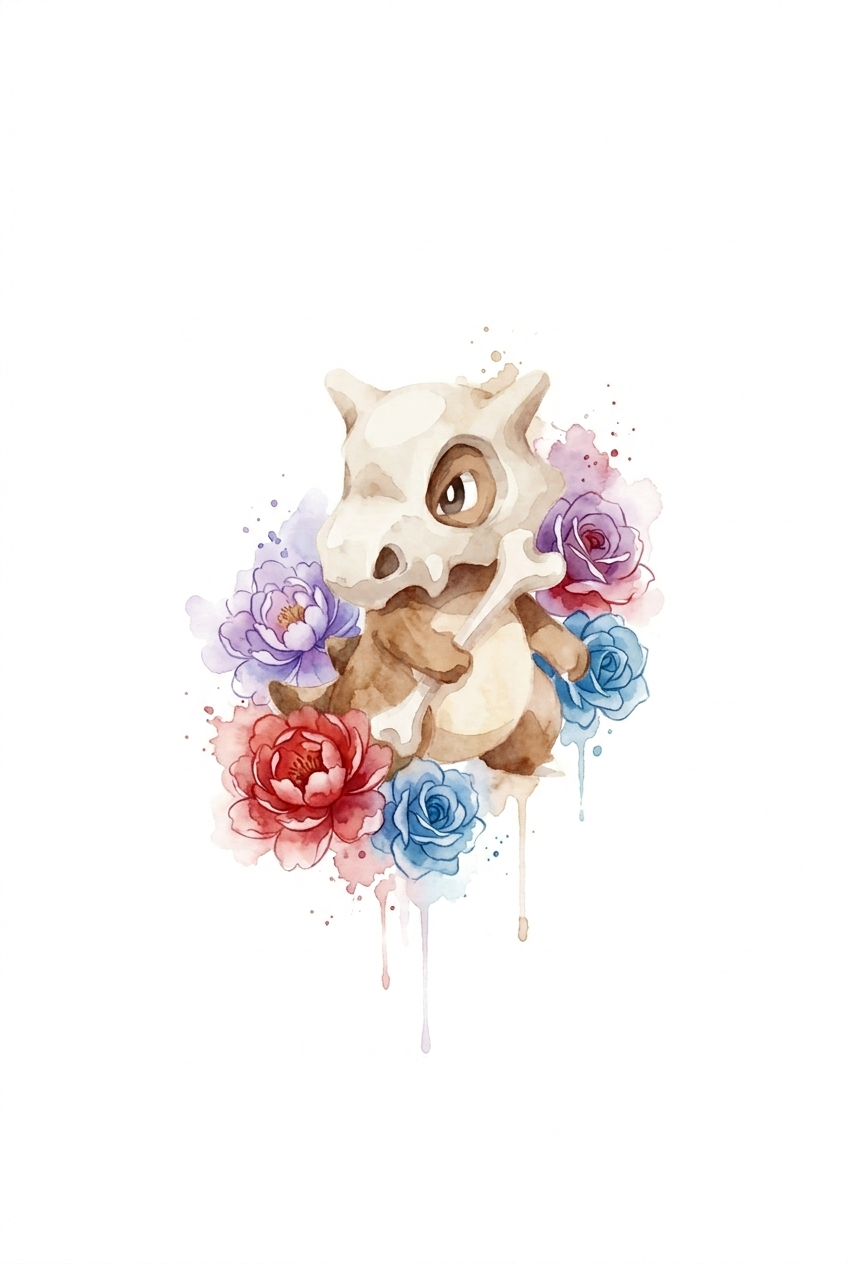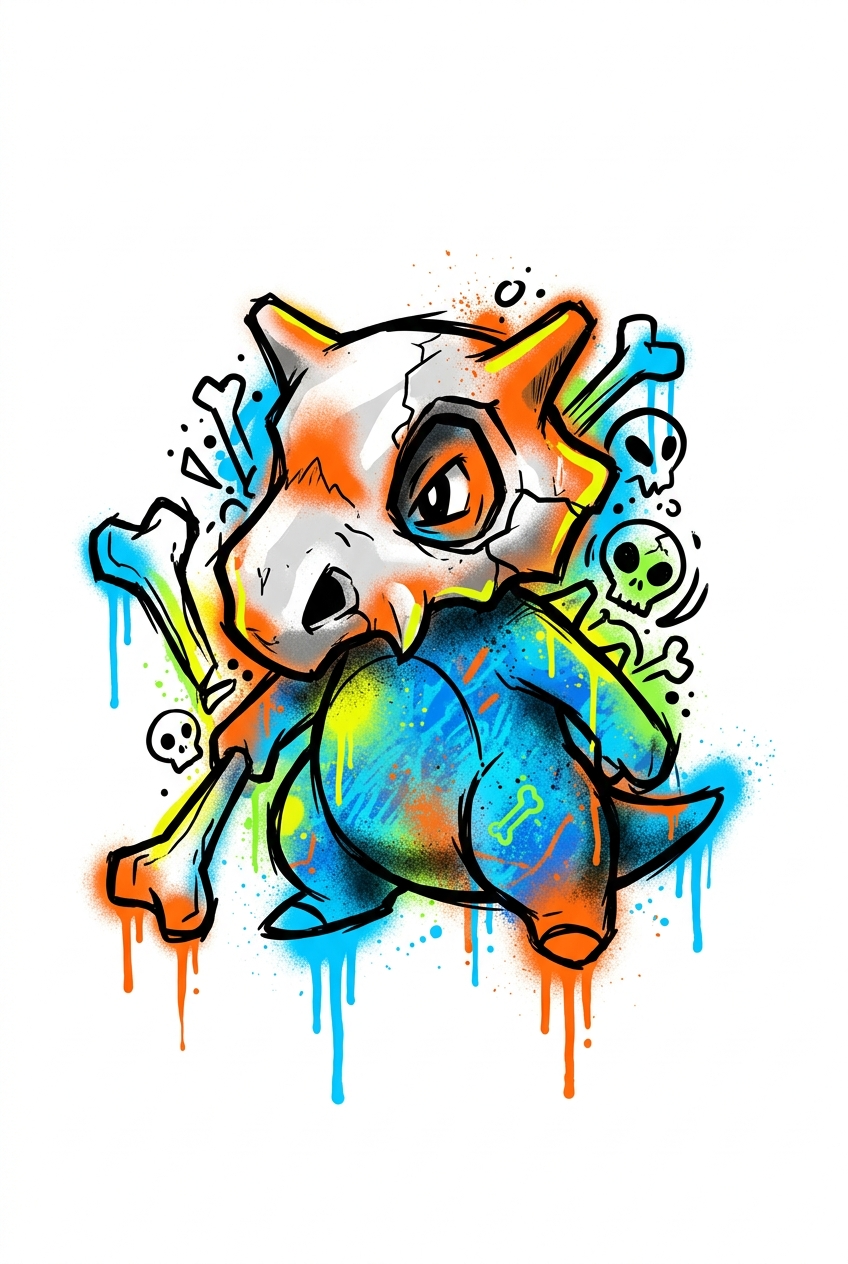
Cultural Meaning Of Cubone Graffiti Bone Tag Tattoo Design
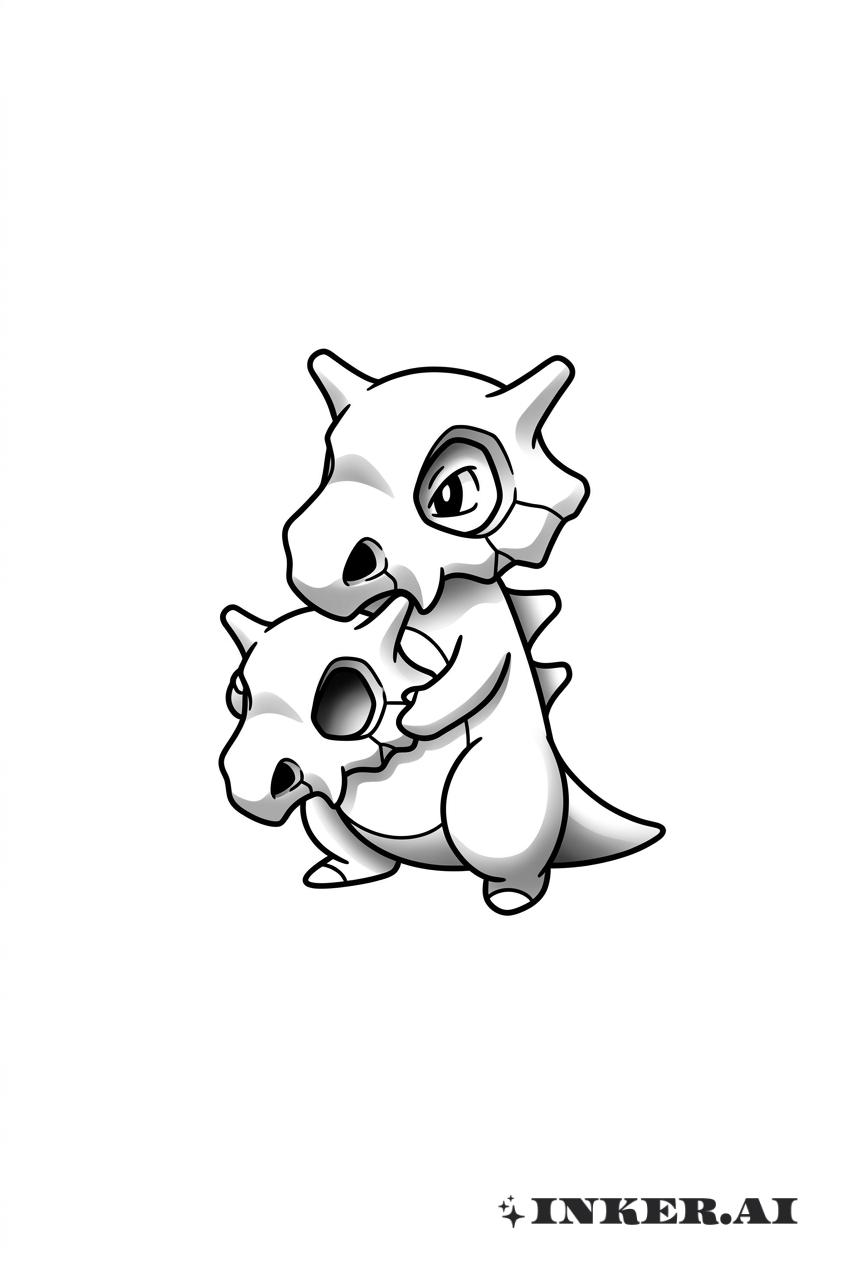
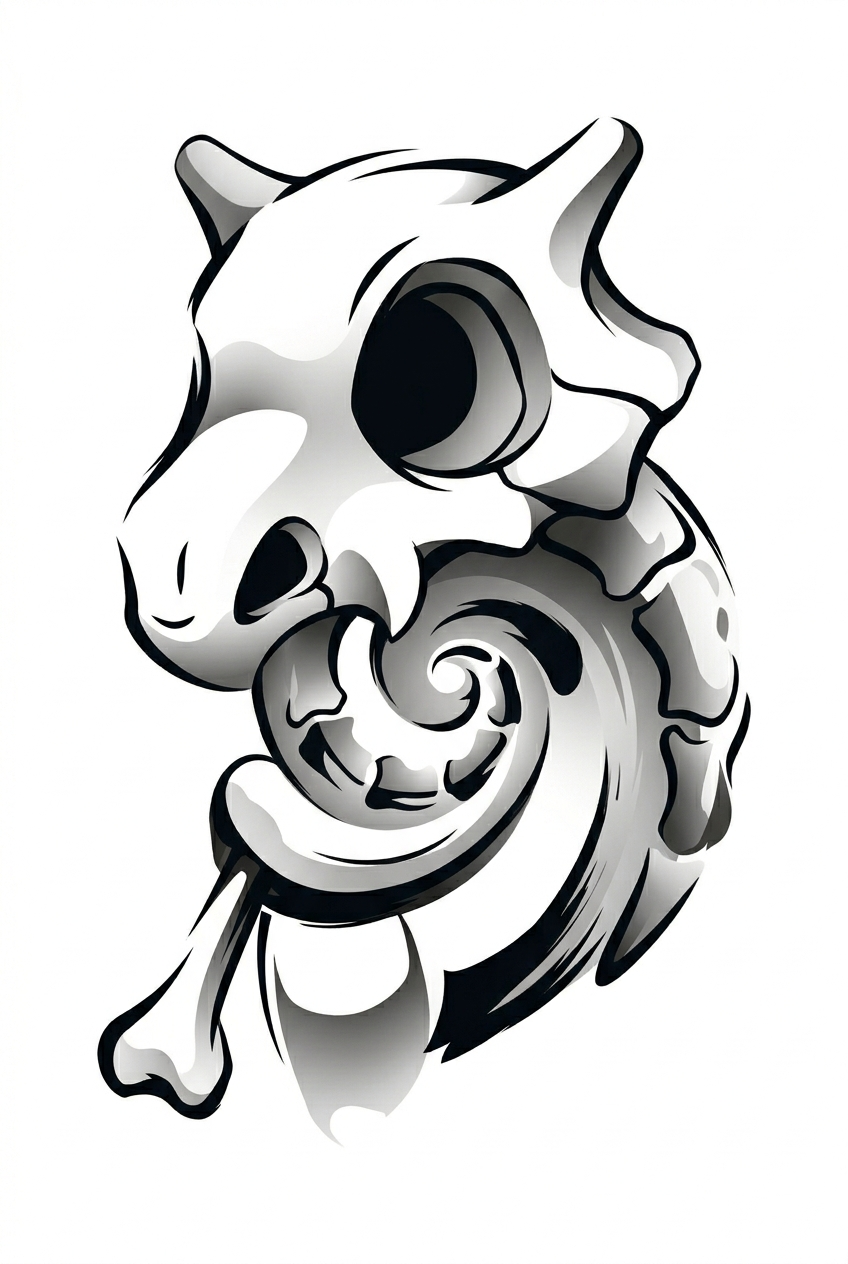
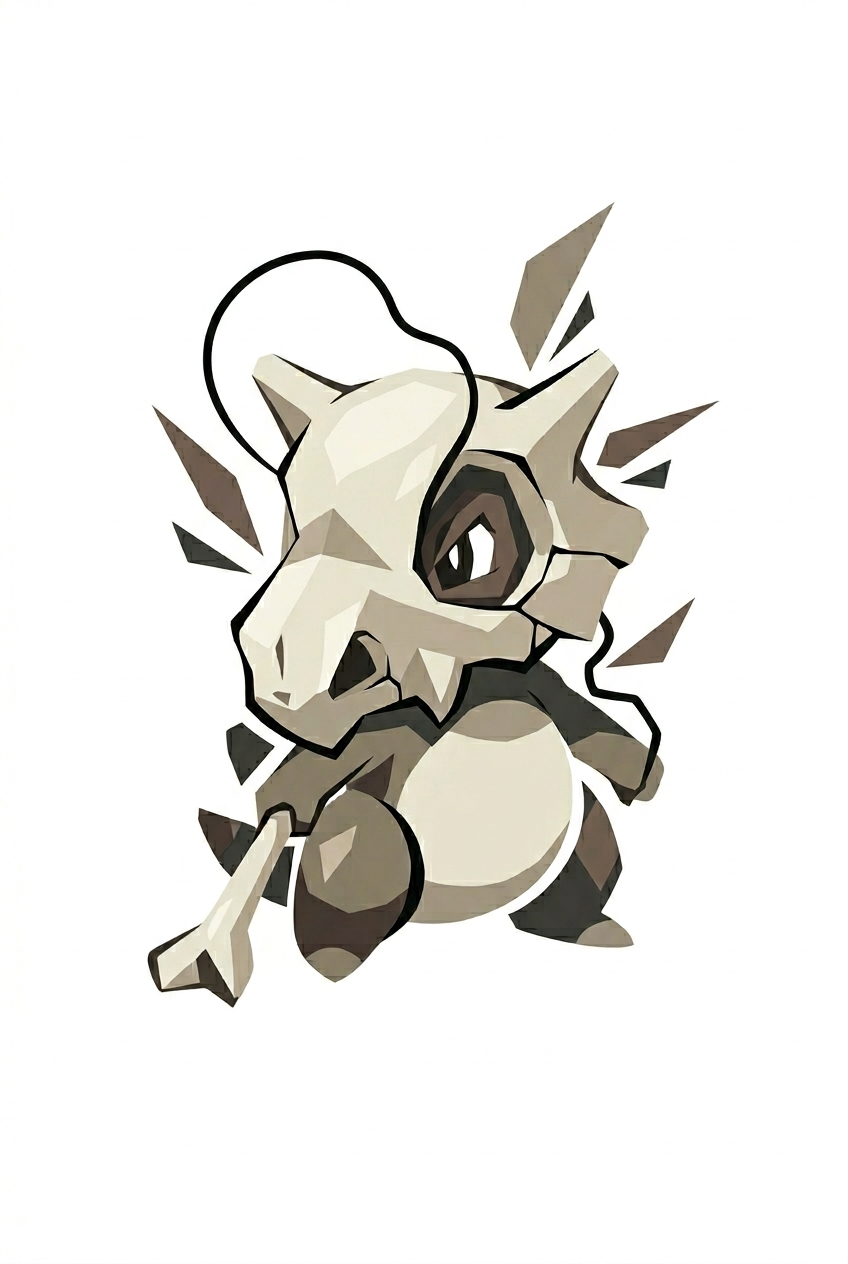
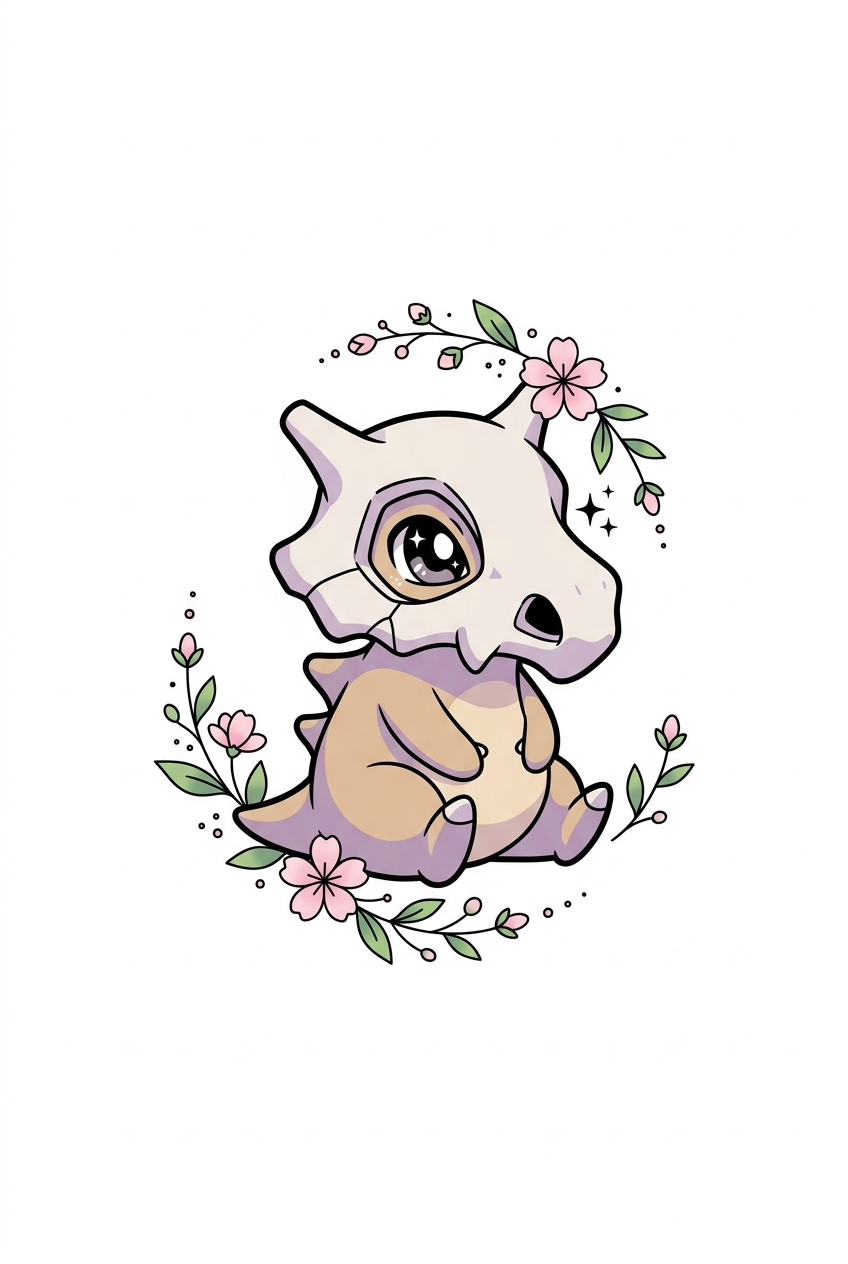
At its core this piece juxtaposes vulnerability and defiance: the small, helmeted creature hints at childhood loss but stands armed in the language of the street. Reclaimed bones, dripping paint, and layered tags symbolize memory made public—private grief transformed into a communal statement. The urban textures suggest resilience, turning what was once hidden into an emblem of identity and survival. Using bold color clashes and raw mark-making, the motif speaks to people who feel like outsiders and find solidarity in visible marks and communal walls. Placing the familiar, almost baby-like figure within a raw street palette subverts expectations, offering both protection and rebellion. As a hybrid, it bridges playful fandom and subcultural roots, translating personal narrative into a bold mural-level shorthand. This duality is exactly why many choose Graffiti tattoo style for emblematic marks: it reads as both personal memory and public proclamation. Equally, the comfortingly iconic silhouette aligns with popular Cubone tattoo ideas, giving wearers a recognizable symbol that carries layered emotional resonance without losing its streetwise attitude.
Design Inspiration Of Cubone Graffiti Bone Tag Tattoo Design
Artistically, this piece draws from late-night alley murals, skatepark tags, and vintage cartoon aesthetics. The goal was to merge nostalgic character design with the improvisational energy of breakbeat-era street art: quick stencils, bucket drips, and hand-rolled lettering. Color choices came from neon signage and faded poster collages, while the bone motif references both toy-like charm and punk-era DIY badges. Composition favors high contrast and readable silhouettes so the image works at small scale on skin as well as blown up for wall art. Overall the inspiration is equal parts playground memory and urban rebellion, celebrating raw technique and character-driven storytelling.