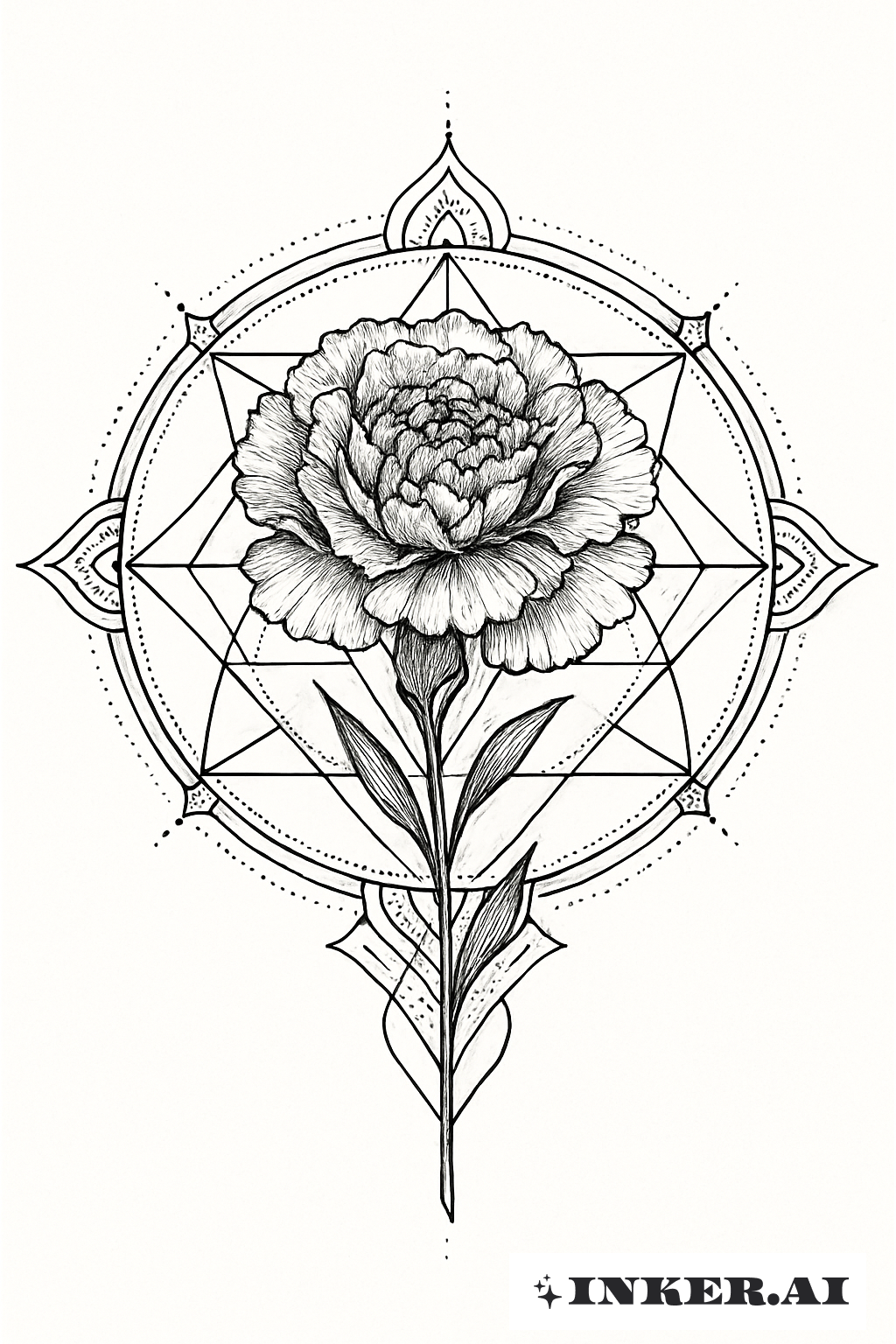
Cultural Meaning Of Carnation Bloom as a Sacred Geometry Mandala Tattoo Design
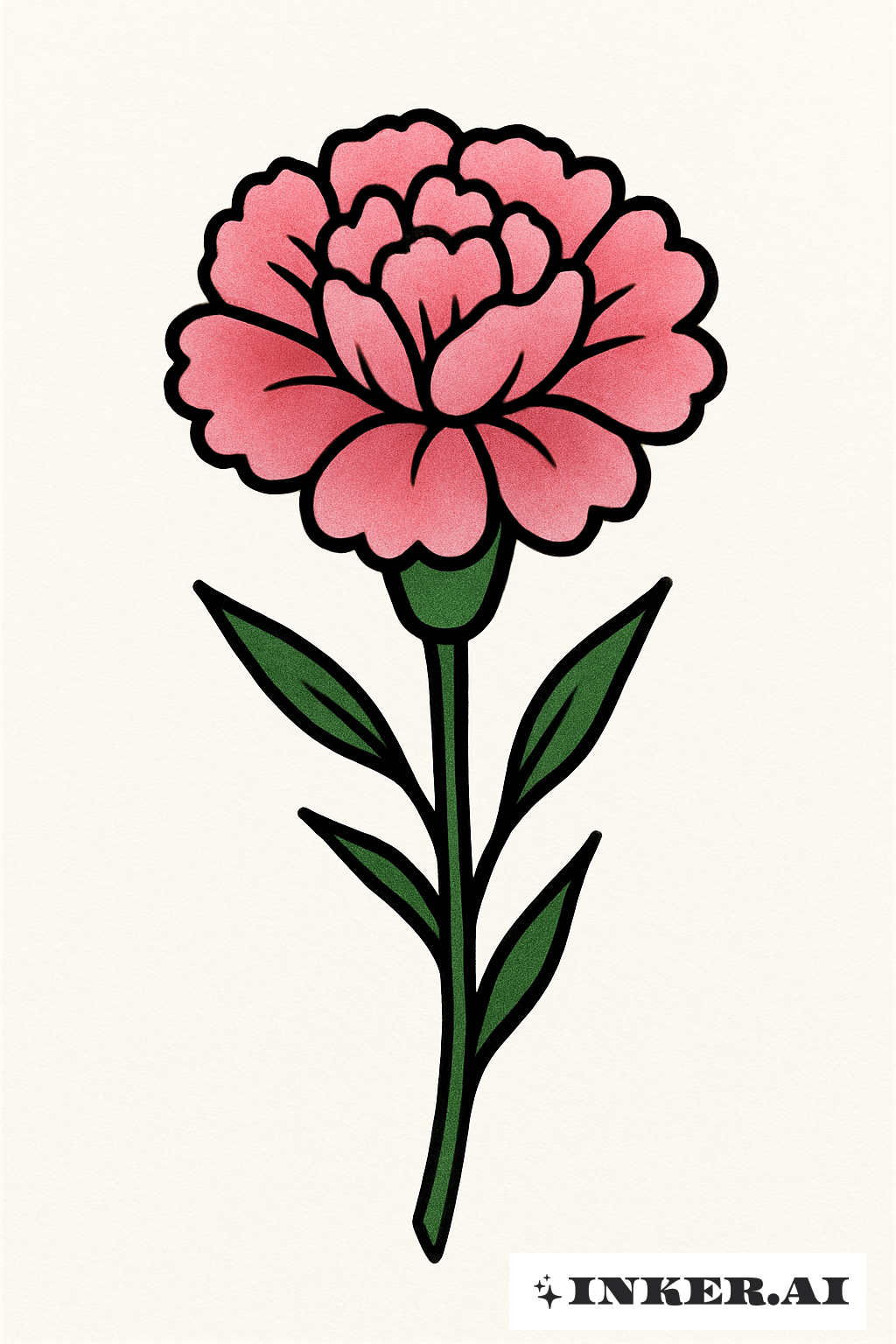
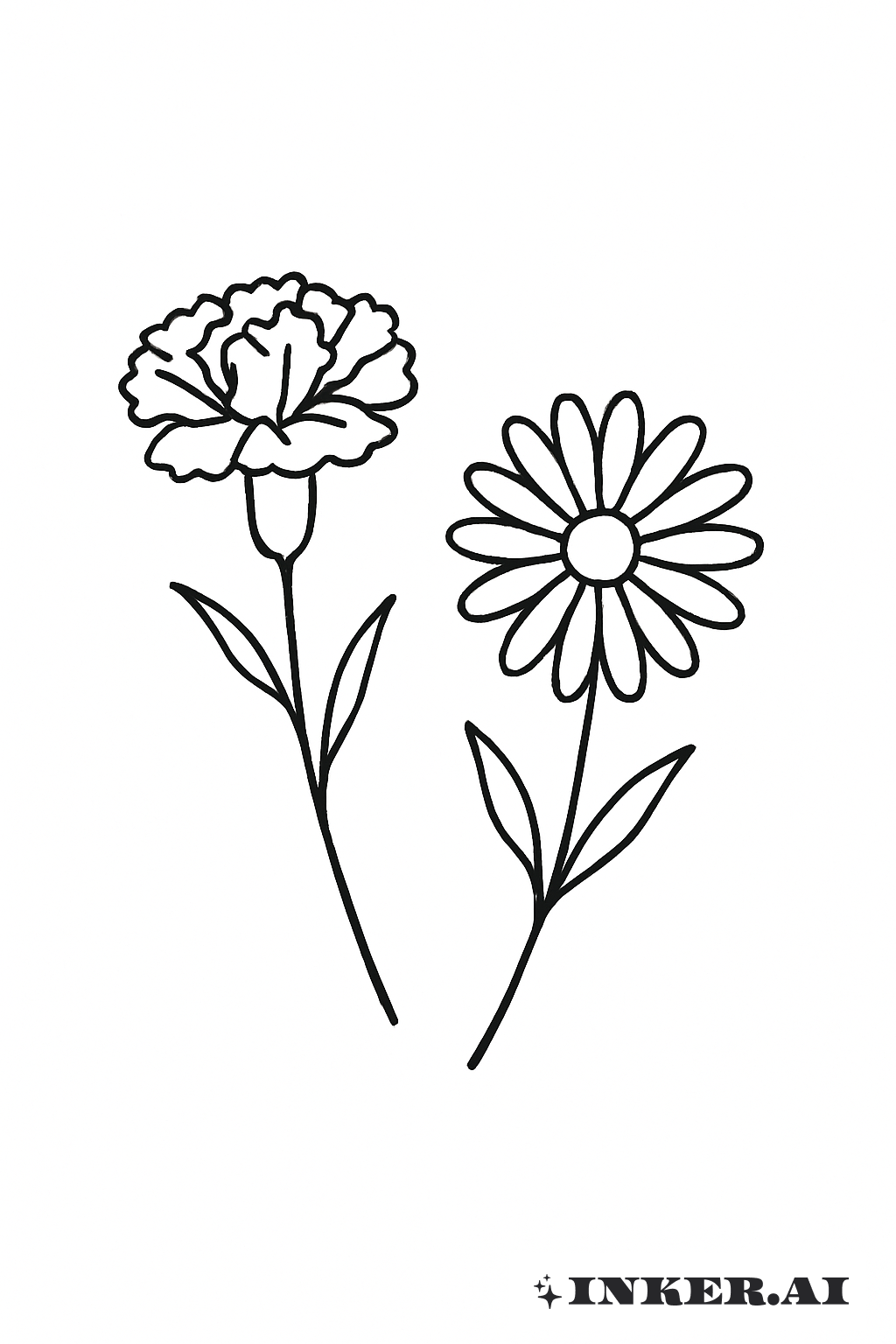
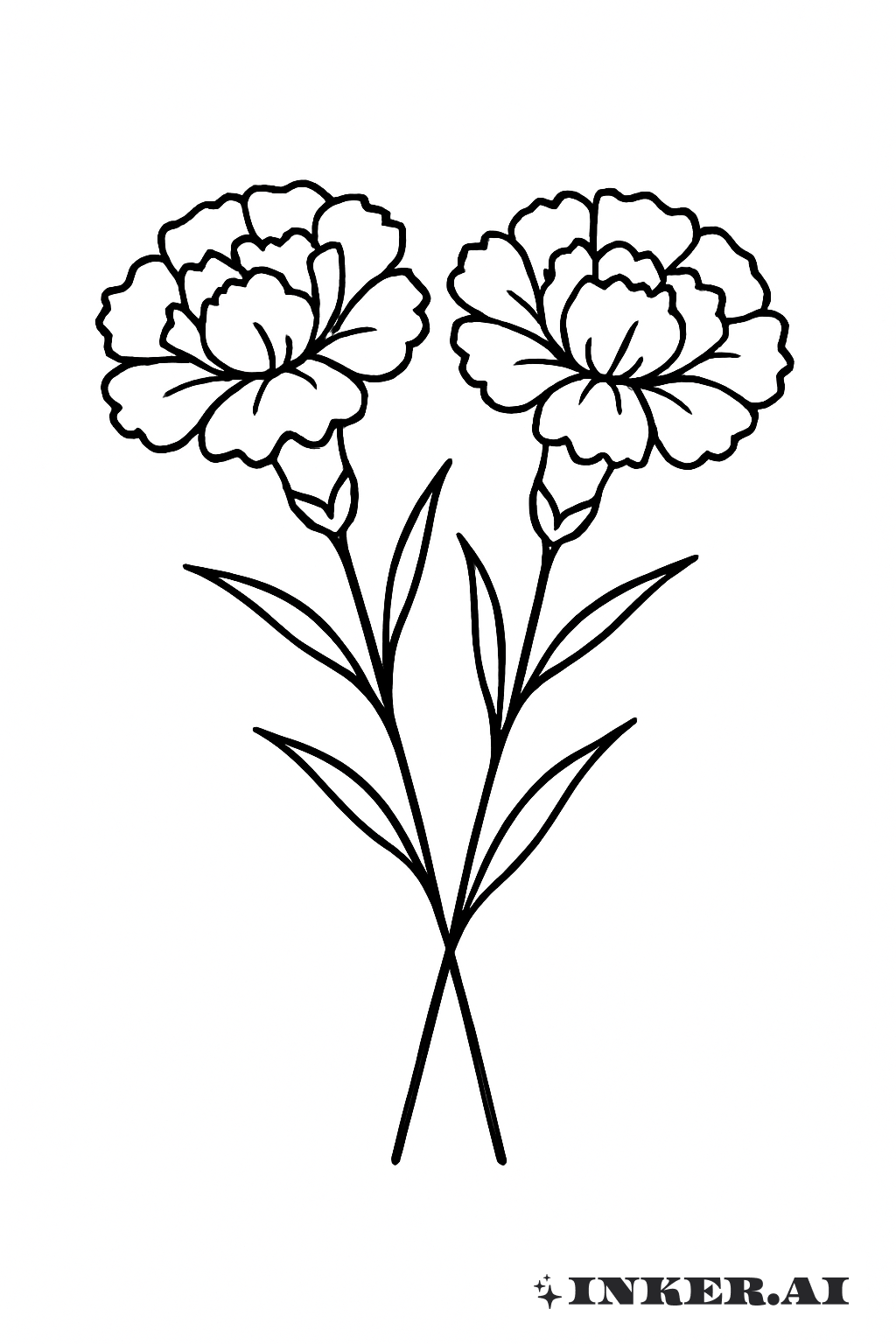
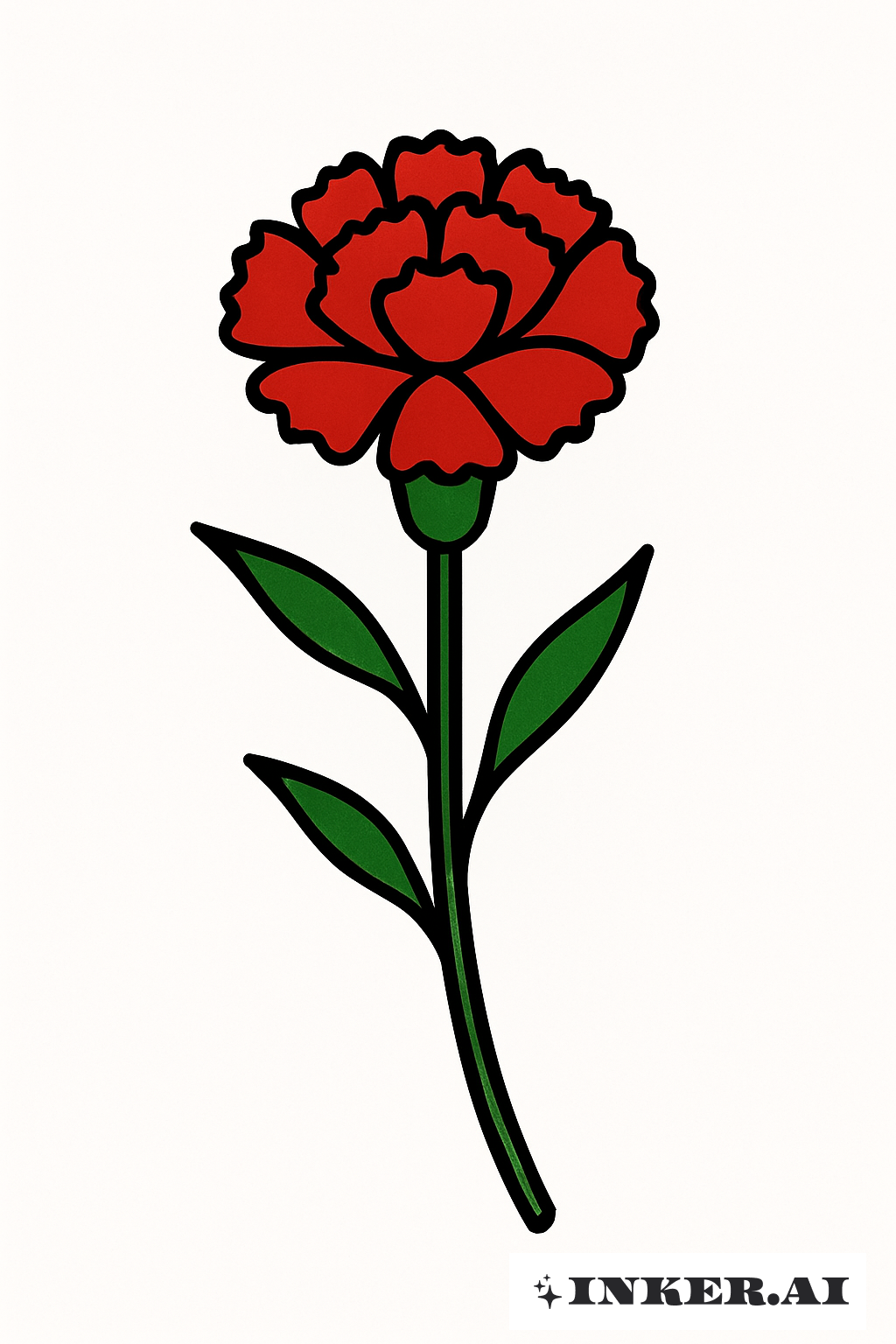
The mandala form evokes wholeness and inner balance, while the carnation at its core brings associations of love, devotion, and remembrance across many cultures. Layering the bloom into a sacred geometric pattern amplifies themes of interconnectedness: each repeated segment suggests cycles of growth, renewal, and the ordered beauty underlying natural forms. As a wearable emblem, this design can symbolize personal resilience—petals that unfold despite constraint—and the harmony between logic and emotion. The interplay of circle and angle hints at protection and continuity, a visual prayer for centeredness and calm. On a visual level it bridges ornamental tradition and contemporary minimalism, making it a versatile choice for those drawn to contemplative imagery. Formally rooted in geometry, the piece reads as disciplined and intentional; it also invites personalization through scale, placement, or subtle additions. This balance reflects the dual nature of the motif: a floral tenderness grounded in measured structure, and demonstrates clearly how a floral subject can be adapted into modern body art as both statement and symbol. The design aligns with Geometric tattoo style while showcasing refined Carnation tattoo ideas for meaningful adornment.
Design Inspiration Of Carnation Bloom as a Sacred Geometry Mandala Tattoo Design
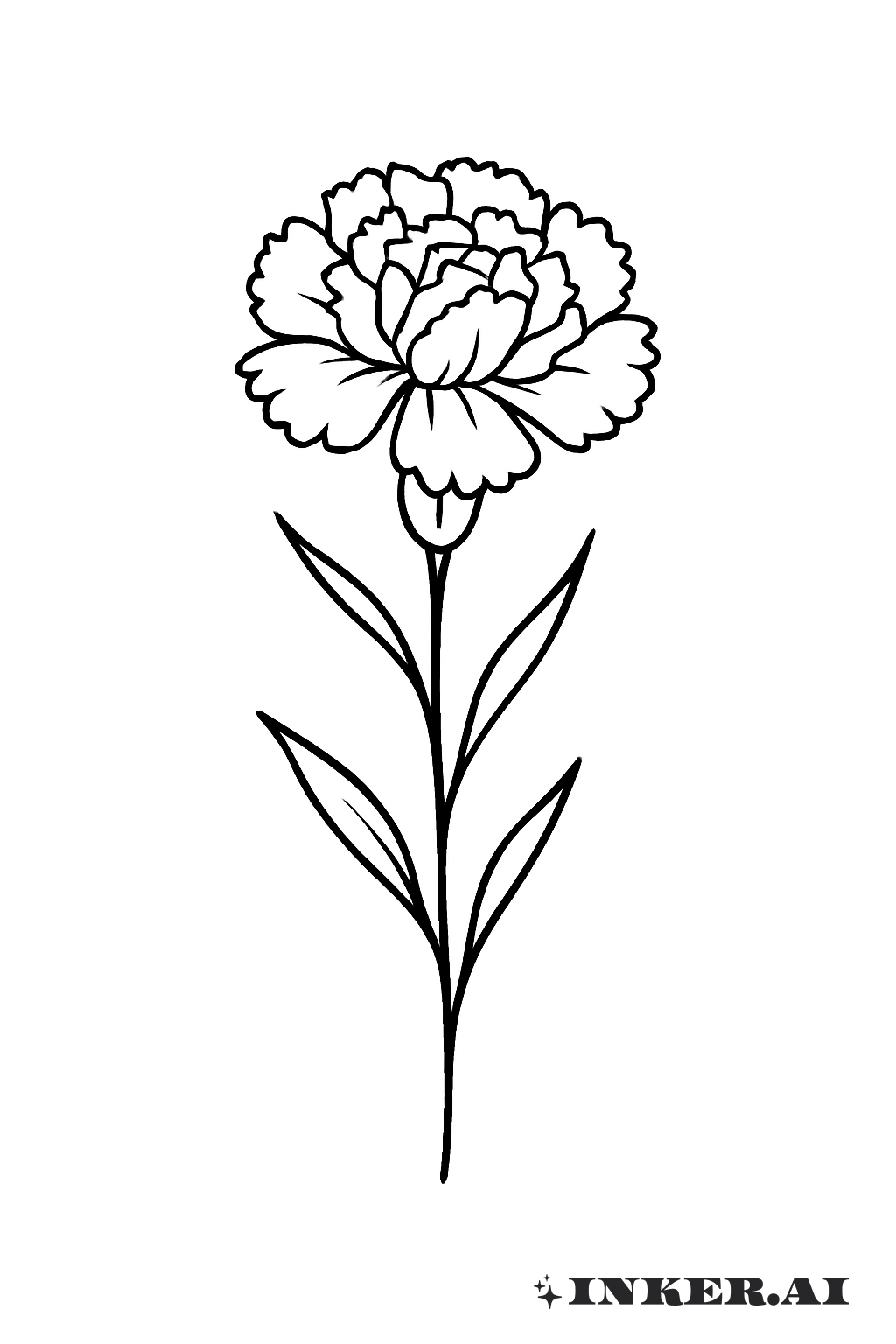
The creative impulse behind this tattoo comes from marrying botanical illustration with sacred geometry—translating the soft irregularity of a carnation into a sequence of rhythmic, repeating forms. Inspirations include hand-drawn petal studies, classical mandalas, and contemporary linework aesthetics. The project explores contrast: delicate organic curves juxtaposed with crisp angles and calibrated spacing. The goal was to craft a piece that reads as both ornamental jewelry and a meditative emblem, offering visual calm through symmetry while preserving the living character of the flower. Techniques like fine-line outlining and strategic negative space were chosen to keep the design timeless, adaptable, and wearable across body placements.